




1. What to do in Ban Ho Lake: Why you should choose this destination in 2025
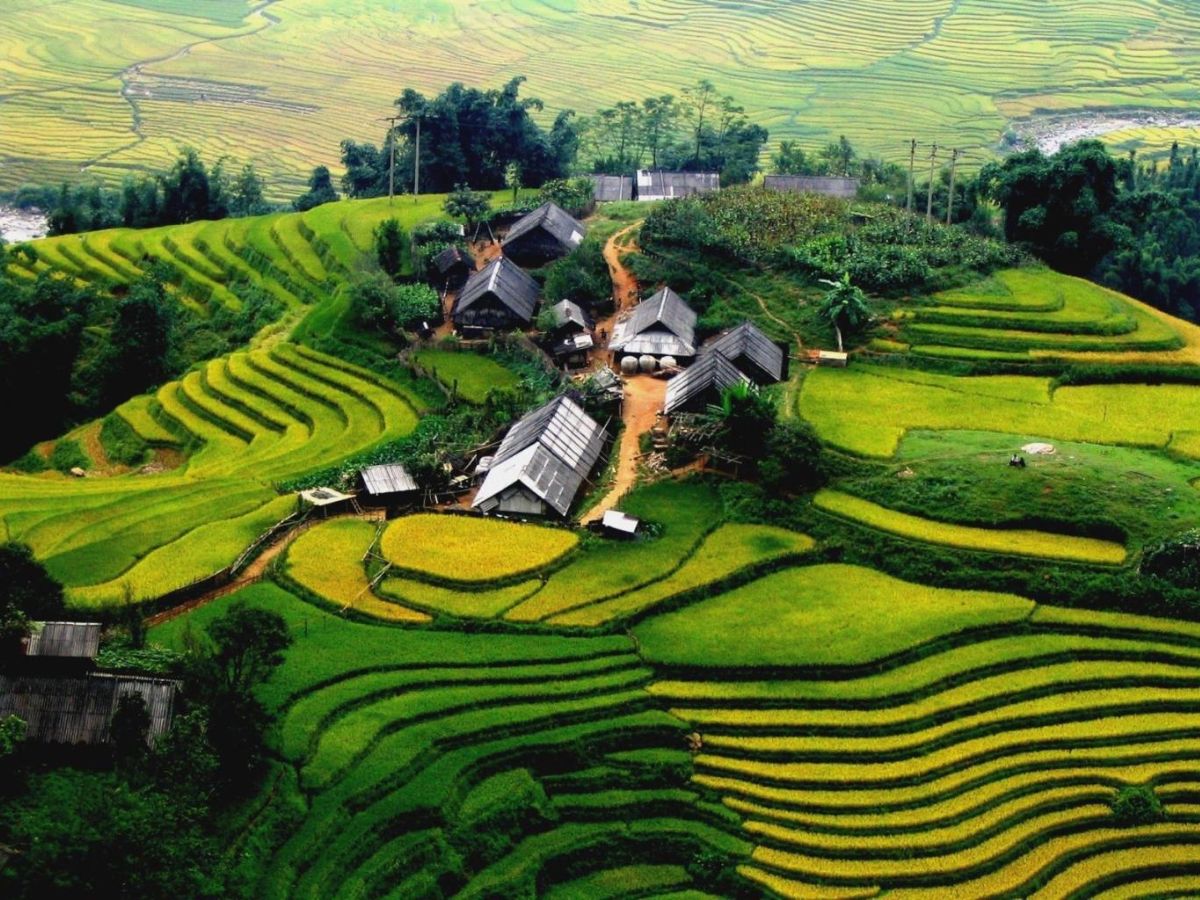
Ban Ho Sapa is an ideal stopover for the 2025 Northwest exploration journey, where visitors can immerse themselves in lush green nature and experience the distinctive culture of the Tay people. Not only boasting majestic scenery with terraced fields, waterfalls, and crystal-clear streams, Ban Ho also offers a peaceful space – where every moment is filled with the breath of the mountains and forests and the affection of the highlanders.
1.1. Overview of Ban Ho
Nestled peacefully at the foot of the majestic Hoang Lien Son mountain range, Ban Ho commune, Lao Cai province is considered one of the most attractive ecotourism destinations in the Northwest region. About 30 km from Sapa town center, visitors can easily travel by motorbike or car in about 30 minutes. This place offers a quiet, fresh space – a complete contrast to the bustling pace of urban life.
Blessed by nature with a cool climate year-round and pristine mountain scenery, Ban Ho is an ideal destination for those who love peace and want to experience local culture. Amidst vast green trees, visitors can immerse themselves in the simple life of the Northwest people, enjoying moments of relaxation and connection with nature in the most authentic way.
1.2. Scenery of Terraced Fields, Waterfalls, and Streams
The scenery of Ban Ho captivates visitors at first sight with its terraced fields winding around the mountainsides, as soft as nature's delicate touch. During the flooding season (May – June), the fields shimmer, reflecting the clear blue sky and clouds, creating a peaceful, picturesque scene. By the rice harvest season (September – October), the entire Ban Ho valley glows with a brilliant golden hue, carrying the rich flavor of abundant harvests from the Northwest highlands.
Besides, the gentle Muong Hoa stream meanders around the village, merging with white waterfalls cascading down the mountainsides, bringing an irresistible sense of coolness and wildness. The life here is also adorned by the cultural diversity of the Tay, H'Mong, Dao, Nung, and Giay ethnic groups, each with its own unique customs, architecture, and cuisine, contributing to Ban Ho's vibrant cultural tapestry, rich in highland identity.
1.3. The Appeal of Community Tourism
Community tourism in Ban Ho is increasingly flourishing, offering visitors the opportunity to experience the authentic life of the local people amidst majestic natural landscapes. When you come here, you can participate in agricultural activities, explore customs and traditions, learn about beautiful traditional culture, and join in unique festivals held throughout the year.
Especially, the cultural exchange nights, the Long Tong festival for a bountiful harvest, or intimate conversations by the warm campfire create a cozy and friendly atmosphere. It is these moments that help visitors understand more about the people of Ban Ho, feel the simple and hospitable human connection – factors that create a unique charm unmatched by any other destination.
1.4. Real Experience Reviews from Tourists
Tourists who have visited Ban Ho Sapa have consistently praised the gentle, hospitable nature of the local people and the cool, fresh atmosphere year-round with an average temperature of only 18–25°C. Amidst the pristine and peaceful mountain scenery, visitors can clearly feel a sense of relaxation and lightness of spirit, temporarily setting aside the worries of daily life.
The combination of natural beauty and unique local culture has made Ban Ho an ideal destination for those who love experiencing a slow pace of life, want to be close to nature, and explore the authentic and complete essence of the Northwest highlands.
2. Trekking and Sightseeing in Ban Ho
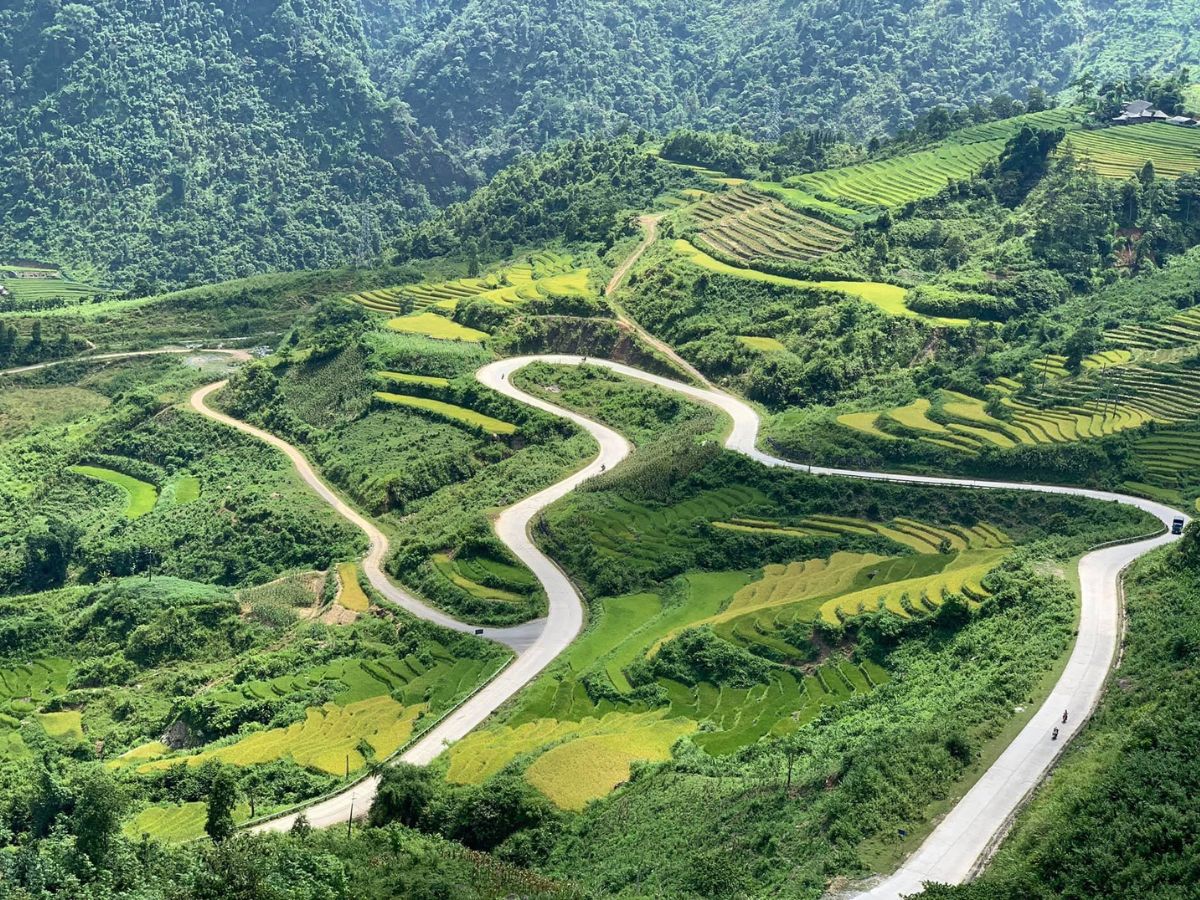
Trekking in Ban Ho is one of the most beloved experiences for tourists visiting Sa Pa, offering a chance to immerse yourself in pristine nature and breathe the fresh air of the Northwestern mountains and forests. This journey not only helps you discover the majestic beauty of Silver Waterfall, Muong Hoa Stream, or the layered terraced fields but also opens up new perspectives on the simple life in the villages.
2.1. What to do on the trekking route to Silver Waterfall and Muong Hoa Stream?
The trekking route from Ban Ho to Silver Waterfall, following the poetic Muong Hoa Stream, is an ideal journey for nature lovers. This route takes tourists through lush primeval forests and peaceful villages, offering a sense of adventure while remaining safe and suitable for both beginners and seasoned adventure travelers.
Each season, the route offers its own charm: spring (February–May) is vibrant with wild flowers; summer (June–August) is when young rice plants are lush green; and autumn (September–October) sees the entire landscape illuminated by the golden hues of ripe terraced fields. For a complete journey, you should start early in the morning when the air is still fresh, prepare plenty of water, wear light and comfortable clothing, and choose sports shoes with good grip to ensure safety throughout the trip.
2.2. Best spots for terraced fields and photo opportunities
Ban Den Hamlet, where Muong Hoa Stream and La Ve Stream converge, is known as the best spot to admire the terraced fields in Ban Ho. The tiered fields stretch out one after another, interspersed with rustic stilt houses, creating a landscape painting that resembles a fairyland amidst the Northwestern mountains and forests.
To capture the most impressive photos, visitors should choose high vantage points such as hill slopes or homestay rooftops, timing their visit for sunrise or sunset when the golden sunlight gently bathes the terraced fields, highlighting every soft contour of the scenery. If you want to fully experience the beauty of the village, you should stay for 1–2 nights, allowing time for exploration and cultural exchange, as well as comfortable photography from various unique angles to preserve the moments here.
3. Local cultural experience in Ban Ho
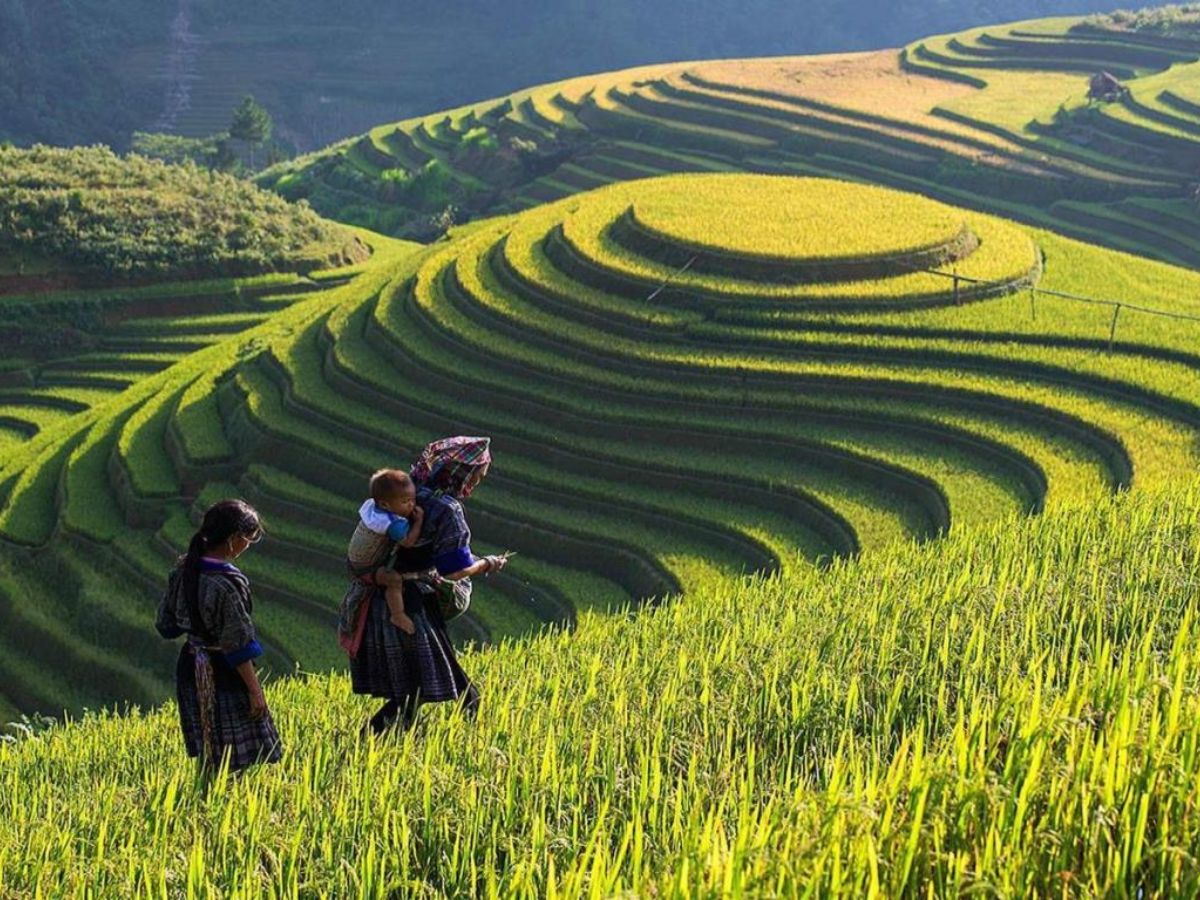
Discovering Ban Ho is not only a journey to admire natural scenery but also an opportunity to immerse yourself in the unique cultural life of the highland people. This place preserves many customs, traditions, and traditional ways of life, bringing visitors an authentic and profound experience of the Northwest's identity.
3.1. What is there to experience regarding traditional culture in Ban Ho?
The cultural space of Ban Ho is a unique intersection of many ethnic cultures of the highlands, with the Tay people playing a prominent role, preserving and promoting many traditional values through generations. When visiting, tourists can not only chat and interact with the locals but also try on colorful traditional costumes, participate in cooking, and enjoy specialty dishes with the rich flavors of the Northwest mountains.
Experiential activities such as weaving brocade, handicraft weaving, making Banh Day or Banh Chung Den help tourists gain a deeper understanding of the simple, close-knit way of life of the local people. Furthermore, the community homestay model is increasingly developing, offering opportunities to rest, eat, and live alongside the local people, creating an authentic and unforgettable Ban Ho cultural experience for visitors.
3.2. Enjoying stilt house meals and cultural exchange 2025
The traditional meal in a stilt house at Ban Ho carries the rich flavors of the Northwest mountain cuisine, an experience that makes many visitors linger. In the cozy atmosphere of the hearth, tourists can enjoy rustic dishes while immersing themselves in emotional cultural exchange sessions with the locals.
A special highlight is the warm sound of Then singing and Luon singing by the Tay people, evoking a friendly and intimate atmosphere. These cultural programs are often organized during Lunar New Year, the Long Tong festival, or upon special request from visitors. Nowadays, homestays and the Ban Ho community have implemented cultural activities professionally, allowing tourists to book in advance to fully enjoy the traditional values and characteristic hospitality of this land.
4. Herbal bath and relaxation like the locals
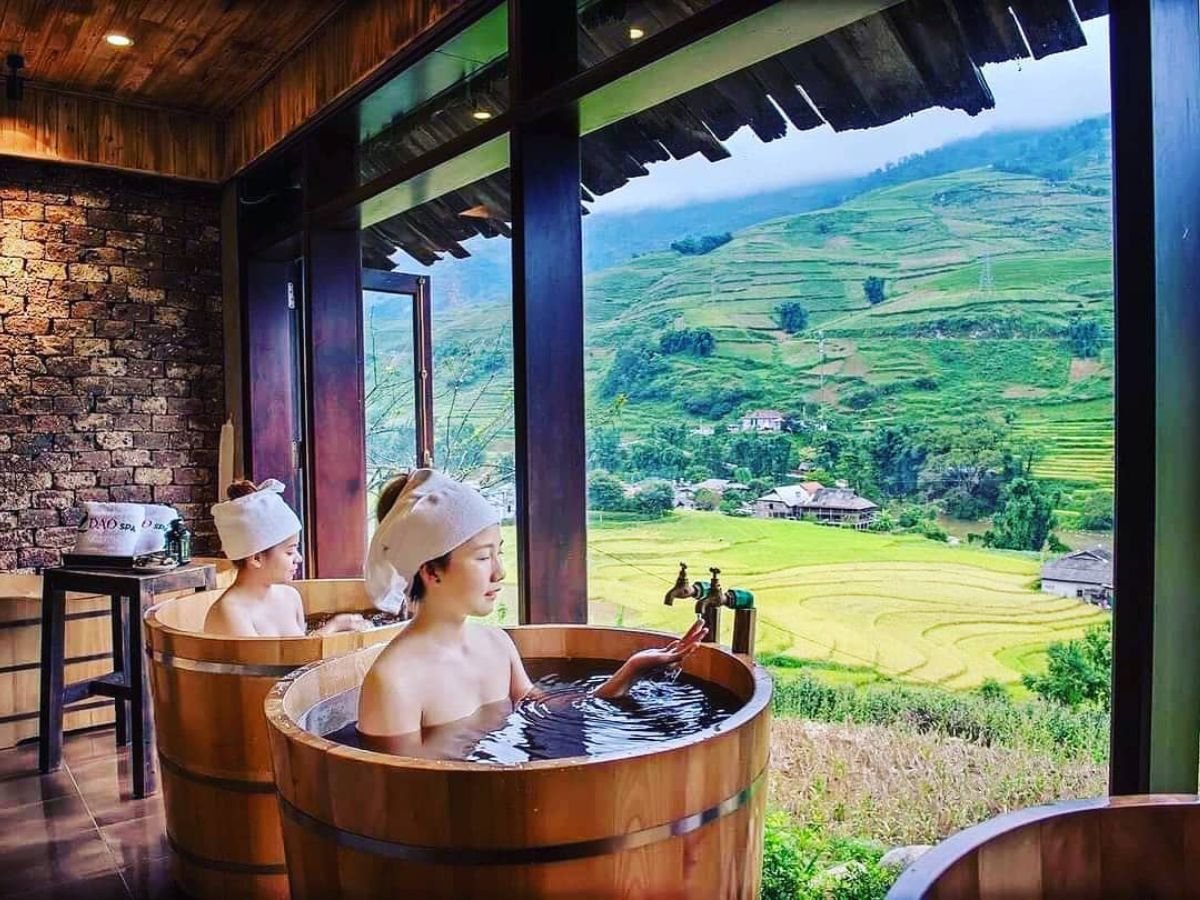
One of the unmissable experiences when visiting Ban Ho is the traditional herbal bath of the Red Dao people. Amidst the peaceful mountains and forests, visitors can relax in warm herbal water, feel the natural aroma of the mountains and forests, and regain balance for their bodies after long days of exploration.
4.1. What's special about the Red Dao herbal bath in Ban Ho?
The herbal bath of the Red Dao people in Ban Ho is a unique health care experience deeply imbued with the identity of the Northwest mountainous region. The bath water is prepared from dozens of precious herbs picked from the primeval forest, mixed with clean spring water, creating a traditional soaking medicine according to the heirloom secret of the Dao people.
This therapy not only helps reduce fatigue and relieve body aches but also enhances blood circulation and purifies the body after a long journey of trekking or traveling. The herbal bath rooms at homestays in Ban Ho are usually arranged simply, close to nature, bringing a sense of absolute peace and relaxation to visitors as they immerse themselves in the gentle aroma of the mountains and forests.
4.2. Tips for choosing a quality herbal bath service in 2025
To fully enjoy the Red Dao herbal bath experience in Ban Ho, visitors should choose reputable homestays or community tourism centers. The price for each bath session ranges from 150,000 – 200,000 VND, depending on the quality of service and the type of herbs used.
Before soaking, you should shower to allow the herbs to penetrate better, and dry yourself and drink enough water after the bath to avoid fatigue. In particular, those with open wounds or sensitive skin should consult with the service provider beforehand to get advice on suitable herbal remedies, ensuring safety and effectiveness throughout the experience.
5. Stream bathing, riverside picnics, and outdoor sports experiences
Amidst the majestic natural scenery of Ban Ho, visitors will find exciting and relaxing outdoor experiences. From stream bathing, riverside picnics to cycling around the village, each activity brings a sense of closeness, peace, and full energy amidst the Northwest mountains and forests.
5.1. What's interesting about stream bathing and riverside picnics in Ban Ho?
The clear Muong Hoa stream winding through Ban Ho is an ideal stop for those who love stream bathing, picnicking, and relaxing in nature. The turquoise stream water, fine sandy beach, and peaceful atmosphere create a pleasant feeling, helping visitors shed all worries. The ancient trees along the bank not only provide shade but also serve as a beautiful backdrop for souvenir photos.
The experience will be even more complete when you sit and enjoy a light meal in the fresh air, listen to the babbling stream, and feel the characteristic peace of Ban Ho – a place where humans and nature blend subtly and rusticly.
5.2. Renting bicycles, motorbikes, and cycling around Ban Ho
In Ban Ho, many homestays and local households now offer bicycle and motorbike rental services to help visitors easily explore the Northwest natural scenery freely. The most popular routes include the one along the Muong Hoa stream, crossing picturesque terraced fields, heading towards Silver Waterfall, or combining with a tour of nearby villages such as Ta Van and Lao Chai.
When renting a vehicle in Ban Ho, visitors should carefully check the vehicle's condition, wear a standard helmet, and drive cautiously on steep and winding roads. Especially on rainy days, reduce speed and maintain a safe distance to ensure the exploration journey is both complete and absolutely safe.
6. What to eat and see at Ban Ho's cuisine and market?
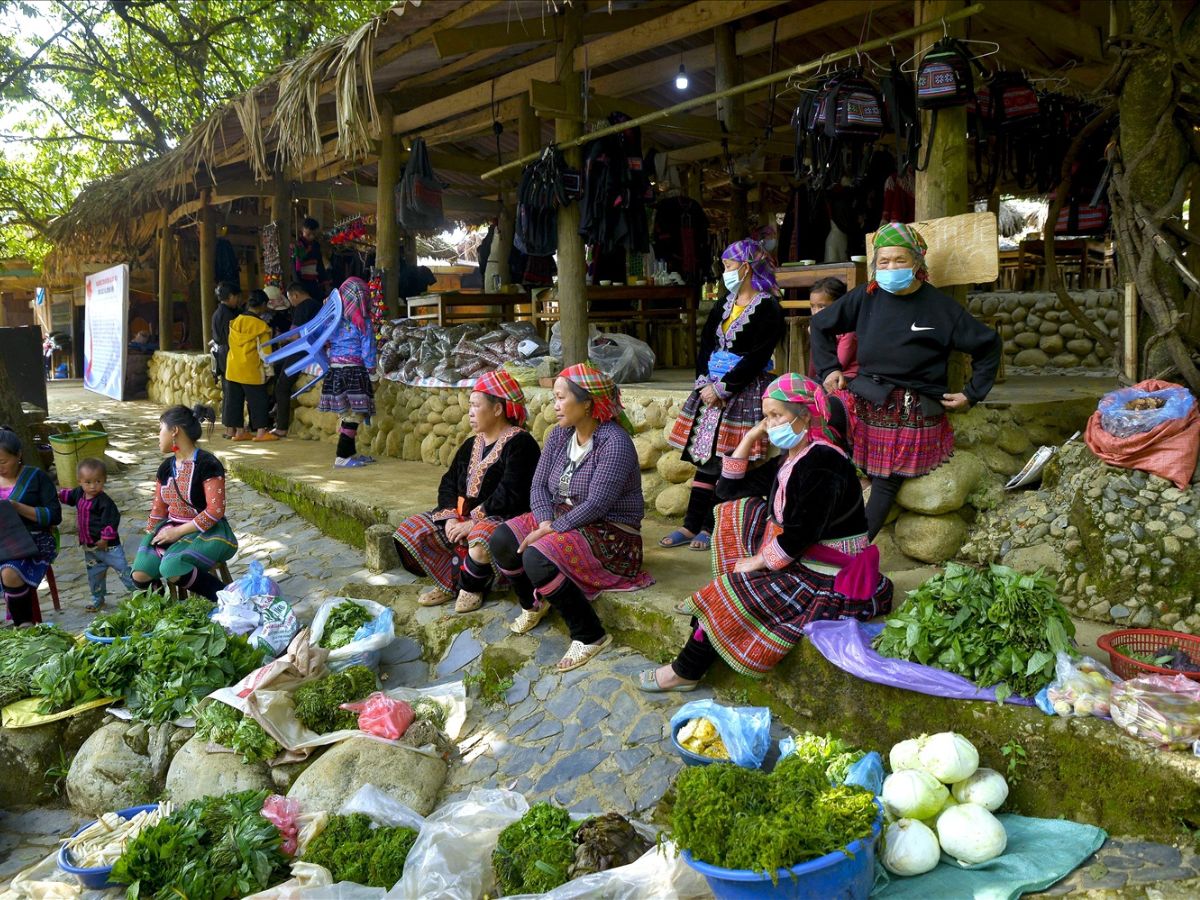
Cuisine and market days in Ban Ho are two prominent characteristics that best reflect the local culture. Amidst the peaceful mountain scenery, tourists can not only enjoy rustic local delicacies but also have the opportunity to immerse themselves in the bustling, lively atmosphere of a highland market rich in Northwestern identity.
6.1. Must-try delicacies when visiting Ban Ho
Ban Ho's cuisine bears the strong cultural imprint of the Tay people, with fresh ingredients from the local mountains and fields. Specialty dishes such as Thang Co, grilled local pork, fresh stream fish, sticky rice with young rice grains, or apple cider wine always leave a lasting impression on visitors with their rustic, unforgettable flavors. Wild vegetables such as pumpkin leaves, chayote leaves, and bamboo shoots are skillfully prepared, retaining their natural sweet and delicate taste.
Each meal at a homestay or restaurant in Ban Ho is not just a culinary experience but also an occasion to connect and feel the hospitality of the local people. Amidst the peaceful mountain scenery, the rustic dishes become even richer and warmer, contributing to the special charm of this land.
6.2. Ban Ho Market Days
Ban Ho market days are held on weekend mornings, serving as a gathering place for many locals and traders from nearby villages, bringing many characteristic highland products. Here, visitors can easily find fresh wild vegetables, handmade brocade textiles, medicinal leaves, woven items, along with countless rustic items rich in Northwestern identity.
More than just a place to shop and choose specialties as gifts, the market days also offer an opportunity to immerse oneself in the daily life of the local people, listen to the cheerful chatter, and experience the traditional trading culture. Visitors can also learn friendly bargaining techniques or capture vibrant photos that truly reflect the simple life in the villages.
7. Suggested itinerary for a self-guided trip to Ban Ho in 2025

A 2-day 1-night journey in Ban Ho promises to bring visitors memorable experiences amidst the nature and culture of the Sa Pa highlands.
On the first day, after checking into the Ban Ho homestay, you can start a trekking trip to explore Silver Waterfall (Thac Bac), Muong Hoa Stream (Suoi Muong Hoa), enjoying the fresh air and majestic scenery. In the evening, visitors will enjoy characteristic local cuisine and immerse themselves in a warm cultural exchange program by the flickering firelight.
On the second day, experience the traditional herbal bath of the Red Dao people to relax your body, then rent a bicycle or motorbike to cycle around the terraced fields and visit nearby villages. If visiting on a weekend, don't miss the Ban Ho highland market – an ideal place to buy local specialties and unique souvenirs.
To make the trip more complete, you can combine visits to other famous attractions in Sa Pa such as Fansipan peak, Cat Cat village (Ban Cat Cat), Ta Van May Bridge (Cau May Ta Van), O Quy Ho Pass (Deo O Quy Ho), or Muong Hoa Valley (Thung Lung Muong Hoa). This will be a perfect journey to help you fully appreciate the natural beauty and unique culture of the Northwest region.
8. Useful tips when exploring Ban Ho in 2025
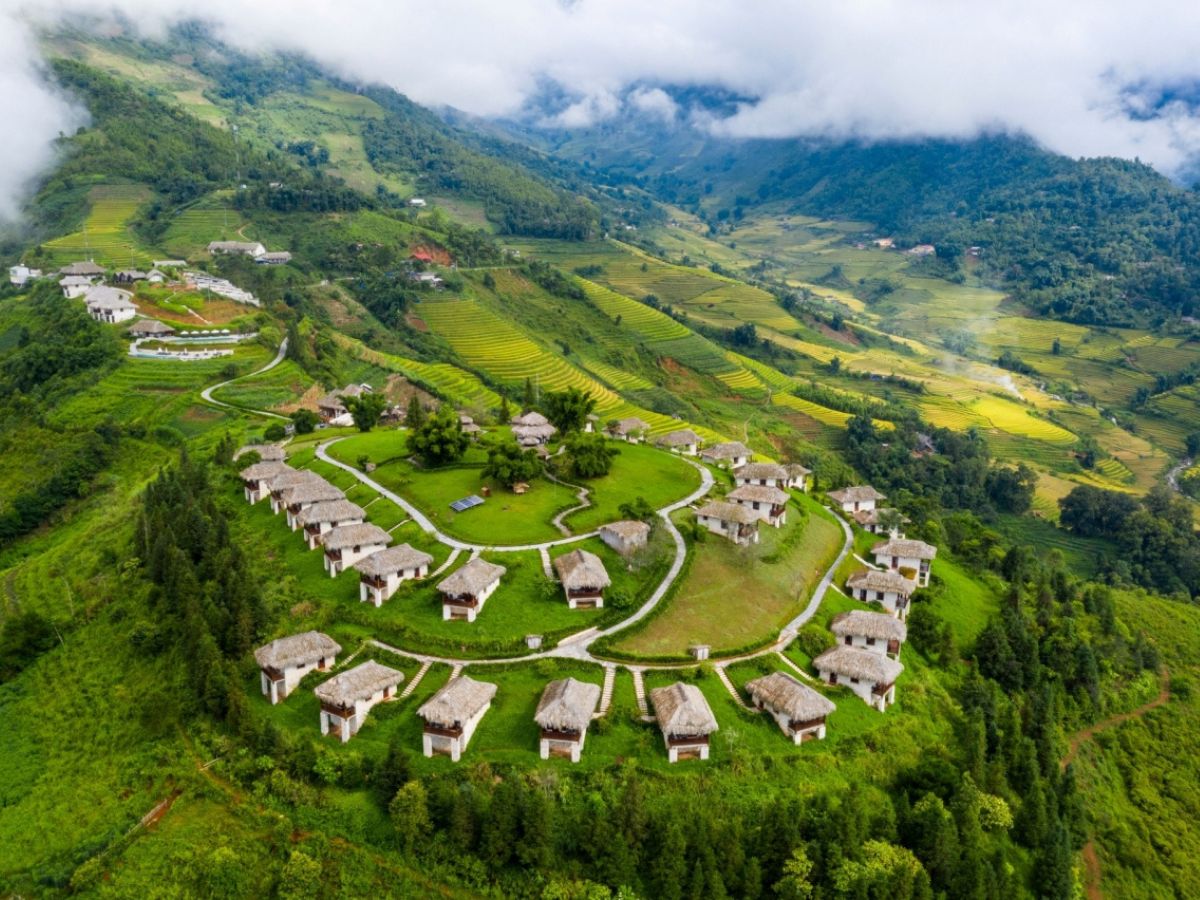
Ban Ho Sapa is an ideal stopover for those who want to immerse themselves in nature and experience the simple life of the Thai people amidst the mountains of the Northwest. To make your 2025 trip more complete, visitors should equip themselves with useful knowledge about clothing, weather, and cultural etiquette when exploring this peaceful village.
When traveling to Ban Ho, preparing seasonal clothing is important for a more comfortable and complete trip. In spring and autumn, visitors should choose lightweight sportswear and windbreakers for easy movement. In winter, bring warm clothes, scarves, and gloves to stay warm. In summer, even with sunshine, you should still prepare sun protection clothing, a wide-brimmed hat, and UV protection cream to protect your skin. The climate in Ban Ho is generally warmer than Sapa, but it can still be chilly at night, so don't forget a light jacket and mosquito repellent to avoid insect bites.
If you love photography, take advantage of the natural light in the early morning or late afternoon – the ideal times to capture colorful terraced fields, stilt houses, and the Muong Hoa stream.
When visiting, tourists must respect local customs and culture, not enter sacred areas without permission, or take photos of residents without asking. The entrance fee for Ban Ho is currently around 40,000 VND/person. Visitors should purchase tickets at the official checkpoint to ensure their rights and contribute to the sustainable community tourism development for the local people.
Ban Ho captivates visitors not only with its peaceful scenery but also with its authentic highland cultural experiences. If you are wondering What to do in Ban Ho, come and experience the pristine, rustic beauty and the sincere hospitality of the people here for yourself.


