




1. Why choose a DIY trip to Sa Pa in 2025?
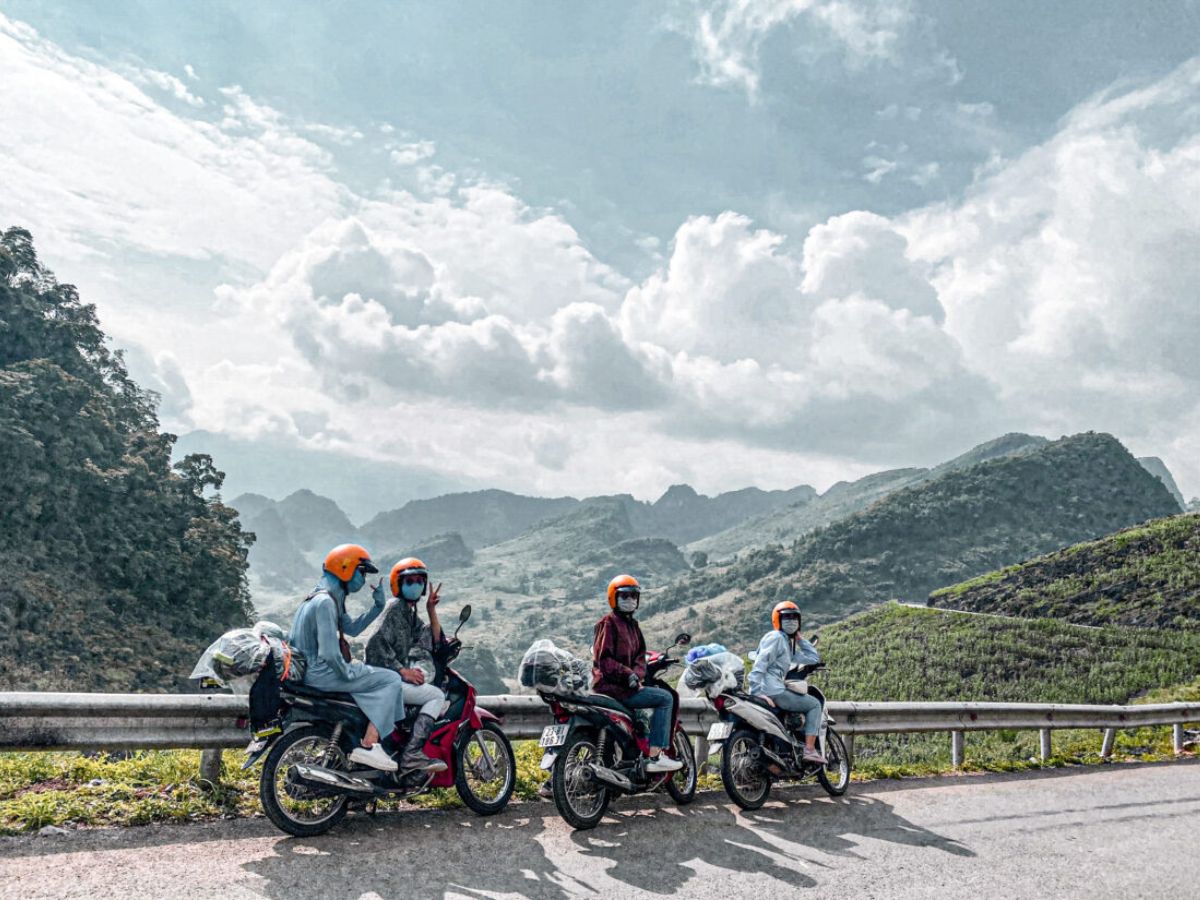
Many tourists choose the Sa Pa trekking experience. (Source: Collected)
Sa Pa is always on the dream destination list for travel enthusiasts, especially for those who want to explore the pristine beauty of the Northwest mountains and forests. Entering 2025, the trend of independent trekking to Sa Pa is becoming increasingly popular thanks to its flexibility, cost-effectiveness, and ability to provide authentic experiences that are rarely found elsewhere.
1.1. Sa Pa and its enchanting natural beauty that captivates every trekker
Sa Pa is likened to a masterpiece of natural scenery, located at an altitude of 1,500 – 1,800 m above sea level. With its characteristic temperate mountain climate, it always offers a fresh, pleasant atmosphere year-round. The average temperature ranges from 18 – 22°C during the day and about 14 – 17°C at night, which is especially ideal in autumn. During September – October, the weather is less rainy, the sky is clear, making it the perfect time for tourists to experience trekking or cloud hunting on the high mountain peaks.
The landscape of Sa Pa is marked by the majestic Hoang Lien Son mountain range, golden terraced fields of ripe rice, and a sea of white, fluffy clouds in the early morning. Besides, prominent attractions such as Silver Waterfall (Thac Bac), Love Waterfall (Thac Tinh Yeu), Ham Rong Mountain (Nui Ham Rong), or May Bridge (Cau May) also offer romantic and mystical scenery that leaves a lasting impression on everyone who visits.
Not only attractive for its scenery, Sa Pa is also home to many ethnic minority groups such as Hmong, Dao, Tay... Visitors here can admire traditional stilt houses, enjoy mountain cuisine, discover the traditional brocade weaving craft, and admire colorful traditional costumes. All these elements blend together to create a unique local cultural identity, making a trip to Sa Pa a meaningful experience.
1.2. Sa Pa Trekking Trend 2025: Freedom, Cost-Saving, Authentic Experiences
Independent Sa Pa trekking is always an ideal choice for those who love proactivity and freedom in their exploration journey. Instead of being confined to a pre-set tour itinerary, you can stop at any village, eatery, or cloud-hunting spot you wish. The feeling of conquering new routes on your own, enjoying the majestic natural space, and living every moment in your own way is the great appeal of this form of tourism, especially for modern youth.
In terms of cost, independent Sa Pa trekking also offers a clear advantage as you can flexibly combine transportation methods such as motorbikes and buses, while choosing affordable homestays and enjoying cuisine with local people. Not only does it save a significant budget, but this experience also brings authentic value that high-end trips can hardly provide.
In 2025, the trend of sustainable tourism and authentic experiences is increasingly prioritized. Tourists visiting Sa Pa not only want to take photos for social media but also wish to immerse themselves in local life: interacting with ethnic people, participating in trekking, climbing Fansipan mountain, cloud hunting on the Hoang Lien range, and enjoying mountain specialties. Each experience not only helps connect with nature and culture but also contributes to environmental protection, while supporting local communities to develop tourism sustainably.
2. Planning Your Sa Pa Trekking Trip 2025: Timing, Preparation, and Estimated Costs
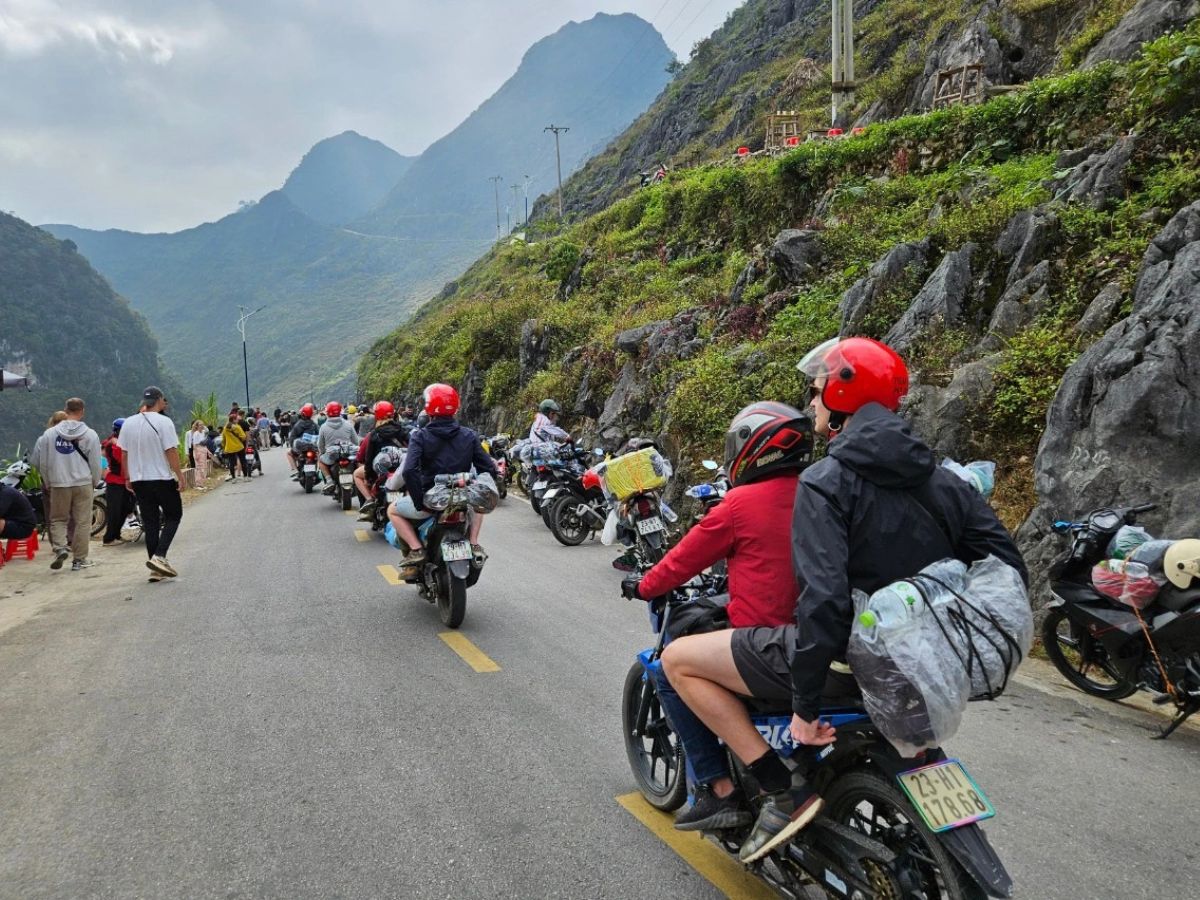
Thorough planning for a fulfilling Sa Pa trip. (Source: Collected)
To have a memorable Sa Pa trip in 2025, detailed planning regarding timing, luggage, and costs is essential. Thorough preparation will not only help you fully enjoy the beauty of the “city in the mist” but also ensure the trip is safe, economical, and full of interesting experiences.
2.1. Ideal timing for a Sa Pa trip by season
Timing is the key factor determining whether your Sa Pa trip experience is complete. Each season in Sa Pa has its own unique beauty — from the golden terraced fields in autumn, the pure white snow in winter, to the vibrant rhododendron flowers in spring — promising to bring different scenes and emotions for each exploration journey.
September - October is considered the golden season for Sa Pa tourism, when valleys and villages like Cat Cat, Ta Van, and Lao Chai are covered in the brilliant yellow of ripe rice. The weather at this time is dry, with little rain, and the sky is clear blue – ideal for trekking, cloud hunting, or taking photos to preserve memories.
If you prefer a more unique experience, visit Sa Pa in winter, especially from December to February. In January, frost and snow often appear in high areas like the O Quy Ho pass, creating a magical landscape and a novel feeling rarely seen in Vietnam, attracting many tourists from the South.
Spring from March to May is also an ideal time when rhododendron flowers bloom vibrantly on Fansipan peak. Additionally, this is the season for unique traditional festivals organized by ethnic communities, offering an unforgettable cultural experience. However, tourists should avoid traveling in July - August due to heavy rain which can affect trekking schedules and pose dangers during travel.
2.2. What to prepare for a safe and economical Sa Pa trip?
Before each Sa Pa trip, luggage preparation plays a crucial role in ensuring safety and optimizing costs. Equipping yourself with adequate clothing, personal items, and support equipment will make you more proactive in exploring this challenging yet incredibly attractive highland region.
For a self-guided Sa Pa trip, preparing warm clothing is the top priority because the highland climate changes rapidly. You should bring a waterproof jacket, a sweater, a lightweight raincoat, and comfortable sportswear for convenient trekking. Also, don't forget a wide-brimmed hat and sunglasses to protect from the sun, along with a woolen scarf and gloves to stay warm on cold days.
Specialized trekking shoes or anti-slip sneakers are essential for safety when moving on rocky mountain paths and terraced fields. Besides, it's advisable to bring a pair of sandals to change into after long journeys, to keep your feet comfortable.
Essential personal items include a basic first-aid kit with cold medicine, stomach ache medicine, wind oil, insect repellent, and bandages to handle unexpected situations. Additionally, bring personal identification documents, a driver's license, cash, and ATM cards for convenient payments. Finally, a camera, phone, power bank, and GPS map will be powerful "assistants" helping you capture beautiful moments and navigate accurately on your Sa Pa exploration journey.
2.3. Cost of a self-guided Sa Pa trip: Economical estimates for a 3D2N/2D1N trip
The cost of a self-guided Sa Pa trip in 2025 is quite reasonable if you plan ahead.
Motorcycle fuel cost from Hanoi to Sa Pa one way is about 150,000 VNĐ, and the round trip, including transportation within Sa Pa, will cost approximately 300,000 - 500,000 VNĐ. This total cost may vary depending on the actual distance and the vehicle's fuel consumption.
Regarding accommodation, budget homestays and hostels for backpackers range from 100,000 – 300,000 VNĐ/person/night, suitable for young groups or travelers wanting to experience local culture. Food is also quite economical, with 150,000 – 300,000 VNĐ/person/day allowing you to enjoy many famous local specialties of Sa Pa at local eateries.
Sa Pa sightseeing costs also need to be calculated in advance: the Fansipan cable car ticket is currently 800,000 VNĐ for a round trip, entrance fees to villages range from 40,000 – 100,000 VNĐ/entry, while check-in spots like Cau May or waterfalls cost only about 20,000 – 50,000 VNĐ.
Overall, a 3-day, 2-night Sa Pa trip has an average cost of 1,800,000 – 3,000,000 VNĐ/person, while a 2-day, 1-night itinerary costs only about 1,200,000 – 2,200,000 VNĐ, depending on the services you choose.
3. Guide to traveling to Sa Pa in 2025
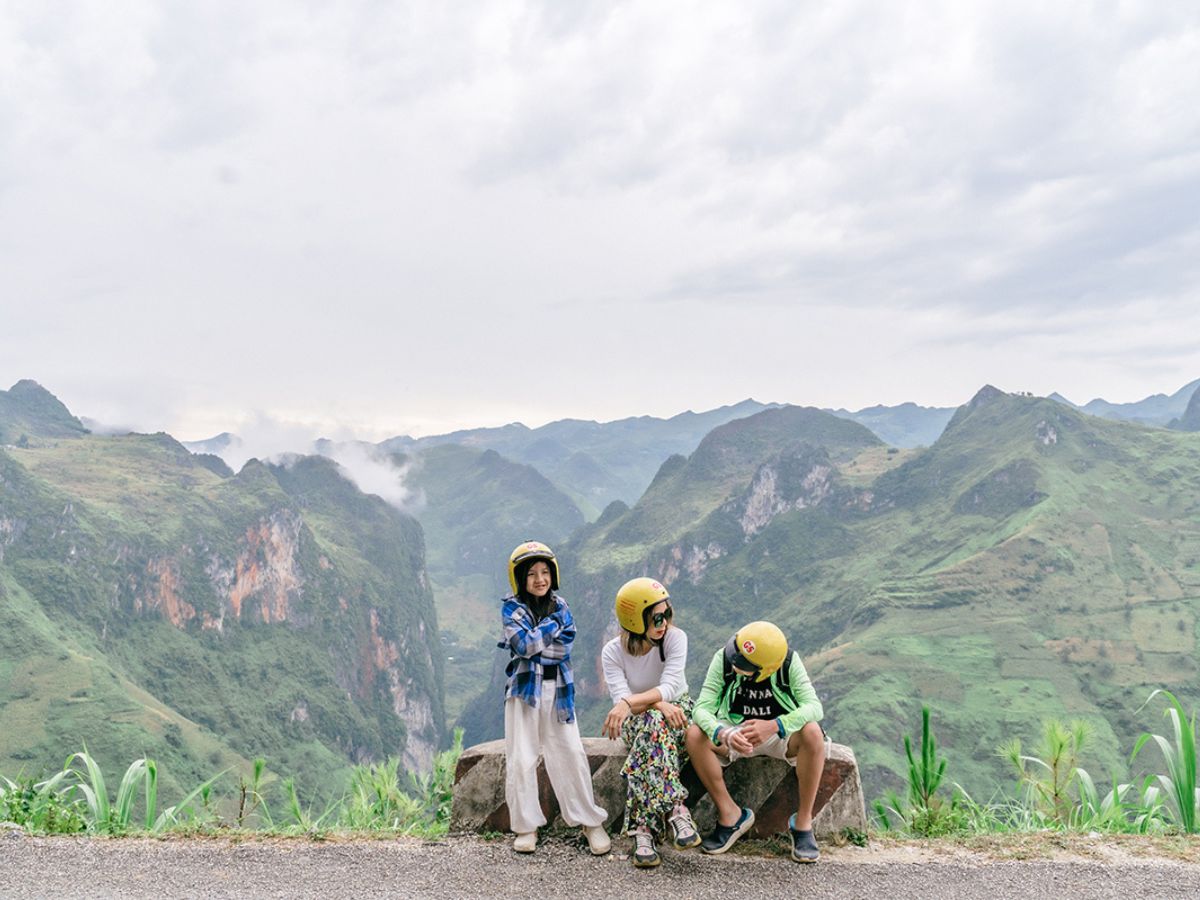
Choose to travel to Sapa by motorbike to be proactive for the trip. (Source: Collected)
If you want to travel to Sapa by motorbike from Hanoi, the safest route is to follow National Highway 32 or National Highway 6 through Son Tay, Phu Tho, continue to Yen Bai – Lao Cai, then turn up to Sapa. Important note: absolutely do not take the Noi Bai – Lao Cai expressway, as this route is only for cars, motorbikes are completely prohibited.
Among many routes, the Hanoi – Son Tay – Thanh Son – Tu Le – Mu Cang Chai – Than Uyen – O Quy Ho Pass – Sapa route is the most popular among the biking community. This route not only ensures safety but also passes through a series of 'top-notch' check-in spots such as the Tu Le terraced fields, Than Uyen tea hills, or the majestic O Quy Ho Pass, allowing you to ride and stop to rest, take photos.
However, the O Quy Ho Pass section alone requires solid driving skills and a motorbike in good technical condition. Before departing, you should check the brakes, tires, headlights, engine oil level, and bring a basic repair kit including a tire patch kit, spark plugs, and spare oil. Thorough preparation will make your trip to Sapa safer and more complete.
4. Suggested Sapa 3-day 2-night itinerary
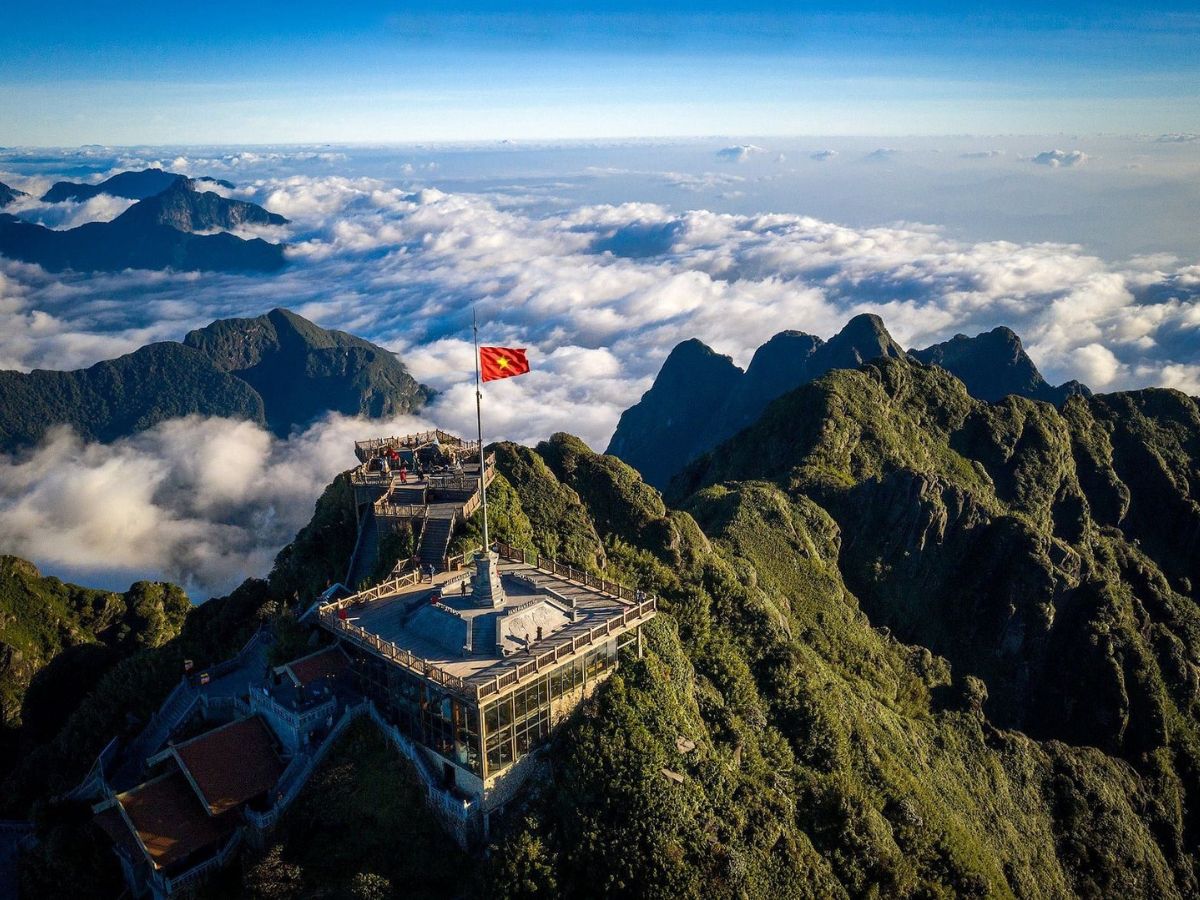
Visiting Fansipan Peak when trekking Sa Pa. (Source: Collected)
To make your Sa Pa exploration journey more complete and meaningful, planning a detailed itinerary is extremely important. Here is a suggested 3-day, 2-night itinerary for trekking Sa Pa, helping you enjoy the majestic nature while fully experiencing the unique culture and cuisine of the Northwest highlands.
The first day of trekking Sa Pa begins with traveling to the center, checking into your homestay, and enjoying a light breakfast to get acquainted with the highland climate. At noon, you can visit Cat Cat village – famous for its traditional stilt houses, golden terraced fields, and attractive local specialties. In the afternoon, the trekking itinerary Lao Chai – Ta Van – Cau May will offer an experience of exploring the majestic mountains and forests. As night falls, strolling around Sa Pa night market, enjoying fragrant grilled dishes, and immersing yourself in the bustling atmosphere at the central square is an ideal choice.
The second day in Sa Pa is the ideal time to conquer Fansipan Peak – the "Roof of Indochina". Visitors can choose to take the modern Fansipan cable car or trek through Hoang Lien forest if they want to challenge themselves. The morning should be fully dedicated to exploring Sun World Fansipan Legend – a famous spiritual and natural tourist complex, dubbed the "wonder amidst the clouds and skies of the Northwest". Here, the cable car journey takes you across Muong Hoa valley, admiring the floating sea of clouds, golden terraced fields, and the majestic Hoang Lien Son mountain range stretching before your eyes. Upon reaching the summit, you can visit the largest Buddha statue in Vietnam, worship at Bich Van Zen Monastery, Kim Son Bao Thang Pagoda, and capture beautiful photos at the Fansipan 3,143m Milestone – the symbol of conquest for many.
On the last day in Sa Pa, you should wake up early to hunt for clouds at Ham Rong Mountain or O Quy Ho Pass – two famous spots with magical floating seas of clouds. At noon, the journey continues to Ta Phin village to experience the red Dao people's herbal bath – a very unique traditional relaxation method. In the afternoon, visitors can conquer Silver Waterfall, Love Waterfall, and check-in at the Hoang Lien forest glass bridge with its poetic scenery.
5. Must-visit attractions when trekking Sa Pa
When you set foot in Sa Pa, you will realize that every step leads to a beautiful scene. From the majestic Fansipan Peak to peaceful villages, white cascading waterfalls, or bustling night markets – all blend together to create a unique picture that any trekker should experience at least once.
5.1. Fansipan Peak: Mountain climbing or cable car experience
Fansipan – the "Roof of Indochina" at 3,143 m is always an unmissable destination on any trekking Sa Pa trip. Visitors can choose to trek to conquer the mountain peak for those with good physical strength and a passion for adventure, or experience the Fansipan Legend cable car, which is fast, safe, and convenient. The moment of standing on the highest peak in Vietnam, amidst the floating sea of clouds and admiring the majestic Hoang Lien Son mountain range will surely become an unforgettable memory.
The round-trip Fansipan cable car ticket price is 800,000 VND/adult (excluding Saturdays, holidays, and Tet), 550,000 VND/child, including shuttle bus transfer from Sa Pa center to the cable car station. The modern cabin system with transparent glass allows visitors to admire the magnificent natural panorama from a 360-degree perspective throughout the journey.
An important note when going to Fansipan Peak is to prepare warm clothing, as the temperature here is usually 6-10°C lower than in the center. A windbreaker jacket, non-slip trekking shoes, and a woolen hat will help you stay safe and comfortable throughout the experience.
5.2. Unique villages: Cat Cat, Ta Van, Lao Chai, Ta Phin
Cat Cat village is only about 4 km from Sa Pa center, an ideal stop to begin the journey of learning about the culture of the Black H'mong people. Simple stilt houses, vast terraced fields, and an ancient hydroelectric plant from the French colonial era create a natural picture that is both majestic and peaceful. Here, visitors can try weaving brocade, wear ethnic costumes for souvenir photos, and enjoy traditional mountain dishes.
If you love trekking, Lao Chai – Ta Van village is definitely a must-visit choice. The walking path follows the valley, winding through lush green terraced fields in summer or golden ones in autumn, accompanied by the babbling sound of streams. Especially, Cau May Muong Hoa is a famous check-in spot with a wide-open view, perfect for "virtual living" photos.
Meanwhile, Ta Phin village of the Red Dao people stands out with its traditional herbal bath service. Over 30 types of precious forest leaves are boiled into herbal baths, providing a relaxing sensation and helping the body recover after a long trekking journey. The service price ranges from 100,000 – 150,000 VND/session, suitable for tourists who want to experience the unique culture here.
5.3. Cau May, Silver Waterfall, Love Waterfall: "golden coordinates" for trekkers
Cau May Ta Van is located about 7 km from Sa Pa center. The path is a bit steep, but the scenery on both sides is incredibly spectacular. The wooden bridge spans Muong Hoa valley, surrounded by terraced fields stacked like a beautiful natural painting, making this a favorite check-in spot for young people. The entrance fee is only about 20,000 VND/person.
About 12 km from the center, Silver Waterfall, over 200 m high, is likened to a giant white silk ribbon flowing down from the mountain peak. The path to the waterfall is somewhat rugged, but it is compensated by the rare wild and majestic scenery. Just 2 km away, Love Waterfall has a gentle beauty with many clear small cascades, suitable for swimming and relaxing amidst the mountains and forests. The entrance fee for Silver Waterfall is about 30,000 VND/person, and for Love Waterfall, it is 50,000 VND/person.
To get "million-like" photos, visitors should come in the morning or in autumn, when natural sunlight is just enough to highlight the scenery. A wide-angle camera will help capture the entire mountain and forest landscape, while brightly colored outfits will create a vibrant highlight amidst the majestic nature.
5.4. Sa Pa night market and square
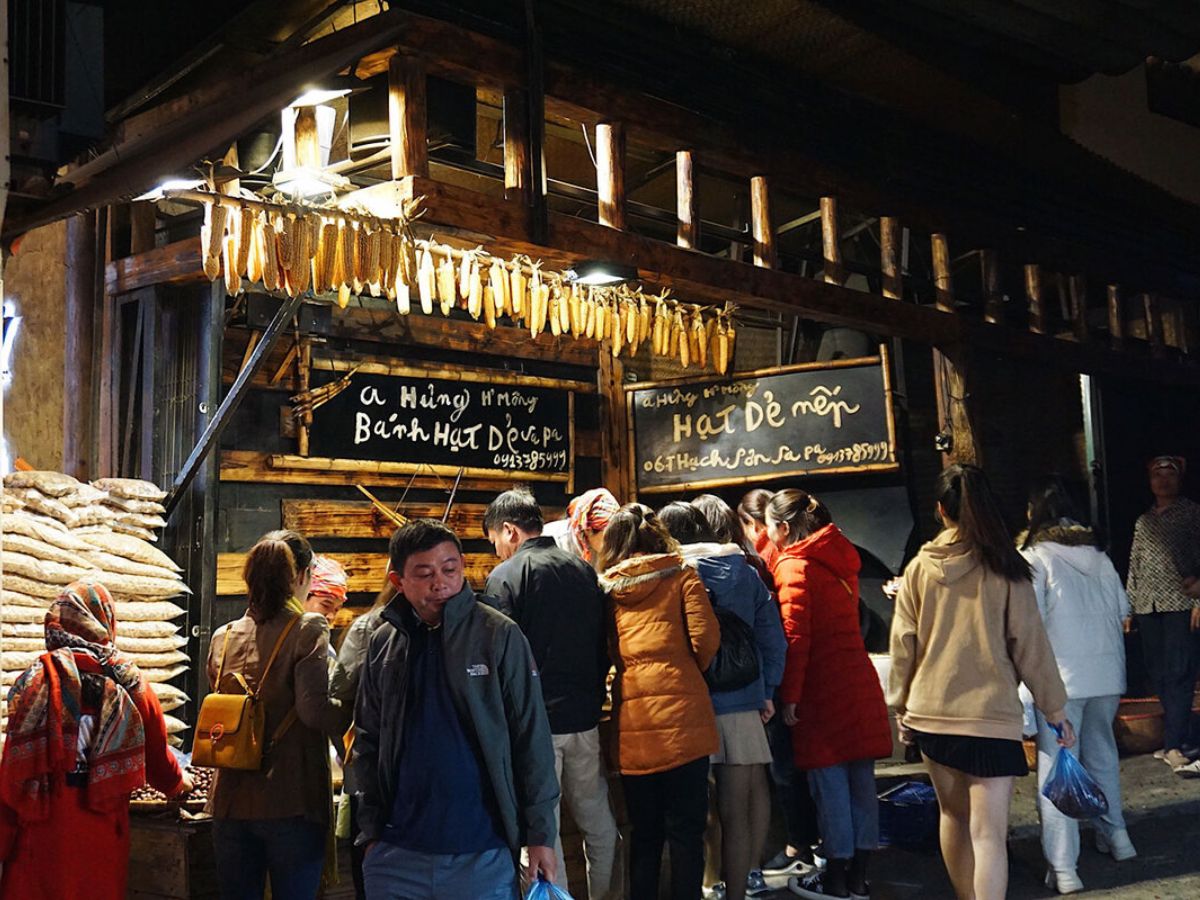
Visit Sa Pa night market to enjoy many local specialties. (Source: Collected)
Sa Pa night market opens from 7 PM to 11 PM daily, making it an ideal rendezvous point to explore culinary culture and shop for local specialties. Here, visitors can easily find hundreds of stalls offering a variety of delicious dishes: fragrant grilled items, rich Thang Co, eye-catching five-colored sticky rice, or exquisite handmade ethnic brocade products. Prices are also very reasonable, ranging from only 15,000 – 25,000 VND per grilled skewer, while a bowl of traditional Thang Co costs between 80,000 – 120,000 VND.
Adjacent to it, the Sa Pa central square becomes brilliant with shimmering lights as night falls. On weekends, this area also hosts lively ethnic cultural performances, offering a unique cultural exchange space. Visitors can leisurely stroll, sit and enjoy the scenery, or chat and make new friends on their journey. More than just a shopping and dining spot, the Sa Pa night market and square are places to fully experience the bustling nightlife of the center.
6. Unmissable "delicious - cheap" highland specialty experiences when traveling to Sa Pa in 2025
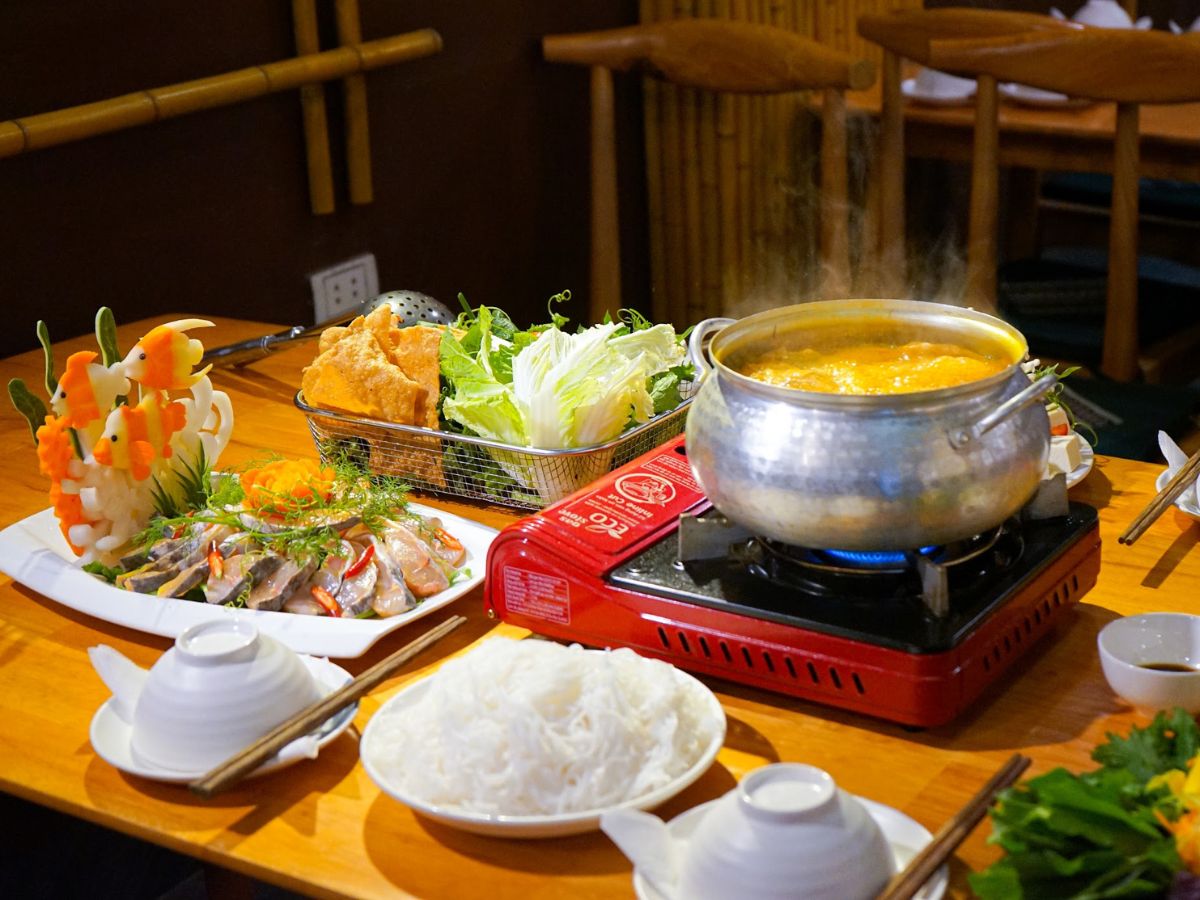
Enjoy fresh sturgeon hotpot when visiting Sa Pa. (Source: Collection)
Sa Pa cuisine is always an enchanting 'stopover' on trekking journeys, where each dish carries the unique flavors of the Northwest mountains. In 2025, visitors to this region will not only savor famous 'delicious - cheap' specialties but also have the opportunity to discover local culture through the simple, authentic flavors of the highlanders.
6.1. List of Sa Pa specialty dishes to try
Sa Pa cuisine is one of the most memorable experiences in the journey to explore the Northwest mountains. Each dish here is not only attractive for its rich flavors and fresh ingredients but also contains stories about the culture and unique customs of the local people.
Sa Pa cuisine always leaves a lasting impression on tourists, especially its famous grilled dishes. From chewy and sweet free-range pork, flavorful smoked buffalo meat to fragrant grilled vegetables, all are marinated according to ethnic traditional recipes. Each skewer costs only from 15,000 – 25,000 VND, prepared from fresh highland ingredients, offering an unforgettable flavor.
Besides, Thang Co – a traditional long-standing dish made from horse meat, simmered with many characteristic spices, is often eaten with fresh herbs and rice paper. It has a rich, slightly pungent yet nutritious flavor, priced from 80,000 – 120,000 VND/bowl, popular in villages and Sa Pa night markets.
Don't miss the fresh salmon and sturgeon raised in the cold mountain stream water. Visitors can enjoy salmon salad, salmon hotpot, or grilled sturgeon with prices ranging from 150,000 – 400,000 VND/small pot. Additionally, bamboo-tube grilled sticky rice (Com Lam), five-colored sticky rice dyed with forest leaves (Xoi Ngu Sac) (20,000 – 30,000 VND/serving), and Men Men made from corn flour – a specialty of the H'Mong people – are also flavors characteristic of the highlands.
With its diversity and richness, Sa Pa cuisine not only fills hungry stomachs but also serves as a journey to discover the unique culinary culture of the Northwest mountains.
6.2. Suggestions for affordable eateries, delicious and reasonably priced addresses for trekkers
For backpacking travel enthusiasts, finding delicious eateries with 'soft' prices is always a top priority on their Sa Pa exploration journey. Here are some suggestions for affordable eateries loved by many trekkers, where you can enjoy local specialties while saving costs, ensuring quality and a memorable experience.
Anh Dung Restaurant is located near the center, famous for its attractive grilled dishes and hotpots. The spacious, airy environment and friendly service style make it an ideal meeting point for young groups and trekkers. The menu is diverse, ranging from grilled meats, salmon, vegetables to rustic dishes, with reasonable prices suitable for many types of tourists.
Hoa Dao Sa Pa Restaurant makes its mark with fresh salmon and sturgeon specialties, bamboo-tube sticky rice, and five-colored sticky rice – flavors characteristic of the Northwest mountains. With affordable prices, fast service, and stable food quality, this is a place many tourists trust and choose.
If you want to experience authentic H'Mong Thang Co, Quy Bep Sa Pa Restaurant is an unmissable suggestion. The dish is prepared according to a traditional recipe, offering a unique flavor that is both new and familiar.
The common point of these Sa Pa eateries is that they are all concentrated near the center and the night market area, making it easy for tourists to find and move around. These are definitely ideal choices to fully explore Sa Pa cuisine.
6.3. Tips for saving money on food when trekking Sa Pa independently
For those who choose the independent trekking travel style, eating deliciously yet economically is something worth considering. With a little experience and small tips, you can fully enjoy Sa Pa cuisine without worrying about 'hurting your wallet', while still feeling the characteristic flavors of the Northwest mountains.
Instead of visiting eateries right next to crowded tourist spots, you can go deeper into residential areas or villages around Sa Pa to find local people's eateries. Prices here are often much lower, but the flavors are still rich, even more clearly carrying traditional colors.
When ordering dishes, tourists should prioritize choosing group combos instead of ordering individual dishes to save costs. Try a few new and exotic specialty dishes selectively, avoiding ordering too many at once to prevent waste of food and money. Especially, many local dishes have quite distinctive flavors, requiring time to appreciate and get used to.
In addition, the Sa Pa night market is an ideal stop for food lovers. Here, you can buy five-colored sticky rice, bamboo-tube sticky rice, grilled items... to enjoy immediately or take back for breakfast the next day. This is a way to save costs while experiencing many characteristic Sa Pa street food dishes.
7. Cheap Sa Pa Homestays and Hostels: Top accommodations for trekkers in 2025
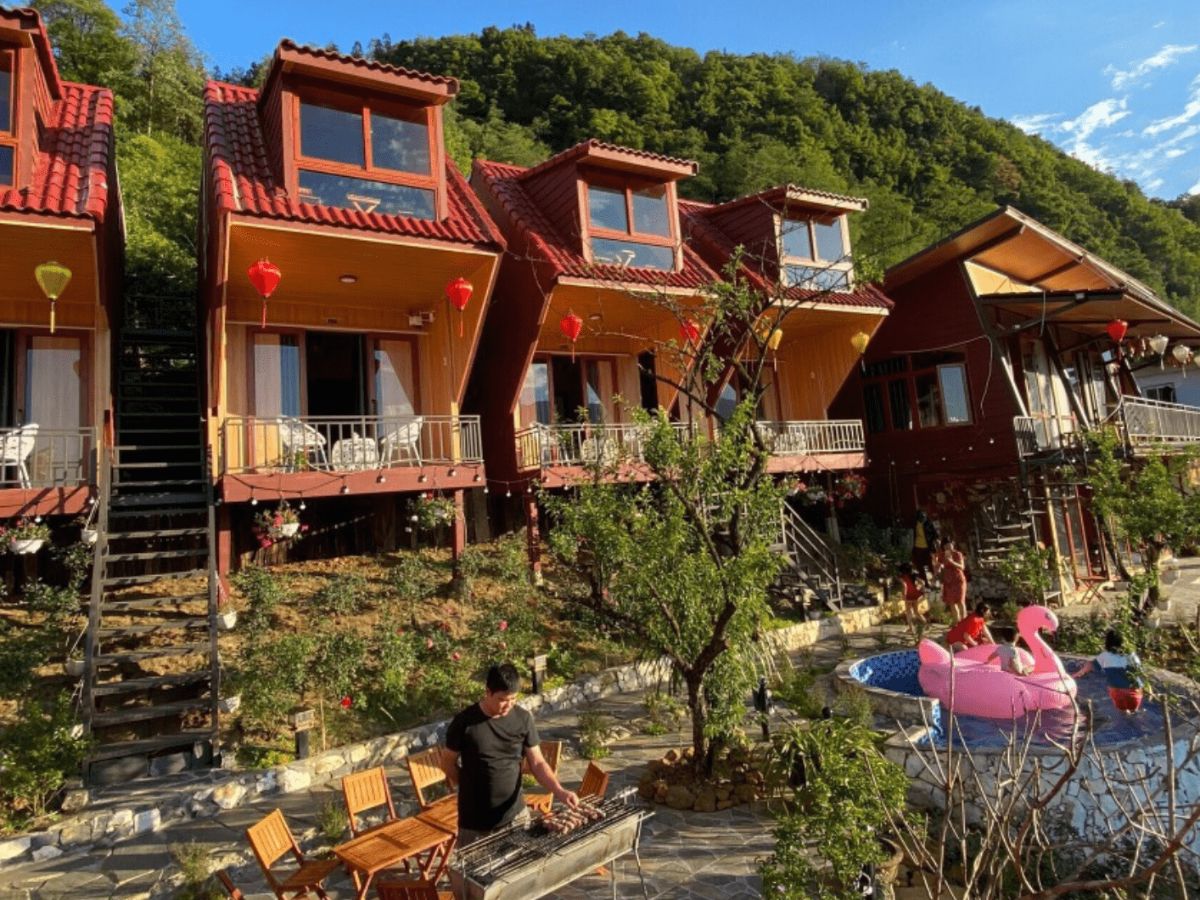
Choose suitable accommodation when trekking in Sa Pa. (Source: Collected)
After a long day exploring the mountain passes and Northwest villages, finding cheap accommodation with a beautiful view is what any trekker desires. In 2025, Sa Pa offers countless "chill" homestays and hostels priced from only 100.000 – 300.000 VND/night, saving costs while providing a cozy resting space amidst majestic nature.
7.1. Top homestays with "chill" views, under 300.000 VND/night
Eco Palms House and Little View Homestay are affordable homestays in Sa Pa chosen by many travelers, with prices ranging from 200.000 – 300.000 VNĐ/đêm. Located on high hills, both places boast stunning views of the terraced fields, offering an ideal "chill" space for photo opportunities. Room types vary from private rooms to dormitories, perfect for young groups or budget-conscious trekkers.
If you love tranquility amidst nature, Sali House and Phơri's House near Ta Van village, Lao Chai are perfect suggestions. The homestays are designed in a blend of ethnic and modern styles, opening up views towards the poetic Muong Hoa valley. Additionally, many homestays offer on-site cooking services and organize trekking tours to explore the villages, providing a more complete experience for guests.
Most affordable homestays in Sa Pa are equipped with basic amenities such as free wifi, hot water, secure motorbike parking, and common areas for socializing. Some places also feature ethnic cultural performances in the evenings, allowing guests not only to rest comfortably but also to learn more about the unique culture of the Northwest mountains.
7.2. Dynamic hostels and dorms: Choices for backpacking in Sapa
Lustig Hostel, Hostel Link, and Ta Van Hostel are popular lodging choices for backpackers in Sa Pa. Dorm room prices start from only 80.000 – 150.000 VNĐ/người/đêm, equipped with basic amenities like stable wifi, hot water, personal lockers, and clean bedding.
The common living spaces in these hostels are quite spacious, featuring a reception area, a shared kitchen for guests to cook their own meals, and a quiet reading corner. This is also a place for the trekking community to connect, where people can share experiences, exchange itineraries, and even find companions for trekking adventures in the Sa Pa mountains.
Notably, many hostels organize group activities such as village walking tours, cooking classes, or evening movie screenings, creating a friendly and fun atmosphere. The young, enthusiastic, and local-knowledgeable staff are always ready to assist guests in planning reasonable itineraries and suggesting attractive destinations in Sa Pa.
8. Useful experiences and tips to help you trek Sa Pa safely
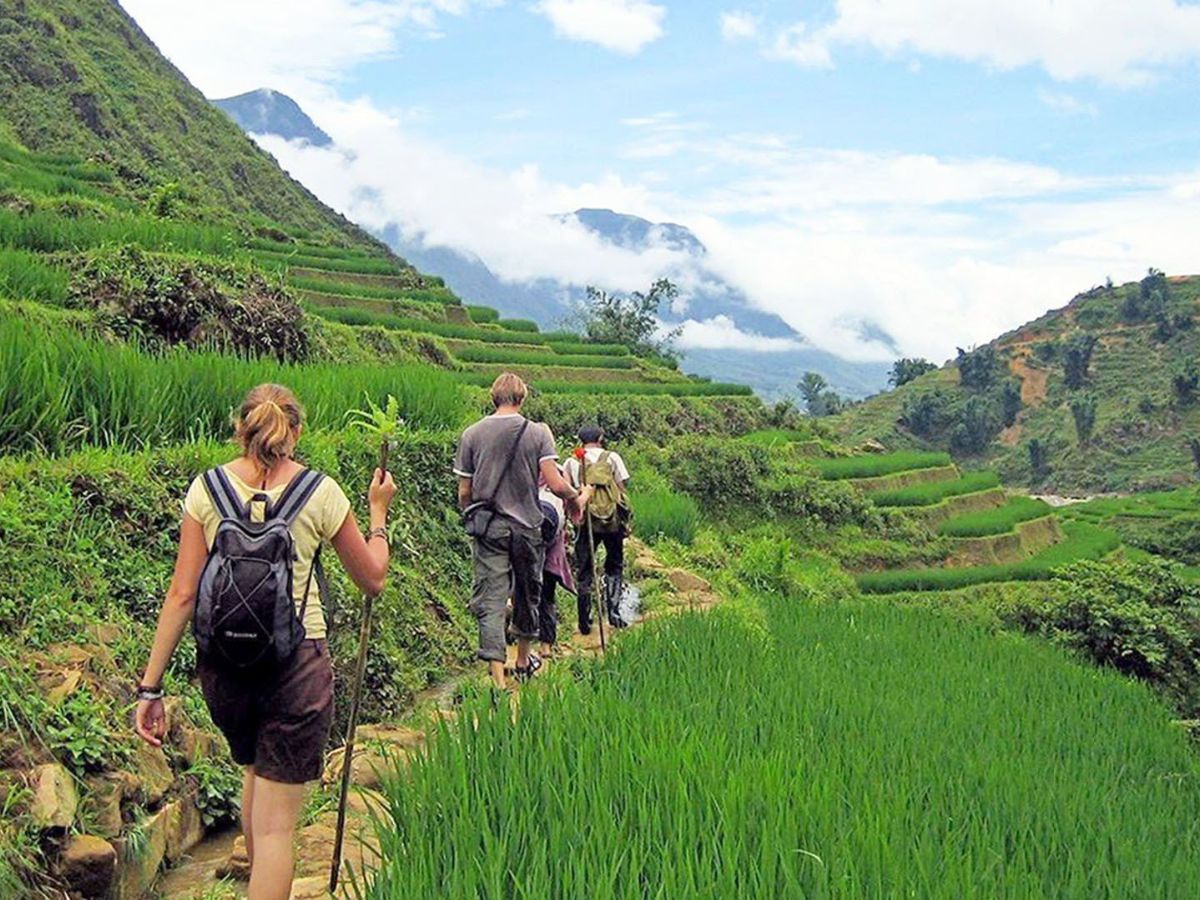
You should bring enough necessary items for your Sa Pa trekking trip. (Source: Collected)
To make your Sa Pa trekking journey complete and safe, visitors need to prepare thoroughly in terms of attire, luggage, and cultural etiquette. The following experiences and tips will help you fully enjoy the beauty of the highlands while subtly integrating into the lives of the local people.
Experience in preparing clothing for Sa Pa according to the season is an important factor to make the trip more complete. In autumn and winter, visitors should bring woolen coats, windbreakers, thin down jackets inside, along with woolen scarves, gloves, warm socks, and hats to keep warm effectively.
For trekking and Sa Pa cloud hunting activities, a pair of sports shoes with non-slip soles is essential. Additionally, a waterproof backpack, a light raincoat, or a light jacket will give you peace of mind against sudden rains in the high mountains.
Visitors should politely ask for permission before taking photos of people, especially children and the elderly. Avoid talking too loudly or making inappropriate actions or jokes, as this may make them feel uncomfortable.
When exploring Sa Pa villages, absolutely do not push, discriminate, or make negative comments about the customs and beliefs of the ethnic groups.
A small suggestion is that you can learn a few basic greetings in Hmong or Dao language, which will help create goodwill and make conversations more intimate.
When buying souvenirs at markets or villages, bargain gently, respectfully, and prioritize buying from honest vendors.
Additionally, proactively asking about customs, traditions, or village history will bring you much interesting information and dedicated guidance from the local people.
Self-guided Sa Pa trekking in 2025 promises to bring visitors experiences that are both cost-effective and full of unforgettable emotions. Just prepare your luggage carefully, set a clear itinerary, and maintain a ready spirit, and you will have the opportunity to fully conquer the majestic and poetic beauty of the Northwest mountains and forests.


