


1. Overview of the photography experience in the villages of Sa Pa
Taking photos in the villages of Sa Pa is one of the most attractive experiences for tourists who want to explore the beauty of the northwest highlands through authentic and culturally rich images. Beyond mountains, terraced rice fields, and cloud-covered valleys, the villages also offer glimpses of local life with traditional houses, winding mountain paths, daily routines, and the vibrant cultural colors of the ethnic communities. Each village possesses its own unique atmosphere, allowing you to easily find different photo opportunities within a single trip.
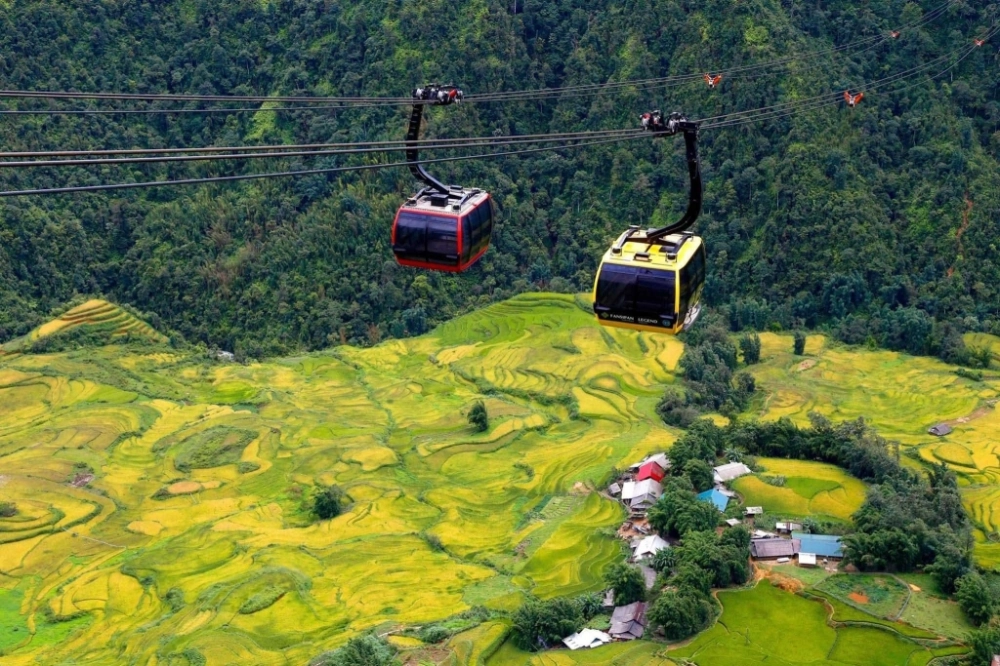
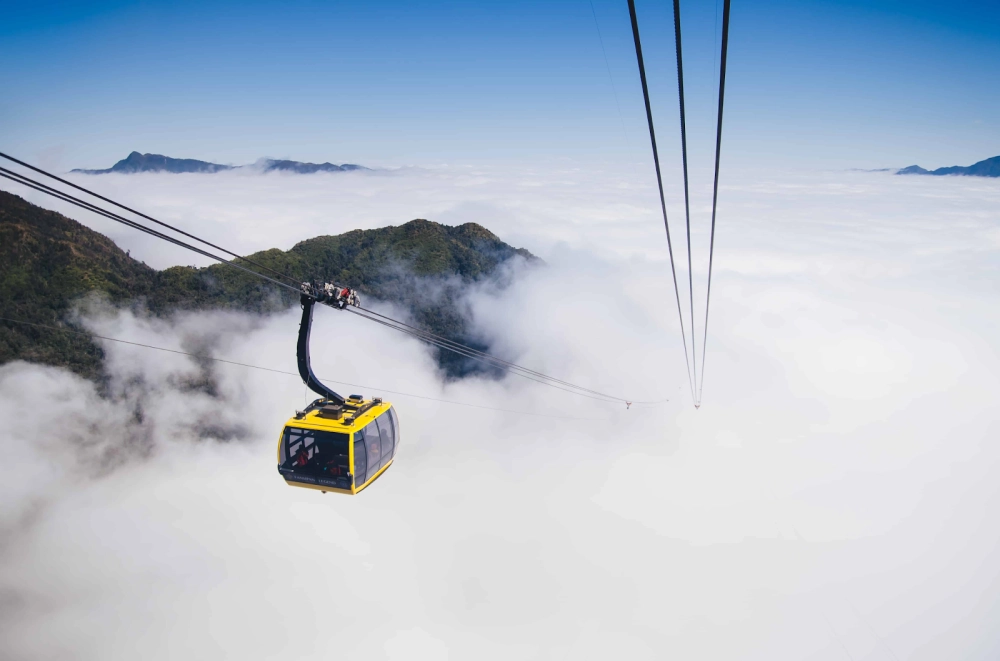
The unique aspect of this experience lies in the combination of natural landscapes and human life. The terraced rice paddies stretching across the mountainside, the stone fences, trees, rooftops, and village paths can serve as a natural backdrop for photographs that capture the essence of Sa Pa. During the rice harvest season, the golden hues of the terraced fields further enhance the beauty of the villages; while spring brings vibrant flowers and a fresh atmosphere. Cloudy and foggy days also create a characteristic mystical atmosphere of the northern mountainous region.
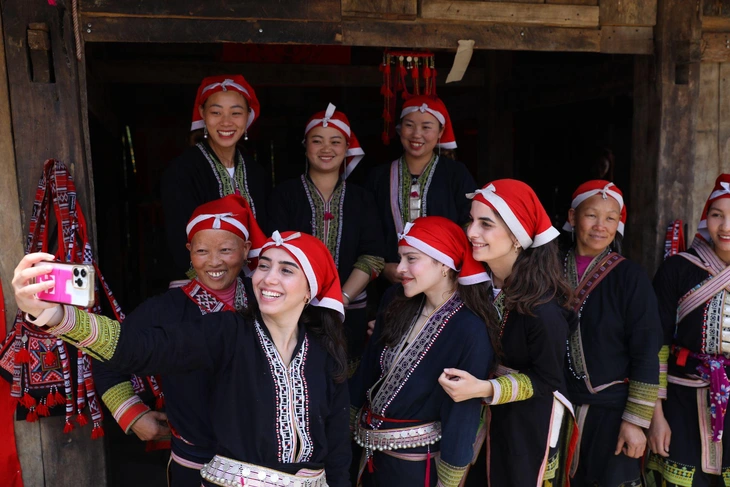
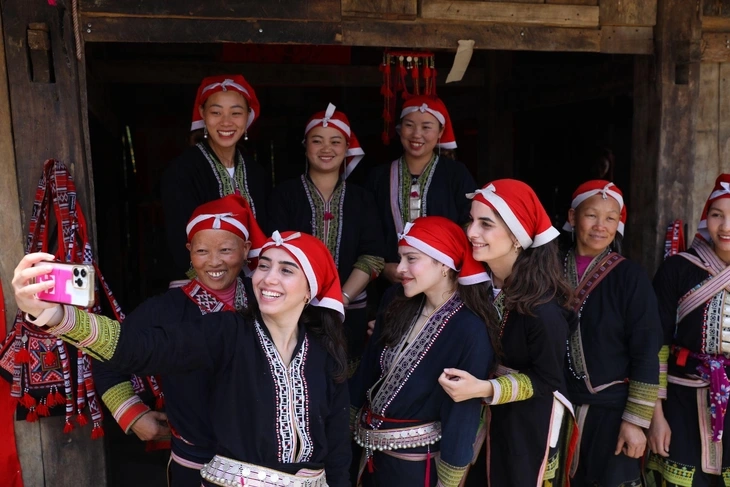
Tourists experience wearing traditional ethnic costumes and taking souvenir photos at May Village Fansipan (Source: Collected).
For international tourists, taking photos in the villages of Sa Pa is also an opportunity to explore the destination in a more intimate way, rather than just visiting famous landmarks. A walk through the village can combine learning about the architecture of the houses, handicrafts, traditional clothing, or enjoying local food. By taking the time to observe and interact with the surroundings, you not only get more beautiful photos but also gain a better understanding of the culture and lifestyle of the highland communities.
To ensure your photos retain a natural feel, prioritize capturing everyday moments rather than overly staged shots. Morning or late afternoon light often creates beautiful effects for mountain and village landscapes, while choosing angles from roads or high points can provide a panoramic view. More importantly, when photographing locals, ask for permission beforehand and respect their privacy, especially when photographing children, the elderly, or their personal activities.
2. Beautiful photo spots in the villages of Sa Pa
2.1. May Village Fansipan
May Village Fansipan offers a space that recreates the distinctive features of a highland village in Northwest Vietnam, where you can find traditional houses, indigenous architecture, ethnic costumes, and many details associated with the cultural life of mountain communities. Located within the Fansipan exploration route, May Village creates an interesting stop for international tourists who want to learn more about Northwest Vietnamese culture without having to travel too far from the Fansipan area. The combination of architectural space, mountain landscape, and characteristic colors of the highlands also provides many backdrops for capturing photos that bear the mark of Sa Pa.
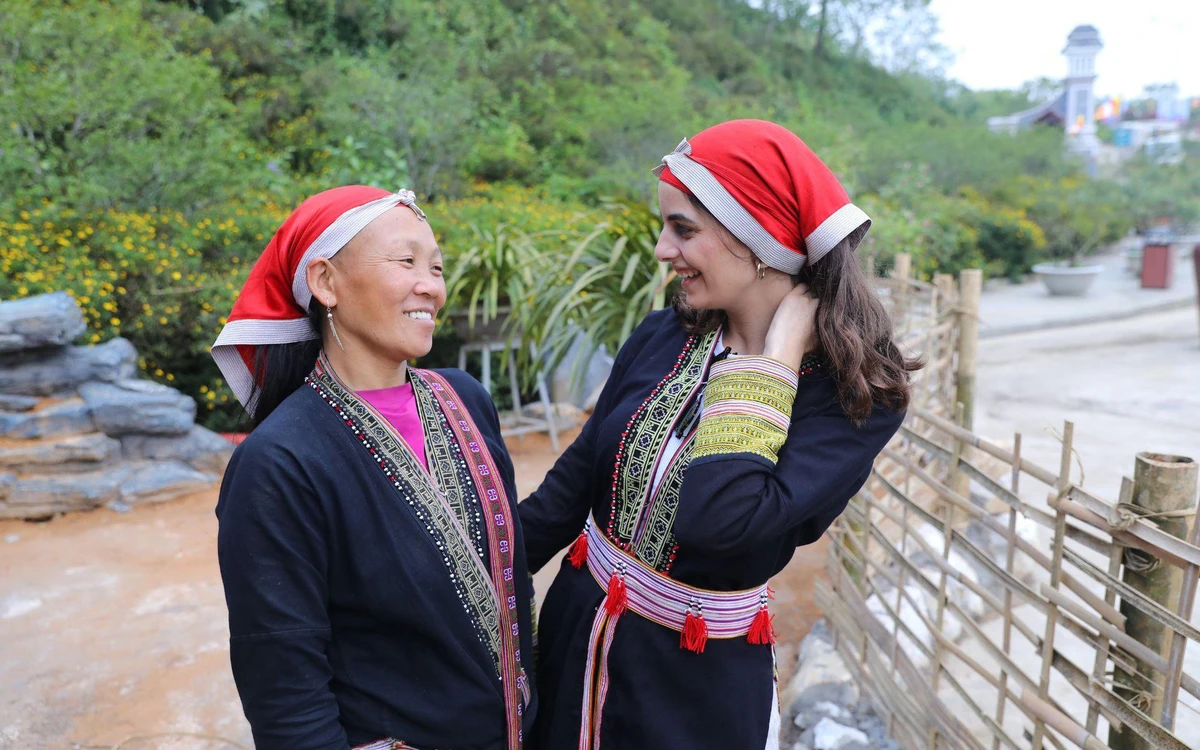
Tourists enjoy taking photos at May Village. (Source: Collected)
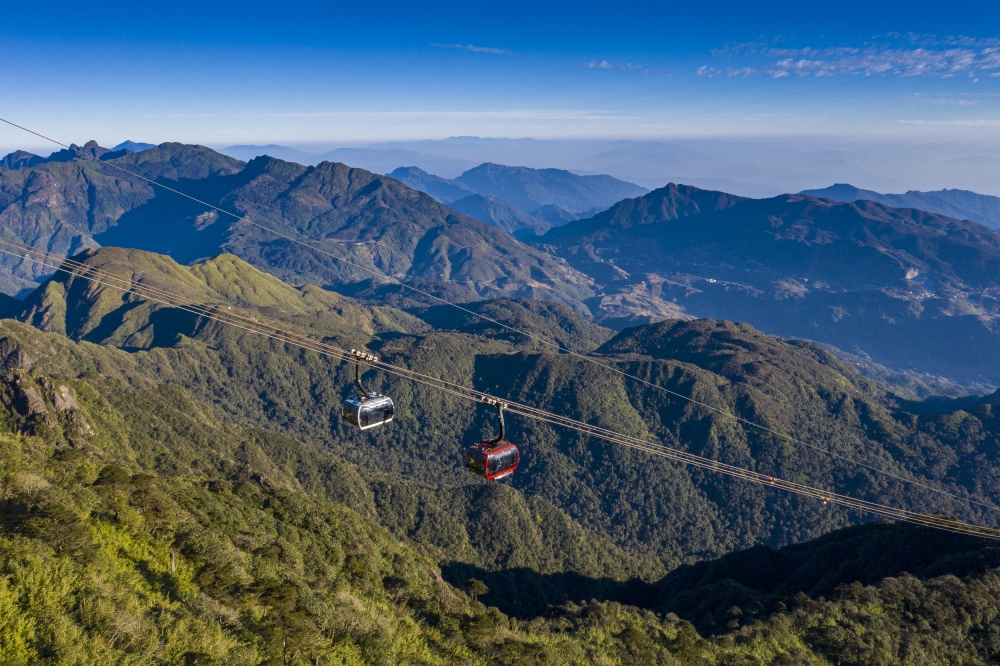
To capture natural scenes, you can leisurely explore the paths in May Village, finding spots that blend traditional houses, mountains, and distinctive cultural details. Ethnic costumes, daily activities, and spaces decorated in the style of the highlands can also become highlights for portraits or experiential photos. Especially, combining taking photos in the villages of Sa Pa with a trip to Fansipan allows you to create a diverse itinerary, from learning about the culture in May Village to enjoying the scenery of Hoang Lien Son and exploring the summit of Fansipan.
2.2. Cat Cat Village
Cat Cat Village is one of the familiar destinations for tourists exploring Sa Pa, famous with its traditional houses, winding stone-paved roads along the mountainside, and surrounding terraced rice fields. With its unique topography, each section of the village offers a different perspective, from wooden houses and stone fences to streams and waterfalls in the valley. This is the perfect setting to capture images that both showcase the natural beauty of the mountainous region and clearly reflect the local culture.
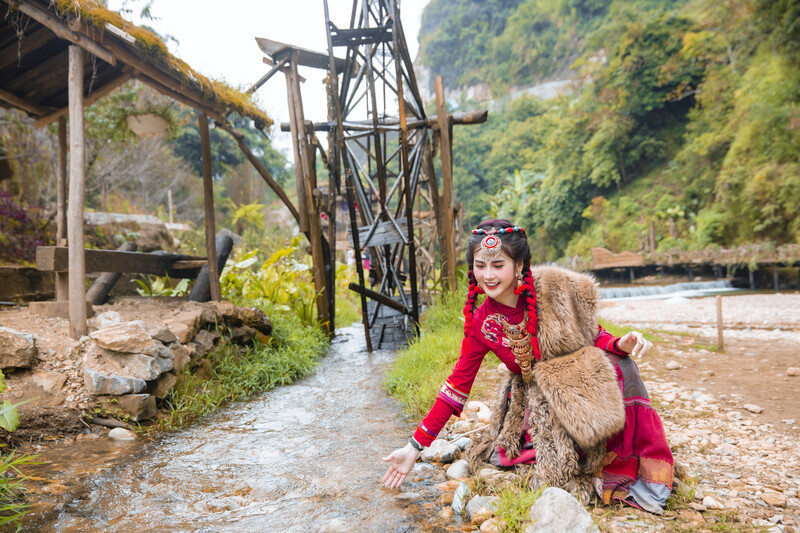
Tourists checking-in at Cat Cat Village (Source: Collected)
For more natural-looking photos, you can take the time to stroll slowly through the smaller lanes instead of focusing solely on crowded photo spots. Traditional clothing, crafts, and the daily lives of the locals also provide many interesting subjects for photography. However, when photographing locals or activities in private spaces, you should proactively ask for permission beforehand to show respect for the local community.
2.3. Ta Van Village
Ta Van offers a more open and peaceful space, where the village is nestled amidst the terraced rice fields and mountain slopes of the Muong Hoa valley. Small roads wind through the village, and traditional houses are interspersed among the fields and mountains, creating layers of natural landscape. This is an ideal location for taking photos in the villages of Sa Pa, especially for those who want to capture the beauty of Sa Pa beyond the crowded tourist spots.
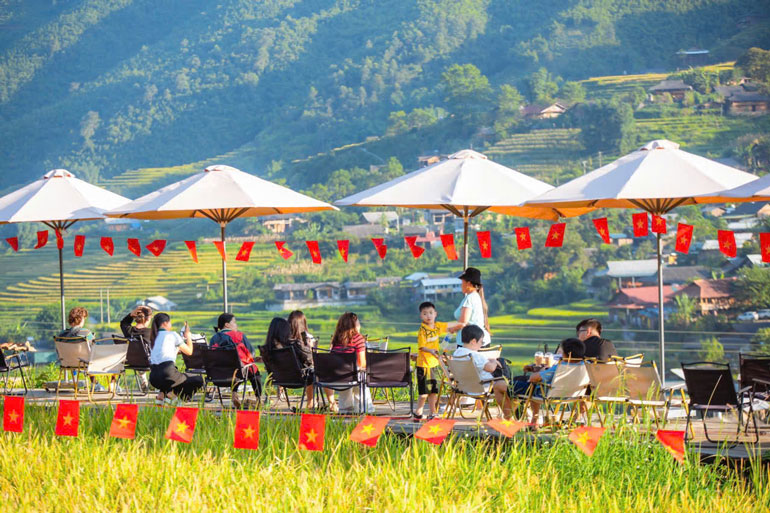
Tourists immerse themselves in the stunning natural scenery at Ta Van Village. (Source: Collected)
In the morning, when the sunlight is still gentle and the mist hasn't completely dissipated, Ta Van often takes on a soft, tranquil appearance. Towards the end of the day, the warmer light highlights the colors of the terraced rice fields and the houses nestled in the valley. You can combine photography with trekking or stay at a homestay to have more time to explore the village. Spending more time here also allows you to easily witness everyday moments such as villagers working in the fields, moving around the village, or preparing handicrafts.
2.4. Lao Chai Village
Located in the Muong Hoa valley, Lao Chai impresses with its terraced rice fields stretching out before the villages and the Hoang Lien Son mountain range. The expansive landscape allows visitors to take panoramic photos, where people, villages, and nature all appear in one frame. During the rice harvest season, the fields turn golden, creating a striking contrast with the green of the mountains, while cloudy days bring a characteristic atmosphere of the high mountain region.
Lao Chai is also suitable for tourists who enjoy landscape photography combined with portraits. Instead of just close-ups, you can choose higher vantage points or sections of the village to include the entire valley in your frame. Winding roads, small houses amidst terraced rice paddies, or people's silhouettes on the mountainside can all become natural highlights. If combined with a trekking trip, you will have the opportunity to explore many different perspectives instead of just stopping at one fixed shooting spot.
3. Photography tips in the villages of Sa Pa
To capture beautiful photos, you should choose the right time with suitable lighting. Mornings usually offer soft light, combined with mist or clouds still covering the mountain slopes, creating a peaceful and magical atmosphere. Meanwhile, late afternoon is when the sunlight becomes warmer, helping to highlight the colors of the terraced rice fields, rooftops, and village landscapes.
When taking photos in the villages of Sa Pa, you don't necessarily need a professional camera. A phone with a wide-angle camera can effectively capture the vast landscapes of the mountains and forests, while a camera with a versatile lens will be suitable if you want to combine landscape and portrait photography. A power bank, a waterproof bag, and a lightweight backpack should also be prepared, especially if combining photography with trekking. Shoes with good grip and layered clothing will make it easier to move along steep paths, rocky steps, or terraced rice fields.
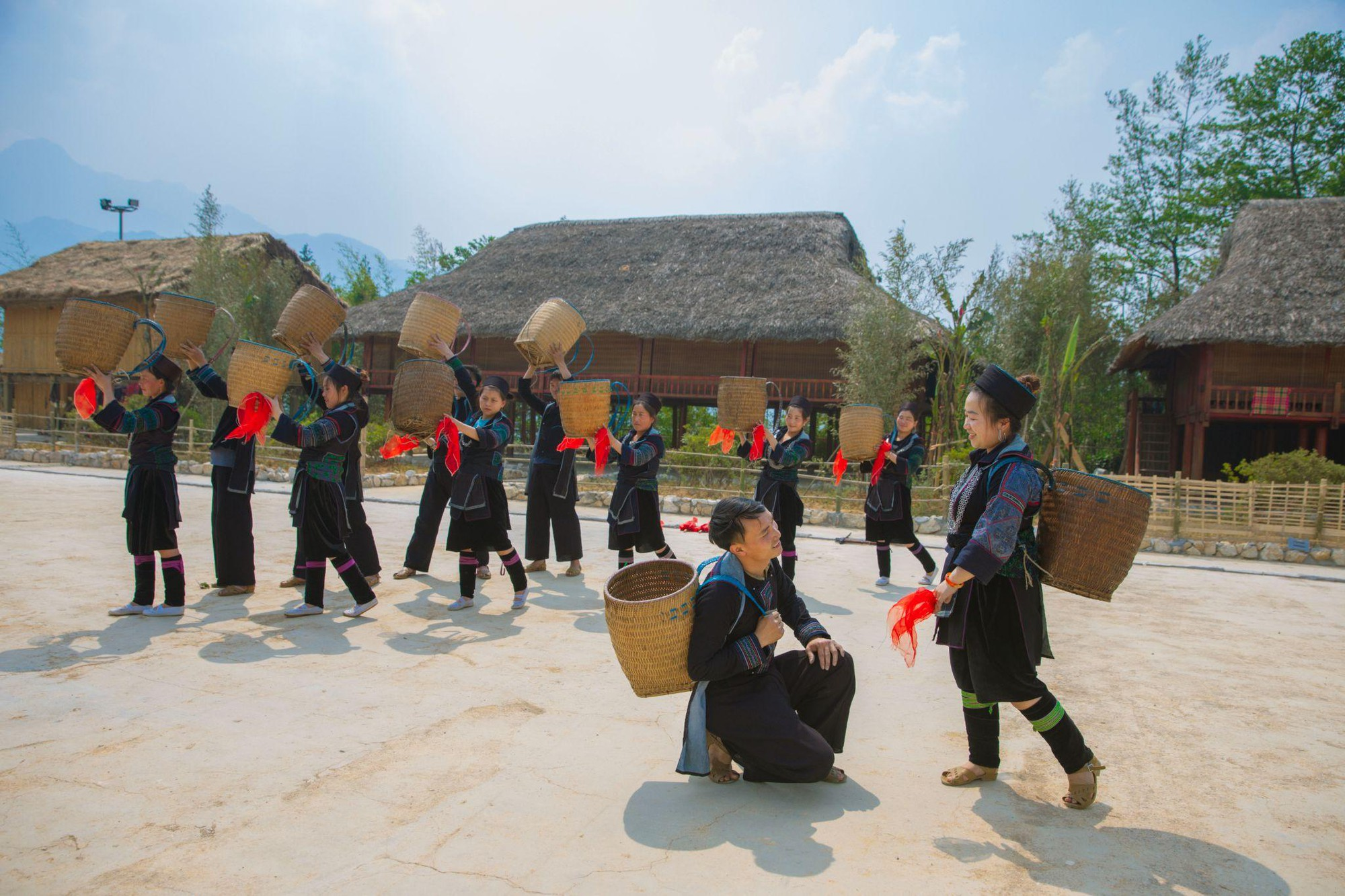
The vibrant atmosphere at May Village Fansipan attracts many tourists to experience it. (Source: Collected)
Instead of focusing solely on famous photo spots, you can try capturing everyday moments to give your photos more depth and a story. Images of people working in the fields, small roads leading into villages, traditional houses, or children playing can become natural details in the frame. However, permission should be obtained before taking close-up photos of people, and one should avoid entering houses, fields, or private living areas without permission.
Ultimately, you should take the time to explore each village individually instead of trying to photograph as many locations as possible in one day. By combining May Village Fansipan with other villages in the Muong Hoa valley such as Ta Van and Lao Chai, you can experience different facets of the highlands and bring back more diverse images of Sa Pa.
Taking photos in the villages of Sa Pa is not just about finding beautiful shots, but also about allowing visitors to gain a deeper understanding of the nature, culture, and life of the highlands. Choosing the right time with good lighting, preparing appropriate equipment, and respecting the living space of the local community will help each photo become a memorable part of your Sa Pa exploration journey.