




1. Why is independent travel to Sapa favorable for Indian tourists?
1.1. A unique natural destinations
Located at an altitude of approximately 1,500 meters above sea level, Sapa has an average temperature of 18 to 25 degrees Celsius in the summer. The cool, fresh air and slow pace of life also make it a popular choice for families to relax after stressful days at work.
The scenery in Sapa changes throughout the day. In the morning, a sea of clouds blankets the mountain slopes, while by midday the clear blue sky reveals the terraced rice fields winding through the valley. As evening falls, mist begins to appear, creating a very distinctive beauty of the northwest mountainous region of Vietnam.
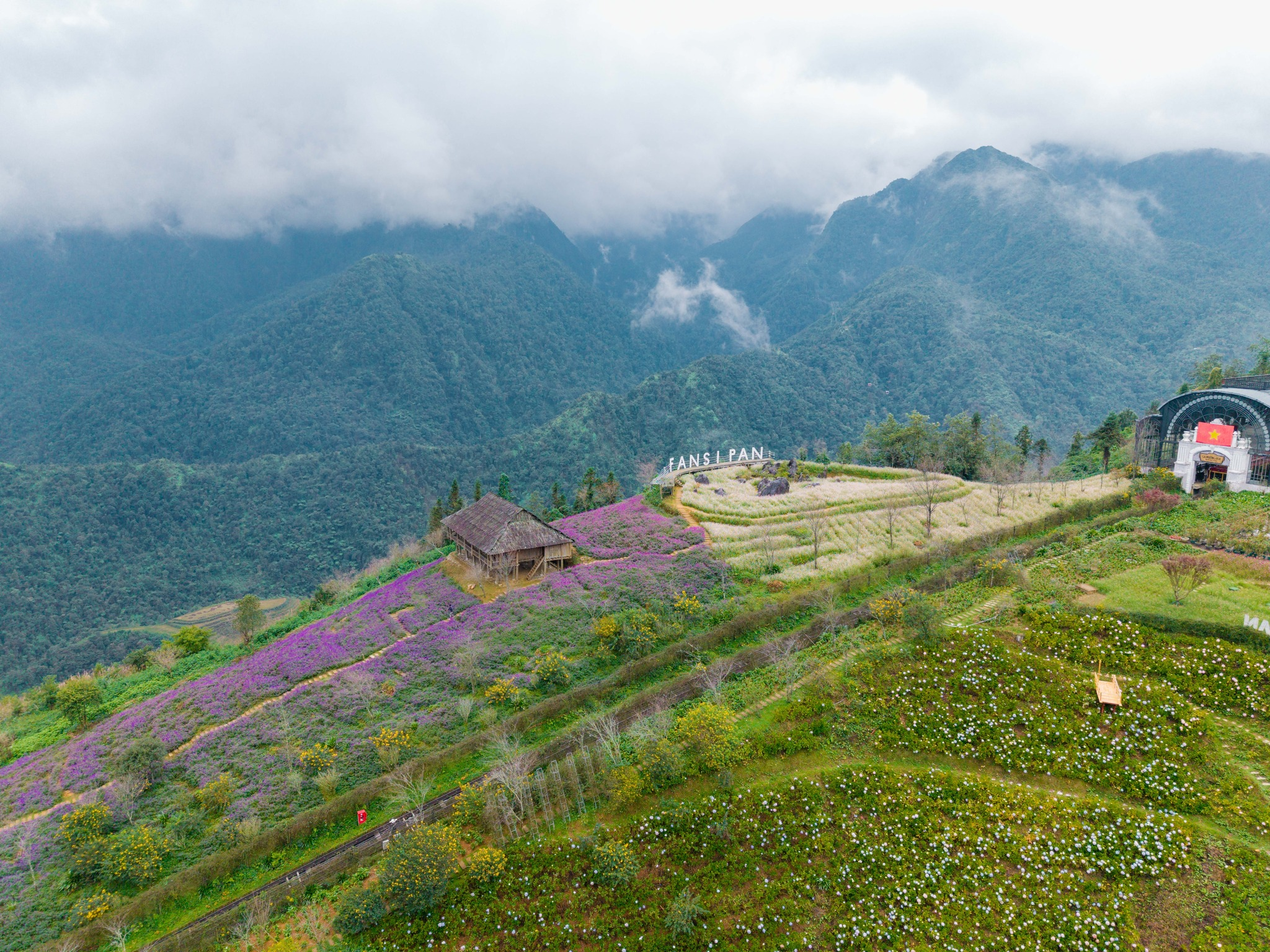
Sapa is a stunning natural destination with a cool climate. (Source: Collected)
1.2. A destination suitable for all travelers
One of the major advantages of independent travel in Sapa is that it suits many different groups of travelers. Couples often love the romantic atmosphere of homestays overlooking the mountains and the experience of cloud hunting in the early morning. Meanwhile, families can combine relaxation, exploring local culture, and visiting Fansipan in the same trip.
Currently, Sapa offers a wide range of accommodation options, from international hotels to local-style homestays. Many resorts are situated on mountain slopes with panoramic views of the Muong Hoa valley. Some hotels also offer large family rooms and convenient shuttle services for international guests.
Beyond its natural beauty, Sapa is also attractive due to its mountainous culture. You can visit the villages of the H'Mong and Red Dao people, learn about brocade weaving, or enjoy traditional dishes in a peaceful setting amidst the mountains and forests.
👉 Book Fansipan cable car ticket now!
2. Directions for traveling from India to Sapa
2.1. Flying from India to Hanoi
For Indian tourists, the most convenient way to start your journey is to fly to Noi Bai International Airport in Hanoi. Currently, there are many flights connecting Vietnam and major Indian cities such as New Delhi, Mumbai, Ahmedabad, and Kolkata.
Indian citizens can apply for a Vietnamese e-visa online before the trip. Processing time is typically 3 to 7 business days if all documents are valid. Tourist visas currently have a maximum validity of 90 days, suitable for leisure trips or exploring various destinations in Vietnam.
You need to prepare a passport valid for at least 6 months from the date of entry and should have a digital copy of your e-visa saved on your phone. At Noi Bai airport, the immigration area has clear instructions in English, making the process relatively convenient for international visitors.
2.2. Traveling from Hanoi to Sapa
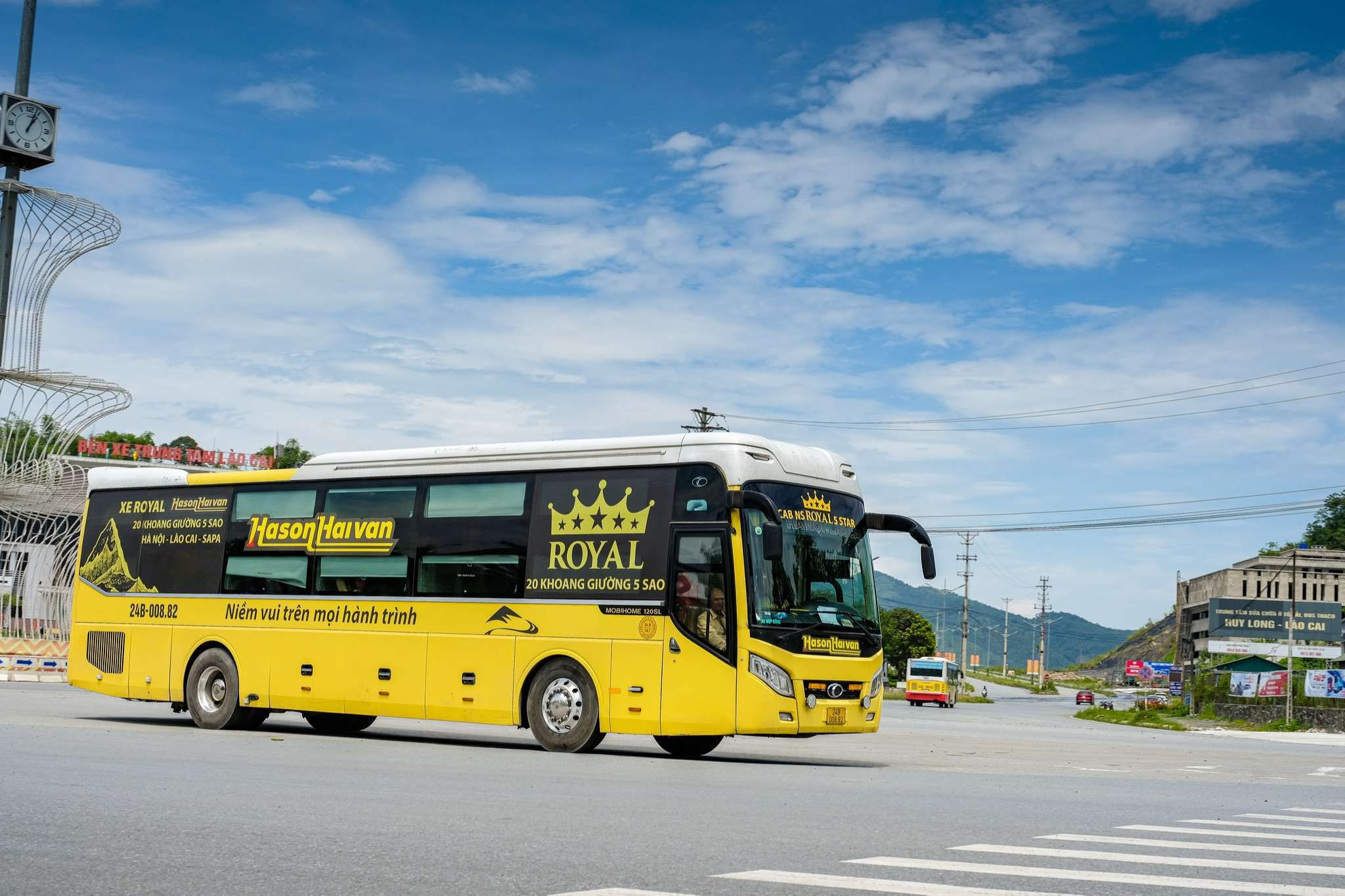
Tourists should choose sleeper buses for convenient overnight travel from Hanoi to Sapa. (Source: Collected)
After arriving in Hanoi, you can continue your self-guided Sapa tour using various means of transportation depending on their needs and budget. Sleeper buses are the most popular choice due to their flexible schedule and reasonable cost. Many bus companies operate during the day and night, with a travel time of approximately 5 to 6 hours via the Hanoi - Lao Cai expressway.
For a more relaxing journey, you can take a train from Hanoi to Lao Cai station and then continue to Sapa by shuttle bus. For families or those who want more control over your itinerary, private cars and shuttle services from Hanoi to Sapa are also a convenient option.
2.3. How to get to Fansipan from the center of Sapa
One of the most popular experiences is the Muong Hoa funicular. This classic European-style train connects the center of Sapa with the Hoang Lien cable car station. During the journey, you can admire the panoramic view of the Muong Hoa valley and the terraced rice fields stretching amidst the mountains and forests.
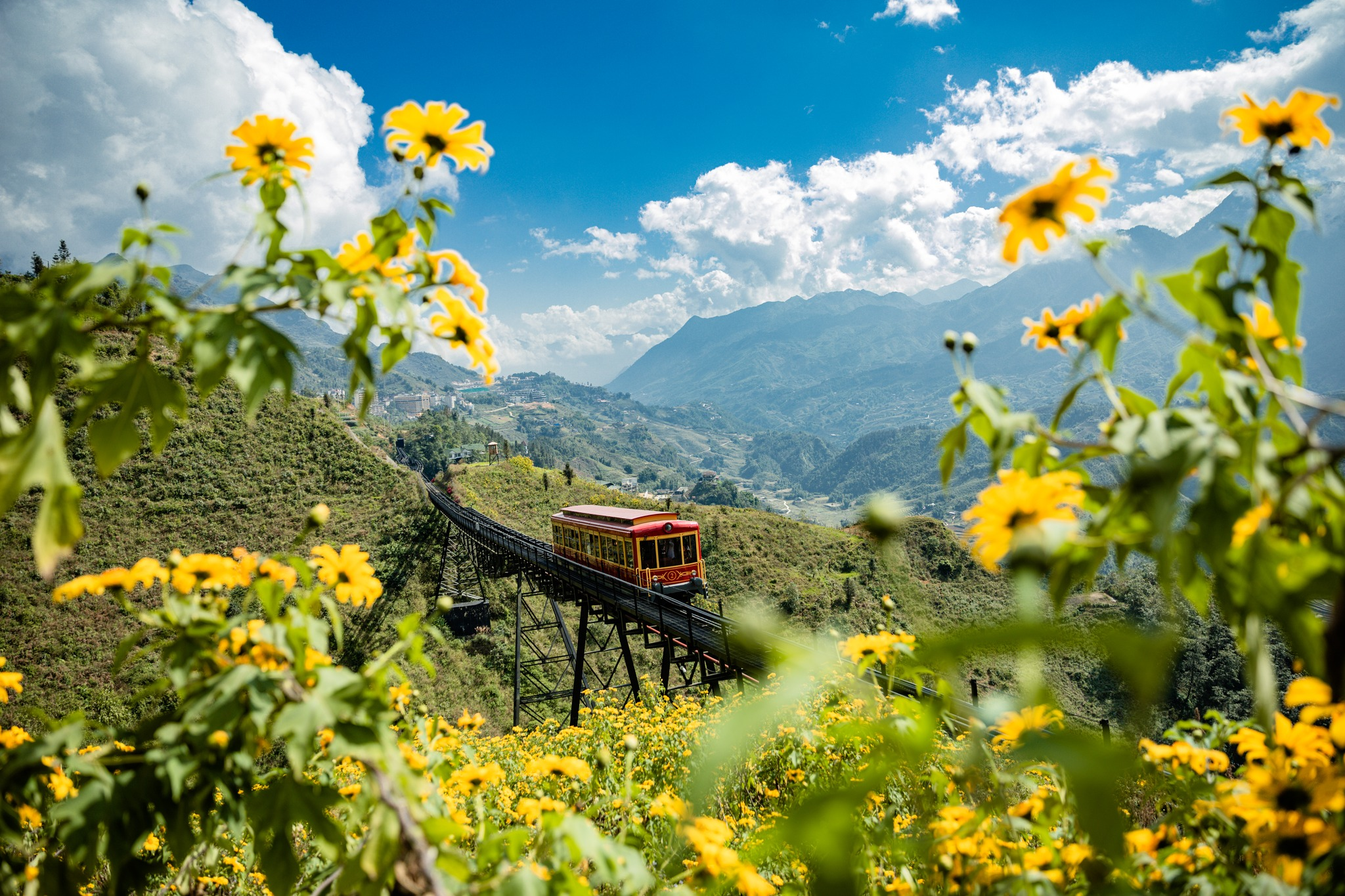
The Muong Hoa funicular offers an exciting journey through the mountains. (Source: Collected)
After arriving at the cable car station, the journey to conquer Fansipan continues with the modern 3-wire cable car. In just about 15 minutes, the cabin will take you over the sea of clouds and gradually ascend to an altitude of over 3,000 meters. This is considered one of the most memorable experiences for international tourists visiting Vietnam.
3. Highlights of independent travel in Sapa
3.1. Checking-in at the summit of Fansipan at 3,143 meters high
Fansipan is the highest mountain in Vietnam and is known as the "roof of Indochina." Standing on the summit, you would clearly feel the change in the air with strong winds, low temperatures, and clouds drifting right before your eyes.
The air at Fansipan is cool year-round, making it pleasant even in summer. For many Indian tourists, the experience of standing amidst a sea of clouds on the summit of Vietnam's highest mountain is a unique moment compared to familiar tourist destinations in the region.
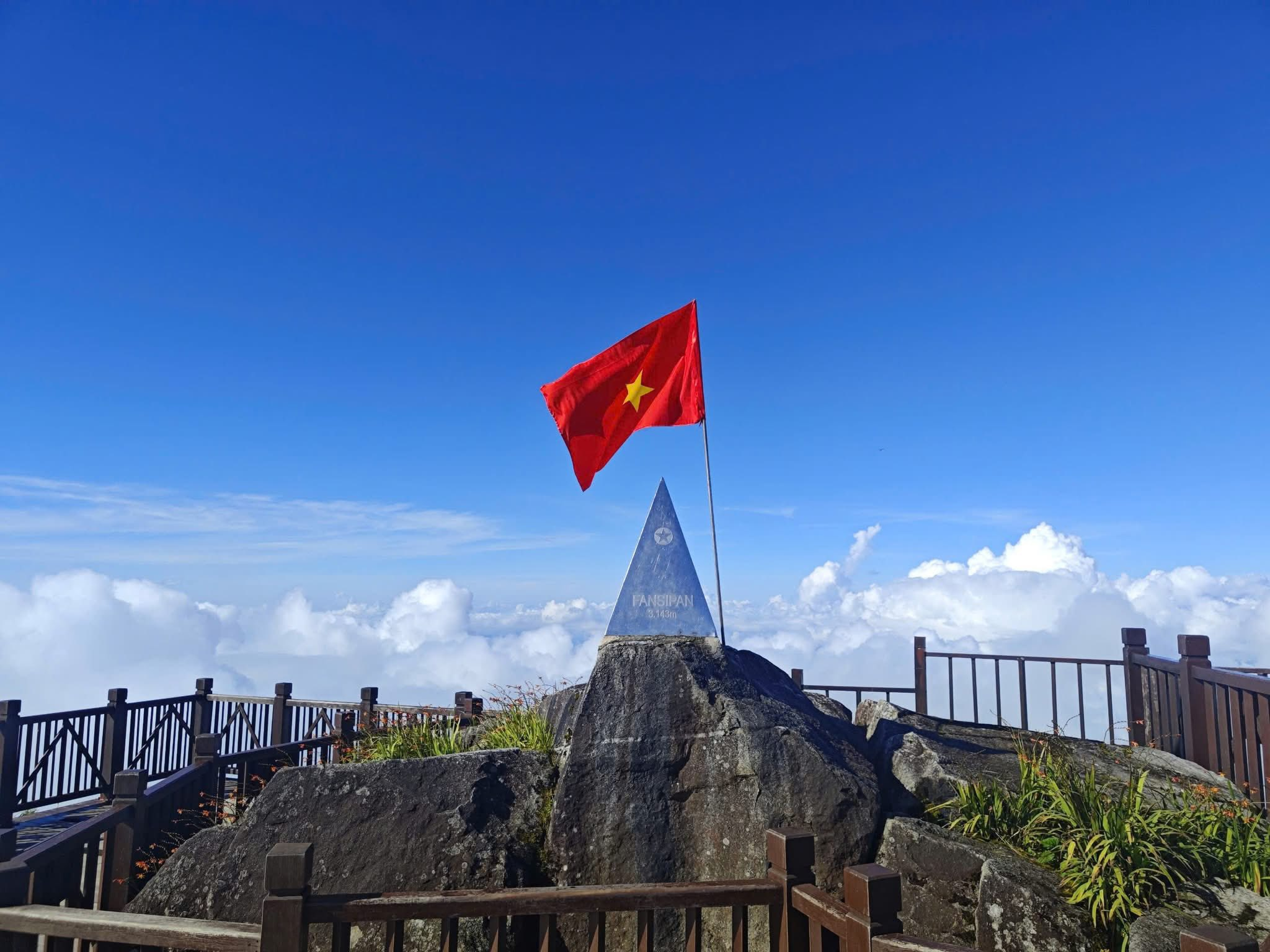
Fansipan peak, at 3,143 meters high, is a must-see check-in point for tourists. (Source: Collected)
3.2. Visiting the complex of spiritual structures on the summit of Fansipan
Besides its stunning natural scenery, Fansipan also impresses with its spiritual and cultural complex nestled amidst a sea of clouds. The towering bronze statue of Great Buddha stands out against the backdrop of the Northwest sky, creating a scene that is both majestic and serene.
You can also visit Bich Van Zen Monastery, with its traditional architecture nestled amidst the mountains and the Alahat Path lined with bronze statues along the stone walkway. When mist appears around the structures, the entire space becomes very peaceful and emotionally evocative.
3.3. Exploring the mountainous villages
A trip to Sapa wouldn't be complete without visiting the villages nestled in the valleys and mountainsides of northwest Vietnam. Cat Cat Village is a favorite stop thanks to its proximity to the center of Sapa. Small, cobblestone paths lead through traditional H'Mong wooden houses, interspersed with terraced rice fields, cool streams, and the sound of water flowing from Cat Cat Waterfall, creating a very relaxing atmosphere.
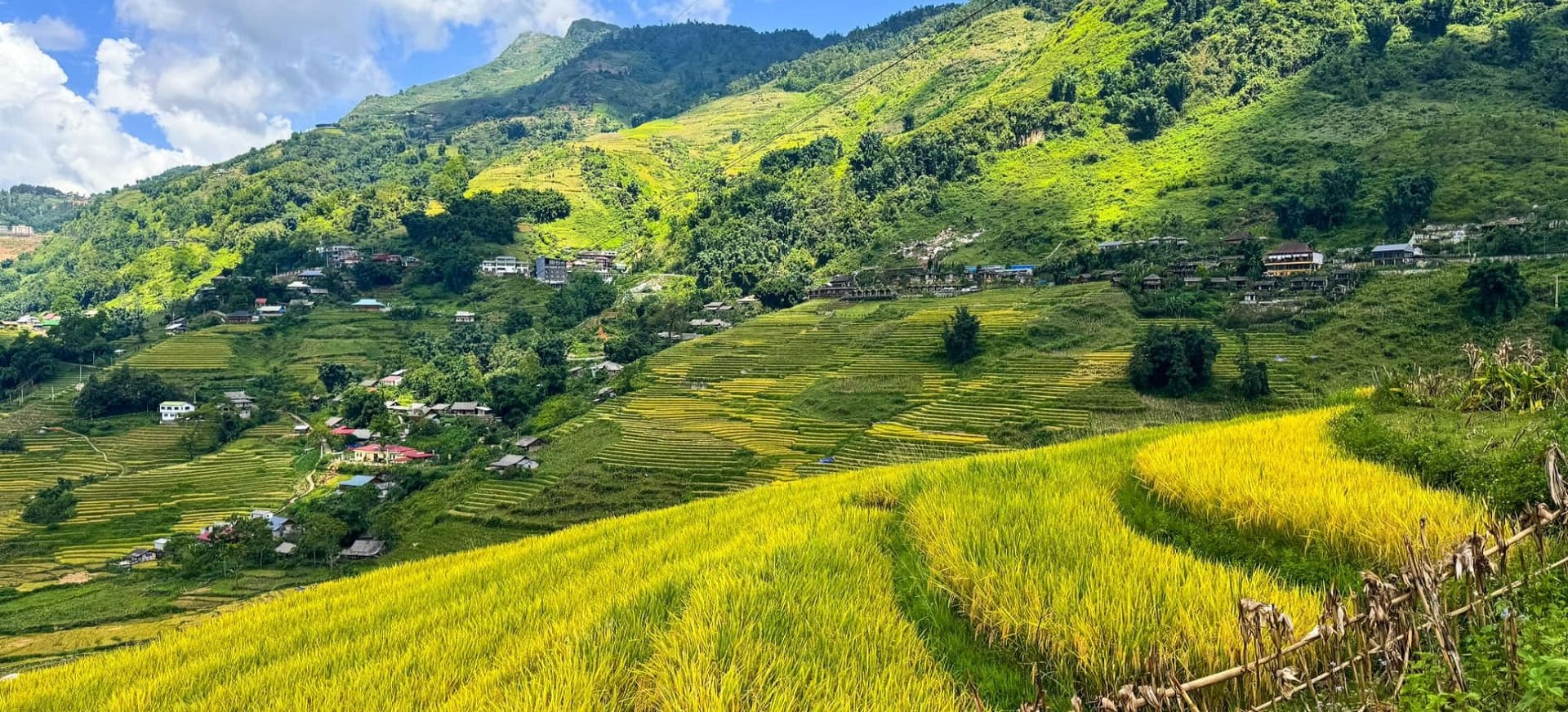
Lush green terraced rice fields stretch across the Muong Hoa valley. (Source: Collected)
Meanwhile, Ta Van Village offers a gentler and more tranquil beauty with rice fields stretching along the mountain slopes and homestays overlooking the Muong Hoa valley. Ta Phin village is also a favorite destination for many international tourists exploring Sapa. This village is famous for the culture of the Red Dao people, traditional houses nestled amidst the hills, and lush green scenery year-round. You can tour handicraft weaving workshops, learn about local customs, or experience the traditional herbal bath of the Red Dao people.
4. Useful tips for a self-guided trip to Sapa
4.1. Notes on cuisine for Indian tourists
Sapa's cuisine is becoming increasingly diverse to suit international visitors, especially Indian tourists traveling with family or in groups. In addition to local dishes, many restaurants in the center of Sapa now offer vegetarian and Halal menus prepared to international tastes.
You can also experience many traditional dishes characteristic of the northwest mountainous region. Thang co (a traditional stew), salmon hot pot, grilled meat, or sticky rice cooked in bamboo tubes are famous dishes often found on trips to Sapa. Cat's ear cabbage, wild mushrooms, fresh bamboo shoots, and other local vegetables grown in the high mountains are also popular for their fresh and light flavors.
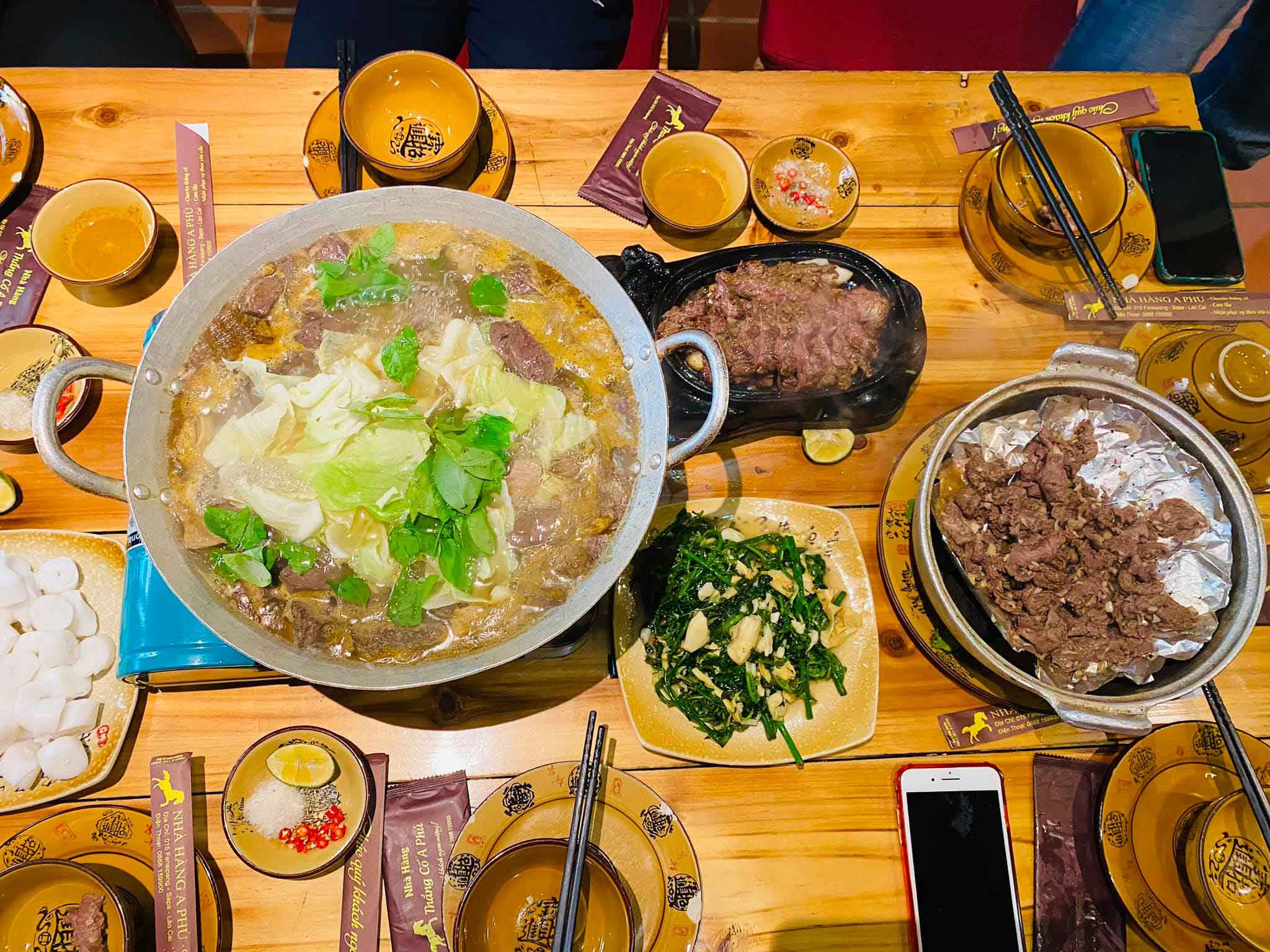
Indian tourists visiting Sapa can enjoy the local specialty, thang co, in the cool weather. (Source: Collected)
In the evening, the cool air of Sapa makes grilled dishes and hot pot even more appealing. When dining at local restaurants, you should inquire about ingredients and spices beforehand to choose dishes that suit your personal needs or dietary preferences.
4.2. Currency exchange, internet access, and other necessary preparations
You should exchange Vietnamese currency at Noi Bai airport or in central Hanoi before traveling to Sapa. While ATMs and electronic payment services are available in central Sapa, cash is more convenient for shopping at local markets or villages. Internet access in Vietnam is generally stable, and tourist SIM cards can be easily purchased at the airport. Many hotels and cafes in Sapa also offer free wifi.
Since temperatures in mountainous areas are generally lower than in the lowlands, you should bring a light jacket even in summer. Additionally, athletic shoes or shoes with good grip will make it easier to get around Fansipan and the surrounding villages.
Besides offering a pleasant climate and the distinctive mountainous scenery of northwest Vietnam, independent travel to Sapa also provides Indian tourists with many new experiences on their journey to explore Vietnam. From cloud hunting on Fansipan peak and relaxing amidst terraced rice fields to learning about mountainous culture and enjoying local cuisine, each trip to Sapa offers a relaxing and memorable experience. With convenient transportation and many services suitable for families and couples, Sapa is becoming an increasingly popular choice for Indian tourists visiting Vietnam.


