




1. Why visit Sa Pa in winter?
Experiencing Sa Pa in winter offers a completely different side of northern Vietnam compared to the warmer months. From December to February, the mountain town transforms into a misty wonderland where cool temperatures, drifting clouds, and dramatic mountain landscapes create an atmosphere unlike anywhere else in the country. For many travellers, winter is the most magical season to discover Sa Pa's natural beauty and unique highland charm.
One of the biggest attractions of Sa Pa in winter is its distinctive climate. Temperatures often range between 3°C and 15°C, with colder days occasionally bringing frost or even snowfall on higher peaks such as Fansipan. While snow is not guaranteed every year, the possibility of witnessing this rare phenomenon in tropical Vietnam makes winter one of the most exciting seasons to visit.
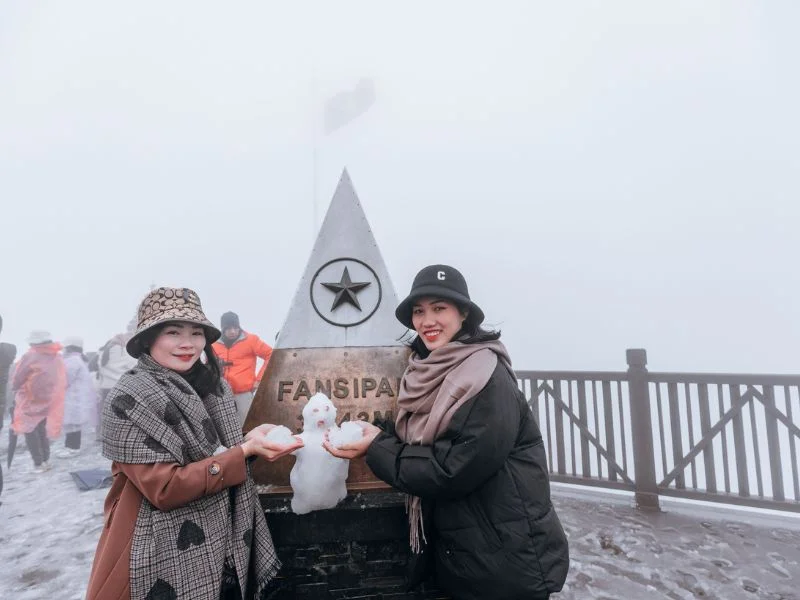
The winter scenery in Sapa attracts many tourists to experience it
Winter also provides ideal conditions for enjoying Sa Pa's famous cloud-covered scenery. Early mornings often reveal a breathtaking sea of clouds stretching across the Hoang Lien Son mountain range, while the cool, crisp air creates excellent visibility on clear days. Whether you're riding the Fansipan cable car, strolling through Sapa Town, or exploring mountain viewpoints, the winter landscape offers countless opportunities for spectacular photography.
Beyond the scenery, Sa Pa in winter is an excellent time to experience the region's rich culture and warm hospitality. Visitors can explore ethnic villages, sample hearty northwest Vietnamese cuisine, relax with a hot cup of coffee overlooking the mountains, or admire the peaceful atmosphere created by mist-covered valleys and traditional wooden houses. Seasonal festivals and festive decorations around the year-end holiday period also add to the town's charm.
Whether you're looking for breathtaking mountain views, a chance to hunt for clouds, a unique winter holiday, or a peaceful escape from the tropical heat, Sa Pa in winter delivers an unforgettable travel experience. With the right clothing and a flexible itinerary, visitors can enjoy one of Vietnam's most picturesque destinations during its most enchanting season.
2. Best things to do in Sa Pa in winter
2.1. Ride the Fansipan cable car and admire the winter mountain scenery
A visit to Sa Pa in winter would not be complete without riding the world-famous Fansipan cable car. Winter transforms the Hoang Lien Son mountain range into a spectacular landscape of mist, drifting clouds, and cool mountain air, creating a completely different experience from the warmer months. As the cable car ascends above valleys and forests, visitors are treated to breathtaking panoramic views that often include the famous sea of clouds stretching across the mountains.
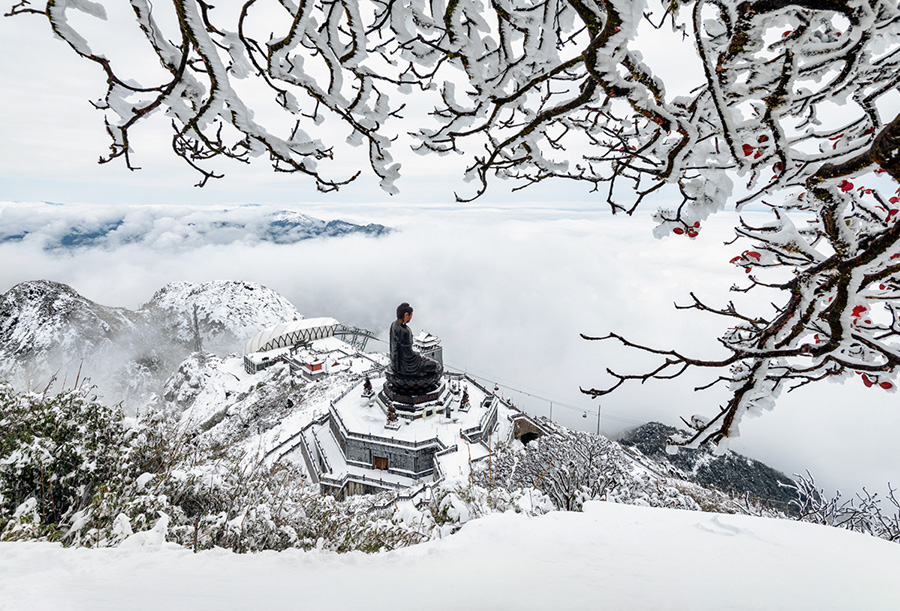
The landscape is covered in white snow on the summit of Fansipan
After arriving near the summit, continue to the Fansipan Peak and explore the spiritual and cultural complex, including the Great Buddha Statue, Kim Son Bao Thang Pagoda, and other remarkable Buddhist landmarks. On particularly cold days, visitors may even witness frost or light snowfall around the summit, making the journey even more memorable. The combination of dramatic scenery, fresh mountain air, and impressive architecture makes this one of the top winter experiences in Sapa.
2.2. Go cloud hunting from Sapa's best viewpoints
Winter is considered one of the best seasons for cloud hunting, making it one of the most popular activities during Sa Pa in winter. Early mornings often reveal valleys completely covered by thick layers of clouds while mountain peaks emerge above them, creating an unforgettable "sea of clouds" effect. The constantly changing weather means every sunrise offers a unique landscape, making cloud hunting a favourite activity for photographers and nature lovers.
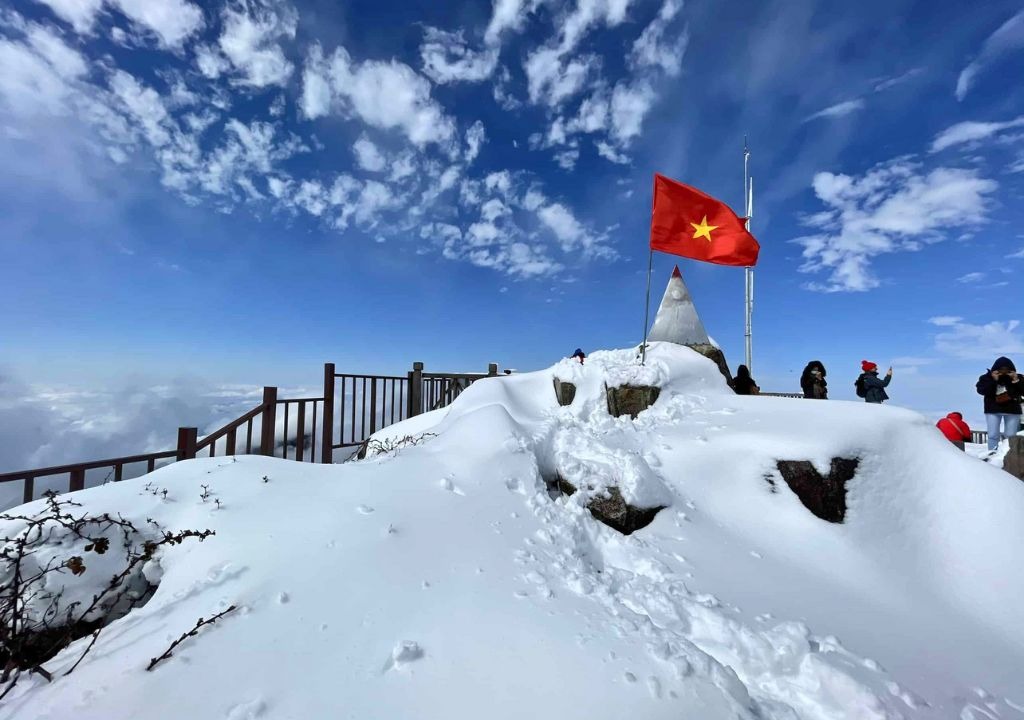
The breathtaking scenery of sea of clouds and white snow on the summit of Fansipan attracts many tourists to experience it
Excellent locations for cloud hunting include Fansipan, O Quy Ho Pass, Ham Rong Mountain, and cafés overlooking Muong Hoa Valley. To maximise your chances of clear views, start your day before sunrise and check local weather conditions in advance. Even if clouds move throughout the morning, watching the mist drift through the mountains remains one of the most magical sights Sapa has to offer.
2.3. Explore Cat Cat, Lao Chai, and Ta Van villages
Winter is an excellent time to discover Sapa's ethnic villages, where cool temperatures make walking far more comfortable than during the hotter months. Villages such as Cat Cat, Lao Chai, and Ta Van become especially picturesque as morning mist settles over terraced rice fields, wooden houses, bamboo forests, and mountain streams. The peaceful atmosphere allows visitors to slow down and fully appreciate the beauty of rural northwest Vietnam.
Along the trekking routes, travellers can meet Black Hmong, Giay, and Red Dao communities, learn about traditional farming practices, admire handmade embroidery, and observe daily village life. Local markets, traditional houses, and scenic viewpoints offer countless opportunities for photography while providing meaningful cultural experiences that go beyond typical sightseeing.
2.4. Enjoy hot Northwest Vietnamese cuisine and mountain coffee
Cold temperatures make Sa Pa in winter the perfect season to enjoy the region's famous mountain cuisine. After a morning of sightseeing, visitors can warm up with comforting dishes such as salmon hotpot, sturgeon hotpot, grilled mountain pork, bamboo-tube sticky rice, black chicken, and fresh seasonal vegetables grown in the cool mountain climate. These hearty meals are ideal for recharging before continuing your exploration.
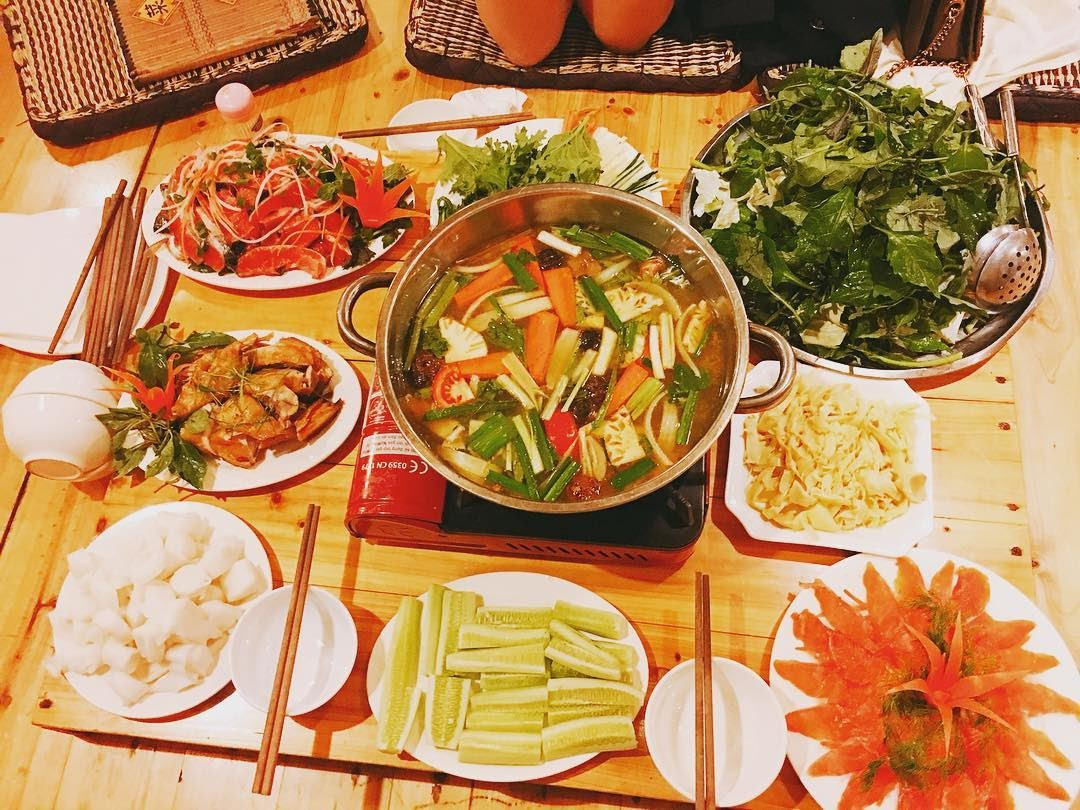
Hot salmon hot pot is perfect to enjoy in the winter
Equally enjoyable is relaxing in one of Sapa's mountain-view coffee shops with a hot cup of Vietnamese coffee, herbal tea, or hot chocolate while watching mist roll across the surrounding peaks. Many cafés overlook Muong Hoa Valley, creating a cosy atmosphere where visitors can escape the cold while taking in some of northern Vietnam's most beautiful winter scenery.
2.5. Visit Sapa Night Market and shop for local specialties
As evening falls, Sa Pa in winter becomes even more charming with cool temperatures and colourful lights illuminating the town centre. The Sapa Night Market is one of the best places to experience the lively atmosphere while browsing stalls selling handmade textiles, embroidered clothing, silver jewellery, woven bags, herbal products, dried fruits, and locally produced Shan Tuyet tea.
Winter is also an excellent time to sample popular street foods such as grilled skewers, roasted sweet potatoes, chestnuts, grilled corn, sticky rice, and traditional mountain snacks. The combination of delicious local food, handcrafted souvenirs, and the festive evening atmosphere makes the night market a must-visit destination after a day of exploring Sapa.
2.6. Experience festive decorations and winter events
From December through the Lunar New Year period, Sa Pa in winter is filled with festive decorations and seasonal celebrations. Sapa Town, Sun Plaza, and Sun World Fansipan Legend are beautifully decorated with colourful lights, Christmas displays, flowers, and seasonal installations that create a vibrant atmosphere for visitors of all ages.
Depending on your travel dates, you may also enjoy cultural performances, traditional music, ethnic festivals, and seasonal events organised throughout the town and at Sun World Fansipan Legend. Combined with the cool mountain climate and stunning winter scenery, these festive experiences make Sapa one of Vietnam's most attractive destinations for a memorable winter holiday.
3. Travel tips for visiting Sa Pa in winter
3.1. Pack warm clothing for changing mountain weather
The weather in Sa Pa in winter can change quickly throughout the day, so dressing in layers is the best way to stay comfortable. While daytime temperatures are usually cool, mornings and evenings can be much colder, especially from late December to early February. A warm jacket, thermal clothing, scarf, gloves, and a beanie are highly recommended, particularly if you plan to visit Fansipan or leave your hotel before sunrise.
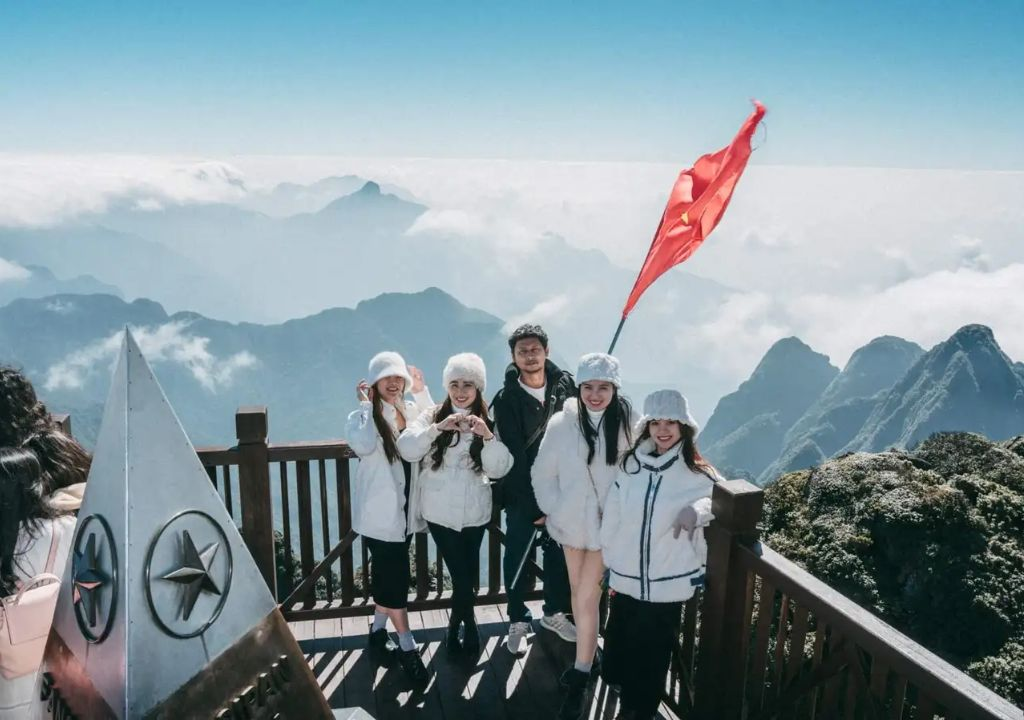
Tourists should prepare warm clothing when traveling to Sapa in winter
Comfortable walking shoes with good grip are equally important, as some trekking trails and stone pathways may become damp or slippery due to mist or light rain. Bringing a small umbrella or waterproof jacket is also useful since mountain weather can change unexpectedly.
3.2. Start your day early for the best weather and cloud views
One of the biggest highlights of Sa Pa in winter is the chance to witness spectacular cloud formations, but this often requires an early start. Sunrise is typically the best time to enjoy clear mountain views before clouds become denser later in the day. Attractions such as Fansipan, O Quy Ho Pass, Ham Rong Mountain, and Muong Hoa Valley are especially beautiful during the early morning hours.
Starting early also allows visitors to explore popular attractions before larger tour groups arrive. Whether you're riding the Fansipan cable car, visiting ethnic villages, or taking photographs of the surrounding mountains, an early itinerary provides a quieter and more enjoyable experience.
3.3. Check the weather before visiting Fansipan
Although Sa Pa in winter is beautiful throughout the season, mountain weather can vary significantly from one day to another. Before planning your trip to Fansipan, check the local weather forecast to understand visibility, temperature, and cloud conditions. On clear days, visitors can enjoy breathtaking panoramic views, while misty conditions create a completely different but equally magical atmosphere.
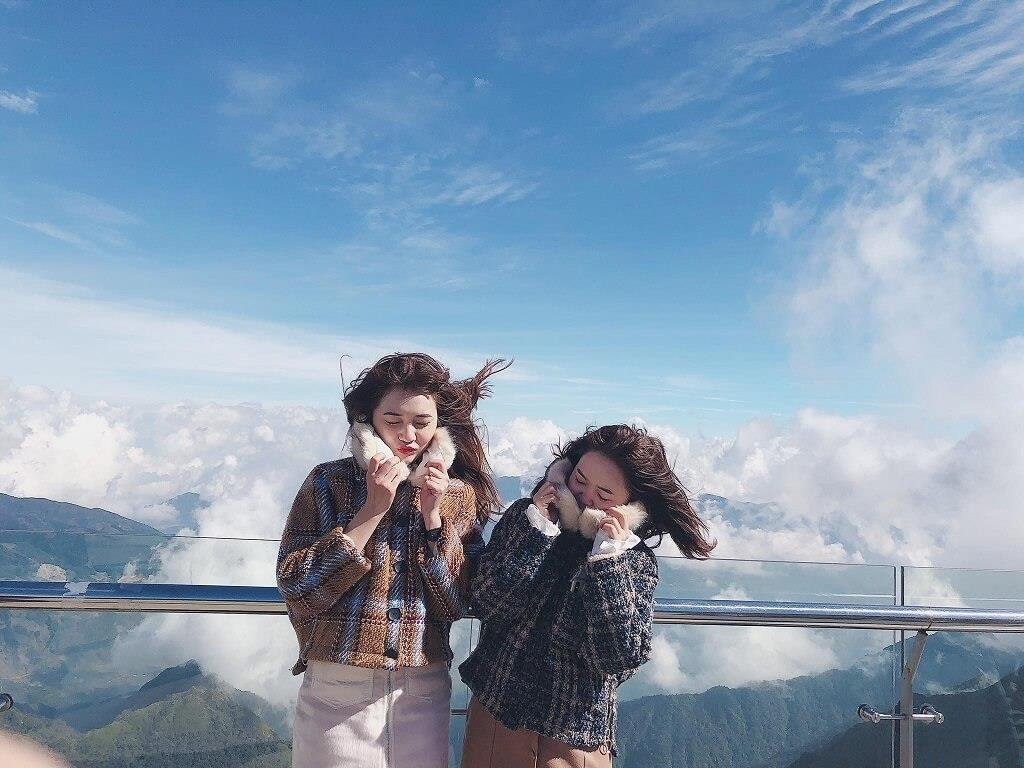
Tourists should check the weather carefully before climbing Fansipan
If your itinerary is flexible, consider scheduling your Fansipan visit on the clearest day of your trip. This increases the likelihood of enjoying the famous sea of clouds and unobstructed views from Vietnam's highest peak while making the cable car journey even more memorable.
3.4. Allow enough time for both sightseeing and relaxation
While many visitors focus on checking off the main attractions, Sa Pa in winter is best enjoyed at a slower pace. In addition to visiting Fansipan, Cat Cat Village, or Muong Hoa Valley, leave time to relax at mountain-view cafés, browse local markets, or simply stroll through the misty streets of Sapa Town. The peaceful winter atmosphere is part of what makes the destination so special.
Planning a balanced itinerary also allows you to enjoy regional cuisine, warm up with a hot cup of coffee, and experience local culture without feeling rushed. Spending two or three days in Sapa provides enough time to combine sightseeing, cultural experiences, and moments of relaxation.
3.5. Book accommodation and cable car tickets in advance
Winter is one of the most popular travel seasons in Sapa, particularly during Christmas, New Year, and the Lunar New Year holiday. Hotels with mountain views and tickets for the Fansipan cable car can sell out quickly during these peak periods. Booking accommodation and attraction tickets in advance helps secure your preferred schedule and may also provide access to better prices.
Choosing accommodation in or near Sapa Town also makes it easier to reach attractions such as Sun Plaza, the Fansipan cable car, Sapa Lake, and the Night Market. Staying close to the town centre allows visitors to maximise their time while enjoying convenient access to restaurants, cafés, and local shops throughout their winter holiday.
Sa Pa in winter offers the perfect combination of spectacular scenery, cool weather, cultural experiences, and outdoor adventures. Whether you're admiring the sea of clouds from Fansipan, trekking through peaceful ethnic villages, sampling hearty northwest Vietnamese cuisine, or strolling around the lively night market, every experience reveals a different side of Sapa's winter charm. With proper preparation and a well-planned itinerary, winter is undoubtedly one of the best seasons to discover the beauty and character of this iconic mountain destination.


