




1. Introduction to Sa Pa Corn Cake
1.1. What is Sa Pa Corn Cake? The meaning of the name "Páu pó cừ"
Sa Pa corn cake, also called "Páu pó cừ" in the local language, is a traditional dish closely associated with the daily life of the Dao and H'Mong ethnic groups in the highlands. The name "Páu pó cừ" carries the breath of the mountains and forests, reflecting the connection between people and nature here.
The Sa Pa corn cake is made from freshly harvested young corn, without any other flour mixed in, to preserve its natural sweet taste. It usually appears only during the corn season, from April to May of the lunar calendar, when the corn kernels are most milky and tender, creating an irresistible flavor. People will separate the corn kernels, pound them finely, then wrap them tightly in wild banana leaves to grill or steam until cooked.
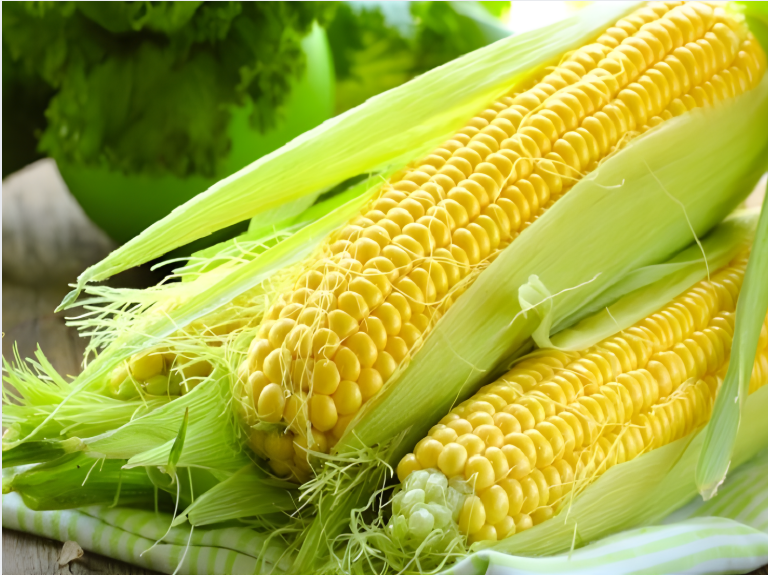
The Sapa corn cake is made from freshly harvested young corn. (Source: Collected)
1.2. Why Sapa corn cake becomes an "unmissable" dish when visiting Sapa
The natural sweetness, chewiness, and softness make Sapa corn cake a symbol of prosperity and reunion in mountain culture. Tourists visiting Sapa always look for these golden cakes as a gift imbued with the spirit of the mountains, for both enjoyment and as a souvenir.
Corn cake is best enjoyed hot, with a slightly crispy golden crust on the outside, soft and smooth inside, with a hint of banana leaf aroma. Many suggest eating it with wild honey or sugar to enhance its richness and fragrance. Enjoying Sapa corn cake with a cup of hot tea in the cool highland weather is a unique experience that leaves a lasting impression on everyone.
2. Origin and cultural significance of Sapa corn cake
2.1. Origin of corn cake from the life of mountain ethnic groups
Sapa corn cake originated from the habit of utilizing young corn ears after harvest by the ethnic groups in the highlands. Instead of letting the corn mature, the Dao and H'Mong people created this cake, which was convenient to carry while working in the fields and also served as a gift for relatives.
In daily life, corn cake is a useful source of energy for days of labor on the hillsides. People often wrap the cakes in banana leaves and take them along, which helps prevent hunger and retains the natural moisture from the young corn. Over time, this simple dish has become an indispensable part of the culinary culture of the highland ethnic groups.
2.2. Cultural value and role in daily life
Sapa corn cake often appears at weekend markets, festivals, or family gatherings. It is not only a simple gift but also a way for people to express care and share affection within the community.
For the people of the mountains, each corn cake is also a symbol of skill, diligence, and love for the mountains. At village gatherings or harvest festivals, Sapa corn cake is always present as a traditional dish, preserved and passed down from generation to generation. The cake contributes to preserving the unique beauty of Northwestern cuisine, becoming a deep memory associated with the land of Sapa.
3. Ingredients and traditional method of making Sapa corn cake
3.1. Characteristic ingredients that make Sapa corn cake
To make Sapa corn cake , people only select young corn ears, harvested at the time when the kernels are still fresh and soft, with high milk content. Corn grown in Sapa, thriving in the cool climate, has a richer sweetness compared to many other places.
Wild banana leaves are an indispensable ingredient that helps the cake retain its moisture and creates an attractive aroma. Additionally, only a little salt is added to enhance the natural sweetness of the corn. Throughout the preparation process, no water is used to preserve the fresh and delicious flavor of the corn cake .
3.2. Processing steps for Sapa corn cake
The steps for making Sapa corn cake are simple but require care and experience. After separating the corn kernels from the cob, the maker will pound or grind the corn without adding water. Then, a little salt is mixed in, and the mixture is wrapped tightly in washed banana leaves.
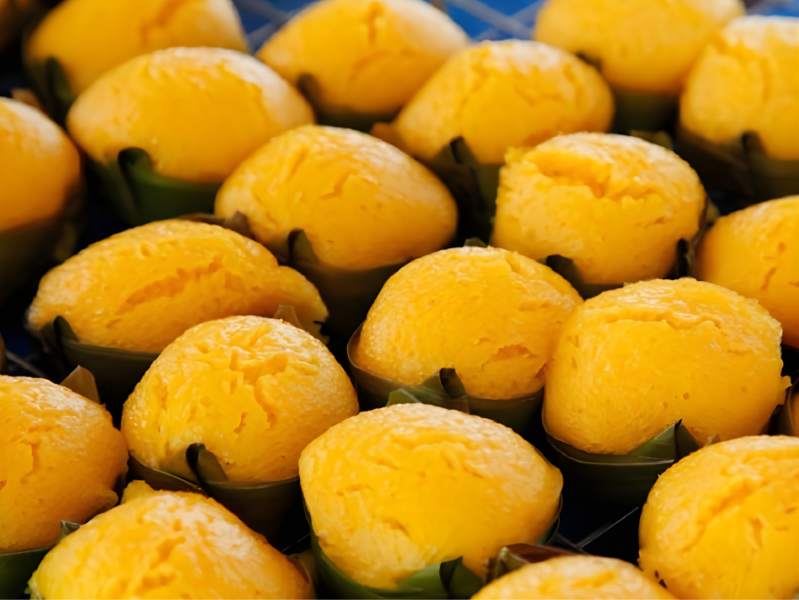
Steps to make Sa Pa corn cakes require high meticulousness. (Source: Collected)
The cooking stage is the decisive factor for the flavor of corn cakes . The cakes are placed on red charcoal stoves or cast iron ovens, maintaining a moderate heat so the cakes cook evenly, do not burn, and retain their softness inside. When baking, the aroma of banana leaves and corn blends, spreading throughout the space. When the cakes reach the appropriate doneness, the outer layer will have a golden sheen, and the inside will be characteristically soft and sweet.
3.3. Secrets to keeping the delicious taste for a long time and achieving the true Sa Pa standard
Sa Pa corn cakes are best when just taken out of the oven, with a lightly charred outer layer and a fragrant aroma, and a naturally soft and chewy filling. To keep the cakes delicious for 2-3 days, people usually store them in a dry, cool place, away from direct sunlight.
When eating, diners just need to steam them again on the stove, and the cakes will return to their original soft and chewy texture. Avoid letting the cakes come into contact with high humidity or excessive heat to preserve the unique flavor of this highland dish.
4. Outstanding features of Sa Pa corn cakes compared to other regional cakes
4.1. Comparison of processing, ingredients, and flavor
The processing steps of Sa Pa corn cakes are completely different from corn cakes in many other regions. While corn cakes in Ha Giang or other northern provinces are usually steamed or fried, in Sa Pa, the cakes are baked directly on charcoal, creating a lightly charred outer layer and an alluring aroma.
Regarding ingredients, Sa Pa corn cakes only use local young corn and wild banana leaves, without mixing wheat flour or any other type of flour. Thanks to this, the cake's flavor retains its natural sweetness and chewiness, creating a unique characteristic for this dish that anyone can easily recognize when tasting it.
4.2. Factors that create the unforgettable sweetness and chewiness
Corn is grown at altitudes above 1,500 m in Sa Pa; the cold climate helps the corn kernels be small but very rich in natural sugars. Thanks to the baking technique in banana leaves, Sa Pa corn cakes have a chewy texture and a very distinctive wild leaf aroma.
What makes corn cakes different comes not only from the terroir but also from inherited secrets. Each cake not only captures the sweetness of young corn but also blends the aroma of wild banana leaves, bringing a multi-layered flavor experience that can only be fully appreciated in Sa Pa.
5. Where to buy delicious Sa Pa corn cakes?
5.1. Suggestions for reputable and quality places to buy Sa Pa corn cakes
Sa Pa Central Market, located near the stone church, is a familiar address chosen by many when looking for quality Sa Pa corn cakes . Here, numerous stalls of Dao and H'Mong people gather, always selling many local specialties, with corn cakes being a popular item.
On weekends, Bac Ha Market is also an ideal stop for those who want to fully experience the highland market atmosphere. Additionally, villages like Cat Cat, Ta Van, and Lao Chai around the Sa Pa center still preserve the traditional way of making corn cakes , offering an original flavor to diners.
5.2. Corn cake prices and tips for tourists
Each Sa Pa corn cake usually costs from 10,000 to 20,000 VND, depending on the size and place of purchase. If bought at some small markets, or directly from local people, the price may range from 5,000 to 8,000 VND per medium-sized cake.
When choosing corn cakes , prioritize those that are still warm, feel soft to the touch, and emit a gentle aroma of banana leaves. Do not choose cakes that are hard, have a slightly sour smell, or whose outer layer has changed color, as these are signs that the cakes have been stored for a long time. Fresh and delicious Sa Pa corn cakes usually have a natural yellow color, neither too pale nor too dark.
6. Experience Sun World Fansipan Legend combined with culinary enjoyment
A complete Sa Pa exploration journey should begin with the simplest things: a clear morning at the central market, where the scent of smoke and laughter blend with the rhythm of highland life. Tourists can wander around the stalls, enjoy hot corn cakes, or sticky rice cakes with bean filling, simple flavors full of Sa Pa's human warmth.
When the midday sun casts golden light over the valley, stop by eateries around the market to discover authentic Northwestern cuisine: charcoal-grilled stream fish, thang co, or dried buffalo meat, dishes that are both rich in mountain flavors and tell the story of the local people's labor.
The afternoon is the ideal time for tourists to go up to Sun World Fansipan Legend, a tourist complex nestled amidst the northwestern clouds. The modern cable car system takes tourists through layers of white clouds, opening up a majestic panorama of the Hoang Lien Son mountain range. As the cabin gently glides over cloud-covered slopes, it feels like touching the sky.

A modern cable car system takes tourists across a majestic panorama. (Source: Collected)
Upon reaching the Fansipan station area, stop by a cafe amidst the clouds, order a hot cup of tea and a fragrant corn cake, and watch the clouds drift leisurely through the glass window. In the chilly atmosphere, each sip of tea seems to slow down time – enough to fully feel the peace at the sky's peak.
Conclude the day with an evening stroll through Sa Pa town. Yellow lights stretch along the slopes, and smoky grilling scents spread in the wind. Tourists can enjoy sticky rice cooked in bamboo tubes dipped in sesame salt, grilled skewers, grilled eggs, or grilled corn with butter – dishes that help "ward off the cold" and bring the warmth of the mountainous region. In that moment, Sa Pa is not just a destination, but a life experience – where people find connection with nature, with culture, and with themselves.
Sa Pa corn cake is a sincere gift from the mountains, containing the natural sweetness and the persistent labor of the highlanders. Visiting Sa Pa and enjoying the golden corn cakes by the market eaves, combined with a tour of Sun World Fansipan Legend, is a wonderful way to fully experience the simple yet warm culinary spirit of the Northwest.


