

1. Introduction to Sapa Central Market
Sapa Central Market is located right at the central square of the town, opposite the ancient stone church. This location is situated at the intersection of main streets such as Thach Son, Pham Xuan Huan, and Fansipan, therefore, tourists can easily travel and combine visits to many outstanding tourist attractions within a radius of less than 1 km.
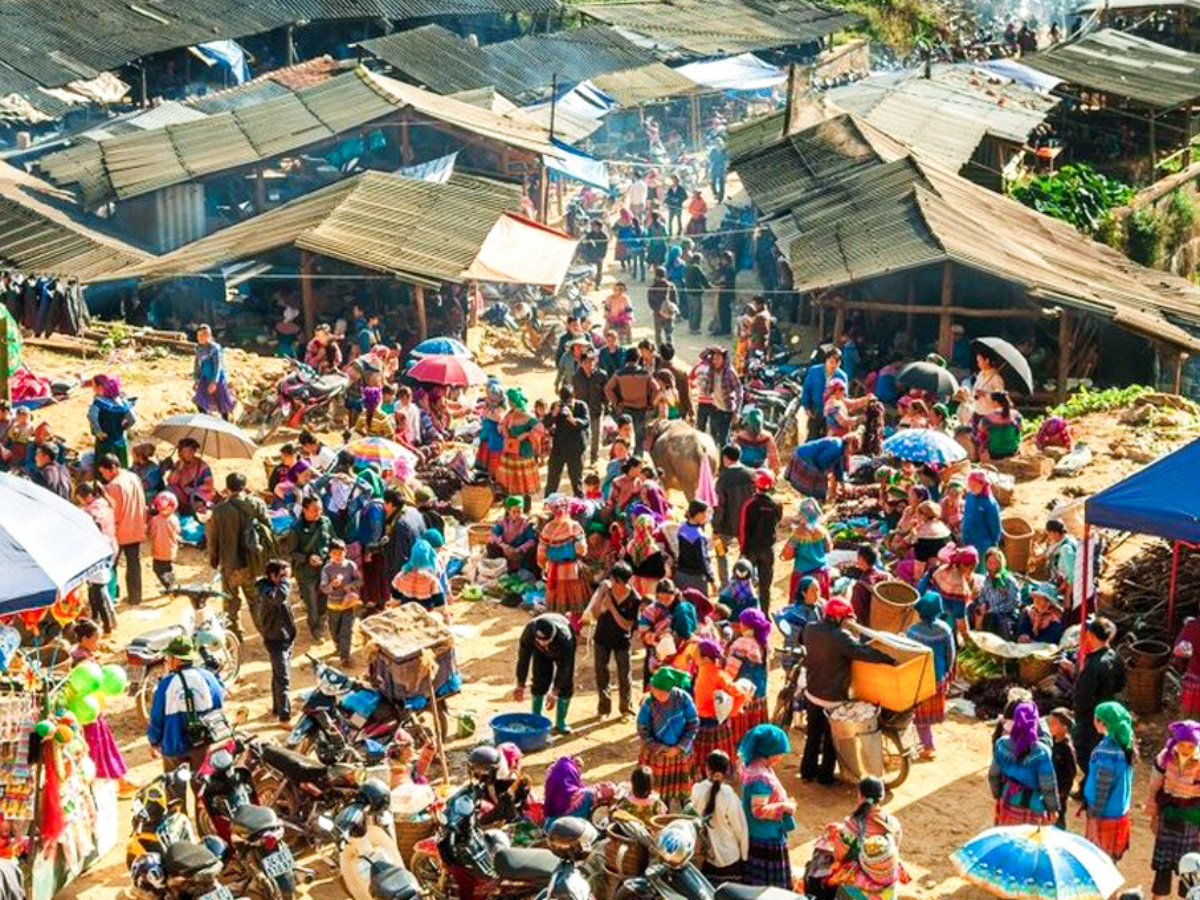
The Sa Pa market session is located right in the center of the town. (Source: Collected)
The market is held every Sunday, an occasion for people from the highlands to meet, exchange goods, and engage in cultural exchange. On market days, the atmosphere becomes lively with the sounds of flutes, khen, mouth organs, and simple love songs, where ethnic boys and girls meet, date, and get to know each other amidst the vibrant colors of traditional costumes.
Visiting the Sa Pa market session, visitors will immerse themselves in the unique cultural space of the highland people, from exquisite handmade brocade products, colorful traditional dresses, to rare forest products bearing the imprint of the Northwest mountains. Don't forget to enjoy unique ethnic dishes like thang co, smoked buffalo meat, or fragrant corn wine.
With its lively and distinctive atmosphere, the Sa Pa market session is not just a shopping place, but also a part of Sa Pa's tourism soul, making it unforgettable for anyone who has visited.
2. Unique Space and Experiences at the Central Sa Pa Market Session
Arriving at the central Sa Pa market session on the weekend, visitors will be captivated by the fresh scenery and the vibrant, culturally rich atmosphere. This place is not just a marketplace but also a vivid picture of the cultural life of the highlands.
2.1. Vibrant Ethnic Colors at the Market Session
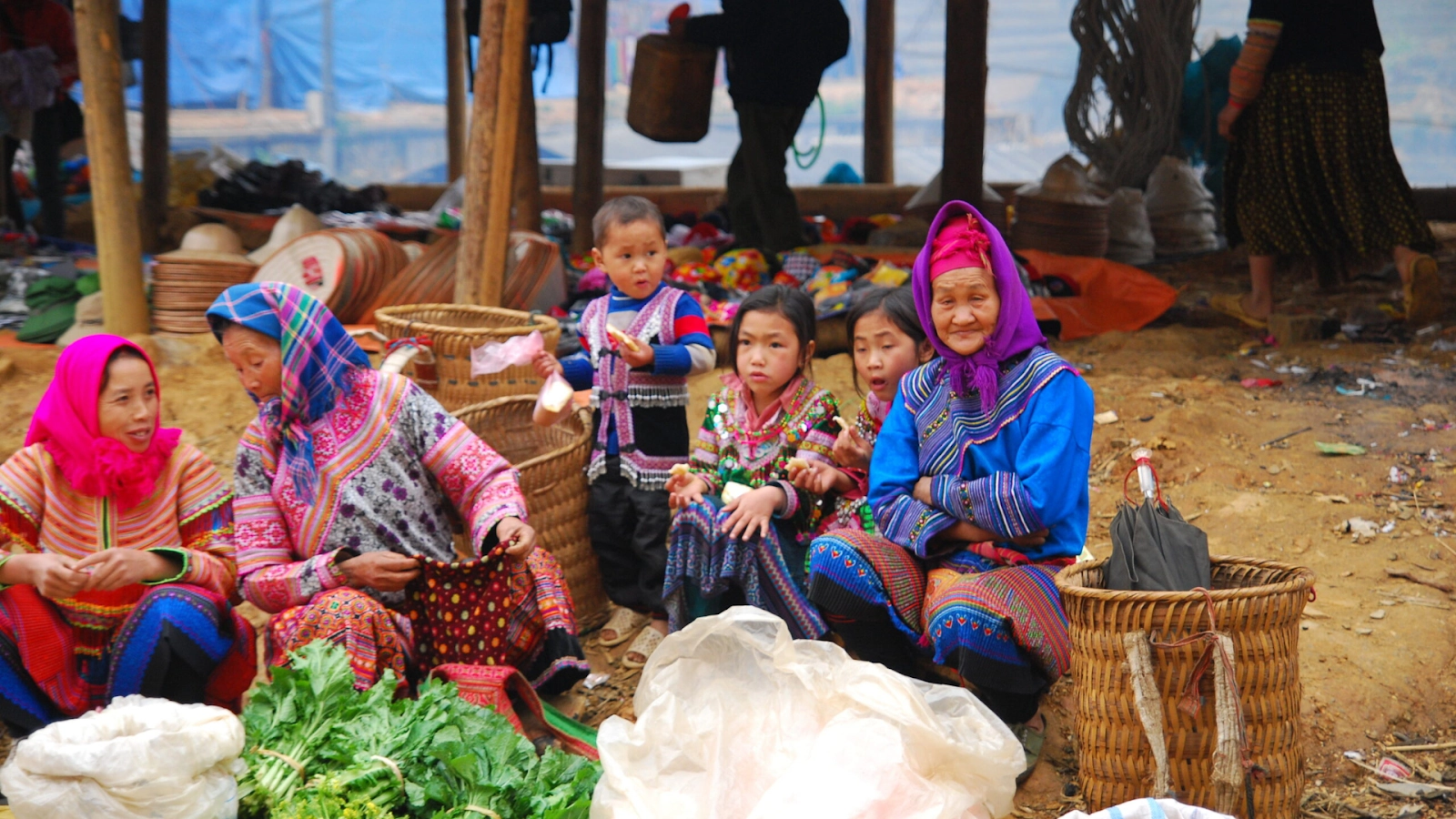
Every weekend, the central Sa Pa market session becomes like a vivid work of art. Traditional colors blend together: the deep blue of H'Mong brocade shirts with meticulous embroidered patterns, bright red from the headscarves of the Dao people, or the simple indigo color of the Giay people… all creating a multi-colored painting imbued with the spirit of the mountains. Amidst that scene, the sounds of khen, mouth organs, and folk songs ring out vibrantly, mixed with the clear laughter of market-goers, making this place like a miniature festival in the heart of Sa Pa.
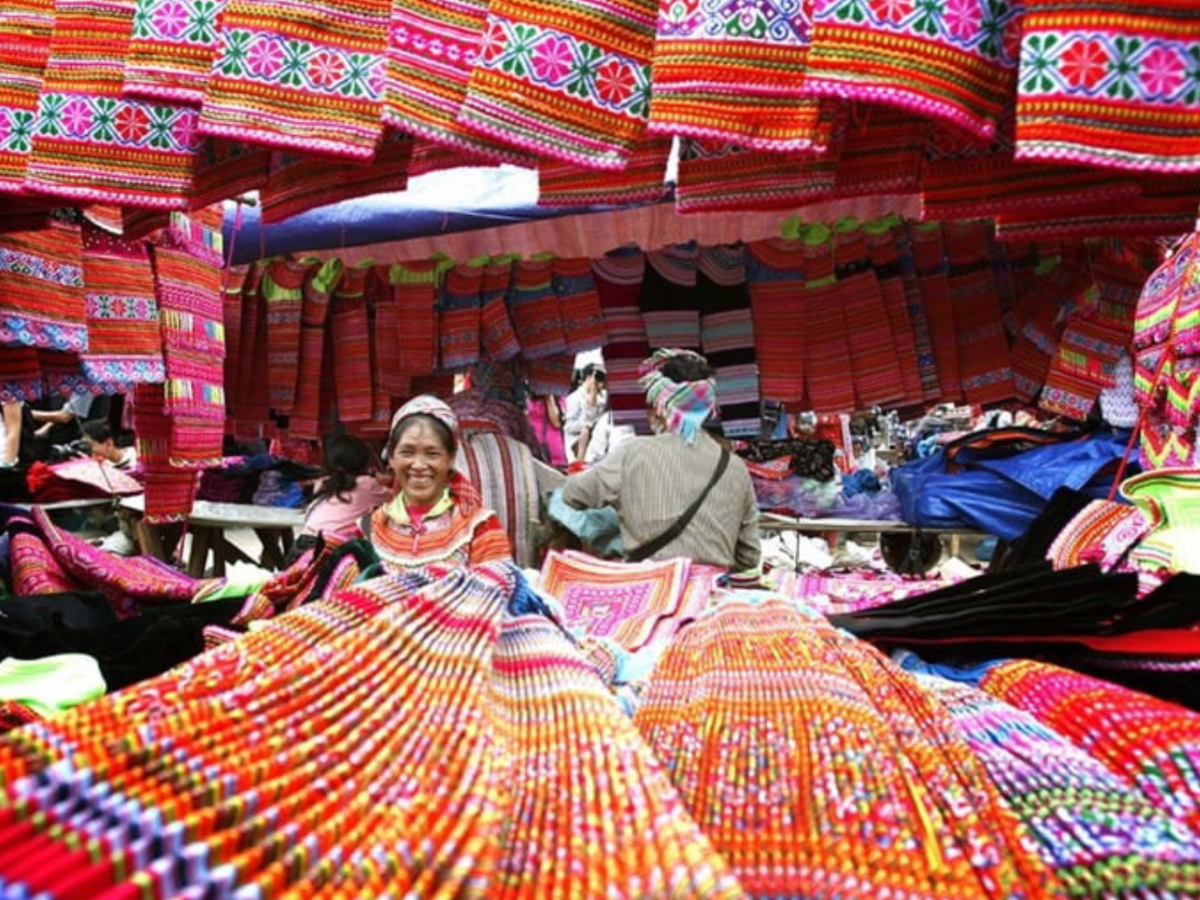
A vibrant space of ethnic colors at the market fair. (Source: Collected)
The market space is a delicate blend of tradition and modernity. Besides stalls selling local specialties, brocade, and handicrafts, visitors can also admire traditional cultural activities such as khen performances, call-and-response singing, and folk games – simple beauties that have existed for hundreds of years. Each stall, each sound, each smile at the market fair tells a unique story of highland life, contributing to preserving and spreading the unique cultural identity of the ethnic groups of Sa Pa to visitors from all over.
2.2. Vibrant trading activities at the central Sa Pa market fair
The central Sa Pa market fair has long been a convergence point for characteristic products of the Northwest region. Amidst the bustling colorful space, visitors can easily find stalls selling hand-woven brocade, exquisite silver jewelry, or handicrafts made by local people themselves. In addition, the market also sells fresh agricultural products such as plum, peach, apple, along with highland specialties like forest honey, dried bamboo shoots, and cardamom – all imbued with natural flavors and mountain identity.
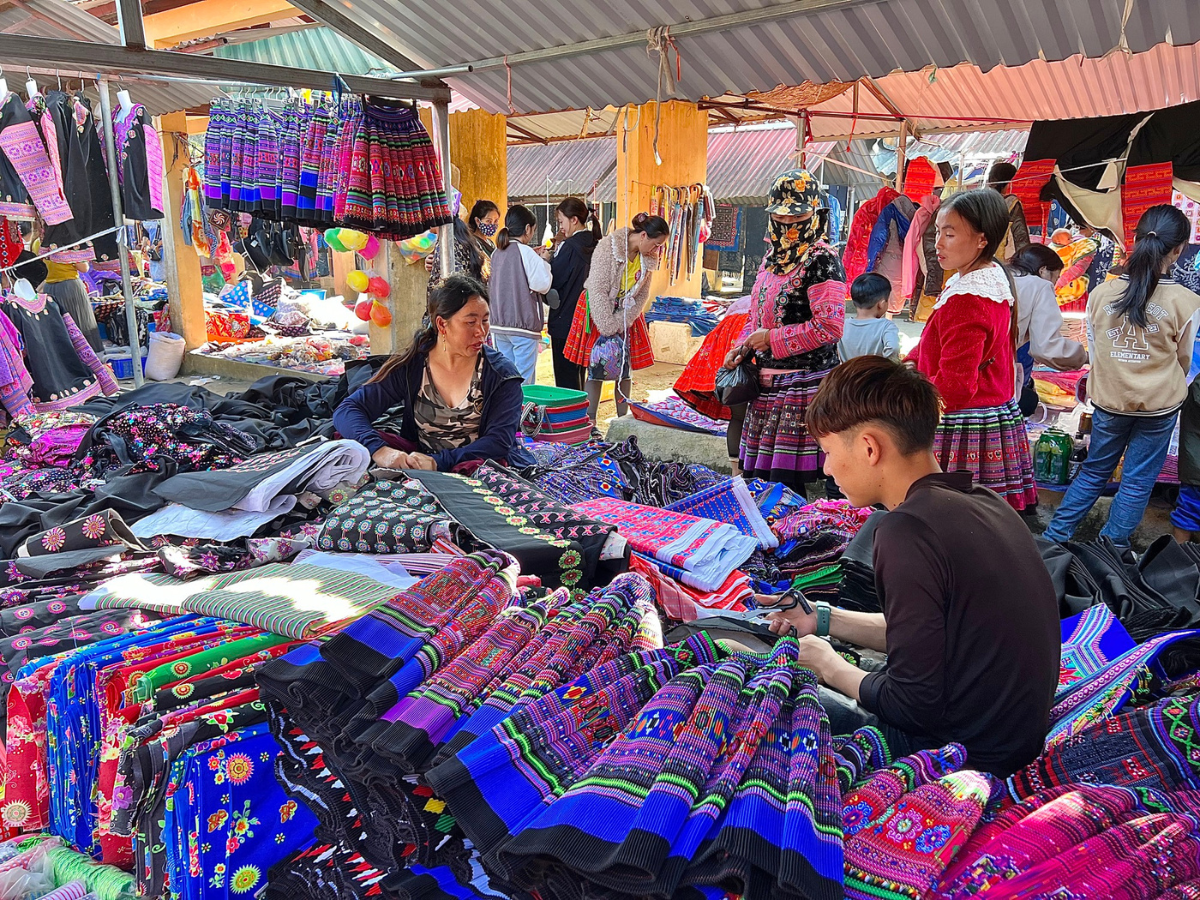
Bustling trading activities at the central Sa Pa market. (Source: Collected)
Not only that, traditional wines such as corn wine, rose myrtle wine, or precious medicinal herbs from the forest like Notoginseng, ginseng, and common atractylodes also attract the curiosity of many tourists. What makes the market fair's unique appeal is not just the buying and selling, but also the close, sincere conversations between customers and sellers. They are willing to talk about the origin of the products, the handicraft methods, and even personally guide the traditional weaving and embroidery techniques. It is this friendliness and simplicity that has made the Sa Pa market fair a place that fully preserves the spirit of the Northwestern highlands.
2.3. Sa Pa Love Market
As night falls, the central Sa Pa market fair transforms into a romantic love market. From 6:00 PM to 10:00 PM on Saturdays, the Stone Church square becomes a meeting point for young men and women from the highlands.
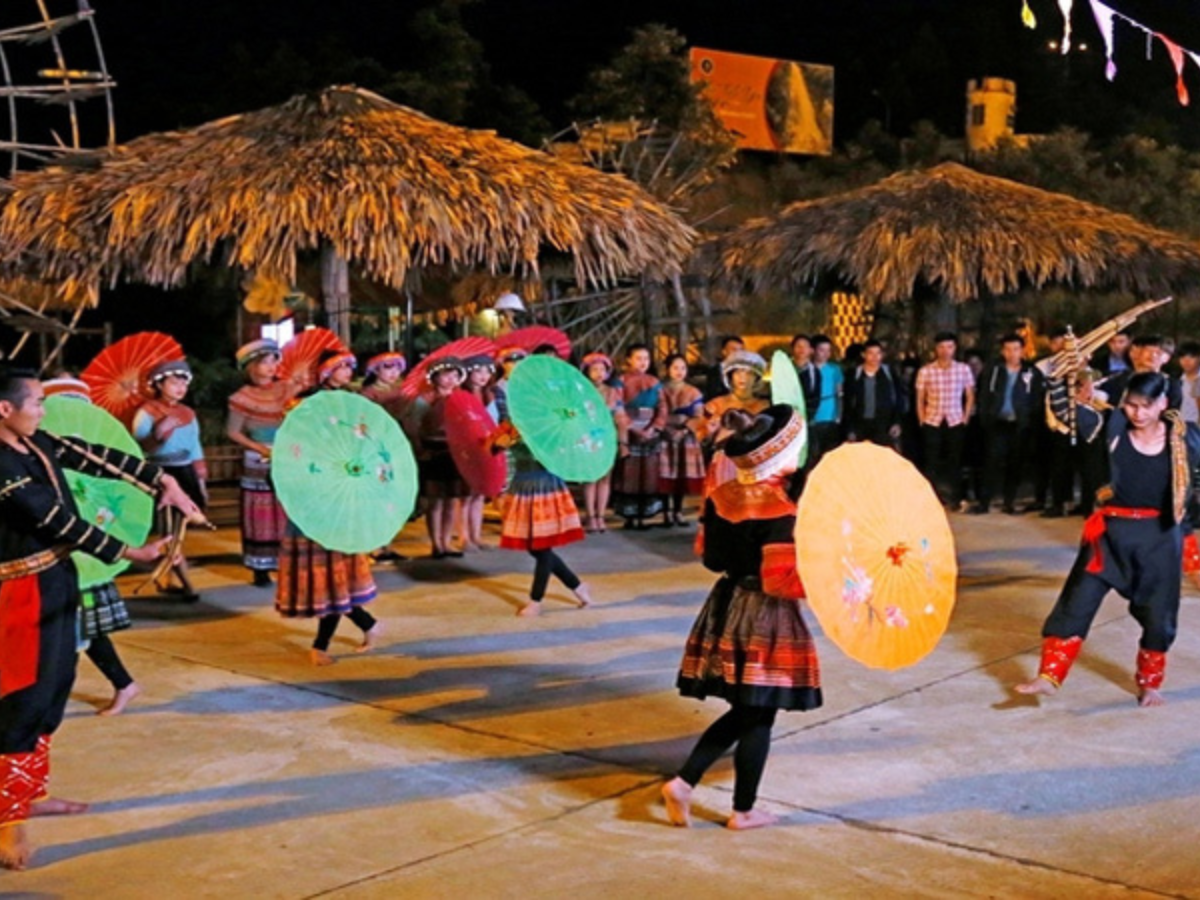
Romantic Sa Pa Love Market. (Source: Collected)
The Love Market is an occasion for meeting and cultural exchange among ethnic groups. The simple sound of the khen, and flirtatious folk songs resonate in the chilly atmosphere, creating a feeling that is both intimate and mysterious. Visitors can witness traditional dance performances, participate in folk games, or listen to the dreamy sound of the dan moi. This is when young people connect, and strangers have the chance to immerse themselves in the unique culture of the highlands of Sa Pa.
3. Must-explore items at the central Sa Pa market
Wandering around the central Sa Pa market, each product here is not merely merchandise but also the crystallization of culture and the historical stories of each community.
3.1. Brocade, silver jewelry, and local handicrafts
The brocade at central Sa Pa market leaves a strong impression on visitors thanks to its exquisite handcrafted patterns and characteristic colors. Every stitch demonstrates the skill and creativity of the artisans, preserved through generations. The indigo blue dyed from local leaves blends with traditional motifs, creating a rustic yet artistic beauty of the Northwestern highlands.
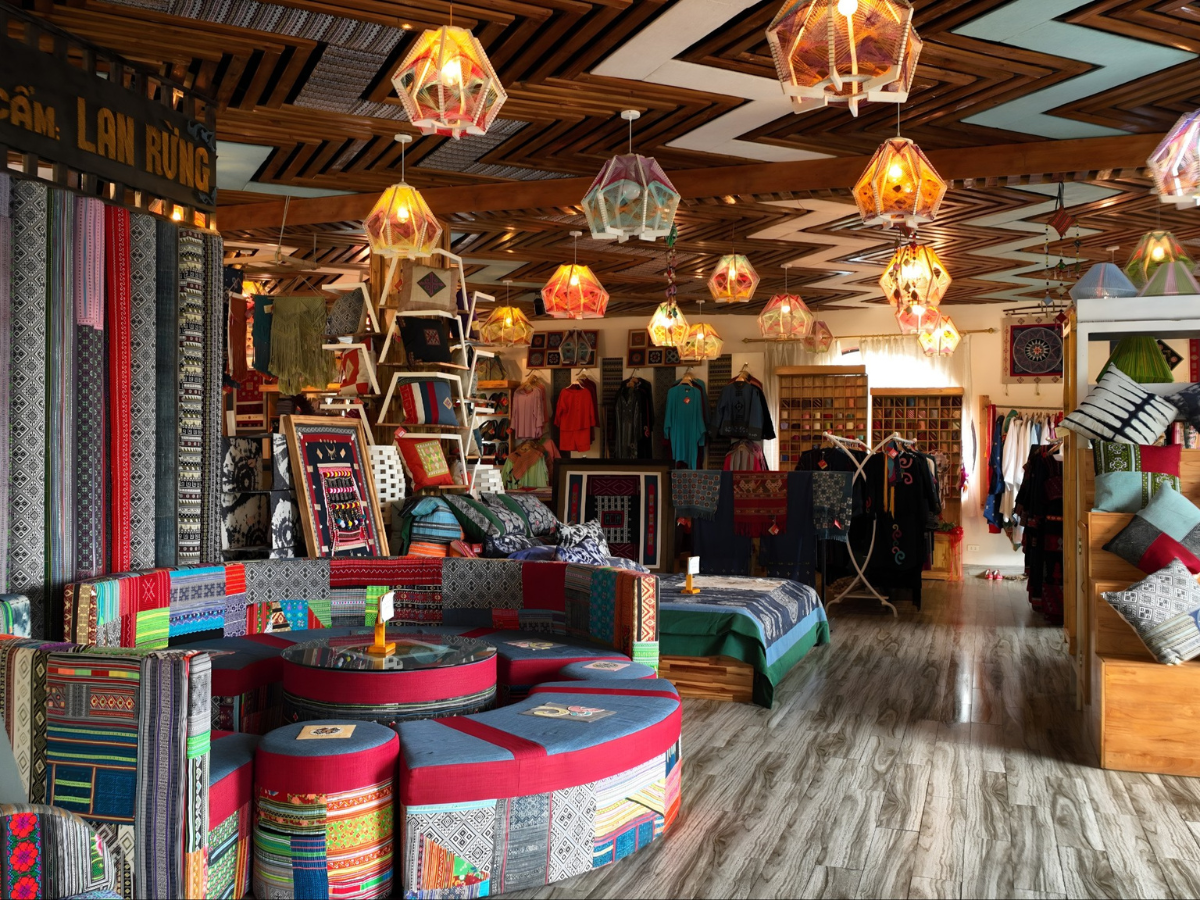
Brocade, silver jewelry, and local handicrafts are made extremely exquisitely and skillfully. (Source: Collection)
In addition, handmade silver jewelry is also a highlight that attracts tourists. Necklaces, bracelets, or silver earrings are meticulously crafted by artisans from craft villages, bearing delicate patterns that reflect the cultural beauty of ethnic minorities. Coming to the market, tourists can not only admire but also observe the crafting process, try making small jewelry themselves, or try on traditional clothes to capture memorable moments.
3.2. Mountain Specialties: Clean Agricultural Products, Wine, Precious Medicinal Herbs
The Sa Pa Central Market Fair is always a favorite destination for those who want to enjoy highland specialties. Here, you can easily find baskets of ripe plum, fresh peaches, sour wild apples, or fresh green mustard greens... Or agricultural products like forest honey, dried bamboo shoots, and cardamom are all harvested and processed by hand, retaining their most natural and pure flavors.
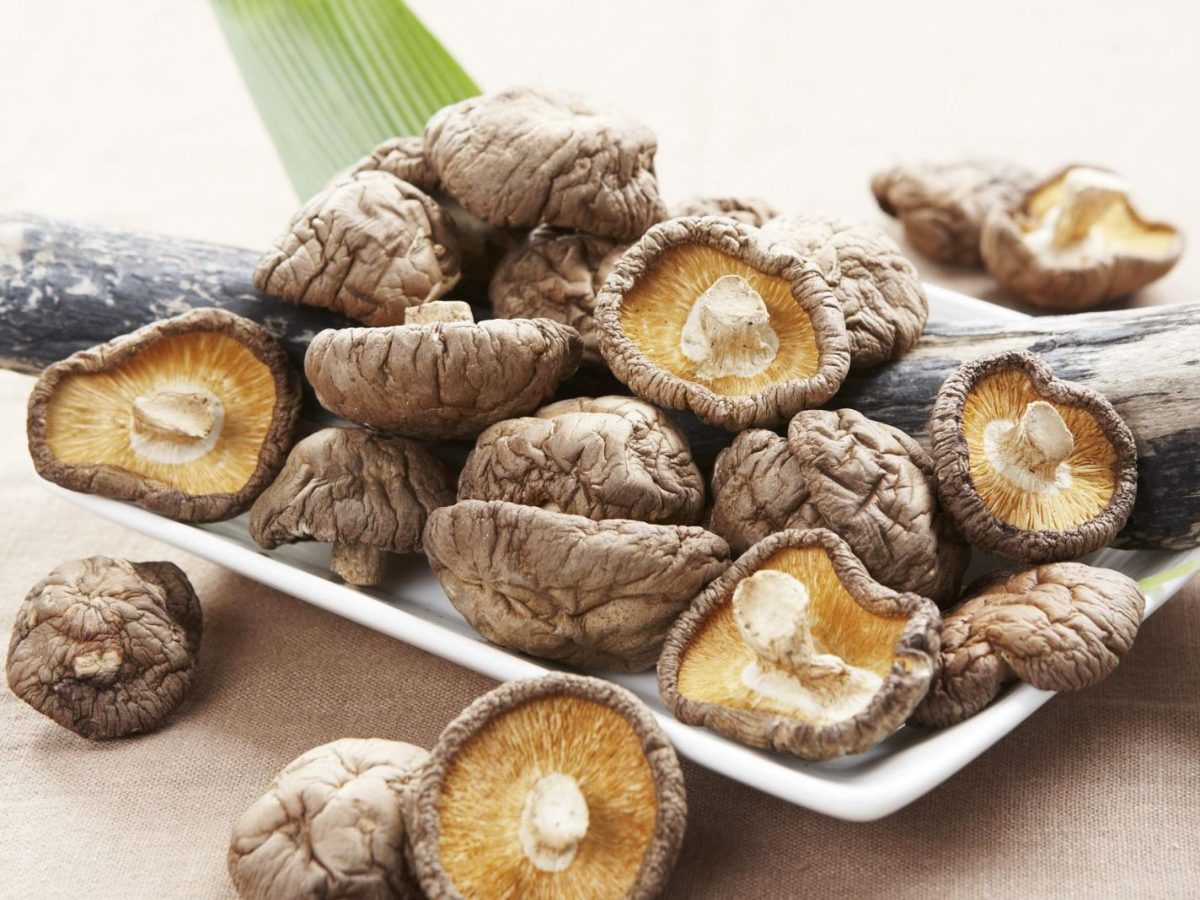
Unique fresh specialties of the Sa Pa mountains. (Source: Collected)
Speaking of the Sa Pa market, one cannot miss cat's apple wine, corn wine, or Northern traditional medicine wine – these drinks carry a characteristic aroma and an unforgettable warm, strong taste. Besides, precious medicinal herbs such as mountain ginseng, panax pseudoginseng, and Curcuma zedoary are also introduced by the locals with interesting stories about their daily use.
Each product here is not just a gift from nature, but also the crystallization of ingenuity, dedication, and local knowledge, reflecting the deep love and attachment of the highlanders to the Sa Pa mountains.
3.3. Sa Pa Market Cuisine
One of the things that makes the Sa Pa market particularly attractive to tourists is its local cuisine – simple yet rich with the flavors of the mountains. Just strolling around the market, you will easily be drawn into the colorful space and alluring aromas: the crackling sound of grilling charcoal, the wisps of cooking smoke, the aroma of grilled meat, five-colored sticky rice, or grilled corn spreading in the cool Sa Pa air.
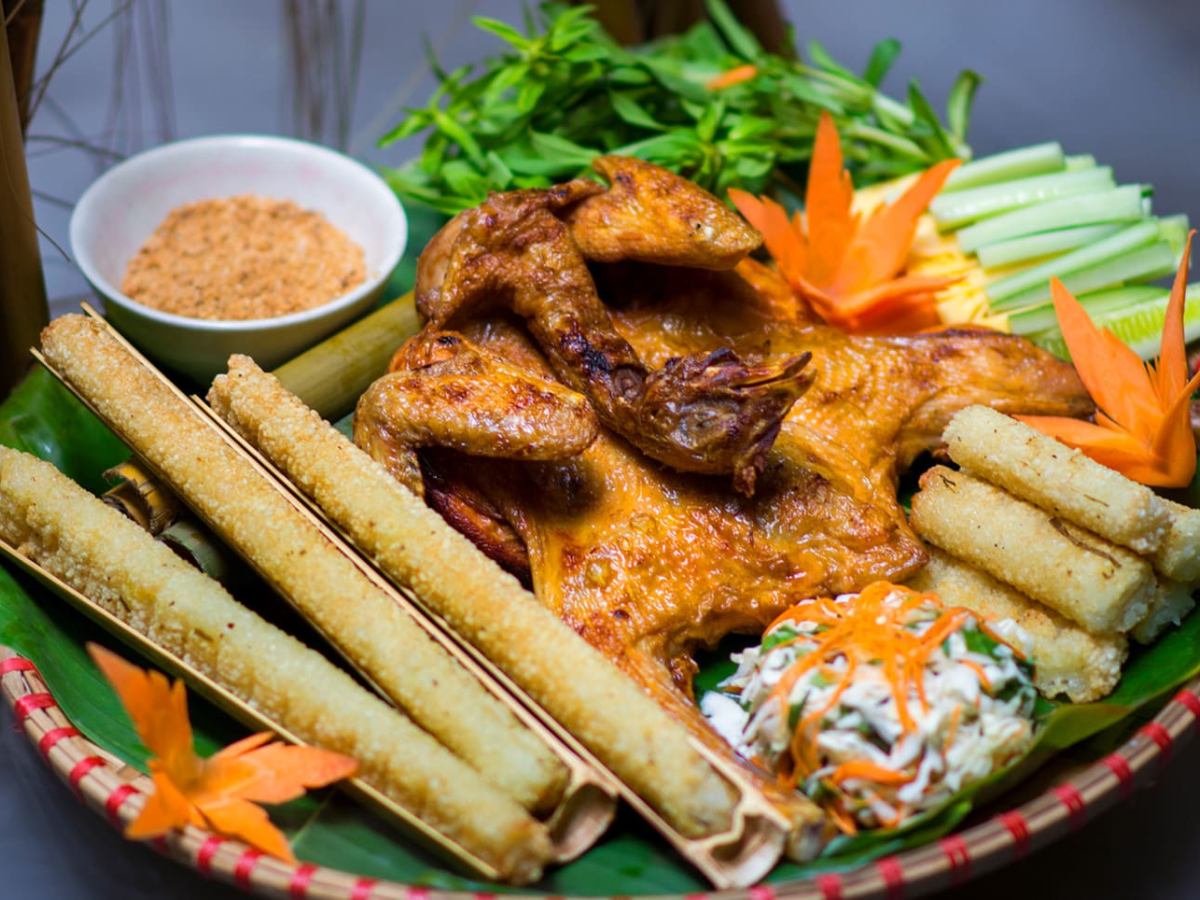
Cuisine of Sapa's market fair is unique and appealing to tourists. (Source: Collected)
The cuisine at the market fair here is extremely rich, gathering all the famous specialties of the Northwestern highlands such as thang co, Sapa salmon, five-colored sticky rice, bamboo-tube sticky rice, crispy roasted free-range piglet, or fragrant apple cider wine.
Amidst the bustling atmosphere of the market fair, enjoying delicious food, chatting with vendors in colorful ethnic costumes, and listening to the distant echoes of khen and flute music, offers an experience found nowhere else.
4. Tips for visiting Sapa's central market fair
4.1. When to visit Sapa's central market fair?
The most ideal time to join the market fair is early morning or late afternoon on weekends, especially from 7:00 AM to 10:00 AM on Sunday. During this time, the market atmosphere is lively, full of stalls, and many traditional activities take place bustlingly.
Additionally, the festival season from April-May and September-November is when Sapa becomes more vibrant. This is a suitable time to stroll through the market and participate in major cultural events. Days with local festivals are also a rare opportunity to fully experience the cultural spirit of Sapa's ethnic groups.
4.2. Notes on culture and customs
When visiting Sapa's central market fair, tourists should maintain a respectful attitude towards local culture. Communicate with vendors with friendliness and sincerity to create closeness, and have more opportunities to learn about products and the way of life of the people.
Before taking photos, don't forget to ask for permission, especially with children or during religious activities, to show respect. In crowded activities, maintain order, be considerate, and subtly integrate with community customs.
5. Suggested itinerary for experiencing Sapa's central market fair combined with prominent destinations
To make your visit to Sapa's central market fair more complete, tourists can combine visits to nearby destinations, creating a colorful and experiential journey.
In the morning, start your day at the central market fair, explore the space vibrant with brocade colors and filled with the sounds and flavors of the Northwestern mountains and forests. This is an ideal time to stroll through the market, chat with local people, admire the handicraft stalls, and capture Sapa-style photos.
By noon, right in the market, tourists can enjoy local specialties such as thang co, grilled meat, or five-colored sticky rice. Amidst the rustic space, hearing stories about culture and customs from the cooks themselves, the meal will become more special than ever.
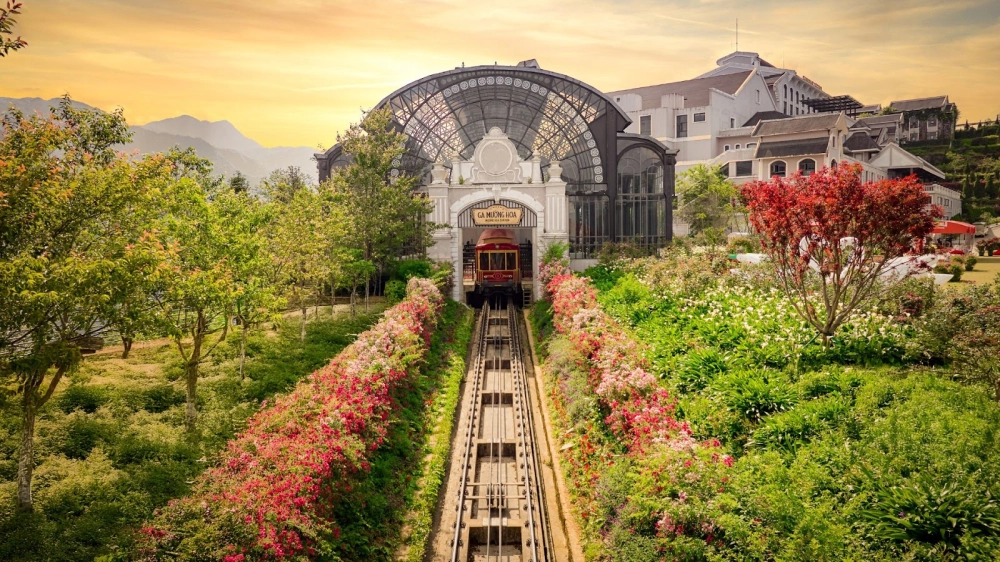
Immediately after lunch, continue the journey to Sun World Fansipan Legend. Experience the three-cable-rope cable car to conquer the "Roof of Indochina", worship at the spiritual complex on Fansipan peak, and admire the panoramic view of the rolling mountains and forests from an altitude of 3,143m will be unforgettable moments.
After returning to the town center, tourists can visit the ancient Stone Church, stroll around the brightly lit Sun Plaza, and conclude the day by immersing themselves in the vibrant atmosphere of the night market or art programs imbued with the highland identity.
Sapa's central market fair continues to be the cultural heartbeat of the Northwestern highlands. It is not only a place converging shopping experiences and unique cuisine, but also a place that helps tourists clearly feel the soul and identity of the ethnic communities. Come to experience and preserve complete cultural moments at Sapa market fair!