




1. Where is Sapa?
Sapa is located in Lao Cai Province, in northern Vietnam, close to the border with China. Perched at an altitude of around 1,500 meters above sea level, the town sits within the Hoang Lien Son mountain range, one of the most dramatic landscapes in the country.
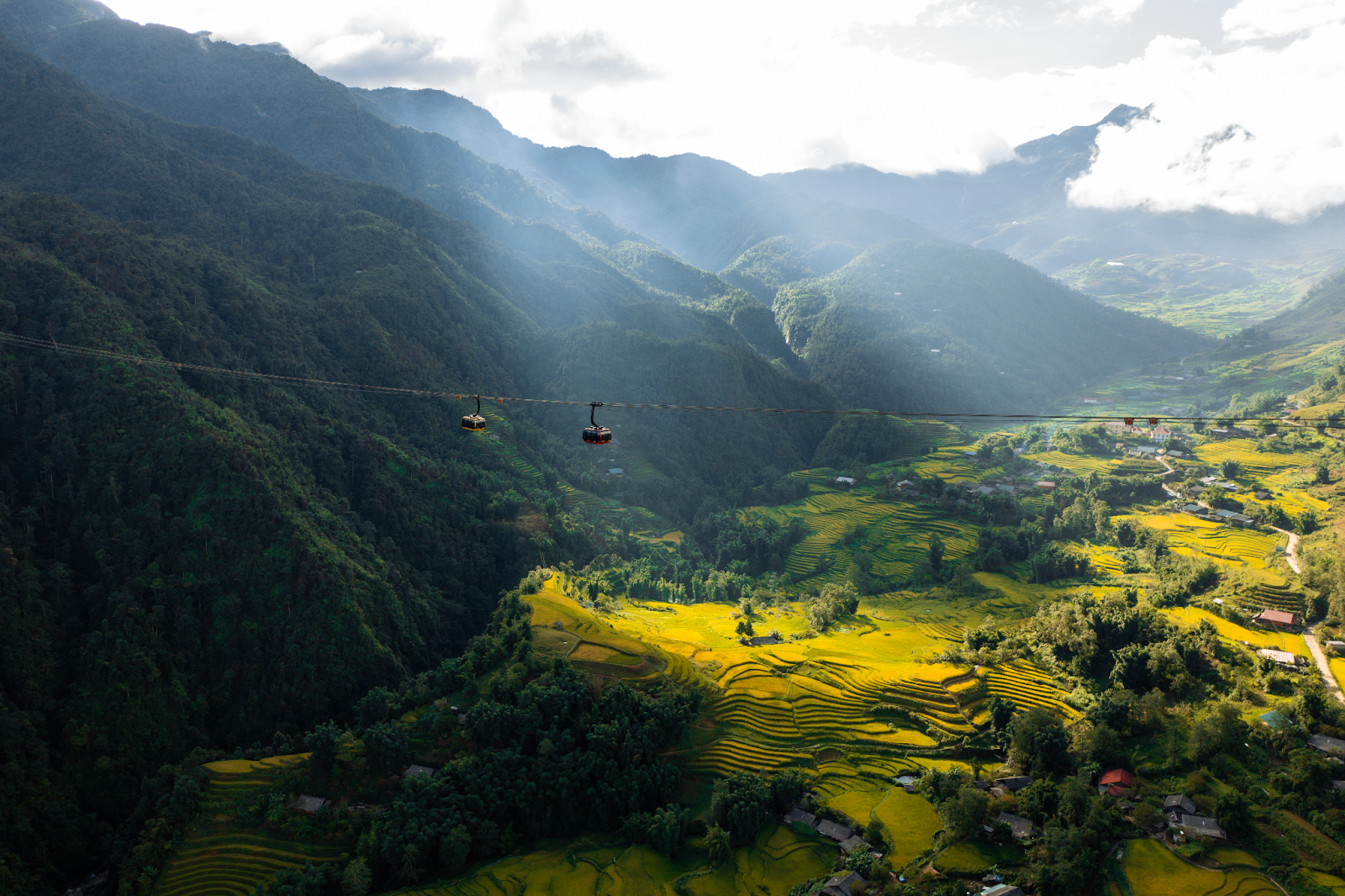
Sapa is shaped by altitude and culture. (Photo: Collected)
From Hanoi, Sapa is approximately 300 kilometers away. Travelers can reach it by overnight train to Lao Cai followed by a short transfer, or by direct bus and private car routes that take around 5 to 6 hours. This accessibility makes it one of the most popular mountain destinations in Vietnam.
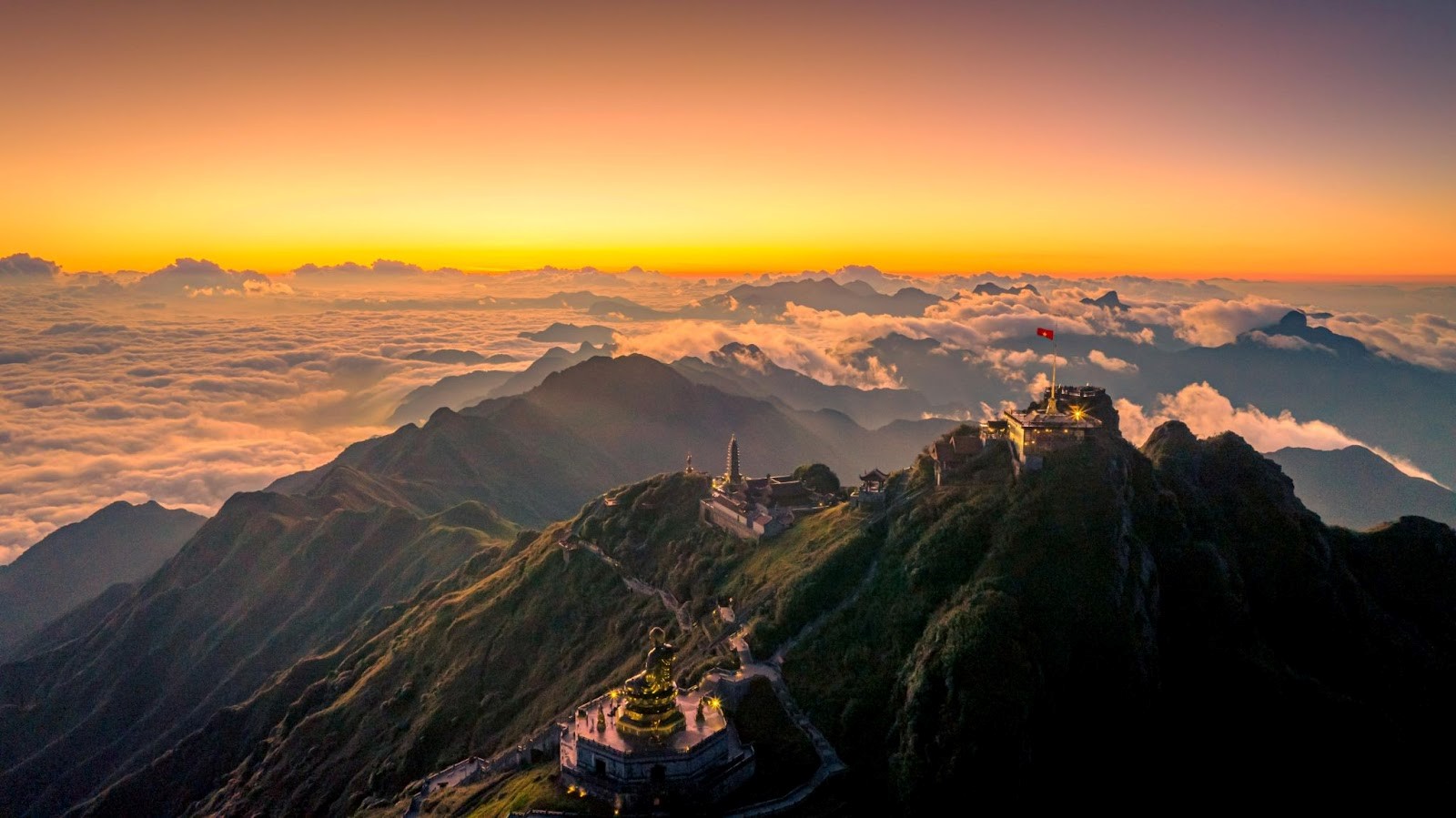
Sapa sits in the Hoang Lien Son mountains, defined by cool air and layered peaks. (Photo: Collected)
Understanding where Sapa is helps explain why the list of things to do in Sapa feels so diverse. The combination of high altitude, cool climate, and ethnic communities creates a destination that differs completely from Vietnam’s coastal cities.
2. When is the best time to visit Sapa?
Sapa changes significantly with the seasons, and each period offers a different perspective on the destination.
From March to May, the weather is mild and clear, making it ideal for trekking and outdoor exploration. This is when flowers begin to bloom, adding color to the mountain landscape.
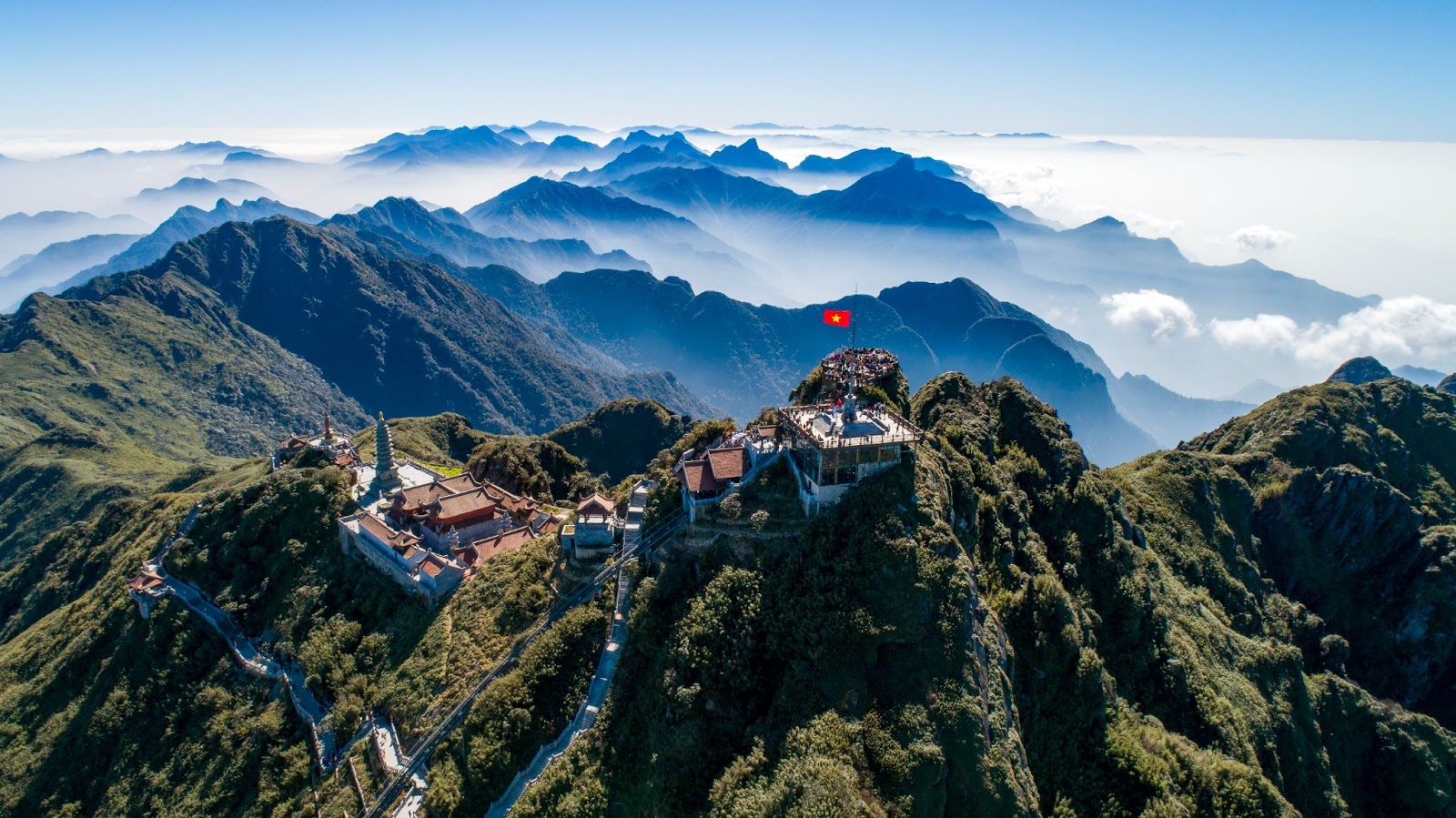
Sapa stays cool year-round, with changing scenery each season. (Photo: Collected)
Between June and August, the rice terraces turn lush green. Although this is also the rainy season, the scenery becomes vibrant and full of life, making it a rewarding time for photography.
The most iconic period falls between September and October, when the rice terraces turn golden during harvest season. This is often considered the most beautiful time to experience things to do in Sapa, as the entire valley transforms into layered shades of yellow.
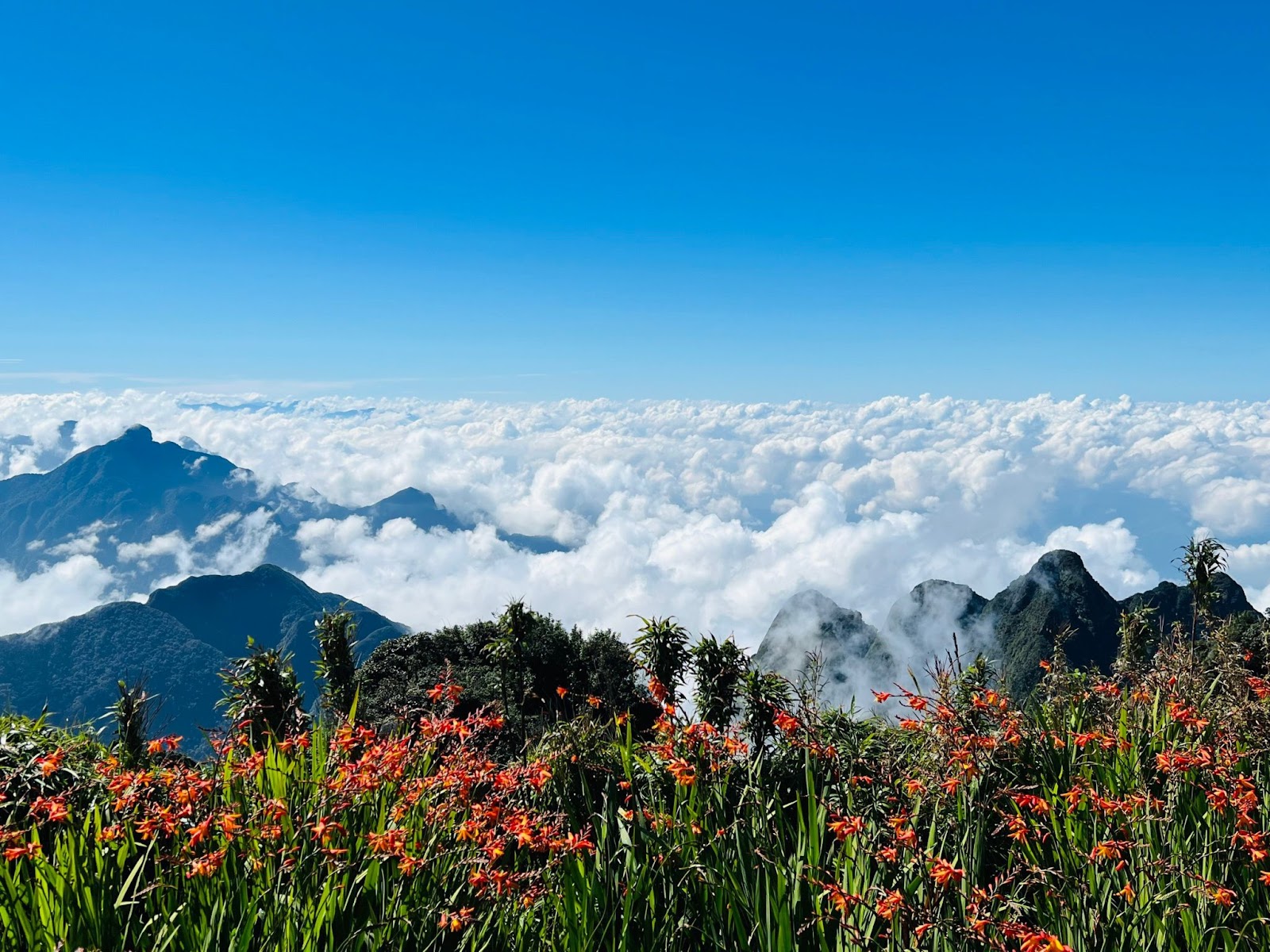
Each season in Sapa brings a different landscape and experience. (Photo: Collected)
From November to February, temperatures drop significantly, and Sapa can be covered in mist or even frost. While visibility may be lower, the atmosphere becomes quieter and more atmospheric.
3. Conquer Fansipan – The Roof of Indochina
3.1 Fansipan cable car experience
Reaching Fansipan, the highest peak in Indochina at 3,143 meters, has become one of the most defining things to do in Sapa thanks to the cable car system at Sun World Fansipan Legend.
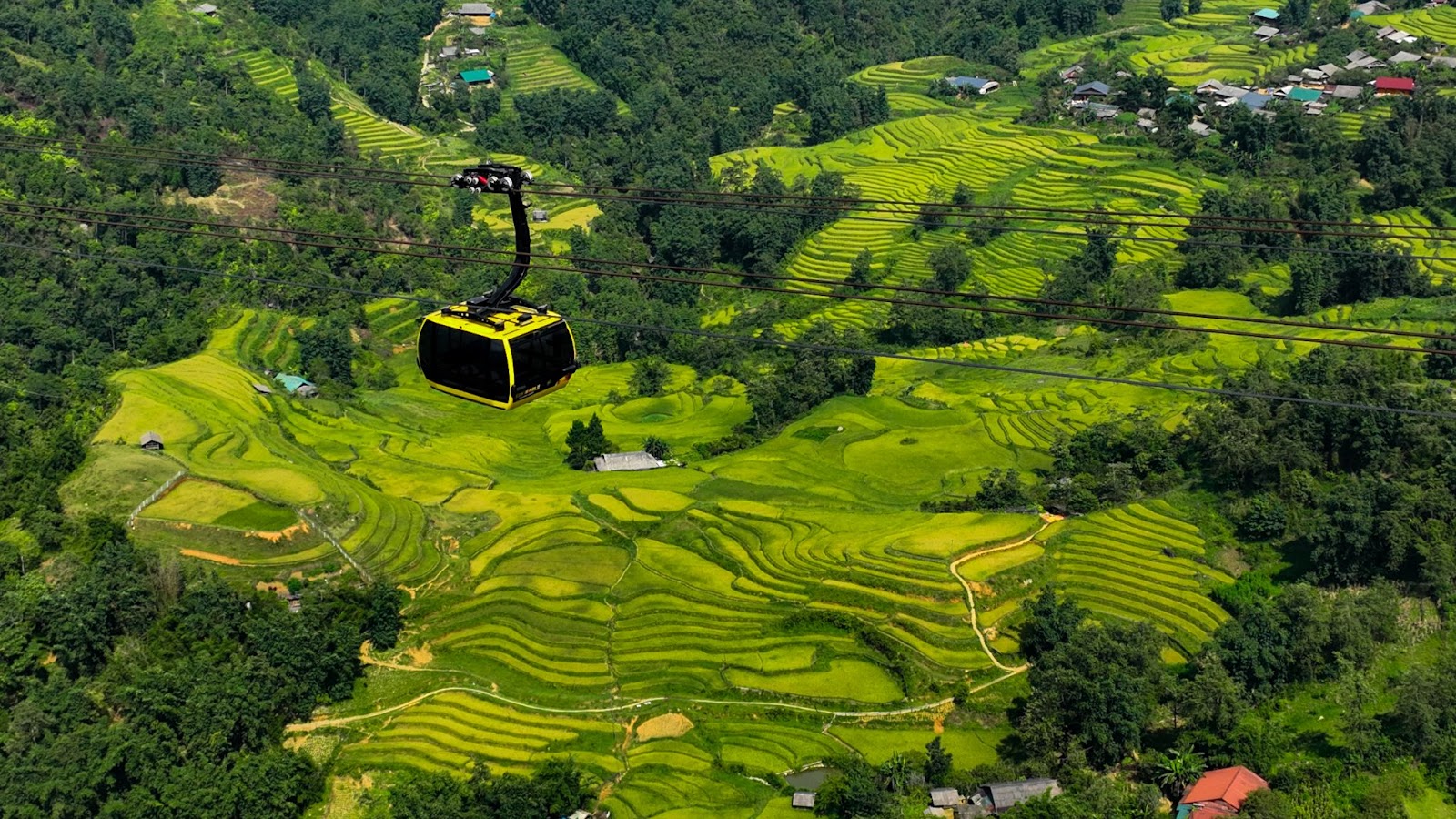
From the cable car, Sapa’s valleys unfold in layers beneath drifting clouds. (Photo: Collected)
The experience begins right from the departure station, where the ascent quickly transforms into a visual journey. As the cabin rises from the valley floor, the landscape shifts continuously, from dense forests to deep valleys and layered mountain ridges. On clear days, the view stretches across the Hoang Lien Son range with remarkable clarity. When mist rolls in, the entire journey feels suspended in clouds, creating a completely different atmosphere.
With a duration of around 15–20 minutes, the ride itself becomes a highlight rather than just a means of transport. As one of the world’s longest three-wirecable car, it offers both scale and accessibility, allowing travelers of all ages to reach heights that were once reserved for experienced trekkers.
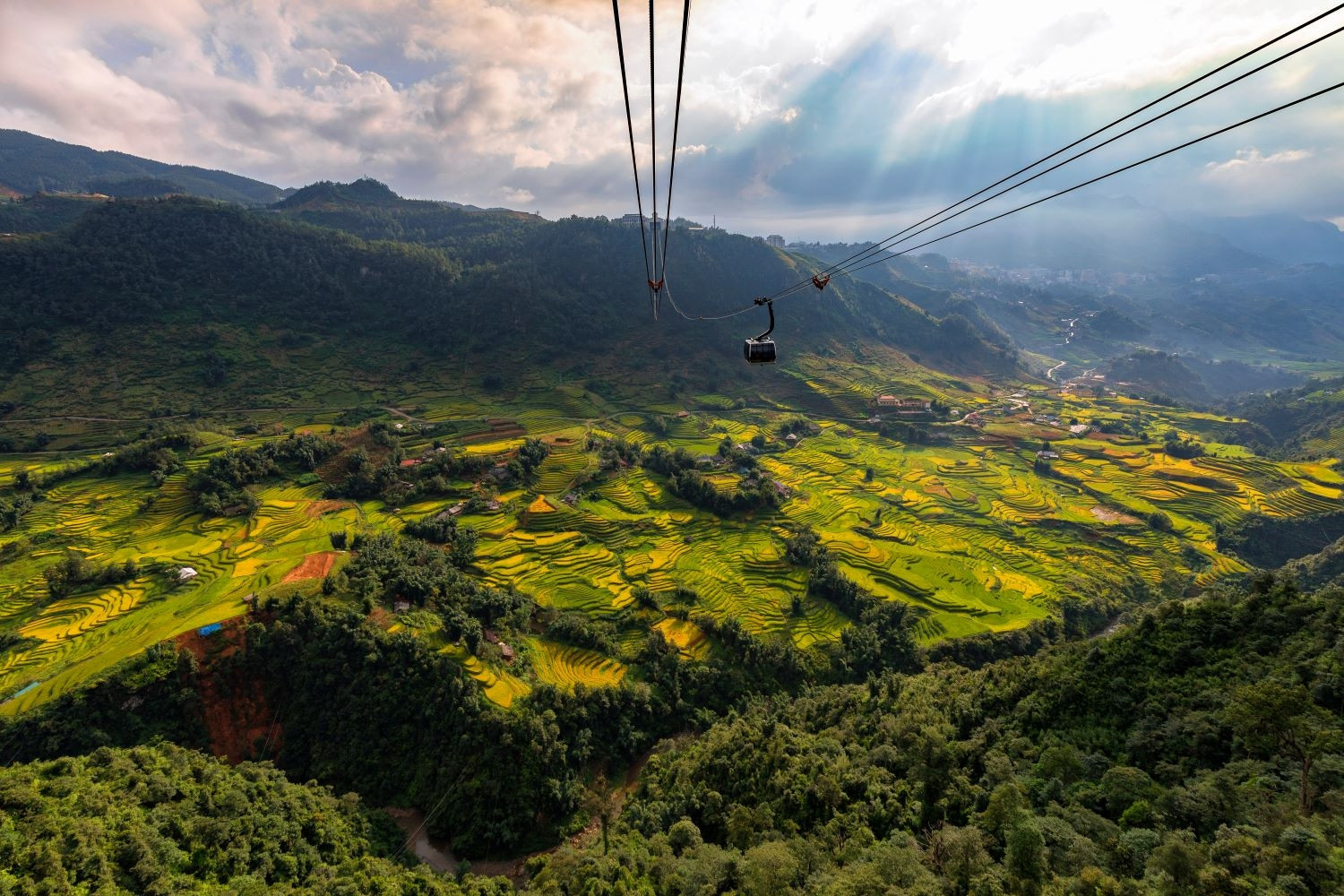
The Fansipan cable car turns the journey into one of the top things to do in Sapa. (Photo: Collected)
For a smoother itinerary, especially during peak travel periods, booking your Fansipan cable car tickets in advance is a practical step. It helps avoid long queues and ensures you can choose a suitable time slot, allowing the experience to unfold without unnecessary waiting.
3.2 Spiritual complex and summit journey
At the upper station, the journey continues into a vast spiritual complex set among the clouds, adding a cultural and architectural dimension to the list of things to do in Sapa.
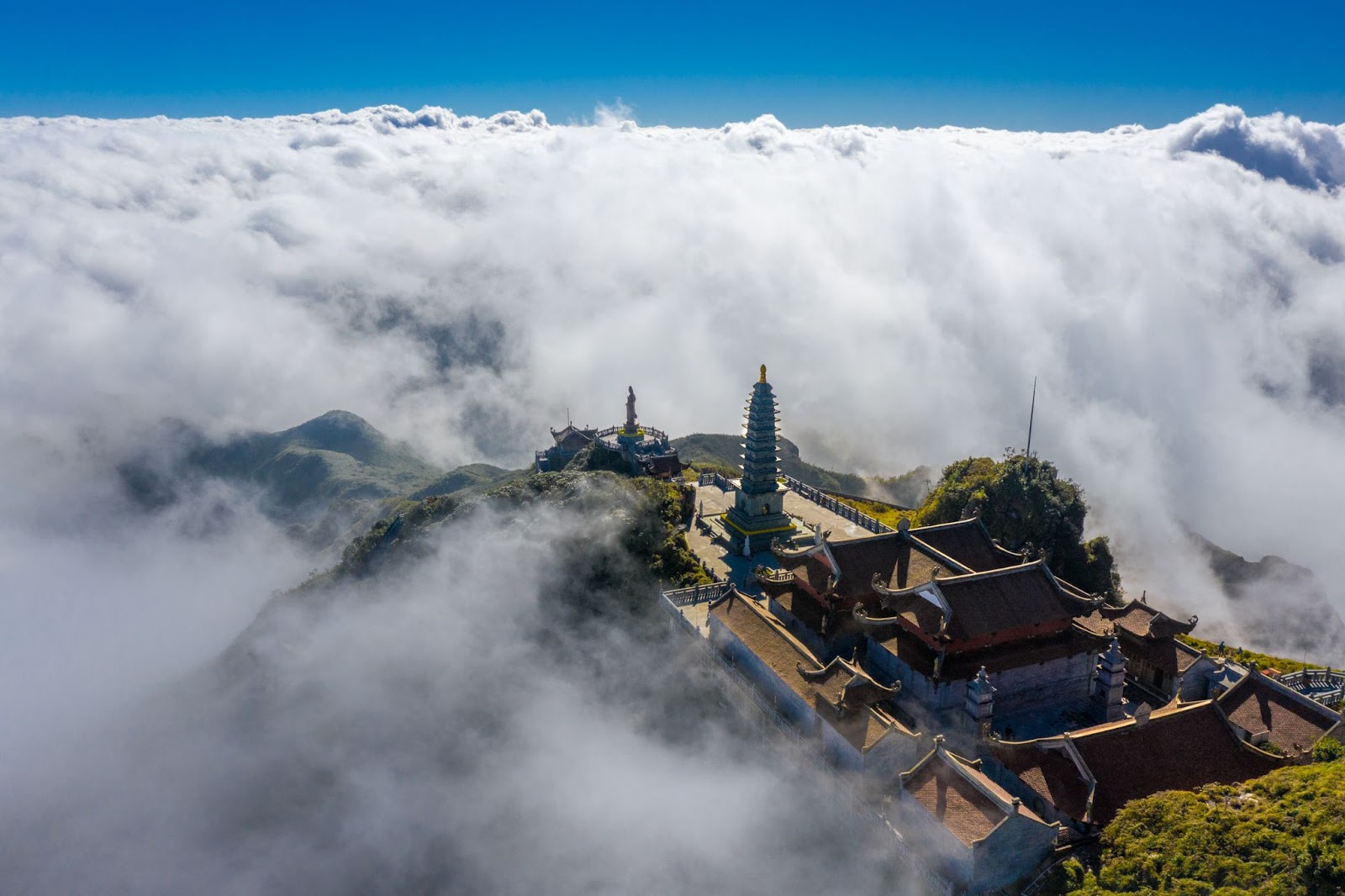
The spiritual complex at Fansipan rises among clouds, blending nature and architecture. (Photo: Collected)
At its center stands the Great Buddha Statue, rising 21.5 meters and recognized as the tallest bronze Buddha statue in Vietnam. Surrounding it, stone pathways lead through a network of temples and sacred spaces. The Arhat Path features 18 bronze statues aligned along the mountainside, while the statue of Avalokiteshvara Bodhisattva and Kim Son Bao Thang Pagoda introduce a quieter, more contemplative atmosphere.
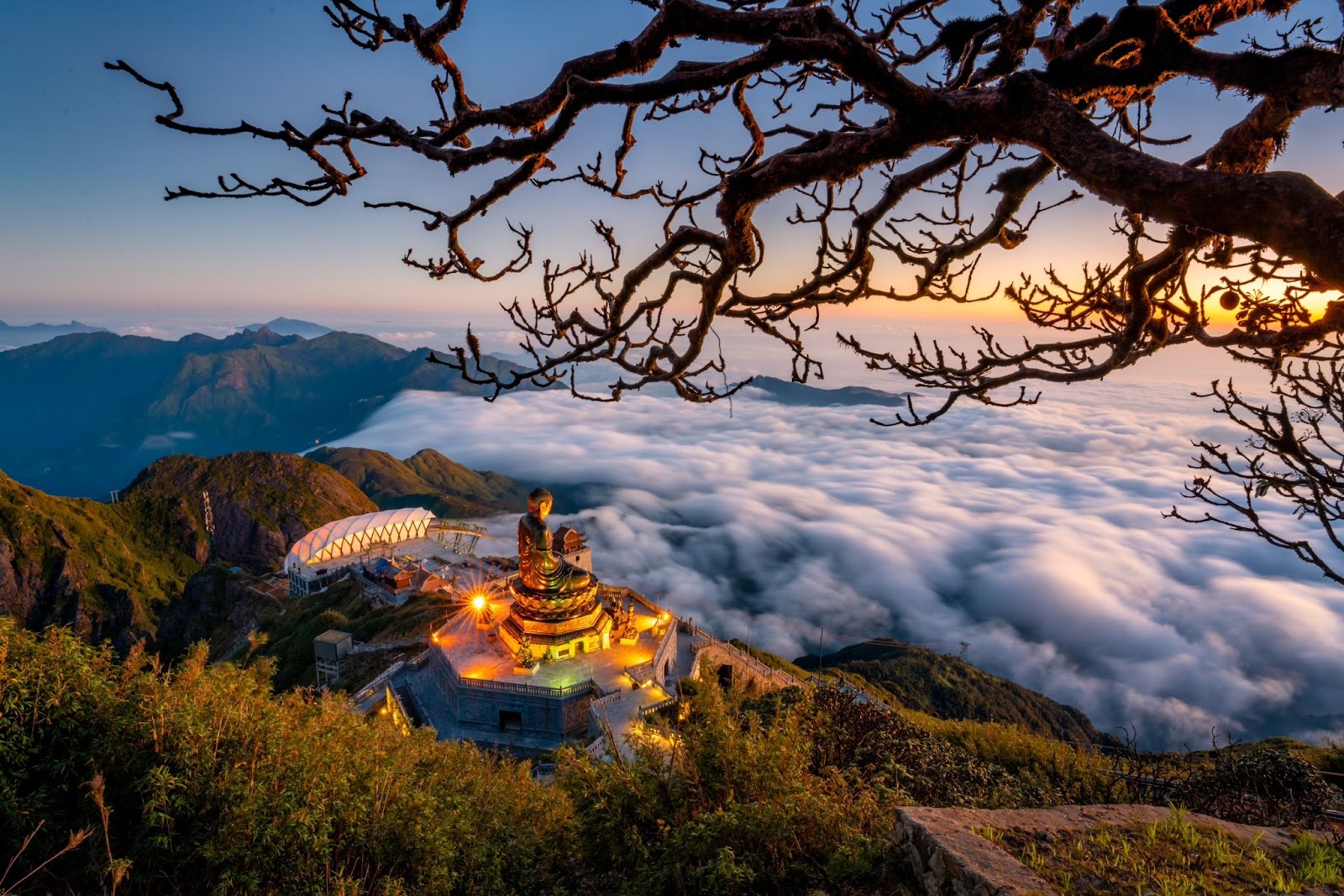
The Great Buddha statue stands as a central landmark at the roof of Indochina. (Photo: Collected)
To reach the summit, visitors can either climb approximately 600 stone steps or take the Do Quyen funicular. Both routes lead to the iconic summit marker and flagpole, where the sense of arrival is both physical and emotional, shaped by altitude, scenery, and the journey itself.
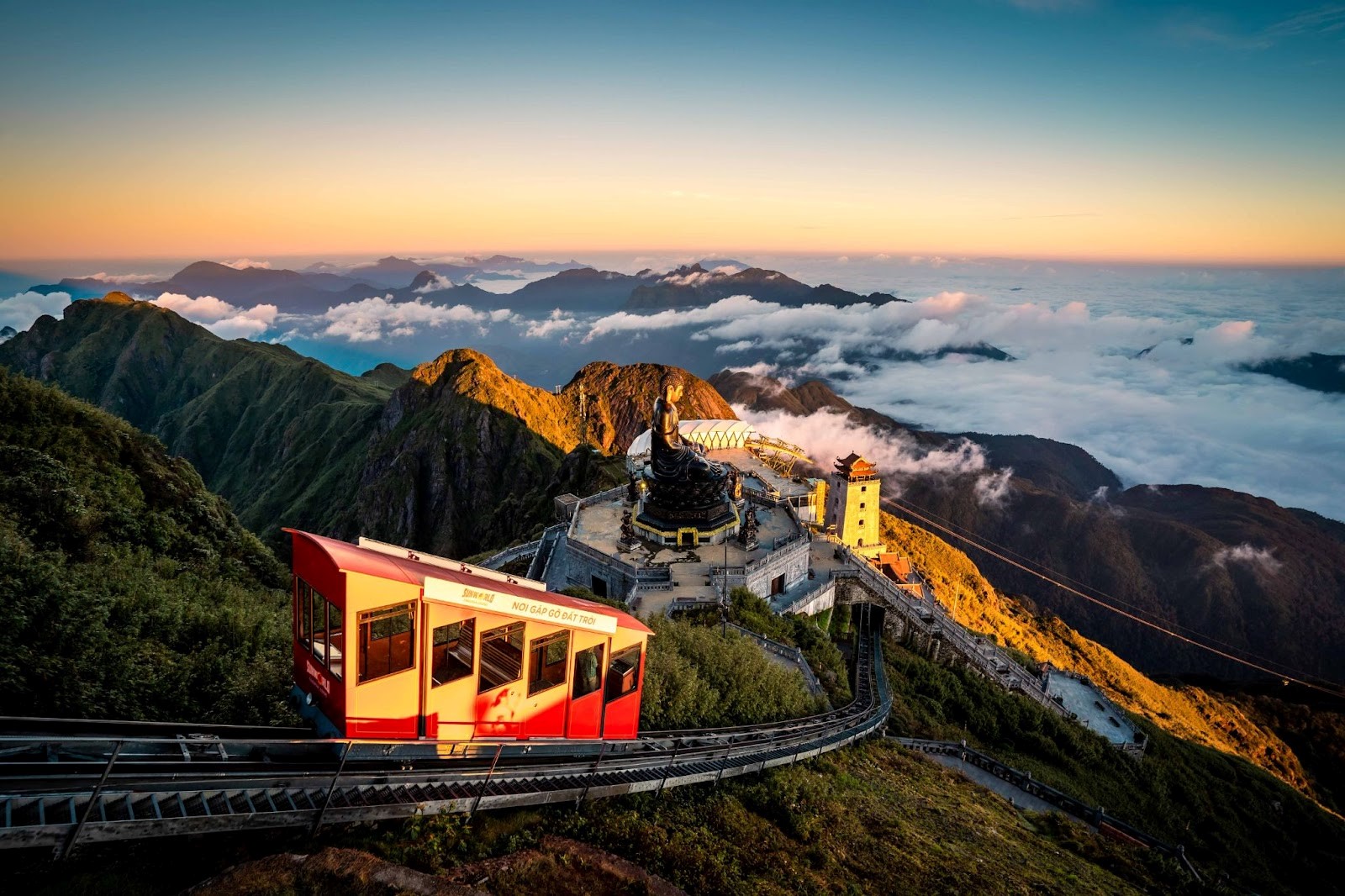
The Do Quyen funicular offers a gentle ride to the summit above the clouds. (Photo: Collected)
Within the broader experience of things to do in Sapa, Fansipan stands out not only as a geographical high point but also as a place where nature, spirituality, and architecture come together in a single, continuous journey.
3.3 May Village – A cultural layer within the Fansipan journey
Beyond the dramatic elevation and panoramic views, the Fansipan area also opens up a more intimate cultural experience at May Village.
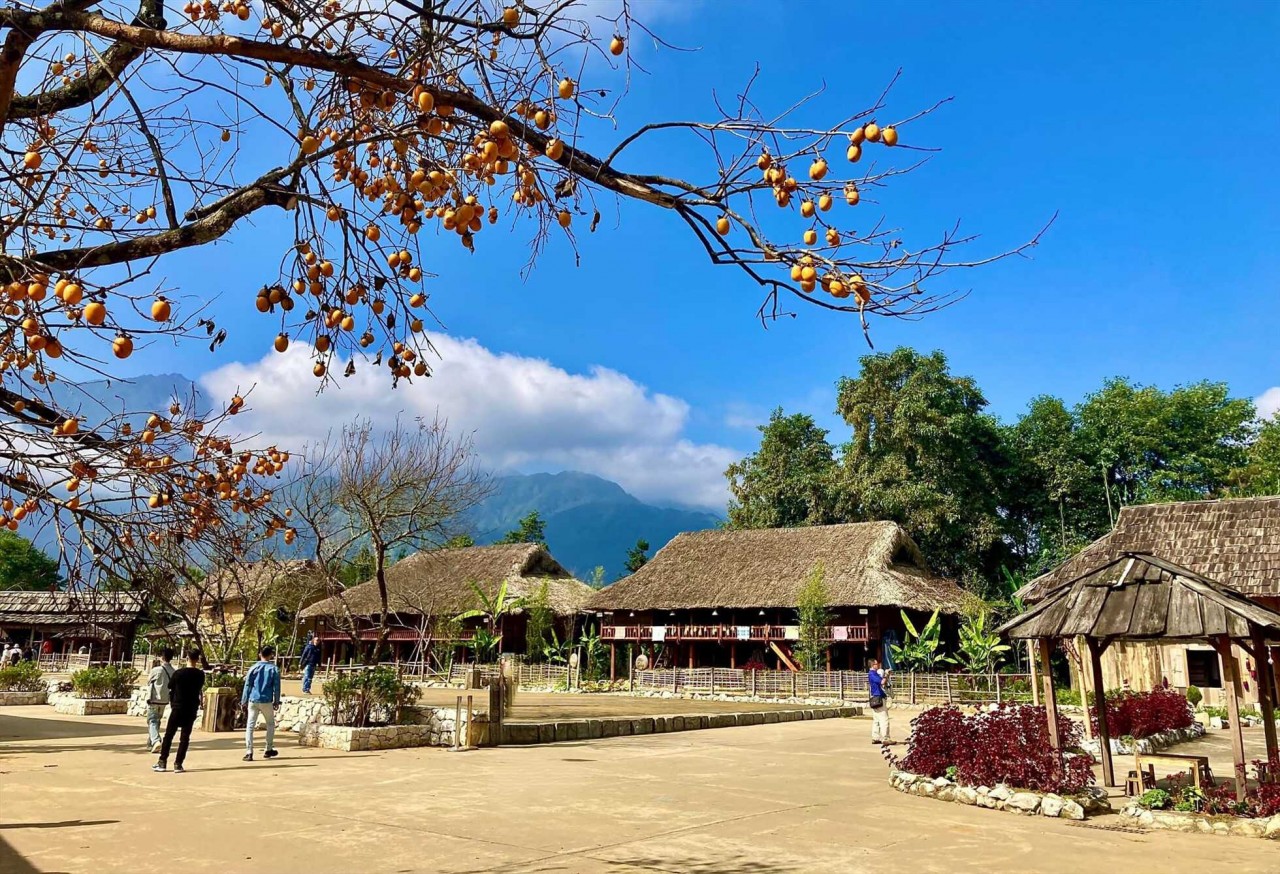
May Village brings ethnic cultures to life within the Fansipan journey. (Photo: Collected)
Located within the Sun World Fansipan complex, May Village recreates the living environment of several ethnic groups in northern Vietnam, including the Hmong, Dao, Tay, Giay, and Ha Nhi communities. Instead of functioning as a static exhibition, the space is designed as a living cultural setting, where architecture, crafts, and daily life are interconnected.
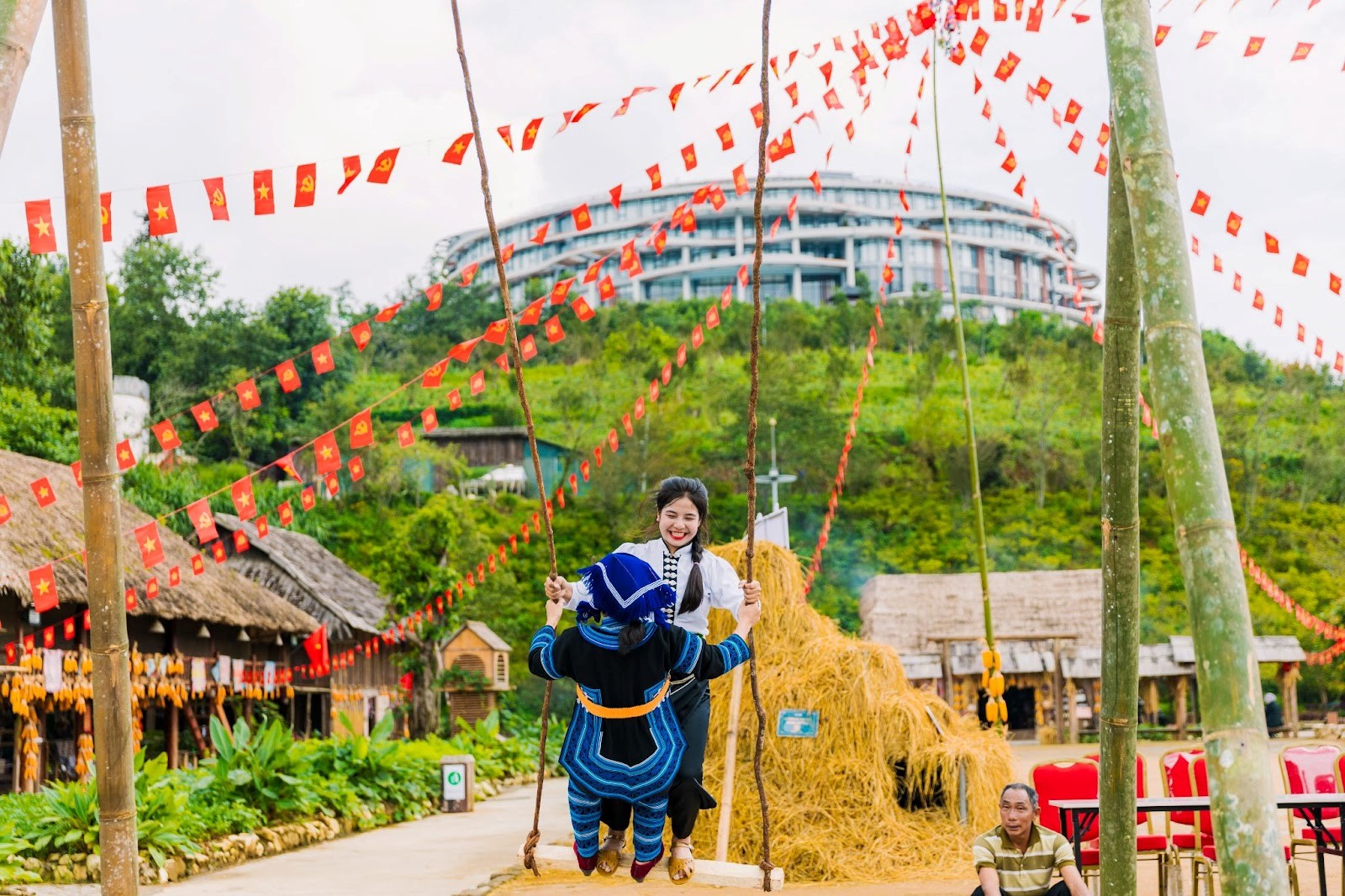
A cultural stop that adds depth to the list of things to do in Sapa. (Photo: Collected)
Wooden houses, terraced layouts, and winding pathways reflect the structure of real mountain villages. Visitors can observe traditional embroidery, hear local instruments, and experience cultural practices in a more organic context.
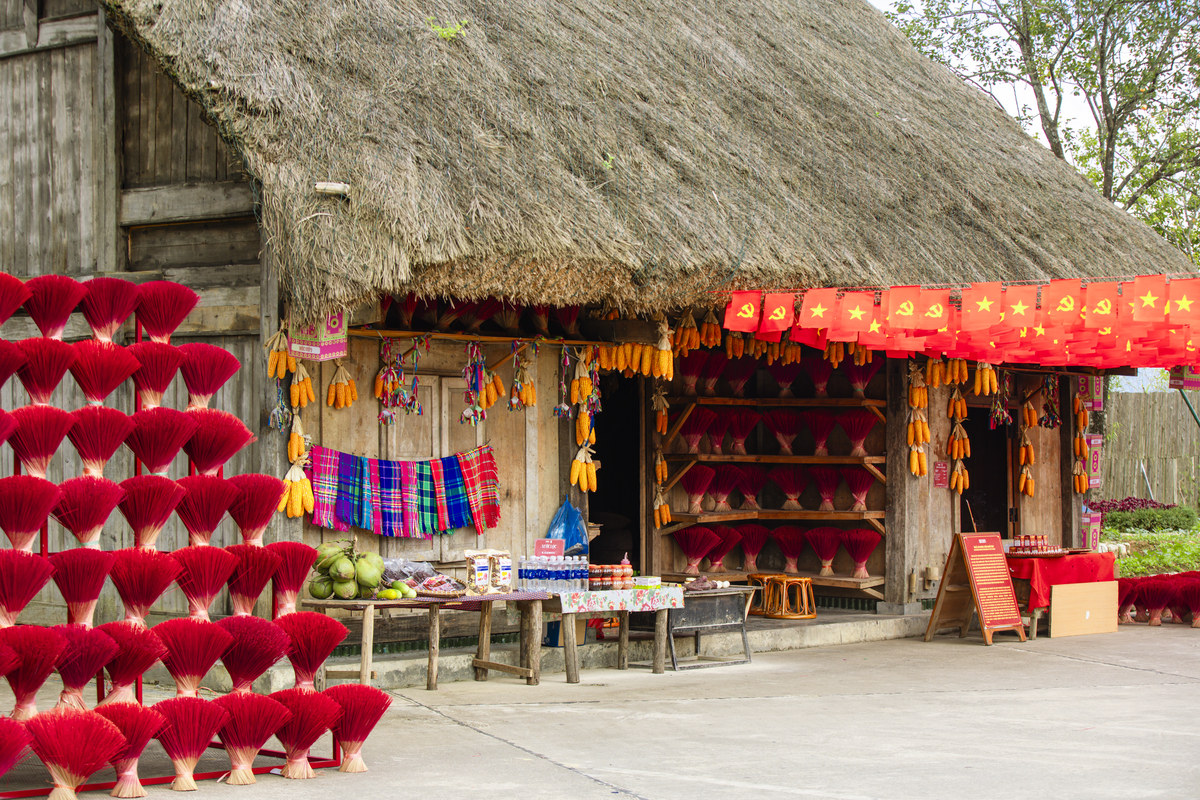
Wooden houses and terraced paths reflect the structure of real mountain villages. (Photo: Collected)
As part of the broader journey of things to do in Sapa, May Village provides a meaningful contrast to the grandeur of Fansipan’s summit. It shifts the focus from scale to detail, allowing travelers to engage more closely with the human and cultural layers of the region.
4. Trek through terraced rice fields and ethnic villages
4.1 Lao Chai and Ta Van villages
One of the most essential things to do in Sapa is trekking through Lao Chai and Ta Van villages, located deep in the Muong Hoa Valley. These villages are home to the Hmong and Giay communities, where daily life still follows traditional rhythms.
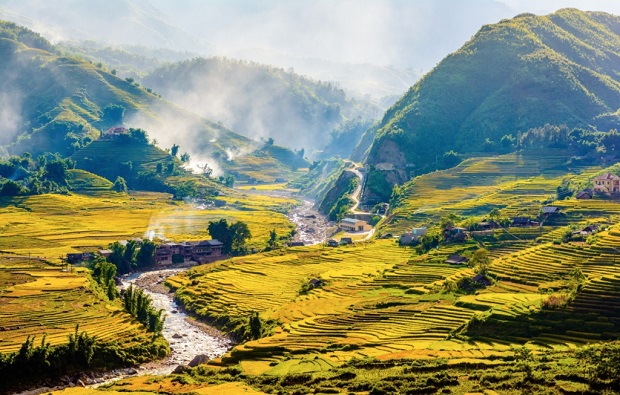
Trekking Lao Chai and Ta Van reveals Sapa’s layered rice terraces and village life. (Photo: Collected)
Walking along narrow trails, you pass layered rice terraces carved into the mountainside. During harvest season, the fields turn golden, while in planting season, they reflect the sky like mirrors. The experience is not only about scenery but also about cultural connection, as many locals still wear traditional clothing and maintain long-standing customs.
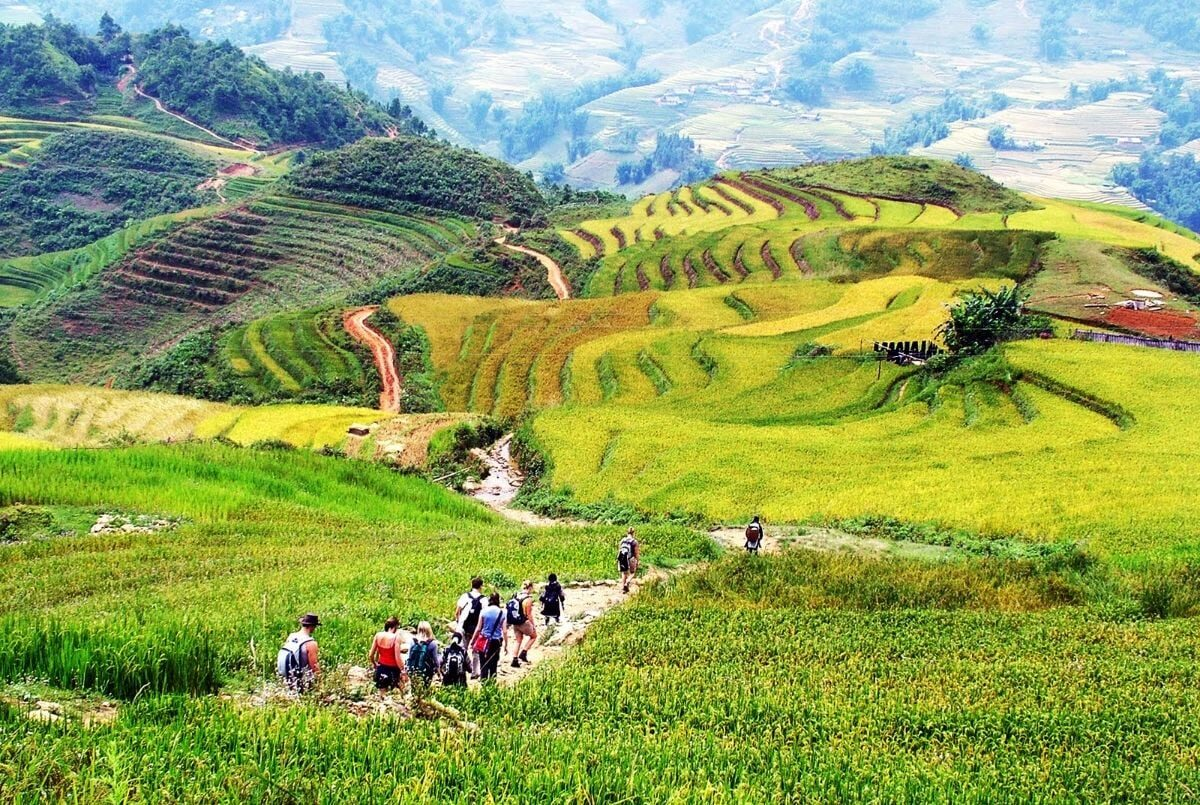
From golden harvests to quiet homestays, Sapa’s villages offer a deeper connection. (Photo: Collected)
Homestays in Ta Van offer a closer look at village life. Staying overnight allows you to experience local meals, wooden stilt houses, and quiet evenings surrounded by mountains.
4.2 Muong Hoa Valley landscape
Muong Hoa Valley is considered the heart of Sapa’s natural beauty. Trekking here reveals ancient stone carvings, streams running through the valley, and panoramic views that change with the seasons.
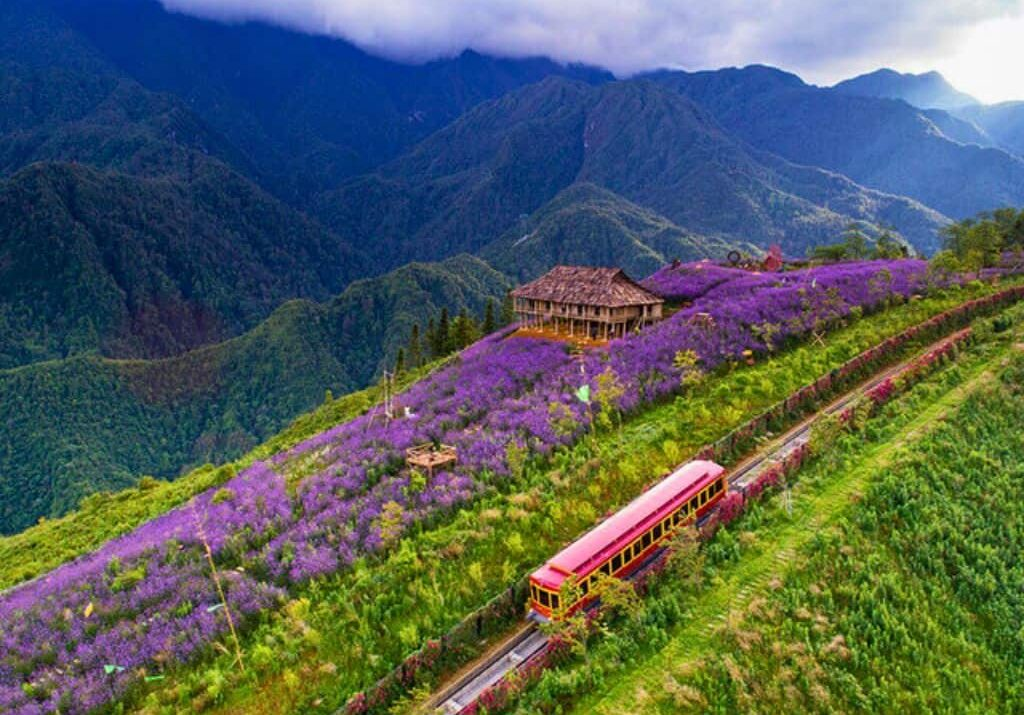
Muong Hoa Valley reveals Sapa’s most iconic landscapes through every trail. (Photo: Collected)
This is where the keyword “things to do in Sapa” truly comes alive, as the landscape itself becomes the main attraction. Each turn in the trail opens a new perspective, making it one of the most immersive outdoor experiences in northern Vietnam.
5. Explore Sapa and local culture
5.1 Sapa Stone Church and commune center
In the center of the commune, the Stone Church remains one of the most recognizable landmarks. Built during the French colonial period, it anchors the main square where visitors and locals gather.
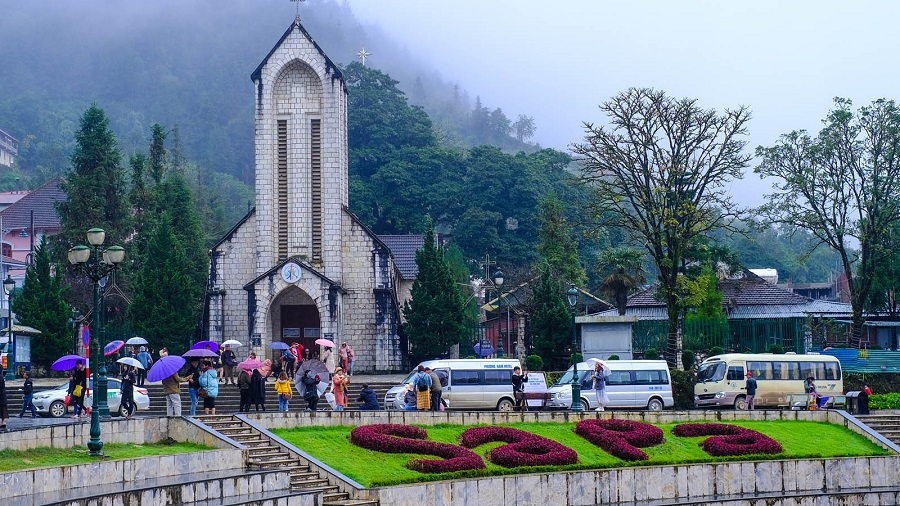
Sapa Stone Church reflects the town’s quiet, everyday rhythm. (Photo: Collected)
Nearby, Sapa Lake reflects the surrounding mountains, especially in early morning or late afternoon when the light softens. Walking around the town is one of the simplest yet most rewarding things to do in Sapa, offering a slower pace compared to trekking routes.
5.2 Sapa market and night market
Local markets provide insight into daily life in the region. Vendors sell fresh produce, textiles, and handmade crafts created by ethnic communities. At night, the market becomes more vibrant with street food stalls. Dishes such as grilled meat skewers, hot pot, and local specialties create a warm contrast to the cool mountain air. This is where cultural experience and culinary discovery meet in a casual, accessible setting.
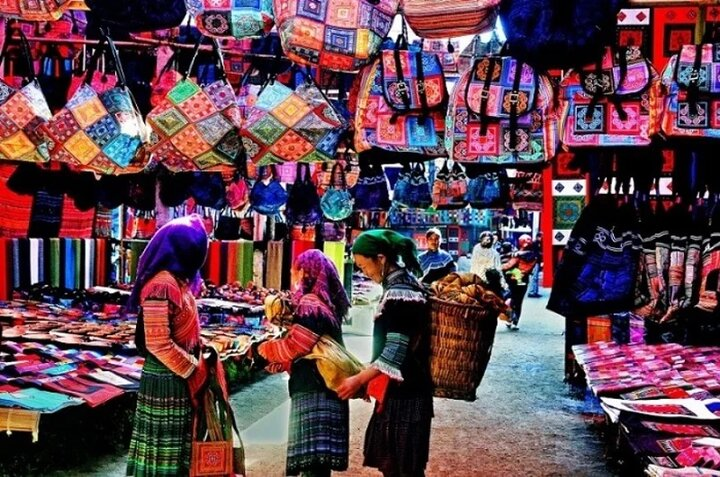
Sapa market comes alive at night with food, crafts, and local flavors. (Photo: Collected)
6. Discover hidden gems around Sapa
6.1 O Quy Ho Pass – A scenic mountain road
O Quy Ho Pass is one of the most scenic mountain roads in Vietnam. The route connects Sapa with Lai Chau and offers dramatic views of valleys, cliffs, and clouds rolling over the peaks.
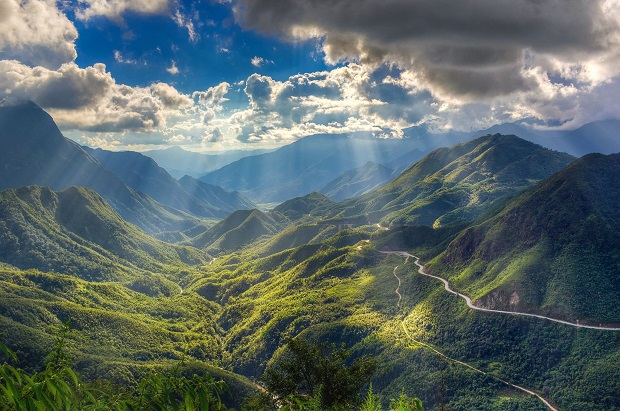
O Quy Ho Pass reveals dramatic mountain views and endless horizons. (Photo: Collected)
Driving or riding along this pass is one of the more adventurous things to do in Sapa, especially for those who enjoy photography and wide-open landscapes.
6.2 Silver Waterfall and Love Waterfall
Located a short distance from Sapa Commune, Silver Waterfall and Love Waterfall provide a refreshing break from trekking routes. Surrounded by forest, these waterfalls offer cool air and a quieter atmosphere. Love Waterfall requires a short walk through the forest, adding a sense of exploration, while Silver Waterfall is easily accessible and visually striking from the roadside.
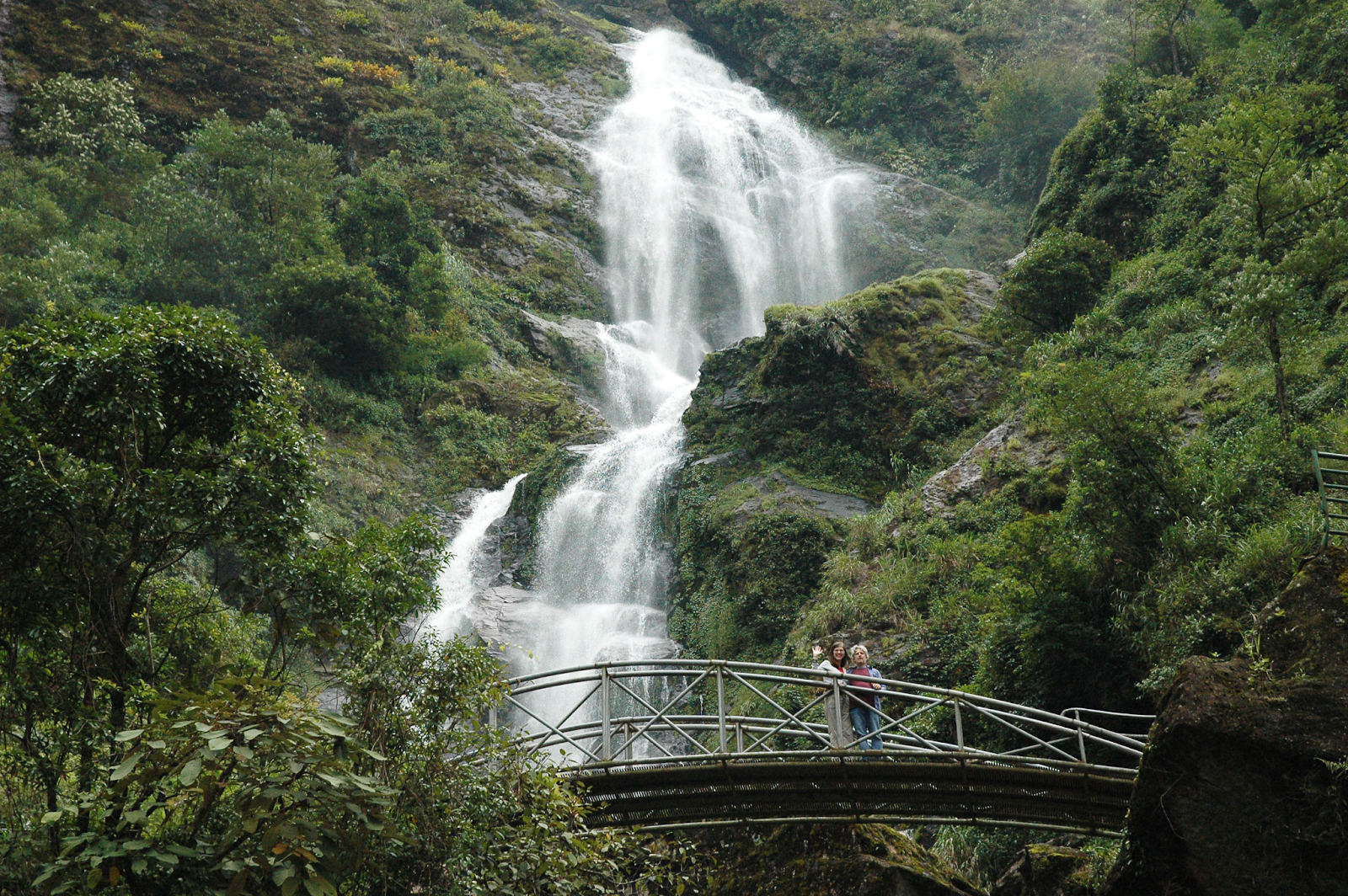
Silver waterfall offers a cool, quiet escape near Sapa. (Photo: Collected)
Conclusion
Sapa is not defined by a single attraction but by the combination of landscapes, culture, and experiences. From trekking through rice terraces to standing above the clouds on Fansipan, the list of things to do in Sapa continues to expand with every journey.
For travelers seeking both adventure and cultural depth, Sapa offers a destination where each experience feels connected to the land and its people.


