




1. Overview of Hanoi to Sapa route
The distance from Hanoi to Sapa is approximately 300–320 kilometers, depending on the route. The journey connects the capital with the mountainous region of Lao Cai, where Sapa is located at an altitude of around 1,500 meters.

From expressway drives to train journeys, Hanoi to Sapa offers different travel experiences. (Photo: Collected)
There are two main ways to travel. The first is by road via the Noi Bai – Lao Cai Expressway, which is the fastest and most commonly used route today. The second is by train from Hanoi to Lao Cai, followed by a transfer to Sapa.
Each option offers a different experience, from fast and convenient transfers to slower journeys that allow you to enjoy the changing landscape of northern Vietnam.
2. Routes from Hanoi to Sapa
| Route | Distance | Description | Travel type |
| Hanoi – Noi Bai – Lao Cai Expressway – Sapa | ~300–320 km | Fastest route via highway | Bus, limousine, private car |
| Hanoi – Lao Cai (railway) – Sapa | ~300 km + 35 km | Train to Lao Cai, then transfer | Train + taxi/bus |
The expressway significantly reduces travel time, while the railway route provides a more traditional travel experience.
2.1 Motorbike from Hanoi to Sapa
| Feature | Details |
| Travel time | 5 – 10 hours |
| Distance | ~300 km |
| Rental cost | 150,000 – 200,000 VND/day (~6 – 12 USD) |
| Fuel cost | ~100,000 VND (~4 USD) |
Traveling from Hanoi to Sapa by motorbike offers flexibility and freedom. You can stop anywhere along the route for photos, rest, or exploration. This makes the journey itself part of the experience.
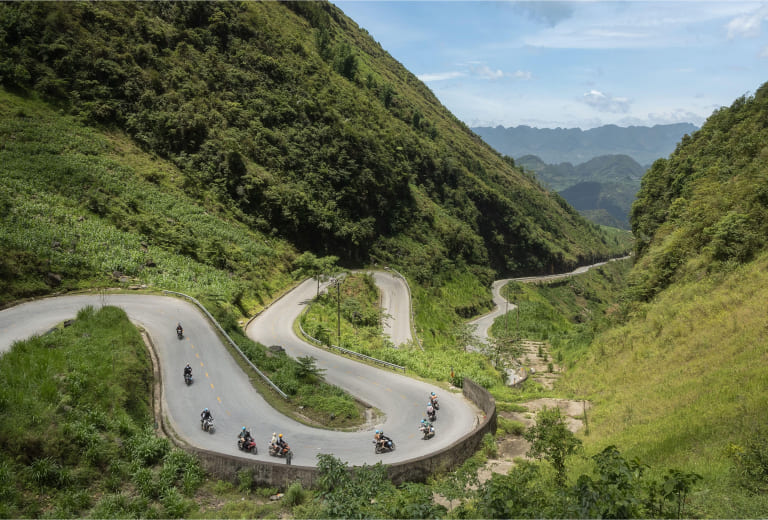
Motorbiking from Hanoi to Sapa offers freedom and scenic stops along the way. (Photo: Collected)
However, this option requires experience. Mountain roads are winding and weather conditions can change quickly. The long distance can also be physically demanding, especially in extreme weather.
2.2 Private car from Hanoi to Sapa
| Feature | Details |
| Travel time | 5 – 8 hours |
| Distance | ~300 km |
| Rental cost | 900,000 – 1,200,000 VND/day (~40 – 60 USD) |
| Fuel cost | ~300,000 VND (~12 USD) |
A private car provides comfort and flexibility. You can control your schedule and enjoy a more relaxed journey with air conditioning and private space.
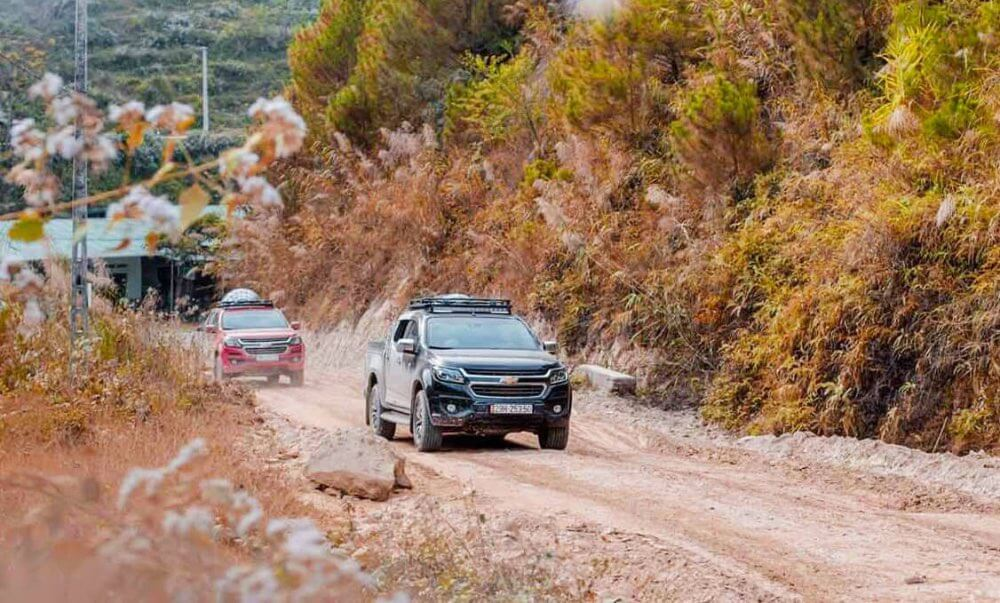
Ideal for groups, this option combines convenience with a smoother journey. (Photo: Collected)
This option is particularly suitable for families or small groups, as the cost can be shared. The main drawback is the higher cost compared to other transport options.
2.3 Bus from Hanoi to Sapa
| Feature | Details |
| Travel time | 5.5 – 7 hours |
| Price | 250,000 – 750,000 VND (~10 – 30 USD) |
| Distance | ~300 km |
| Advantage | Direct route, no transfer |
Buses are a popular choice thanks to their affordability and frequent departures. Many buses are equipped with air conditioning, reclining seats, Wi-Fi, and sometimes onboard toilets.
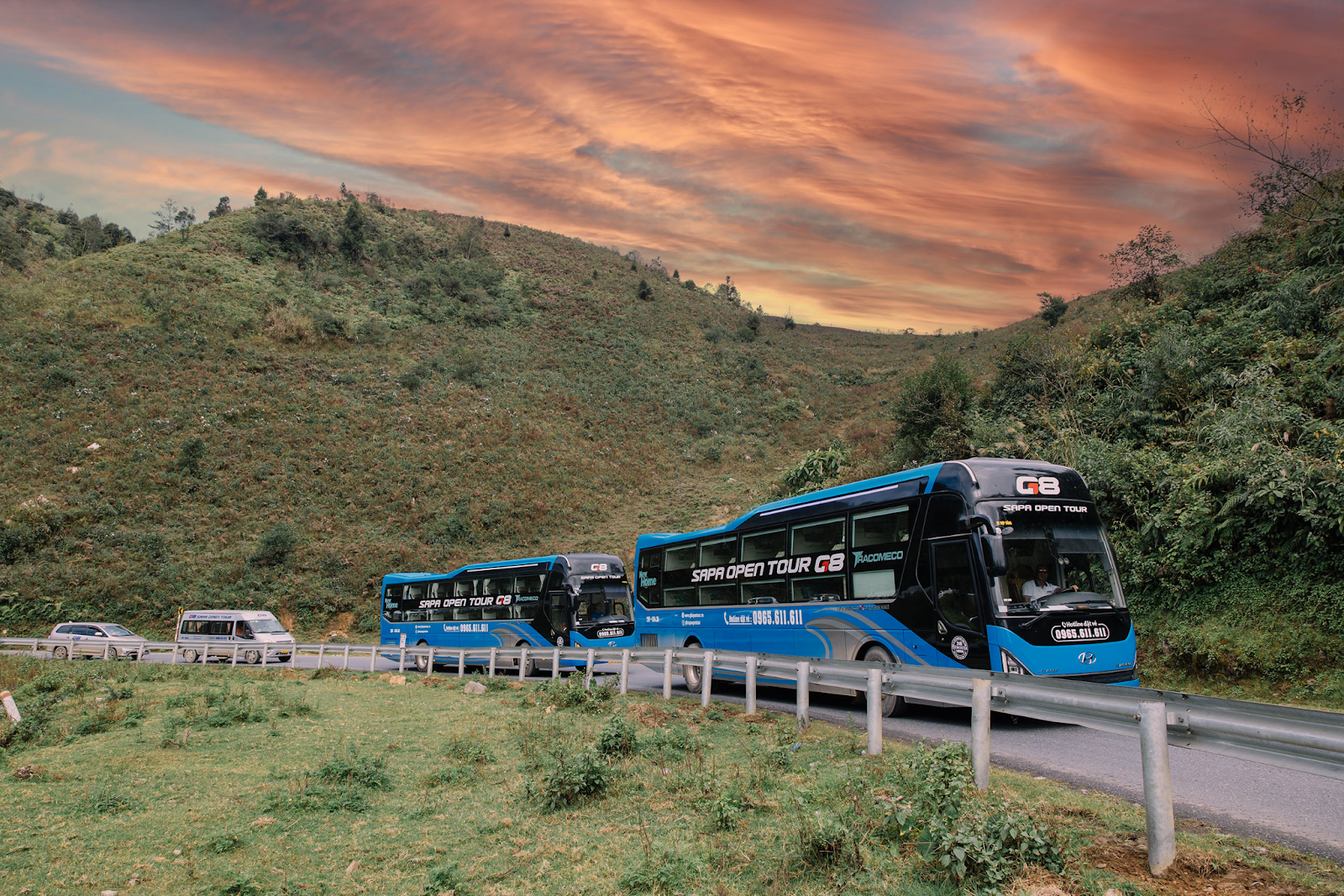
Buses offer an affordable, direct way from Hanoi to Sapa. (Photo: Collected)
However, passengers may experience motion sickness due to winding roads. Travel time can also vary depending on traffic and weather conditions.
Sample bus schedule Hanoi to Sapa
| Bus company | Departure | Arrival | Price |
| Sapa Express | 07:00 | 13:00 | ~16 USD |
| Inter Bus Lines | 06:10 | 12:30 | ~12 USD |
| G8 Open Tour | 08:15 | 14:30 | ~13 USD |
| Eco Sapa Limousine | 07:00 | 13:30 | ~15 USD |
| Sao Viet | 22:00 | 04:00 | ~12 USD |
Booking in advance is recommended, especially during peak seasons, to secure your preferred schedule.
2.4 Limousine from Hanoi to Sapa
| Feature | Details |
| Travel time | 5 – 7 hours |
| Price | 450,000 – 750,000 VND (~18 – 30 USD) |
| Distance | ~300 km |
Limousine services provide a more premium experience, with spacious reclining seats, fewer passengers, and amenities such as Wi-Fi, drinks, and snacks.
Most limousine services offer hotel pickup and drop-off, making the journey more convenient. They also tend to travel faster due to fewer stops. The downside is the higher cost and fewer departure options compared to standard buses.
2.5 Train from Hanoi to Lao Cai
| Feature | Details |
| Travel time | 8 – 9 hours |
| Price | 250,000 – 1,200,000 VND (~10 – 50 USD) |
| Distance | ~300 km |
Traveling by train offers a scenic and relatively safe journey. Sleeping cabins provide more comfort, especially for overnight trips.
However, trains only go to Lao Cai. From there, you need to travel an additional 35 kilometers to reach Sapa by bus or taxi.
Sample train schedule Hanoi to Lao Cai
| Train | Departure | Price |
| SP3 | 22:00 | From 346,000 VND |
| King Express | 21:30 | From 550,000 VND |
| Dream Train | 22:00 | From 550,000 VND |
| Oriental Express | 21:30 | From 520,000 VND |
| Pumpkin Express | 21:30 | From 550,000 VND |
| Livitrans | 21:30 | From 550,000 VND |
| Sapaly Express | 22:00 | From 650,000 VND |
| Chapa Express | 22:00 | From 650,000 VND |
| Fanxipan Express | 22:00 | From 690,000 VND |
| Victoria Express | 22:00 | From 1,200,000 VND |
3. Which option is best for Hanoi to Sapa?
Choosing the best way to travel from Hanoi to Sapa depends on your priorities.
If you are looking for affordability and convenience, buses are the most practical option. For comfort and a smoother ride, limousine services provide a better experience.
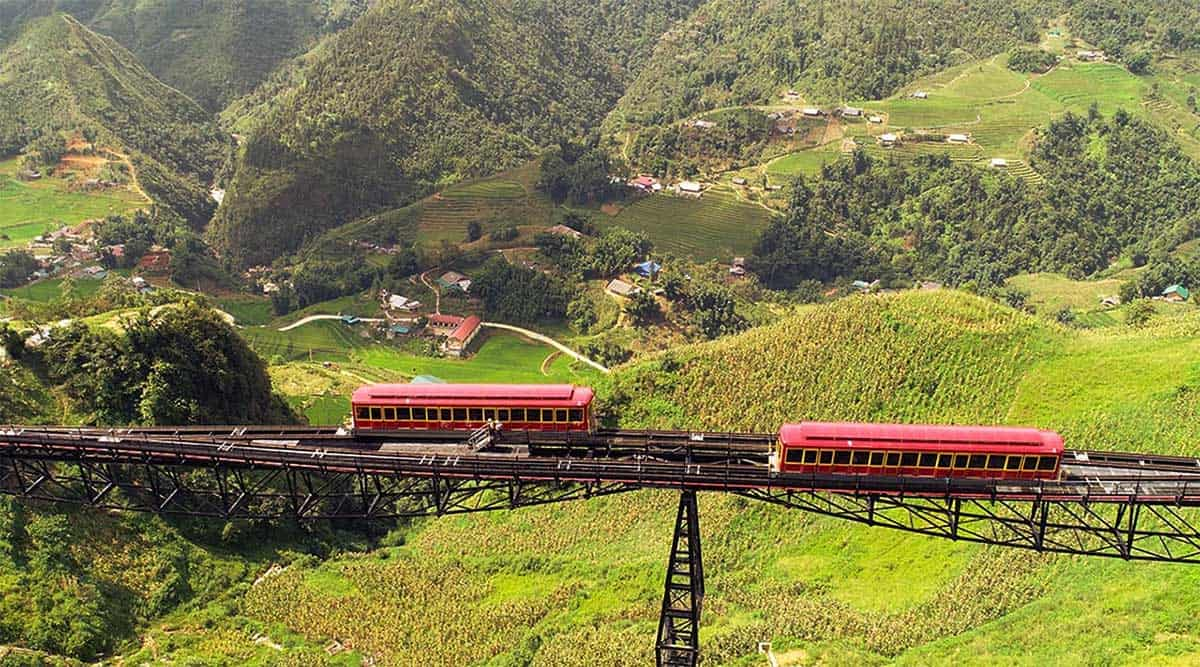
The best Hanoi to Sapa option depends on your budget, comfort, and travel style. (Photo: Collected)
Travelers who value privacy and flexibility may prefer a private car, while those seeking a more traditional journey often choose the train.
For adventure, motorbike travel offers a unique perspective, but it requires preparation and experience.
4. What to do after traveling from Hanoi to Sapa
After completing the journey from Hanoi to Sapa, what awaits is not just a destination, but a layered experience shaped by landscapes, culture, and altitude. From iconic mountain peaks to quiet villages, each stop adds a different dimension to your trip.
4.1 Fansipan – The highlight of any Hanoi to Sapa journey
No Hanoi to Sapa itinerary feels complete without visiting Fansipan, the highest peak in Indochina at 3,143 meters above sea level. More than just a destination, Fansipan is a full journey that begins long before reaching the summit.
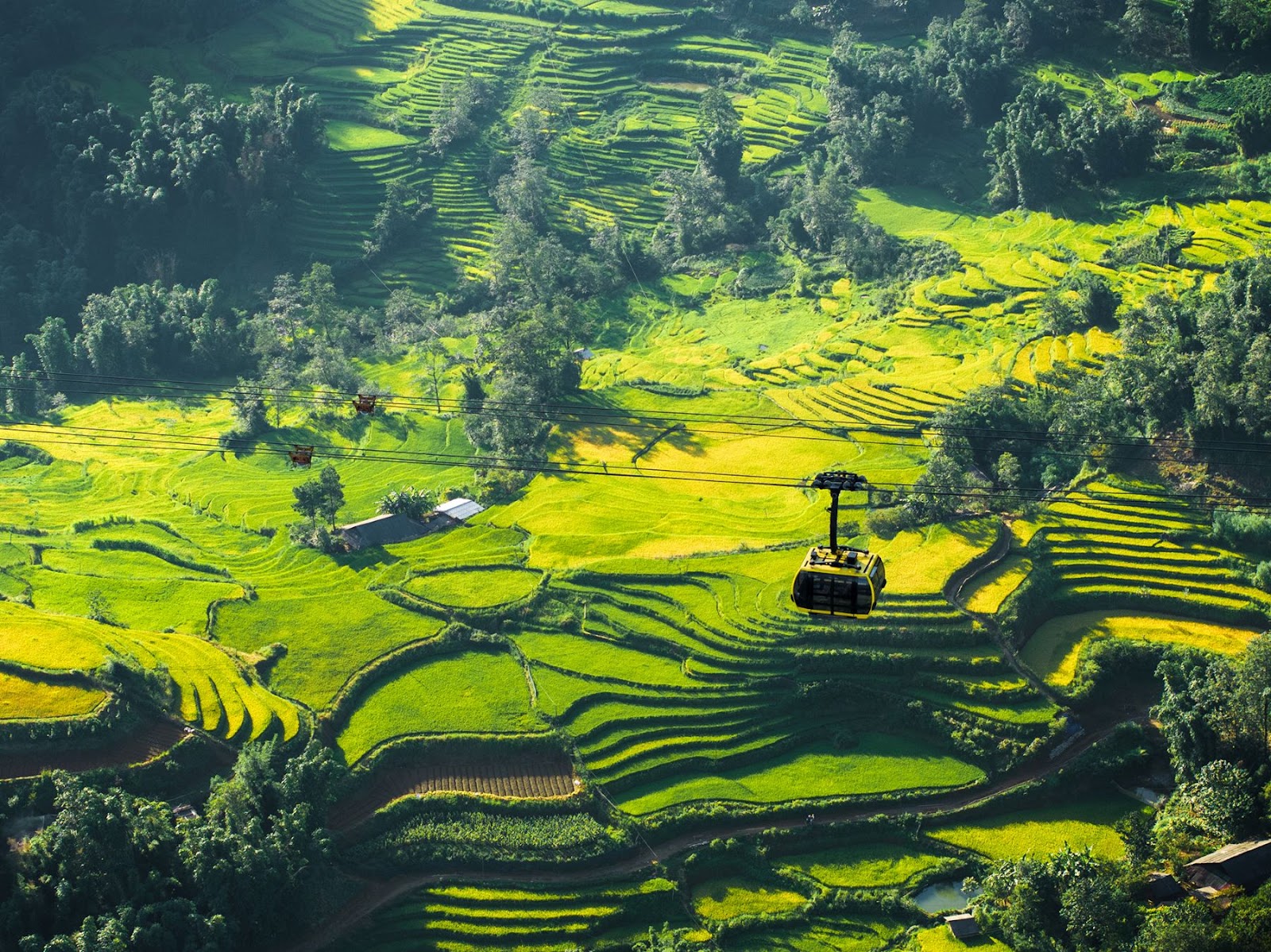
The cable car ride reveals valleys, forests, and mountain layers below. (Photo: Collected)
The experience starts at Sun World Fansipan Legend, where the cable car ride itself becomes one of the most memorable moments. As you ascend from the valley floor, the landscape shifts continuously, from dense forests to deep valleys and layered mountain ridges. On clear days, the view stretches endlessly across the Hoang Lien Son range, while on misty days, clouds drift close enough to feel within reach. For a smoother experience, especially during peak travel seasons, booking your Fansipan cable car tickets in advance is a practical step that helps you avoid long queues and secure your preferred time slot.

Fansipan blends nature, culture, and architecture in one journey. (Photo: Collected)
At its center stands the Great Buddha Statue, rising 21.5 meters and recognized as the tallest bronze Buddha statue in Vietnam. Nearby, the Arhat Path features 18 bronze statues aligned along the mountainside, while the statue of Avalokiteshvara Bodhisattva and Kim Son Bao Thang Pagoda add a softer, meditative dimension to the experience.
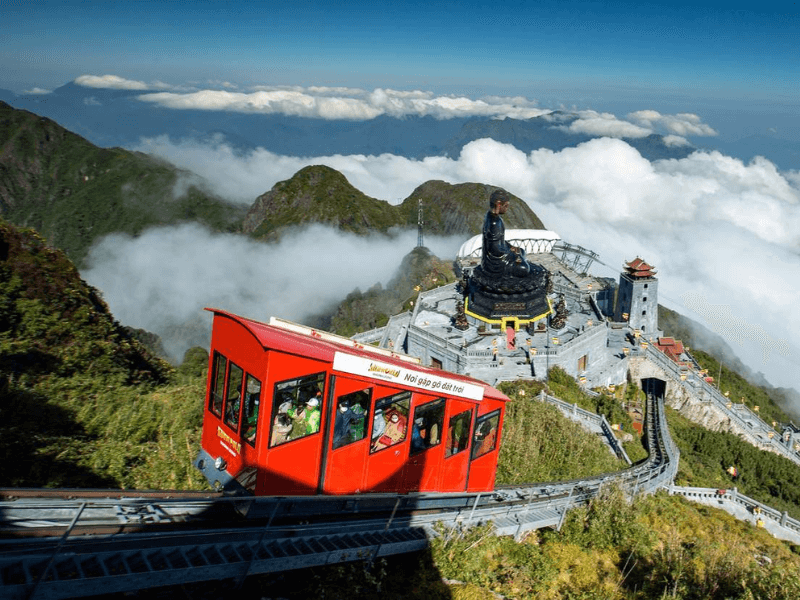
Stone steps or funicular, both paths lead to the iconic summit. (Photo: Collected)
To reach the summit, you can either climb the final 600 stone steps or take the Do Quyen funicular. Both options lead to the iconic summit marker and flagpole, where the sense of arrival is both physical and emotional.
Within any Hanoi to Sapa trip, Fansipan is more than a viewpoint. It is where nature, spirituality, and architecture come together to create one of the most defining experiences in northern Vietnam.
4.2 May Village – Discover the cultural side of Sapa
Beyond the dramatic landscapes, the Hanoi to Sapa journey also opens the door to deeper cultural exploration, and May Village is one of the most immersive places to experience this.
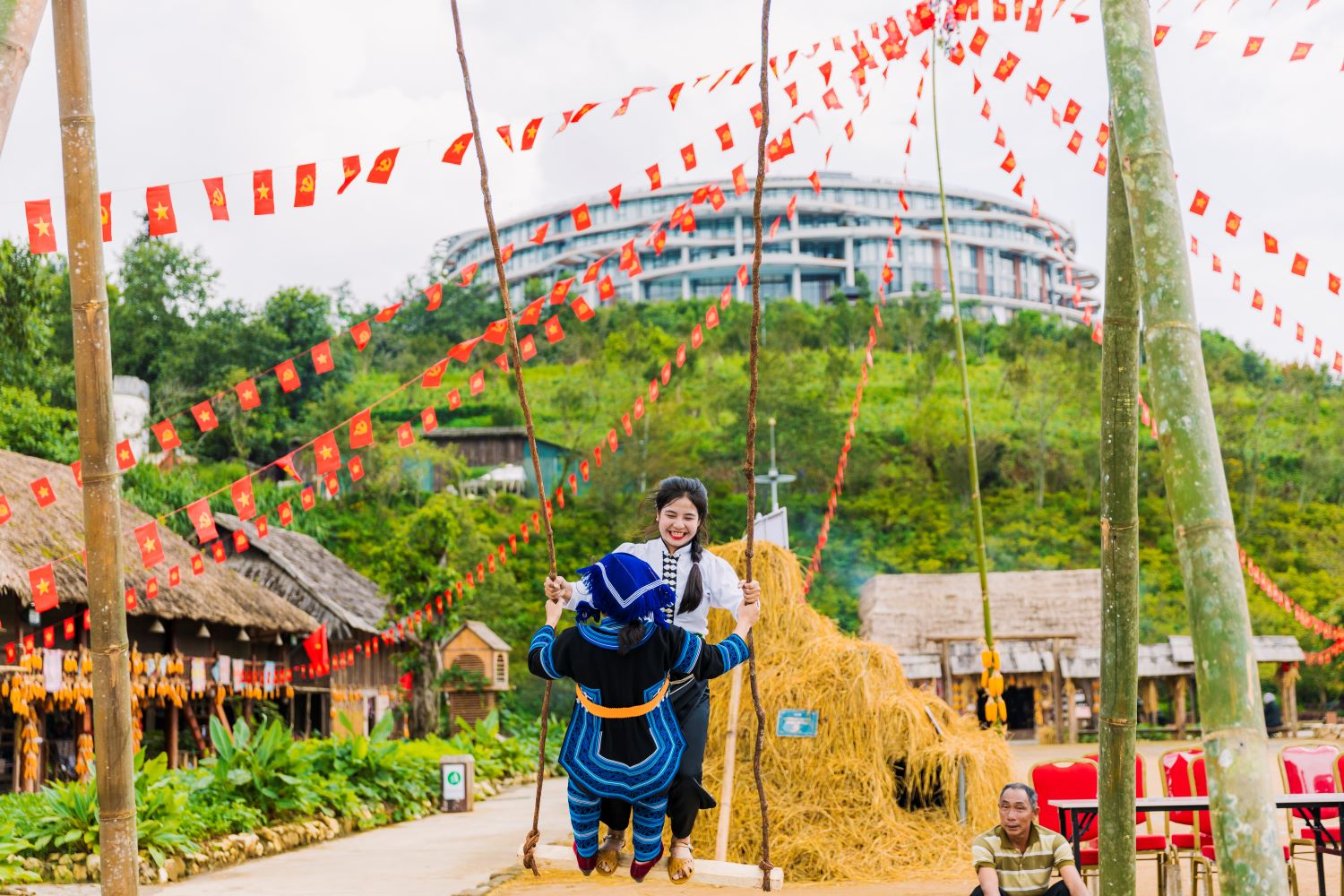
May Village reveals the cultural side of any Hanoi to Sapa journey. (Photo: Collected)
Located within the Fansipan area, May Village recreates the living environment of multiple ethnic communities in northern Vietnam, including the Hmong, Dao, Tay, Giay, and Ha Nhi. Instead of functioning as a static display, the space unfolds as a dynamic cultural setting, where architecture, crafts, and daily life are closely connected.
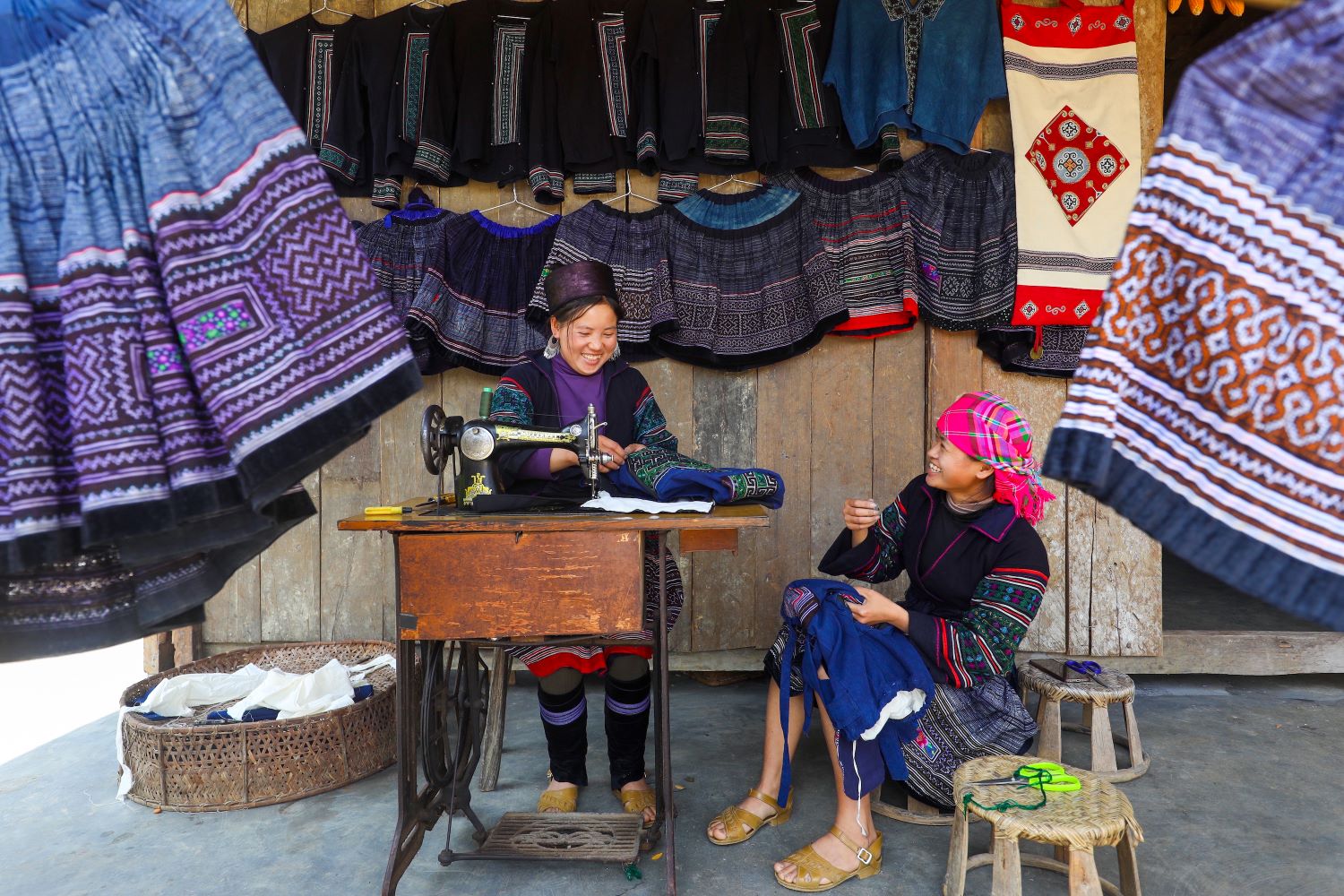
Ethnic cultures come to life through daily activities and traditions. (Photo: Collected)
Wooden houses, terraced layouts, and winding pathways mirror the structure of real mountain villages, creating a sense of authenticity. Visitors can observe artisans working on embroidery, hear traditional instruments, and experience cultural practices in a more natural context.
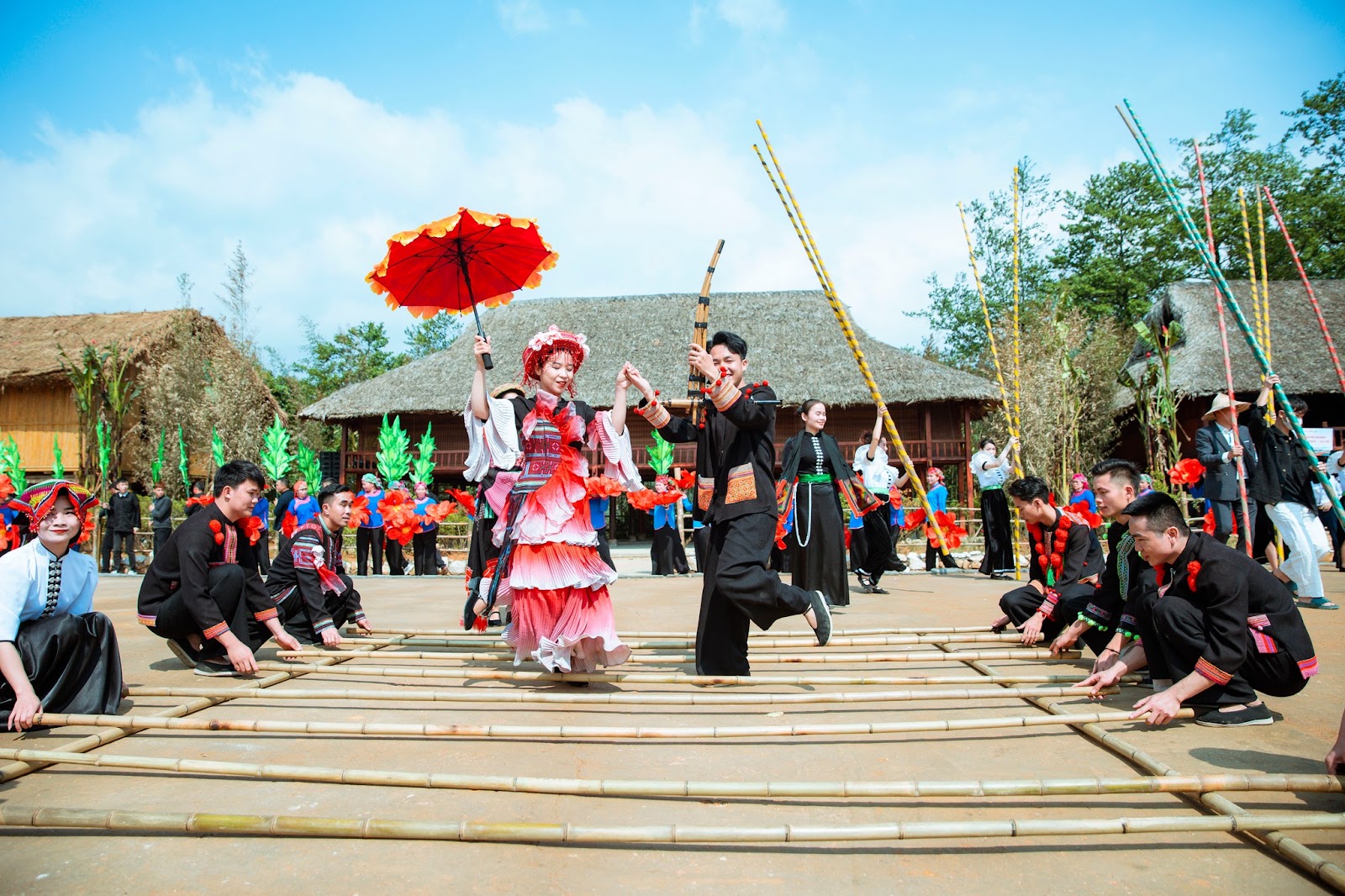
A cultural stop that adds depth beyond the landscapes of Sapa. (Photo: Collected)
As part of a Hanoi to Sapa itinerary, May Village offers a meaningful contrast to the grand scale of Fansipan, allowing travelers to connect with the human side of the region.
4.3 Sapa – The adventure of journey
At the heart of every Hanoi to Sapa journey lies Sapa, where different elements of the destination come together. The town blends historical landmarks with modern development. The Stone Church remains a quiet focal point, while the central square becomes more lively in the evenings, filled with local activities and interactions.
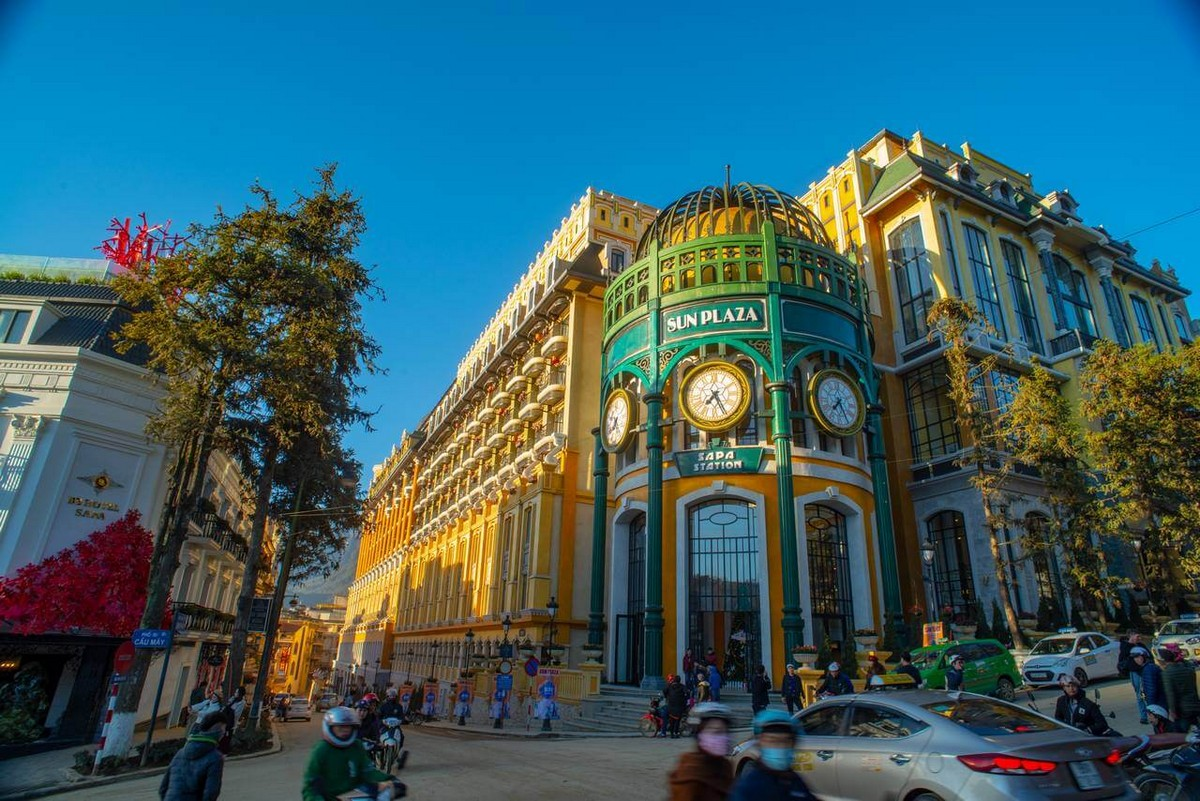
From Stone Church to Sun Plaza, Sapa mixes history and modern touches. (Photo: Collected)
Sun Plaza, with its distinctive European-inspired architecture, adds a visual contrast and has become one of the most recognizable buildings in town. Around it, cafés, viewpoints, and small shops create spaces where travelers can pause and take in the cool mountain air. Sapa is not just a place to stay, but a point where journeys begin, intersect, and unfold naturally throughout your trip.
4.4 Cat Cat Village – A closer look at local life
Located just a short distance from Sapa Town, Cat Cat Village is one of the most accessible stops after arriving from Hanoi to Sapa. Despite its proximity, the village retains a strong sense of local identity. It offers insight into the traditional lifestyle of the Hmong community, with wooden houses, narrow paths, and small streams shaping the landscape.
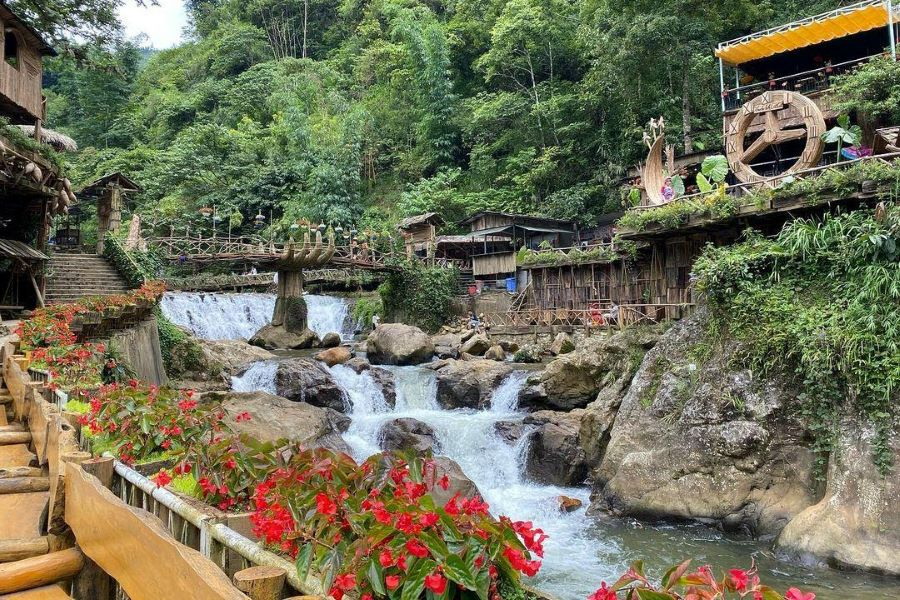
Cat Cat Village offers a close look at Hmong daily life near Sapa. (Photo: Collected)
Handicrafts and textile-making remain central to daily life, giving visitors a chance to observe traditional skills up close. While the village is familiar to many travelers, its charm lies in the details, from the sound of flowing water to the rhythm of everyday activities.
4.5 Muong Hoa Valley – The signature landscape after Hanoi to Sapa
Among all the landscapes you encounter after traveling from Hanoi to Sapa, Muong Hoa Valley stands out as one of the most iconic. The valley is known for its expansive terraced rice fields, shaped over generations by local communities. These terraces change with the seasons, from vibrant green during the growing months to golden hues at harvest time, creating a constantly evolving landscape.
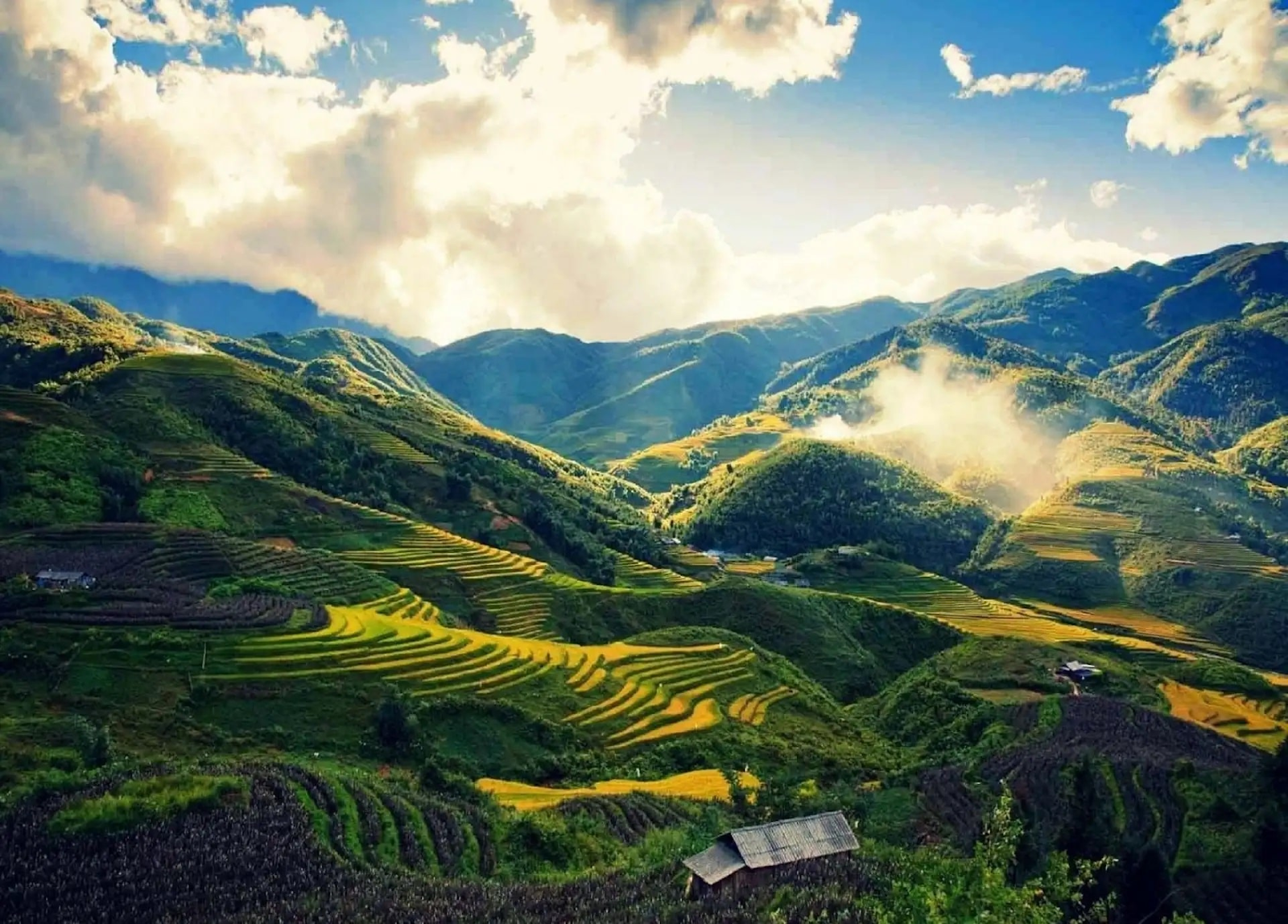
Muong Hoa Valley defines Sapa with its layered rice terraces. (Photo: Collected)
Walking through the valley offers a slower and more immersive experience. Trails connect villages, streams, and viewpoints, allowing you to explore the area at your own pace. The presence of ethnic groups such as the Hmong and Dao adds cultural depth, as their daily lives remain closely tied to the land. This connection creates a sense of harmony between people and nature that defines the character of Sapa.
4.6 O Quy Ho Pass – The most scenic drive after Hanoi to Sapa
O Quy Ho Pass is one of the most impressive routes you can explore after traveling from Hanoi to Sapa. Stretching across the Hoang Lien Son range, the pass connects Sapa with Lai Chau and offers dramatic views of mountains and valleys. The scenery changes constantly with elevation, creating a sense of movement throughout the journey.
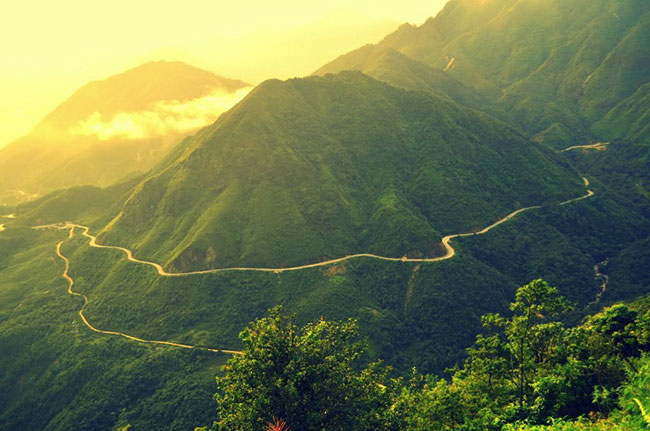
O Quy Ho Pass reveals dramatic mountain views at every turn. (Photo: Collected)
One side of the pass is often covered in mist and cooler air, while the other side can be warmer and clearer. This contrast makes the experience unique within a relatively short distance. Driving along O Quy Ho is not just about reaching a destination, but about experiencing the landscape as it unfolds with every turn.
5. Essential tips for your Hanoi to Sapa trip
Planning your Hanoi to Sapa journey carefully can make a big difference in your overall experience.
First, it is recommended to book your transportation in advance, especially during peak travel seasons such as autumn or public holidays. Buses, trains, and limousine services can fill up quickly, and early booking helps secure better schedules and prices.
Clouds, cliffs, and valleys shape the journey along rides in Sapa. (Photo: Collected)
Second, prepare for temperature changes. Even if Hanoi feels warm, Sapa is significantly cooler due to its high altitude. Bringing a light jacket or warm clothing is essential, particularly in the early morning and evening.
Third, choose the right transport based on your travel style. If you prioritize speed and convenience, buses or limousine services are ideal. If you prefer a more relaxed journey, the train can be a better option.
Finally, allow some flexibility in your itinerary. Weather and road conditions in mountainous areas can sometimes affect travel time, so keeping your schedule slightly open will help you avoid unnecessary stress during your Hanoi to Sapa trip.


