




1. About Sapa ethnic costumes
Sapa ethnic costumes are among the most distinctive cultural features that travellers can encounter in Vietnam’s Northwest highlands. Sapa is home to several ethnic communities, each with its own traditions, clothing styles, colours and decorative patterns. From brightly embroidered garments to indigo-dyed fabrics and intricate handmade details, traditional costumes reflect the cultural identity and artistic heritage of the people who have lived in the region for generations.
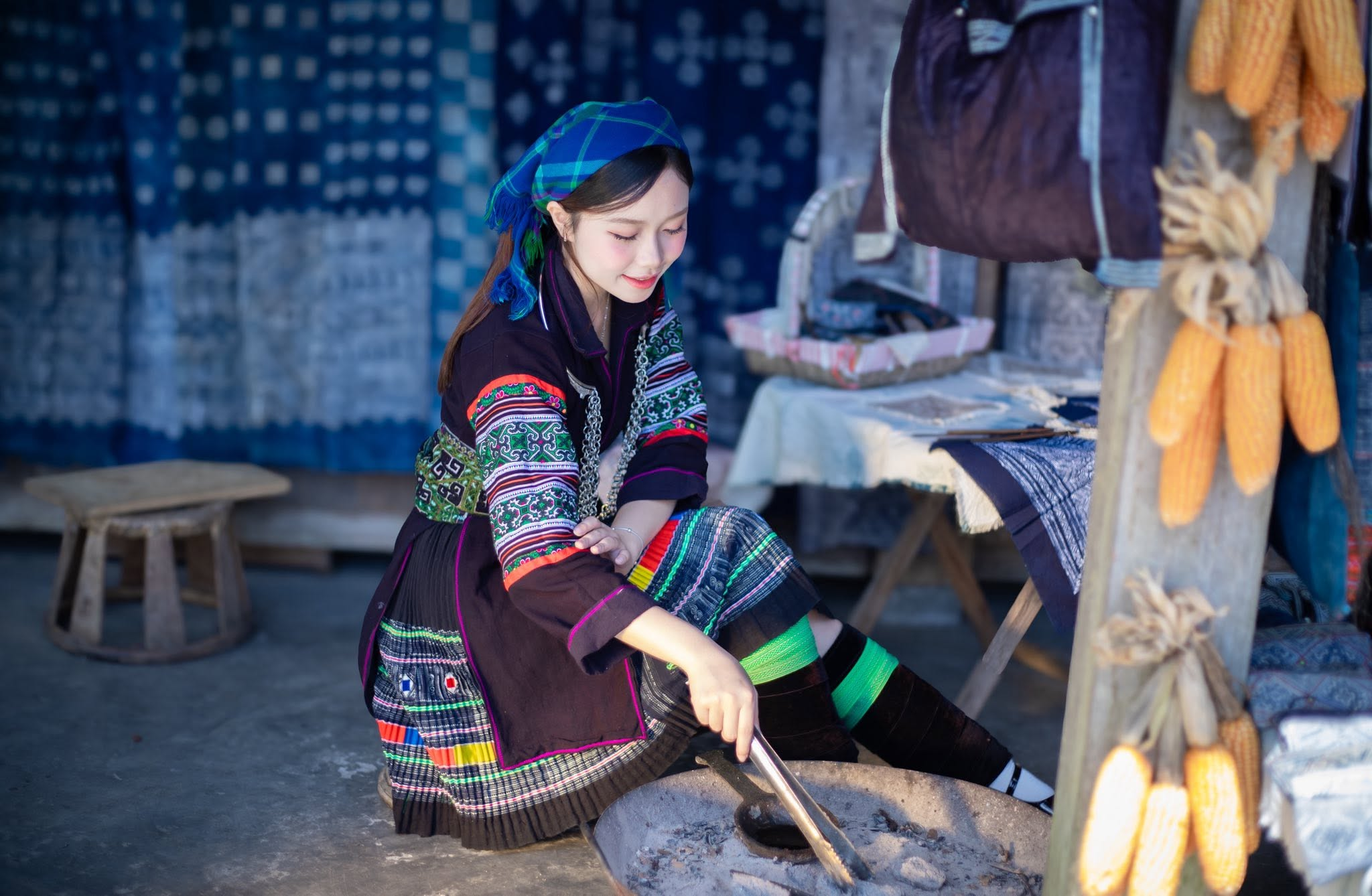
Traditional costumes of ethnic groups in Sa Pa (Source: Collected)
What makes Sapa ethnic costumes particularly fascinating is the craftsmanship behind each garment. Traditional clothing is often closely connected with skills such as weaving, embroidery, dyeing and textile decoration, with techniques passed down through generations. Patterns, colours and decorative elements can vary between communities, creating distinctive visual identities while demonstrating the creativity and patience involved in producing handmade textiles.
For international visitors, discovering Sapa ethnic costumes offers more than an opportunity to admire colourful clothing. Traditional garments provide a window into the history, customs and everyday life of local communities. Travellers can encounter them when visiting traditional villages, exploring cultural spaces such as May Village, browsing local markets or attending cultural performances, making traditional dress an important part of understanding Sapa’s diverse cultural heritage.
2. Discover the distinctive Sapa ethnic costumes
2.1. Hmong traditional costumes
Hmong traditional clothing is one of the most recognisable forms of Sapa ethnic costumes. Hmong women are often seen wearing intricately embroidered garments featuring colourful patterns, decorative skirts or trousers, waistbands and distinctive head coverings. Indigo-dyed fabric is also an important element of Hmong clothing, creating a deep blue or dark tone that contrasts beautifully with colourful embroidery and silver accessories.
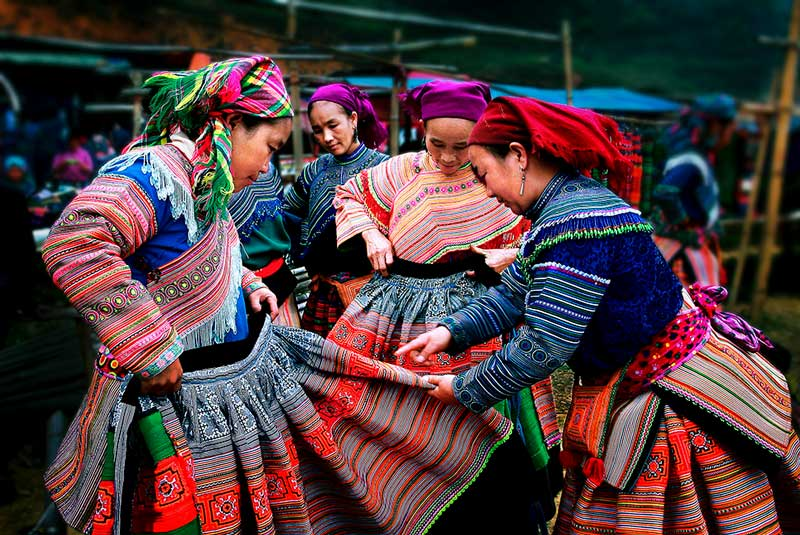
Hmong people in colorful traditional attire (Source: Collected)
The patterns found on Hmong garments are closely connected with traditional textile-making skills and cultural identity. Many pieces are handmade through processes such as weaving, dyeing and embroidery, requiring considerable time and craftsmanship. For travellers visiting Sapa's villages, seeing Hmong people wearing traditional clothing in their everyday surroundings provides a more meaningful cultural experience than simply viewing the garments as souvenirs.
2.2. Red Dao traditional costumes
Red Dao costumes stand out for their vibrant red colours and elaborate decorative details. Women traditionally wear garments featuring richly embroidered patterns, colourful fabric elements and distinctive red head coverings. Silver jewellery and other accessories may also form an important part of ceremonial or traditional dress, adding further visual richness to the overall appearance.
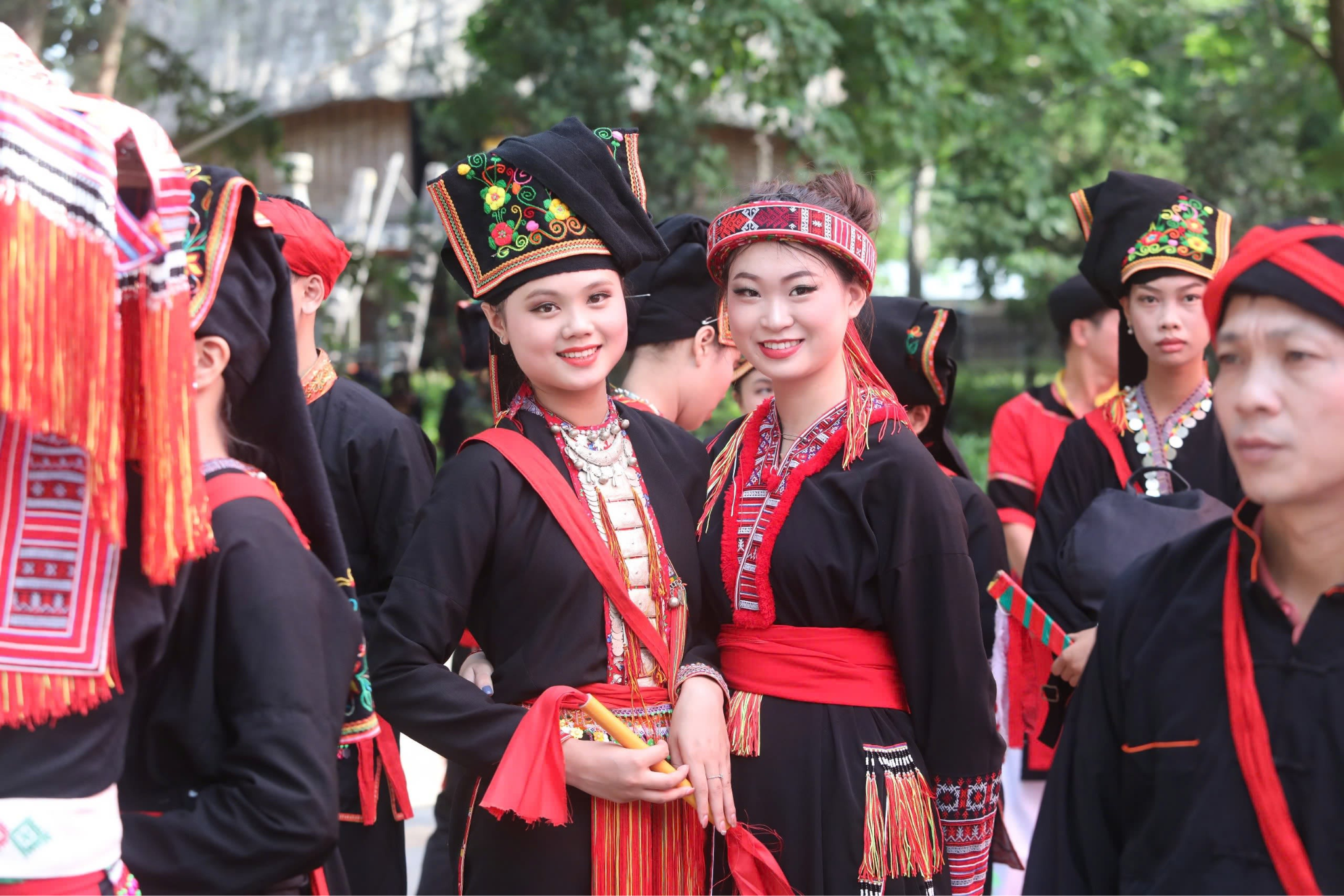
Red Dao women in traditional attire (Source: Collected)
The distinctive style of Red Dao clothing reflects the community's cultural heritage and craftsmanship. Traditional garments can vary according to age, occasion and community, with more elaborate clothing often associated with important cultural or ceremonial events. International visitors exploring villages around Sapa can learn about these traditions while observing how clothing remains an important expression of cultural identity.
2.3. Tay traditional costumes
Tay traditional clothing is generally characterised by a more understated appearance compared with the vibrant costumes of some other ethnic communities in the region. Traditional garments commonly feature dark indigo or black fabrics, creating a simple and elegant visual style. Women's outfits may include a long shirt or tunic worn with trousers, often complemented by a headscarf and other subtle accessories.
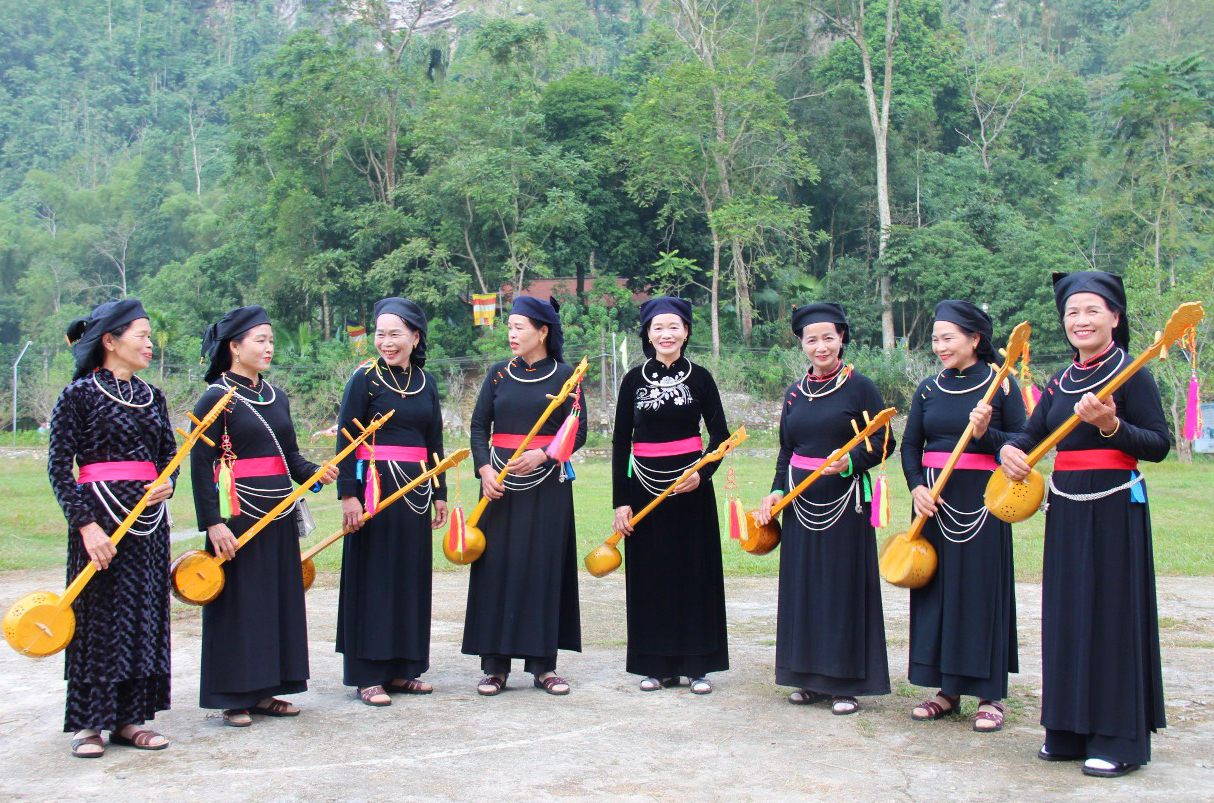
Simple attire of the Tay ethnic group (Source: Collected)
The simplicity of Tay clothing does not mean that it lacks cultural significance. The choice of fabric, way of wearing the garments and occasions on which traditional clothing is used all form part of the community's cultural heritage. Discovering Tay clothing alongside the community's houses, cuisine and traditional lifestyle allows visitors to understand how dress is connected with everyday life in the Northwest.
2.4. Giay traditional costumes
Giay traditional costumes are another distinctive element of the cultural landscape around Sapa. Their clothing tends to have a relatively simple and elegant design, with traditional garments often featuring dark or muted colours and carefully finished details. Women's outfits may include a long blouse or tunic combined with trousers, creating a practical style suited to everyday life in the mountainous environment.
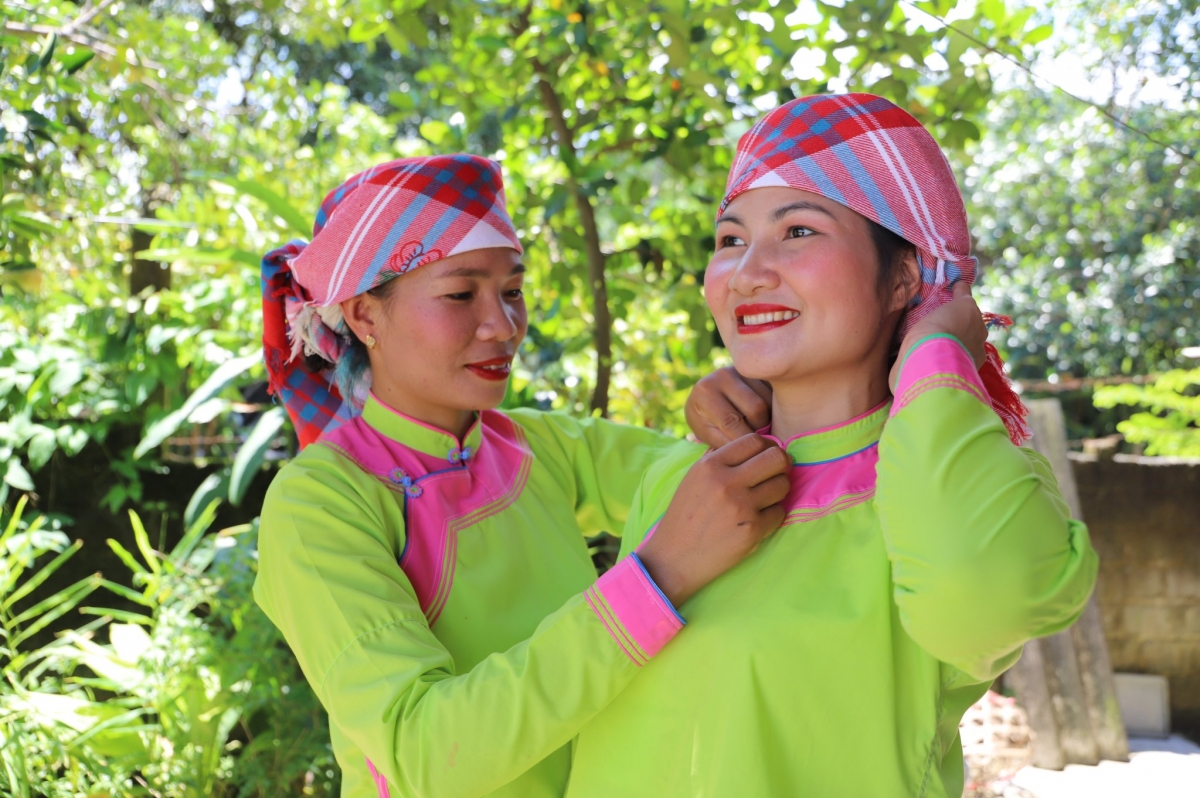
A Giay woman in simple traditional attire (Source: Collected)
For international travellers, discovering Giay clothing can be an opportunity to appreciate the diversity that exists within a relatively small geographical area. While different communities share the same mountain environment, their traditional dress can differ considerably in colour, design and decorative techniques. Exploring these differences helps visitors see Sapa ethnic costumes as a reflection of the region's rich cultural diversity rather than as a single style of traditional clothing.
2.5. Discover Xa Pho traditional costumes
Xa Pho traditional costumes offer another fascinating glimpse into the cultural diversity of Sapa and the surrounding Northwest highlands. The clothing of the Xa Pho community is known for its colourful appearance and distinctive decorative details, particularly in women’s traditional dress. Garments can feature vibrant fabric combinations, embroidered motifs and carefully arranged accessories, creating a striking visual identity that differs from the costumes of other ethnic communities in the region.
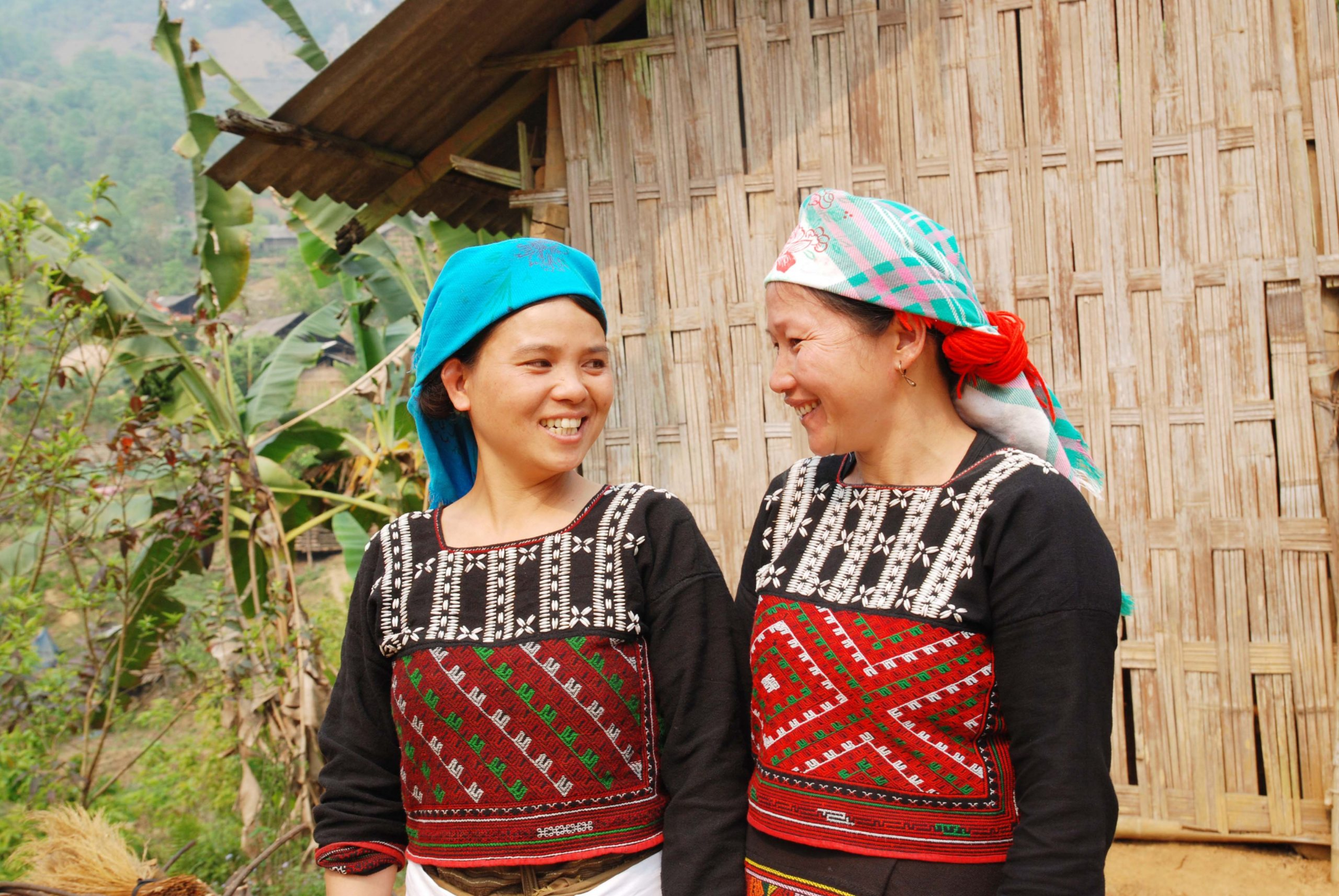
Traditional attire of the Xa Pho people (Source: Collected)
Traditional Xa Pho clothing is closely connected with cultural identity and community traditions. The colours, patterns and way garments are worn can reflect customs that have been preserved through generations, while handmade textile techniques demonstrate the importance of craftsmanship in everyday life. For international travellers, encountering Xa Pho people in traditional dress offers an opportunity to appreciate the cultural diversity within Sapa and understand that Sapa ethnic costumes represent many distinct identities rather than a single style. A visit to cultural spaces, traditional villages or community activities can make this discovery more meaningful and memorable.
3. How to make the most of a Sapa ethnic costumes experience
Discovering Sapa ethnic costumes can be much more meaningful when travellers look beyond their colours and decorative details to understand the cultural stories behind each garment. Instead of simply viewing traditional clothing as a visual attraction, visitors can learn about the communities who create and wear them, the techniques used to make the fabrics, and the occasions when particular garments are worn. This approach offers a deeper appreciation of the cultural diversity that makes Sapa distinctive.
3.1. Learn about the stories behind traditional clothing
Before visiting ethnic villages or cultural spaces, travellers can take some time to learn about the Hmong, Red Dao, Tay, Zay and Xa Pho communities. Each group has its own traditions, textile techniques, colours and decorative motifs, meaning that similar-looking garments may carry different cultural meanings. Understanding these differences can make encounters with local people and their traditional clothing much more interesting.
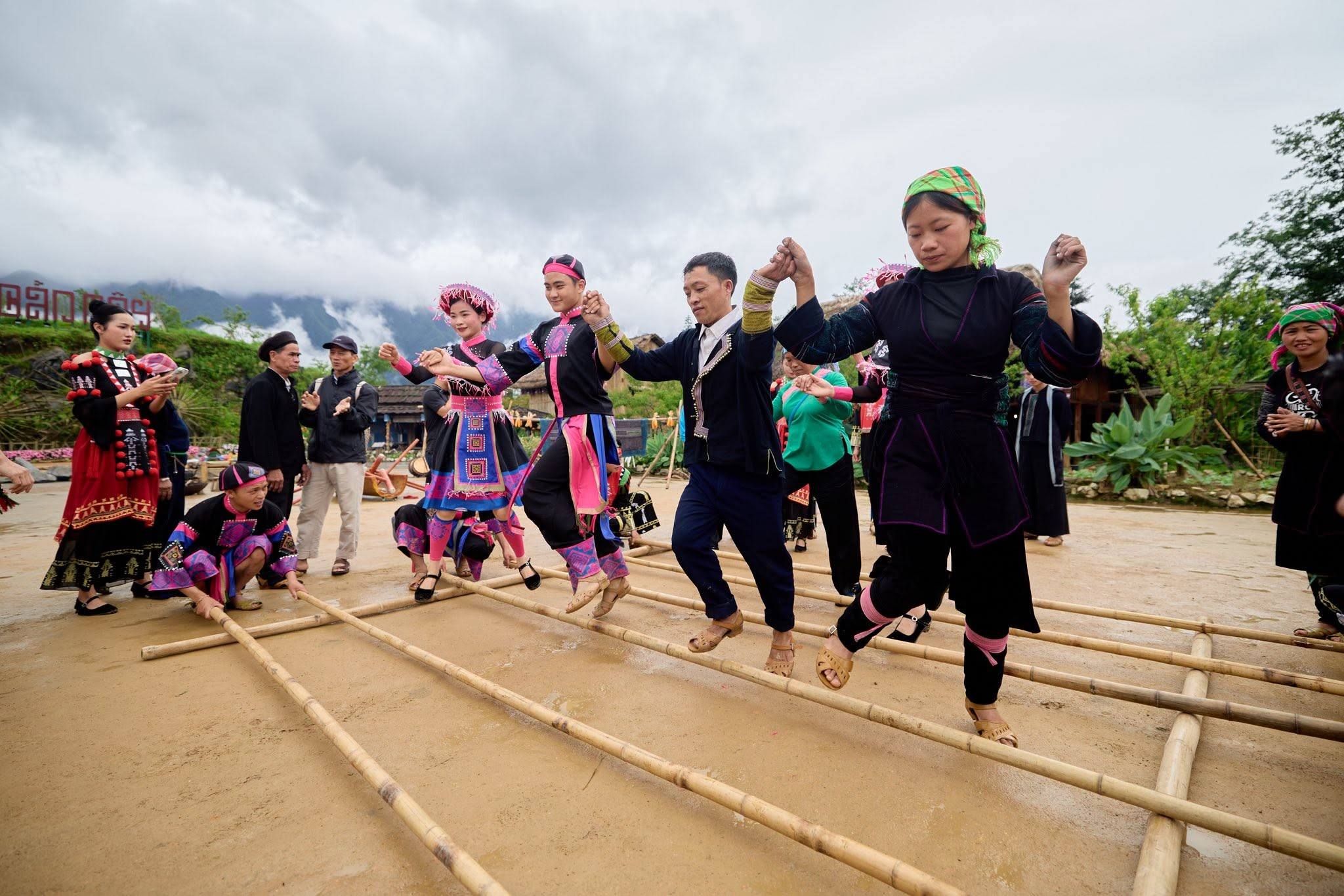
Visitors can learn about the stories behind traditional costumes when visiting traditional attractions (Source: Collected)
Traditional costumes are also closely connected with everyday life, community celebrations and important cultural occasions. Observing how clothing is worn in different settings can help visitors understand that these garments are not simply souvenirs or performance outfits, but part of living cultural traditions passed down through generations.
3.2. Explore costumes through local cultural experiences
The best way to appreciate traditional clothing is to encounter it within the communities and spaces where local culture is presented naturally. Travellers can visit traditional villages around Sapa, explore local markets or experience May Village, where architecture, handicrafts, costumes and cultural activities offer a broader picture of life in the Northwest highlands.
Combining costume discovery with other cultural experiences can make a Sapa journey more memorable. Visitors may observe textile-making techniques, explore handmade products, enjoy traditional food or watch cultural performances while seeing traditional garments in context. This allows travellers to connect the colourful appearance of Sapa ethnic costumes with the people, skills and traditions behind them.
3.3. Respect local customs when photographing traditional costumes
Traditional clothing can be an attractive subject for travel photography, but visitors should remain respectful when photographing local people. Asking for permission before taking a portrait is a simple way to show consideration, particularly when photographing individuals in traditional dress or during cultural activities.
Travellers should also avoid treating traditional costumes as props or imitating ceremonial clothing without understanding its significance. A respectful approach helps preserve the authenticity of cultural encounters while allowing visitors to enjoy and document the distinctive beauty of Sapa's ethnic heritage.
4. Where to see Sapa ethnic costumes
Sapa offers many opportunities to see traditional clothing in authentic cultural settings, from mountain villages and local markets to cultural spaces and community performances. Rather than being limited to a single attraction, Sapa ethnic costumes can be encountered throughout the destination, often as part of everyday life and traditional activities. For international travellers, exploring these different settings provides a more complete perspective on the cultural diversity of the Northwest highlands.
4.1. Traditional villages around Sapa
Traditional villages are among the best places to observe ethnic costumes in connection with local daily life. In communities such as Lao Chai and Ta Van, travellers can encounter local residents wearing traditional garments while walking through villages, visiting homes, exploring rice terraces or participating in community-based activities.
The experience becomes particularly meaningful when visitors take time to observe the details of each outfit, from fabric and embroidery to accessories and colour combinations. Combined with the surrounding mountains, terraced fields and traditional houses, these encounters offer a natural way to discover the cultural identity behind Sapa's distinctive traditional clothing.
4.2. May Village and cultural spaces
May Village offers another convenient setting for travellers who want to discover the cultural heritage of the Northwest. Inspired by traditional mountain villages, the space brings together elements of local architecture, handicrafts, costumes, cuisine and cultural activities, allowing visitors to explore different aspects of regional heritage in one destination.
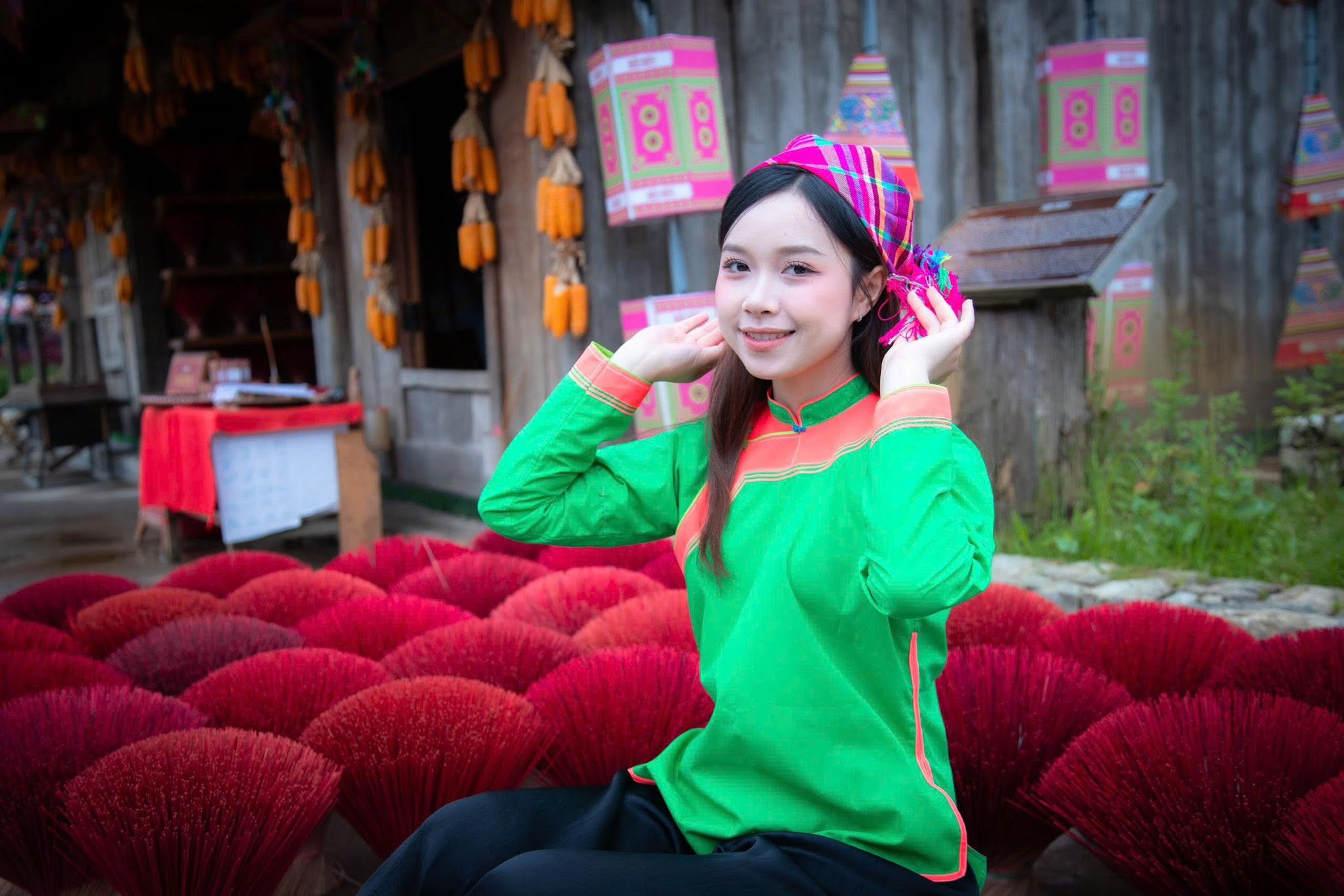
Visitors try on Giay ethnic costumes at May Village (Source: Collected)
For travellers visiting Fansipan, combining a trip to May Village with the mountain experience can create a well-rounded itinerary. After exploring the summit and spiritual complex, visitors can continue their journey by discovering traditional clothing, local crafts and cultural traditions, making Sapa ethnic costumes part of a broader cultural exploration rather than an isolated sightseeing experience.
4.3. Local markets and cultural performances
Local markets are another interesting place to observe the variety of traditional clothing found across Sapa. Depending on the community and occasion, visitors may see different colours, patterns, accessories and styles gathered within the same market space. Markets also provide opportunities to discover handmade textiles, embroidered products and other traditional crafts.
Cultural performances can offer a more structured introduction to traditional costumes, particularly in the evening or during local festivals and cultural programmes. When costumes are presented alongside music, dance and traditional customs, travellers can better understand how clothing forms an important part of community identity and cultural expression.
Exploring Sapa ethnic costumes offers more than an opportunity to admire colourful fabrics and intricate patterns. From the distinctive embroidery of Hmong clothing and vibrant Red Dao garments to the understated styles of Tay and Zay communities, each traditional outfit reflects a unique cultural identity and heritage. Travellers can discover these traditions through villages, local markets, May Village and cultural activities around Sapa, while experiencing the landscapes and communities of the Northwest highlands. By approaching traditional clothing with curiosity and respect, visitors can gain a deeper appreciation of the living cultures that make Sapa such a memorable destination.


