




1. Sapa - an attractive natural and cultural destination for Indian tourists
1.1. The place with a rare cool climate in the middle of Southeast Asian summer
What impresses many Indian tourists when visiting Sapa is the cool weather, even in summer. From May to August, the average temperature in Sapa usually ranges from 15 to 25 degrees Celsius. The weather is cool in the early mornings and at night, creating a pleasant feeling.
On clear days, you can see the sea of clouds covering the mountain slopes right from the town center. The fresh air and high humidity make Sapa an ideal resort destination for families, couples, and groups of friends looking to escape the summer heat.
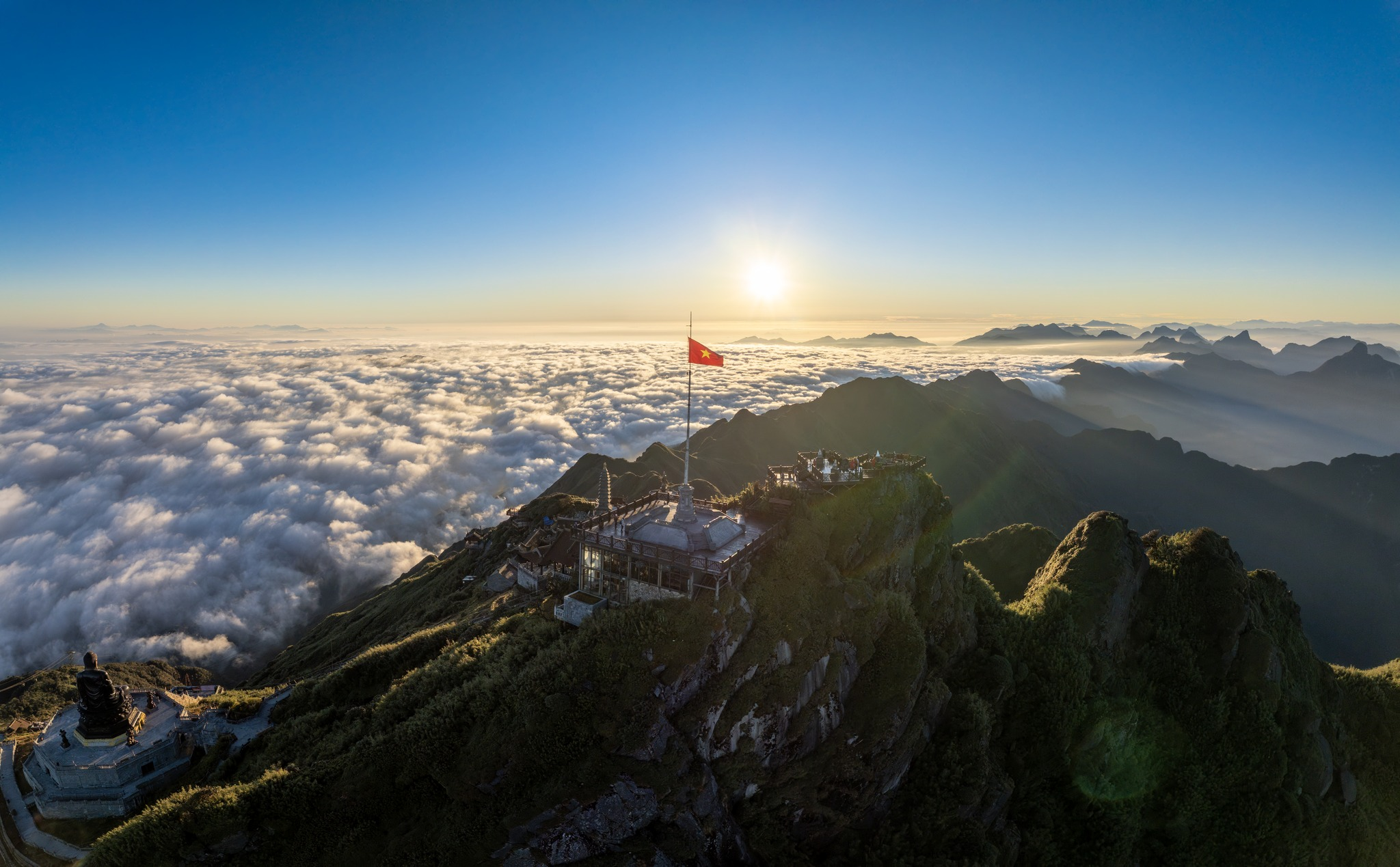
Sapa is a famous and majestic natural destination in Vietnam. (Source: Collected)
1.2. World-famous mountain landscapes and terraced rice fields
Sapa is famous for its terraced rice fields stretching across the slopes of the Hoang Lien Son mountain range. During the rainy season, around May and June, the rice paddies reflect the sunlight, creating a shimmering, mirror-like scene. By September, the entire mountainous region turns a golden yellow as the rice ripens.
Besides terraced rice fields, Sapa also boasts winding mountain roads, vast valleys, and villages nestled on the hillsides. This is why many tourists choose Sapa as a prominent check-in destination when traveling in Vietnam.
👉 Book Fansipan cable car ticket now!
2. Unmissable experience of conquering Fansipan peak in Sapa, Vietnam
2.1. Taking a cable car ride through the clouds to the “roof of Indochina”
When mentioning Sapa, many tourists immediately think of Fansipan, the highest mountain peak in Vietnam with an altitude of 3,143 meters. Exploring Fansipan is now much more convenient thanks to the modern cable car system and large-scale tourist facilities. One of the most outstanding experiences at Fansipan is riding the modern 3-wire cable car through the sea of clouds and the Hoang Lien Son mountain range. The 6,292.5 meters long cable car allows you to reach near the summit of Fansipan within 15 minutes.
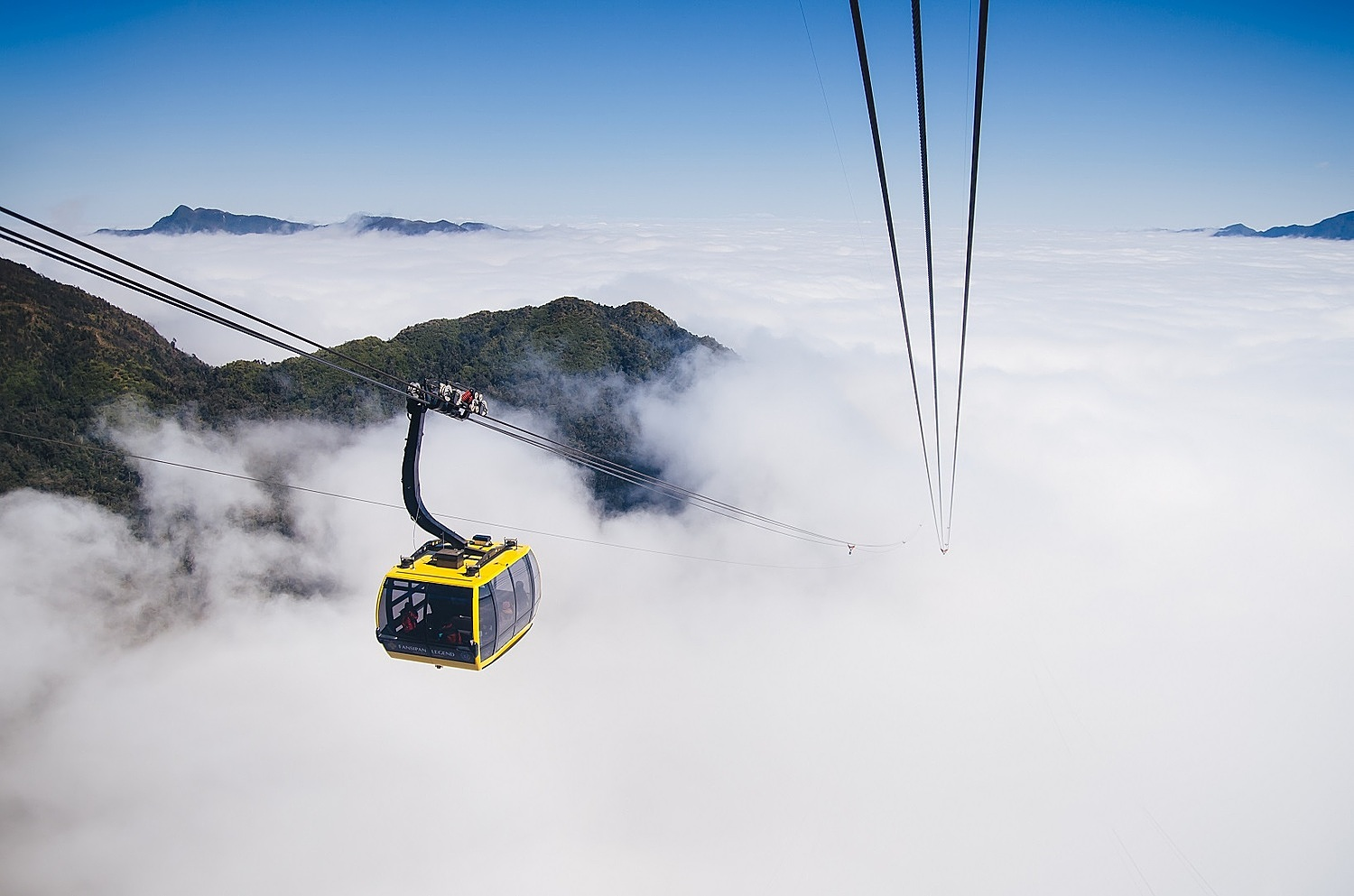
The Fansipan cable car takes visitors across layers of white clouds amidst the Hoang Lien Son mountain range. (Source: Collected)
2.2. Checking-in at the Fansipan landmark amidst a sea of clouds
After reaching the summit, your journey continues by funicular or on foot to reach the famous Fansipan landmark. On clear days, from the summit of Fansipan, you can see the majestic Hoang Lien Son mountain range with fluffy clouds drifting below. Many visitors choose to come here early in the morning to chase the clouds and watch the sunrise amidst the vast mountain landscape.
2.3. Exploring the spiritual complex on the mountaintop
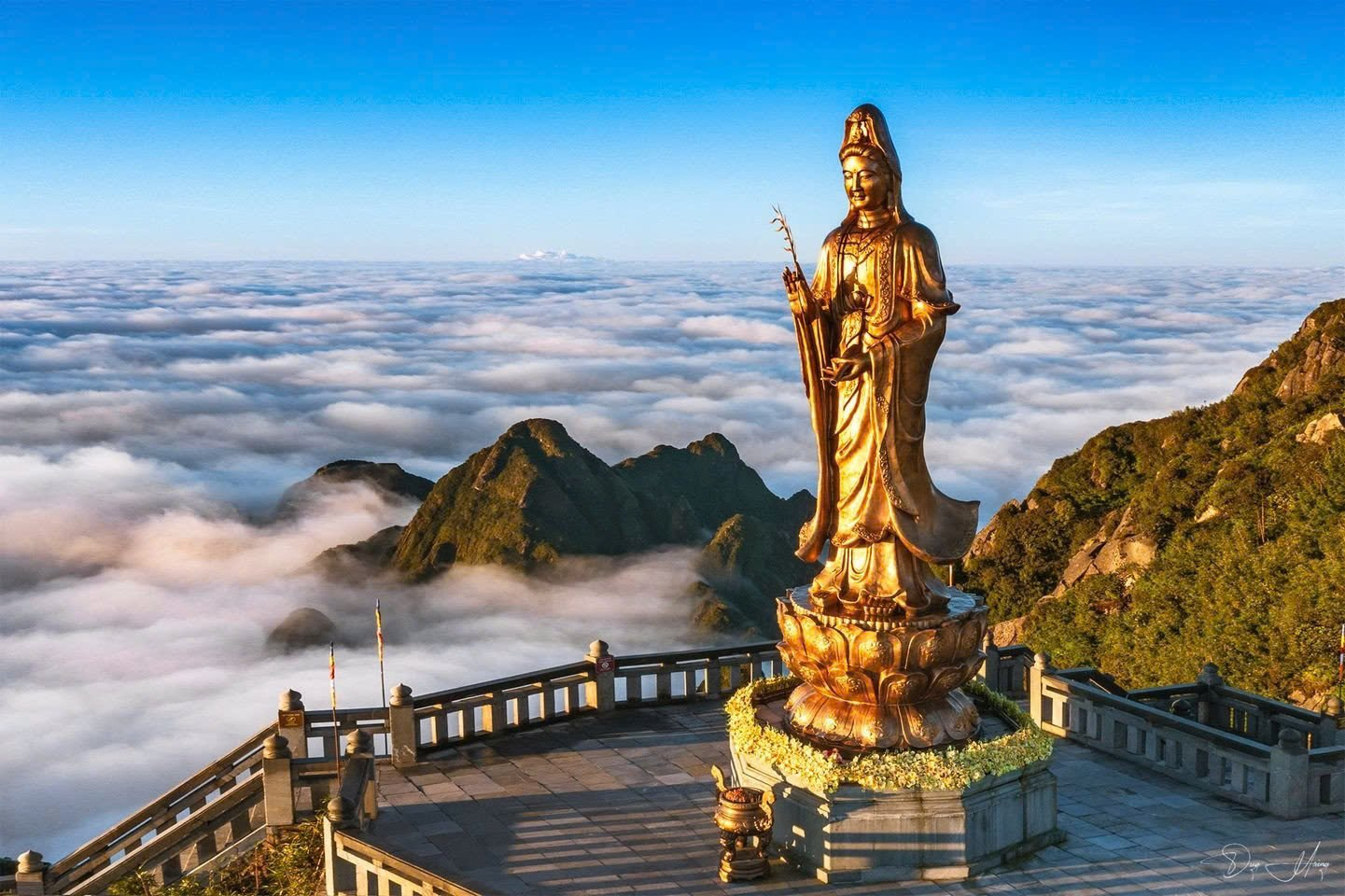
The 12-meter-tall bronze statue of Avalokiteshvara Bodhisattva stands amidst the clouds of Fansipan. (Source: Collected)
Not only famous for its natural landscapes, Sun World Fansipan Legend also impresses with its spiritual complex located at an altitude of over 3,000 meters. Most notable is the colossal bronze statue of The Great Buddha amidst a sea of clouds, along with the Alahat Path stretching along the mountainside.
In addition, this area also features Kim Son Bao Thang Pagoda, Bich Van Zen Monastery, and many other structures showcasing distinctive Vietnamese Buddhist architecture. Amidst the majestic clouds and mountains, these structures create a sense of tranquility and peace.
3. The most beautiful check-in spots in Sapa, Vietnam
3.1. Muong Hoa valley
Located about 10 km from the center of Sapa, Muong Hoa valley is considered one of the most beautiful places in northwest Vietnam. It is notable for its sprawling terraced rice fields and the Muong Hoa stream flowing through the valley. During the rainy season, the entire valley reflects the sunlight, creating a truly impressive scene. It is also home to a famous ancient rock formation with many mysterious carvings dating back hundreds of years.
3.2. Lao Chai Village
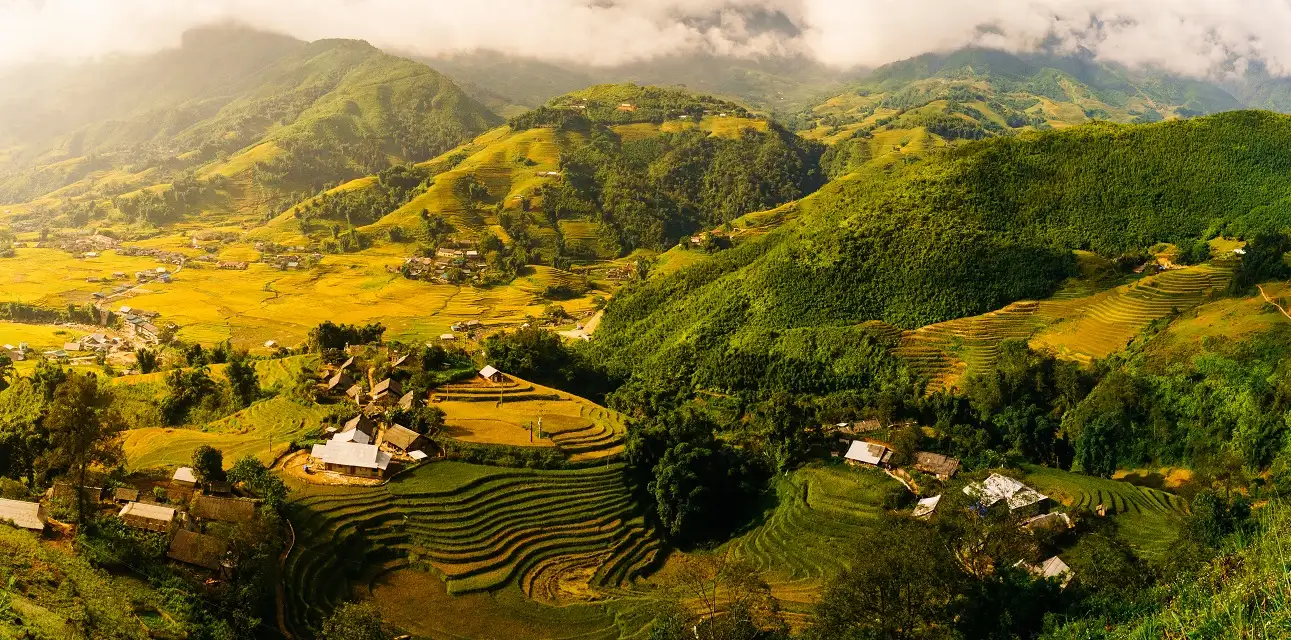
A peaceful village nestled amidst lush green terraced rice fields. (Source: Collected)
Lao Chai is a H’mong village nestled in a vast valley. From the center of Sapa, you can reach it by motorbike or car in about 20 minutes. Lao Chai's special feature is its peaceful scenery, with wooden houses nestled amidst terraced rice fields and mountains. Many international tourists enjoy walking around the village to experience the local way of life and take photos with the natural landscape.
3.3. Ta Van Village
Ta Van is home to the Giay and Red Dao ethnic groups. The area is quieter than the city center, making it ideal for tourists seeking a relaxing getaway amidst nature.
Besides its captivating natural landscapes, Ta Van also offers many unique experiences exploring the highland culture. You can participate in activities with the local people, such as learning to weave brocade, dye indigo fabric, or learning how to make traditional dishes of the Giay people. Many homestays here also organize family meals with the northwest specialties, helping you better understand the daily life of the local people.
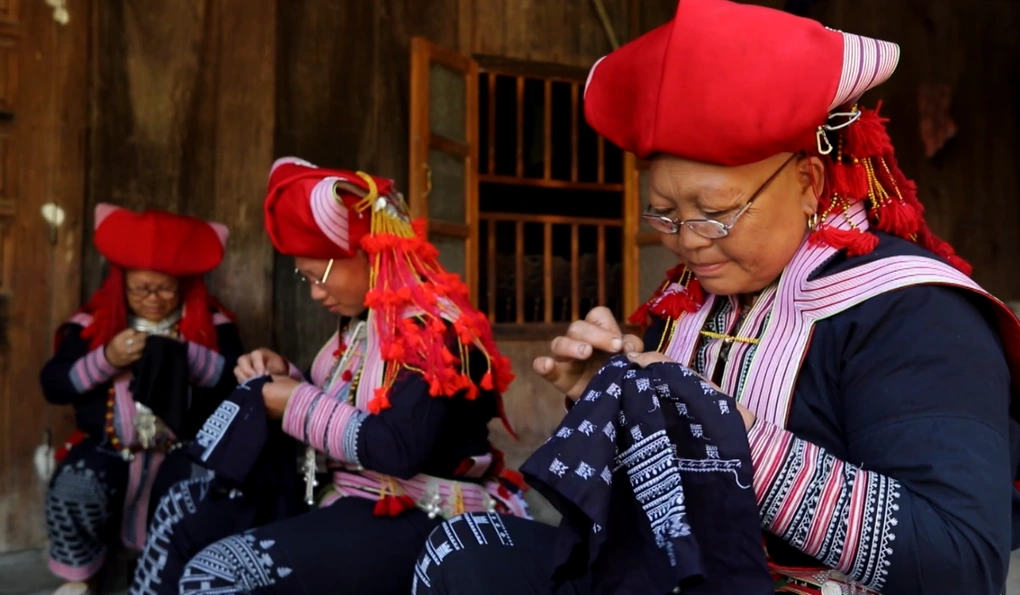
Tourists can learn about the traditional brocade weaving craft of the ethnic minorities in the northwest mountainous region. (Source: Collected).
3.4. O Quy Ho Pass
O Quy Ho Pass is one of the most famous mountain passes in Vietnam, stretching approximately 50 km. Located at a high altitude, the pass is covered in clouds year-round, resulting in cool weather. From the summit, you can enjoy panoramic views of the northwest mountains stretching to the horizon. It's also a popular spot for cloud watching and sunset viewing, especially for tourists visiting Sapa in Vietnam.
4. Experience the unique culture of Sapa, Vietnam
4.1. Exploring mountainous markets and traditional crafts
The mountainous markets in Sapa are usually held on weekends and bring together many different ethnic communities. Here, you can find brocade fabrics, handicrafts, silver jewelry, and many local products. Many villages still maintain the traditional craft of linen weaving and indigo dyeing. You can directly observe the process of making brocade costumes that reflect the unique identity of the northwest area.
4.2. Enjoying northwestern Vietnamese cuisine in cold weather
Cuisine in Sapa, Vietnam is deeply rooted in the traditional flavors of the northwest mountainous region, featuring many local specialties. One of the most famous is salmon hot pot with its fragrant and sweet broth, combined with fresh wild vegetables and native mushrooms. In addition, sticky rice cooked in bamboo tubes, smoked buffalo meat, and thang co (a traditional stew) are also dishes that bear the distinctive mark of the northwest mountainous culture. Local vegetables such as mustard greens, chayote, and bamboo shoots are often prepared simply but retain their fresh, natural flavor.
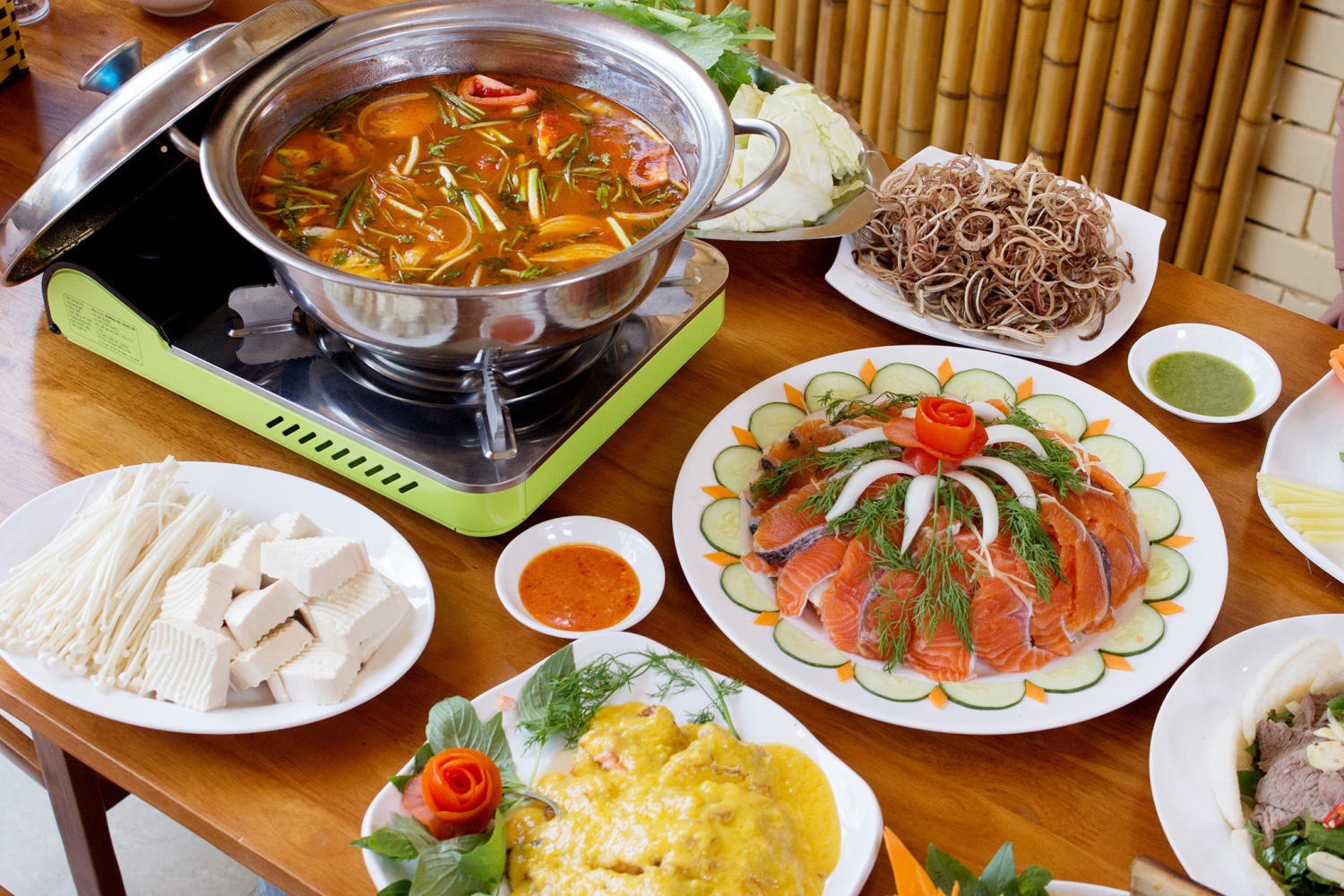
Visitors to Sapa should not miss the salmon hot pot dish. (Source: Collected)
Indian tourists who are vegetarian or prefer Halal cuisine can also rest assured when traveling to Sapa, Vietnam. Currently, many restaurants in the town center serve vegetarian dishes, Indian-style food, and menus that meet Halal standards and growing needs of international visitors.
5. Travel tips for Indian tourists visiting Sapa, Vietnam
5.1. Procedures for entering Vietnam
Indian tourists can now apply for a Vietnamese e-visa online with a fairly convenient and easy process. The application usually includes a valid passport, a personal photo, and basic itinerary information. Processing time typically takes a few business days, so you should apply early to plan your trip accordingly.
In recent years, flight routes connecting the two countries have also become more diverse. There are now many flights from New Delhi, Mumbai, Ahmedabad, and Bengaluru to Hanoi, either direct or with short layovers. This makes exploring Sapa in Vietnam more convenient for Indian tourists.
5.2. Directions to Sapa
From Hanoi, you can travel to Sapa by limousine, sleeper bus, or train to Lao Cai and then continue by car. The travel time is usually 5 to 6 hours depending on the mode of transport. Currently, many travel companies also offer all-inclusive tours from Hanoi to Sapa for international tourists, including transportation and hotel.
5.3. Notes on weather and clothing
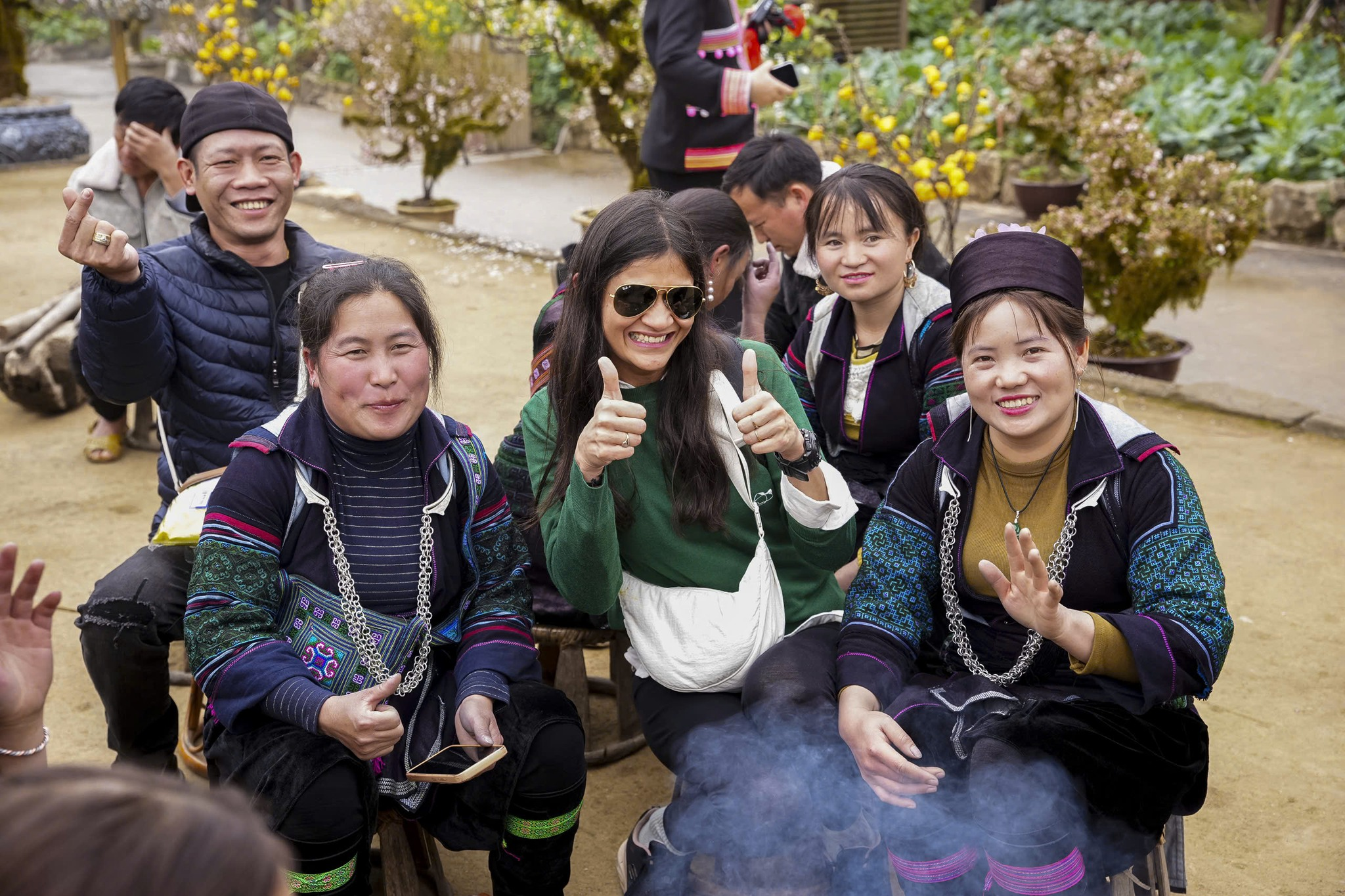
Visitors should bring a light jacket as temperatures on Fansipan can drop low. (Source: Collected)
The weather in Sapa changes quite rapidly throughout the day. It may be mildly sunny during the day, but early mornings and evenings are often much colder. You should bring a light jacket, comfortable shoes, and a light raincoat for outdoor activities. If planning to explore Fansipan peak, you should pack extra warm clothing as the temperature at the summit is usually a few degrees Celsius lower than in the center of Sapa.
Sapa in Vietnam impresses not only with its cool climate and majestic nature but also offers unique cultural and spiritual experiences in the northwest mountainous region. With its dreamy yet awe-inspiring beauty, Sapa in Vietnam will undoubtedly continue to be an ideal destination for Indian tourists seeking a relaxing getaway combined with exploring Vietnam's unique natural and cultural heritage.


