


1. Sapa village tour – Discover the cultural heart of the Northwest
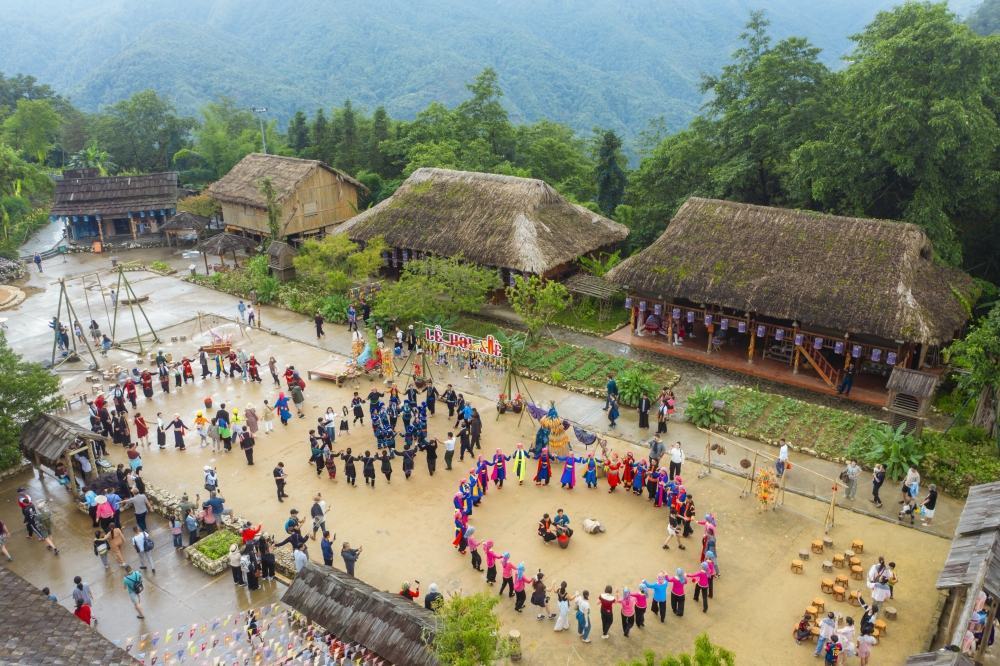
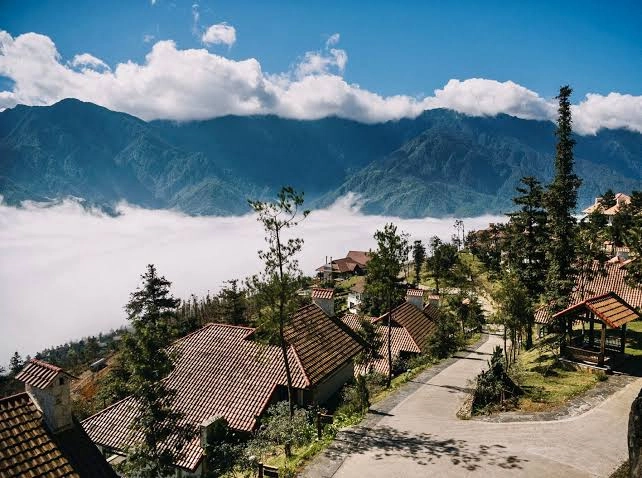
A Sapa village tour offers international travellers a chance to venture beyond the town centre and discover the landscapes, traditions and everyday life of Vietnam’s northern highlands. Surrounded by the Hoang Lien Son mountains, Sapa is home to a number of traditional villages where ethnic communities have preserved distinctive customs, architecture, handicrafts and ways of life. Walking through these villages provides a more intimate perspective of the region, with terraced rice fields, forested hills and mountain valleys forming a spectacular backdrop along the way.
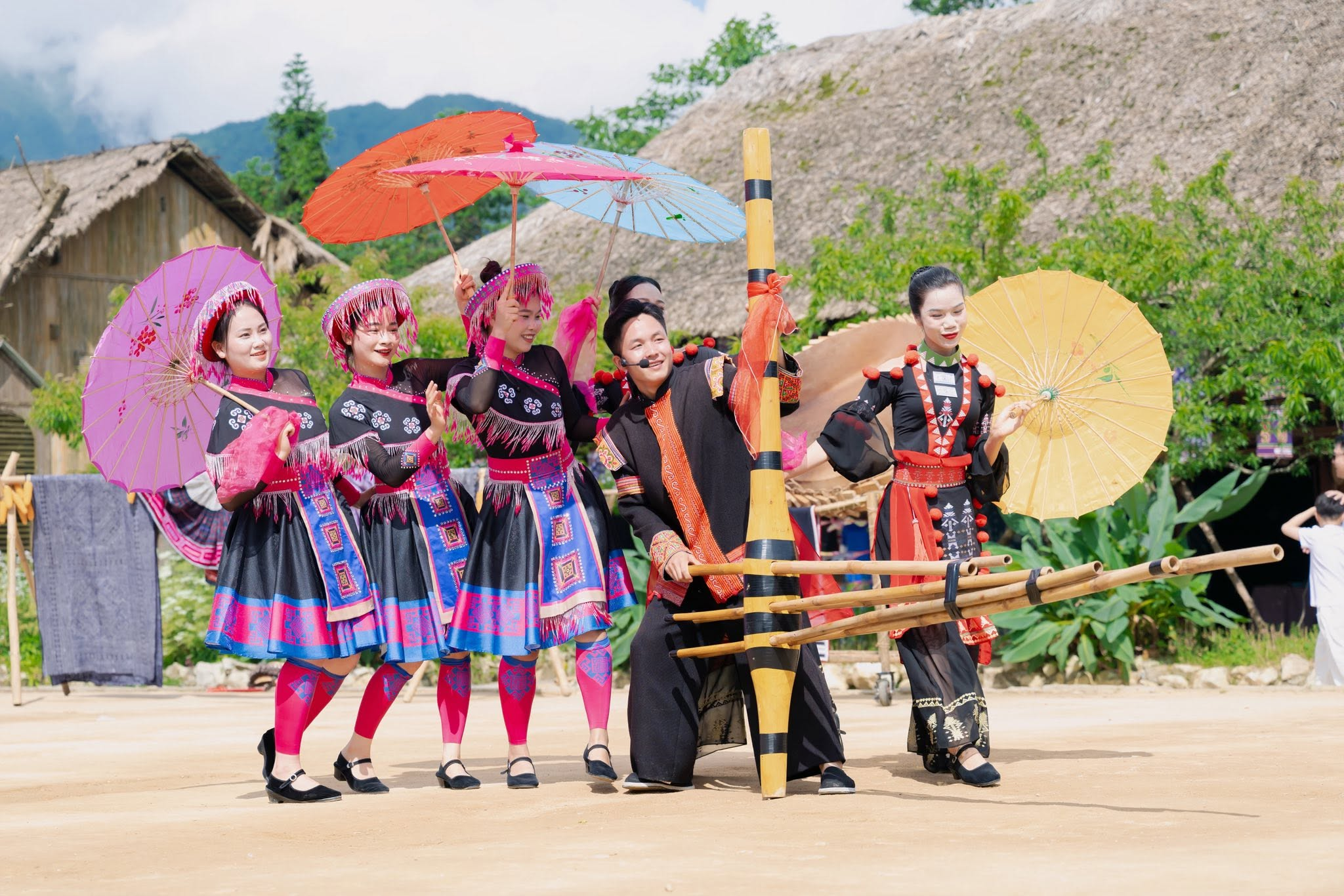
Traditional activities are authentically recreated at May Village Fansipan (Source: Collected)
What makes a village tour particularly rewarding is the opportunity to experience Sapa at a slower pace. Instead of simply visiting famous viewpoints, travellers can follow rural paths, explore traditional houses, meet local residents and learn about the cultural heritage passed down through generations. Depending on the route, visitors may also have opportunities to discover local textiles, handicrafts and regional cuisine, adding authentic cultural experiences to their journey.
A Sapa village tour can also be tailored to different travel preferences and schedules. Short walking tours are suitable for visitors with limited time, while longer trekking routes allow travellers to explore deeper into the surrounding valleys and villages. Whether travelling independently, with family or as part of a guided tour, exploring Sapa’s villages offers an enriching way to combine breathtaking mountain scenery with meaningful encounters and a deeper understanding of northern Vietnam.
2. Best villages to explore on a Sapa village tour
2.1. May Village Fansipan
May Village Fansipan offers international travellers a convenient opportunity to discover the cultural character of Vietnam’s Northwest highlands while exploring the Fansipan area. Designed as a cultural space inspired by traditional mountain villages, May Village brings together distinctive architecture, local customs, traditional handicrafts and elements of everyday highland life. Visitors can stroll through the village-style setting, admire traditional houses and learn more about the cultural heritage of ethnic communities in northern Vietnam, making it a meaningful addition to a Sapa village tour.
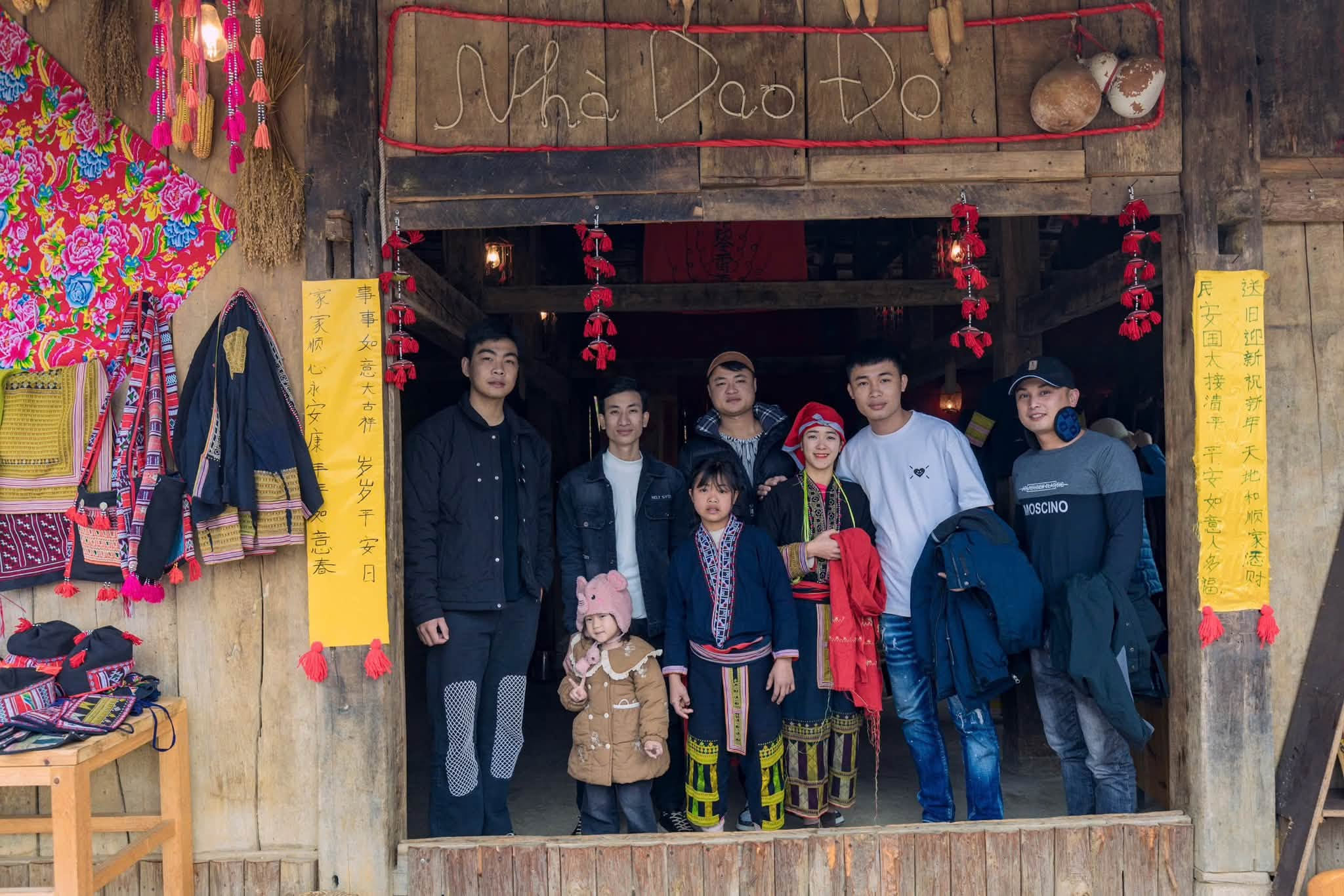
Visitors explore a Red Dao house in May Village (Source: Collected)
Beyond cultural discovery, May Village Fansipan provides opportunities to experience the flavours and atmosphere of the Northwest. Travellers can explore local specialities, discover traditional crafts and capture photographs in a setting surrounded by the dramatic mountain scenery of Sapa. Its location also makes it convenient to combine with a Fansipan adventure, allowing visitors to experience the natural grandeur of the “Roof of Indochina” alongside the cultural richness of the region. For international travellers, this combination creates a more comprehensive Sapa village tour, bringing together scenery, culture and local experiences in one journey.
2.2. Cat Cat Village
Cat Cat Village is one of the most accessible destinations for travellers looking to experience the cultural character of Sapa. Located in a scenic valley surrounded by mountains, the village is associated with the Hmong community and offers visitors opportunities to discover traditional houses, handicrafts and local customs. The route through the village also features streams, small waterfalls, rice terraces and mountain viewpoints, creating a varied experience that combines cultural discovery with the natural beauty of the Northwest highlands.
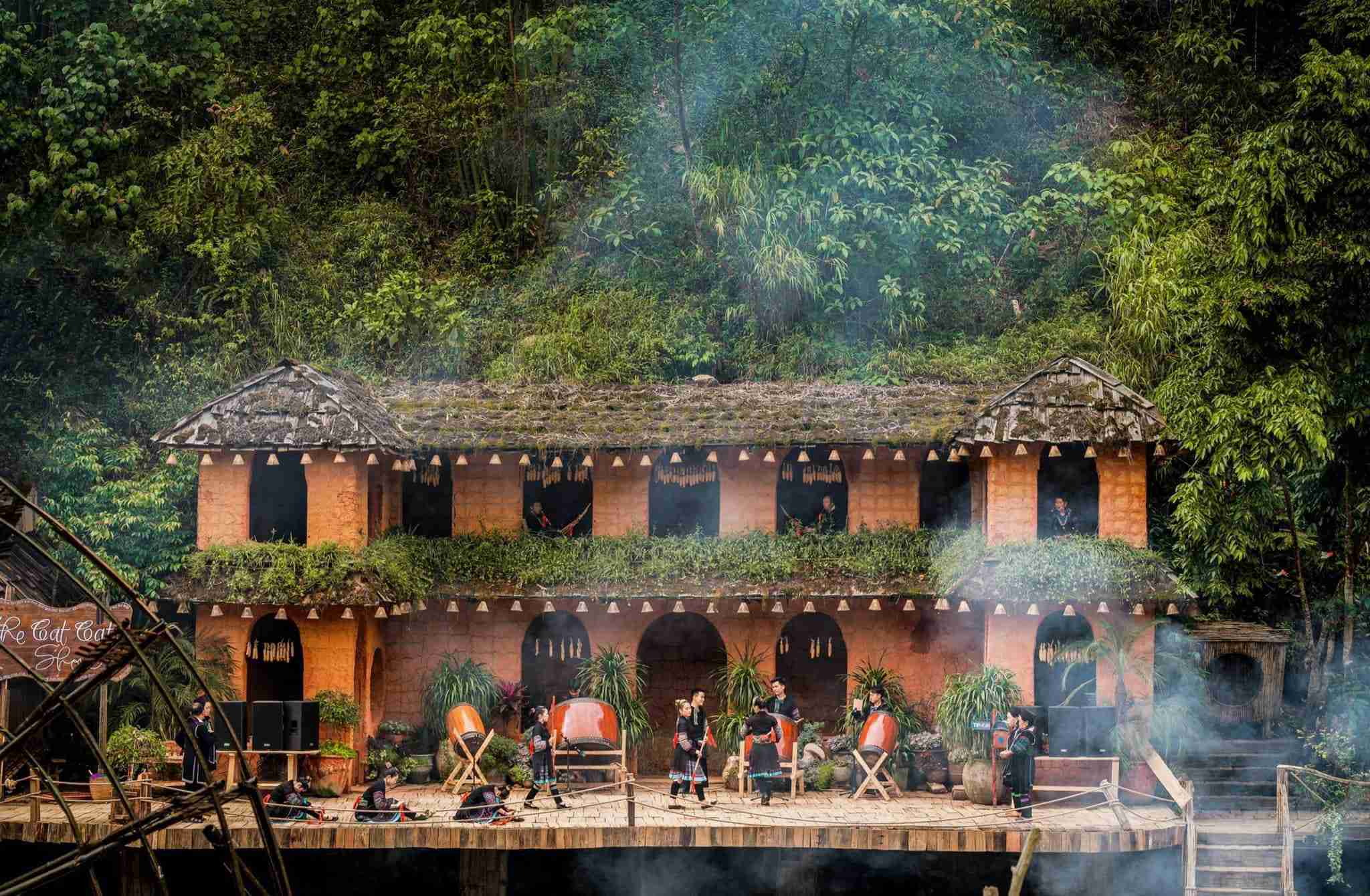
The peaceful scenery of Cat Cat Village (Source: Collected)
For international visitors, Cat Cat can be a convenient choice for a first Sapa village tour, particularly for those with limited time. Travellers can walk along the village paths, observe traditional craft-making and learn more about local life while enjoying the surrounding scenery. The relatively accessible route makes it suitable for visitors who want a taste of Sapa’s village culture without committing to a full-day trek.
2.3. Ta Van Village
Located deeper in the Muong Hoa Valley, Ta Van Village offers a quieter experience surrounded by terraced rice fields, mountains and traditional homes. The village is home to several ethnic communities, including the Giay people, and provides an opportunity to discover a different aspect of the cultural diversity found around Sapa. Walking through the valley allows travellers to observe rural life at a slower pace, with traditional houses and farming landscapes creating a strong connection between the community and its natural surroundings.
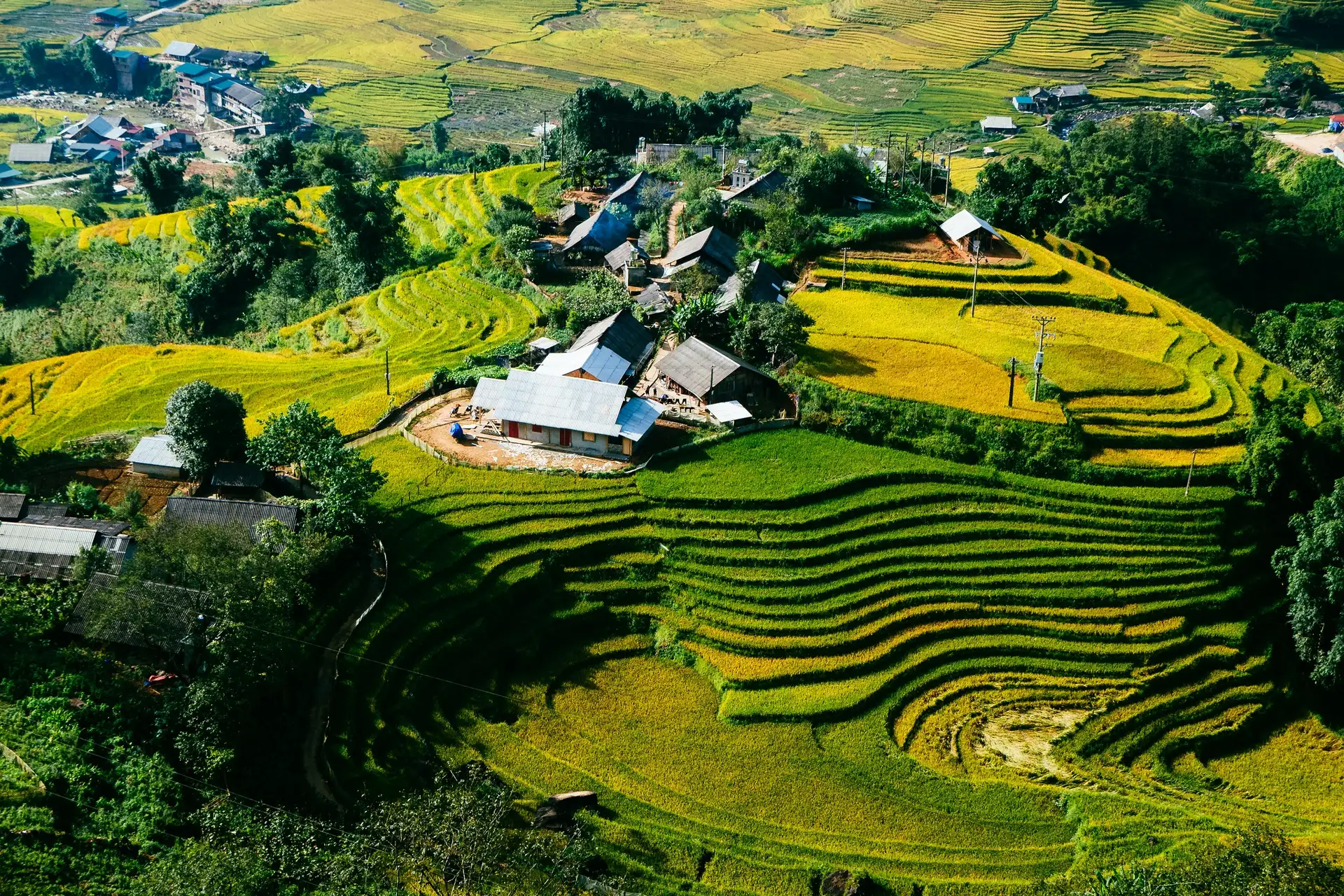
The picturesque natural beauty of Ta Van Village (Source: Collected)
A visit to Ta Van is particularly rewarding for travellers who want to combine cultural exploration with trekking. The paths leading towards the village pass through terraced fields and mountain scenery, making the journey as memorable as the destination itself. For international visitors seeking a more immersive Sapa village tour, spending time in Ta Van can provide a deeper appreciation of the region’s landscapes, traditions and peaceful rural atmosphere.
2.4. Lao Chai Village
Lao Chai Village is another popular stop for travellers exploring the villages around Sapa, particularly those interested in dramatic mountain landscapes and terraced rice fields. Located along the Muong Hoa Valley, the village is surrounded by layers of rice terraces stretching across the hillsides, creating some of the most recognisable scenery in northern Vietnam. Depending on the season, the terraces can appear vibrant green or turn golden during harvest, giving visitors a constantly changing view of the valley.
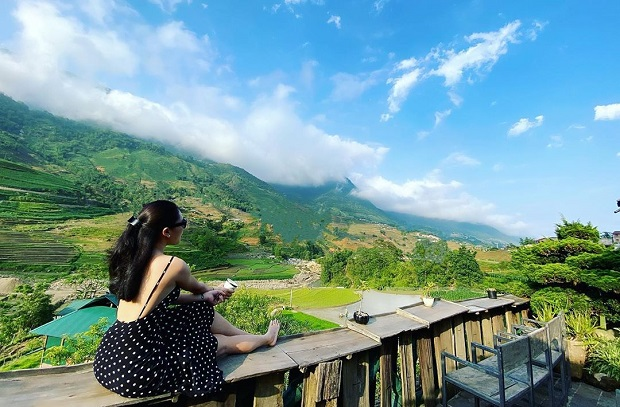
Visitors immerse themselves in nature at Lao Chai Village (Source: Collected)
Exploring Lao Chai on foot allows travellers to experience the landscape at a slower pace while observing local homes, farms and everyday activities along the way. The village is often included in trekking routes connecting different communities across the Muong Hoa Valley, making it easy to combine with Ta Van and other nearby destinations. For a Sapa village tour, this combination of expansive scenery and cultural encounters makes Lao Chai a particularly rewarding destination for international travellers.
Đoạn 3 có thể tập trung vào cách trải nghiệm làng bản hiệu quả, phù hợp với khách quốc tế và bổ sung góc nhìn về trekking, văn hóa và thời gian tham quan.
3. Tips for planning a Sapa village tour
3.1. Choose a route that matches your travel style
When planning a Sapa village tour, travellers should consider the type of experience they want and the amount of time available. Those looking for a convenient introduction to Northwest culture can combine May Village Fansipan with a visit to Fansipan, while travellers who enjoy walking and nature can choose longer routes through the valleys and traditional villages around Sapa. Each route offers a different perspective, from cultural experiences and local architecture to terraced rice fields and mountain scenery.
International visitors should also consider their fitness level and the weather when choosing a trekking route. Some village paths can involve uneven surfaces, steep sections and changing terrain, particularly during rainy periods. A comfortable pair of walking shoes, lightweight clothing and sufficient drinking water can make the experience more enjoyable. Choosing a route that allows enough time to stop, take photographs and interact with local communities is often more rewarding than trying to visit too many places in a single day.
3.2. Visit during the most scenic seasons
The scenery around Sapa’s villages changes dramatically throughout the year, making the timing of a Sapa village tour an important consideration. During the rice-growing season, terraced fields are covered in vibrant shades of green, creating a striking contrast with the surrounding mountains. Around harvest season, the terraces gradually turn golden, offering a completely different landscape and some of the most photogenic views in the region. The cooler months can bring mist and clouds to the valleys, creating a peaceful and atmospheric setting for village exploration.
Weather conditions can also influence the trekking experience, so travellers should check the forecast before setting out and remain flexible with their plans. Early mornings often provide pleasant temperatures for walking, while starting earlier can also help visitors enjoy quieter trails and softer natural light for photography. By choosing a suitable season and allowing enough time for the journey, international travellers can make their Sapa village tour both comfortable and memorable.
3.3. Respect local culture and communities
A Sapa village tour is not only about discovering beautiful landscapes but also about experiencing communities with their own traditions, customs and ways of life. International visitors should approach local villages respectfully by asking permission before photographing people, dressing appropriately when visiting cultural spaces and avoiding behaviour that could disrupt everyday activities. Purchasing locally made handicrafts directly from artisans can also be a meaningful way to support the communities while taking home a unique souvenir from northern Vietnam.
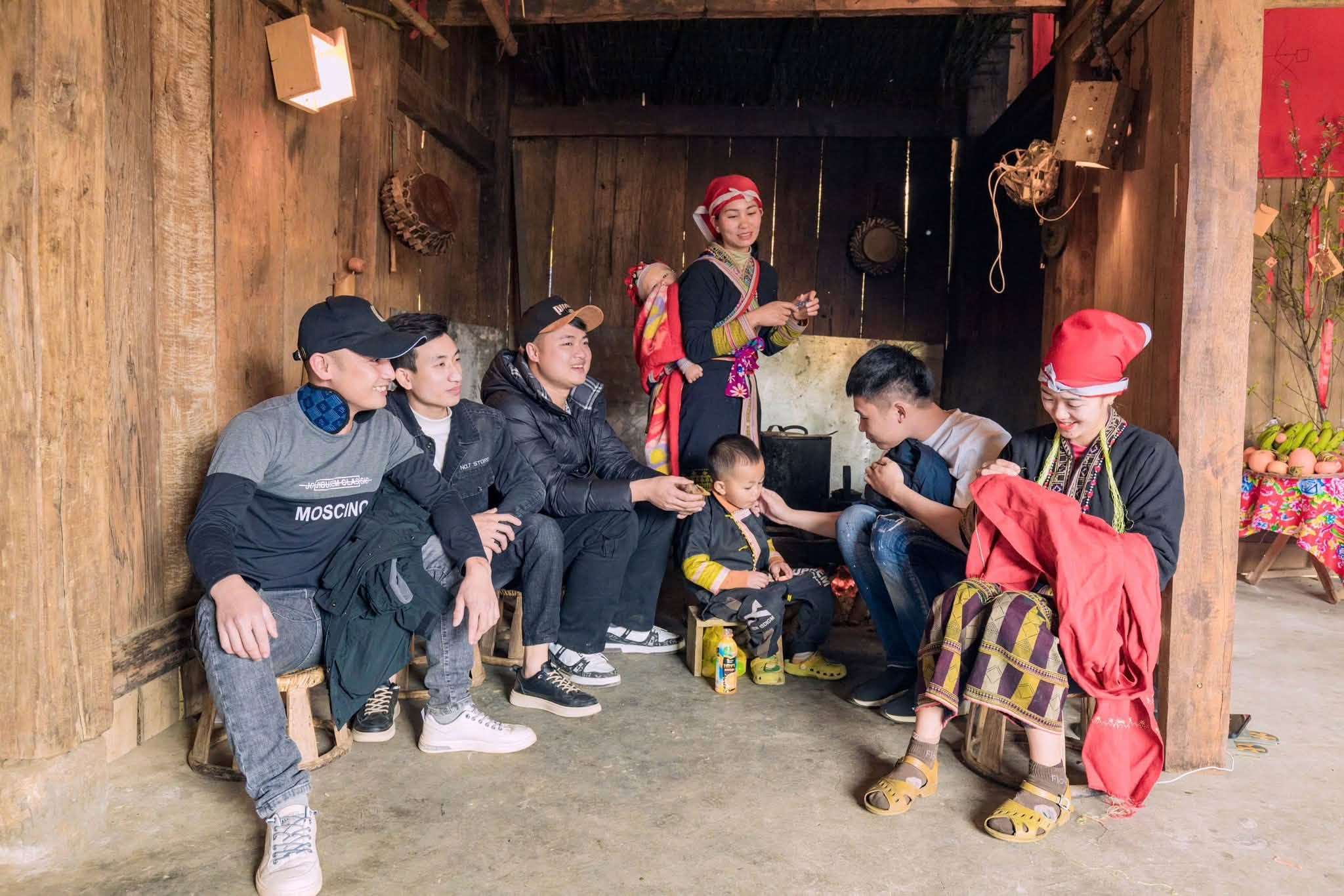
Visitors should respect local culture when visiting villages. (Source: Collected)
Travellers are encouraged to approach village visits as opportunities to learn rather than simply as sightseeing stops. Taking time to listen to local stories, observe traditional crafts and understand the significance of customs can make the experience much more meaningful. A respectful and open-minded approach allows visitors to enjoy the beauty of Sapa while contributing to a more positive and responsible form of cultural tourism.
4. Suggest one-day itinerary explore May Village and Fansipan
-
Morning – Discover May Village Fansipan
Start the day by travelling from Sapa town towards the Fansipan area and exploring May Village Fansipan in the morning. Designed as a cultural space inspired by traditional Northwest mountain villages, May Village offers visitors an opportunity to discover distinctive local architecture, traditional handicrafts and cultural elements associated with ethnic communities in northern Vietnam. Take a leisurely walk through the village-style setting, capture photographs and learn more about the cultural heritage of the region.
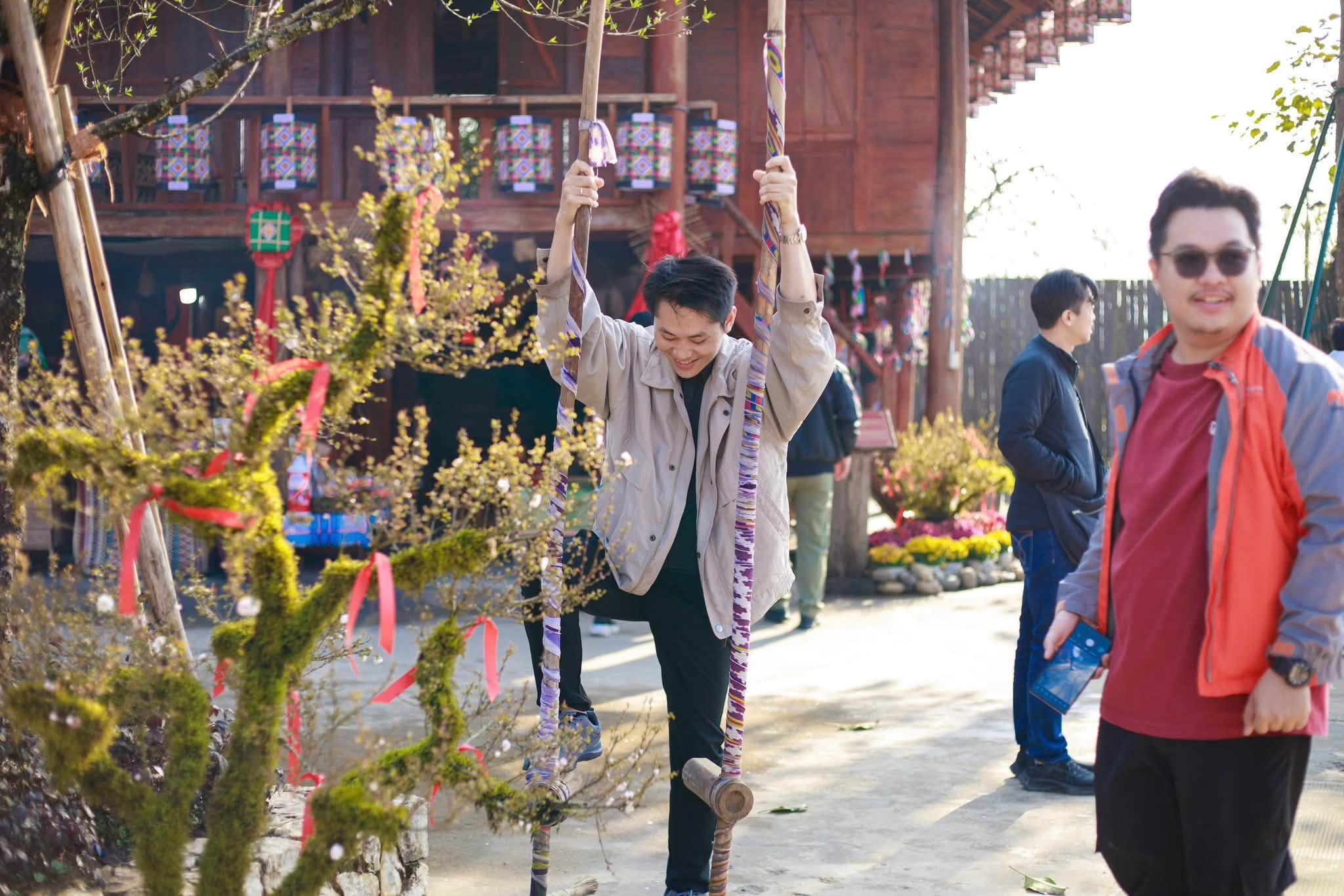
Visitors enjoying the experience at May Village (Source: Collected)
The morning is also a good time to experience the atmosphere at a relaxed pace before heading up the mountain. International travellers can explore traditional houses, discover local crafts and enjoy the surrounding scenery while gaining a deeper understanding of the culture behind Sapa’s mountain communities. Allowing around two to three hours for May Village provides enough time to explore without making the itinerary feel rushed.
- Noon – Enjoy Northwest flavours
Around midday, take a break to enjoy lunch and discover the flavours of Vietnam’s Northwest highlands. May Village Fansipan provides an opportunity to experience regional cuisine and sample dishes inspired by the local culinary traditions. A meal featuring highland ingredients offers a chance to recharge before continuing the journey to Fansipan in the afternoon.
- Afternoon – Journey to the summit of Fansipan
In the afternoon, continue the journey to Fansipan by taking the cable car above the Hoang Lien Son mountain range. During the ride, travellers can admire panoramic views of forests, valleys and rugged mountain slopes from above. The changing landscape creates a memorable transition from the cultural experience at May Village to the spectacular natural scenery of Fansipan.

The poetic natural scenery atop Fansipan (Source: Collected)
At the summit, visitors can explore the mountain complex, admire the surrounding peaks and valleys and capture photographs at 3,143 metres above sea level. Depending on weather conditions, the summit may offer expansive views across the mountains or an atmospheric experience surrounded by clouds and mist. Allowing several hours for Fansipan ensures enough time to explore without having to rush back down the mountain.
- Evening – Return to Sapa and relax
After exploring Fansipan, return to Sapa in the late afternoon or early evening. Travellers can spend the rest of the day at their own pace, whether enjoying dinner at a local restaurant, visiting a coffee or simply relaxing at their accommodation after a full day of sightseeing. The cooler evening atmosphere provides a pleasant way to wind down after exploring the mountains.
Combining May Village Fansipan with Fansipan makes a Sapa village tour an ideal choice for travellers who want to experience more than the usual attractions in Sapa. With cultural exploration in the morning, local flavours at noon and a scenic journey to the summit in the afternoon, the itinerary offers a well-balanced introduction to the landscapes and heritage of Vietnam’s Northwest highlands.