




1. Overview of Fansipan trekking in summer
Fansipan trekking summer is one of the most challenging and rewarding outdoor experiences in Northern Vietnam, attracting travelers who want to explore the highest mountain in Indochina at a deeper, more adventurous level. Unlike taking the cable car, trekking Fansipan offers a completely different journey where every step reveals changing ecosystems, cooler mountain air, and dramatic highland landscapes.
In summer, the trekking routes are covered with lush greenery, dense forests, and occasional mist that moves quickly through the Hoang Lien Son mountain range. The weather is generally more stable than in the rainy season’s peak months, but conditions can still change suddenly, shifting from sunshine to fog or light rain. This makes Fansipan trekking summer both scenic and unpredictable, requiring good preparation and physical endurance.
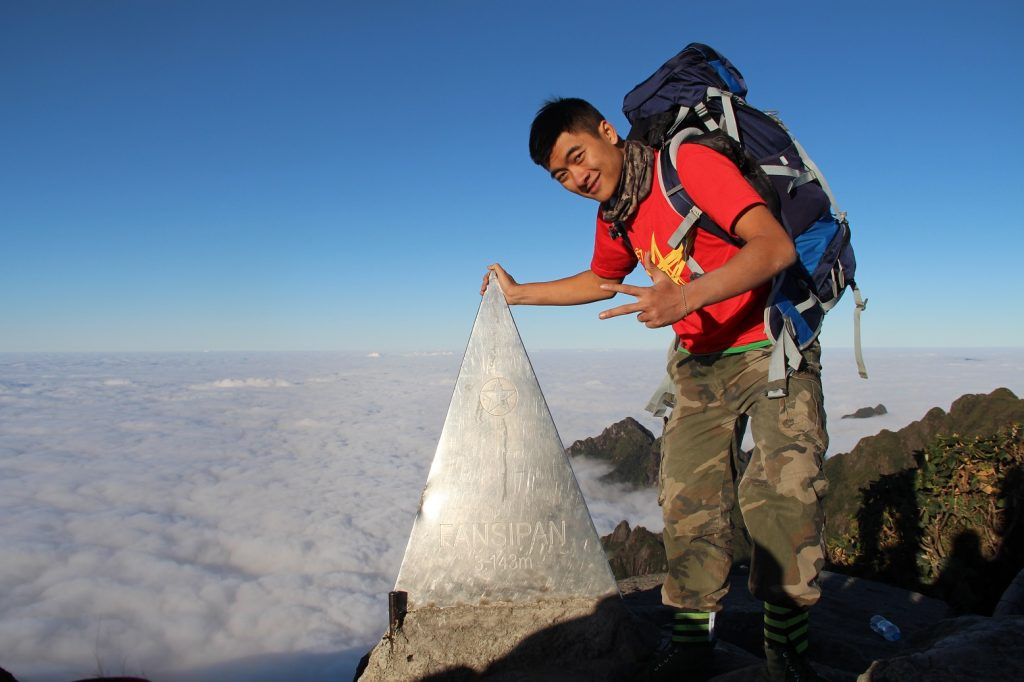
Tourists successfully conquered Fansipan peak after a challenging trekking journey
The trekking experience usually takes you through a variety of terrains, including forest trails, rocky paths, and steep ascents. Along the way, hikers can encounter rich biodiversity, from bamboo forests to ancient trees and unique mountain flora that thrive in the cool high-altitude climate. These natural elements make the journey as impressive as the destination itself.
Overall, Fansipan trekking summer is not just about reaching the summit at 3,143 meters, but about experiencing the transformation of landscapes, climate, and atmosphere along the way. It is a journey that combines physical challenge with natural beauty, offering a deeper appreciation of Sa Pa’s mountainous environment.
2. What to expect on Fansipan trekking summer routes
2.1. Challenging mountain terrain with continuous elevation gain
On a Fansipan trekking summer route, one of the first things travelers will notice is the consistently steep and demanding terrain. Unlike casual hiking trails, the path to Fansipan is built on natural mountain slopes, meaning there are long sections of continuous ascent without many flat resting areas.
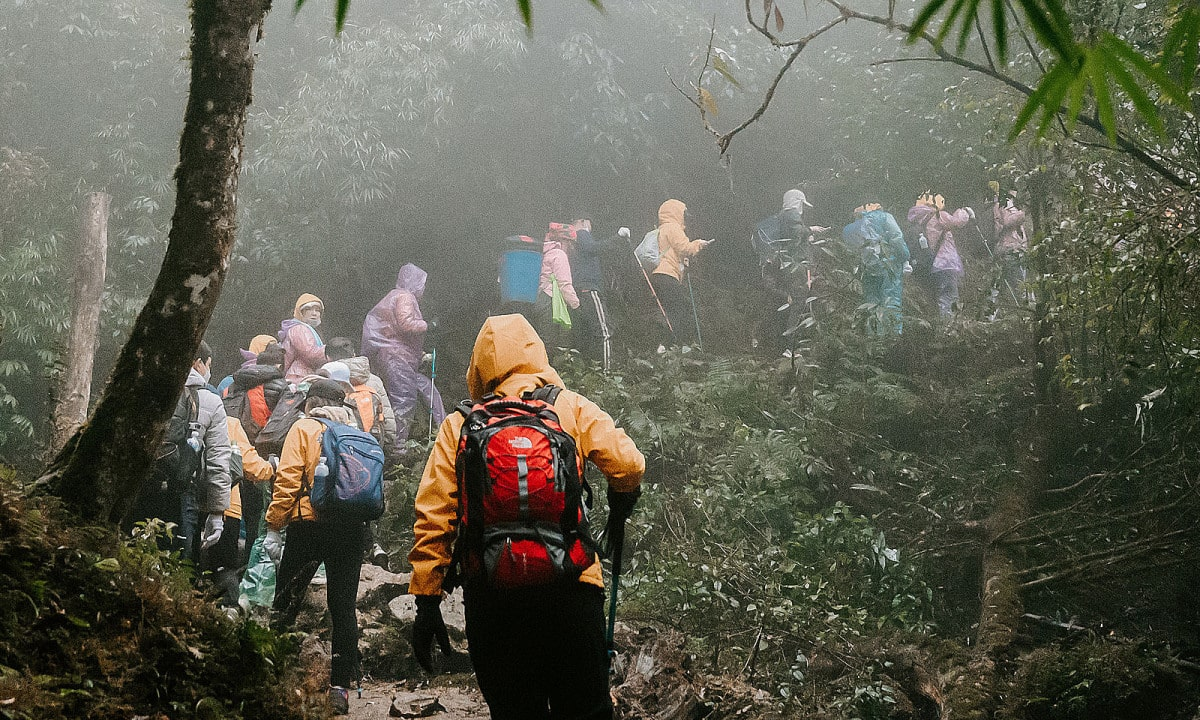
Fansipan is renowned as one of the most challenging trekking routes in Northern Vietnam
The trail often includes forest steps, rocky paths, and uneven ground that requires careful footing, especially after summer rain. Even experienced hikers may find certain sections physically demanding, so pacing yourself and taking short breaks is essential to maintain energy throughout the journey.
2.2. Rapid weather changes from forest base to high altitude zones
A defining feature of Fansipan trekking summer is how quickly the weather changes as you gain altitude. At the lower starting points, conditions may feel warm and humid, with dense forest cover blocking direct sunlight.
However, as you climb higher, temperatures drop noticeably and mist often begins to appear. Clouds can move in suddenly, reducing visibility and creating a cool, damp atmosphere. These quick transitions make the trek both unpredictable and visually dramatic, adding to the sense of adventure.
2.3. Diverse ecosystems along the trekking route
Another highlight of Fansipan trekking summer is the variety of ecosystems encountered during the climb. The lower forest sections are rich with bamboo groves, tall trees, and thick vegetation that create a shaded, green environment.
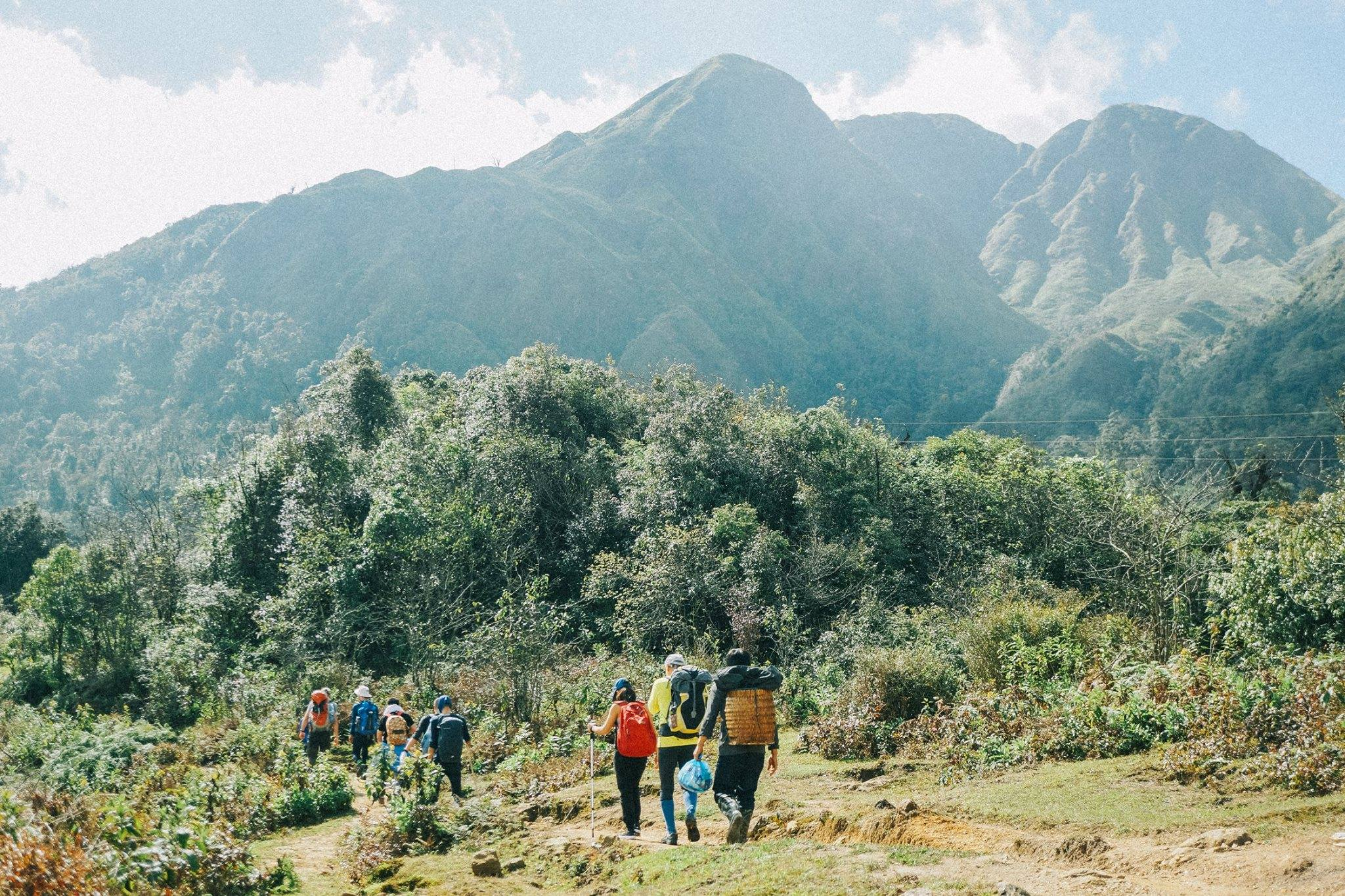
Visitors can admire the diverse natural ecosystem in Sa Pa while trekking Fansipan
As you move higher, the landscape gradually changes into moss-covered rocks, smaller shrubs, and wind-shaped vegetation adapted to high altitude conditions. This natural progression allows trekkers to experience multiple ecological zones in a single journey, making the route feel like a living natural exhibition.
2.4. Physical endurance requirements and pacing strategy
A Fansipan trekking summer experience requires a good level of physical endurance, as the climb involves long hours of walking uphill with limited flat terrain. The difficulty is not extreme climbing, but rather sustained effort over time.
Because of this, pacing is extremely important. Most trekkers naturally slow down to adjust to altitude changes and fatigue. Along the way, there are natural stopping points such as forest clearings and viewpoints where hikers can rest, hydrate, and take in the scenery before continuing toward higher sections.
2.5. Scenic rewards and changing views throughout the journey
Despite the physical challenge, one of the most rewarding aspects of Fansipan trekking summer is the constantly changing scenery. Unlike reaching a destination quickly by cable car, trekking allows you to gradually experience the mountain from base to summit.
Views shift from dense green forests to open ridgelines and eventually mist-covered highlands where clouds often drift through the peaks. These evolving landscapes make every stage of the journey visually rewarding, giving trekkers a strong sense of achievement as they move closer to the summit.
3. Essential preparation for Fansipan trekking summer
3.1. Proper trekking gear for safety and long-distance comfort
A successful Fansipan trekking summer experience starts with the right gear, because the route is long, uneven, and often affected by summer humidity and rain. The most important item is a pair of high-quality trekking shoes with strong grip, as the trail includes slippery rocks, forest roots, and steep ascents that can become challenging after rainfall.
Tourists should prepare all necessary mountaineering equipment to ensure a safe trekking trip
A well-fitted backpack is equally important. It should be lightweight but large enough to carry water, snacks, a rain jacket, and basic personal items. Many trekkers also use trekking poles to reduce pressure on the knees and improve balance, especially during long downhill sections where fatigue can build up quickly.
Small details also matter—quick-dry socks, a headlamp (if starting early or finishing late), and waterproof covers for your backpack can significantly improve comfort during a Fansipan trekking summer journey.
3.2. Layered clothing strategy for unpredictable mountain weather
Clothing choice plays a major role in how comfortable your Fansipan trekking summer experience will be. Unlike city travel, where one outfit may be enough for the whole day, mountain trekking requires adaptability due to rapid temperature and humidity changes.
A breathable base layer helps manage sweat during continuous climbing. On top of that, a light fleece or warm mid-layer is essential for higher elevations where temperatures drop noticeably. The outer layer should be windproof and waterproof to protect against sudden rain or strong mountain winds.
Another important consideration is avoiding heavy cotton clothing, which absorbs moisture and becomes uncomfortable during long hikes. Instead, quick-drying materials are recommended to ensure comfort throughout the entire Fansipan trekking summer route.
3.3. Hydration strategy, nutrition, and energy control
One of the most overlooked aspects of Fansipan trekking summer preparation is proper hydration and energy management. Because the trek involves long hours of physical effort, the body loses water faster than many travelers expect, especially in humid summer conditions.
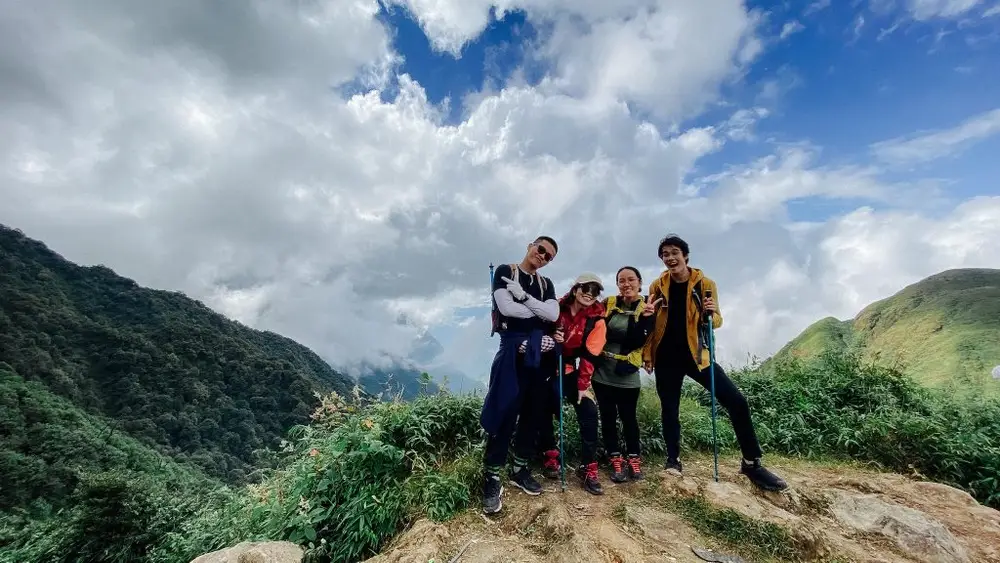
Travelers should pack extra energy-boosting foods to ensure they have enough stamina for the entire trip
Carrying enough water is essential, and it is better to drink small amounts regularly rather than waiting until you feel thirsty. Electrolyte drinks can also help maintain energy levels during long ascents.
Light, high-energy snacks such as nuts, chocolate, energy bars, or dried fruits are ideal for quick breaks along the trail. Since food options are limited on the mountain, bringing your own supplies ensures that you can maintain stamina throughout the entire Fansipan trekking summer journey without energy drops.
3.4. Physical conditioning and mental endurance preparation
Although Fansipan trekking summer does not require professional climbing skills, it still demands a reasonable level of physical fitness. The trek involves continuous uphill walking, sometimes lasting several hours without long flat resting sections.
Before the trip, light cardio training such as walking, jogging, or stair climbing can help improve endurance. However, mental preparation is just as important as physical fitness. Many trekkers find the journey challenging not because of technical difficulty, but due to sustained effort over time.
Maintaining a steady pace, taking breaks when needed, and focusing on progress rather than speed can make the experience more enjoyable. A calm and patient mindset is key to successfully completing a Fansipan trekking summer adventure.
3.5. Weather awareness, timing strategy, and safety planning
Weather conditions in Sa Pa can change quickly, making awareness a crucial part of Fansipan trekking summer preparation. Even in summer, trekkers may encounter fog, rain, or sudden drops in visibility, especially at higher altitudes.
Starting the trek early in the morning is highly recommended to avoid afternoon weather changes and to maximize visibility during the climb. Checking weather forecasts before departure helps in choosing the best day for trekking, although flexibility is always necessary.
Safety should always be prioritized—staying on marked trails, following guide instructions if available, and avoiding risky shortcuts are essential practices. Understanding that mountain weather is unpredictable allows trekkers to adapt more easily and enjoy the journey with fewer concerns during their Fansipan trekking summer experience.
4. Post-summit experiences after conquering Fansipan
Reaching the summit of Fansipan is not the end of the journey—it is actually where some of the most memorable experiences begin. After completing a Fansipan trekking summer adventure, travelers can enjoy a completely different atmosphere at the top, where altitude, climate, and spiritual elements combine to create a unique high-mountain experience.
4.1. Enjoying the summit milestone at 3,143 meters
One of the first things to do after finishing a Fansipan trekking summer climb is to take time at the iconic 3,143-meter summit landmark. This is the highest point in Indochina, and standing here gives a strong sense of achievement after hours of trekking through forests, slopes, and changing weather conditions.
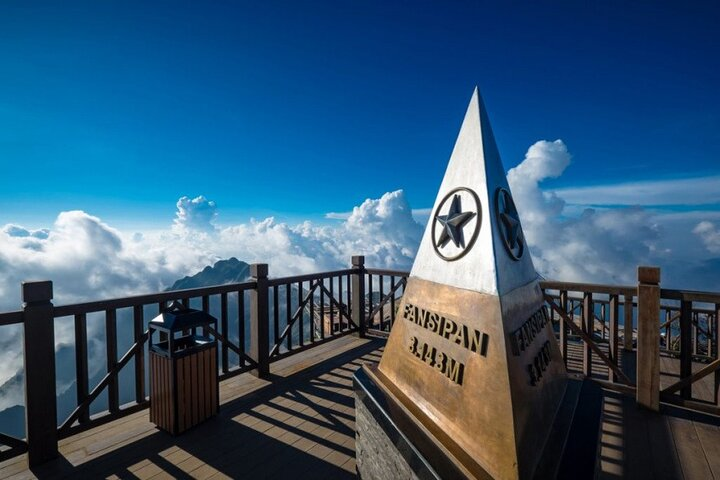
The 3,143m marker is a must-see check-in point when visiting Fansipan
The air at the summit is noticeably cooler and fresher compared to lower elevations. Many travelers pause here to rest, take photos, and simply absorb the feeling of being “above the clouds.” Depending on the weather, you may see clear mountain ranges stretching into the distance or a thick layer of clouds moving slowly beneath the peak, creating a surreal high-altitude atmosphere.
4.2. Experiencing the sea of clouds from above
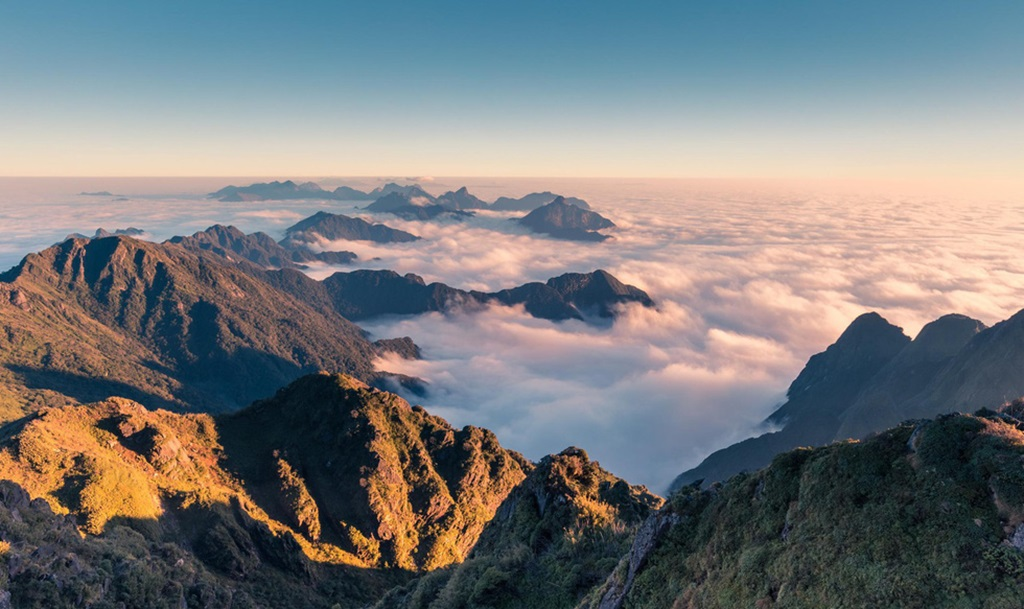
After completing Fansipan trekking summer, one of the most magical rewards is the chance to witness the sea of clouds phenomenon. At certain times of the day, especially early morning or after rainfall, dense white clouds gather below the summit, covering valleys and ridges like a soft ocean.
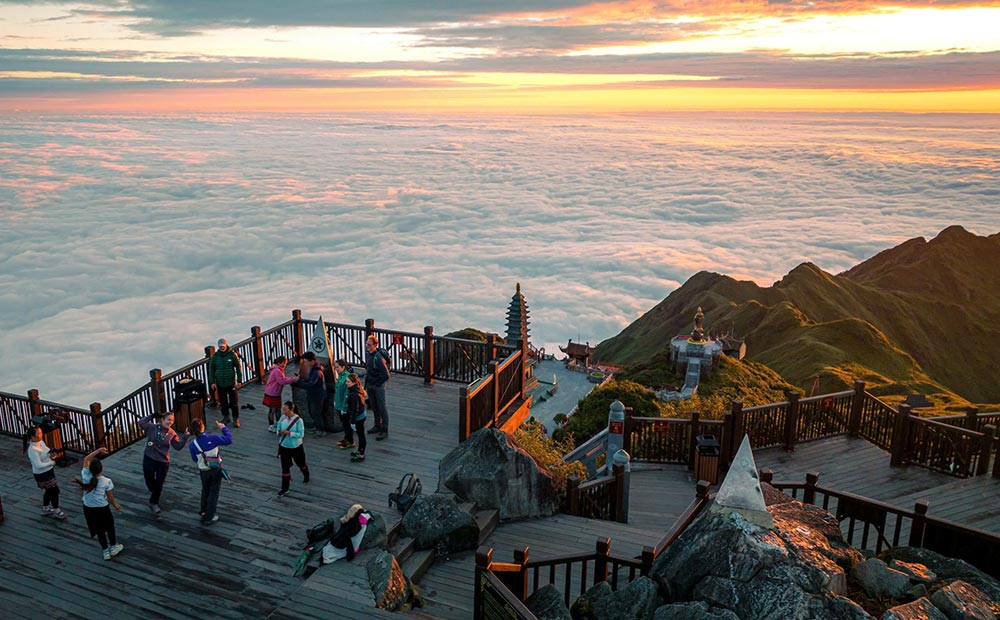
Tourists admire the sea of clouds atop Fansipan peak
Standing above this cloud layer creates a rare visual experience where the mountains appear like isolated islands floating in the sky. The constantly shifting shapes of the clouds make the scenery feel alive, and no two moments look the same. For many trekkers, this is the highlight of the entire journey and the most rewarding part of reaching the top.
4.3. Exploring the spiritual complex at the summit
Beyond natural scenery, the summit area also features a large spiritual and cultural complex that many travelers explore after their Fansipan trekking summer climb. The area includes Buddhist pagodas, statues, and sacred architectural structures designed to blend harmoniously with the mountain landscape.
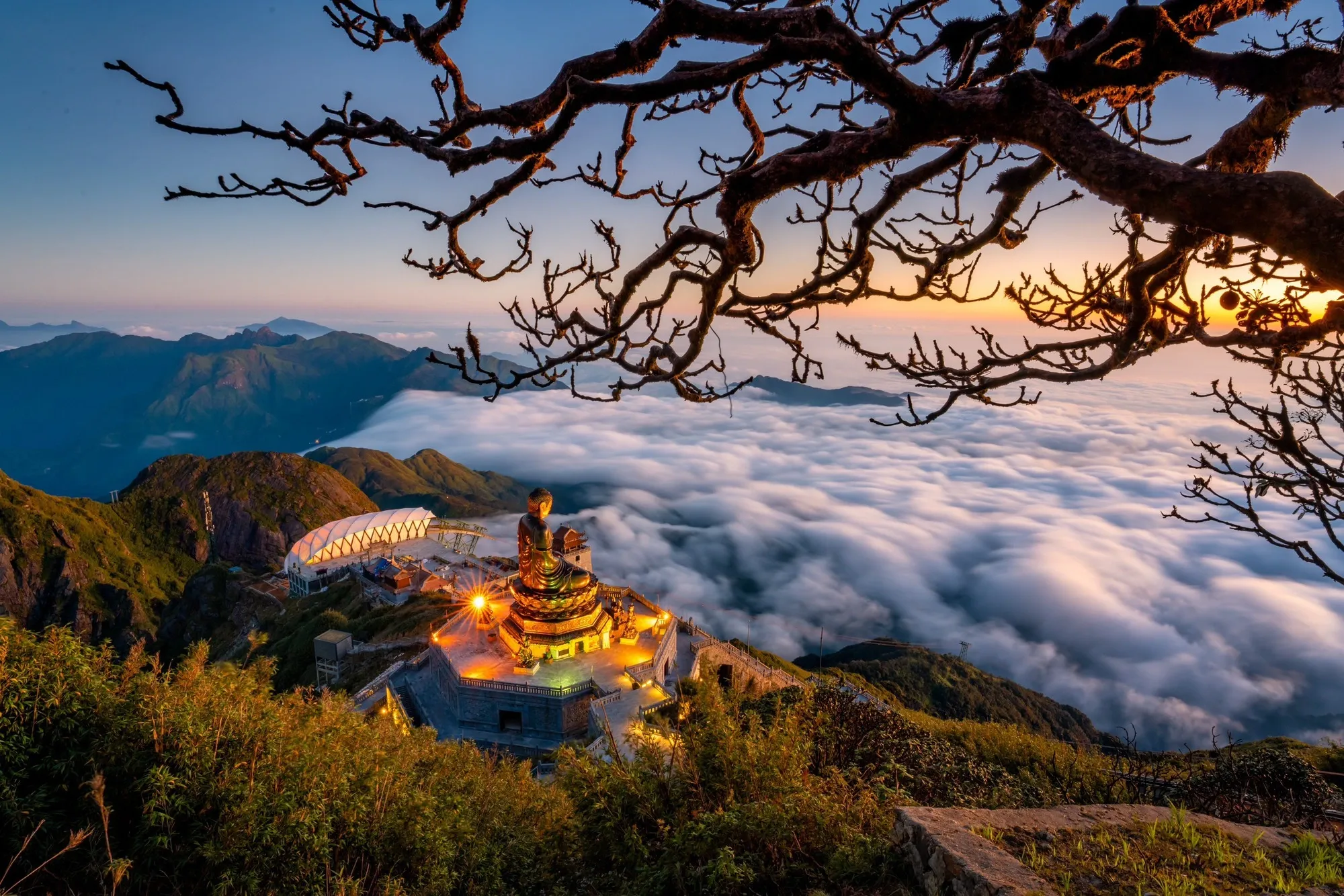
A corner of the sacred spiritual complex at Fansipan
Walking through this space offers a peaceful contrast to the physical challenge of trekking. The quiet atmosphere, combined with cool mountain air and drifting mist, creates a reflective environment where visitors can slow down, rest, and appreciate the spiritual significance of the location.
4.4. Capturing final panoramic moments before descent
Before leaving the summit, many travelers take time for one last look at the landscape after completing Fansipan trekking summer. This final moment is often when the weather shifts again, offering a last chance to capture dramatic lighting, cloud movement, or sudden breaks of sunlight. These closing views often feel different from earlier moments at the summit because they mark the end of the journey. Whether the sky is clear or fully covered in mist, this final pause allows trekkers to reflect on the entire experience, making the achievement feel complete and deeply memorable.
Completing a Fansipan trekking summer adventure is a rewarding milestone that goes beyond physical achievement. The combination of natural scenery, cool mountain air, and spiritual atmosphere creates a final experience that perfectly balances effort and reward. For many travelers, this post-summit exploration becomes the most memorable part of their entire journey in Sa Pa.


