




1. Overview of Bat Nha Pagoda
1.1. Where is Bat Nha Pagoda located?
Bat Nha Pagoda is located at 176 Trieu Nu Vuong Street, Hai Chau Ward, Da Nang City. This is the central area of the city, densely populated and with convenient transportation. Thanks to this location, traveling to Bat Nha Pagoda is quite easy, whether starting from Da Nang airport, the train station, or coastal tourist areas. From major roads such as Nguyen Van Linh, Hung Vuong, or Tran Phu, it only takes visitors a few minutes to reach the pagoda grounds.
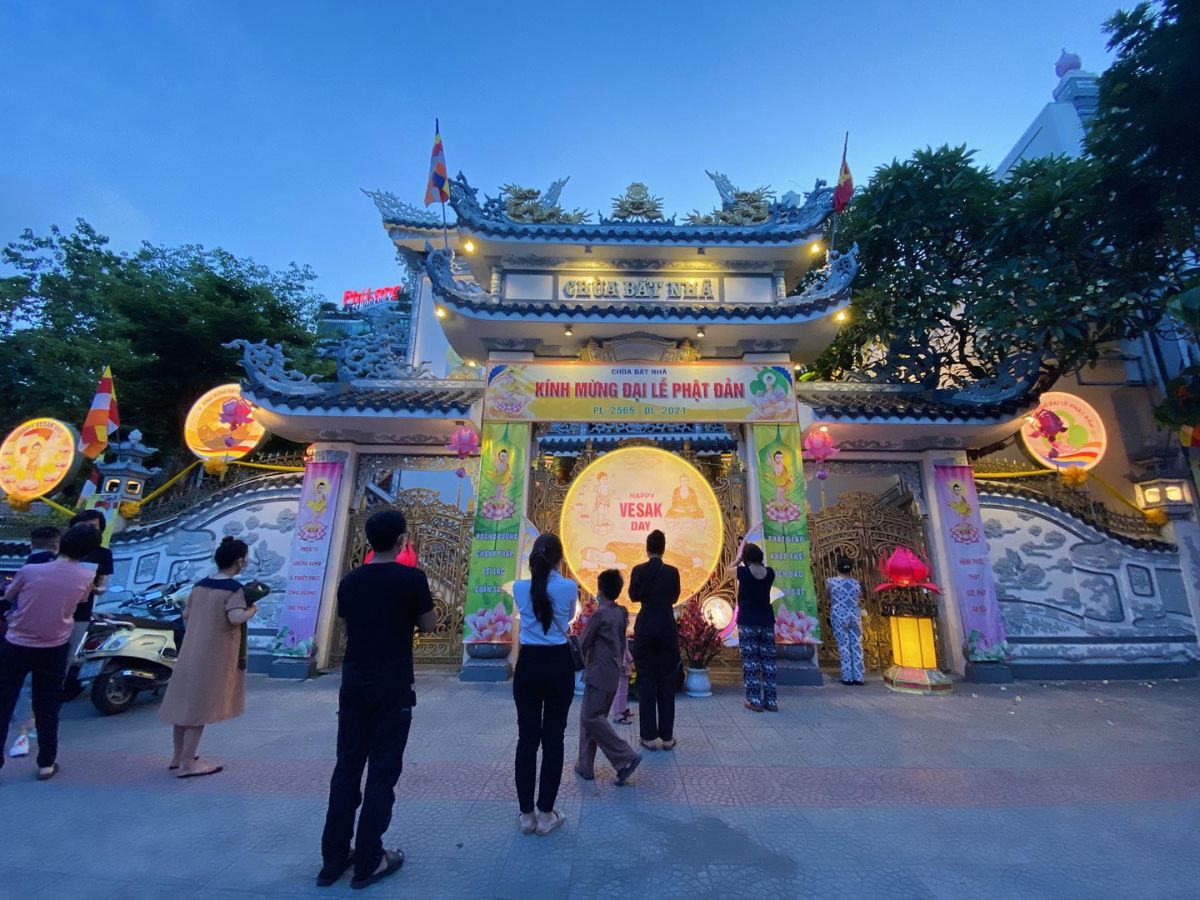
Bat Nha Pagoda is visited by many locals and tourists for worship. (Source: Collected)
Despite being located amidst the vibrant urban life, Bat Nha Pagoda still maintains a serene atmosphere, separate from the outside noise. This is precisely the special point that makes the pagoda a familiar place to visit for locals on holidays, full moon days, and the first day of the lunar month, and also a spiritual stop for tourists when visiting Da Nang. Its central location also helps the pagoda play an important role in the cultural and spiritual life of the Hai Chau area. Thanks to this, combining a visit to Bat Nha Pagoda with other famous tourist attractions such as Dragon Bridge, Da Nang Museum, or nearby shopping areas becomes very convenient and flexible in itineraries.
1.2. History of Bat Nha Pagoda's Formation
Bat Nha Pagoda is one of the oldest pagodas in the center of Da Nang city. The pagoda was founded in 1949 by Most Venerable Thich Chon, who founded it and served as its abbot in the early years. From its early stages, the pagoda became an important spiritual center for local Buddhists. Most Venerable Thich Chon also played a significant role in the restoration of the statue of Quan The Am Bodhisattva, a spiritual symbol associated with the belief in praying for peace and protection for all beings.
Throughout its existence and development, Bat Nha Pagoda has undergone many historical upheavals. War and natural conditions have had a significant impact on the pagoda's architecture and facilities. Faced with this reality, the pagoda and its followers have joined hands many times to renovate and restore to preserve the sacred space. Major renovation periods are recorded in the years 1970, 1991, 1997, 2001, and 2004. Each renovation aimed at restoring the structure, expanding the space, and enhancing the solemnity of the monastic sanctuary.
Despite undergoing numerous repairs, the ancient Buddha statues and the core spiritual values are still carefully preserved. This shows the respect for Buddhist traditions of many generations. Today, Bat Nha Pagoda is not only a familiar place of worship for the people of Hai Chau district but also a meaningful spiritual destination for tourists exploring the history and Buddhist culture of Da Nang.
1.3. Why Bat Nha Pagoda Attracts Tourists?
The attraction of Bat Nha Pagoda comes from the harmonious combination of spiritual values, architecture, and a rare serene atmosphere in the heart of Da Nang city. Although located in the central Hai Chau district, a vibrant area, the pagoda still maintains a peaceful and tranquil atmosphere. Upon entering the pagoda grounds, visitors can easily feel a sense of relaxation and peace, making it ideal for those seeking a gentle resting spot during their city exploration journey.
Besides the atmosphere, the architecture is also a factor that impresses many when visiting. The pagoda is built in a traditional Buddhist style, harmoniously combined with modern lines. The structure consists of two worship floors along with a spacious courtyard, with many trees planted creating a sense of closeness to nature. The solemn statue of Quan Am Buddha within the pagoda grounds is a highlight that attracts visitors to stop, worship, and take souvenir photos.
Not just a tourist spot, Bat Nha Pagoda also holds deep spiritual significance for the local people. This place frequently hosts ceremonies for peace, Buddhist ceremonies, and important Buddhist activities. These occasions attract a large number of Buddhists and tourists to attend, contributing to a solemn and warm atmosphere.
2. Directions to Bat Nha Pagoda
Getting to Bat Nha Pagoda is very convenient as the pagoda is located right in the center of Da Nang city. This is an easily accessible area from many directions, suitable for tourists visiting the city for the first time. If you are traveling by motorbike or private car, you can start from Da Nang center, following major roads like Tran Phu and then Nguyen Van Linh, continue turning onto Trieu Nu Vuong street to arrive. This method allows you to manage your time proactively and stop to explore the scenery along the way.
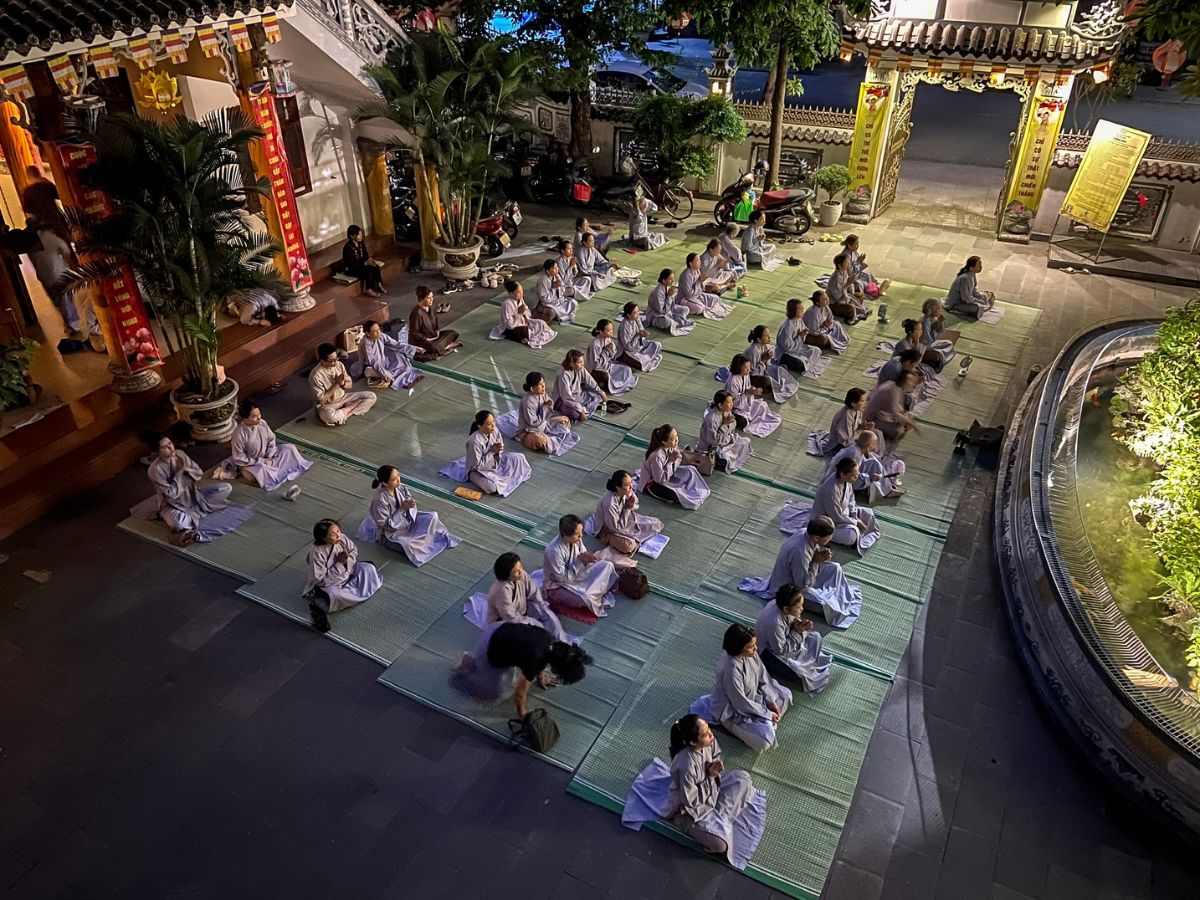
Visitors have many transportation options to the pagoda because the pagoda is located right in the city center. (Source: Collected)
Visitors unfamiliar with the route can also choose taxis or ride-hailing services like Grab. You just need to enter "Chua Bat Nha" or the specific address as the destination for the driver to take you directly to the pagoda entrance quickly and accurately. This is a suitable option when you have a lot of luggage or are traveling with family. Additionally, if you want to experience public transport, many city bus routes pass near the pagoda area. Visitors should ask the bus staff for guidance on the nearest drop-off point to Trieu Nu Vuong. Because the inner city area can be crowded during peak hours, you should depart early to avoid traffic jams. Visitors can also use online map applications to navigate accurately and update traffic conditions when traveling to the pagoda.
3. Discover the Architecture of Chua Bat Nha Pagoda
3.1. Unique Architecture of the Pagoda
From an architectural perspective, Chua Bat Nha Pagoda impresses with its harmony between traditional Vietnamese Buddhist style and a pure learning space in the spirit of Zen Buddhism. The overall pagoda is planned with a closed, balanced layout, using the main axis as the center guiding from the three-gate entrance to the main hall. The pagoda gate is designed simply but solemnly, with yin-yang tiled roofs, and restrained decorative details to enhance its elegant, unpretentious appearance. Stepping through the gate, the space opens up to a spacious pagoda courtyard, arranged with many trees and miniature landscapes, creating a sense of peace from the very first steps.
The main hall is the most outstanding architectural feature of Chua Bat Nha Pagoda, bearing the familiar appearance of Vietnamese pagodas with multi-tiered curved roofs and gracefully winding roof edges. The structural system primarily uses reinforced concrete combined with wood, ensuring durability while preserving traditional features. Inside the main hall, the worship space is arranged solemnly, with natural light optimally utilized through the system of doors and ventilation gaps, keeping the space airy and tranquil. Ancillary structures such as the lecture hall, monks' quarters, and living areas are arranged separately, ensuring tranquility for practice.
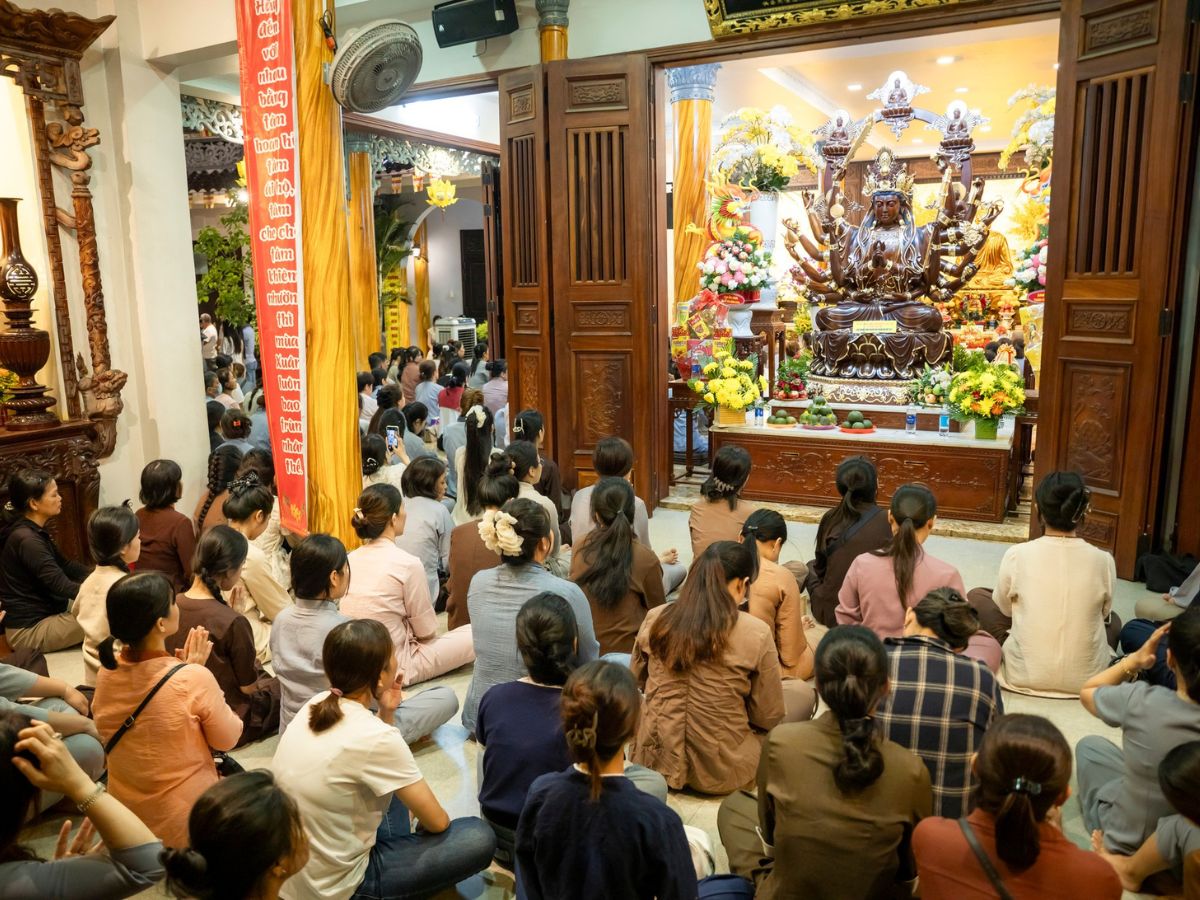
Inside the main hall of Bat Nha Pagoda Da Nang is designed in a solemn and exquisite style. (Source: Collected)
The architecture of Bat Nha Pagoda does not pursue grandeur but focuses on harmony, functionality, and spiritual value. The simplicity and meticulousness in every detail have contributed to creating an approachable Buddhist space, suitable for worship, sightseeing, and finding peace amidst urban life.
3.2. Notable spiritual structures within the pagoda
When exploring the architectural space of Bat Nha Pagoda, visitors will easily recognize the prominent spiritual structures associated with the Buddhist beliefs of the people of Da Nang. The center of the entire complex is the main hall - where the Buddha altar and sacred deities are placed. This is the most solemn space in the pagoda and is where Buddhists and visitors come to worship, pray, and offer incense. The main hall is designed to be spacious, with a clear arrangement for worship and optimal use of natural light, creating a pure and comfortable atmosphere for those coming to pay respects to the Buddha.
In front of the main hall, the statue of Avalokitesvara Bodhisattva is placed in a spacious courtyard, serving as a special spiritual symbol that attracts the attention of many Buddhists and visitors. The Avalokitesvara statue symbolizes compassion and protection, so many people visiting Bat Nha Pagoda often stop before the statue to pray for peace for themselves and their families. Around the pagoda grounds, there is a garden system with green trees and miniature landscapes, creating a tranquil space. Many scenic spots are arranged for visitors to walk, rest, or meditate in a peaceful atmosphere.
Besides the main structures, the second floor of the pagoda is used as an area for organizing Buddhist dharma classes and lectures. This is where Buddhists and those interested in Buddhist teachings can learn more and enhance their understanding of Buddhism. Thanks to its diverse spiritual structures and harmonious design, Bat Nha Pagoda is not only a tourist destination but also a place that brings peace of mind to everyone who visits.
4. Experiences when visiting Bat Nha Pagoda
4.1. Participating in peace-praying ceremonies
Participating in peace-praying ceremonies at Bat Nha Pagoda is a profound spiritual experience that many Buddhists and visitors seek when visiting this pagoda in Da Nang. These ceremonies are often held on important Buddhist occasions such as the New Year, full moon, first day of the lunar month, and other major holidays. Additionally, the pagoda organizes multi-day peace-praying ceremonies for everyone to chant sutras, recite Buddha's name, and offer prayers for peace, health, and happiness for their families, themselves, and the surrounding community.
During major festival times, the atmosphere at Bat Nha Pagoda becomes solemn and warm with thousands of people gathering from all over. Many ceremonies have attracted nearly 5,000 Buddhists and devotees to attend, demonstrating the community's deep trust in the spiritual value provided by the pagoda. As you enter the main ceremony, you will hear the echoing chants of sutras and the steady recitation of Buddha's name. This sound creates a peaceful space and helps the minds of attendees relax and become more virtuous.
The experience of the peace-praying ceremony is not just about offering incense and prayers, but also an opportunity to contemplate Buddhist teachings. During the ceremony, the monks often share brief but profound dharma talks to remind everyone to cultivate virtue and live peacefully.
4.2. Participating in Buddhist classes
When visiting Bat Nha Pagoda, visitors can not only enjoy the sacred space but also have the opportunity to participate in Buddhist classes regularly held here. Bat Nha Pagoda dedicates a quiet area to organize dharma talks and Buddhist classes for Buddhists and those who wish to understand Buddhist teachings more deeply. These classes focus on explaining core Buddhist doctrines, Buddhist ethics, lessons on compassion, and practical philosophies to cultivate a peaceful mind in life. This learning activity is not limited by age or level, making it very suitable for both beginners in Buddhism and those who have practiced for a long time.
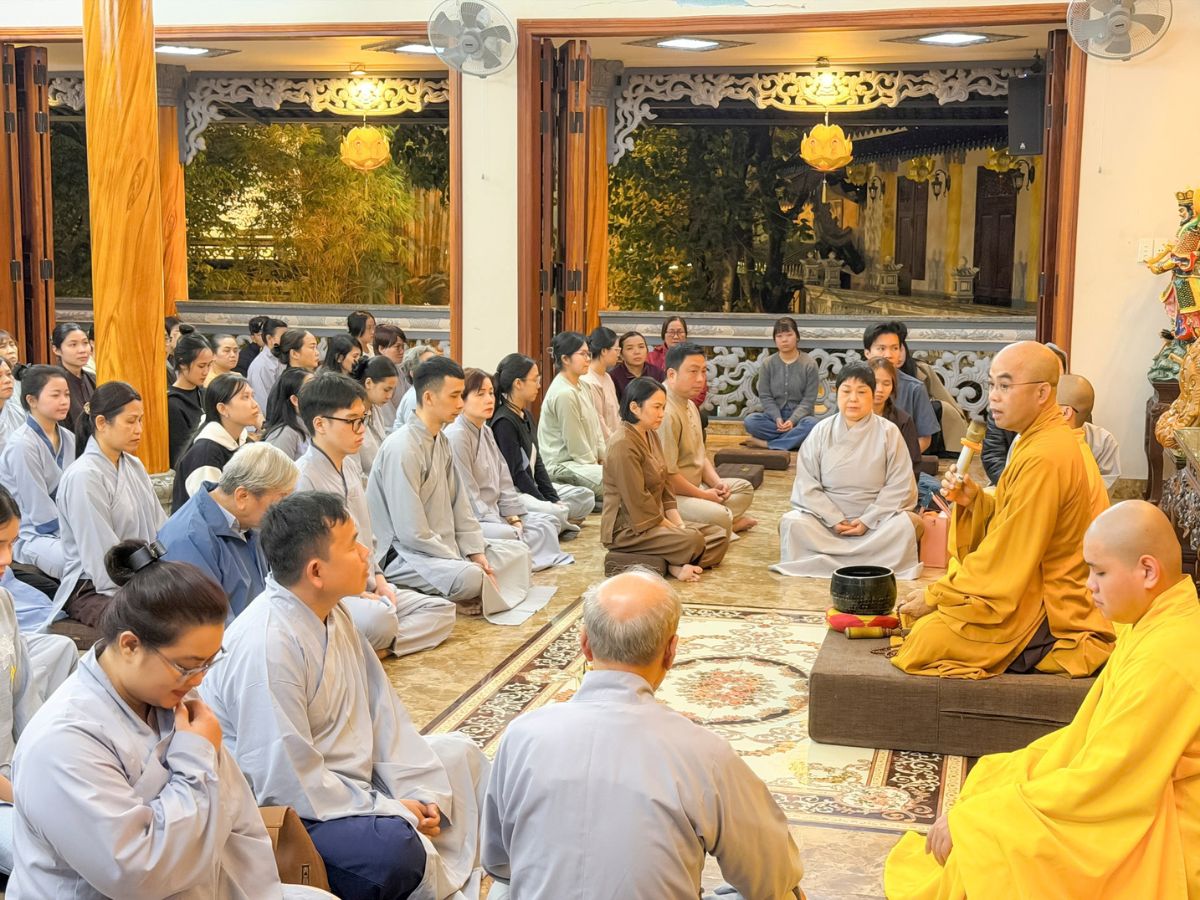
Bat Nha Pagoda organizes lectures on Buddhist scriptures and doctrines for all ages, helping Buddhist followers gain a deeper understanding of Buddhist philosophy to apply in their lives. (Source: Collected)
Besides regular classes, the pagoda also organizes meditation retreats and special study sessions during major holidays such as Vesak or Lunar New Year. These retreats help Buddhist followers practice meditation, learn basic etiquette, and delve deeper into Buddhist cultivation methods. One of the notable activities is the "Ordination for Affinity" retreat held at Bat Nha Pagoda, attracting over 130 Buddhist followers, demonstrating the strong influence of the learning activities here. The learning environment at the pagoda is always maintained in a solemn and quiet atmosphere, creating good conditions for concentration and meditation. As a result, those who participate in Buddhist classes at Bat Nha Pagoda not only enhance their understanding of Buddhist doctrines but also find purity and goodness in their souls.
5. Tips and Notes for Visiting Bat Nha Pagoda
5.1. Notes on Offerings and Preparations Before Visiting the Pagoda
When visiting Bat Nha Pagoda to offer rituals and pray, thorough preparation and adherence to etiquette are very important. First, you should prepare pure offerings suitable for the Buddhist space, such as fresh flowers, seasonal fruits, clean water, candles, and incense. These offerings symbolize sincere respect offered to the Triple Gem. You should not bring inappropriate items such as meat, alcohol, cigarettes, or items unrelated to religious beliefs, as these are not suitable for the solemn atmosphere of the pagoda. When you reach the offering area, you should light incense first, then place flowers and fruits on the Buddha altar to show respect in the correct order.
You should remove hats and sunglasses when entering the main sanctuary area. Your conduct within the pagoda should also be quiet; walk softly, speak softly, and avoid making noise to not disturb those who are praying or chanting. In addition to preparing offerings and attire, preparing a pure and benevolent state of mind is the most important thing when visiting Bat Nha Pagoda. You should maintain a peaceful mind and sincerely offer your prayers before starting the ritual. These preparations will help you fully receive the spiritual value and profound spiritual experience at this sacred pagoda.
5.2. Appropriate Attire for Visiting Bat Nha Pagoda
Appropriate attire is one of the most important things to show respect for the spiritual space and Buddhist beliefs. Bat Nha Pagoda is a sacred place of worship, so visitors and Buddhist followers should avoid wearing clothes that are too short, too revealing, or too tight. Attire should cover shoulders and knees, such as shirts with sleeves combined with long pants or moderately long skirts. Modest dress will help you fit into the solemn atmosphere when offering incense, paying homage to Buddha, or participating in Buddhist activities at the pagoda.
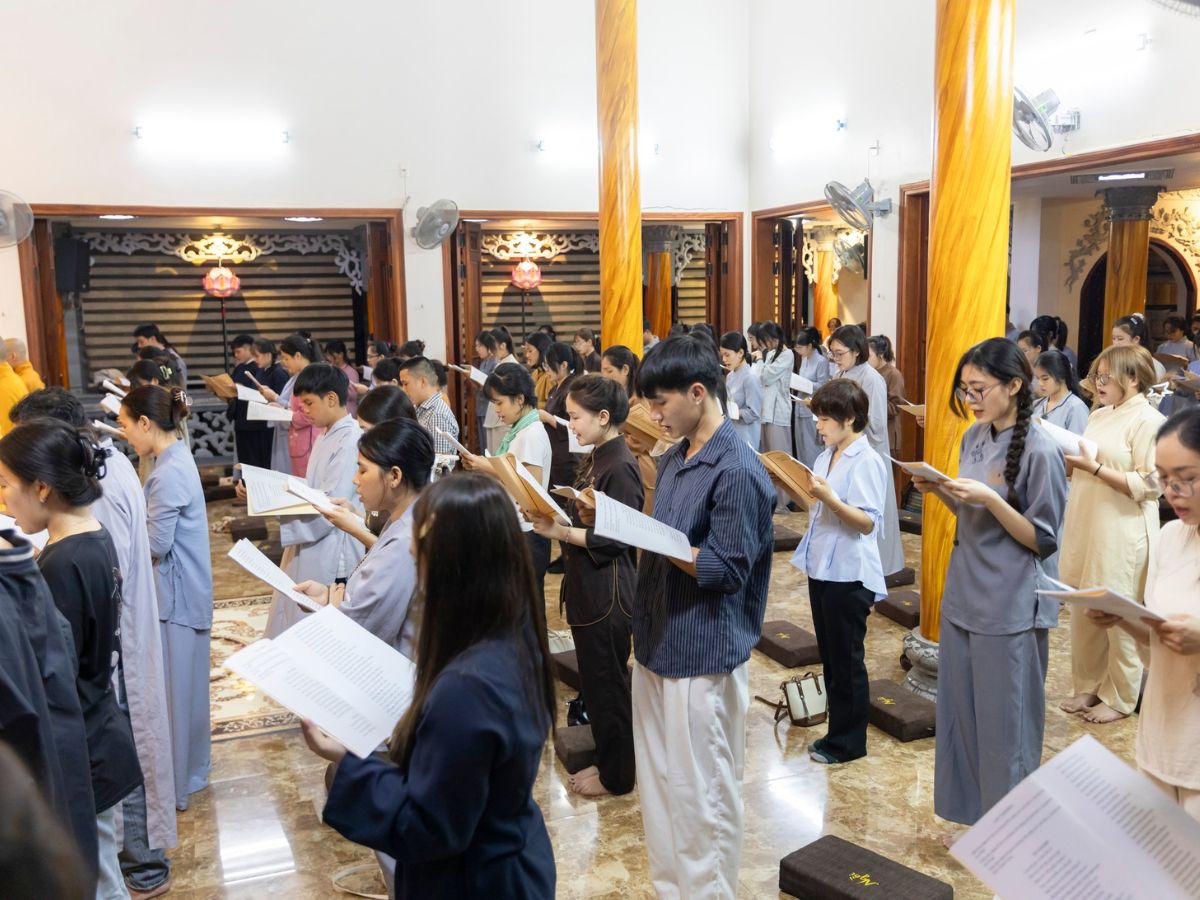
Visitors should choose modest, discreet attire to show respect for local culture and beliefs when visiting Bat Nha Pagoda. (Source: Collected)
Besides appropriate covering, you should choose modest, polite attire with gentle colors. This not only creates a solemn feeling but also demonstrates understanding and respect for Vietnamese Buddhist culture. Most visitors to Bat Nha Pagoda choose shirts, short-sleeved t-shirts combined with long pants, or traditional costumes like Ao Dai to ensure both convenience and suitability for the spiritual context. When entering the main sanctuary or worship area, visitors should remove hats and sunglasses to maintain a solemn atmosphere. This also shows politeness towards the Buddha and those performing rituals.
5.3. Notes on Behavior When Visiting a Pagoda
When visiting Bat Nha Pagoda, maintaining proper behavior is an important factor that makes the pagoda visit more complete and meaningful. A pagoda is a solemn spiritual space, so visitors need to maintain quietness from the moment they enter the gate. Speaking loudly, laughing, or moving noisily can affect the general tranquility and distract those who are performing rituals. This is a basic behavioral principle applied at most Buddhist establishments in Vietnam, including Bat Nha Pagoda.
During the process of offering incense and worshipping Buddha, you should maintain a sincere attitude and follow order. Pushing, scrambling to place offerings, or blocking the aisle in the main hall are inappropriate behaviors for a worship space. When lighting incense or bowing, you should do so gently and seriously to show reverence for the Three Jewels. If participating in chanting sessions, you need to listen and follow the pagoda's instructions to avoid disrupting the ceremony. Additionally, when visiting Bat Nha Pagoda, visitors should limit superstitious behaviors such as burning too much votive paper, randomly drawing fortune sticks, or fortune-telling. These activities do not reflect the true spirit of Buddhism and can diminish the inherent solemnity of the temple.
6. Suggested Itinerary for Visiting Bat Nha Pagoda Combined with Nearby Tourist Attractions
A suggested one-day itinerary in Da Nang becomes more complete by combining spiritual experiences and resort tourism, with Bat Nha Pagoda being a meaningful starting point. In the morning, visitors should depart early to reach the pagoda, enjoying the tranquil and fresh atmosphere. This time is very suitable for offering incense, praying for peace, and leisurely exploring the pagoda grounds with Buddhist architecture harmoniously blended with nature. After about two hours of experience, the journey continues by moving to the city center for lunch. Visitors can choose local specialties such as Mi Quang, fish cake noodles, or fresh seafood, enjoying cuisine while resting and regaining energy. The afternoon is an ideal time to explore Sun World Ba Na Hills. From the city center, travel is quite convenient, and the scenery along the way also brings many emotions.
Visitors can take the cable car to admire the mountains and forests, check-in at the Golden Bridge, visit the ancient French village, and stroll through the Le Jardin D’Amour flower garden. Additionally, Fantasy Park is an ideal stop for families with many indoor games. Visitors can also visit Linh Ung Pagoda on Ba Na to continue their spiritual journey in the cool highland space.
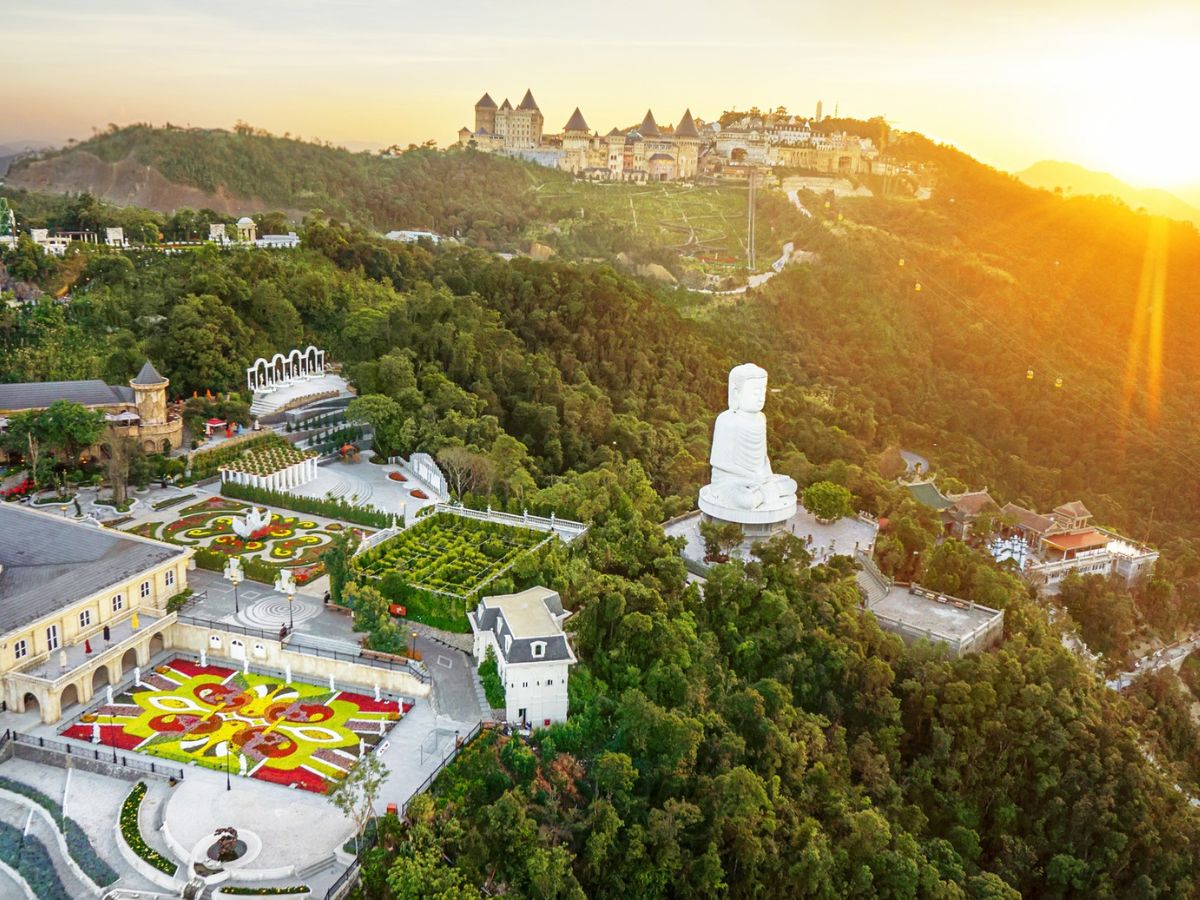
Sun World Ba Na Hills has a spiritual area which is a destination that tourists can combine into their itinerary. (Source: Collected)
At the end of the day, upon returning to the city center, tourists can stroll along My Khe beach or enjoy an evening seafood dinner. The journey concludes gently with relaxing moments, allowing tourists to both find peace at Bat Nha Pagoda and fully experience the dynamic and modern aspects of Da Nang within a single day.
Bat Nha Pagoda is not only a spiritual destination but also a place that helps everyone find peace amidst modern life. Take the time to visit to fully appreciate its sacred beauty, and preserve meaningful moments at this special pagoda!


