


1. Overview of traveling to Sa Pa from India
Traveling to Sa Pa from India is becoming an appealing option for visitors who enjoy natural scenery, mountain climates and authentic cultural experiences. Located in Northwest Vietnam, Sa Pa is renowned for the majestic Hoang Lien Son mountain range, picturesque terraced rice fields and traditional villages that preserve the distinctive identities of local ethnic communities. Unlike Vietnam's tropical beach destinations, Sa Pa offers a peaceful mountain retreat where travelers can enjoy cool weather, admire spectacular cloud formations and discover the cultural heritage of the northern highlands.
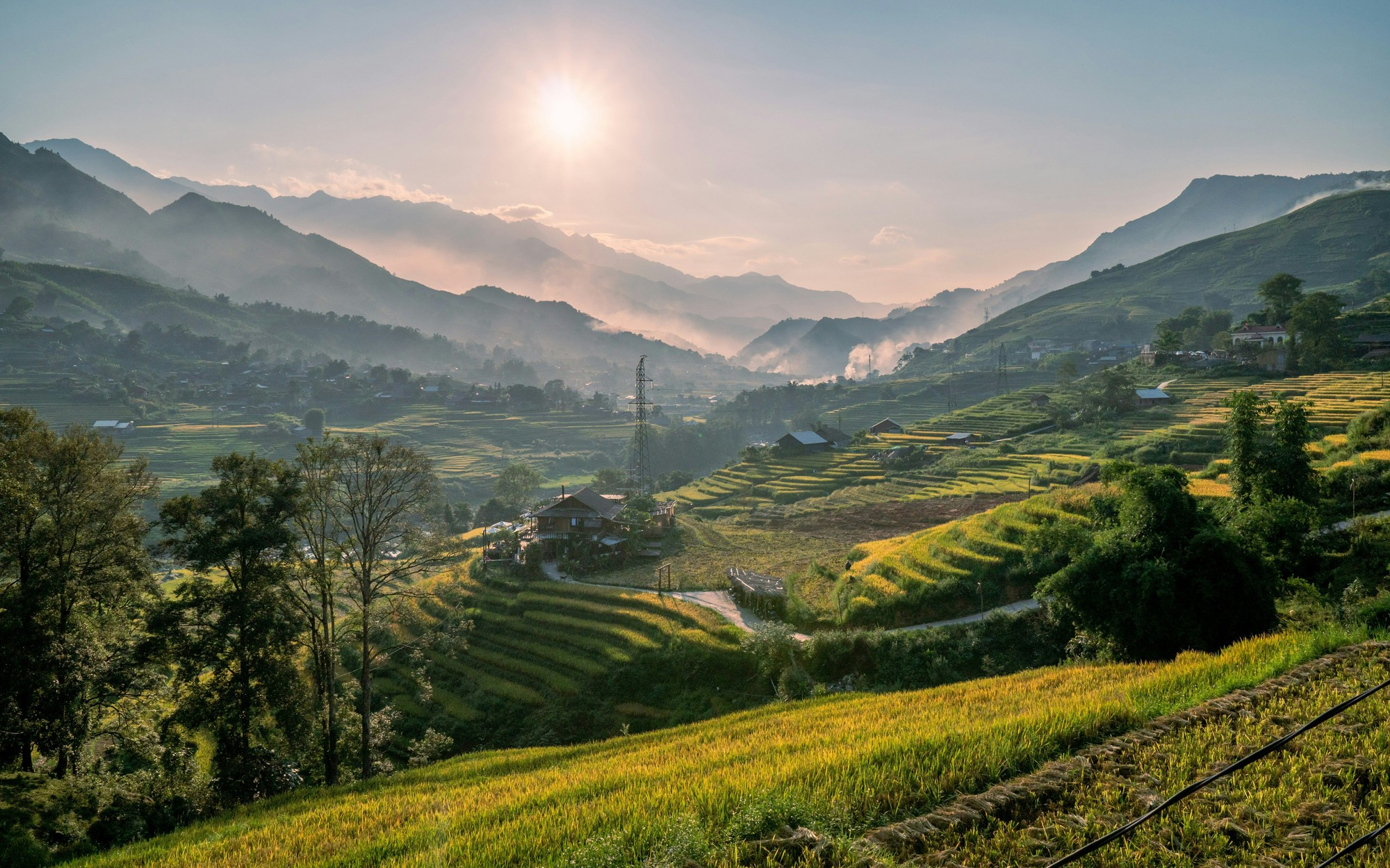
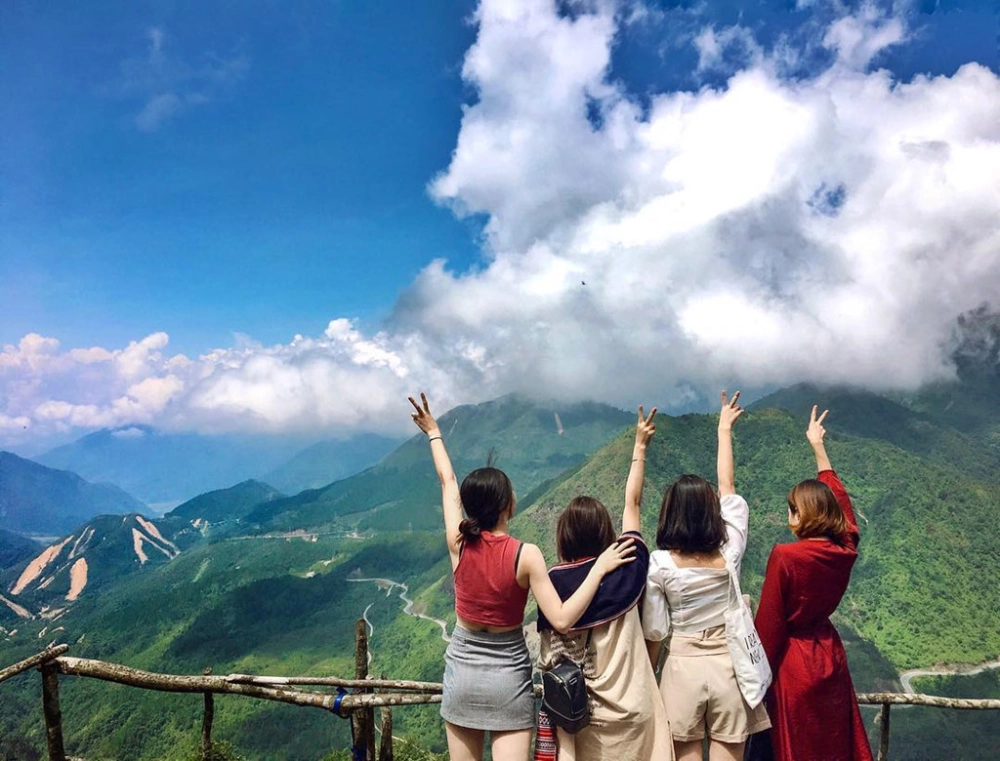
Sa Pa attracts international visitors with majestic mountain landscapes and a distinctive highland climate (Source: Collected)
For Indian visitors accustomed to the warm temperatures of cities such as Mumbai, Chennai or Hyderabad, Sa Pa provides a refreshing change of scenery. Its mountain landscapes, mist-covered valleys and traditional villages create an atmosphere that differs considerably from Vietnam's bustling urban centers and coastal resorts. The destination is suitable for couples, families, groups of friends and travelers interested in combining relaxation with outdoor sightseeing.
A trip to Sa Pa from India can last four days and three nights when focusing on the region's major attractions, or five to six days when combined with visits to Hanoi and Ha Long Bay. Popular experiences include reaching Fansipan summit by cable car, exploring the mountain's cultural and spiritual complex, learning about the lifestyles of local ethnic communities and admiring the scenery of Muong Hoa Valley.
For travelers visiting northern Vietnam for the first time, combining these activities offers a balanced introduction to the region's natural and cultural attractions. A carefully planned itinerary also helps visitors manage transportation, accommodation and sightseeing arrangements more efficiently, especially when traveling with family members or in larger groups.
2. How to reach Sa Pa from India
2.1. Fly from India to Hanoi
The first step when traveling to Sa Pa from India is arranging a flight to Hanoi. Noi Bai International Airport is the main international aviation gateway to northern Vietnam, located approximately 25–30 kilometers from central Hanoi. Travelers can search for flights departing from major Indian cities, with available routes and schedules depending on the airline and travel period.
For direct flights between India and Hanoi, the journey generally takes approximately four to six hours, depending on the departure city and airline schedule. Connecting flights may require additional travel time, so visitors should compare total journey duration, transit arrangements and arrival times before booking.
After completing immigration procedures and collecting their luggage, travelers can either transfer to central Hanoi or continue directly to Sa Pa. The most suitable option depends on the flight's arrival time, the group's preferences and the overall travel schedule.
For Indian visitors arriving in Vietnam for the first time, spending one night in Hanoi may be a practical choice, particularly when their flight lands late in the evening. This allows travelers to rest after the international journey and begin the road trip to Sa Pa the following morning.
Visitors who prefer to travel directly to Sa Pa should arrange transportation in advance and allow sufficient time for immigration, baggage collection and potential flight delays. Booking a private transfer can be especially convenient for families or groups carrying substantial luggage.
2.2. Travel by road from Hanoi to Sa Pa
From Hanoi, travelers can reach Sa Pa by limousine van, sleeper bus or private car. The road journey generally takes approximately 5–6.5 hours, although travel times may increase during peak holiday periods or unfavorable weather conditions.
For Indian families and groups of friends, limousine vans and private vehicles with drivers are worth considering because they offer comfortable seating and greater flexibility when arranging rest stops. Private transportation also allows travelers to coordinate departure times with their flight schedules and accommodation arrangements.
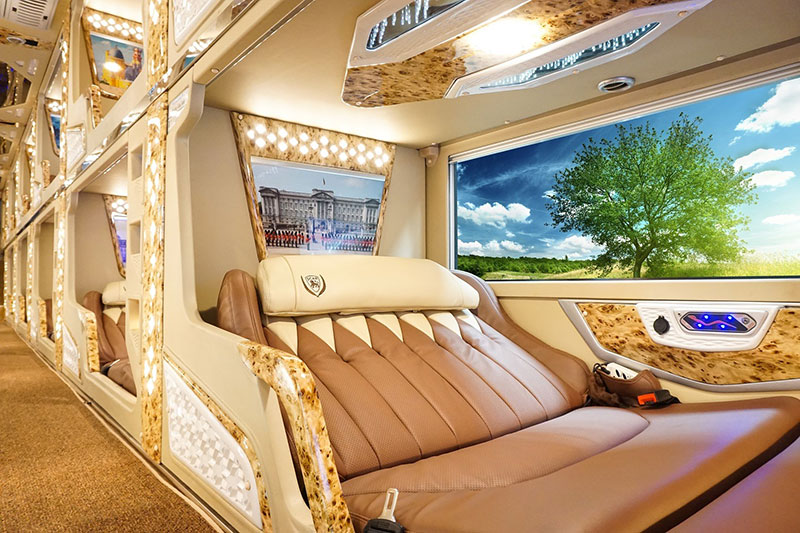
Limousine vans and private cars are convenient options for traveling from Hanoi to Sa Pa (Source: Collected)
Another option is to take a train from Hanoi to Lao Cai Railway Station, followed by a road transfer of approximately 35 kilometers to Sa Pa. The train journey generally takes around seven to nine hours, depending on the service.
Overnight trains can be particularly appealing to travelers who want to experience rail travel in northern Vietnam. Sleeper compartments provide an opportunity to rest during the journey, while the morning transfer from Lao Cai to Sa Pa introduces visitors to the region's mountainous scenery.
When choosing between road and rail transportation, travelers should consider comfort, departure times, luggage arrangements and the total journey duration. For families with young children or senior travelers, selecting a convenient schedule and minimizing unnecessary transfers can make the journey more enjoyable.
Regardless of the chosen transportation method, booking in advance is recommended during weekends, public holidays and popular travel seasons. Visitors should also confirm their arrival point in Sa Pa and arrange transportation to their accommodation if necessary.
3. Suggested detailed 4-day, 3-night itinerary for traveling to Sa Pa from India
3.1. Day 1: Arrive in Sa Pa – Explore the center and enjoy the highland climate
After traveling from Hanoi, visitors arrive in Sa Pa, check into their hotel and take some time to rest. For Indian travelers who enjoy relaxing holidays, accommodation overlooking the mountains or surrounding valleys can be an attractive option. Depending on the arrival time, visitors can begin exploring the town with a leisurely walk, enjoying the fresh mountain air and observing the distinctive rhythm of highland life.
In the afternoon, travelers can visit Sa Pa Stone Church, a historic architectural landmark dating from the French colonial period and located near the central square. The church is one of the town's most recognizable attractions, offering an interesting setting for photography and sightseeing.
The surrounding streets feature souvenir shops, cafés and scenic locations where visitors can experience the atmosphere of Sa Pa. Travelers can also explore Sa Pa Square and nearby areas, which provide convenient opportunities to discover the town without traveling long distances.
For those who prefer a slower-paced itinerary, the afternoon can be spent enjoying coffee at a café with mountain views or browsing local handicraft products. This relaxed introduction is particularly suitable after a long journey from India and Hanoi.
In the evening, visitors can enjoy warm local dishes or look for restaurants offering vegetarian meals and food suitable for Indian dietary preferences. Travelers following vegetarian, Jain or Halal diets should confirm ingredients and preparation methods before ordering.
After dinner, visitors can return to their accommodation and rest in preparation for the following day's excursion to Fansipan, one of the most anticipated experiences of the journey.
3.2. Day 2: Reach Fansipan summit by cable car
The second day is a major highlight of traveling to Sa Pa from India, as visitors explore Sun World Fansipan Legend and make their way to Fansipan summit, standing at an elevation of 3,143 meters. Known as the "Roof of Indochina," Fansipan is celebrated for its magnificent mountain scenery, spectacular seas of clouds and changing climate at different elevations.
An enjoyable way to begin the journey is by taking the Muong Hoa funicular from the central Sa Pa area toward the Hoang Lien cable car departure station. Along the way, visitors can admire the surrounding landscape and enjoy a scenic introduction to the Fansipan experience.
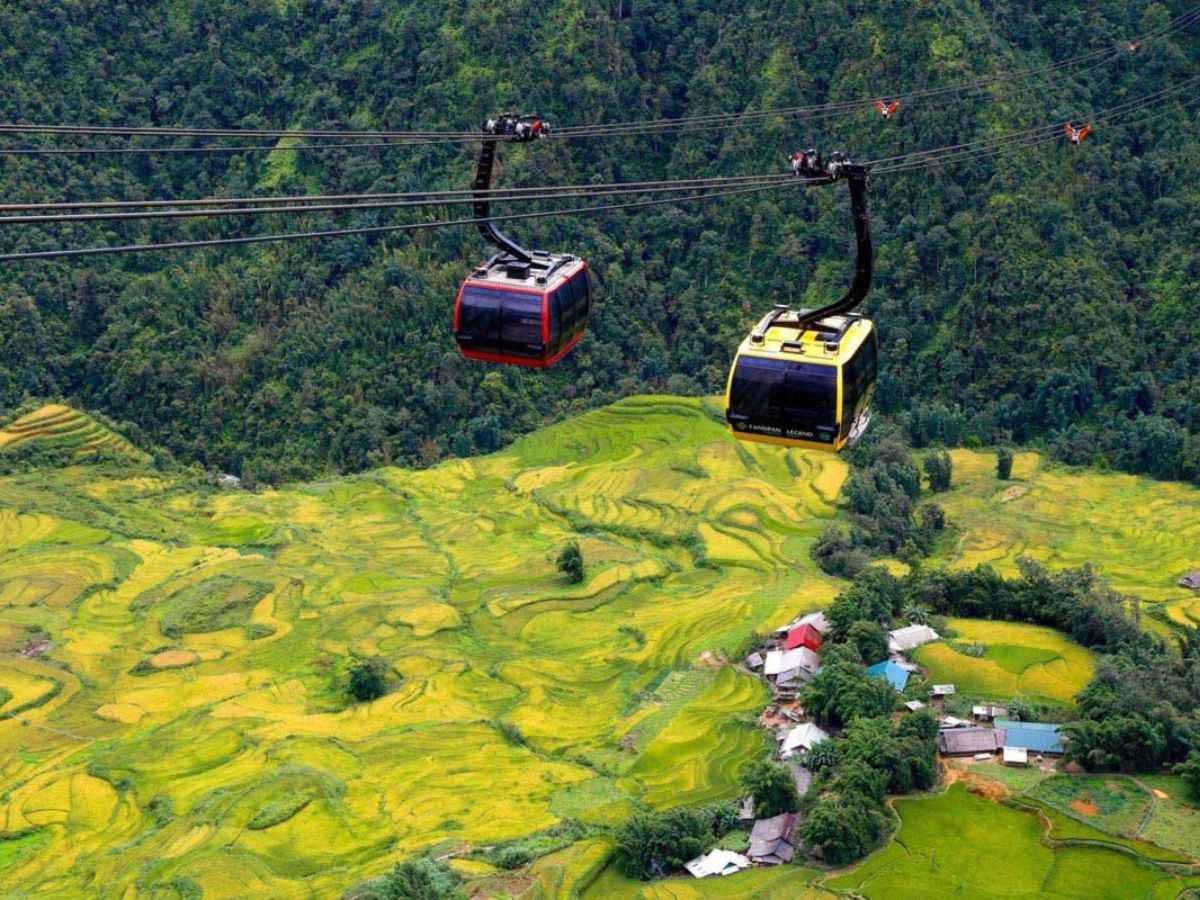
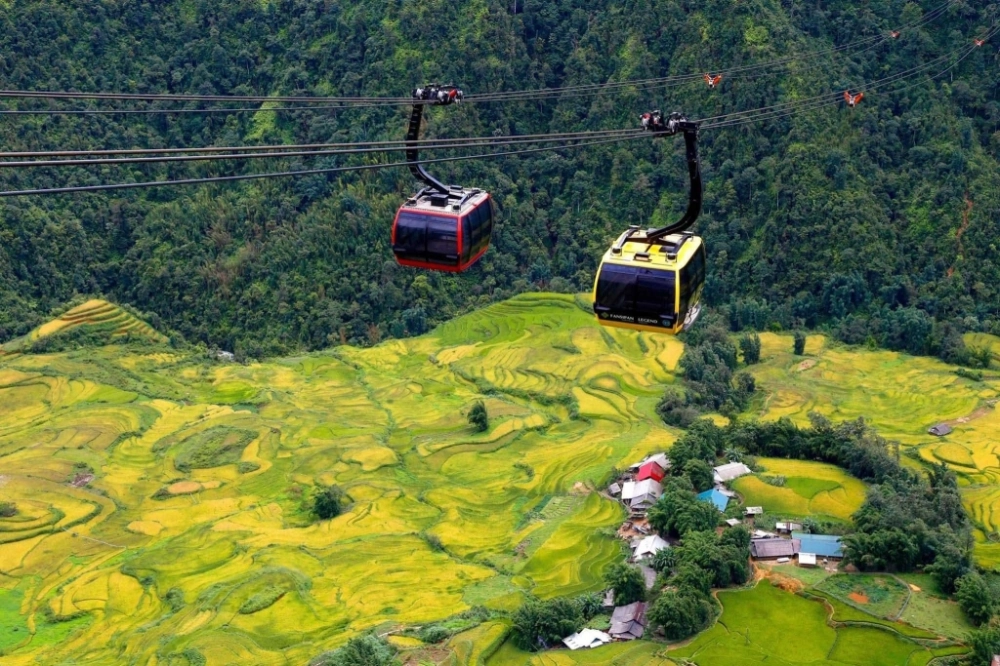
The Fansipan Cable car offers aerial views of the Hoang Lien Son mountain landscape (Source: Collected)
The three-rope Fansipan Cable Car stretches more than six kilometers, carrying visitors above mountain slopes and valleys in approximately 15 minutes. From the cabin, travelers can admire forests, overlapping mountain ranges and layers of white clouds when weather conditions are favorable.
The cable car journey is especially appealing to Indian travelers who want to experience Vietnam's high mountains without undertaking a physically demanding trek. As the cabin rises above the surrounding landscape, the changing scenery provides numerous opportunities to appreciate the natural beauty of the Hoang Lien Son range.
At the 3,143-meter summit marker, visitors can take commemorative photographs and admire the expansive mountain scenery. Reaching the famous summit is a memorable achievement and one of the most popular experiences at Sun World Fansipan Legend.
After reaching Fansipan summit, travelers can continue exploring the cultural and spiritual complex, which features structures inspired by traditional Vietnamese Buddhist architecture. Surrounded by mountains and clouds, the complex offers a peaceful atmosphere that complements the natural landscape.
Notable attractions include the Great Amitabha Buddha Statue, Kim Son Bao Thang Pagoda and Bich Van Zen Monastery. These landmarks provide opportunities to learn about Vietnamese Buddhist traditions and appreciate the architectural details of the mountain's spiritual structures.
For Indian travelers interested in history, culture and Buddhism, this experience can be particularly meaningful because India is the historical birthplace of Buddhism. Exploring Fansipan's Buddhist landmarks offers an opportunity to observe how Buddhist traditions have developed and been expressed through Vietnamese architecture and cultural practices.
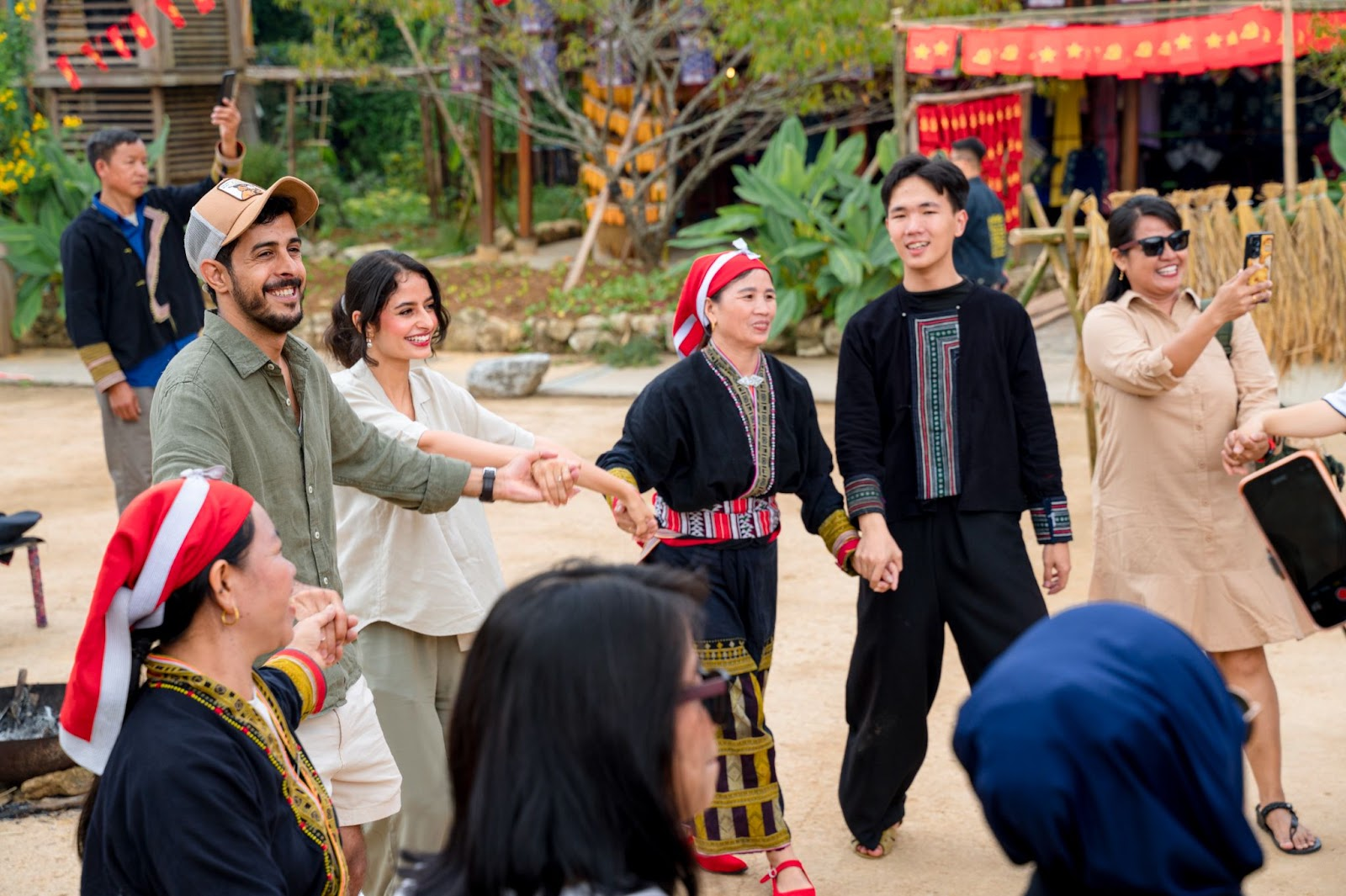
Indian visitors enjoy Northwest Vietnamese cultural experiences at May Village (Source: Collected)
Visitors can also explore May Village, a cultural experience area within Sun World Fansipan Legend that introduces the traditions of Northwest Vietnam's ethnic communities. Traditional houses, colorful brocade costumes and cultural activities provide insights into the lifestyles of the H'Mong, Red Dao and other local ethnic groups.
Travelers can admire traditional architecture, discover handicraft techniques and learn about the cultural significance of ethnic costumes. Depending on the activities available during their visit, they may also have opportunities to enjoy traditional performances and experience the lively atmosphere of the village.
Combining Fansipan summit, the cultural and spiritual complex and May Village in a single day allows visitors to experience several distinctive aspects of Sa Pa. However, travelers should allow sufficient time for transportation, sightseeing and rest breaks, especially when visiting with children or senior family members.
Because weather conditions can change rapidly at higher elevations, checking the official operating schedule of Sun World Fansipan Legend before departure is recommended. Warm clothing and comfortable walking shoes are also useful, even when the weather in central Sa Pa feels relatively mild.
3.3. Day 3: Explore Cat Cat Village and Muong Hoa Valley
On the third day, travelers can explore Cat Cat Village, one of the most famous cultural attractions near central Sa Pa. The village is known for its traditional houses, narrow paths following the mountain slopes and beautiful natural scenery characteristic of Northwest Vietnam.
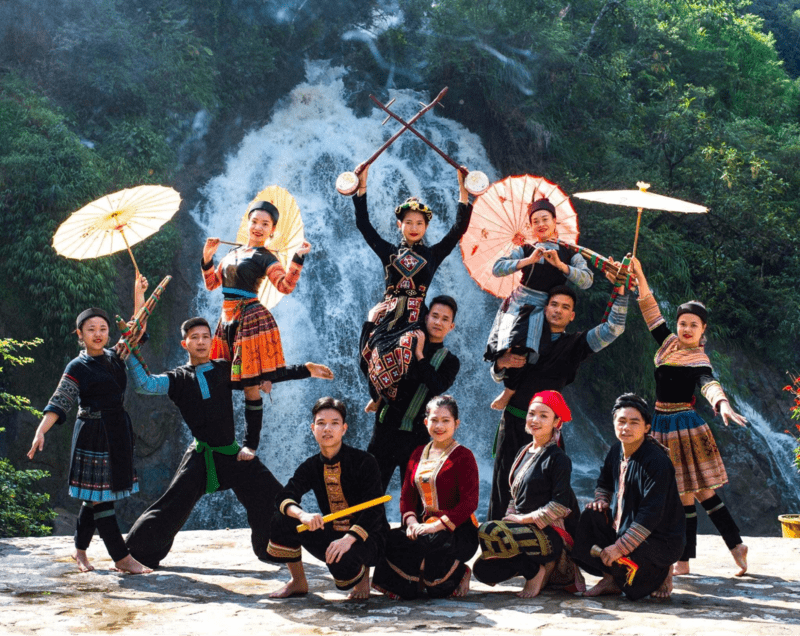
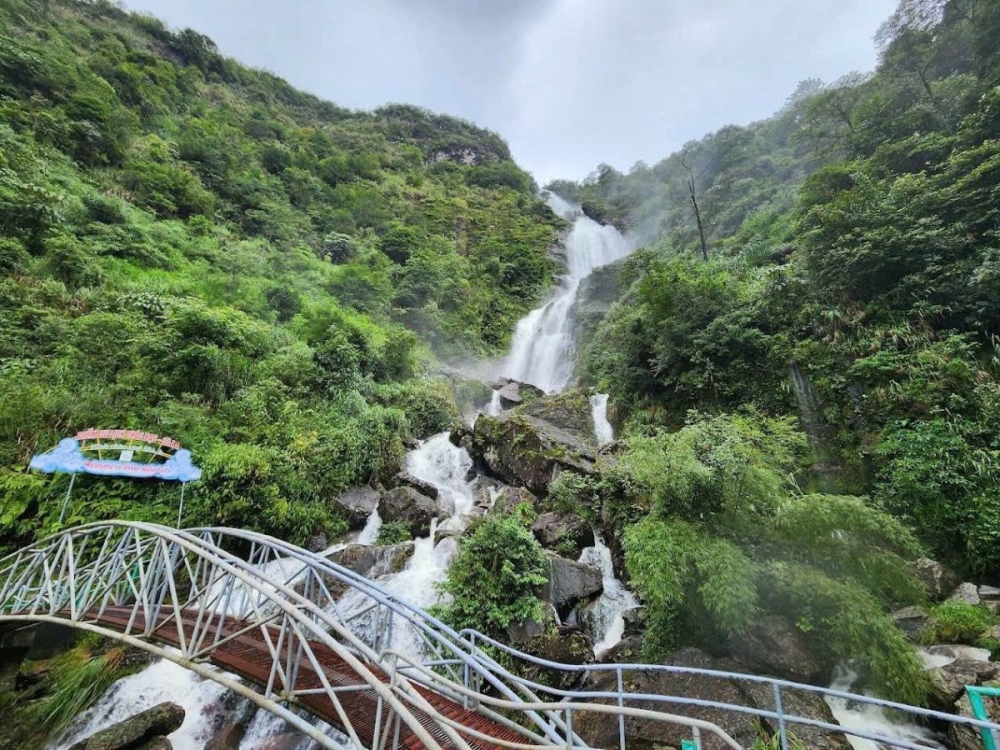
Cat Cat Village offers opportunities to learn about H'Mong culture and discover Sa Pa's highland scenery (Source: Collected)
In the afternoon, visitors can continue to Muong Hoa Valley, renowned for its terraced rice fields stretching across the mountain slopes. The scenery changes throughout the year, from lush green fields during the growing season to golden terraces during the rice harvest.
For Indian travelers who enjoy landscape photography, Muong Hoa Valley offers a remarkable opportunity to capture the natural beauty of Sa Pa beyond the town center. The valley's terraced fields, mountain slopes and rural scenery create a distinctive landscape shaped by generations of agricultural traditions.
The afternoon can be spent visiting suitable viewpoints, admiring the surrounding mountains and learning about the importance of rice cultivation to local communities. Travelers should remember that the appearance of the rice terraces depends on the season and agricultural cycle.
After sightseeing, visitors can return to their hotel for dinner and relaxation. Those who prefer a more leisurely itinerary may choose to spend additional time enjoying the scenery rather than visiting several locations in quick succession.
3.4. Day 4: Shop for souvenirs – Return to Hanoi
On the final day, travelers can enjoy a relaxed morning in Sa Pa, visiting a café, strolling around the town center or shopping for souvenirs that reflect the cultural heritage of Northwest Vietnam.
Popular items include brocade scarves, fabric bags, decorative handicrafts and locally inspired gifts. These products offer an opportunity to bring home reminders of the region's distinctive artistic traditions.
Travelers interested in traditional textiles can explore shops selling embroidered fabrics and colorful brocade products. When purchasing souvenirs, visitors may also learn about the craftsmanship and cultural meanings associated with different patterns and designs.
After checking out of the hotel, travelers can return to Hanoi by limousine van or private car. The journey generally takes approximately 5–6.5 hours, depending on road conditions and rest stops.
If an international flight is scheduled for the same day, visitors should plan their departure carefully and allow a generous time buffer. Traffic congestion, adverse weather or unexpected delays may affect the journey, particularly during busy travel periods.
For travelers with additional time in Vietnam, spending another night in Hanoi before their international departure may provide a more comfortable conclusion to the holiday.
4. Practical tips for affordable and convenient travel to Sa Pa from India
4.1. Choose the best time to explore Sa Pa
Sa Pa offers different scenery throughout the year, so the ideal travel period depends on visitors' interests and preferred experiences. From March to May, the weather is generally relatively pleasant, making this period suitable for outdoor sightseeing and exploring the region's natural attractions.
Between September and October, the terraced rice fields often enter their golden harvest season, creating spectacular landscapes across the surrounding valleys. This is a particularly attractive time for travelers interested in photography and rural scenery.
Meanwhile, December to February brings colder winter weather, with occasional frost or icy conditions in higher mountainous areas. Although snowfall is rare and cannot be guaranteed, the winter atmosphere offers a distinctive experience for visitors who enjoy cool temperatures and misty mountain landscapes.

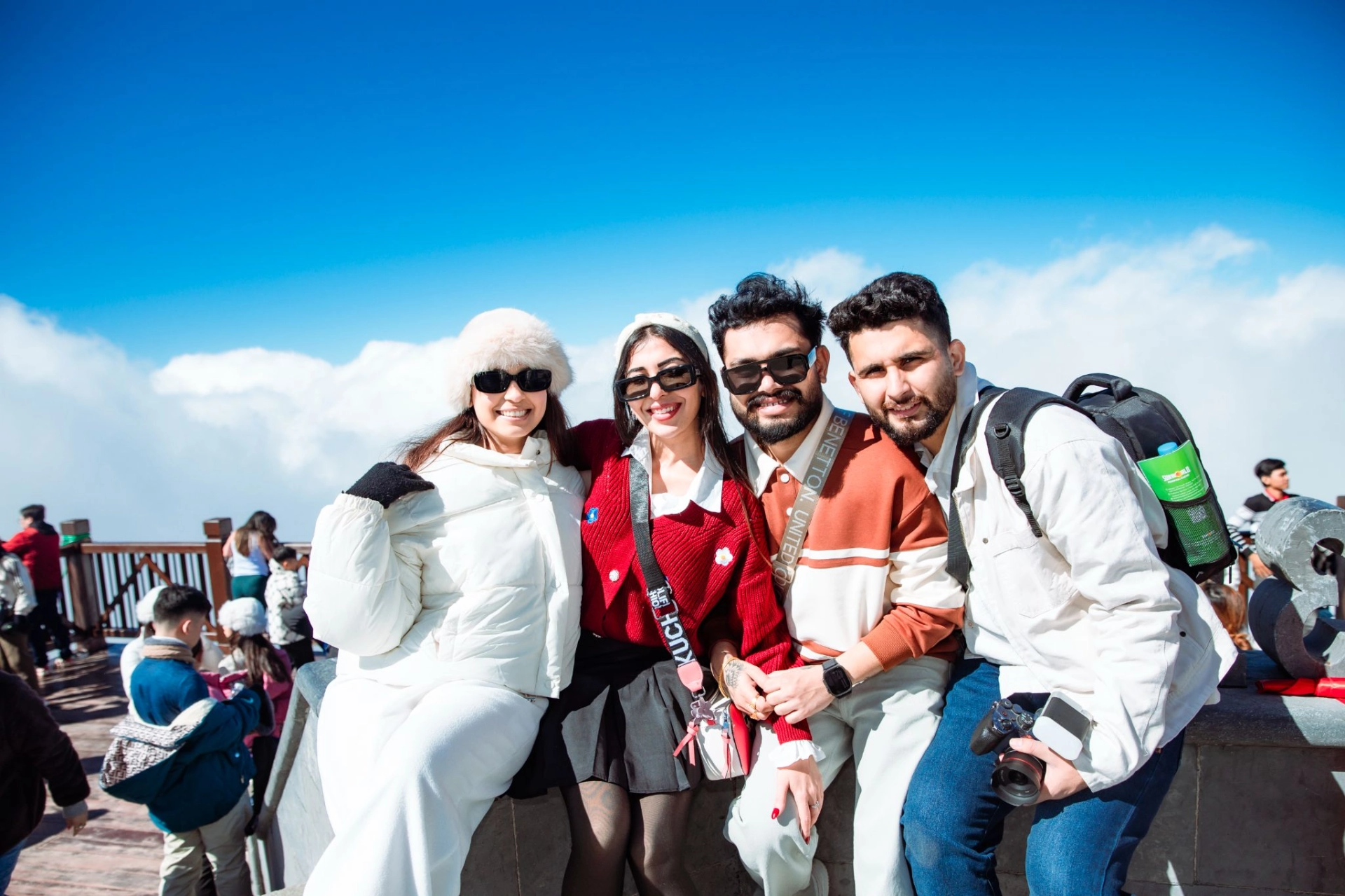
Indian travelers experience winter on Fansipan (Source: Collected)
For Indian visitors seeking comfortable temperatures and beautiful natural scenery, spring and autumn are worth considering. These seasons offer opportunities to enjoy mountain views, cultural attractions and outdoor sightseeing without the more intense cold associated with winter.
Travelers who enjoy chilly weather may prefer visiting toward the end of the year. However, they should prepare thermal clothing, warm jackets and suitable footwear, particularly when planning to explore Fansipan.
Weather conditions at Fansipan summit can differ significantly from those in central Sa Pa because of the difference in elevation. Visitors should therefore check updated forecasts before their excursion and prepare for possible changes in temperature, wind and visibility. Regardless of the season, maintaining some flexibility in the itinerary can help travelers respond to changing weather conditions and enjoy the destination more comfortably.
4.2. Prepare visas, budgets and dining arrangements
Indian passport holders should arrange the appropriate entry documents before traveling to Vietnam. Vietnam offers an electronic visa system for eligible Indian citizens, allowing applications to be submitted online under the applicable requirements. Before booking non-refundable flights or travel services, visitors should check passport validity, personal information and visa requirements through Vietnam's official immigration portal. Ensuring that all documents are accurate and valid can help avoid unnecessary complications during the journey. The overall cost of traveling to Sa Pa from India depends on airfare, accommodation standards, transportation arrangements and selected sightseeing activities. Travelers should prepare a budget covering hotels, meals, airport transfers, transportation between Hanoi and Sa Pa, Fansipan cable car tickets and additional services. Booking flights and accommodation in advance may provide more options, particularly during popular travel periods. Comparing transportation packages and confirming which services are included can also help travelers manage expenses more effectively.
For families or groups of friends, arranging private transportation may offer practical advantages, especially when several travelers share the cost. However, visitors should compare available options based on convenience, comfort and their overall travel budget. Dining arrangements are another important consideration for Indian travelers. Visitors following vegetarian, Jain or Halal diets should confirm menu availability before choosing restaurants, especially when they have strict requirements concerning ingredients or food preparation. Some restaurants may offer vegetarian dishes, but these do not necessarily meet every dietary restriction. Communicating specific requirements in advance can help ensure a more comfortable dining experience throughout the journey. When visiting Sun World Fansipan Legend, travelers can explore available dining services and confirm suitable meal options before departure. Planning meals alongside sightseeing activities can make the itinerary more convenient, particularly for families and larger groups.
Traveling to Sa Pa from India offers an opportunity to discover one of northern Vietnam's most beautiful mountain regions, where magnificent natural scenery, a distinctive highland climate and diverse ethnic cultures come together. From the cable car journey to Fansipan summit to exploring May Village, Cat Cat Village and Muong Hoa Valley, every experience brings its own memorable highlights. Plan your trip in advance, choose suitable transportation and make time to explore Sun World Fansipan Legend for a rewarding and unforgettable holiday in Vietnam.