




1. Where is Sa Pa in Vietnam?
Before planning an independent trip to Sa Pa, it is helpful to understand where this famous mountain destination is located. Sa Pa is a picturesque town in Lao Cai Province, in northwestern Vietnam, approximately 320 kilometres from Hanoi. Nestled in the Hoang Lien Son mountain range near the Vietnam–China border, Sa Pa sits at an altitude of around 1,500 metres above sea level, giving it a cool climate that differs significantly from most destinations in Southeast Asia.
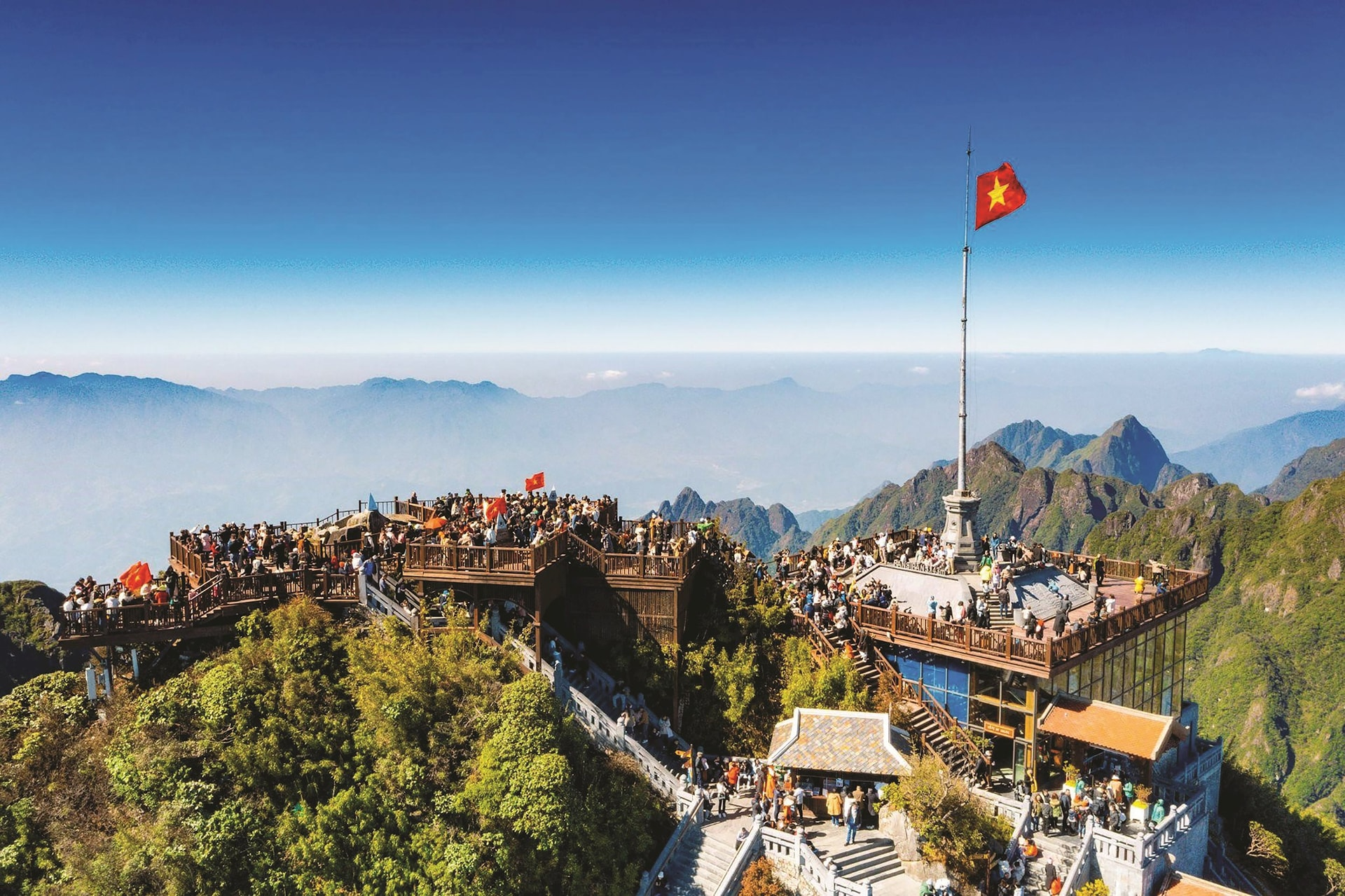
Sa Pa is a famous tourist destination located in Northwest Vietnam
Thanks to its mountainous location, Sa Pa is renowned for its breathtaking natural scenery, including terraced rice fields, lush valleys, and mist-covered peaks. The town also serves as the gateway to Fansipan, the highest mountain in Vietnam and throughout Indochina. This unique combination of spectacular landscapes, fresh mountain air, and rich ethnic heritage has made Sa Pa one of Vietnam’s most sought-after destinations for international travellers.
For visitors from Malaysia, an independent trip to Sa Pa is both convenient and rewarding. Most travellers begin their journey in Hanoi before continuing to Sa Pa by limousine bus, sleeper bus, train, or private transfer. The journey typically takes five to six hours, making Sa Pa an ideal destination for a short getaway that combines nature, culture, and unforgettable mountain views.
2. How to get to Sa Pa from Malaysia
Planning transportation is one of the most important steps when organizing an independent trip to Sa Pa. Fortunately, travelling from Malaysia to Sa Pa is relatively simple and affordable. Most visitors first fly to Hanoi before continuing to Sa Pa by road or rail. With multiple transport options available, travellers can easily choose the one that best suits their budget, schedule, and travel style.
2.1. Fly from Malaysia to Hanoi
The journey begins with a flight from Malaysia to Hanoi, the main gateway to northern Vietnam. Direct flights from Kuala Lumpur to Hanoi are available daily and typically take around three to three and a half hours. This short travel time makes Vietnam an attractive destination for Malaysians looking for a quick escape from the tropical heat.
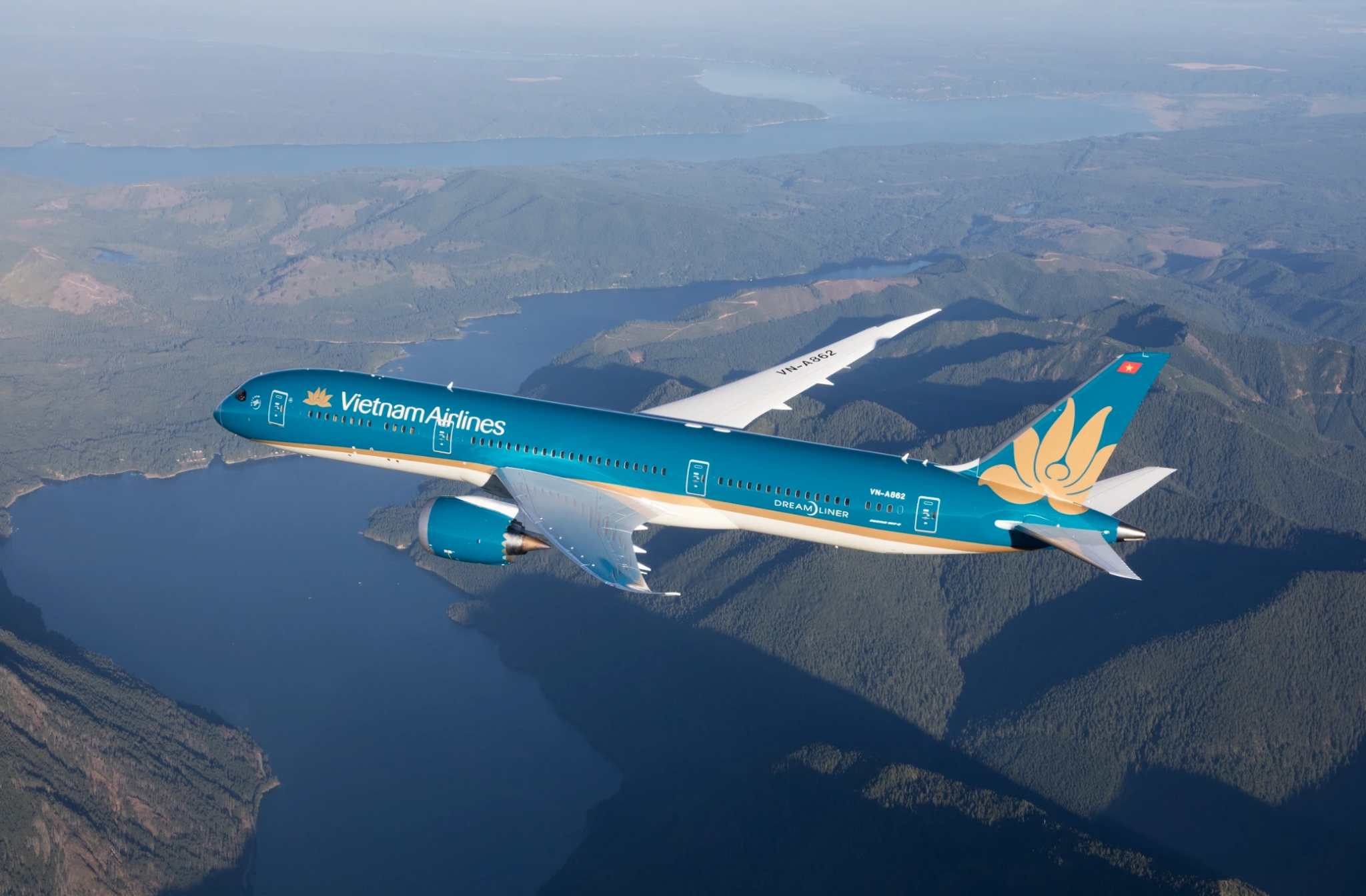
Malaysian tourists choose to fly to Hanoi before traveling to Sa Pa
Hanoi itself is worth exploring, with attractions such as the Old Quarter, Hoan Kiem Lake, and local street food markets. Many travellers choose to spend a night in the capital before continuing their independent trip to Sa Pa, while others head directly to Sa Pa on the same day to maximize their time in the mountains.
2.2. Travel from Hanoi to Sa Pa
After arriving in Hanoi, travellers have several convenient options for reaching Sa Pa. The most popular choice is a limousine bus, which offers comfortable seating, air conditioning, and direct services between Hanoi and Sa Pa. Thanks to the modern expressway, the journey usually takes around five to six hours.
For those seeking a more budget-friendly option, sleeper buses operate throughout the day and overnight. Travelling overnight can be particularly convenient for short holidays, as it allows visitors to save on accommodation costs and arrive in Sa Pa early in the morning ready to explore.

Sleeper buses are a popular choice for many travelers
Another memorable way to continue an independent trip to Sa Pa is by taking the overnight train from Hanoi to Lao Cai. While the train journey takes longer, many travellers enjoy the experience of travelling through northern Vietnam's countryside. Upon arrival at Lao Cai Station, a short transfer by bus or taxi will take visitors to Sa Pa town.
Private car transfers are also available and are ideal for families or small groups seeking maximum comfort and flexibility. This option allows travellers to travel at their own pace and make stops at scenic viewpoints along the route.
2.3. Getting around Sa Pa
Once in Sa Pa, visitors will find it easy to travel between attractions. The town centre is compact and pedestrian-friendly, making walking a pleasant way to explore local cafés, markets, and viewpoints. Taxis and electric vehicles are also readily available for short journeys.
Travellers who enjoy greater flexibility may choose to rent a motorbike to visit nearby villages and scenic locations independently. Popular attractions such as Cat Cat Village, Moana Sa Pa, and Muong Hoa Valley can be reached within a short distance from town.
For those planning to visit Fansipan, the journey is particularly convenient. The cable car station at Sun World Fansipan Legend is located just a few minutes from central Sa Pa, allowing visitors to reach the summit of Indochina's highest mountain without the need for strenuous trekking. This accessibility makes Fansipan one of the highlights of any independent trip to Sa Pa, especially for first-time visitors and families.
3. Top 6 famous attractions to visit in Sa Pa
One of the biggest reasons travellers choose an independent trip to Sa Pa is the destination's diverse range of attractions. From Vietnam's highest mountain and breathtaking rice terraces to ethnic minority villages and cultural landmarks, Sa Pa offers experiences that appeal to nature lovers, photographers, and culture enthusiasts alike.
3.1. Fansipan Peak – The Roof of Indochina
Standing at 3,143 metres above sea level, Fansipan is the highest mountain in Vietnam and throughout Indochina. Once accessible only to experienced trekkers, the peak can now be reached conveniently via the world-class cable car system at Sun World Fansipan Legend, making it accessible to travellers of all ages.
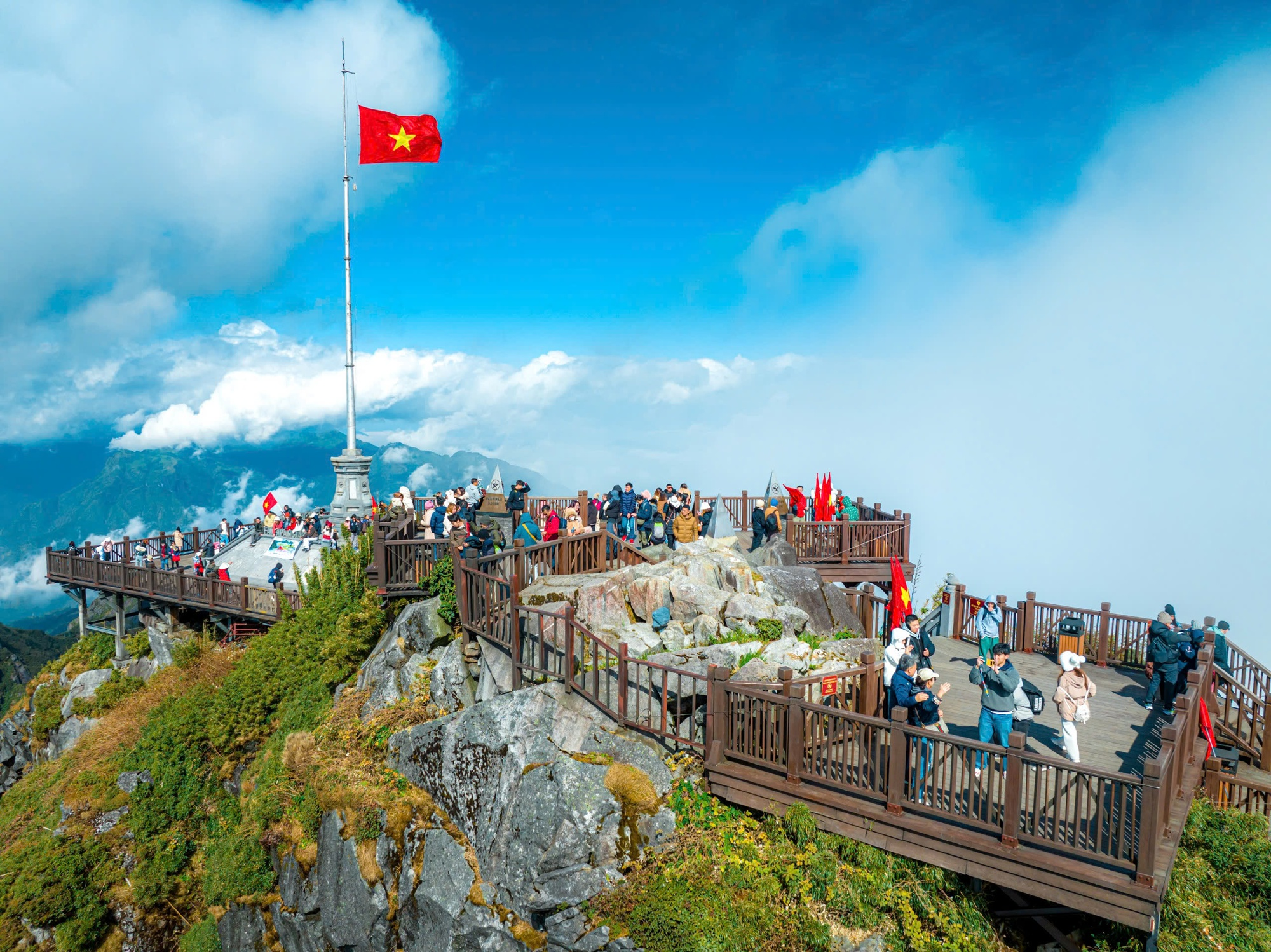
The breathtaking sea of clouds atop Fansipan peak
The journey itself is a highlight of any independent trip to Sa Pa. As the cable car ascends above valleys and mountains, visitors are treated to breathtaking panoramic views of the Hoang Lien Son range, lush forests, and floating clouds. On clear days, the scenery stretches for kilometres, offering some of the most spectacular landscapes in northern Vietnam.
At the summit, travellers can pose beside the iconic Fansipan summit marker, enjoy panoramic viewing decks, and explore a remarkable complex of spiritual and cultural landmarks. The mountain is especially famous for its sea-of-cloud phenomenon, creating unforgettable photo opportunities that have made Fansipan one of Vietnam's most popular travel destinations on social media.
3.2. Cat Cat Village
Located approximately two kilometres from the centre of Sa Pa, Cat Cat Village is one of the easiest and most rewarding cultural attractions to visit. Home to the Black H'Mong ethnic community, the village provides a fascinating glimpse into traditional mountain life and local customs that have been preserved for centuries.
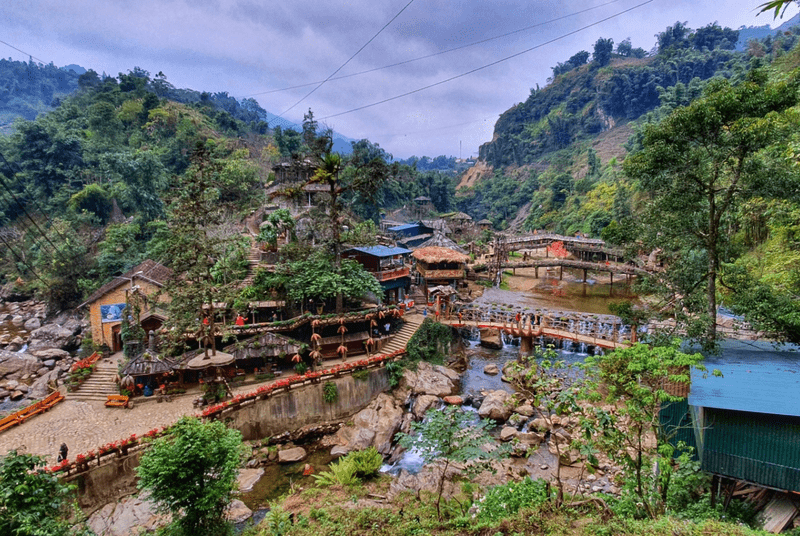
Tourists can experience Hmong culture at Cat Cat village
As visitors walk along the stone pathways winding through the valley, they can admire traditional wooden houses, terraced fields, flower gardens, and small streams flowing through the village. Numerous workshops showcase traditional weaving, embroidery, and handicraft-making techniques that continue to play an important role in local culture.
Cat Cat Village is also known for its beautiful photo spots, including wooden bridges, traditional houses, waterfalls, and scenic mountain viewpoints. Visitors can even rent traditional ethnic costumes for unique photographs, making the village particularly popular among young travellers and social media enthusiasts.
3.3. Muong Hoa Valley
Muong Hoa Valley is often considered the most beautiful natural landscape in Sa Pa. Stretching across a vast area south of the town, the valley is famous for its magnificent terraced rice fields that cascade down the mountainsides in graceful layers.
The scenery changes throughout the year, offering a different experience each season. During summer, the terraces become vibrant green, while autumn transforms the valley into a spectacular sea of golden rice fields during harvest season. These landscapes have become some of the most iconic images associated with northern Vietnam.
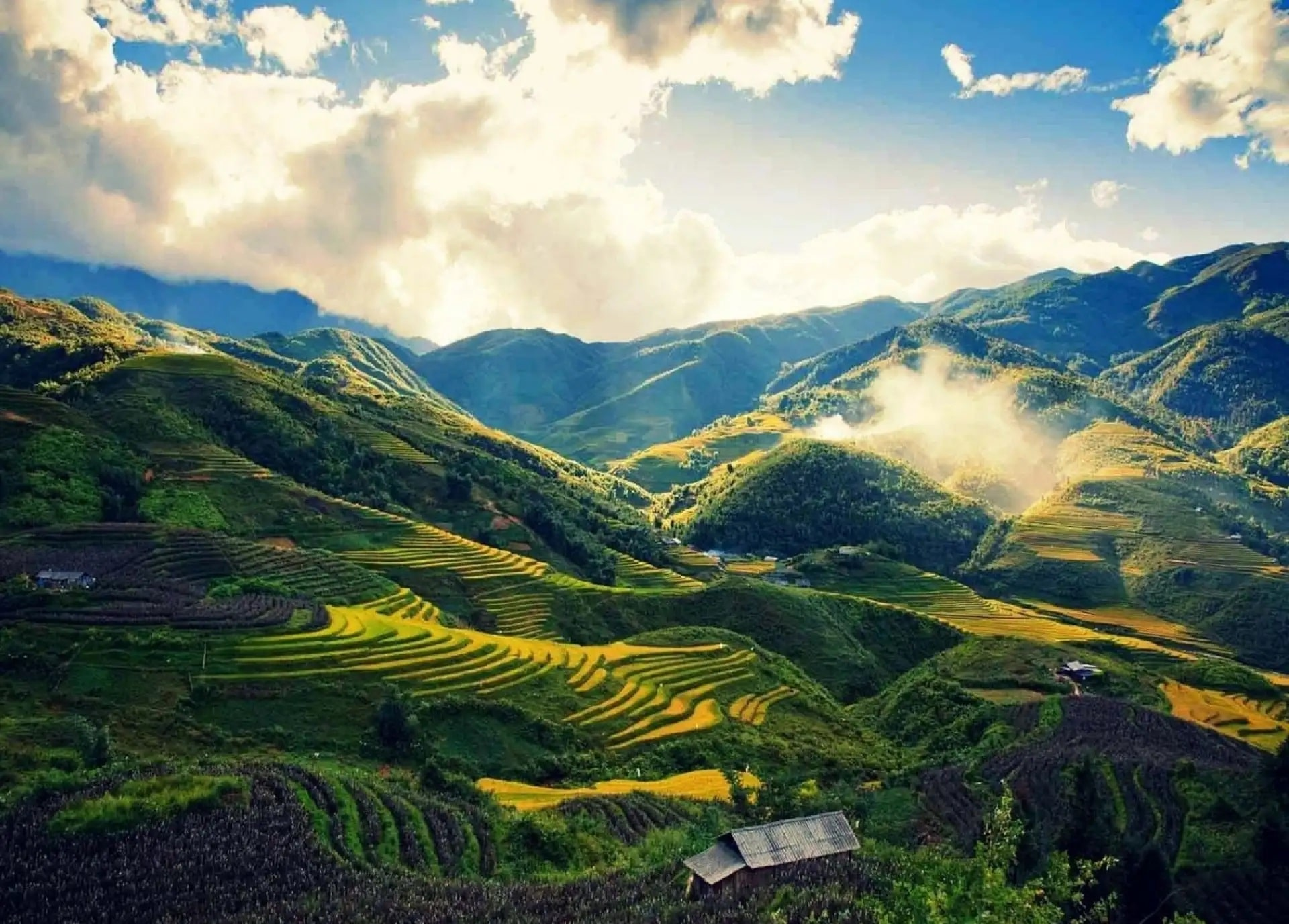
The picturesque natural scenery in Muong Hoa Valley
In addition to its natural beauty, Muong Hoa Valley is home to several ethnic minority villages, including those of the H'Mong, Dao, and Giay communities. Travellers can combine sightseeing with cultural exploration, learning about local traditions and enjoying authentic mountain hospitality. For photography lovers, Muong Hoa Valley offers countless viewpoints that showcase the dramatic beauty of Sa Pa's countryside.
3.4. Sa Pa Stone Church
Located in the heart of Sa Pa town, Sa Pa Stone Church is one of the destination's most historic and recognizable landmarks. Constructed by the French in the early twentieth century, the church remains one of the few colonial-era buildings that has been preserved in the region.
Built entirely from stone, the church features classic Gothic-inspired architecture that contrasts beautifully with the surrounding mountain scenery. Its distinctive bell tower and stone façade have made it a favourite subject for photographers and visitors exploring the town centre.
The church square in front of the building serves as a social and cultural hub, often hosting local events, cultural activities, and weekend gatherings. In the evening, the area comes alive with visitors enjoying the cool mountain atmosphere, local street food, and nearby cafés. Its central location makes it an essential stop during any independent trip to Sa Pa.
3.5. Sun Plaza and Sa Pa Town Centre
Sun Plaza has quickly become one of the most recognizable landmarks in Sa Pa thanks to its striking European-inspired architecture. The building's vibrant yellow facade, elegant clock tower, and picturesque setting against the mountains make it one of the most photographed locations in town.
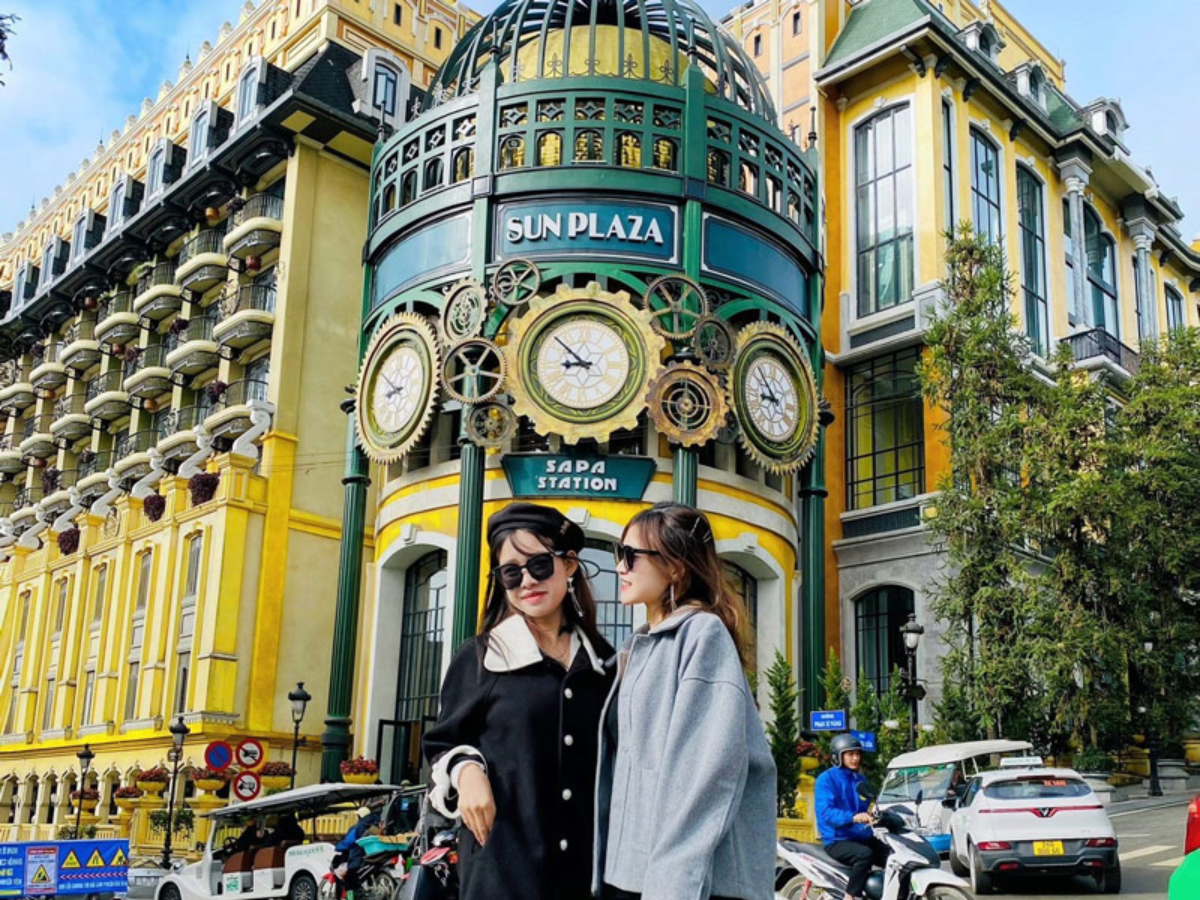
Sun Plaza is a popular check-in spot located right in the heart of Sa Pa
Beyond its role as a transportation hub connecting visitors to the Fansipan cable car station, Sun Plaza has become a popular attraction in its own right. Many travellers stop here to capture photos before beginning their Fansipan adventure.
The surrounding town centre offers a charming blend of local culture and modern tourism facilities. Visitors can stroll through lively streets lined with cafés, restaurants, bakeries, and souvenir shops. The area is especially enjoyable in the evening, when cool temperatures create the perfect atmosphere for relaxing walks and discovering local cuisine.
3.6. O Quy Ho Pass
Known as one of the "Four Great Passes" of northern Vietnam, O Quy Ho Pass is a spectacular mountain road that stretches across the Hoang Lien Son range. Reaching elevations of over 2,000 metres, the pass offers some of the most dramatic views in the country.
The winding road passes through towering mountains, deep valleys, waterfalls, and dense forests, creating breathtaking scenery around every corner. On many days, visitors can witness clouds drifting through the valleys below, producing a magical landscape that feels almost surreal.
Sunrise and sunset are particularly popular times to visit O Quy Ho Pass. As the changing light illuminates the mountains and clouds, the viewpoints along the route become ideal locations for photography. For travellers seeking unforgettable scenery beyond Sa Pa town itself, O Quy Ho Pass is one of the most rewarding destinations to include in an independent trip to Sa Pa.
An independent trip to Sa Pa is an excellent choice for Malaysian travellers seeking cooler weather, stunning mountain scenery, and authentic cultural experiences within a short and convenient getaway. With easy access from Hanoi, a wide range of accommodation options, and attractions suitable for all ages, Sa Pa offers the perfect balance of relaxation, adventure, and exploration.
Whether you're taking in the panoramic views from Fansipan Peak, wandering through the terraced rice fields of Muong Hoa Valley, or discovering the traditions of local ethnic communities, every moment in Sa Pa provides a unique glimpse into the natural and cultural beauty of northern Vietnam. With thoughtful planning and the right itinerary, your first visit to Sa Pa can easily become one of the most memorable highlights of your journey to Vietnam.


