




1. Duration of stay under the Phu Quoc visa exemption policy
One of the most frequently asked questions by tourists regarding extending their stay in Phu Quoc with visa-free is the permitted length of stay. According to current Vietnamese regulations, foreigners and Vietnamese citizens holding foreign passports are exempt from visa requirements when entering, staying, and exiting Phu Quoc, with a maximum stay of 30 days.
This policy applies to tourists arriving in Phu Quoc directly from abroad by air or sea. Additionally, you may still be eligible for visa exemption if you transit through a Vietnamese international border crossing and continue your journey to Phu Quoc in accordance with regulations.
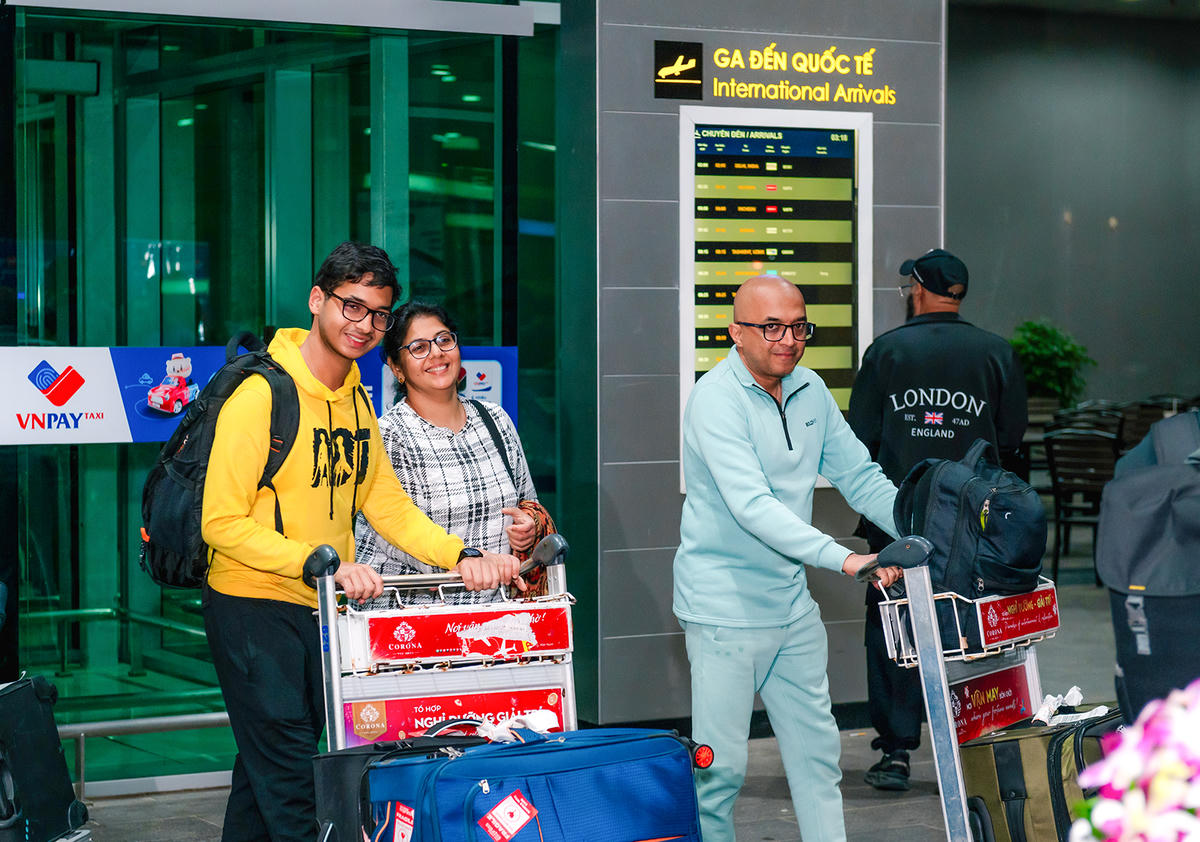
Tourists can stay for up to 30 days thanks to Phu Quoc visa-free policy.
It is important to note that the 30-day period is calculated from the date of entry into Phu Quoc. During this time, you can freely relax, sightsee, and experience tourist activities on the island without needing to apply for a Vietnamese visa. This is one of the most favorable visa policies currently available for international visitors to Vietnam.
However, Phu Quoc visa-free policy does not mean you can stay indefinitely. After the granted temporary stay expires, you need to follow the appropriate procedures if you wish to stay longer or continue your journey to other locations in Vietnam. This is also why many Indian tourists are now researching the possibility of extending their visa-free stay in Phu Quoc before planning their extended vacation.
Besides, you should distinguish between the visa-free period for Phu Quoc and other Vietnamese visa exemption programs based on nationality. For most visitors to Phu Quoc under the island's special visa exemption scheme, the important timeframe to remember is a maximum stay of 30 days. If you wish to stay longer, you should research visa options or immigration procedures early to avoid overstaying your visa.
2. Is it possible to extend your stay in Phu Quoc when you are visa-free?
2.1. Why do many tourists want to extend their stay in Phu Quoc?
Although Phu Quoc visa-free policy allows a maximum stay of 30 days, many tourists still feel this is not enough time to fully enjoy the trip. Unlike destinations only suitable for short getaways, Phu Quoc boasts a diverse tourism ecosystem with beaches, resorts, amusement parks, island experiences, and many relaxing activities that can last for weeks.
For Indian tourists, the trend of extended vacations at tropical destinations is becoming increasingly popular. Many choose Phu Quoc not only for tourism but also for remote work, extended family holidays, or to combine exploring different areas on the island. After a few weeks of stay, many tourists begin searching for information about extending their stay in Phu Quoc with visa-free to stay in Vietnam longer.
In addition, some unforeseen circumstances such as changes in personal plans, a desire to participate in more tourist activities, or finding attractive accommodation deals also lead tourists to want to extend their stay after the 30-day visa-free period is about to end.
2.2. Is the 30-day visa-free period automatically extended?
The answer is NO. This is something you need to pay special attention to right from the start of your travel planning.
When entering Phu Quoc under the visa exemption scheme, the maximum permitted stay is 30 days. After this period expires, the visa-exempt stay also ceases to be valid. This means that you cannot automatically stay for a few extra days or weeks without following the appropriate procedures as stipulated by the Vietnamese immigration authorities.
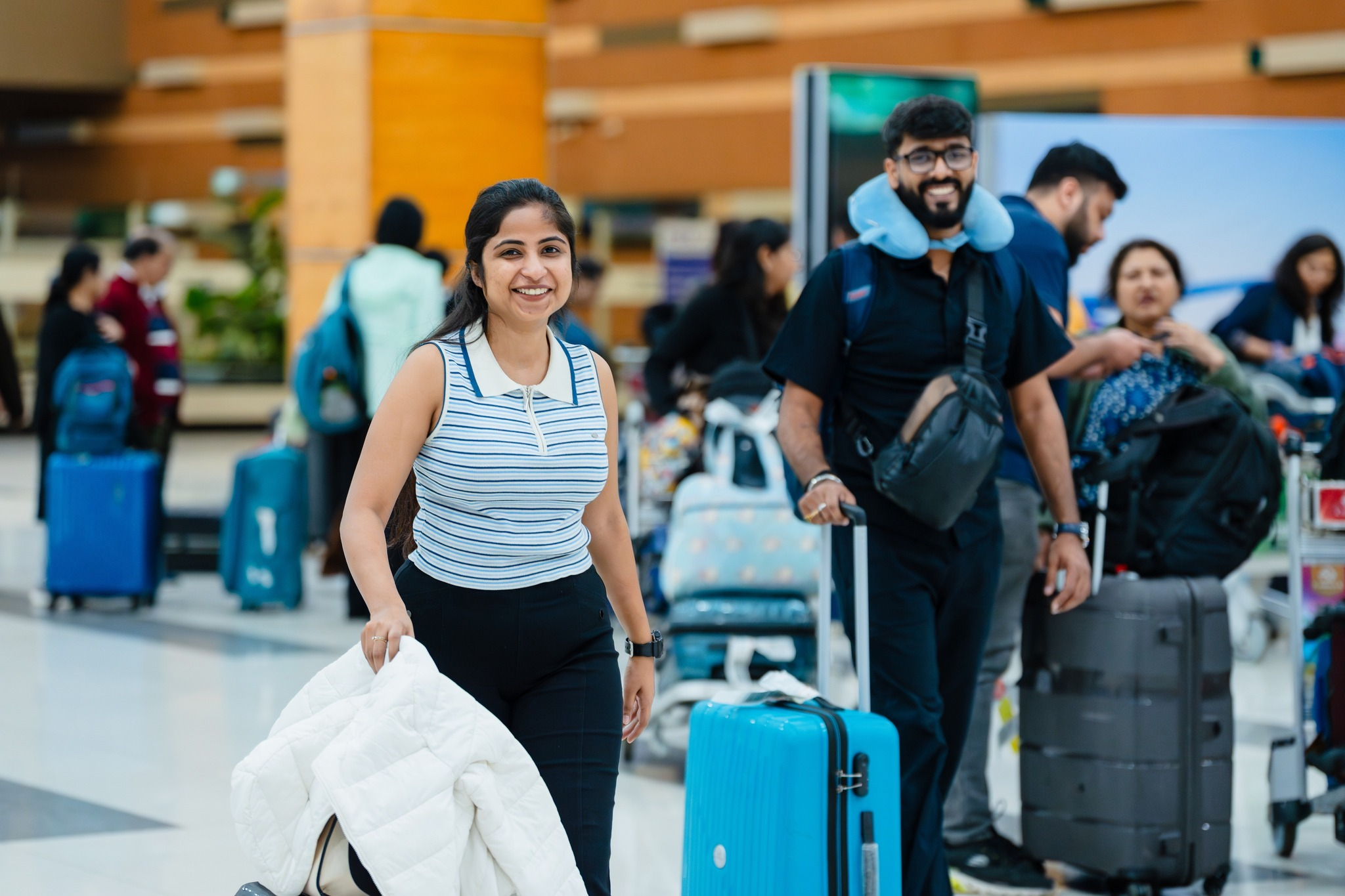
Tourists cannot extend their stay if they use the Phu Quoc visa exemption policy.
Many people often confuse visa exemption policies with tourist visas that can be extended in certain cases. However, these are two different forms of entry. Being granted visa exemption to Phu Quoc does not automatically mean that the duration of stay will be extended after the 30-day period expires. Therefore, if you intend to stay longer, you should proactively explore legal options before the visa exemption period ends instead of waiting until the last few days.
2.3. What options do you have if you wish to stay longer?
If you realize your stay might exceed 30 days, you should consider suitable options as early as possible. In many cases, foreigners wishing to extend their stay in Vietnam will need to go through the procedures related to visas or e-visas according to current regulations. This is a solution often chosen by those who want to stay longer in Phu Quoc or plan to extend their trip to other locations in Vietnam.
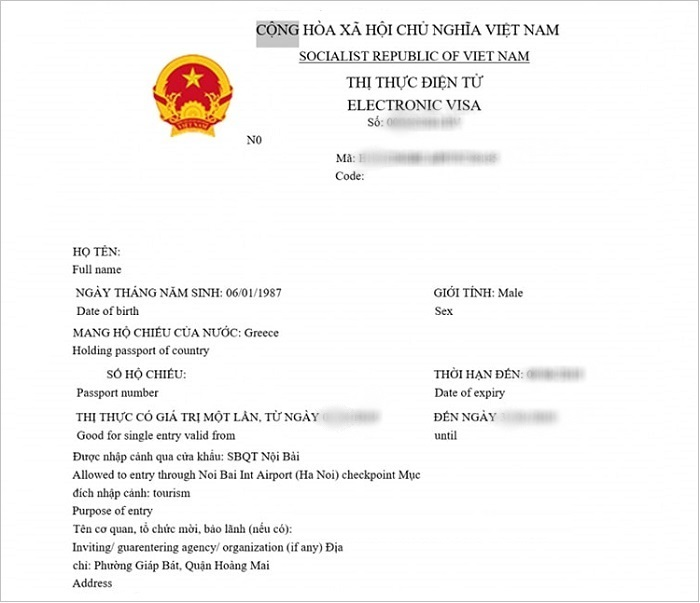
Tourists need to apply for a visa if they wish to stay for more than 30 days.
For example, an Indian tourist planning a 20-day vacation in Phu Quoc and then exploring Ho Chi Minh City or Hanoi for a few more weeks should consider preparing for an e-visa from the start. This approach allows for greater flexibility and avoids potential difficulties when the visa-free period is about to expire. Furthermore, researching legal accommodation options early allows travelers to be more proactive in booking flights and hotels and creating an itinerary that suits their actual stay.
2.4. What happens if you overstay your visa-free period?
Overstaying your permitted stay is something you should avoid under any circumstances. Once the 30-day visa-free period expires, continuing to stay in Vietnam without valid documentation may be considered a violation of immigration regulations. Depending on the length of the overstay and the specific circumstances, you may be required to complete additional procedures or face penalties as prescribed by the authorities.
Besides the inconveniences of your current trip, overstaying your visa can also affect future entries into Vietnam. This is why travel experts always recommend that you closely monitor your stay dates and prepare accordingly before the visa-free period ends. For Indian tourists staying for extended periods in Phu Quoc, remembering your entry date and temporary stay expiration date is crucial to avoid unnecessary risks.
3. What should you do if you want to stay in Phu Quoc longer than 30 days?
3.1. Planning from the beginning is the simplest way
Although many tourists are interested in extending their stay in Phu Quoc under visa-free, the most convenient solution is still to clearly define their accommodation needs right from the trip planning stage.
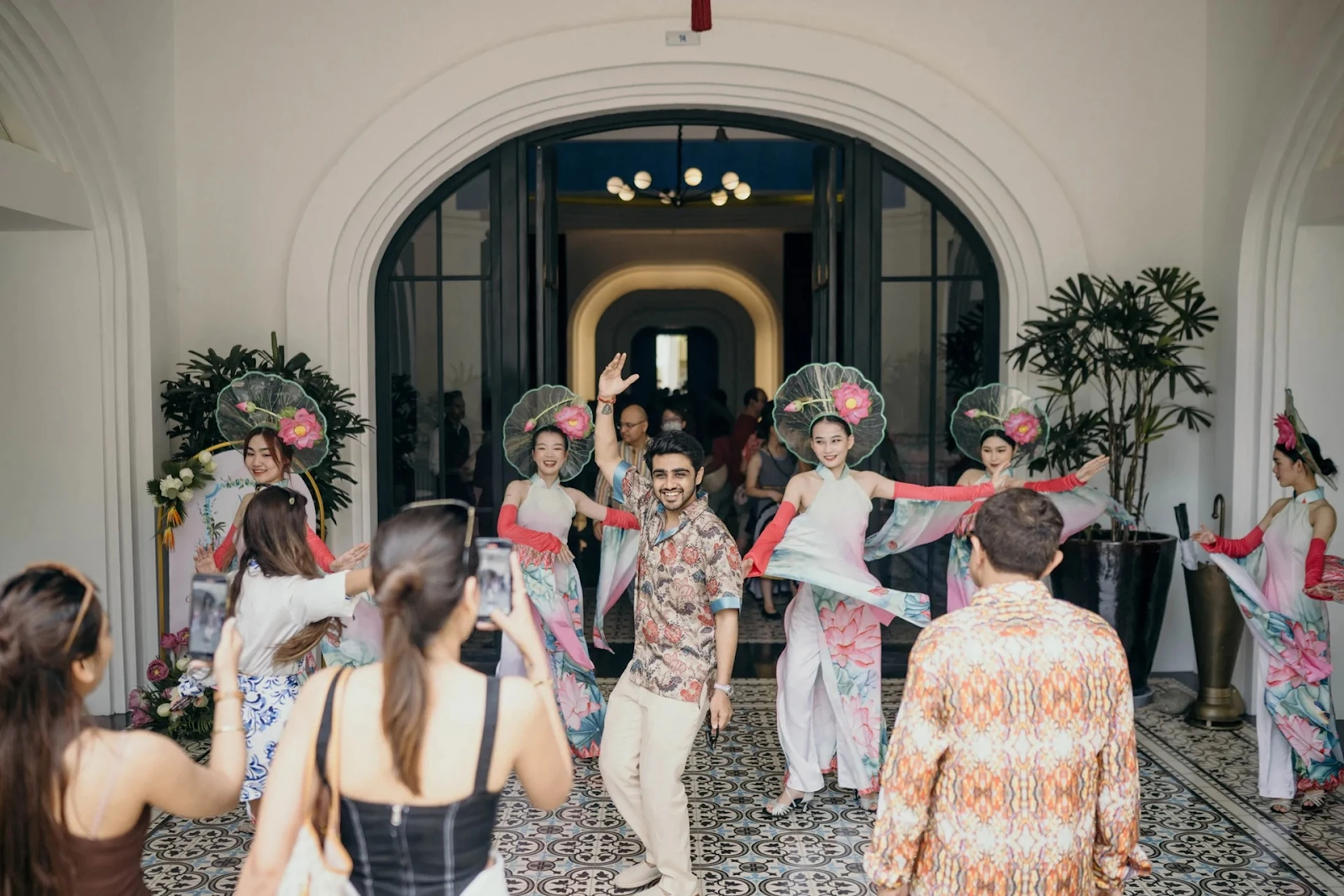
Tourists should plan their stay clearly from the start to ensure the smoothest possible paperwork.
If your goal is simply a few days or weeks of relaxation in Phu Quoc, the 30-day visa-free policy is a very convenient option. However, if you plan to stay in Vietnam longer than a month or want to combine multiple destinations in one trip, preparing the appropriate visa type from the start will save time and reduce unnecessary procedures.
For Indian tourists, this is especially important as many often combine Phu Quoc with Ho Chi Minh City, Hanoi, or Da Nang in the same trip. A suitable visa plan will make the itinerary more flexible, allowing you to focus on enjoying your holiday instead of worrying about issues related to the length of stay.
3.2. Exploring visa options that suit your plans
If you wish to stay in Vietnam after your visa-free period expires, you should research the available visa types and choose the option that best suits your travel purpose. For example, an Indian tourist who only wants to extend his stay in Phu Quoc for a short time will have different needs than someone planning to explore Ho Chi Minh City, Hanoi, or other parts of Vietnam.
Similarly, travelers who work remotely for extended periods may need to consider different options than regular tourists. Choosing the right visa type from the outset will make the stay smoother and minimize complications during their time in Vietnam.
3.3. Considering an e-visa if you want to explore more of Vietnam
One of the biggest limitations of Phu Quoc visa-free policy is that its application is limited to Phu Quoc Island. Therefore, if you not only want to extend your vacation but also plan to visit Ho Chi Minh City, Hanoi, Da Nang, or other destinations, obtaining e-visas is something to consider.
This is a popular choice for many Indian tourists who want to combine multiple destinations in a single trip. Instead of just staying in Phu Quoc before having to leave the country, you can continue to explore major cities, experience the culture, cuisine, and other famous landmarks of Vietnam. Planning your travel needs in advance will help you choose the appropriate entry method and avoid sudden changes in your itinerary.
3.4. Monitoring your stay duration to avoid violating immigration regulations
One of the most important things for tourists staying for extended periods is to always keep track of your permitted stay in Vietnam. Many people get so focused on enjoying their vacation that they inadvertently forget when their visa-free period ends. This can lead to unwanted problems when going through immigration procedures or planning future trips.
Tourists should pay attention to the length of their stay to avoid violating immigration regulations in Vietnam.
To avoid this situation, you should record your entry and exit dates and regularly check your itinerary. If you intend to extend your trip, you should start researching the relevant procedures early instead of waiting until the last minute.
Extending your visa-free stay in Phu Quoc is a topic of great interest to many tourists, especially those who want to prolong their vacation or continue exploring Vietnam after the 30-day visa-free period ends. However, you need to understand that the visa-free period is not automatically extended, and overstaying may lead to immigration-related issues.
If planning to stay longer than 30 days, you should proactively explore suitable visa options from the outset rather than waiting until the last minute. This is especially important for Indian visitors who want to combine Phu Quoc with other destinations such as Ho Chi Minh City, Hanoi, or Da Nang in the same trip. With thorough preparation of itinerary and necessary documents, you can fully enjoy your holiday on the island while ensuring a smooth journey and full compliance with Vietnam's entry regulations.


