


1. Hai Van Pass: A distinctive location and scenic experience for Indian travellers
1.1. Location and geography: Where mountains meet the sea
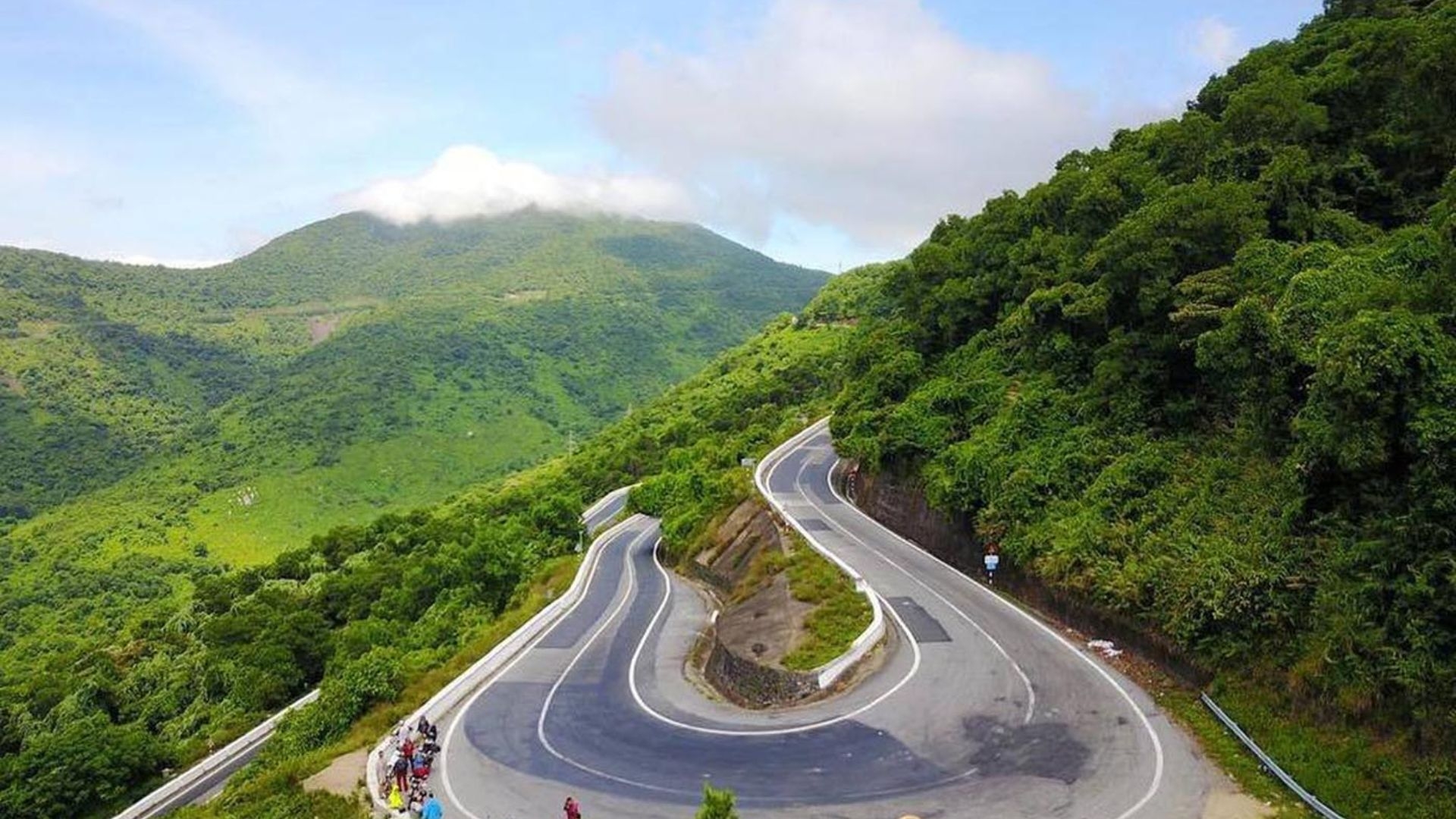
Hai Van Pass lies between Da Nang and Hue, where the Truong Son mountain range extends towards the coast. The road winds between forested slopes and views of the East Sea. The pass is approximately 21 km long, reaching a maximum elevation of around 496 metres, with constantly changing terrain and panoramas.
At its summit, the historic Hai Van Gate adds a cultural dimension to the natural scenery. For Indian families and larger groups, the pass can be incorporated into a Da Nang–Lang Co–Hue itinerary. Travellers may choose the scenic mountain road or take the Hai Van Tunnel when a shorter journey is the priority.
1.2. Coastal and mountain scenery that appeals to Indian visitors
The appeal of Hai Van Pass lies in its winding mountainside route, with expansive views of the sea and Lang Co Bay. As the road climbs, forests, clouds and sweeping bends create an ever-changing landscape, offering numerous opportunities for sightseeing and photography.
For groups of Indian friends, it is an appealing road-trip destination, offering a striking contrast to Da Nang’s beaches and urban attractions. Multigenerational families can travel by private car, stop at Hai Van Gate and continue towards Lang Co or Hue, combining coastal landscapes with Central Vietnam’s cultural heritage.
Hai Van Pass follows the mountains along the coastline, offering spectacular scenery. (Source: Collected)
2. Three ways to explore Hai Van Pass
👉 Book your Sun World Ba Na Hills tickets here
2.1. Travel by car for a flexible itinerary and scenic stops
Travelling by car across Hai Van Pass is particularly convenient for Indian families and larger groups who prefer to choose their own departure times and sightseeing stops. From central Da Nang, the road climbs through a series of bends, with the Truong Son mountains on one side and views towards the East Sea and Lang Co Bay on the other.
Groups can stop at Hai Van Gate for photographs before descending towards Lang Co and continuing to Hue. For a day trip, visitors can take the pass from Da Nang towards Hue, explore Lang Co or Hue, and return via the Hai Van Tunnel.
2.2. Explore the coastal mountain road by motorbike
A motorbike journey across Hai Van Pass offers a more immediate experience of the route between Da Nang and Hue. From Da Nang, riders follow the winding mountainside road, passing viewpoints overlooking the sea before reaching Hai Van Gate at the summit.
For younger Indian travellers and groups of friends who enjoy road trips, motorbikes offer flexibility for exploring the route and stopping to admire the scenery. Beyond the summit, the road descends towards Lang Co, revealing views of the bay and coastline before continuing towards Hue.
2.3. Take the heritage train for a scenic and cultural journey
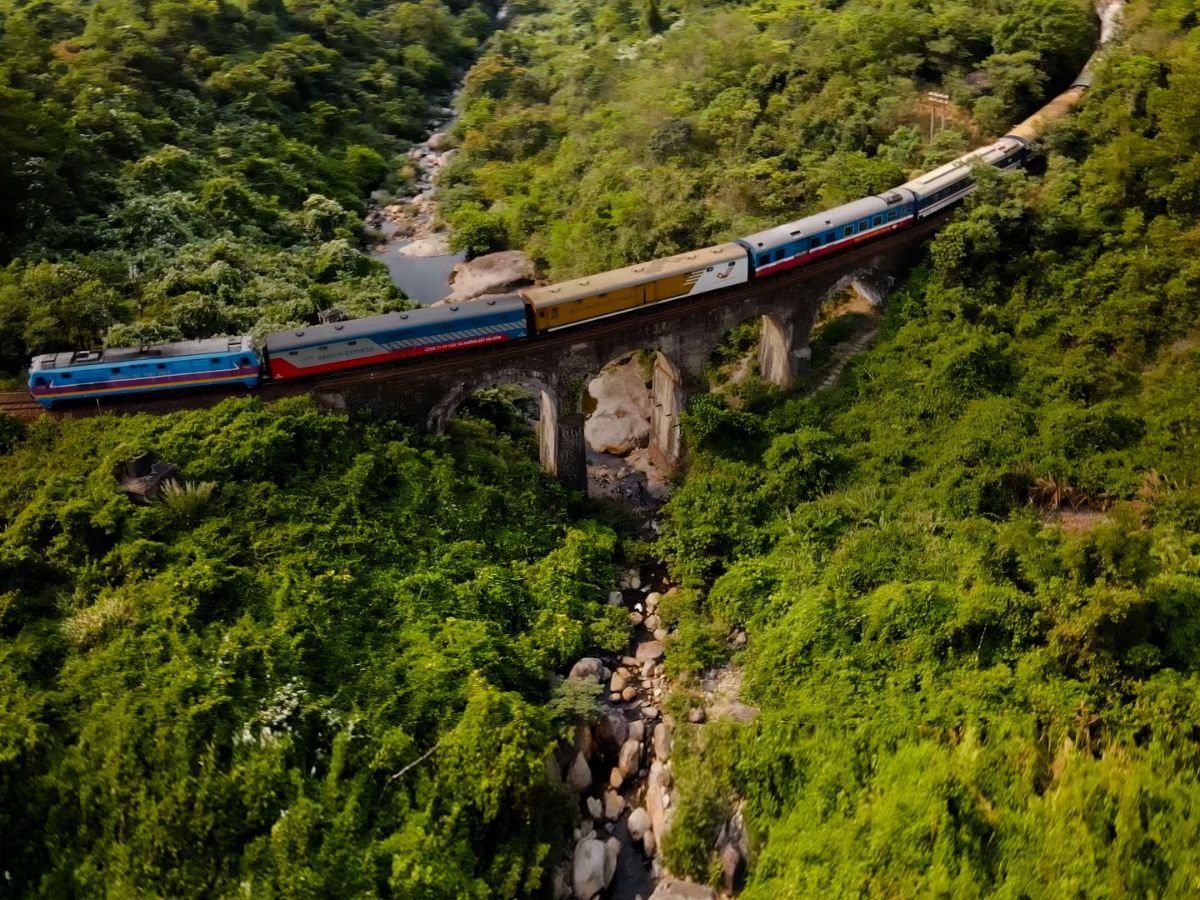
The heritage train linking Da Nang and Hue combines spectacular landscapes with cultural experiences. Departing from Da Nang Railway Station, it travels along the coast and through the Hai Van area, giving passengers views of the Truong Son mountains, the sea and Lang Co Bay. The train makes an approximately ten-minute stop at Lang Co Station, allowing passengers to admire the bay and take photographs.
Refurbished carriages feature seats that can rotate 180 degrees. A community carriage introduces local culture and cuisine, while a VIP carriage inspired by Hue’s imperial heritage offers coffee and live music. For Indian families, the journey combines convenient travel with sightseeing, photography and a taste of Central Vietnamese culture.

The heritage train offers visitors a variety of memorable experiences. (Source: Collected)
3. Destinations to combine with a Hai Van Pass journey in Central Vietnam
3.1. Hue: Discover imperial heritage and cultural traditions
From Hai Van Pass, Indian travellers can continue to Hue to discover the legacy of the Nguyen dynasty at royal tombs such as Minh Mang, Tu Duc and Khai Dinh. Each has a distinct character: Minh Mang Tomb blends harmoniously with its natural setting, Tu Duc Tomb has a tranquil, poetic atmosphere, and Khai Dinh Tomb is renowned for elaborate architecture and intricate ceramic mosaics.
After visiting the monuments, travellers can enjoy a dragon-boat cruise on the Perfume River and listen to traditional Hue singing, including Nam Ai and Nam Binh melodies. The visit can conclude with local specialities such as bun bo Hue, banh beo, banh nam and banh loc.
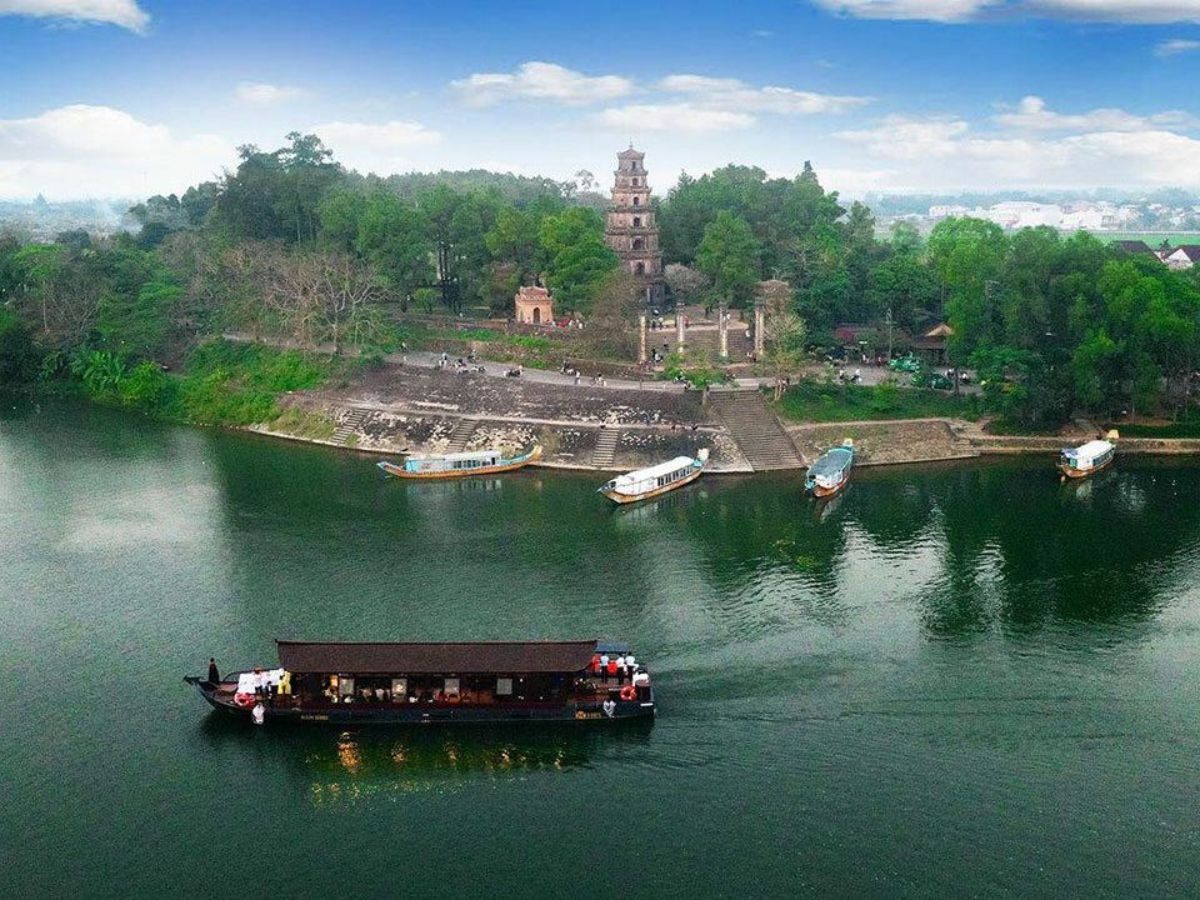
Hue is a rewarding addition to a Hai Van Pass itinerary. (Source: Collected)
3.2. Central Da Nang: Beaches, city life and cultural discoveries
After exploring Hai Van Pass, travellers can return to central Da Nang for coastal relaxation and cultural sightseeing. A morning visit to Son Tra Peninsula offers scenic mountain roads, sea views and greenery, while the Marble Mountains feature caves, pagodas and elevated viewpoints.
For visitors interested in Cham culture, the Museum of Cham Sculpture offers an important collection of artefacts. After sightseeing, travellers can unwind at a beachfront resort or spend time by the sea. In the evening, the Han River, Dragon Bridge and central streets offer opportunities for walking, dining and enjoying Da Nang after dark. For Indian families and groups of friends, this creates a balanced itinerary of exploration and relaxation.
3.3. Ba Na Hills: Mountain scenery and entertainment
From central Da Nang, Indian visitors can take the complimentary WOW Bus to Sun World Ba Na Hills and devote a full day to exploring the mountain resort. The cable car journey reveals forests, valleys and shifting clouds before reaching the Mount Chua summit area at an elevation of 1,487 metres.
The Golden Bridge, situated more than 1,400 metres above sea level, is a favourite photography stop for families and groups. Higher up, the French Village features European-inspired squares and streets, while Moon Castle and Eclipse Square provide further imaginative architectural settings.
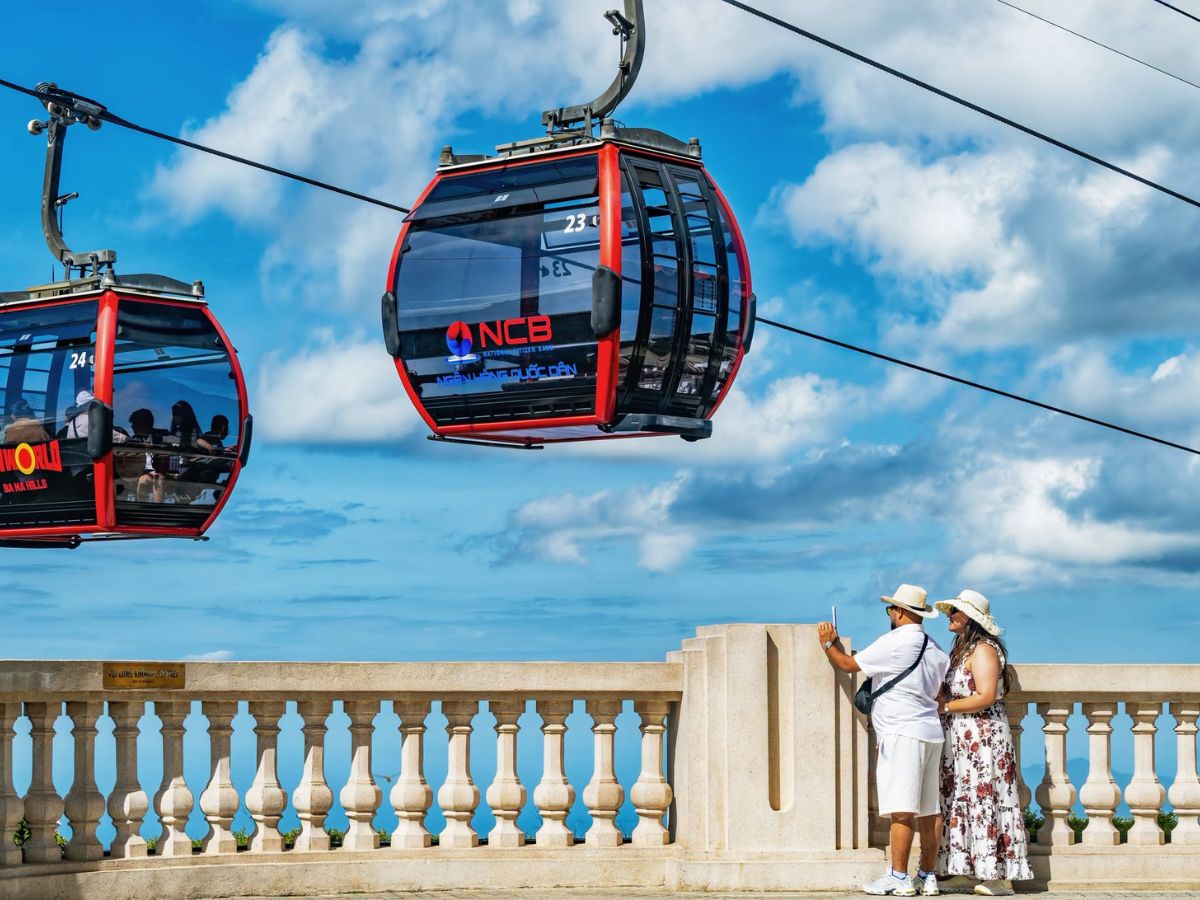
Visitors enjoy mountain scenery and entertainment at Ba Na Hills. (Source: Collected)
For multigenerational families, Fantasy Park offers indoor attractions for children and adults, including a dinosaur-themed area and Light Art. Visitors can enjoy a meal at one of the mountaintop restaurants, choosing menus suited to their group’s dietary needs, including vegetarian or Halal options where available.
Those wishing to extend their stay can book Mercure Danang French Village Bana Hills, enjoying the French Village after dark and the cool mountain atmosphere at night.
3.4. Hoi An: Ancient-town architecture and cultural experiences
A journey from Hai Van Pass can also continue to Hoi An, offering a completely different setting from the mountain and coastal route. The town is known for its historic timber buildings, tiled roofs, assembly halls, narrow streets and riverside atmosphere.
UNESCO recognises Hoi An as an exceptionally well-preserved Southeast Asian trading port dating from the 15th to the 19th centuries. Its 30-hectare heritage area contains 1,107 timber-framed buildings and reflects local traditions alongside Chinese, Japanese and European influences. For Indian travellers interested in culture and photography, an evening walk through the old town, visits to historic buildings, lantern displays and time by the Hoai River make for a memorable visit.
3.5. My Son Sanctuary: Traces of Cham civilisation
Indian visitors can also include My Son Sanctuary in their Central Vietnam itinerary to learn more about Cham civilisation. Set in a valley surrounded by forested mountains, the site is known for brick temple complexes dating from the 4th to the 13th centuries. It was once an important religious and political centre of the Champa kingdom and was inscribed on the UNESCO World Heritage List in 1999.
For Indian visitors interested in history and the influence of Hinduism in Southeast Asia, temples dedicated to deities such as Shiva offer a particularly meaningful cultural connection. After exploring the temple groups, travellers can watch traditional Cham dance accompanied by local music before continuing to Hoi An or returning to Da Nang the same day.
From the mountain and sea views of Hai Van Pass, a journey through Central Vietnam can continue to the imperial heritage of Hue, the historic streets of Hoi An, the Cham legacy of My Son or Da Nang’s beachfront resorts. Each destination offers a different experience for families, friends and travellers seeking both discovery and relaxation. Choosing stops according to personal interests allows for a richer journey without an overly packed schedule.