




1. 13 top attractions in Da Nang you should prioritize
Da Nang packs beaches, mountains, cultural landmarks, modern architecture, and lively local neighborhoods into a surprisingly compact destination. The places below cover the city’s essential highlights, with a few less obvious stops included for travelers who want to see something beyond the standard first-time itinerary.

Sun World Ba Na Hills has the iconic Golden Bridge, mountain views, and unique attractions. (Source: Sun World)
Sun World Ba Na Hills
Set high in the mountains west of the city, Sun World Ba Na Hills is one of the most recognizable top attractions in Da Nang, especially for first-time visitors. The complex is best known for the Golden Bridge, seemingly held above the mountains by two enormous stone hands, but there is much more to explore.
Cable-car rides reveal sweeping mountain views, while the French Village, gardens, indoor entertainment, restaurants, and seasonal events can easily fill most of a day. The higher elevation also brings noticeably cooler weather than downtown Da Nang, so carrying a light layer can be useful even during warmer months.
Marble Mountains
Rising dramatically from the flat coastal landscape south of downtown, the Marble Mountains combine natural scenery, Buddhist heritage, caves, viewpoints, and centuries-old religious spaces in one compact attraction. Visitors can climb stone stairways between pagodas and grottoes, explore atmospheric caves such as Huyen Khong, and enjoy elevated views toward the coastline.
The site rewards slower exploration rather than a rushed photo stop, particularly because some paths and stairs can be steep. Nearby stone-carving workshops reflect the area's long craft tradition. Visit earlier in the morning for cooler conditions, comfortable climbing, and more time to appreciate the spiritual atmosphere.
My Khe Beach
My Khe Beach is Da Nang’s signature urban beach and one of the easiest places to experience the city’s coastal lifestyle. Its long stretch of sand sits only a short ride from downtown, making sunrise walks, swimming, sunbathing, and casual evenings beside the sea easy to add to almost any itinerary. Hotels, seafood restaurants, cafés, and beach services are concentrated along the surrounding streets, so visitors rarely need extensive planning. Early morning is particularly atmospheric as locals exercise along the shore. Swimming conditions vary throughout the year, however, so pay attention to warning flags and lifeguard instructions before entering the water.
Son Tra Peninsula
For a quick transition from city streets to forested mountains and dramatic coastline, head toward Son Tra Peninsula. Often called Monkey Mountain, the peninsula rises northeast of central Da Nang and offers winding coastal roads, viewpoints, beaches, dense vegetation, and opportunities to encounter wildlife.
The rare red-shanked douc langur is among Son Tra’s most famous residents, although sightings are never guaranteed and animals should be observed from a respectful distance. Road access and restrictions can change, particularly on steeper routes, so check current conditions before setting out. Combining Son Tra with Linh Ung Pagoda creates an easy half-day nature and sightseeing itinerary.
Linh Ung Pagoda & Lady Buddha
Located on Son Tra Peninsula overlooking the coast, Linh Ung Pagoda offers a quieter cultural experience alongside expansive views toward Da Nang and the sea. Its most recognizable landmark is the towering white Lady Buddha statue, visible from many points along the beachfront.
Visitors can wander through temple grounds, admire Buddhist architecture, and enjoy the contrast between mountain greenery and the urban coastline below. As this remains an active religious site rather than simply a tourist attraction, dress respectfully and keep noise to a minimum. Morning or late afternoon visits can also be more comfortable than exploring the exposed grounds around midday.
Dragon Bridge
Spanning the Han River, Dragon Bridge has become one of Da Nang’s defining modern landmarks. Its long dragon-shaped structure is impressive during the day, but the bridge becomes particularly lively after dark when its illuminated form stands out against the riverfront skyline.
On scheduled evenings, visitors gather near the bridge for its famous fire-and-water performance, turning the surrounding streets and waterfront into a busy nighttime gathering place. Arrive ahead of the show if you want a convenient viewing position, and expect temporary traffic restrictions nearby. Afterwards, continue along the Han River or explore nearby night markets, cafés, and restaurants.
Han River Waterfront
The Han River Waterfront shows off Da Nang at its most relaxed and modern, particularly after sunset. Riverside promenades around Bach Dang Street provide an easy setting for walking, watching illuminated bridges, stopping at cafés, or simply observing the city’s evening rhythm. Several central landmarks are within easy reach, including Dragon Bridge and Han Market, making the waterfront useful for connecting multiple attractions without a complicated itinerary.
River cruises are another option for visitors who want to see the skyline from the water. Rather than treating the area as a single sightseeing stop, allow time to wander and experience the atmosphere at a slower pace.
Museum of Cham Sculpture
Travelers interested in the history behind Central Vietnam’s archaeological sites should make time for the Museum of Cham Sculpture. Located near the Han River, the museum houses an important collection of sculptures and artifacts associated with the Champa civilization, including works originating from sites across Central Vietnam. Sandstone statues, decorative carvings, and religious imagery provide useful context before visiting places such as My Son Sanctuary farther south.
Unlike Da Nang’s outdoor attractions, the museum also works particularly well during hot or rainy periods. Give yourself enough time to read the displays rather than viewing the collection simply as a quick stop between city landmarks.
Han Market & Con Market
For a more everyday side of Da Nang, visit Han Market and Con Market, two central markets with noticeably different experiences. Han Market is convenient for souvenirs, dried foods, local specialties, clothing, and gifts, particularly for travelers staying near the river. Con Market feels especially rewarding for food-focused visitors, with vendors selling snacks, noodles, desserts, and other Vietnamese dishes alongside household goods and fresh produce.
Together, the markets offer a useful contrast to beaches and polished tourist developments. Bring Vietnamese dong for smaller purchases, explore before peak closing hours, and compare prices before buying souvenirs or packaged specialties.
Non Nuoc Beach
South of My Khe and close to the Marble Mountains, Non Nuoc Beach is a strong choice for travelers who want coastal scenery without spending their entire beach day in the busiest central areas. The long sandy shoreline is backed by several resorts, yet certain stretches can feel more spacious and relaxed than central My Khe. Its location also makes it easy to combine with the Marble Mountains or continue toward Hoi An.
Among the top attractions in Da Nang, Non Nuoc works particularly well as a slower stop between sightseeing days. As always, check waves, weather conditions, and beach warnings before swimming.
Ghenh Bang
Hidden along Son Tra Peninsula, Ghenh Bang is a more adventurous alternative to Da Nang’s developed beaches. The area is characterized by rocky coastline, clear water, forested surroundings, and a relatively undeveloped atmosphere. Reaching the shore involves a walk down from the main road, so sturdy footwear and drinking water are useful.
Visitors often come for photography, coastal exploration, and snorkeling when sea conditions are calm. Unlike My Khe, facilities are limited, which is part of its appeal. Check weather and access conditions before visiting, particularly during periods of rough seas or heavy rain.
Ban Co Peak
High on Son Tra Peninsula, Ban Co Peak offers a completely different perspective on Da Nang. The viewpoint sits nearly 700 meters above sea level and looks across forested mountains toward the coastline, city skyline, and Han River bridges. Its name comes from a local legend involving celestial beings playing chess, represented by the stone chessboard and figure at the summit.
Ban Co Peak is especially appealing to travelers who enjoy scenic drives and photography rather than conventional sightseeing. Because mountain weather and road access can change, check current conditions before traveling up Son Tra.
Dong Dinh Museum
Dong Dinh Museum is one of Da Nang’s more unusual cultural stops, tucked into the greenery of Son Tra Peninsula rather than the busy city center. Its forest setting makes the experience feel part museum visit and part nature escape, offering a refreshing contrast to the city’s beaches and modern landmarks.
The collection and traditional architectural spaces introduce visitors to Vietnamese art, culture, and everyday heritage in an intimate environment. It works particularly well as an additional stop when exploring Son Tra, especially for travelers looking for something quieter and less predictable than Da Nang’s headline attractions.
2. How many days do you need for Da Nang's main attractions?
For most first-time visitors, 2 to 3 days is enough to experience Da Nang’s major attractions without making the itinerary feel overly rushed. Two days can cover the essential landmarks, while a third day gives you more room for beaches, Son Tra Peninsula, local markets, and slower exploration.
1 day - Essential highlights: Focus on one major attraction such as Sun World Ba Na Hills, or combine Marble Mountains, My Khe Beach, Dragon Bridge, and the Han River area if staying in the city.
2 days - Best for the main sights: Spend one day at Sun World Ba Na Hills and another exploring Marble Mountains, Son Tra Peninsula, Linh Ung Pagoda, My Khe Beach, and central Da Nang.
3 days - More balanced experience: Add museums, Han Market or Con Market, Non Nuoc Beach, cafés, local food, and enough free time to enjoy the coastline without rushing between attractions.
4+ days - Ideal for slower travel: Extra time allows you to discover lesser-known places such as Ghenh Bang and Dong Dinh Museum or add nearby destinations like Hoi An and the Hai Van Pass.

Spend 2-3 days exploring Da Nang’s main attractions at a comfortable pace. (Source: Internet)
3. Common mistakes when choosing attractions in Da Nang
With beaches, mountains, cultural sites, and entertainment complexes spread across different parts of the city, choosing attractions without considering location and timing can make your itinerary unnecessarily tiring. Avoiding a few common mistakes will help you spend less time in transit and more time actually enjoying Da Nang.
Trying to visit too many places in one day: Combining Ba Na Hills, Son Tra Peninsula, Marble Mountains, and central attractions in a single day usually creates a rushed itinerary. Prioritize two or three compatible areas instead.
Ignoring travel distances: Attractions that look close on a map may still require significant driving time. Group nearby places, such as Marble Mountains with Non Nuoc Beach or Linh Ung Pagoda with Son Tra Peninsula.
Choosing attractions only because they are famous: Major landmarks deserve attention, but filling the entire itinerary with popular sights can mean missing quieter beaches, viewpoints, museums, and local neighborhoods that better match your interests.
Not considering the weather: Ba Na Hills can be cloudy or rainy even when central Da Nang is clear, while beaches and Son Tra are less enjoyable during storms, strong winds, or rough seas.
Visiting at the wrong time of day: Midday heat can make outdoor attractions uncomfortable. Beaches are often more pleasant early in the morning or late afternoon, while certain viewpoints benefit from softer morning light.
Forgetting opening hours and scheduled activities: Museums, entertainment complexes, markets, and performances operate on different schedules. Check current hours and show times before building your day around a particular attraction.
Underestimating how long major attractions take: Ba Na Hills can occupy most of a day, while Marble Mountains deserve more than a quick photo stop. Allow realistic time for walking, queues, meals, and transportation.
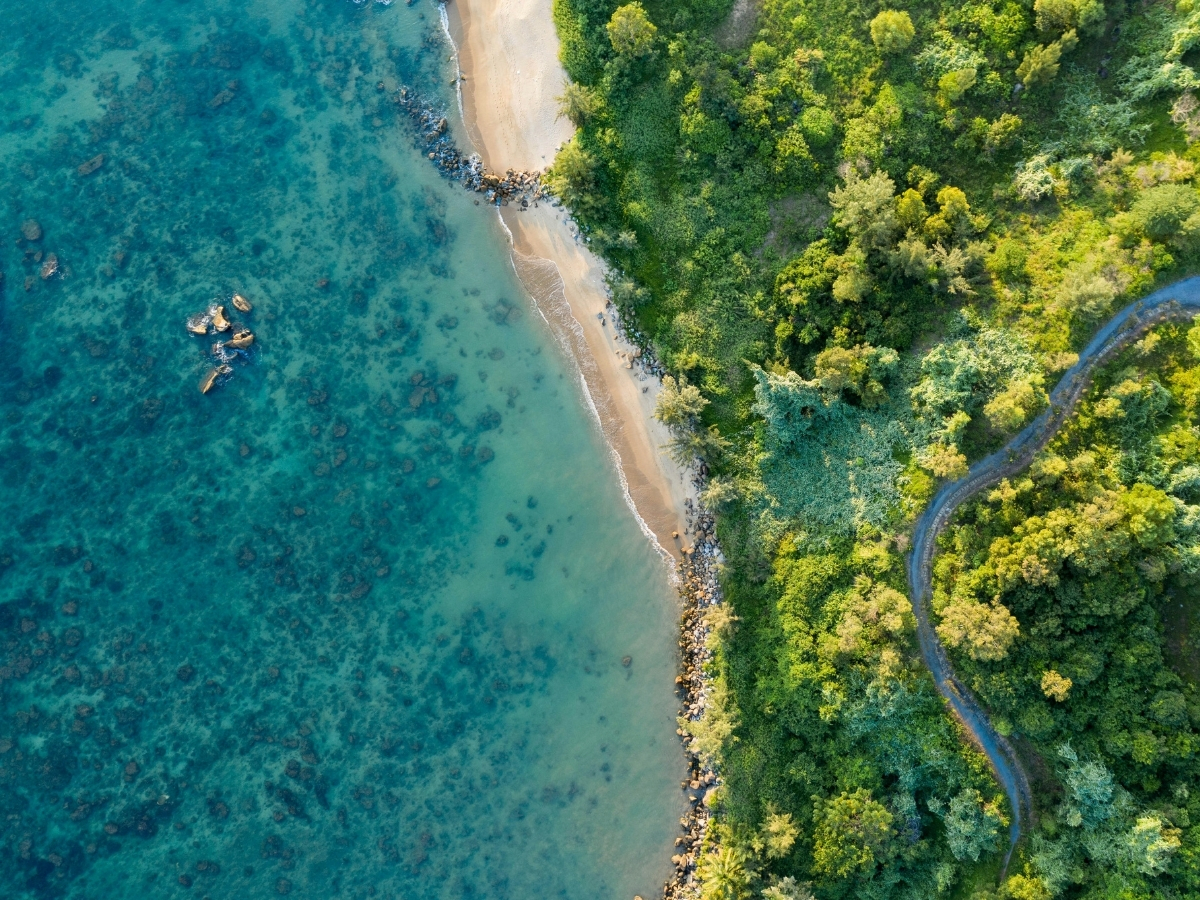
Avoid common planning mistakes to spend less time traveling and more time exploring Da Nang. (Source: Internet)
The top attractions in Da Nang showcase a destination where coastal scenery, mountain adventures, cultural heritage, and modern city life come together naturally. Iconic places such as Ba Na Hills and Marble Mountains deserve a spot on a first visit, but beaches, markets, museums, and lesser-known corners of Son Tra add more depth to the experience. Give yourself enough time to explore beyond the headline sights and discover the different sides of Da Nang.


