




1. Why is Ta Van village hot in 2025?
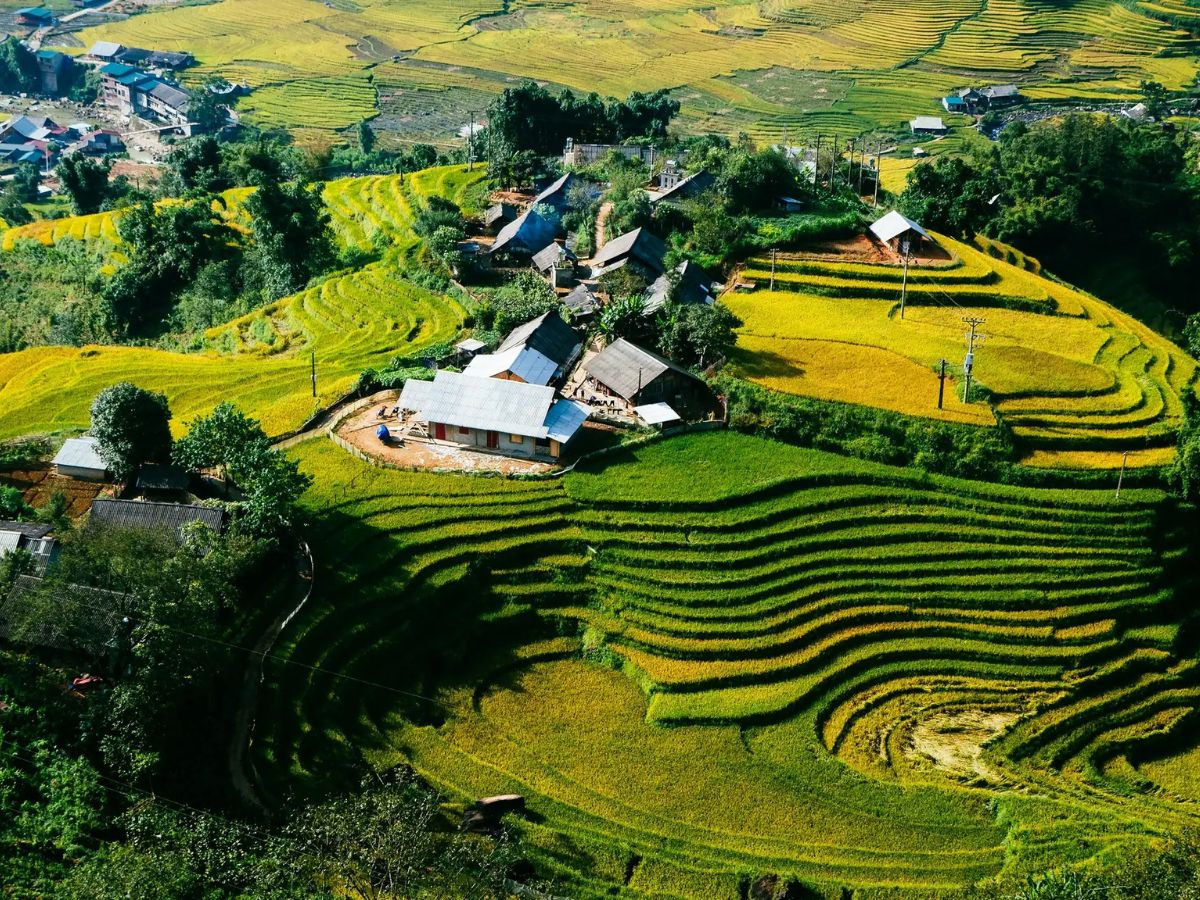
Ta Van Village possesses a simple yet wild beauty that amazes anyone who sets foot there. Located in Ta Van commune, Sa Pa town, Lao Cai province, the village is situated southeast of Sa Pa town center, about 8–12 km away depending on the route. The journey to Ta Van begins from Cau May street, continues through Muong Hoa street, and follows the Muong Hoa stream – a stream flowing through the valley, renowned as one of the most beautiful landscapes in the North. This small village rests against the majestic Hoang Lien Son mountain range, creating a magnificent natural panorama of mountains and forests covered in clouds year-round.
The attraction of Ta Van Sa Pa village lies in the diverse cultures of the ethnic groups living together. This is the ancient village of the Giay, Red Dao, and Mong people, with the Giay having resided here for over 300 years. Visitors will experience a peaceful, rustic atmosphere, along with the friendliness of the local people – which forms the soul of this Northwestern land.
Unlike the vibrant Cat Cat village or the bustling Sa Pa town center, Ta Van retains its inherent rustic and pristine charm. The natural landscape here has hardly been affected by tourism activities. Simple stilt houses with thatched roofs still stand amidst winding terraced fields, reflecting the traditional agricultural lifestyle that has been practiced for generations.
The ideal time to visit Ta Van is during the rice harvest season from September to October, when the entire village is draped in the golden hue of abundance – a great opportunity to capture “million-like” photos. Additionally, the water-flooding season from May to June creates a magical scene reflecting the sky and clouds. Each season, Ta Van offers a unique beauty, making it an ideal year-round destination for tourists who love nature and highland culture.
2. What is interesting about Ta Van's nature and landscape?
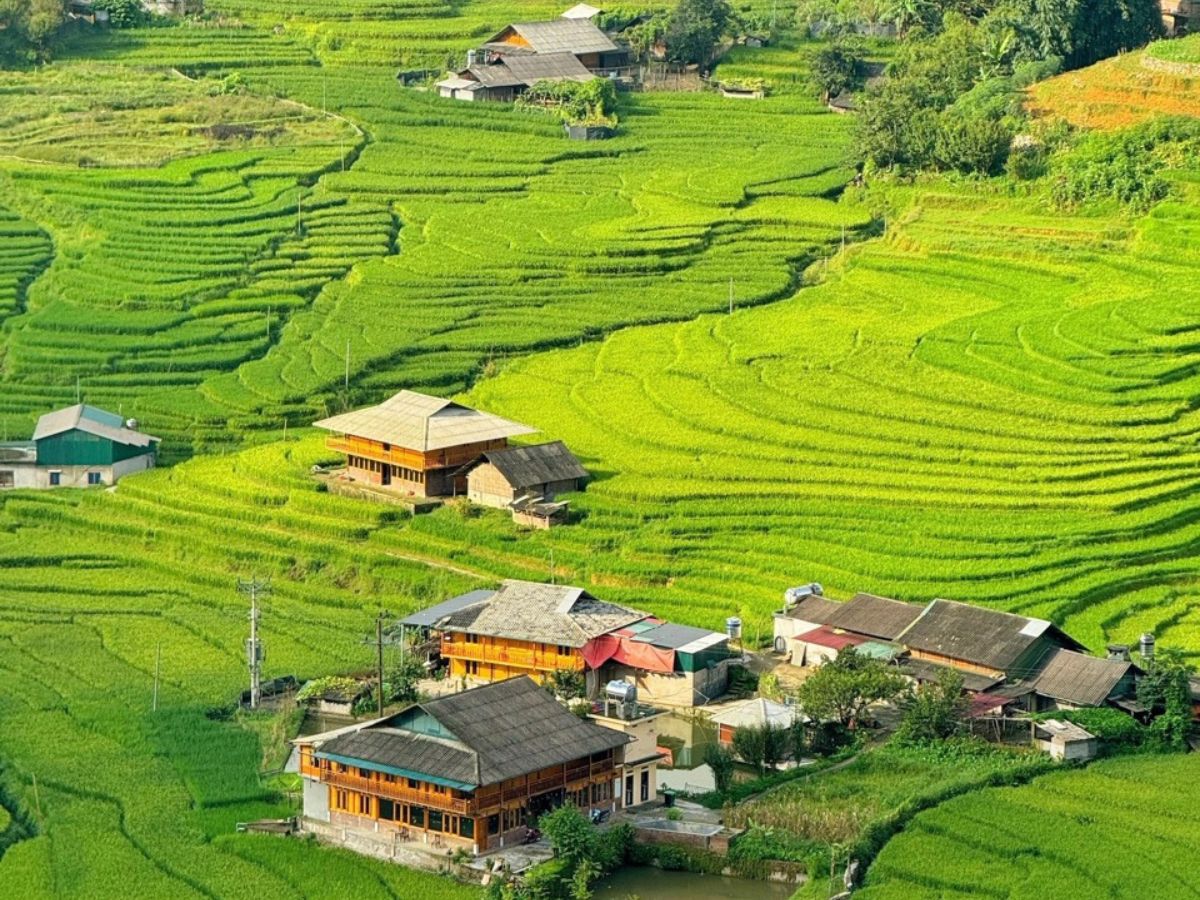
The nature of Ta Van village possesses a pristine, majestic, yet poetic beauty that captivates anyone who sets foot there. Amidst the lush green Muong Hoa valley, the terraced fields layer upon layer blend with clear streams, white clouds, and rolling mountains, creating one of the most distinctive landscape paintings in the Northwest.
2.1. Terraced Fields Ranked Among Asia's Top
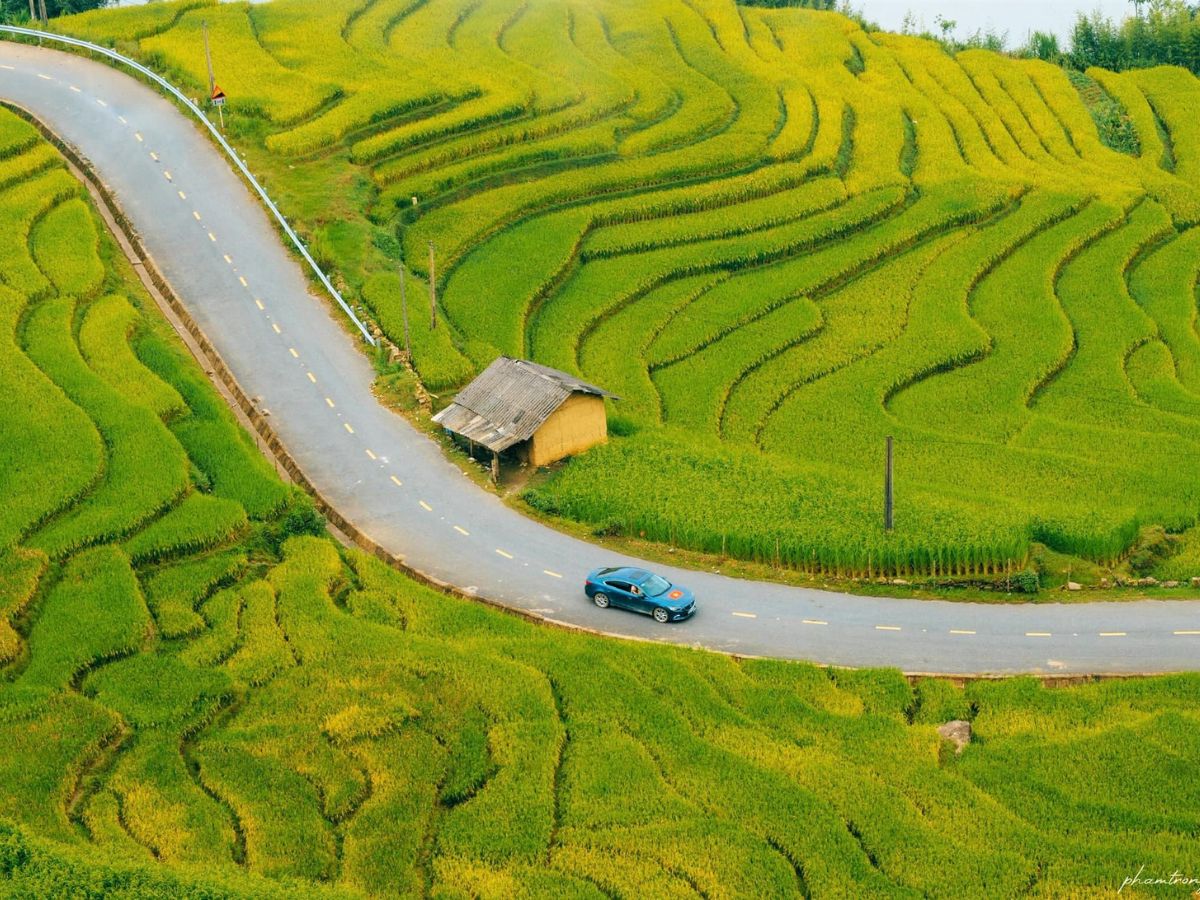
Ta Van's terraced fields were honored by South China Morning Post in the list of the most beautiful villages in Asia in 2025, a testament to the unique landscape value and rare beauty of the Sa Pa region. The fields, winding around the mountainsides, create a majestic natural panorama, with layers upon layers nối tiếp nhau like waves of golden rice. During the ripe rice season, the entire valley is bathed in a shimmering golden hue, with the terraced fields appearing soft and sparkling under the morning sun like silk ribbons stretching across the hills.
Located in the heart of Muong Hoa valley, Ta Van village is a favorite spot for many tourists to hunt for clouds and admire sunrises and sunsets. When the morning mist still lingers on the mountaintops, the terraced fields emerge from the ethereal white clouds. In the late afternoon, the gentle sunset light casts a brilliant yellow-orange-red hue over each field, making the scenery incredibly romantic and poetic.
Beyond their aesthetic value, Ta Van's terraced fields are also a symbol of the wisdom, diligence, and skill of the people of the Northwest. Over generations, they have transformed steep mountain slopes into fertile fields, demonstrating a spirit of persistent labor and a unique agricultural cultural identity unmatched elsewhere.
2.2. Muong Hoa Stream, Valley, and Wild Nature
The Muong Hoa stream winds around Ta Van village like a soft silk ribbon amidst the Northwest mountains and forests. Its crystal-clear water flows gently over smooth granite rocks. On both sides of the stream are lush green fields interspersed with primeval forests, creating a vibrant, spacious, and lively natural landscape.
Small, winding dirt paths with stone paving follow the mountain slopes, leading visitors to peaceful corners – where vast green meadows stretch out and ancient pine forests provide cool shade. With every step, you will feel the fresh air, hear the babbling stream mixed with birdsong, bringing a relaxing and refreshing experience amidst the majestic nature.
On sunny days, standing from the highest point of Ta Van village, visitors can gaze out at the entire Muong Hoa valley – where the winding terraced fields stretch to the horizon. This scenery is both majestic and poetic, making everyone who has witnessed it reluctant to leave.
3. What's interesting about experiencing local culture in Ta Van?
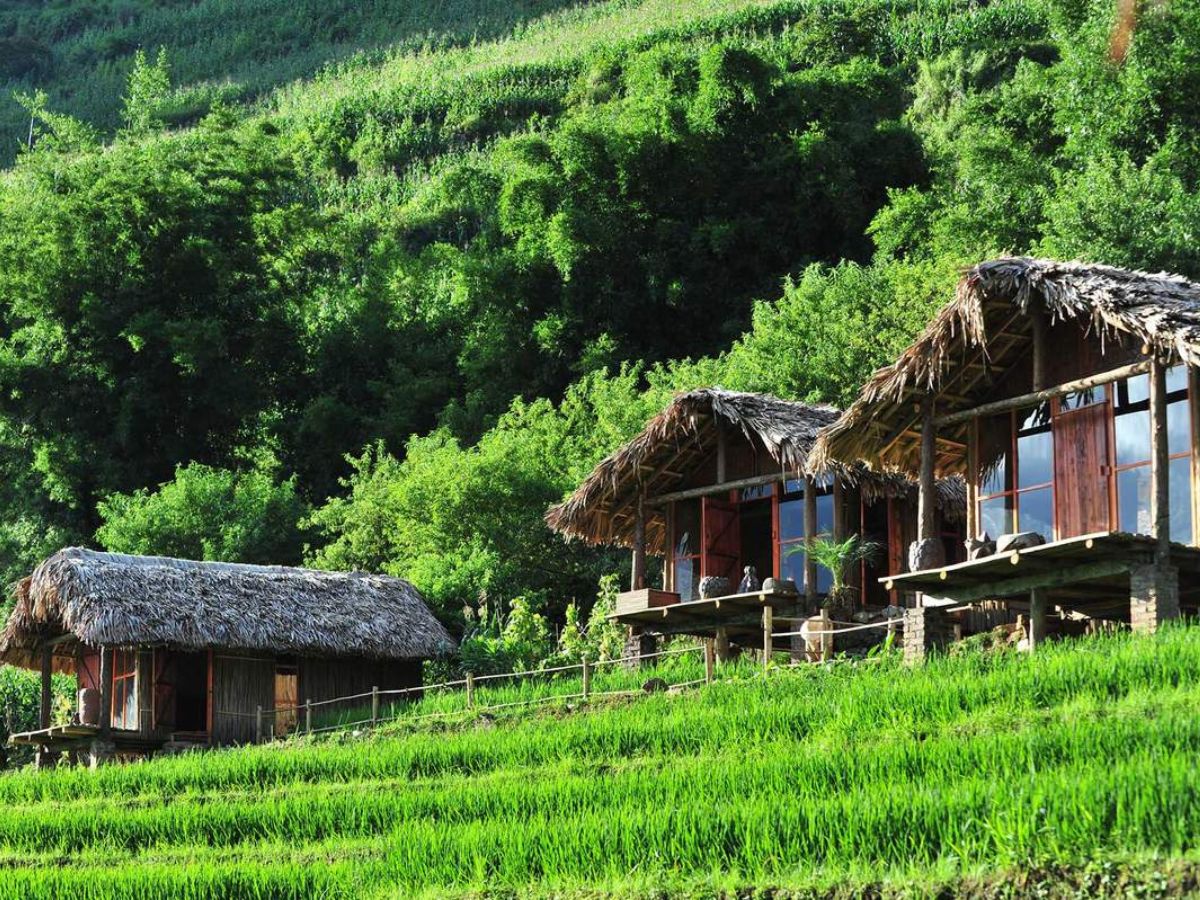
Exploring Ta Van village is not just a journey to admire the majestic mountains and forests, but also an opportunity to immerse yourself in the unique cultural life of the ethnic minority communities here. From traditional stilt house customs and exquisite brocade weaving craft to vibrant and colorful festivals – all offer visitors an authentic and profound experience of the cultural identity of the Northwestern highlands.
3.1. Exploring the life of the Giay, Red Dao, and Hmong ethnic groups
Traditional wooden stilt houses with thatched roofs are still preserved by the people of Ta Van village through many generations, becoming a characteristic symbol of the architecture of the Northwestern highlands. The design of stilt houses not only helps avoid dampness and deter wild animals but also creates an airy and cool environment year-round. Inside, the house is divided into many separate spaces: the central hearth is where the whole family gathers, while the sleeping area and ancestral altar reflect a life connected to and respectful of origins.
The life of the people in Ta Van is closely linked to nature and the rhythm of the seasons. They still maintain traditional crafts such as brocade weaving, woodworking, and silver crafting – professions that not only provide income but also preserve ethnic cultural identity. Every year, traditional festivals such as the Dao people's Tet Nhay (New Year Dance) or the harvest thanksgiving ceremony are solemnly celebrated, demonstrating solidarity and gratitude to heaven and earth.
Visiting the village, tourists will have the opportunity to chat with local people, listen to stories about the village's establishment, ancient customs, and feel the sincerity and hospitality characteristic of the people in the mountainous region. It is this simplicity and warmth that leaves every visitor with unforgettable impressions of Ta Van upon departure.
3.2. Participating in activities with the villagers
One of the most attractive experiences when exploring Ta Van village is immersing yourself in the daily life of the local people. Visitors can directly learn how to weave brocade on traditional looms, understand the origin of natural fibers and dyes made from forest plants, thereby appreciating the sophistication and skill in every weave of the Giay and Dao people.
Besides, participating in cooking with the grandmothers and mothers in the village also brings many unforgettable memories. You will have the chance to make ngũ sắc sticky rice (five-colored sticky rice) with your own hands, marinate grilled meat the local way, or even learn to cook thắng cố – a characteristic traditional dish of the Northwestern mountains, rich in rustic flavor.
When joining the villagers in the fields during planting or harvesting seasons, tourists will feel the authentic and simple rhythm of agricultural life. The image of farmers wearing conical hats, harvesting rice on terraced fields, or picking tea on mountain slopes not only provides a memorable experience but also helps to better understand the labor culture and diligent spirit of the people in Ta Van village.
3.3. Notable traditional festivals and folk events
The spring festival in Ta Van village is usually held in the second lunar month, bearing the deep spiritual cultural imprints of the highland ethnic groups. This is an occasion for the people to perform many traditional rituals and participate in lively community games. In particular, traditional weddings of the Giay, Dao, or Hmong people still retain ancient ceremonies, from the proposal and bride escort to charming duet singing sessions between the two families, all adorned with vibrant brocade costumes.
Folk games such as throwing còn (a traditional ball game), tug-of-war, and pole pushing are indispensable parts of the festival days, demonstrating the spirit of solidarity and the joy of labor of the villagers. These games not only create a cheerful atmosphere but also pass on cultural and moral values and the spirit of community bonding to the younger generation.
In addition, the harvest thanksgiving ceremony is one of the most important rituals of the year. The entire community gathers to organize a communal feast, offering sacrifices to thank heaven, earth, and ancestors for a bountiful harvest, and praying for a peaceful new year with favorable rain and wind. This is the symbol of the solidarity and deep gratitude of the people of Ta Van village towards nature and life.
4. What are the interesting check-in spots when traveling to Ta Van village?
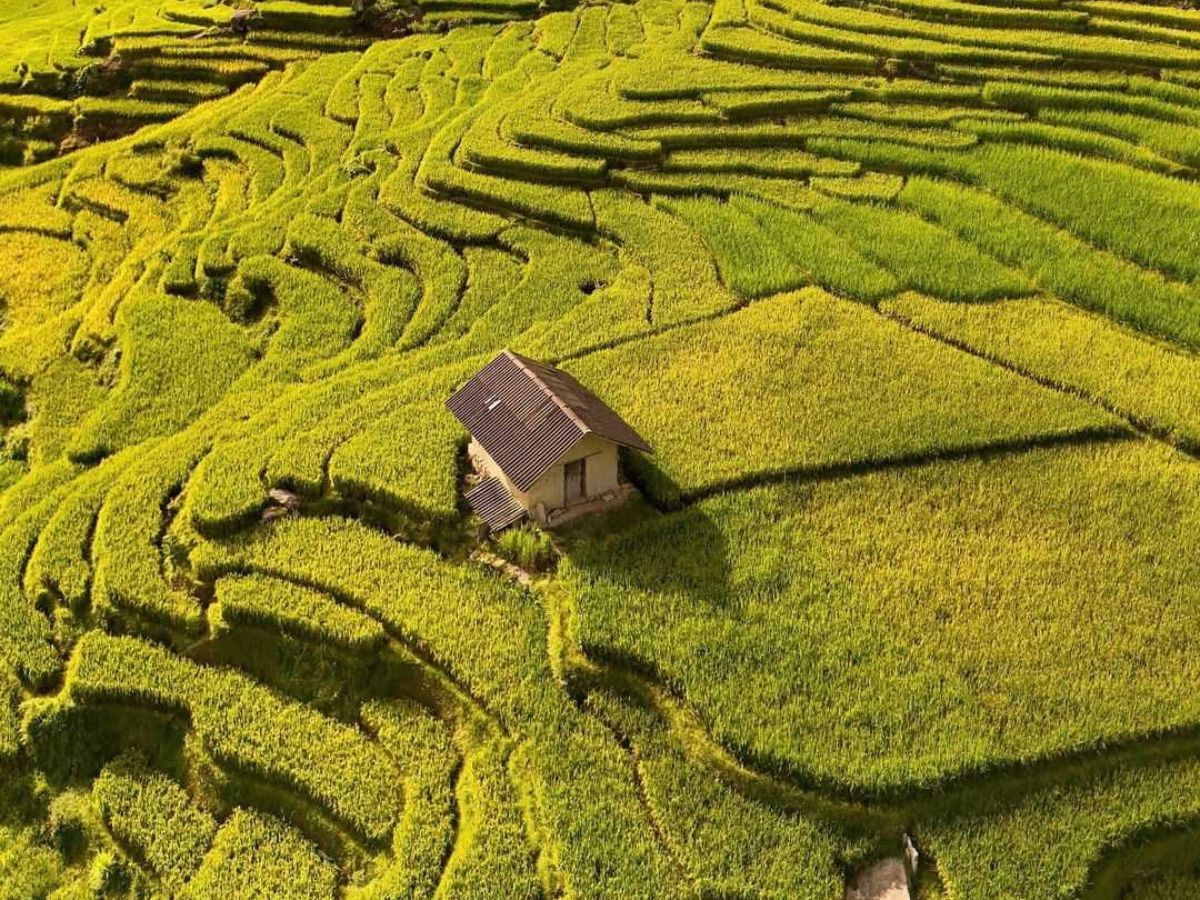
Ta Van village is not only attractive for its peaceful mountain beauty but also a "virtual paradise" with many unique check-in spots. From the ancient Cloud Bridge, the enchanting trekking path through the village to the poetic valley-view homestays — all create a relaxing and experiential journey for tourists.
4.1. Cloud Bridge
The Cloud Bridge is one of the characteristic symbols when mentioning Ta Van village, attracting tourists with its simple yet captivating beauty. The wooden suspension bridge spans the clear Muong Hoa stream, located right near the village entrance, serving both to connect the two sides of the valley and as a popular check-in point loved by many tourists visiting the Northwest region.
The scenery around the Cloud Bridge in Ta Van mesmerizes everyone — below is the clear, babbling water, on both sides are lush green terraced fields, and in the distance, the majestic Hoang Lien Son mountains loom through the early morning mist. The best times to photograph the Cloud Bridge are early morning (6:00–7:30) when a light mist still covers the stream, or late afternoon (16:00–17:30) when the sunset bathes the entire valley in gold, creating a romantic and poetic scene.
From the center of Ta Van village, the road to the Cloud Bridge is very convenient, suitable for both the elderly and children. This accessibility, combined with its natural beauty harmonizing with its ancient charm, has made the Ta Van Cloud Bridge an unmissable stop on the Sapa exploration journey.
4.2. Trekking through Lao Chai village – Den village – Ho village
The Sapa – Y Linh Ho – Lao Chai – Ta Van – Den – Ho trekking route is considered by many tourists as one of the most beautiful trekking routes in the Northwest. Along the journey, you will admire the multi-colored terraced fields, sometimes reflecting the clear sky and clouds on the water's surface, and at other times glowing with the vibrant yellow of the ripe rice season, creating a magnificent natural experience.
Depending on your pace and stops, the trekking trip can last from 1 to 2 days, offering opportunities to explore highland villages, cross babbling small streams, and wander through lush primeval forests. Each village along the way preserves its unique cultural identity, helping you understand more about local life and customs.
The special feature of this trekking route is the richness of terrain and landscape. Tourists will experience walking on dirt paths along the mountainside, strolling through wide rice fields, or breathing in the fresh, cool air of the Northwest mountains. Some sections of the road are also ideal for camping and picnicking, offering moments of relaxation and connection with nature.
4.3. "Cool" homestays with special mountain views
Ta Van stands out with its quality homestay system, offering a lodging experience immersed in beautiful nature. Homestays like Tavan Ecologic, Tavan Heaven, and Phori's House are designed in a minimalist style, using natural materials and expanding spaces towards the mountains and terraced fields in front of the house, creating absolute relaxation.
Room prices at these homestays range from 300,000 – 900,000 VND/night, depending on the room type and amenities. Standard rooms usually have field views, while premium rooms offer panoramic views of the Ta Van valley and the majestic Hoang Lien Son mountains.
To ensure a good room during festival seasons or the ripe rice season, visitors should book 2–3 weeks in advance. The homestay experience is not just about resting; it also includes community dinners, outdoor barbecues, and conversations over tea with the hosts, promising unforgettable memories during your exploration of Ta Van.
5. What to eat in Ta Van village?
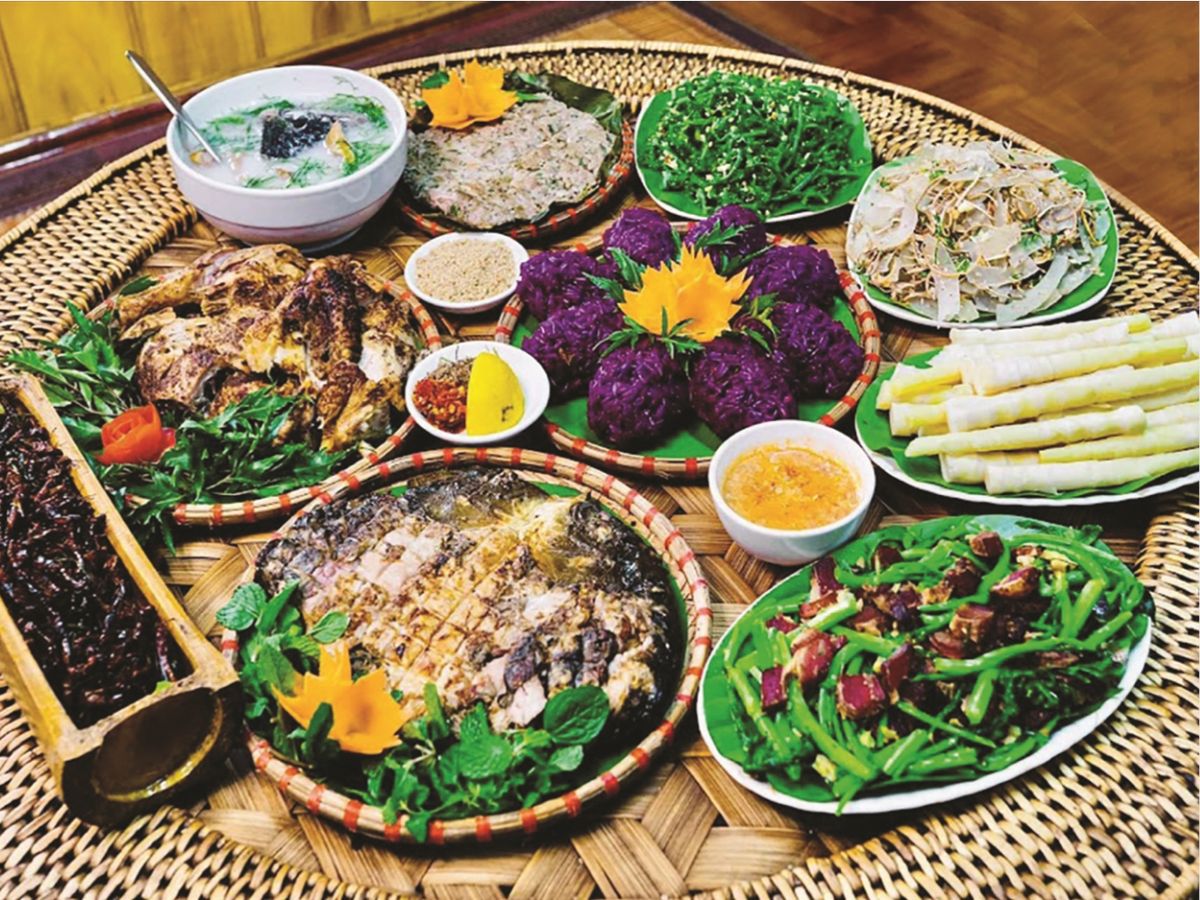
The cuisine of Ta Van village is an indispensable part of the journey to explore Sa Pa, where visitors can fully experience the flavors of the mountains and forests and the unique culture of the local people. Each dish here is not only attractive for its distinctive flavors but also tells a story about the life, customs, and spirit of connection with nature of the Northwest people.
5.1. Five-colored sticky rice, grilled local specialties, Thang Co, corn wine
The cuisine of Ta Van village is a vivid picture reflecting the cultural essence of the people in the Northwest highlands. Amidst the wild mountain scenery, rustic dishes such as five-colored sticky rice, grilled local specialties, Thang Co, or corn wine are not only delicious but also contain the soul, customs, and hospitable spirit of the locals.
Five-colored sticky rice is a specialty that cannot be missed when exploring Ta Van village. The sticky rice is cooked from fragrant, glutinous rice, naturally colored with forest leaves such as gấm leaves, cẩm leaves, and turmeric leaves, creating five vibrant colors: purple, green, yellow, red, and white. The sticky rice is usually eaten with roasted sesame seeds or grilled meat, both delicious and symbolizing the balance of the universe.
Thang Co, a traditional dish of the Northwest ethnic groups, is prepared from horse or beef meat, simmered with forest spices to create a rich, slightly spicy flavor, helping to keep the body warm during the cold mountain days.
In addition, traditional grilled dishes such as grilled free-range pork, grilled stream fish wrapped in banana leaves, and grilled bird eggs all have distinctive flavors, hard to find elsewhere.
Corn wine with its strong, sweet, and lingering taste is a familiar drink in community gatherings, helping to dispel the mountain cold and enhance the unique culinary culture of the Northwest.
5.2. Cuisine in local homestays
A meal at a Ta Van homestay offers visitors a complete experience of Northwest culinary culture. The menu often uses fresh, local ingredients, including free-range chicken, wild vegetables, stream fish, pickled mustard greens, and fragrant sticky rice.
The highlight is that visitors can participate with the hosts from picking vegetables, cleaning fish, marinating spices to grilling meat over a charcoal stove. This experience not only helps to better understand the local culinary culture but also creates a sense of closeness to the daily life of the people.
In the evening, everyone gathers around a warm fire, enjoys Shan Tuyet tea, and listens to stories about mountain life, leaving an unforgettable impression unique to Ta Van village.
6. Transportation tips, itinerary for exploring Ta Van village in 2025
The journey to Ta Van village in 2025 promises to bring visitors a rustic yet poetic experience amidst the nature of the Northwest. From convenient transportation to a reasonable exploration itinerary, every step towards Ta Van opens up peaceful scenes and rich highland cultural identity.
6.1. Transportation to Ta Van village from Sapa and Hanoi
The road to Ta Van village is not too far but offers an experiential journey, taking visitors through spectacular mountain passes and lush green valleys characteristic of the Northwest region. Depending on your time and preferences, you can choose various means of transportation from Sapa or Hanoi to make the journey most convenient and complete.
From the center of Sapa, visitors have many transportation options to get to Ta Van village. Motorbikes are a flexible and convenient choice for stopping and taking photos along the way, with rental prices ranging from 120,000 – 150,000 VND/day. The distance is about 8 – 12 km, taking 20–30 minutes. The road is relatively easy but has many curves, so drive carefully.
Alternatively, visitors can choose taxis or private car rentals for 200,000 – 300,000 VND/trip, suitable for families or the elderly. Many Ta Van homestays also offer convenient pick-up and drop-off services at preferential rates when booking in advance.
If starting from Hanoi, you can travel by sleeper bus for 250,000 – 400,000 VND/trip, or take a train to Lao Cai and then transfer to a bus to Sapa. During peak season, it is advisable to book tickets at least one week in advance and choose to depart early in the morning or afternoon to avoid traffic jams on the mountain passes.
6.2. Itinerary for exploring Ta Van village
A 2-day, 1-night itinerary in Ta Van village offers a complete experience of the local landscape and culture.
On the first day, after leaving Sapa and checking into your homestay, you can visit the Cloud Bridge (Cau May), wander through small alleys to feel the simple rhythm of local life. The afternoon is the ideal time to check in at the terraced fields, watch the sunset spread across the valley, creating beautiful photos.
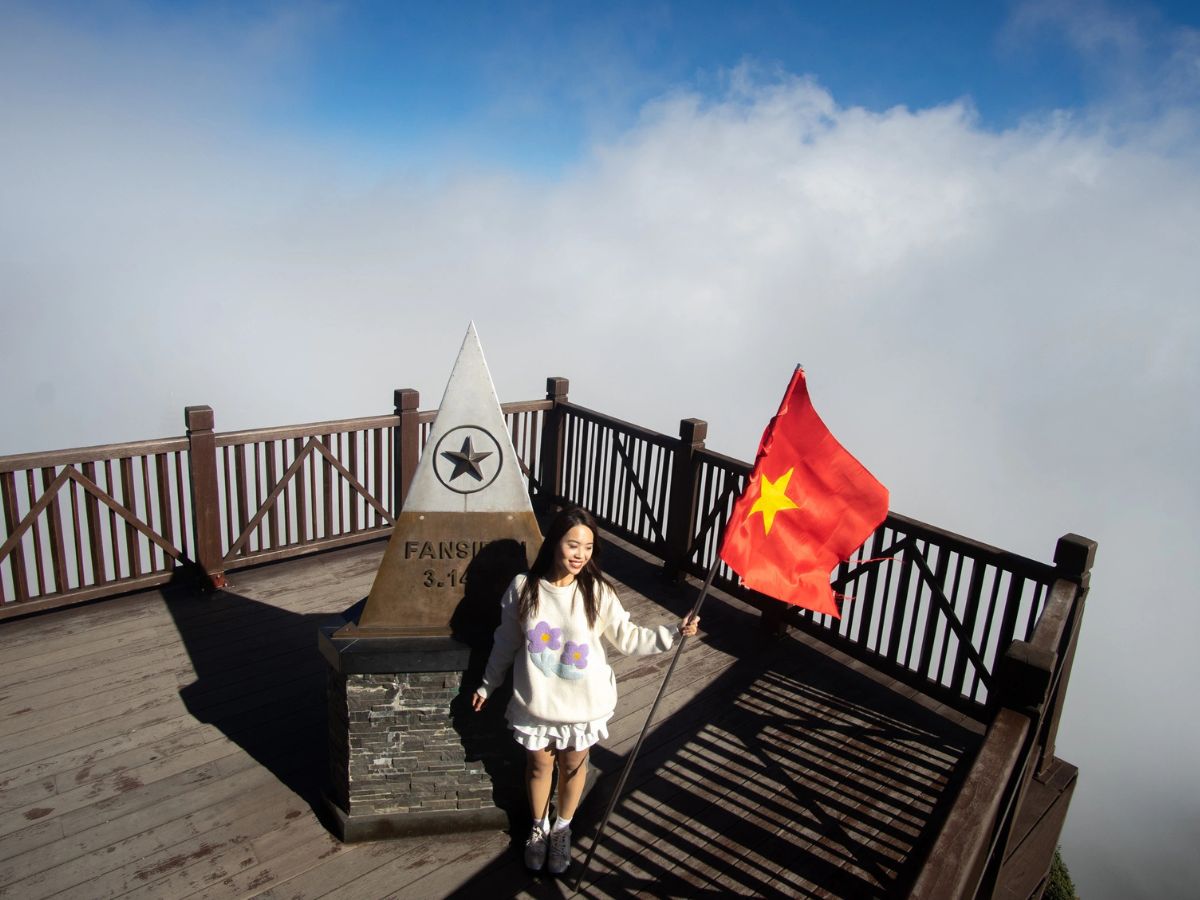
On the second day, visitors can combine a visit to Sun World Fansipan Legend, enjoy the modern atmosphere at the Indochina's roof, and learn more about local culture, creating a complete and multi-experience Sapa tour.
7. Tips for traveling to Ta Van village: What's interesting?
To make your exploration of Ta Van village complete and meaningful, visitors should prepare thoroughly, from clothing and luggage to their attitude towards local people. A few tips below will help you have a safe, comfortable journey and capture many memorable moments amidst the majestic Northwest nature.
When preparing for your trip to Ta Van village, equipping yourself with suitable clothing and gear is extremely important. You should bring warm clothes and a windbreaker as the weather in high mountains changes rapidly. Trekking shoes with a firm grip will help you move safely on slippery dirt and rocky paths. Additionally, a wide-brimmed hat, sunglasses, and a light raincoat should also be in your luggage to cope with sun, wind, or scattered rain.
Regarding equipment, don't forget your camera, power bank, and large-capacity memory card to preserve beautiful moments. Mosquito repellent, personal medication, and bottled water also need to be prepared, as the village does not have many convenience stores. During the rainy season from June to August, paths can be slippery, so check the weather forecast and avoid trekking on days with heavy rain.
When communicating with local people, be friendly and respect their customs and traditions. Do not photograph women or children without their consent, and when buying handicrafts, negotiate prices politely.
The best times for photography are early morning from 6:00 to 7:30, when mist still lingers, or late afternoon from 16:00 to 17:30, when sunset bathes the valley in gold. Impressive photo spots include Cau May (May Bridge), the hillsides overlooking the terraced fields, and the road leading into the village.
Especially, each visitor needs to be conscious of environmental protection: do not litter, do not pick flowers, and do not damage crops. Let's join hands to preserve the pristine and beautiful Ta Van for future generations.
If you are curious about What's interesting in Ta Van village, the answer lies in the blend of majestic nature and the diverse culture of the Thai, H'Mong, and Dao people. From the winding terraced rice fields to the cozy homestays, Ta Van village offers an unforgettable authentic Northwest experience for visitors.


