




1. Introduction to Nhat Tru Hoa Lu Pagoda
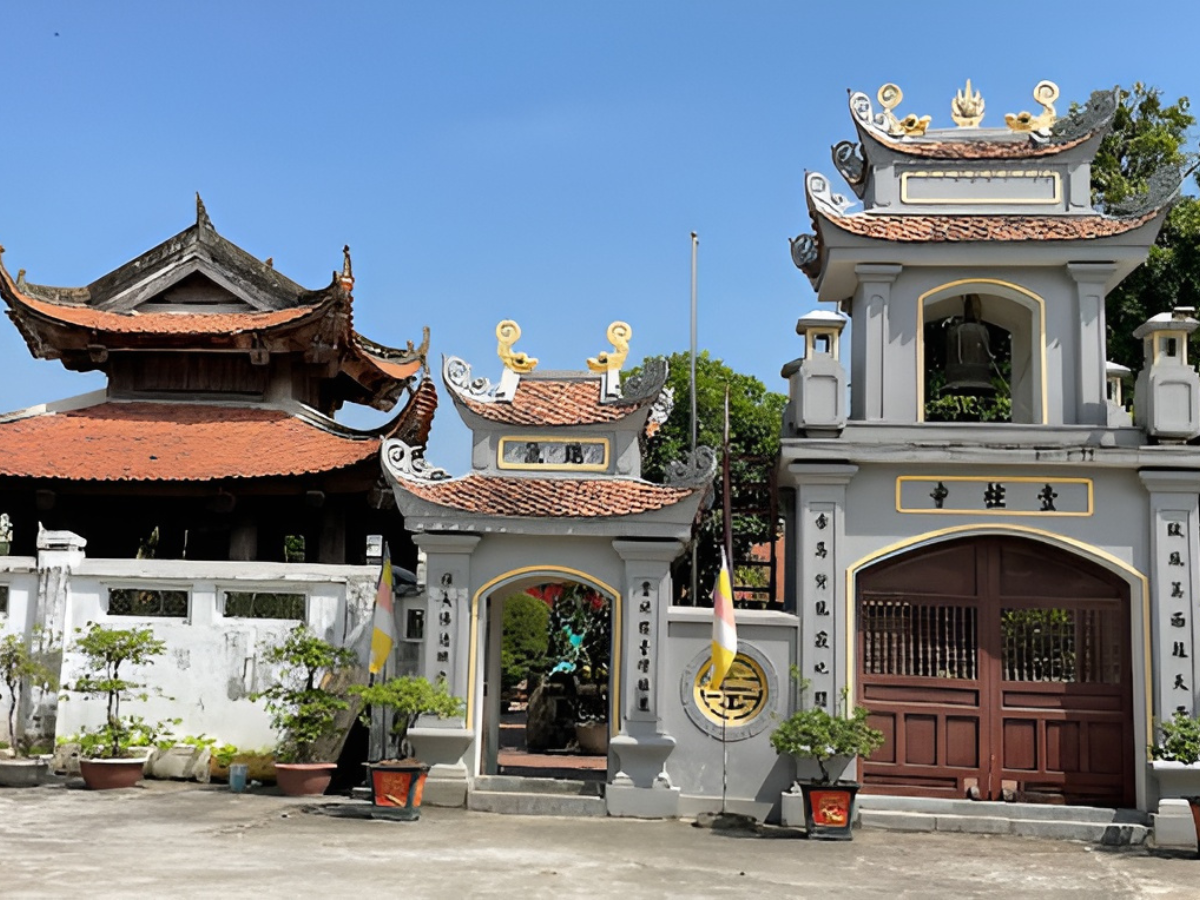
Scenery of Nhat Tru Hoa Lu Pagoda, serene amidst the ancient capital's landscape. (Source: Collected)
Upon arriving in the sacred ancient capital of Hoa Lu, Nhat Tru Pagoda appears as a shining gem amidst the historical relics. The pagoda boasts over 1,000 years of history along with unique spiritual cultural values, making it a captivating destination for numerous visitors from everywhere.
1.1. Location of Nhat Tru Hoa Lu Pagoda
Nhat Tru Hoa Lu Pagoda is located in Yen Thanh village, Tay Hoa Lu commune, Ninh Binh province. The pagoda is situated within the special protection area of the Hoa Lu Ancient Capital complex, which was once a glorious capital of Dai Co Viet under the Dinh and Tien Le dynasties.
From the center of Ninh Binh city, visitors only need to travel about 10 km to reach the pagoda. The route follows National Highway 1A, then turns into Trang An and Hoa Lu roads to reach this relic site. The pagoda's location is convenient as it faces King Le Dai Hanh's temple, only about 100-200 meters away, allowing you to easily combine visits to many prominent relics in a single trip.
1.2. History and Significance of Nhat Tru Hoa Lu Pagoda
Spanning over a thousand years of history, Nhat Tru Hoa Lu Pagoda retains its ancient beauty and precious historical values. The pagoda was built in 995 during the reign of King Le Dai Hanh (Le Hoan), reflecting the royal family's deep reverence for Buddhism and conveying wishes for national peace and prosperity.
During the prosperous period of the ancient capital, Nhat Tru Pagoda was not only a place for Buddhist practice but also a center for state affairs consultation. Many eminent monks of the Dinh-Le era, such as Phap Thuan, Khuong Viet, and especially Zen Master Van Hanh, often gathered here to discuss national matters. The pagoda is a clear testament to the close relationship between the government and Buddhism through different periods, and it is a symbol of the culture, beliefs, and art of the Dai Co Viet era.
2. Guide to Traveling to Nhat Tru Hoa Lu Pagoda
The journey to Nhat Tru Hoa Lu Pagoda is quite convenient with various transportation options. Visitors can choose the most suitable method to experience a meaningful trip.
If traveling from Hanoi, you can use a bus on the Hanoi - Ninh Binh route, with prices ranging from 80,000 to 120,000 VND depending on the bus type. After arriving at Ninh Binh bus station, you only need an additional 15-20 minutes by taxi or electric car to reach the Hoa Lu relic site. This option is suitable for those who prioritize cost savings and want to experience public transport.
Visitors who prefer independence can choose personal vehicles. The route from Hanoi follows the Cau Gie - Ninh Binh expressway, then National Highway 1A, and finally turns onto Trang An road to Truong Yen commune. This is a well-maintained road, suitable for both cars and motorbikes, with a travel time of about 2 hours. The relic site has many parking areas near the entrance, with parking fees ranging from 10,000 to 30,000 VND depending on the vehicle.
If visitors are coming from Ho Chi Minh City or provinces in the Central and Southern regions, the most convenient way is to fly to Hanoi and follow the route mentioned above.
3. Unique Architecture of Nhat Tru Hoa Lu Pagoda
Upon entering Nhat Tru Hoa Lu Pagoda, visitors will feel the ancient beauty and appreciate the precious treasures preserved over centuries. The pagoda strongly reflects the architectural style of the Dinh-Le period with its distinctive features.
3.1. Overall Architecture and Layout
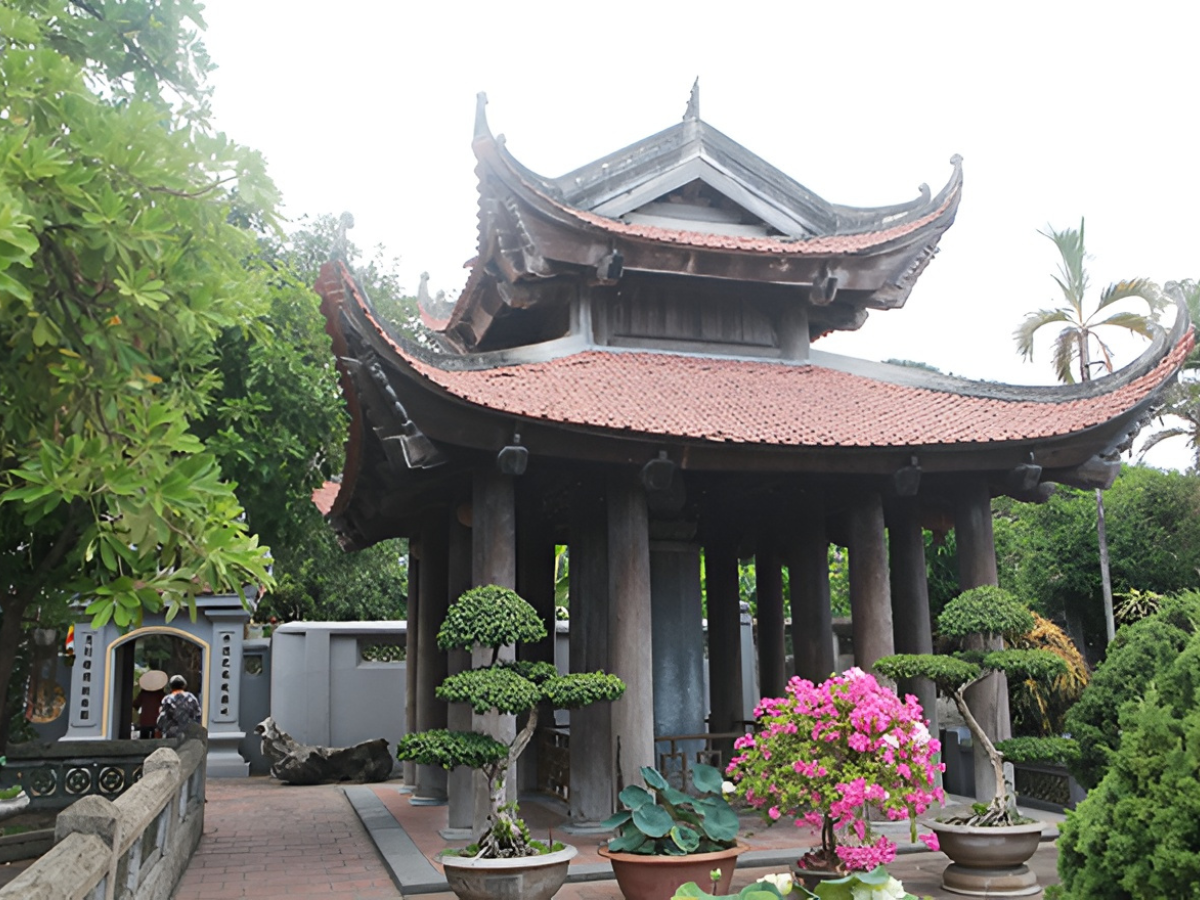
Nhat Tru Hoa Lu Pagoda stands out with its exquisite ancient architecture. (Source: Collected)
Nhat Tru Pagoda is built on a "dinh" (丁) shaped floor plan, with its main orientation facing West, reflecting harmony between feng shui space and Buddhist beliefs. This arrangement creates a quiet, sacred space for worship.
The Tam Quan gate is the first prominent feature upon arriving at the pagoda, with three entrances, the middle one being the largest. Above the gate, a two-tiered roof with eight corners is designed. In front hangs the grand inscription "Nhat Tru Tu", and the upper level features a large bell that rings out amidst the tranquil scenery. The main hall area includes a five-bay front hall and the inner sanctuary used for worshipping Buddha, forming the center of the entire pagoda.
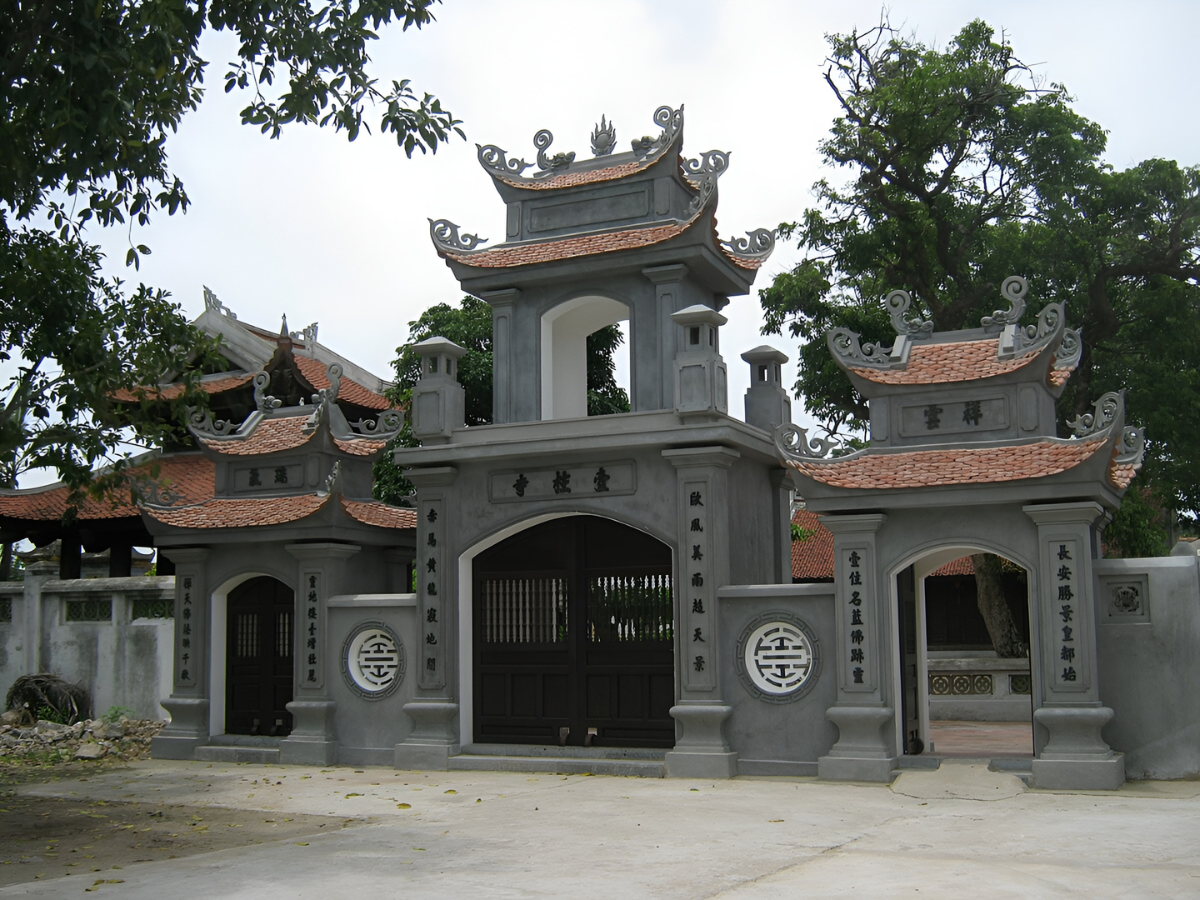
The Three-Gate Entrance of Nhat Tru Pagoda stands majestically amidst a sacred sky. (Source: Collected)
Ancillary areas such as the ancestral house, guesthouse, Mother's house, and dining hall are arranged adjacent along the main axis, creating unity in the overall structure. Particularly, the tower area, worship tower, and pavilion covering scripture pillars are built in traditional architecture, contributing to protecting precious artifacts from the impact of weather, while honoring the sacred value of the national treasure.

The Altar of Mother Goddesses in the main hall of Nhat Tru Pagoda is solemn and serene. (Source: Collected)
3.2. Possessing a national treasure: The unique Buddhist scripture pillar
The most outstanding feature of Nhat Tru Hoa Lu Pagoda is the octagonal Buddhist scripture pillar, 4.16 m high and weighing about 4.5 tons. This is a rare and exquisite stone carving in Vietnam. The pillar consists of 6 main parts: a square base, a round pedestal, an octagonal shaft, an octagonal platform, an octagonal capital, and a lotus finial, creating a balanced and majestic whole.

The ancient scripture pillar of Nhat Tru Pagoda is a thousand-year-old treasure of Vietnamese Buddhism. (Source: Compilation)
The material and craftsmanship of the scripture pillar are extremely unique. All parts are made from natural limestone with a geological age of up to 300 million years, showing meticulousness in material selection. The parts of the pillar are joined using the traditional mortise and tenon method, without using any binding agents, creating a structure that has endured for thousands of years.
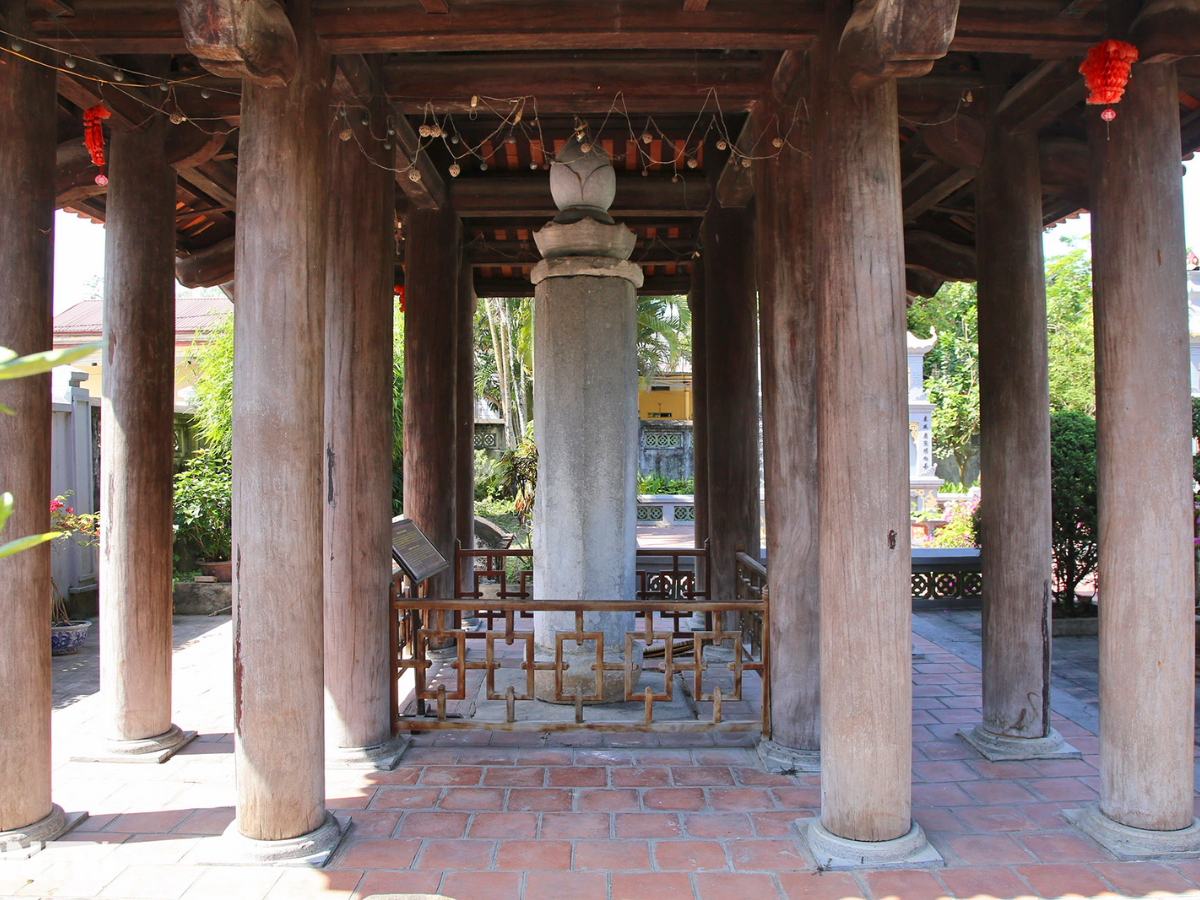
A stone sutra pillar over three meters high, carved with exquisite ancient Chinese characters. (Source: Collected)
On the pillar's body, the content of the Lang Nghiêm Sutra along with Chinese characters recording information about the pillar's erector, Buddhist verses, and teachings are intricately carved. Notably, the pillar also bears the regnal name of King Le Hoan ("Thang Binh Hoang De ta dao"), expressing the wish for national peace and prosperity. The Nhat Tru Pagoda Sutra Pillar is a source of pride not only for the pagoda but also a symbol of Vietnamese stone sutra culture, demonstrating the brilliant development of Buddhism in the nation's history.
3.3. Other precious artifacts and relics
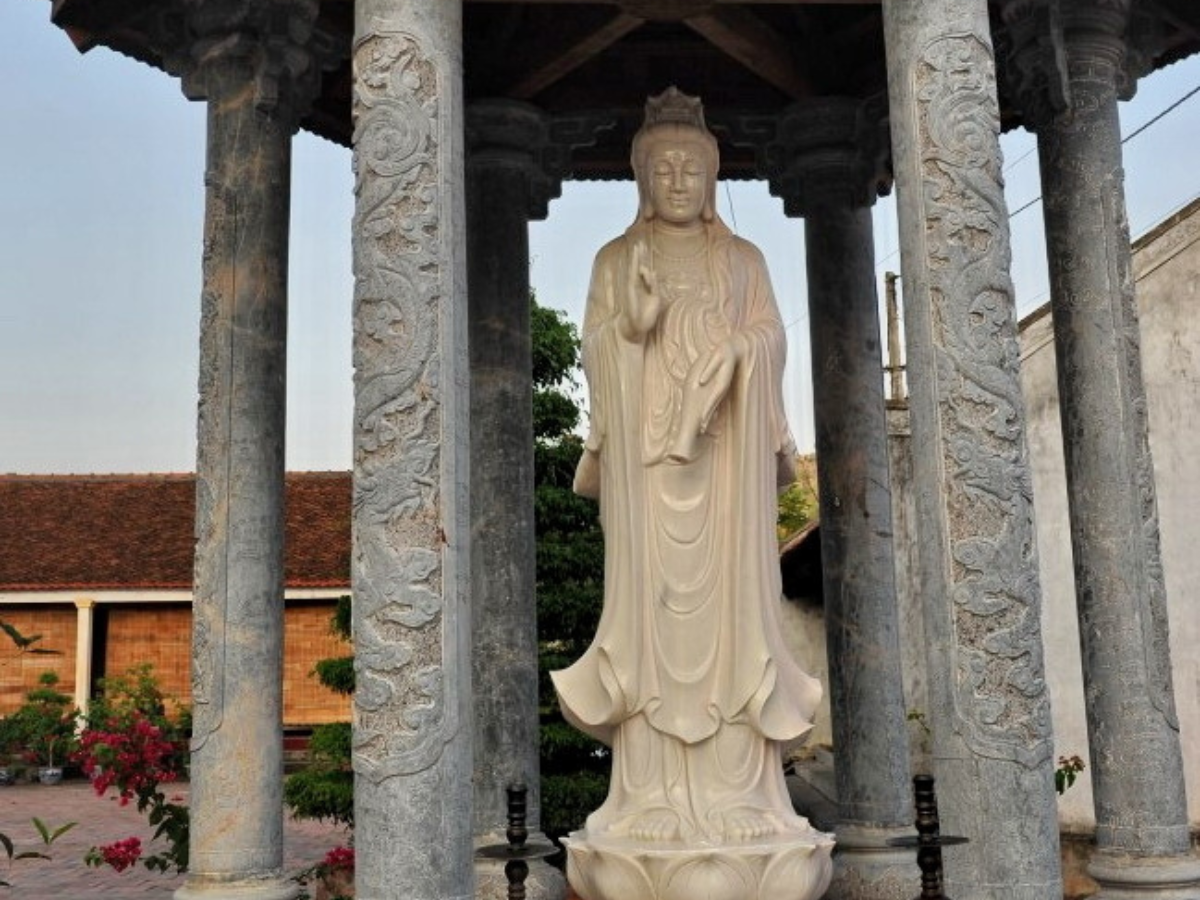
The ancient statue of Quan Am at Nhat Tru Pagoda possesses a gentle and sacred beauty. (Source: Collected)
Besides the prominent scripture pillar, Nhat Tru Pagoda also preserves many precious artifacts. The ancient system of Buddha statues here includes many meticulously crafted statues, showcasing the essence of sculptural art from the Dinh - Le dynasty. The large bronze bell hanging in front of the Tam Quan gate is both a work of art and holds spiritual significance, with each ringing bell serving as a reminder of the daily practice time.
Ancient stone steles record historical events related to the kings Dinh, Le, and ancient eminent monks, like stone chronicles preserving the memories of a golden era. Looking at these steles, visitors will gain a deeper understanding of Buddhist philosophy, Dai Co Viet culture, and feel the fusion of belief and politics in Vietnamese national history.
4. Tips for Visiting Nhat Tru Hoa Lu Pagoda
To make your exploration of Nhat Tru Hoa Lu Pagoda complete, you should prepare some information and adhere to important regulations when visiting this spiritual site.
Attire is always the first factor to consider. When entering the pagoda grounds, choose modest and neat clothing, avoiding shorts, short skirts, or sleeveless tops when entering the main shrine area. Dressing appropriately not only shows respect for the spiritual space but also helps you immerse yourself in the serene atmosphere here.
During your visit, each visitor must maintain a gentle and respectful demeanor. Do not touch ancient artifacts such as the scripture pillar, bronze bell, or Buddha statues, and try to maintain order, minimizing loud noises to preserve the pagoda's tranquility. If you wish to take photos or videos, you should comply with the management's regulations, avoiding filming/shooting in prohibited areas to preserve the beauty of the relic.
After visiting Nhat Tru Pagoda, you can continue your journey with other new experiences. The Time Square in the center of Hoa Lu offers a modern cultural space amidst a land rich in tradition. Additionally, visitors can visit Sun World Ha Nam, just under an hour's drive from Ninh Binh, to enjoy modern entertainment activities, providing an interesting balance between traditional and modern values within the same trip.
Nhat Tru Hoa Lu Pagoda is not only a spiritual destination but also a place to learn about Vietnamese history and Buddhist culture. Come to feel the sacredness of the thousand-year-old scripture pillar and capture meaningful moments on your journey to explore the ancient capital of Hoa Lu!


