




1. Why is Vietnam a unique pilgrimage destination?
Vietnam's spiritual landscape stands apart globally, shaped by a long history and the blending of different cultural and religious traditions. The philosophical triad of Buddhism, Taoism, and Confucianism, heavily influenced by centuries of Chinese interaction, provided a comprehensive ethics framework for society. What makes Vietnamese spirituality unique is the ubiquitous practice of Ancestor Worship, which places family lineage and respect for the deceased at the very core of daily life and every religious ceremony.
The arrival of Catholicism added a powerful new dimension, but even Christian practices often include local customs, such as honoring ancestors and community rituals. This dynamic integration creates a profound spirituality where faith is personal, collective, historical, and closely tied to the land itself, inviting every visitor to explore unique pilgrimage destinations.
2. Top 10 pilgrimage destinations in Vietnam
2.1. Yen Tu Mountain (Quang Ninh)
Yen Tu is widely regarded as the most important Buddhist pilgrimage destination in Vietnam, known as the birthplace of the Truc Lam Zen school in the 13th century. It became sacred when Tran Nhan Tong king gave up his throne to become a monk, focusing on enlightenment and simplicity. The journey up the mountain is traditionally a challenging walk, symbolizing a test of faith and commitment.
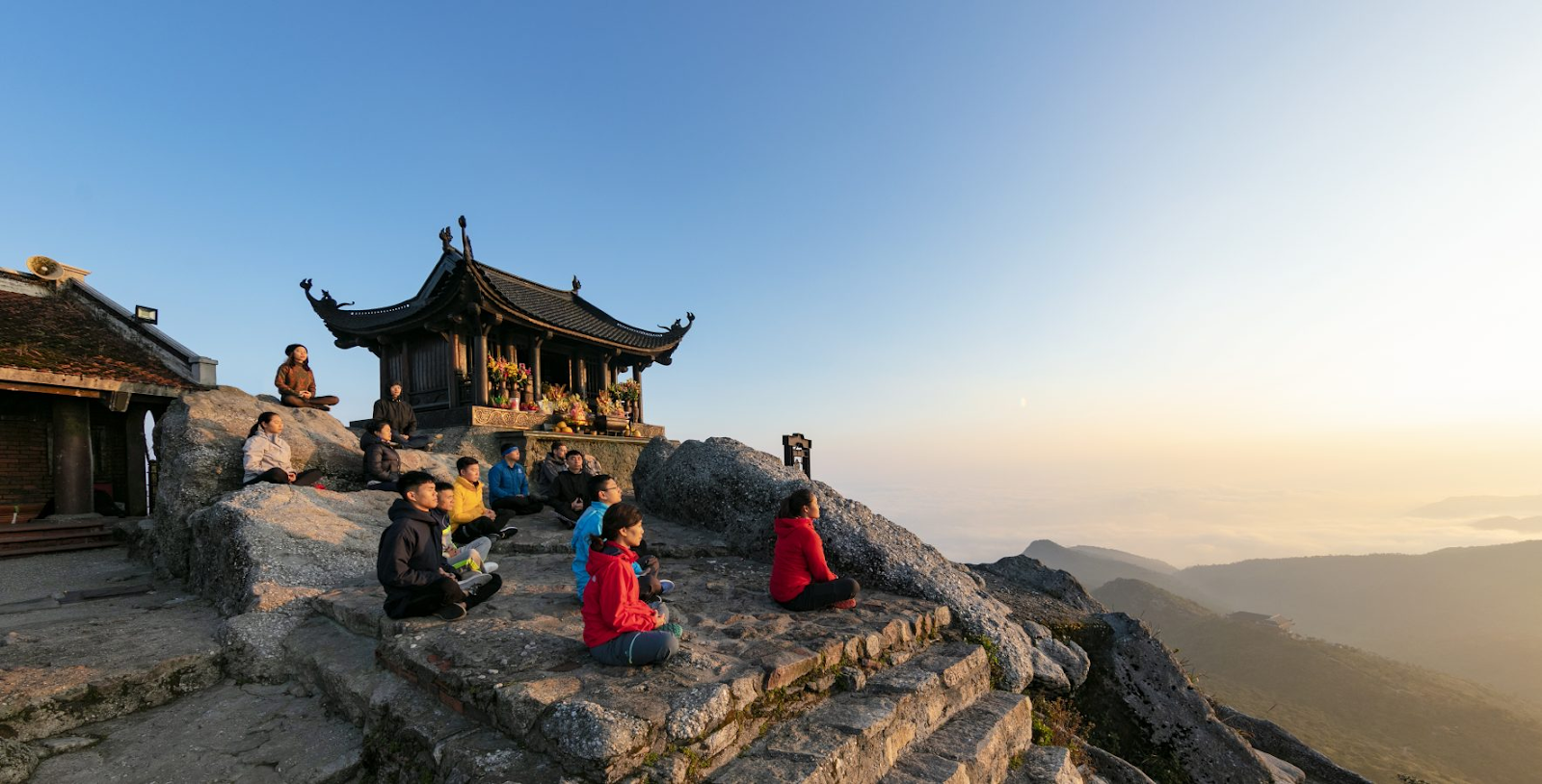
Dong Pagoda is the final stop in the sacred journey to worship Buddha in Yen Tu (Photo: Collected)
The mountain complex features many ancient pagodas and shrines, leading up to the iconic Dong Pagoda at the summit. This high-altitude spot offers stunning panoramic views that reward the devoted pilgrim. The main festival runs throughout the spring months, attracting millions, though the mountain is easily accessible year-round using the modern cable car system. The site holds immense national significance, representing both deep religious history and Vietnamese cultural heritage.
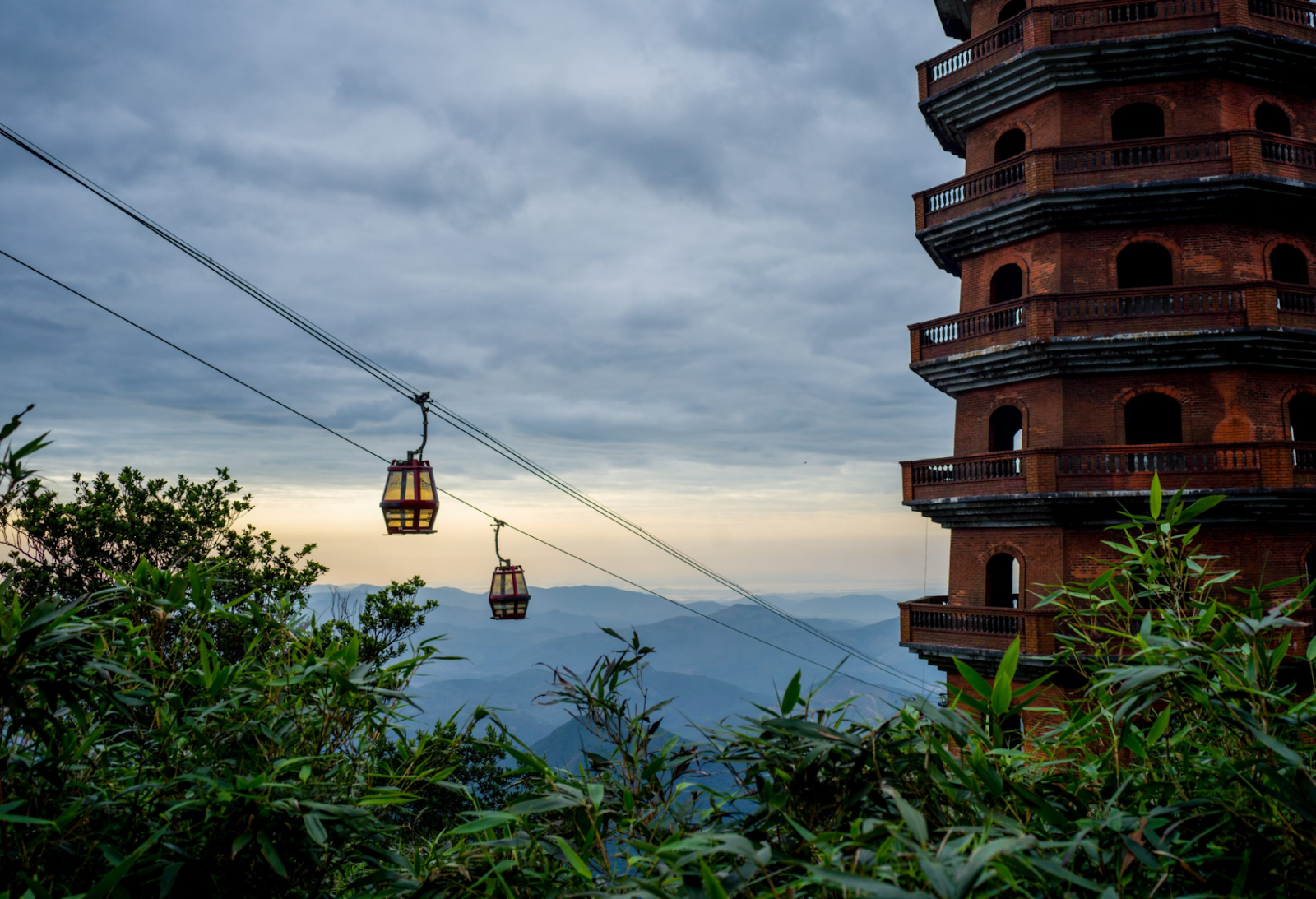
Yen Tu glass bottom aerial tramway (Photo: Collected)
See more information: https://yentutunglam.com.vn/en/about-yen-tu/
2.2. Bai Dinh Pagoda (Ninh Binh)
Bai Dinh Pagoda is famous for being the largest Buddhist temple complex in Vietnam and holding numerous Asian records, making it a monumental pilgrimage destination in Vietnam. While it connects to ancient local shrines, the current sprawling complex is a modern marvel of architecture, reflecting a strong resurgence of Buddhist faith and national pride. The site is part of the beautiful Tràng An UNESCO World Heritage area.
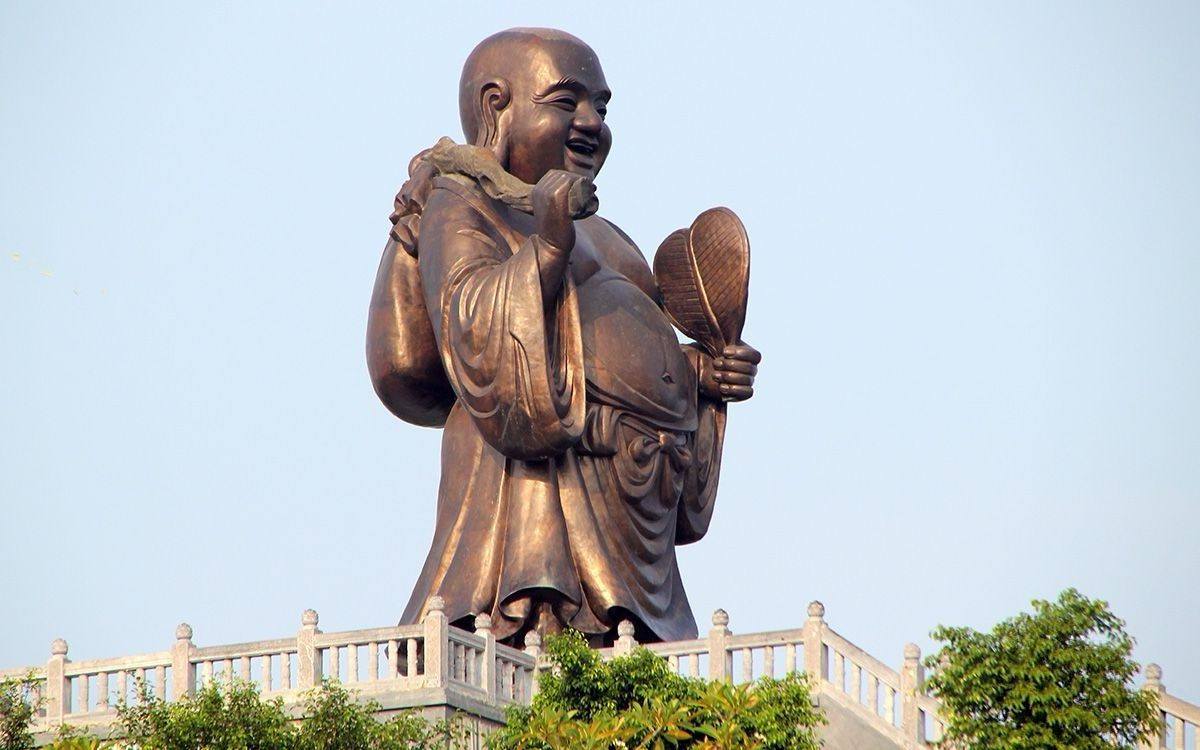
Vietnam’s largest Maitreya Buddha blessing families with peace and good fortune from the hilltop of Bai Dinh Pagoda (Photo: Collected)
The scale of Bai Dinh is astonishing, featuring the largest bronze Buddha statue and the longest corridor lined with Arhat statues. Its grandeur is often experienced during the lively spring festival, which draws huge crowds of worshippers and visitors. The spiritual atmosphere is enhanced by the serene karst landscape surrounding the complex, inviting visitors to reflect on the region's ancient history as an early capital of Vietnam.
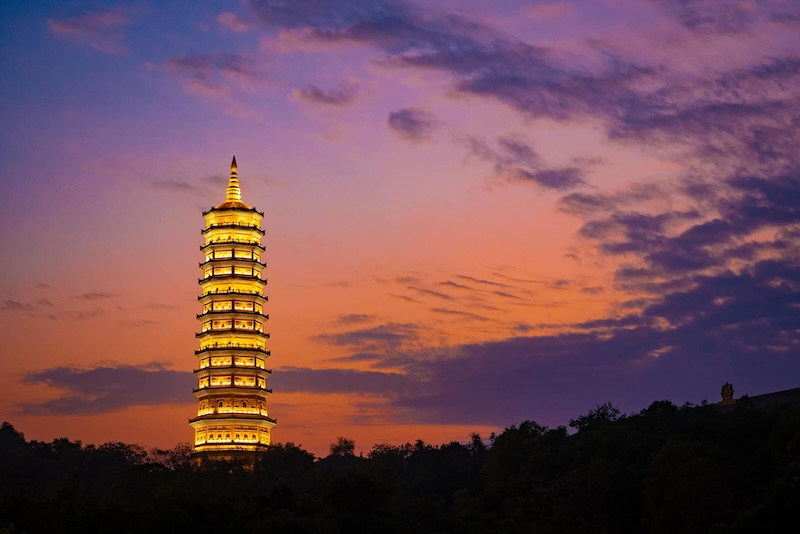
The Stupa of Bai Dinh Pagoda blending peace and grandeur (Photo: Collected)
See more information: https://chuabaidinhninhbinh.vn/
2.3. Ba Den Mountain (Tay Ninh)
Ba Den Mountain is lovingly called the "Roof of Southern Vietnam" and is one of the most popular pilgrimage destinations in the South, attracting millions annually. It is dedicated to Linh Son Thanh Mau, whose legend inspires local people with themes of resilience and compassion. The pilgrimage peak occurs around the full moon of the first lunar month, though celebrations and visits happen throughout the year.
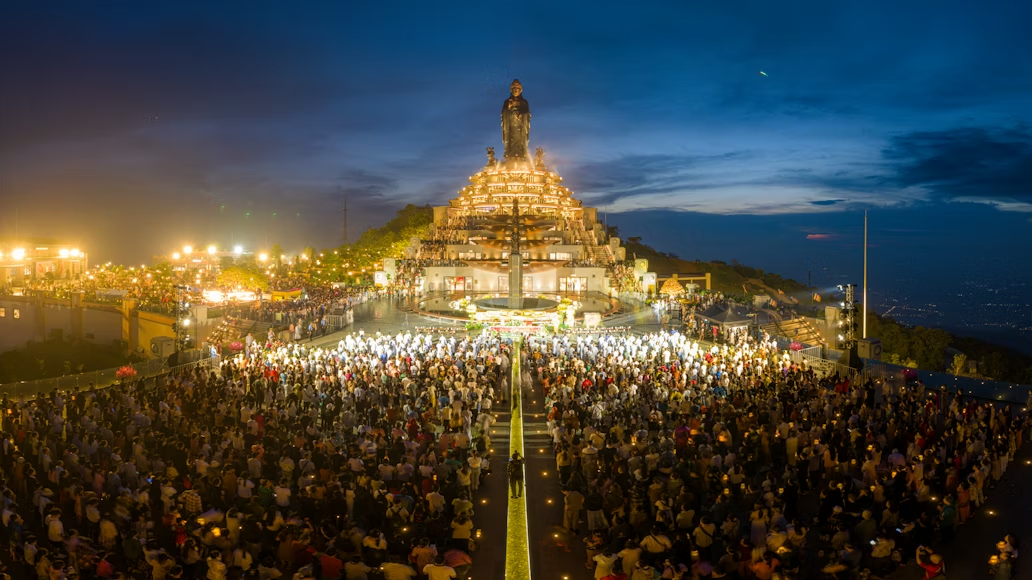
The flower lantern offering ceremony is held every Saturday night in Ba Den Mountain (Photo: Collected)
The mountain features a large complex of pagodas and temples, crowned by a massive seated Buddha statue that serves as a modern spiritual beacon. The experience of reaching the summit is now simple and enjoyable thanks to a modern cable car system, ensuring the site is accessible to everyone, including families and the elderly. The mountain offers incredible views over the surrounding fertile plains, blending natural majesty with deep spiritual devotion.
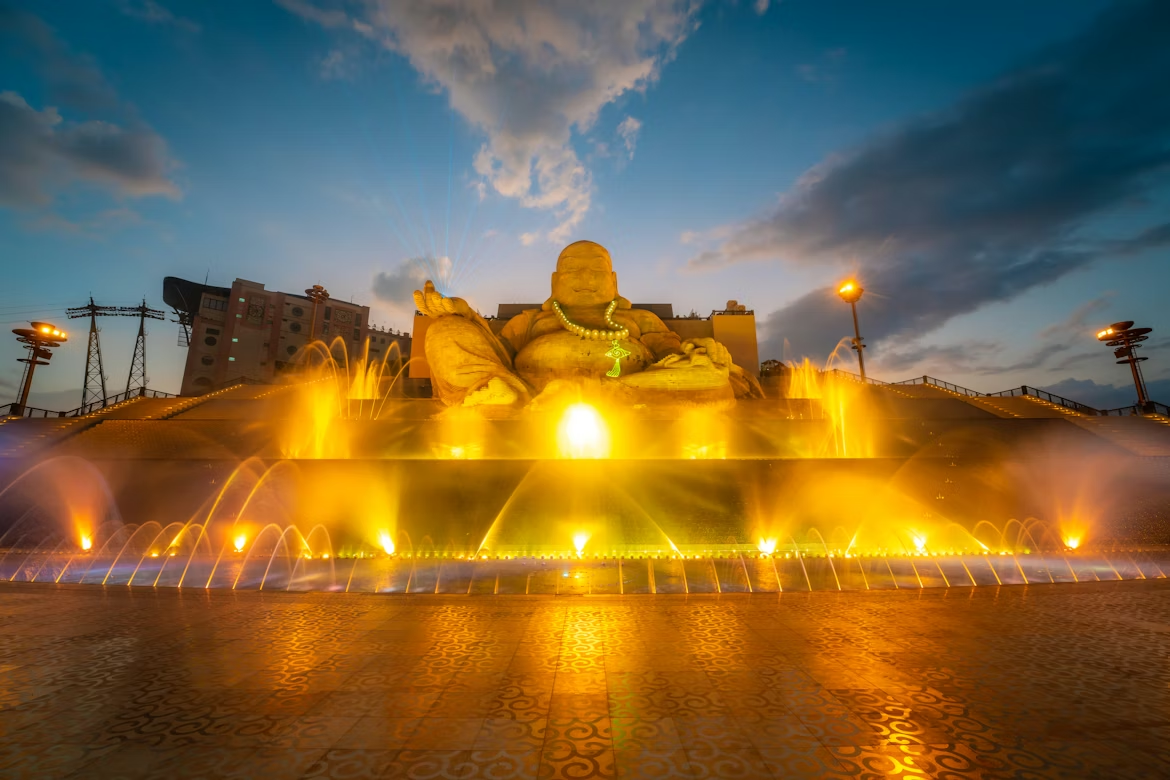
Maitreya Buddha statue on Ba Den Mountain (Photo: Collected)
See more information: https://nuibatayninh.com/
2.4. Hung Kings Temple (Phu Tho)
The Hung Kings Temple Complex holds a unique place among pilgrimage destinations in Vietnam because it is the national spiritual center dedicated to ancestor worship, not a specific religion. It honors the legendary Hung Kings, who founded the Vietnamese nation, symbolizing the origins and unity of the entire Vietnamese people. The pilgrimage is seen as a profound patriotic and cultural duty for all citizens.
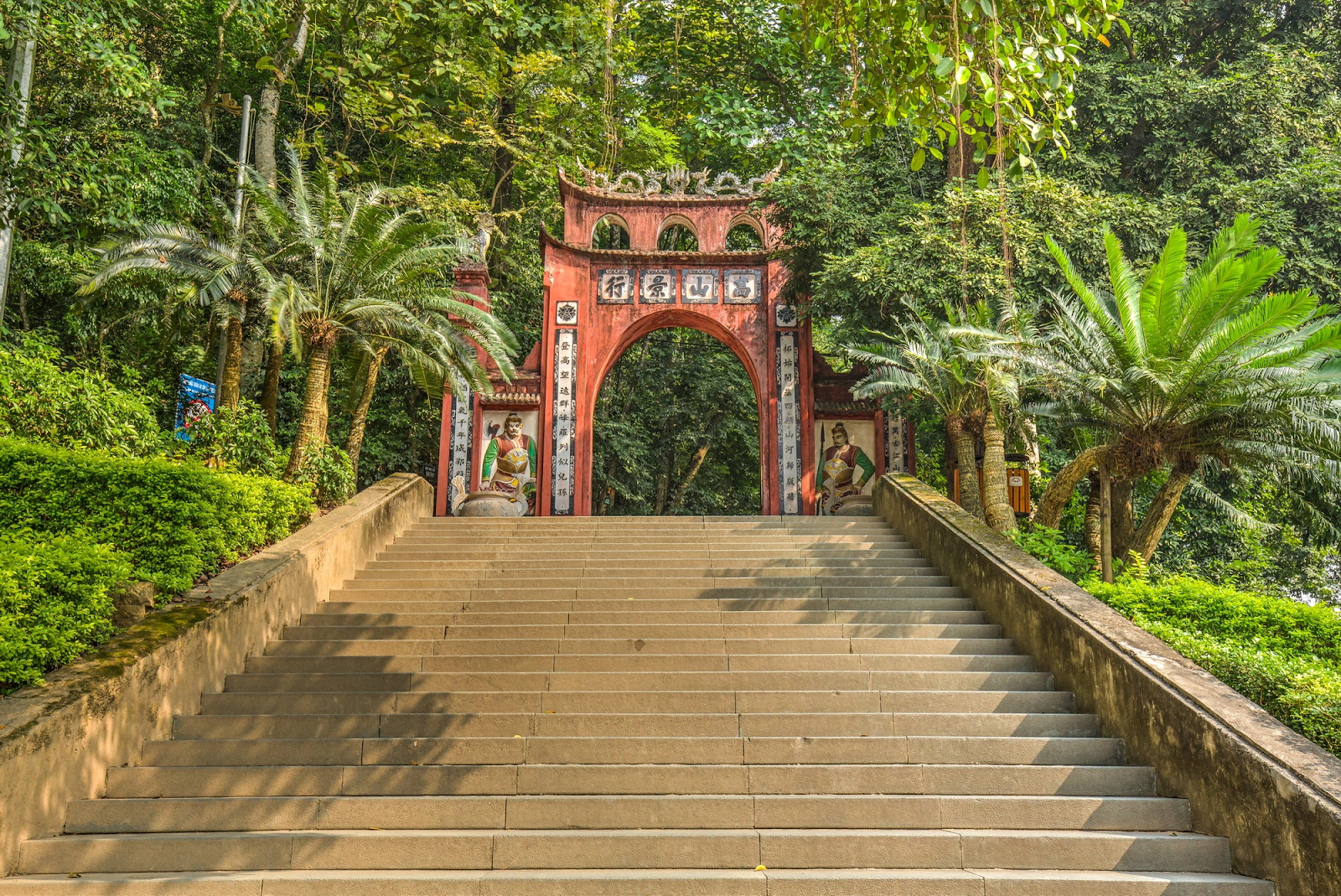
Beyond the Grand Gate, a mountain path leads to the main relics of Hung Temple (Photo: Collected)
The temple complex sits on Nghia Linh Mountain, featuring a sequence of beautifully maintained temples and is surrounded by ancient trees and serene landscapes. The architecture reflects simplicity and dignity, underscoring the ancient tradition of reverence for the land and lineage. The climax is the annual Hung Kings Temple Festival (the 10th day of the third lunar month), a national holiday where millions travel to pay their respects to the nation’s ancestors.
See more information: https://denhung.phutho.gov.vn/
2.5. Linh Ung Pagoda: Son Tra Peninsula & Ba Na Hills (Da Nang)
Da Nang is famous for its spiritual triangle, with the two most prominent sites being the Linh Ung Pagoda on Son Tra Peninsula and the Linh Ung Pagoda on Ba Na Hills.
Linh Ung Pagoda on Son Tra Peninsula is one of the most recognizable pilgrimage destinations in Central Vietnam, famous for its towering 67-meter Guanyin statue overlooking the sea and Da Nang city. Acting as a spiritual guardian for fishermen and local residents, this pagoda attracts nearly every visitor thanks to its sacred reputation, impressive coastal landscape, and serene atmosphere ideal for prayer and meditation. The name “Linh Ung,” meaning “Wishes Answered,” reinforces its long-standing spiritual significance.
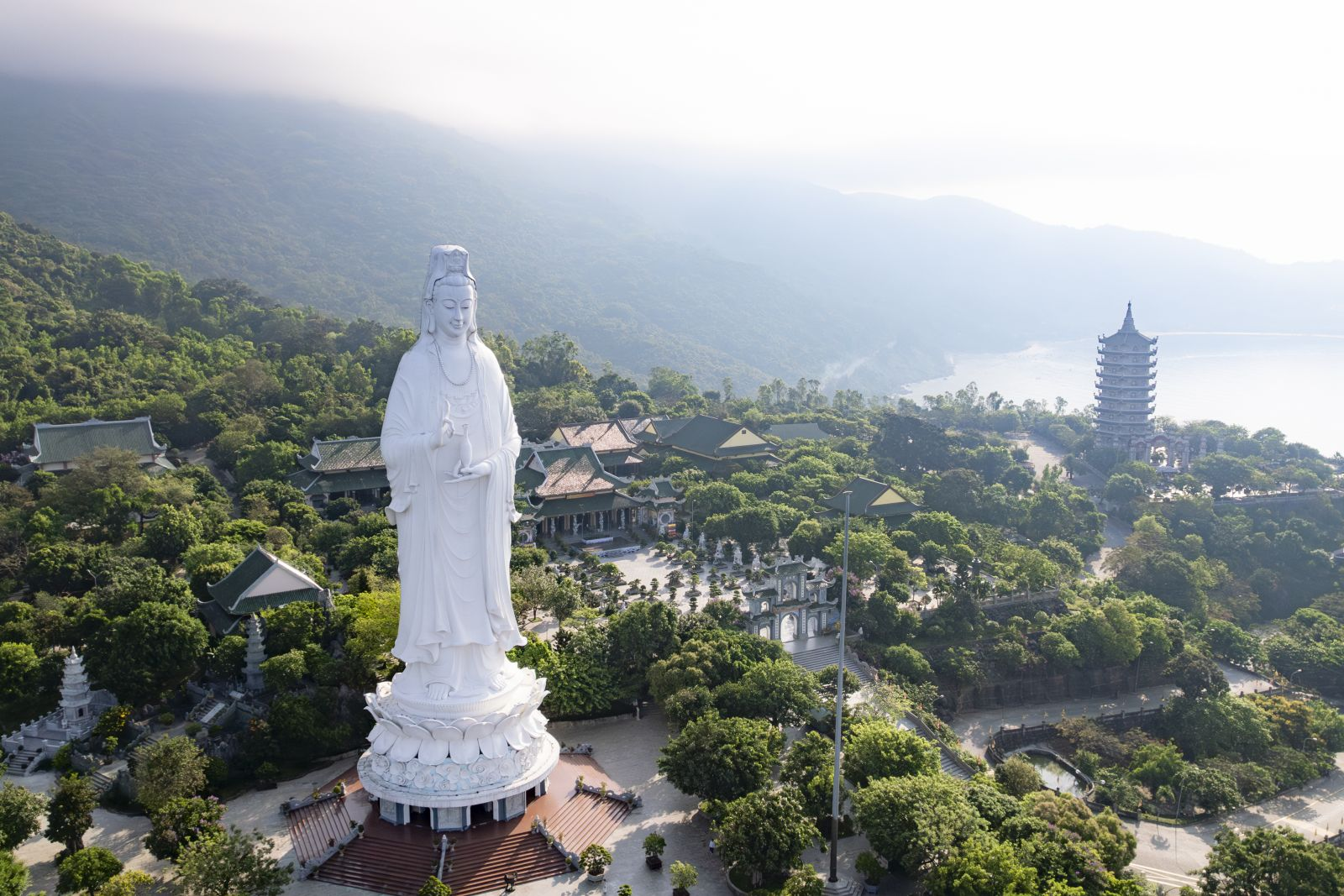
The panoramic view of Linh Ung Pagoda (Son Tra) from Vietnam’s tallest Guanyin statue (Photo: Collected)
Meanwhile, Linh Ung Pagoda on Ba Na Hills offers a completely different pilgrimage experience. Located atop the mountain, this pagoda features ancient-inspired architecture, cool mountain air, and panoramic views above the clouds. The highlight is the 27-meter Shakyamuni Buddha statue, one of the largest in Vietnam, making the site a powerful symbol of peace and enlightenment. Pilgrims and travelers often combine their spiritual journey with exploring the surrounding Ba Na Hills attractions, creating a meaningful blend of worship, nature, and culture.
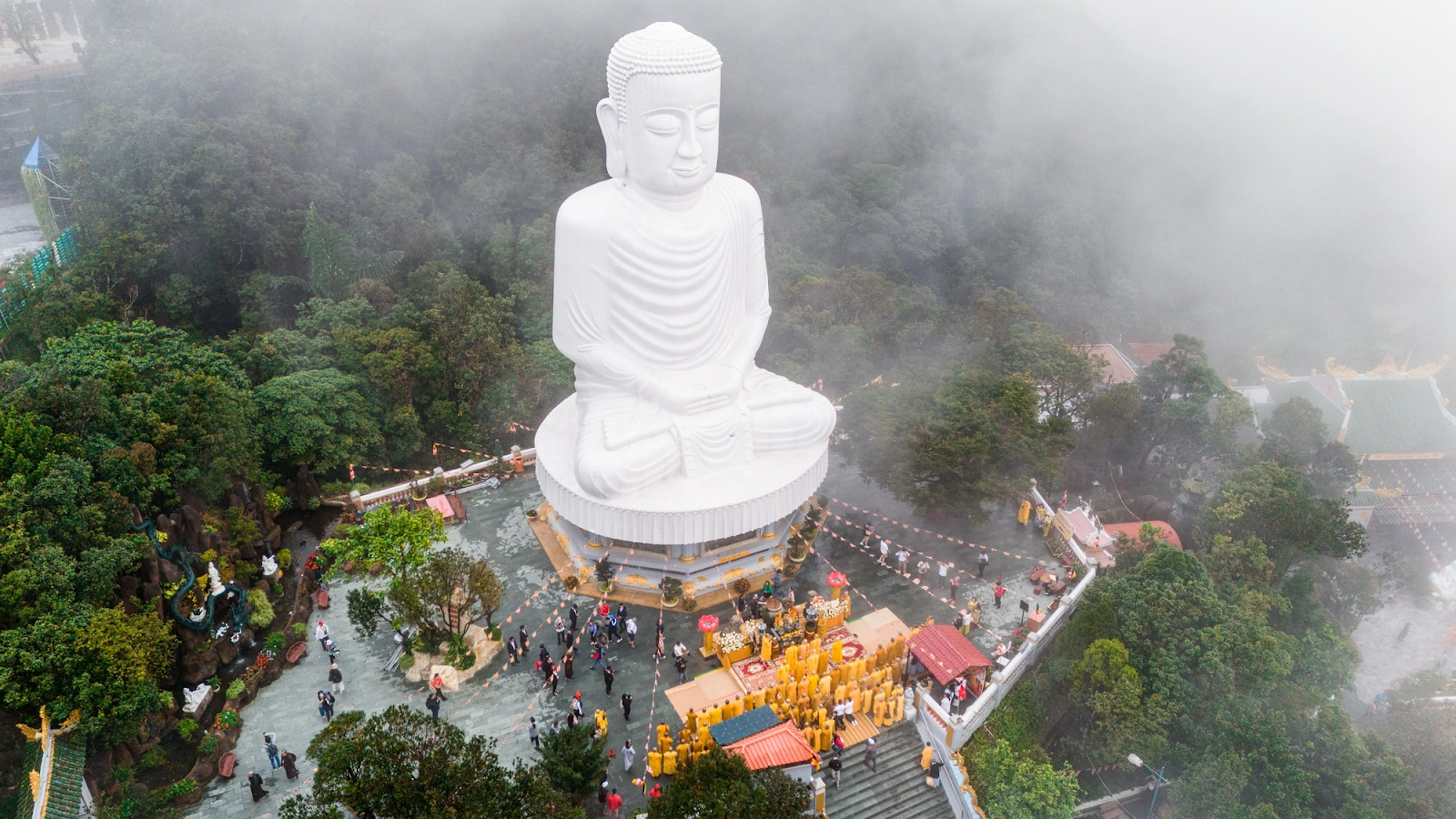
Over 300 monks and nuns traveled to the spiritual complex atop Ba Na for a pilgrimage (Photo: Collected)
See more information: https://chualinhung.vn/ & https://sunworld.vn/vi/banahills
2.6. Truc Lam Zen Monastery & Spiritual Complex Fansipan (Sapa)
This site offers a unique combination of Zen practice, pilgrimage, and high-altitude mountain climbing, centered around the spectacular Fansipan cable car complex. The development has made the "Roof of Indochina” accessible, turning it into a major pilgrimage destination in Vietnam that blends monumental modern temples with the raw power of nature. The ascent itself is considered a symbolic spiritual journey.
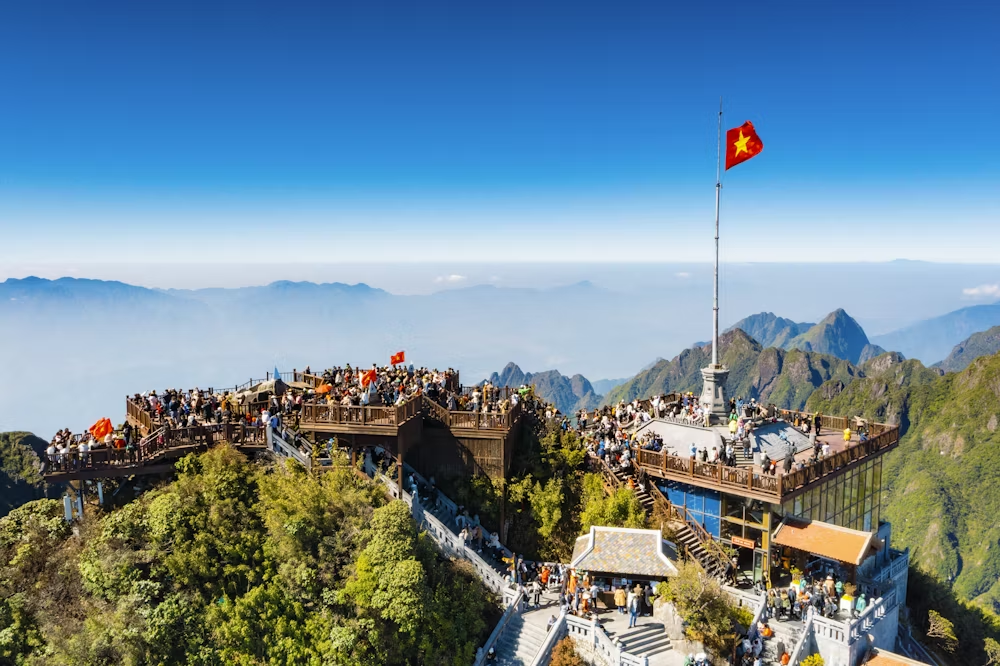
Conquer the Roof of Indochina and embrace breathtaking views (Photo: Collected)
Truc Lam Monastery, near Sapa town, provides a serene space for meditation, while Fansipan spiritual complex at the summit features Kim Sơn Bao Thang Pagoda and the Great Amitabha Buddha statue overlooking the clouds. Together, they create an unforgettable setting for reflection and prayer, attracting both Buddhists and visitors seeking inspiration from the sheer scale and tranquility of the Hoang Lien Sơn mountain range.
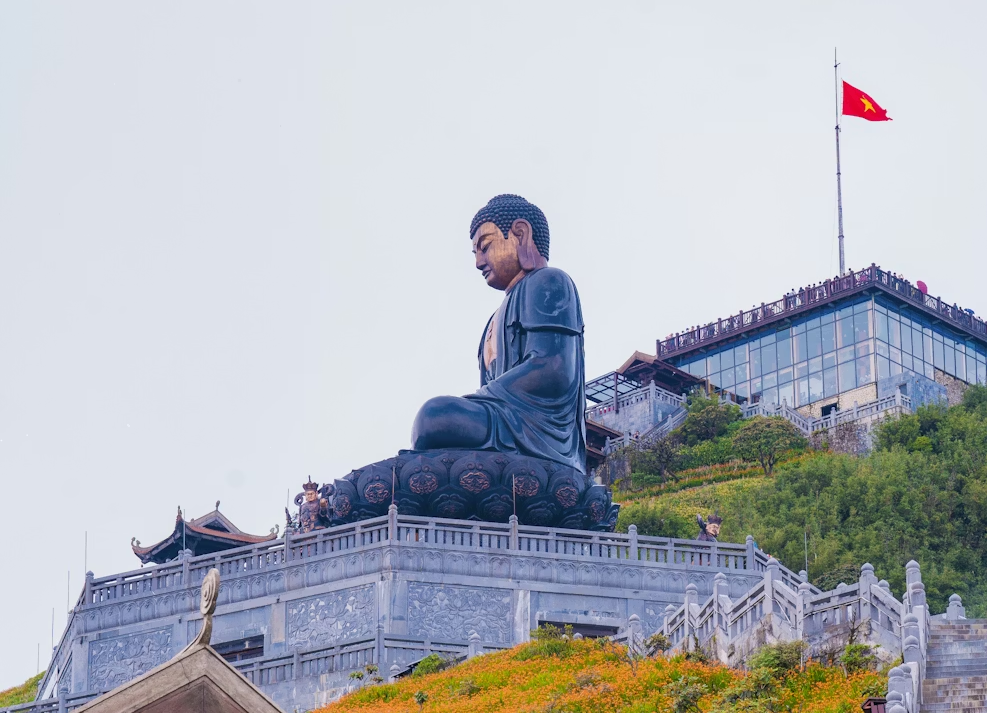
The Great Buddha statue is chosen as the venue for the Vesak ceremony, praying for national peace and people's well-being (Photo: Collected)
See more information: https://sunworldfansipan.net/
2.7. Cua Ong Temple (Quang Ninh)
Cua Ong Temple is a major pilgrimage destination in Northern Vietnam, revered for worshipping General Tran Quoc Tang, a hero from the Tran Dynasty. It is a critical part of the larger spiritual circuit in Quảng Ninh, often visited alongside Yen Tu Mountain, creating a rich spiritual and historical route for pilgrims. The temple is famous for its intricate, traditional wooden architecture.
The temple area within the Cua Ong Temple (Photo: Collected)
The temple is situated overlooking the beautiful Bai Tu Long Bay, providing a serene and scenic backdrop for worship. Pilgrims primarily visit to pray for health, luck, and protection, especially those working in maritime trades. The temple hosts an important festival during the second lunar month, drawing large numbers of devotees who are keen to honor the revered General.
See more information: https://dencuaong.vn/
2.8. Dinh Cau (Phu Quoc)
Dinh Cau is the most famous coastal pilgrimage destination in Phu Quoc, located prominently on a rocky headland overlooking the mouth of the Duong Dong River. This temple is dedicated to the Goddess Thien Hau and other deities who protect fishermen and sailors, making it a critical site for the local fishing community. Its unique location and vibrant atmosphere make it a distinct spiritual site on the island.
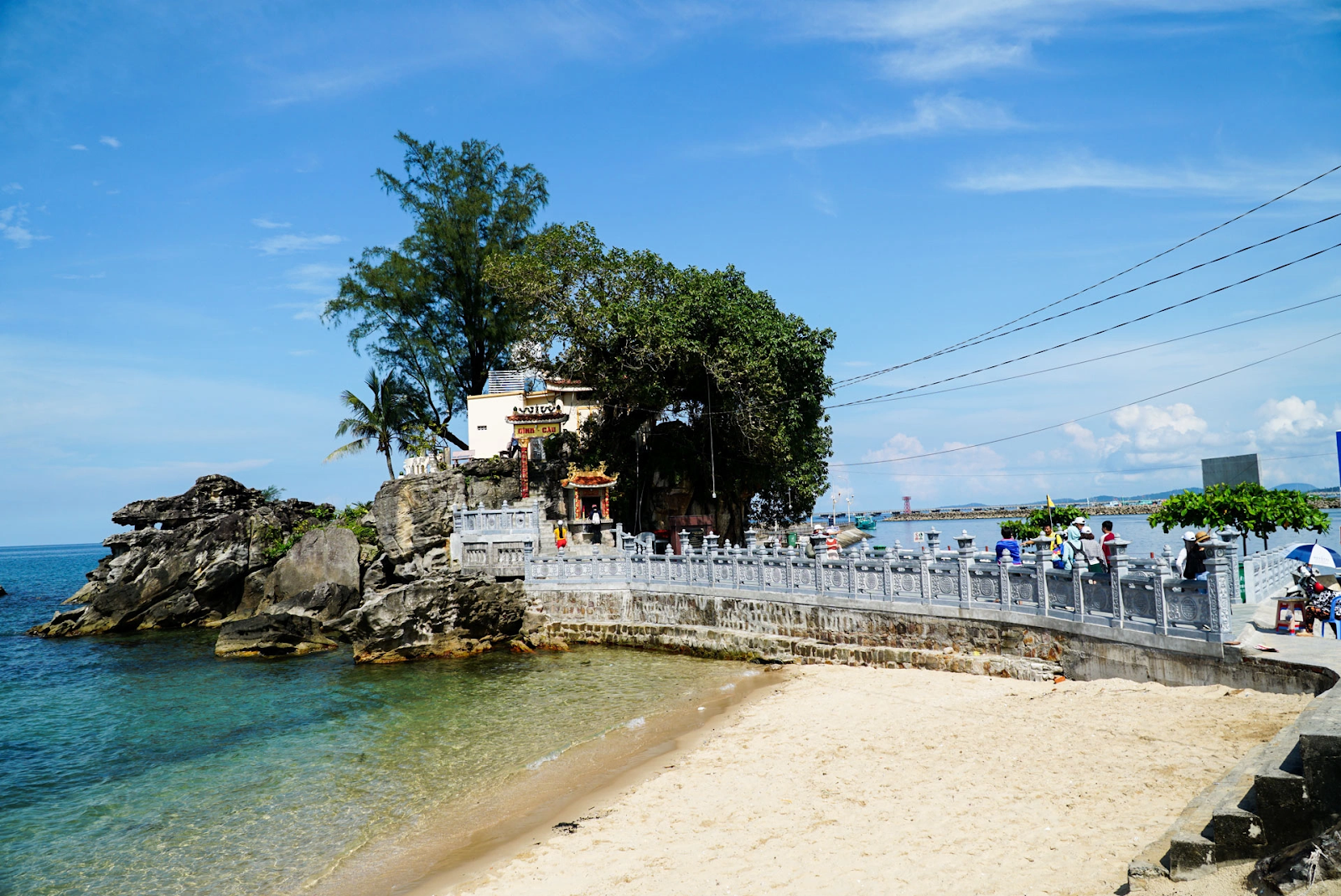
Born from a rising sea rock that once saved fishermen, Dinh Cau Temple remains a sacred folk pilgrimage (Photo: Collected)
The temple is also known as a wonderful spot to enjoy the island's spectacular sunsets, attracting both worshippers and tourists alike. Fishermen regularly visit Dinh Cau before embarking on long trips to pray for calm seas and abundant catches. The site's spiritual importance is strongly tied to the island's reliance on the ocean, embodying the traditional folk beliefs of the coastal Southern Vietnamese people.
2.9. Perfume Pagoda (Ha Noi)
Perfume Pagoda is considered one of the oldest and most beautiful pilgrimage routes in Vietnam, a vast complex of Buddhist temples and shrines built into the spectacular Huong Tich Cave. This pilgrimage destination in Vietnam is known for its poetic natural setting, surrounded by mountains and the calm Yen Vi stream. The core of the pilgrimage is the challenging journey itself, which traditionally tests the sincerity of the faithful.
The experience begins with a memorable boat trip along the winding stream, followed by a hike or cable car to reach the main cave, which is believed to be the entryway to the Buddhist pure land. The site hosts a major festival from the first to the third lunar month, but visiting outside this busy time allows for greater appreciation of its ancient tranquility and historical architecture.
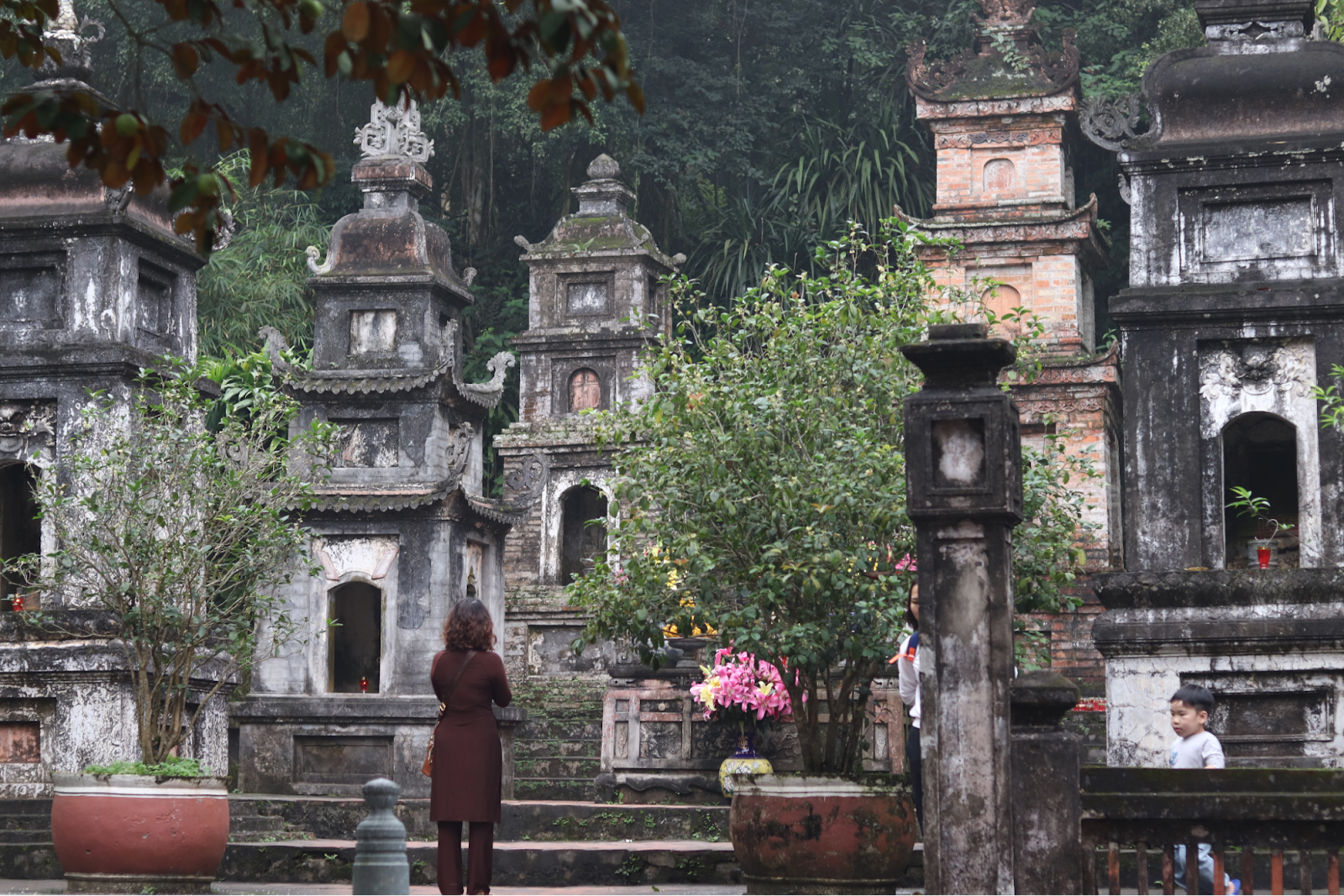
Pilgrims pay respects at Thien Tru Temple, the heart of Perfume Pagoda (Photo: Collected)
See more information: https://chuahuong.org.vn/
2.10. Thien Mu Pagoda (Hue)
Thien Mu Pagoda is the oldest and most iconic temple in Hue, standing as the spiritual symbol of the ancient imperial capital since 1601. Recognized by its seven-story Phước Duyên Tower overlooking the Perfume River, it is a peacefully historical pilgrimage destination in Vietnam. The pagoda is famous both nationally and internationally for its ancient beauty and cultural significance.
The pagoda is famous both nationally and internationally for its ancient beauty and cultural significance.
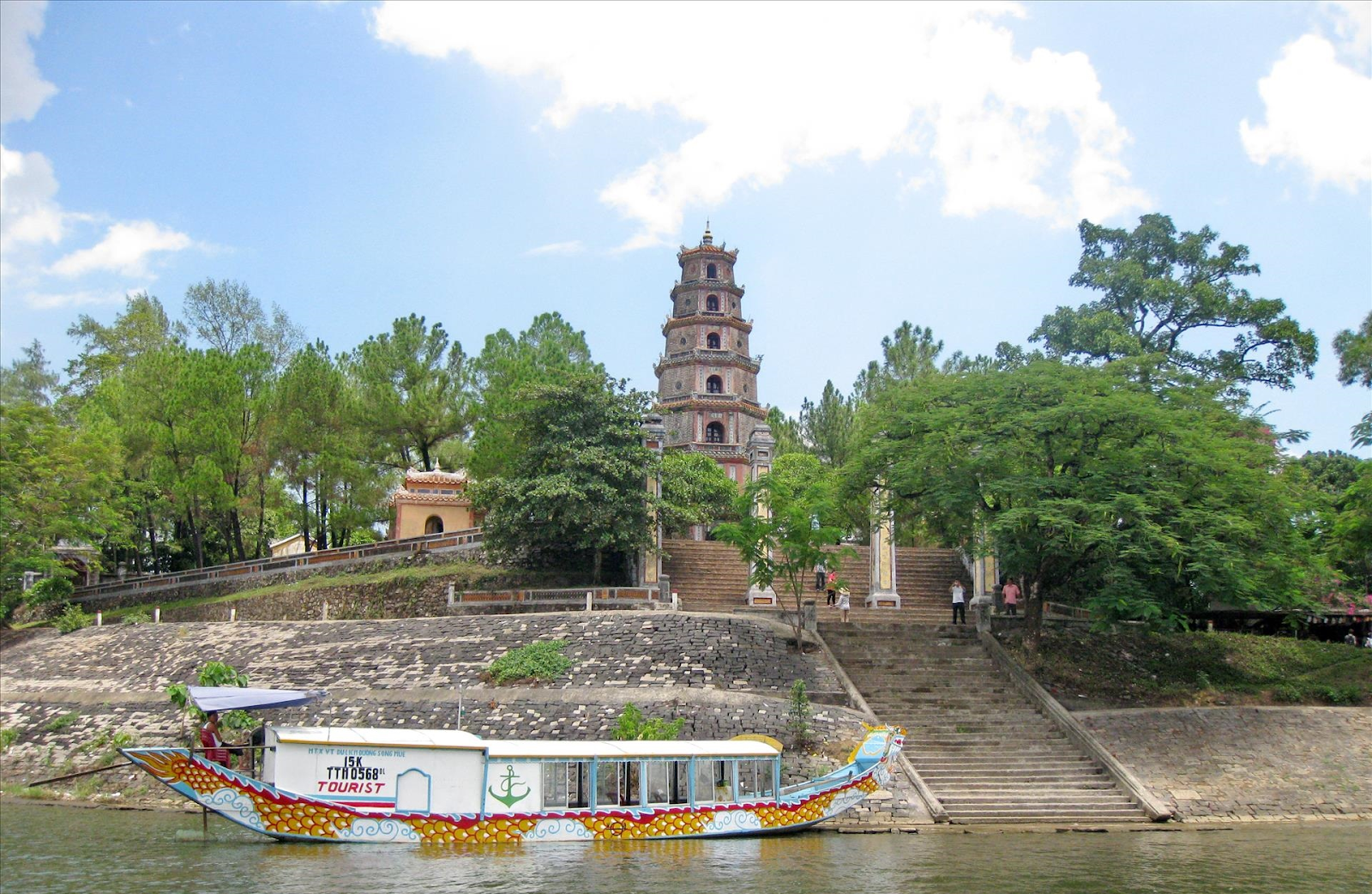
A boat dock in front of Thien Mu Pagoda offers riverside trips on the Perfume River (Photo: Collected)
The pagoda complex is known for its beautiful traditional architecture and its tranquil, perfectly arranged grounds, which follow traditional Vietnamese Feng Shui principles. Thien Mu holds significant historical importance, often featuring in the country’s modern political and religious narratives. Its quiet setting makes it a wonderful place for meditation and reflecting on Vietnam's imperial past.
3. Planning your pilgrimage in Vietnam
3.1. Best time for pilgrimage travel
The most popular time to visit any pilgrimage destination in Vietnam, especially to major Buddhist sites, is during the spring festival season. This runs from the Lunar New Year through the third lunar month. While this period offers an unparalleled immersion in local rituals and a vibrant atmosphere, be prepared for immense crowds and higher travel costs due to the national holidays.
For a quieter, more contemplative experience, visiting during the dry season is highly recommended. The dry season generally runs from November to April in the North and South, and May to September in the Central region. The weather during these months is typically favorable for exploring the vast temple complexes and climbing mountains, ensuring a more peaceful spiritual journey.
3.2. Essential travel tips for pilgrims
Observing proper cultural etiquette is crucial when visiting these pilgrimage destinations in Vietnam. All visitors must adhere to a strict dress code, meaning shoulders and knees must be covered when entering sacred spaces like pagodas, temples, or Catholic churches; this shows essential respect for local traditions.
Major sites like Yen Tu, Ba Den, Fansipan and Perfume pagoda require steep climbs or cable car usage. Visitors should wear sturdy shoes and weather-appropriate clothing with windproof and moisture-wicking layers. Finally, remember to always be respectful to monks and devotees and ask permission before photographing individuals or ongoing religious ceremonies to maintain the sanctity of their spiritual practices.
3.3. Complementary activities & nearby retreats for pilgrims
Since many major pilgrimage destinations, such as Fansipan, Yen Tu and Ba Den Mountain, benefit from modern infrastructure and nearby tourist development, you can easily combine your spiritual journey with a relaxing vacation. Look for high-quality nearby resorts or hotels to stay in before or after your climb, allowing for dedicated time to rest and reflect.
These areas often offer high-quality dining, comfortable rest areas, and dedicated sightseeing spots that perfectly complement the solemn atmosphere of the temples. For example, after visiting Fansipan, explore the unique culture of Sapa town, or after Bai Dinh, take a boat tour through the stunning karst landscapes of the Trang An Scenic Complex. Combining devotion with relaxation ensures a well-rounded trip.
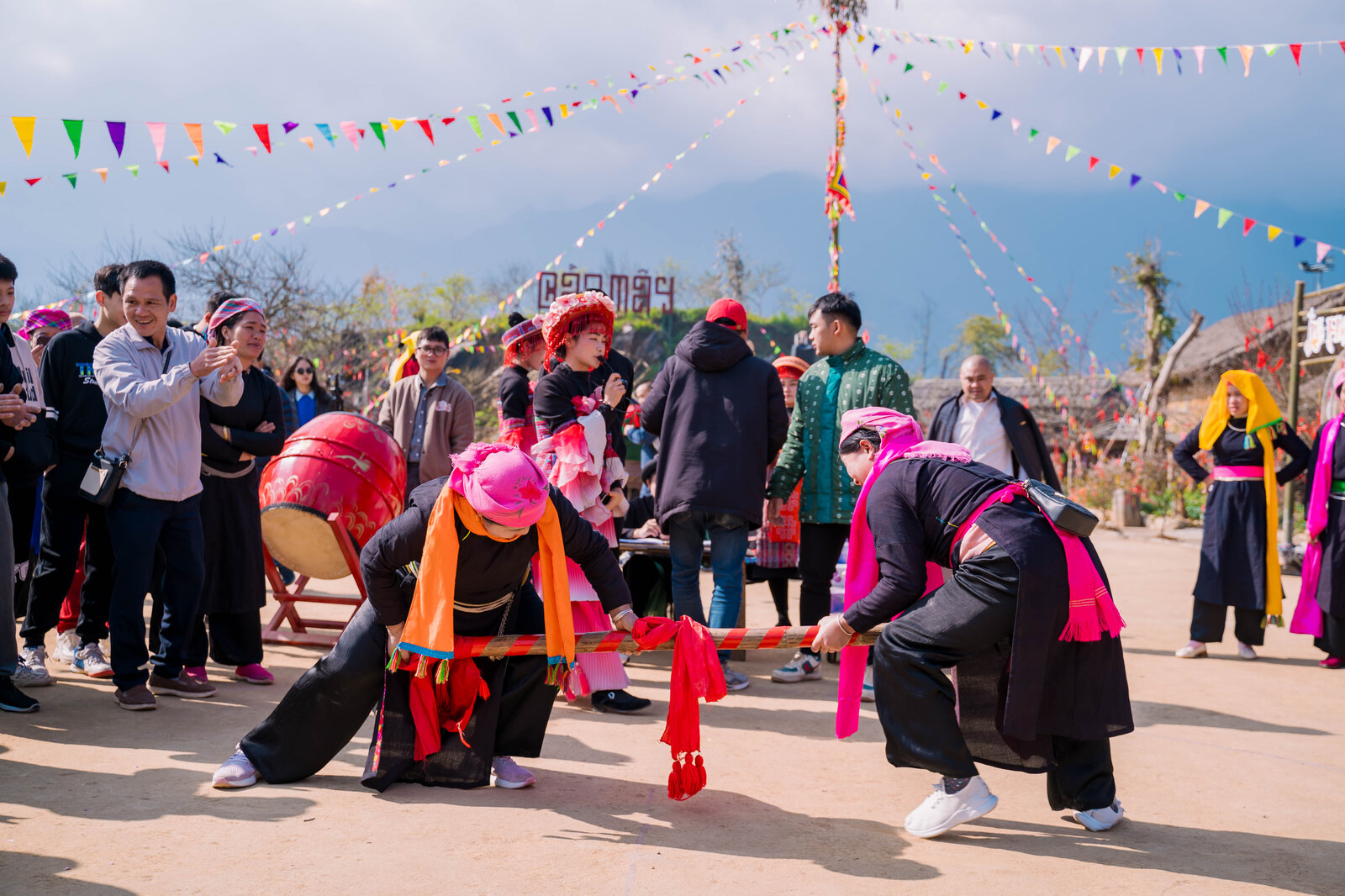
Devotees immerse in the local culture at May Village after contemplating on Fansipan (Photo: Collected)
Embarking on the pilgrimage destinations in Vietnam opens a window into a land where history and spirituality meet. While the high peaks of Fansipan and coastal temples show the Vietnamese’s enduring faith and cultural resilience, Bai Dinh, Yen Tu and Hung Kings temple provide moments of reflection and peace. Travel with respect and an open mind, the spiritual heart of Vietnam is ready to welcome you.


