




1. General introduction to Sa Pa tourism
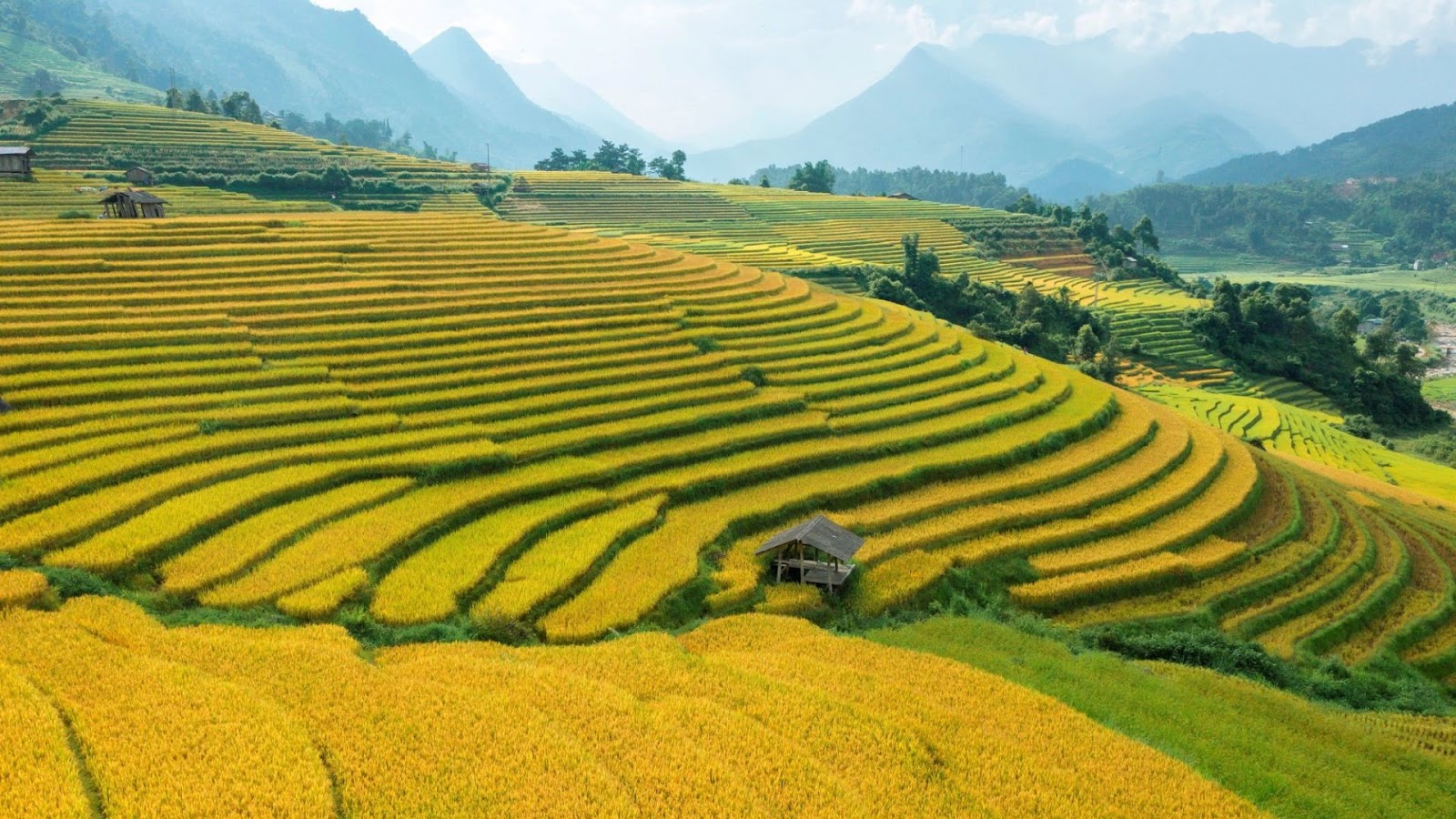
Sa Pa attracts tourists with its rich terraced rice fields. (Source: Collected)
Sa Pa is a beautiful gem of the Northwest mountains, located about 30 km from the center of Lao Cai city, at an average altitude of 1,500 to 1,800 meters above sea level. Thanks to its high mountainous terrain, Sa Pa enjoys a cool climate year-round, fresh air, and floating clouds covering the mountains and forests.
The scenery here always captivates tourists with its lush green terraced fields, the majestic Hoang Lien Son mountain range, and peaceful villages nestled among the terraced fields. Sa Pa is home to 8 ethnic brother groups including H'Mong, Dao, Tay, Giay, Muong, Thai, Hoa, and Xa Pho. Among them, the H'Mong people account for more than half of the population.
Each ethnic group contributes to the richness of Sa Pa's culture – from vibrant brocade costumes, traditional festivals deeply rooted in local beliefs, to characteristic cuisine. It is this harmony between nature and culture that makes Sa Pa a destination everyone wants to visit once – a place where people, nature, and culture blend to create a captivating Northwest landscape.
A 3-day, 2-night Sa Pa tour is the perfect choice for you to fully explore the natural beauty and ethnic cultures here. Visitors can admire the majestic Fansipan peak, visit Cat Cat village, or enjoy rich highland cuisine. 3 days and 2 nights in Sa Pa will bring you memorable experiences and a sense of peace amidst the Northwest nature.
2. Guide to transportation for a 3-day, 2-night Sa Pa tour
To have a complete exploration journey in Sa Pa, visitors can choose various means of transport depending on their preferences and personal needs. Each mode of transport offers a unique experience.
2.1. Traveling by bus
Travel time: 5 to 6 hours
Reference ticket price: from 250,000 to 500,000 VND/way
This is a popular and economical choice for many tourists from Hanoi and surrounding areas to Sa Pa. High-quality sleeper or limousine bus routes depart from My Dinh, Giap Bat stations, or the city center.

Comfortable beds on the bus to Sa Pa. (Source: Collection)
2.2. Moving by Train
Travel time: about 7 to 8 hours
Reference ticket price: Train ticket prices vary depending on the seat class and cabin type, ranging from 300,000 VND for soft seats to about 1,500,000 VND for premium sleeper cabins.
The train is an interesting experience for those who love relaxation and want to admire the Northwest mountains and forests along the way. Some train companies are highly rated for quality and service such as Sapaly Express, King Express, Fanxipan Express or Victoria Express, offering a comfortable, clean, and smooth space.
2.3. Moving by Private Car
If you love independence and want to enjoy the journey in your own way, traveling by private car is an ideal choice. From Hanoi, you can take the Noi Bai – Lao Cai expressway, a total distance of about 320 km and taking about 5 to 6 hours of driving.
This route is quite beautiful but has many winding, steep passes near Sa Pa, so you need to pay attention to speed and observe carefully when moving. During the rainy season or when there is heavy fog, you should start early and ensure the vehicle is fully maintained for a safe and smooth journey.
3. Famous Places Suitable for a 3-Day, 2-Night Sa Pa Travel Itinerary
3.1. Sun World Fansipan Legend
Sun World Fansipan Legend is a tourist attraction that visitors should not miss when coming to the misty land of Sa Pa. The resort is located on the majestic Hoang Lien Son mountain range, about 3 km from the center of Sa Pa ward.
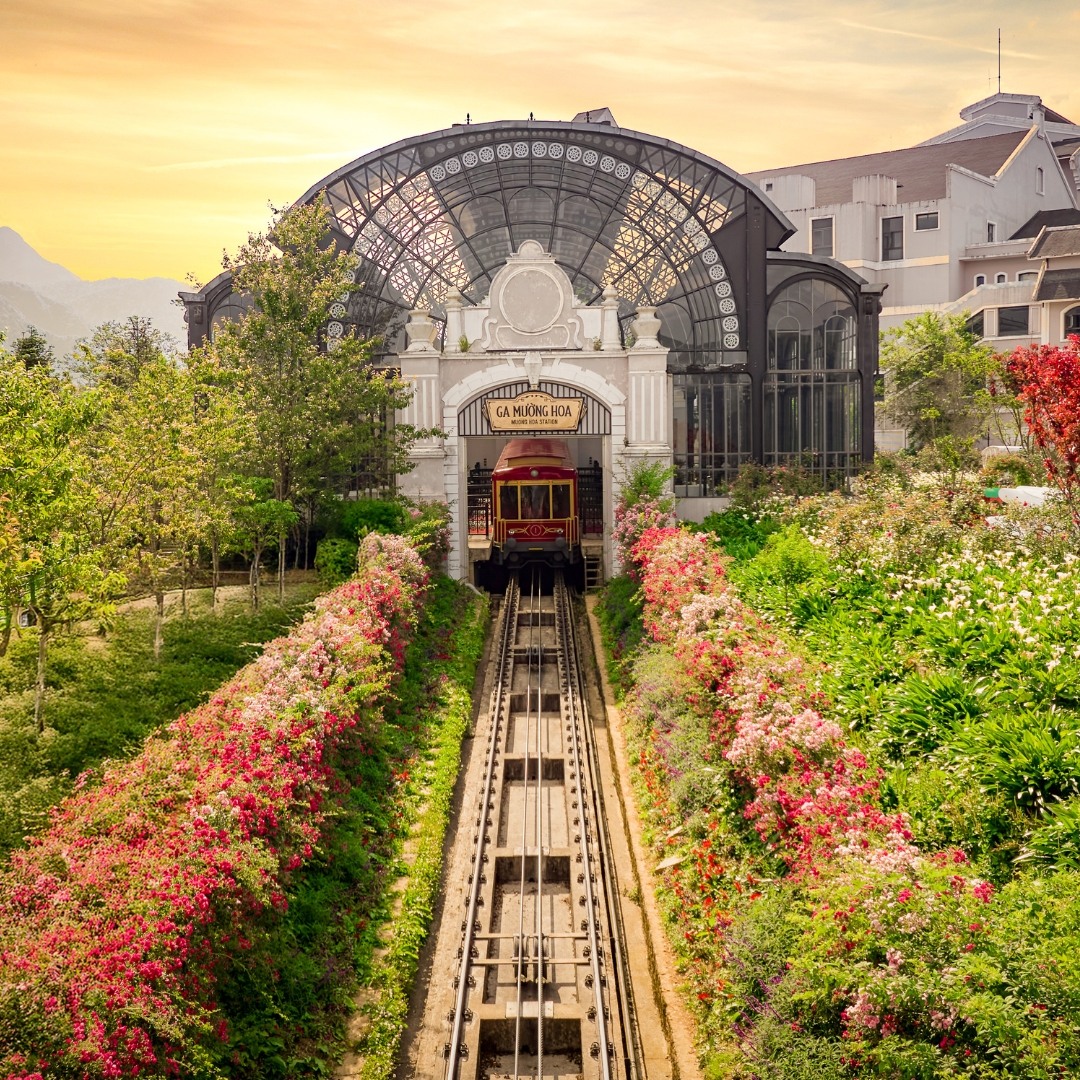
The vibrant red mountain train takes visitors across the majestic Muong Hoa Valley. (Source: Collected)
Visitors can begin their journey of discovery at Sun World Fansipan Legend by the Muong Hoa mountain train, the train passes through lush green valleys and successive terraced fields, opening up the magnificent natural scenery of the Northwest Vietnam mountains.
After that, you can conquer Fansipan peak by the modern 3-rope Sun World Fansipan Legend cable car, from the cable car cabin, visitors can admire the floating white sea of clouds, stretching terraced fields, and the majestic panorama of the Hoang Lien Son valley.
Upon reaching the summit, visitors can explore unique spiritual tourist complex such as: Great Buddha Statue of Amitabha, Bich Van Zen Monastery, Thanh Van Dac Lo, or Bao An Zen Monastery… Each structure bears a strong imprint of Buddhist culture and harmonizes with the surrounding mountain landscape.
Notably, checking in at the National Flagpole and the Fansipan peak marker at 3,143 m is a memorable moment, recording the proud achievement of conquering the "Roof of Indochina" for every visitor.
3.2. Sa Pa Stone Church
Sa Pa Stone Church is one of the characteristic symbols of the misty town. The structure was built in the early 20th century by the French, bearing a strong European Gothic architectural style with high vaulted ceilings, arched windows, and ancient moss-covered stone walls. Located right in the center of Sa Pa ward, in front of the bustling Sa Pa square, the church has become a familiar meeting point for tourists and locals.
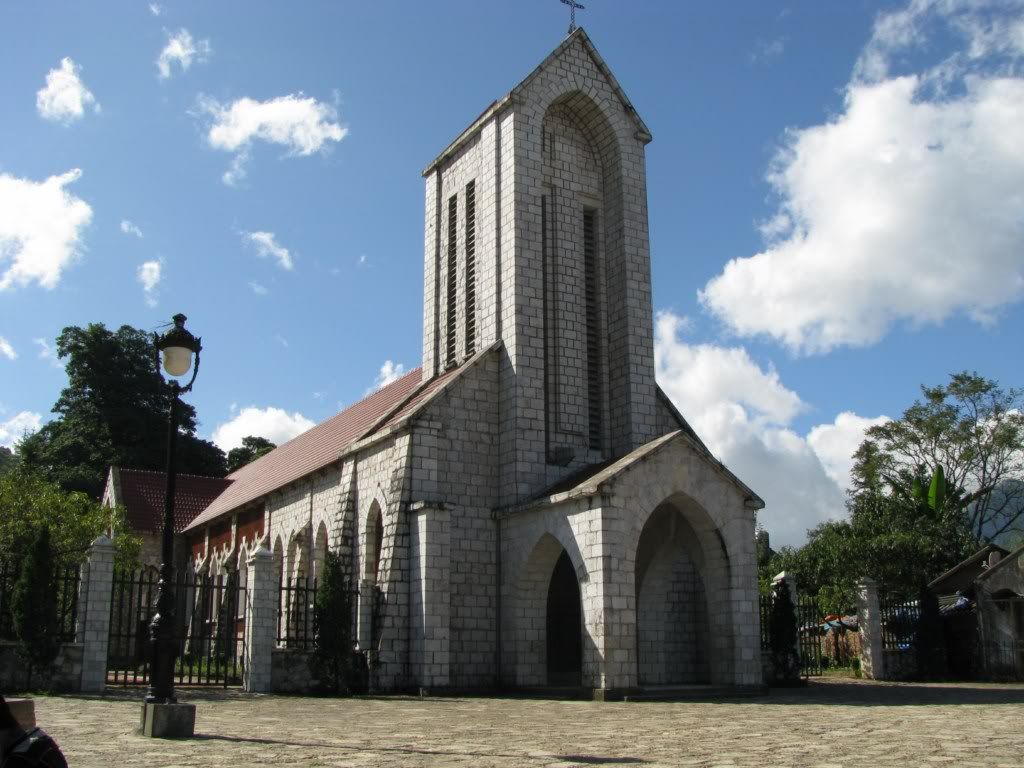
Sapa Stone Church is a unique check-in spot in the center of Sapa. (Source: Collected)
In the early morning, when mist still blankets the paths, the church appears mystical amidst the tranquil space, evoking an indescribable sense of peace. In the evening, the area around the church becomes bustling with the Sapa night market, the sounds of Mong flutes and folk songs blend in the characteristic cool air of the highlands.
3.3. Cat Cat Village
Cat Cat Village is located about 2 km from the center of Sapa town, it is an ancient village of the Black Hmong people famous for its rustic, peaceful beauty and rich traditional culture. The path down to the village winds along the mountainside, lined with wooden houses, watermills, and lush green terraced fields.
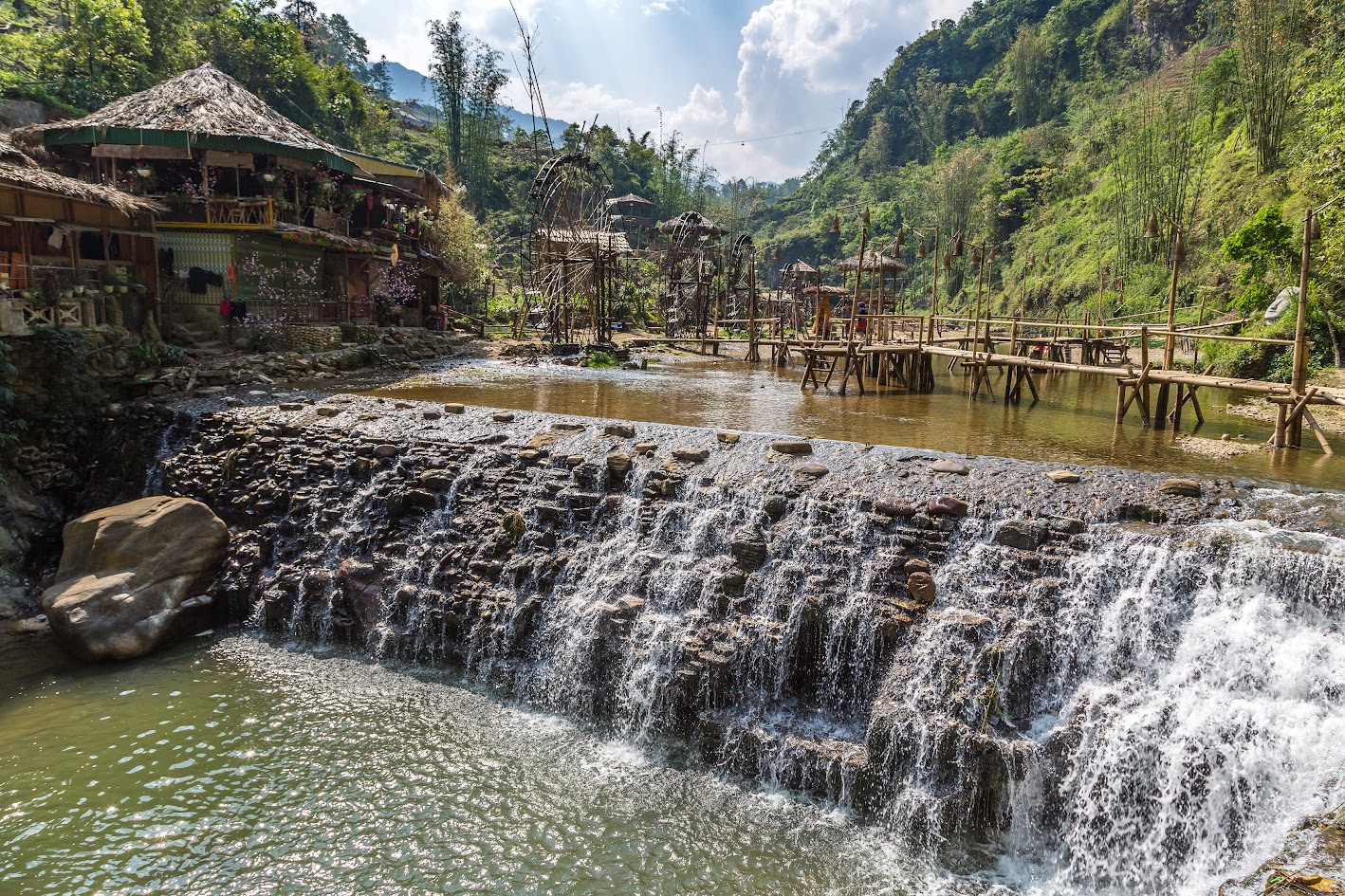
Peaceful scenery at Cat Cat village. (Source: Collected)
Coming to Cat Cat, visitors can visit the charming Cat Cat waterfall, learn about linen weaving, indigo dyeing, and silver crafting – traditional crafts preserved by the locals for generations. Additionally, visitors can rent ethnic costumes to transform into Mong girls and highland boys and capture beautiful photos amidst the majestic mountain and forest scenery.
3.4. O Quy Ho Pass
O Quy Ho Pass, also known as Hoang Lien Son Pass, is one of the most famous "four great mountain passes" in Vietnam. Located at an altitude of over 2,000 m, the pass connects Lao Cai and Lai Chau provinces and is the most spectacular viewpoint in the Northwest.
On the journey to conquer the pass, visitors will admire the majestic mountains, lush green valleys, and drifting clouds right before their eyes. Especially at sunset, O Quy Ho seems to be bathed in warm golden sunlight.
3.5. Ta Van Village
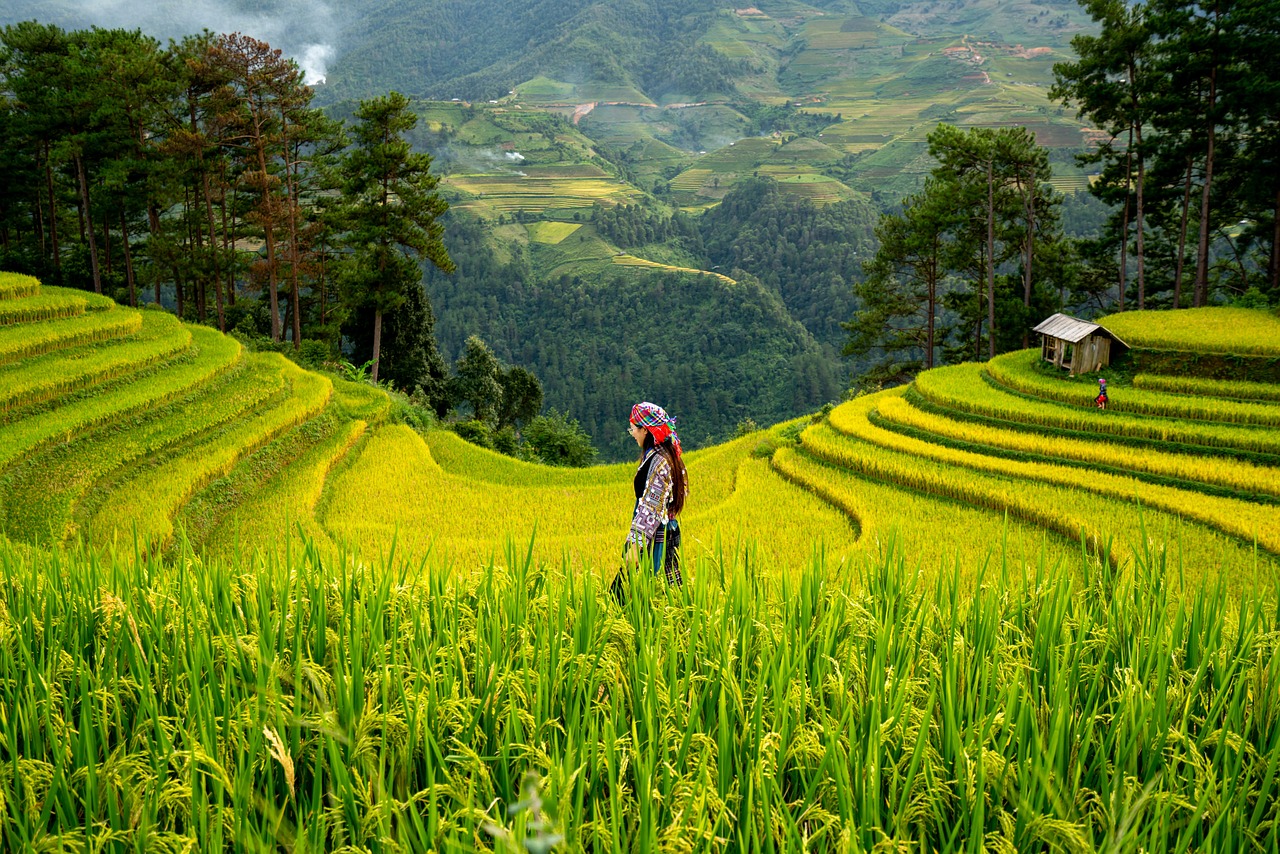
Prosperous terraced fields in Ta Van village. (Source: Collected)
Ta Van village is located about 7 km from the center of Sa Pa, and is home to the Giay people and some other ethnic groups such as the H'Mong and Red Dao. Unlike the bustling atmosphere of Cat Cat, Ta Van possesses a peaceful, simple beauty with small wooden houses nestled beside terraced fields and the gentle Muong Hoa stream flowing through.
During the ripe rice season, Ta Van is adorned in a brilliant yellow, creating a stunning natural landscape. It is also an ideal location for light trekking, immersing yourself in nature, and fully enjoying the rustic beauty of Sa Pa.
4. Accommodation suggestions for a 3-day, 2-night trip to Sa Pa
4.1. 5-star hotels
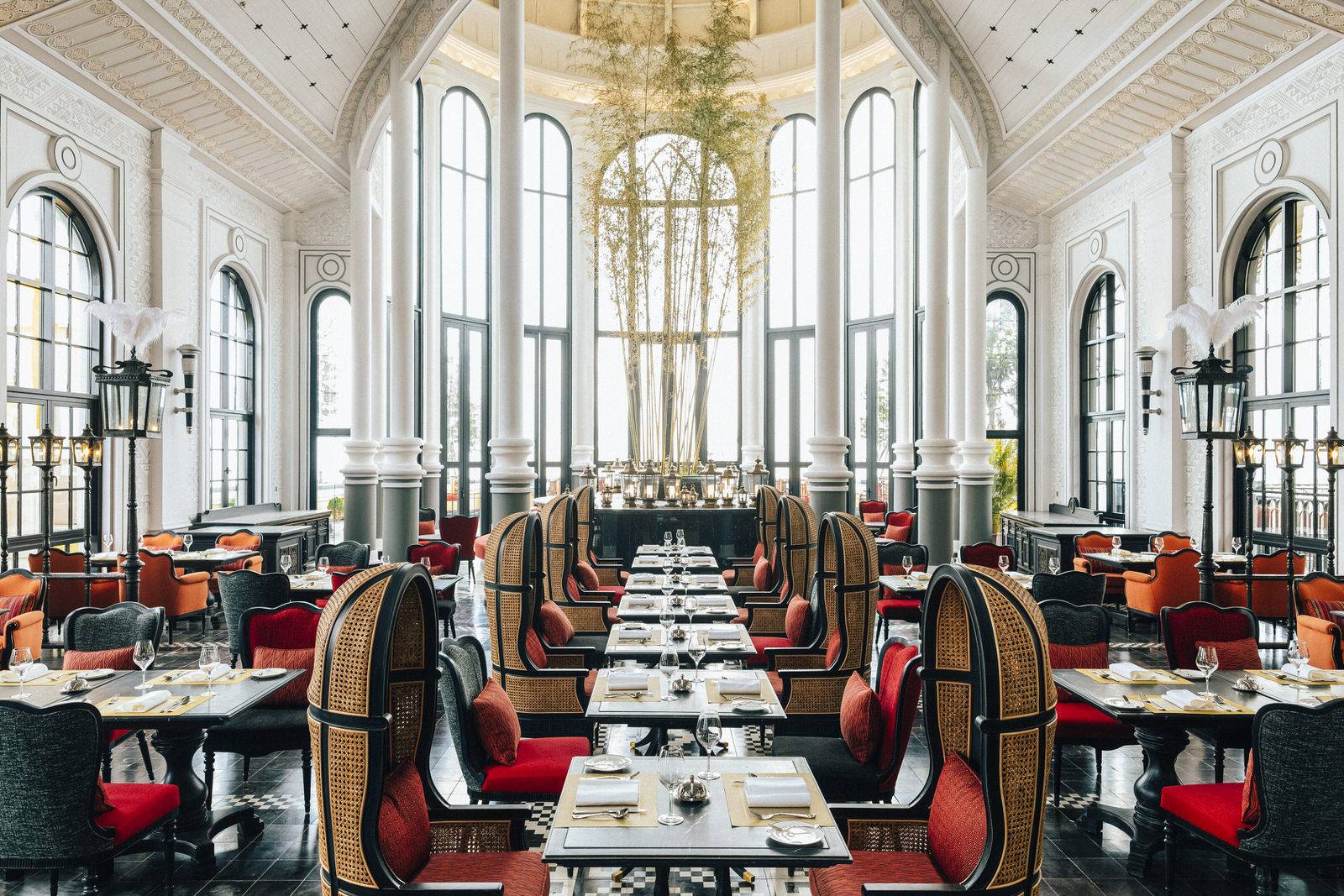
Luxurious space at Hotel de la Coupole – MGallery. (Source: Collected)
4.2. Homestay
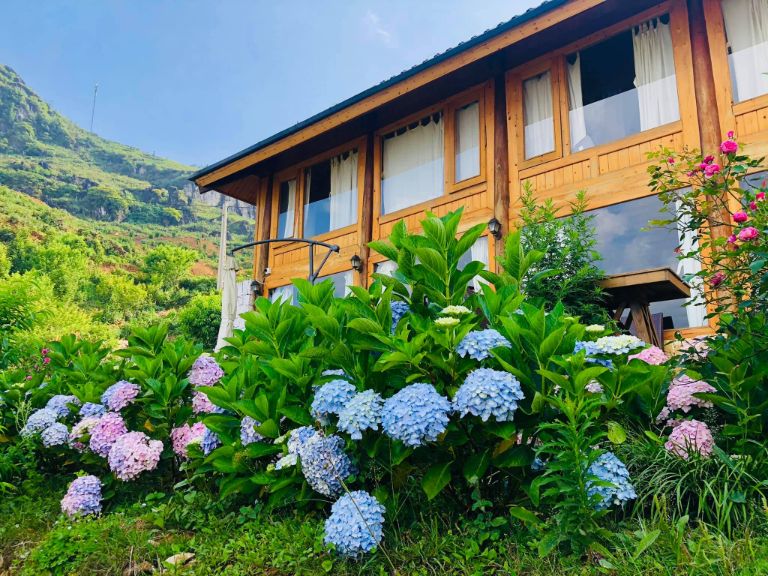
Rock Garden Sapa Homestay is located on the poetic mountainside. (Source: Collected)
5. Suggested 3-day 2-night Sapa travel itinerary
5.1. Day 1: Exploring Sapa center
Morning:
After traveling to Sapa, you can check into your hotel, rest, and prepare for a full day of exploration. You can enjoy breakfast at the hotel or local restaurants.
Then, move to Cat Cat village – an ancient village nestled on the mountainside, just about 2 km from the center of Sapa. On the way, you can admire the lush green natural scenery, successive terraced fields, and glimpses of kitchen smoke from simple wooden houses.
Noon:
Your first lunch in Sapa will be truly complete if you enjoy salmon hot pot or sturgeon hot pot – two famous, delicious specialties with rich mountain flavors. Sit in a cozy restaurant space, eating while admiring the misty scenery outside the window.
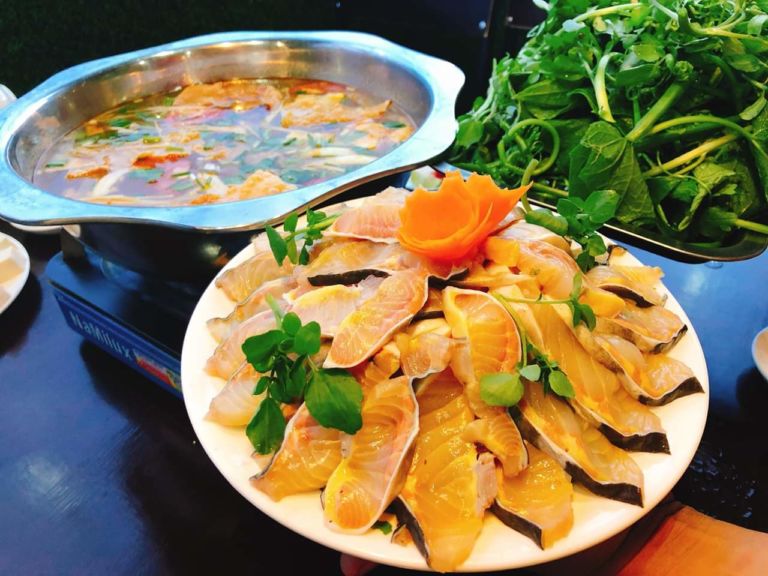
Tourists can enjoy fresh sturgeon hotpot for lunch. (Source: Compilation)
Afternoon:
The afternoon is the ideal time to explore the town center. You can start by visiting the Stone Church of Sa Pa – an ancient symbol located right in the central square.
From here, you can continue your journey to Ham Rong Mountain, where there are winding stone paths, vibrant flower gardens, and many charming check-in photo spots. When you reach the summit, the sight of the entire Sa Pa town appearing through the clouds will leave you amazed.
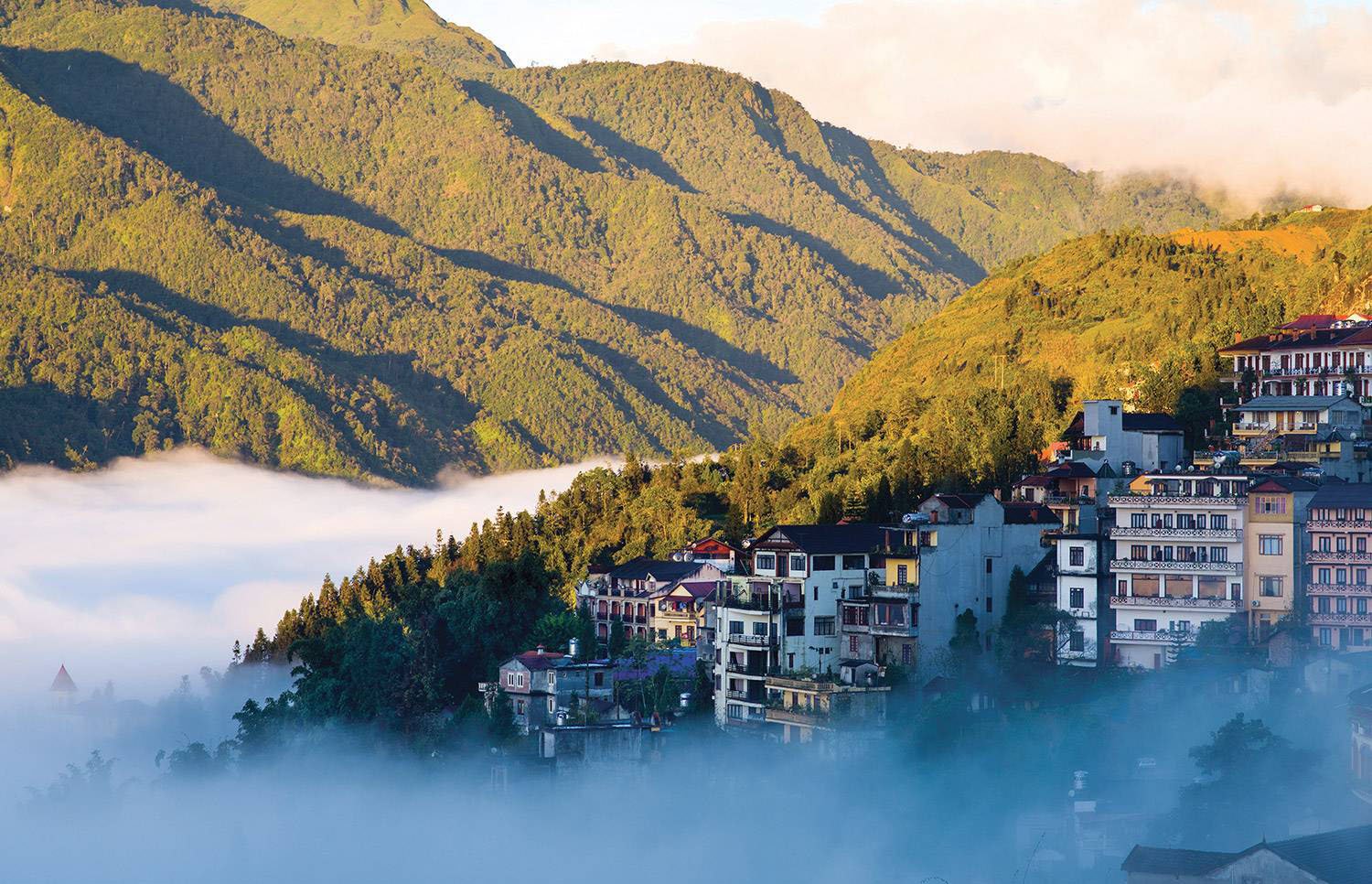
Sapa scenery shrouded in a mystical mist. (Source: Collected)
Evening:
As night falls, Sapa town becomes sparkling with warm yellow lights. You can stroll around Sapa night market, enjoy hot grilled skewers, and sip a cup of strong apple wine to dispel the highland cold.
5.2. Day 2: Fun at Sun World Fansipan Legend
Morning:
After breakfast at the hotel, you can depart for Sun World Fansipan Legend, one of Sapa's most outstanding destinations. The journey begins at Sapa station, where you will experience the Muong Hoa mountain climbing train – a modern train line that takes visitors across lush green valleys.
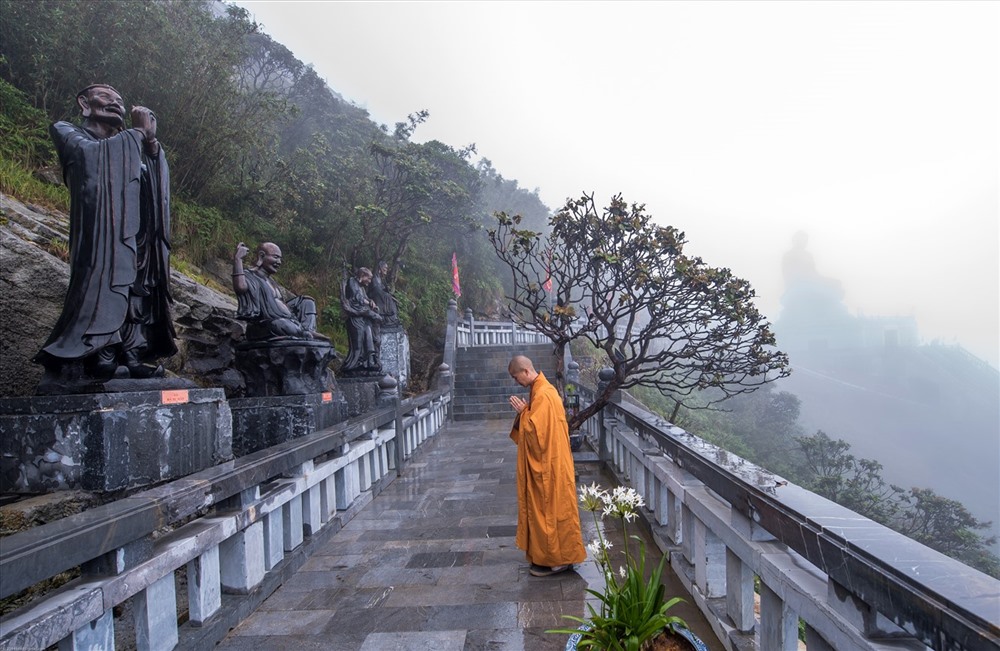
The serene and peaceful La Han Path. (Source: Collected)
You continue to travel by modern 3-wire cable car to conquer the Fansipan peak – the "Roof of Indochina" at 3,143m. Upon reaching the summit, visitors can admire the complex of unique spiritual structures such as: Great Buddha Amitabha, Bich Van Zen Monastery, Thanh Van Dac Lo…
Lunch:
You can rest and enjoy a buffet lunch at Van Sam restaurant, which serves a variety of dishes rich in highland flavors. Enjoying your meal while watching the clouds drift lazily through the windows is a truly delightful experience.
Afternoon:
After resting, you can visit Ban May – a peaceful destination located near the cable car station. This place is likened to a "miniature painting" of Sa Pa, gathering dozens of ancient houses of the H'Mong, Dao, Tay, Giay, Xa Pho, and Ha Nhi ethnic groups.
Evening:
After a long day of exploration, enjoy a cozy dinner at A Phu restaurant – famous for its specialties from the Northwest region. As night falls, you can stroll around Sa Pa Square in the cold mist, admiring the shimmering yellow lights reflecting on the stone, creating a peaceful and romantic atmosphere.
5.3. Day 3: Cloud hunting and admiring terraced fields in Ta Van village
Morning:
The last day of the journey is for you to relax and fully experience the peaceful beauty of Sa Pa, so wake up early and head to Ta Van village. The scenery here is particularly impressive in the morning, when thin clouds drift among the golden terraced fields, creating a picturesque scene.
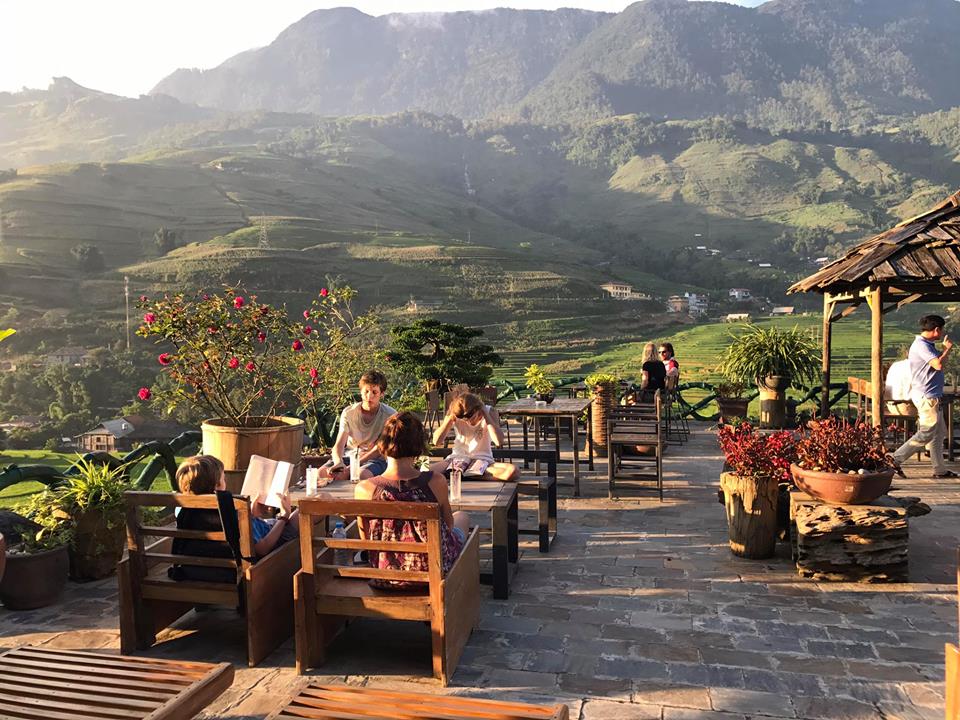
Lá Dao Spa & Coffee House with a view of the majestic mountains and forests. (Source: Collected)
You can stop by Lá Dao Spa & Coffee House, enjoy a hot cup of coffee, listen to the sound of the stream, and enjoy the fresh mountain air.
Noon:
Before leaving Sa Pa, enjoy a lunch rich in Northwestern flavors at a local restaurant in the village, serving specialties of the Red Dao people. After the meal, you can visit Sa Pa specialty shops to buy gifts for family and friends such as: smoked buffalo meat, cat apple wine, or brocade fabric.
Afternoon:
Guests return to their hotel, pack their luggage, and end the trip.
A 3-day, 2-night Sa Pa tour will bring you a complete experience of nature, culture, and highland cuisine. From the moment of standing on Fansipan peak watching the clouds drift to the chilly evening by a steaming pot of salmon hotpot, every experience is memorable. Come to Sa Pa once to fully appreciate the beauty of the "city in the clouds"!


