




1. Discover Ksitigarbha Temple Phi Lai Tu: A Prominent Spiritual Destination in 2025
Ksitigarbha Temple Phi Lai Tu is an ideal destination for those seeking peace amidst modern life. Located in Thanh Binh commune, Ninh Binh province, about 70 km from Hanoi, the pagoda is conveniently located, easily accessible for those wishing to explore a tranquil and peaceful space from the capital or nearby northern provinces.
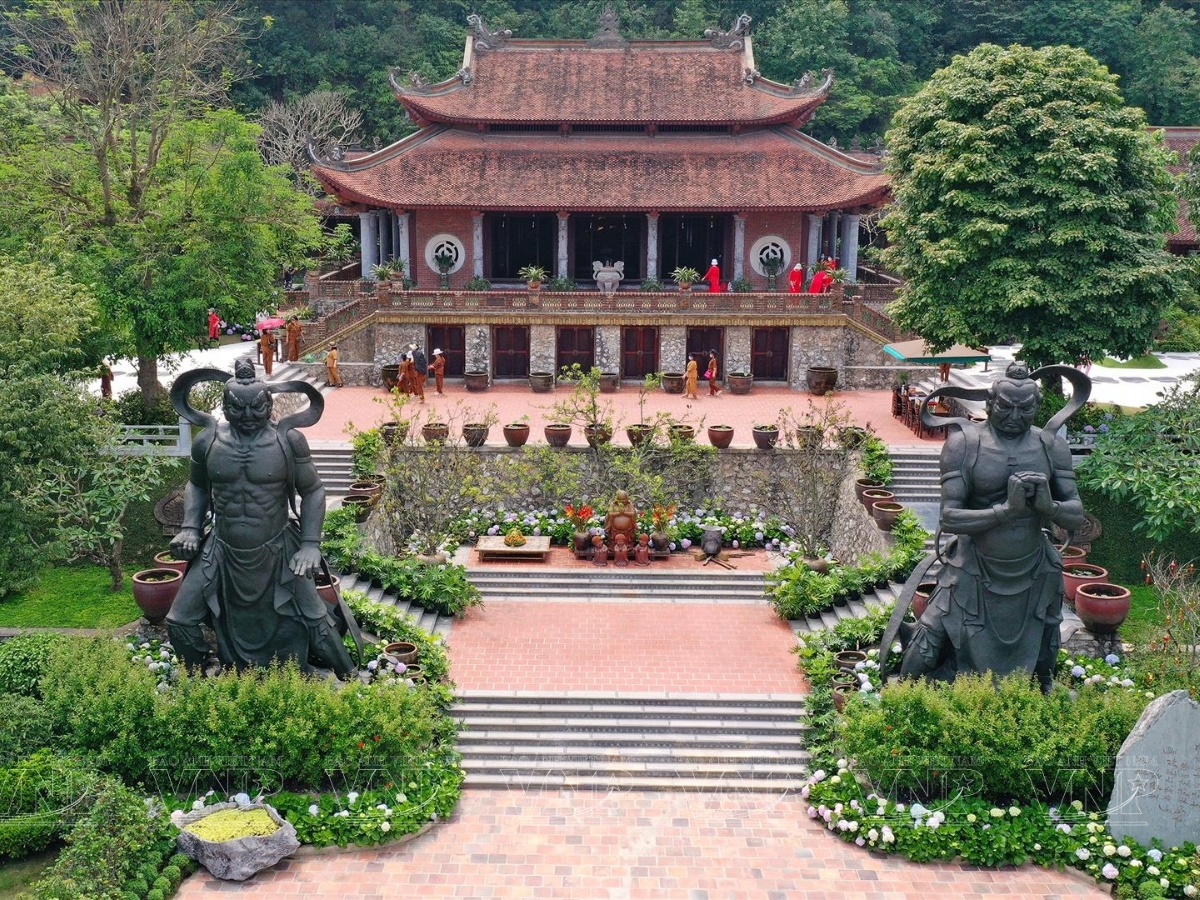
Ksitigarbha Phi Lai Pagoda - A must-visit spiritual cultural tourist destination. (Source: Bao Anh Viet Nam)
The pagoda has a long history, originating from the ancient Duong Pagoda built in the 10th - 11th centuries. The name "Phi Lai" originates from King Tu Duc's words when visiting the pagoda, carrying two meanings: "can return" or "not returning." From this event, the pagoda was named Ksitigarbha Phi Lai Pagoda, symbolizing noble and profound meanings in belief.
In 2015, the pagoda was restored by Venerable Thich Minh Quang. This process not only recreated the ancient appearance of the pagoda but also restored the important spiritual and historical values of a thousand-year-old heritage. The architecture of Ksitigarbha Pagoda after restoration harmoniously combines ancient beauty with natural space. Structures such as the main hall, tam bao, and garden are all designed in a traditional style, preserving the spirit of the ancient pagoda.
Today, Ksitigarbha Phi Lai Pagoda is not only a spiritual tourist destination in Ha Nam but also a place for people to find inner peace. The pagoda attracts thousands of visitors each year, becoming a symbol of the fusion between historical, cultural values, and Buddhist beliefs.
2. How to get to Ksitigarbha Phi Lai Pagoda quickly and most conveniently in 2025
2.1. Traveling from Hanoi to Ksitigarbha Phi Lai Pagoda
The journey from Hanoi to Ksitigarbha Phi Lai Pagoda is quite convenient, with a distance of about 70 km, taking 1.5 - 2 hours depending on the mode of transport. If traveling by private vehicle such as a car or motorbike, you can follow the Phap Van expressway, pass Cau Gie, turn onto road N2 towards Ha Nam, and then continue following Google Maps or signs to Thanh Binh commune.
For those who choose public transportation, buses are a convenient option. You can depart from Giap Bat or My Dinh bus stations, take a bus to Phu Ly, Ha Nam, and then continue by taxi or motorbike taxi to Thanh Binh commune to reach the pagoda. The road to the pagoda is mainly small village roads, so move carefully, pay attention to signs, and avoid traveling during rainy weather or peak hours for a safe and smooth trip.
2.2. Instructions for traveling from Southern provinces/HCMC and other provinces
Tourists departing from the South or Ho Chi Minh City can choose to travel by train or plane to Hanoi or Noi Bai airport. From here, you can hire a service car, join a group tour, or call a taxi/shuttle service to travel to Ha Nam. This journey also allows for a stop in Phu Ly for sightseeing, resting, or dining before continuing to Ksitigarbha Phi Lai Pagoda.
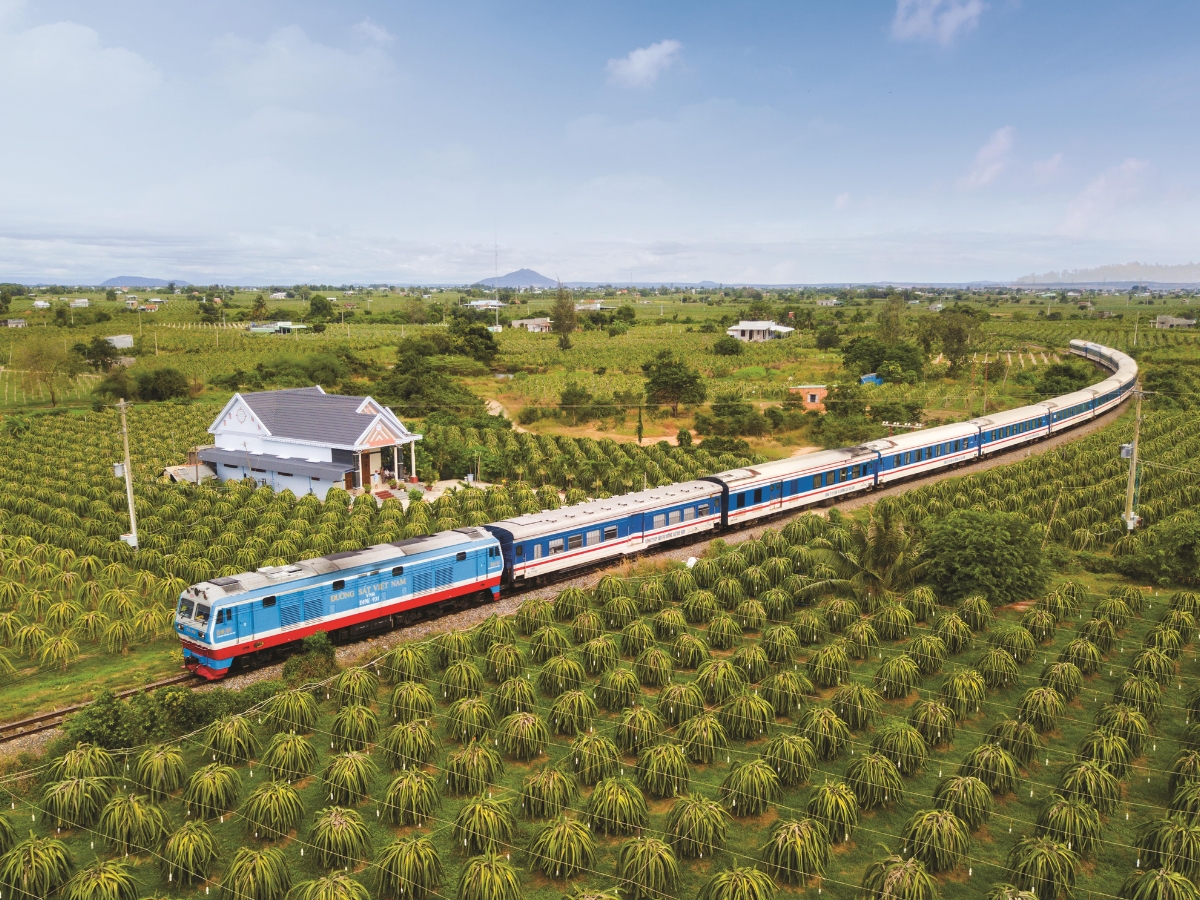
Traveling by North-South train helps tourists save costs effectively. (Source: People's Army Newspaper)
The Thanh Binh commune area is a convenient stop with many guesthouses and hotels, helping tourists rest, recuperate, and prepare a relaxed state of mind before entering the serene and solemn space of the ancient pagoda.
2.3. Transportation in the old Ha Nam area (Ninh Binh province)
Once in the old Ha Nam area, tourists can use taxis or book rides through apps like Grab, Bee, Xanh SM to travel to the pagoda. Some inter-provincial bus routes also stop near Thanh Binh commune, but for convenience, you should ask locals or tour guides for information. Additionally, traditional motorbike taxis or ride-hailing services are also options worth considering for tourists.
To fully experience visiting Dia Tang Phi Lai Tu pagoda, you should avoid visiting late at night or during crowded festival occasions, both to ensure easy transportation and to guarantee safety throughout your journey.
3. Tips for visiting Dia Tang Phi Lai Tu pagoda and unmissable activities
3.1. Unique architectural space and prominent check-in spots
Dia Tang Phi Lai pagoda is located on a 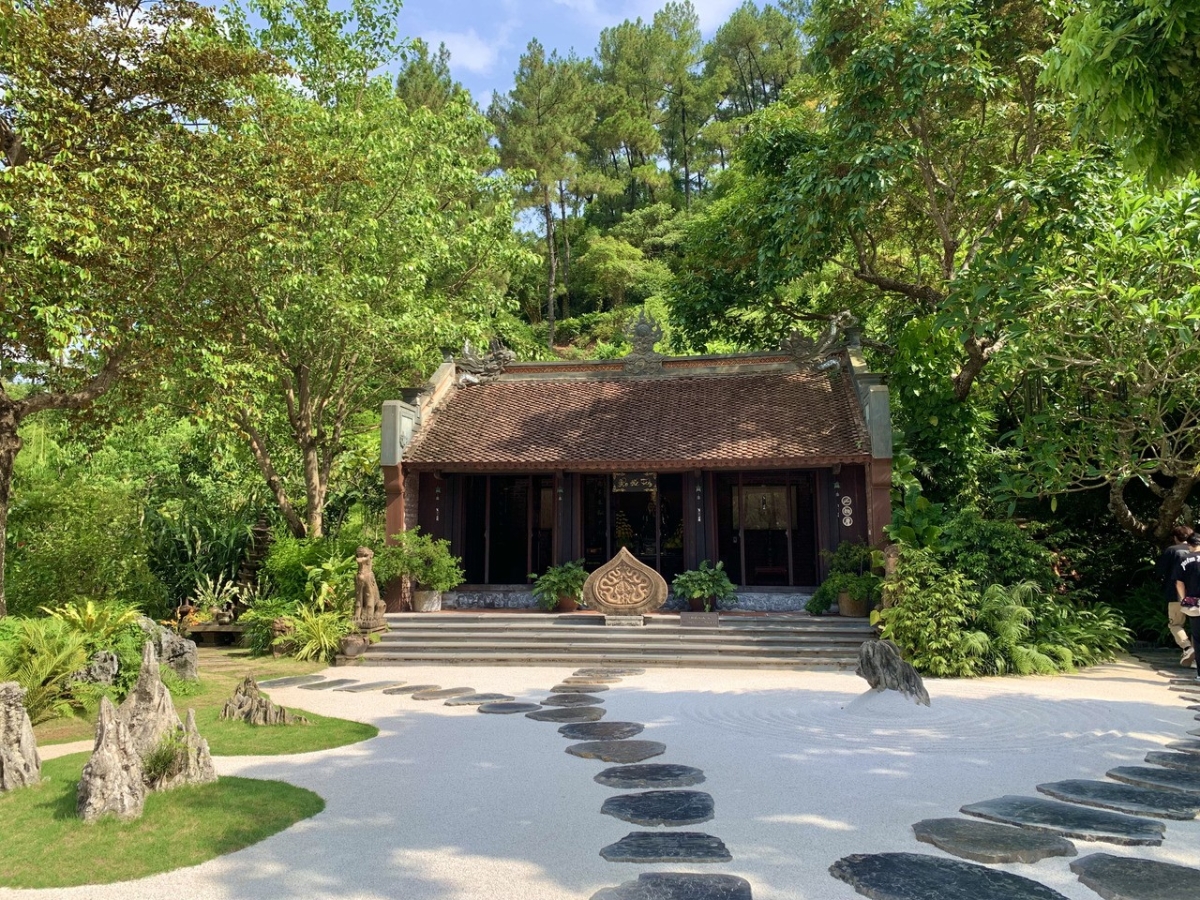
Dia Tang Phi Lai Tu Pagoda is as beautiful as a heavenly realm in the foreground. (Source: Mekong ASEAN)
The highlight of the pagoda is its unique arrangement, utilizing natural terrain combined with Buddhist philosophy. The pagoda's courtyard is covered with white pebbles, unlike the red bricks commonly seen in many other pagodas. According to Venerable Thich Bao Dang, the white pebbles symbolize hardness, perseverance, and purity, reminding visitors of the effort to overcome challenges. Stepping into this space, you will feel a sense of grace and tranquility, dispelling the hustle and bustle of daily life.
The pagoda's architecture features gracefully curved tiled roofs, sturdy pillars, intricately decorated with dragon and phoenix motifs, and solid stone walls, creating an ancient, robust feel and highlighting the pagoda's solemnity and permanence, making each step feel like entering a sacred and peaceful space.
3.2. Unique ancient structures and historical artifacts.
The traditional value of Dia Tang Phi Lai Tu Pagoda is clearly reflected in the nearly intact ancient artifacts preserved here. Visitors can admire Champa bricks and tiles, ceramics from the Ly-Tran dynasties such as lotus-shaped bricks and slipper-shaped roof tiles, along with Champa mythical creature statues bearing strong historical imprints. Additionally, stone steles and ceramics from the Ly-Tran periods displayed in the pagoda serve as both a precious collection and a place for history enthusiasts to stop, learn, and contemplate.
On Phi Lai peak, the ancient stupa complex commemorating the patriarchs stands out amidst the mountainous scenery and lake. As sunset approaches, the golden sunlight illuminates the artifacts and stupas, creating a sacred and poetic natural-architectural painting, ideal for photography and relaxation.
The collection of antiques is continuously supplemented after each renovation, with each artifact becoming a living witness, marking the long-standing traditions and rich history of the old Ha Nam land. Visiting the pagoda, you will experience the intersection of history, culture, and nature, offering a profound and memorable experience.
3.3. Space for worship, prayer for peace, and pilgrimage
According to experience visiting Dia Tang Phi Lai Tu Pagoda, people often come here to offer prayers for peace and prosperity, especially at the beginning of the year, on full moon days, or during major festivals. The pagoda's atmosphere always maintains solemnity and warmth, bringing a sense of peace and helping visitors find inner tranquility.
In early 2025, the pagoda will continue to organize prayer ceremonies and Buddhist retreats, providing opportunities for pilgrims to experience profound Buddhist teachings. On major occasions like Buddha's Birthday or the full moon in the seventh lunar month, the pagoda often hosts meaningful activities such as chanting, distributing blessings, and performing charitable deeds, contributing to a vibrant and cohesive spiritual cultural space.
These activities not only hold religious significance but also serve as community connectors, spreading humanitarian values, and encouraging a spirit of sharing and well-being in daily life.
4. Detailed 1-day itinerary for visiting Dia Tang Phi Lai Tu Pagoda
4.1. Suggested ideal times and detailed itinerary
Dia Tang Phi Lai Tu Pagoda is open to visitors from 6:30 AM to 6:30 PM daily, allowing visitors to easily arrange their pilgrimage and sightseeing times. From 7:00 AM to 9:00 AM is considered the most ideal time to visit the pagoda for worship, when the atmosphere is still fresh and tranquil, providing a complete sense of peace.
From 9:30 AM to 11:00 AM, you can leisurely stroll around, admire the ancient architecture, take souvenir photos, and experience meditation at the twelve-circle area. Afterwards, from 11:30 AM to 1:00 PM is a suitable time to enjoy a simple vegetarian lunch at nearby eateries, refuel, and prepare for the afternoon journey.
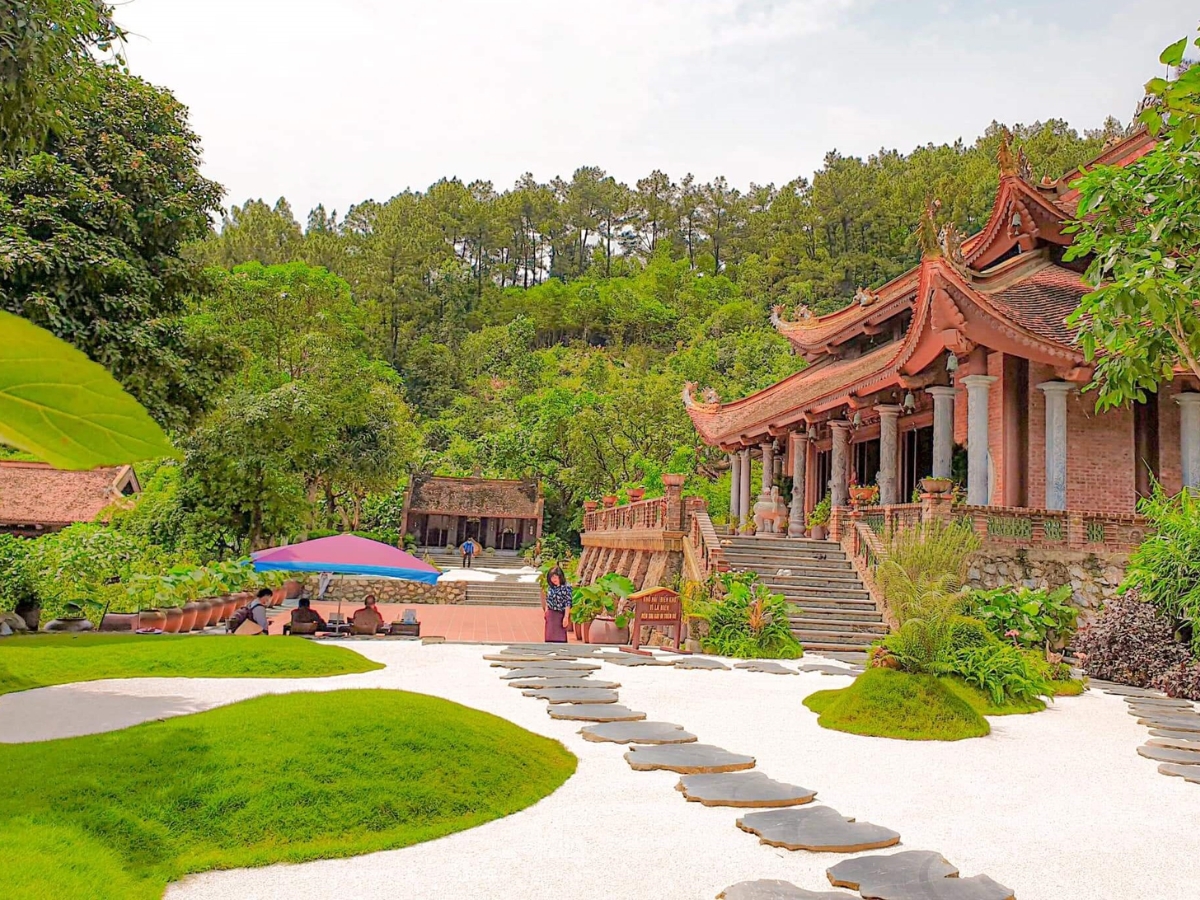
Visit and enjoy the peaceful, serene atmosphere at Ksitigarbha Temple (Dia Tang Phi Lai Tu). (Source: Vietmountain Travel)
In the afternoon, from 1:30 PM to 5:00 PM, visitors can participate in prayer ceremonies, immerse themselves in the festive atmosphere (if any), or combine their visit with nearby famous tourist attractions such as Tam Chuc Pagoda and Bai Dinh Pagoda. Throughout the trip, you should avoid walking under the harsh sun and always maintain a polite and solemn attitude to harmonize with the serene atmosphere of the pagoda.
4.2. Suggested combined tours for a complete Ha Nam experience
An ideal Ha Nam tour itinerary will take you through prominent destinations like Ksitigarbha Temple (Dia Tang Phi Lai Tu), Tam Chuc Pagoda, Ba Kien House, and Sun World Ha Nam. Starting from a tranquil spiritual space, you will enjoy absolute peace at famous pagodas, then continue to explore the modern and vibrant entertainment complex at Sun World Ha Nam. This journey offers a perfect blend of quiet relaxation and exciting fun.
In addition to famous destinations, don't forget to visit traditional craft villages and enjoy local specialties. These experiences will make your journey more interesting and meaningful, helping you understand more about the culture and life of the local people. Every moment of closeness with the local community will be an unforgettable memory, contributing to a deeper trip.
5. Important notes when visiting Ksitigarbha Temple (Dia Tang Phi Lai Tu) in 2025
Prepare attire and belongings for pagoda visits:
Based on experience visiting Ksitigarbha Temple (Dia Tang Phi Lai Tu) shared by many tourists, preparing attire and belongings is an important step to make the trip complete and suitable for the sacred space. You should choose polite and modest clothing, prioritizing long pants and sleeved shirts, avoiding tight, revealing, or too short outfits. Gentle colors like white, beige, and light blue will create a graceful feeling, show respect for the spiritual space, and are more suitable than bright colors or prominent patterns.
For footwear, choose easy-to-remove and convenient types for moving around the pagoda, such as flip-flops or lightweight sneakers. Avoid high heels or difficult-to-remove shoes, as many areas in the pagoda have stairs or carpeted floors, requiring flexibility in movement.
In addition, some small items should also be prepared, including a thin shawl for sun protection or in case of changing weather, a portable water bottle to maintain health throughout the trip, along with simple offerings such as flowers, incense sticks, fruits, and some small change for donations. Careful preparation will not only make your journey convenient but also show respect and thoughtfulness towards the sacred place.
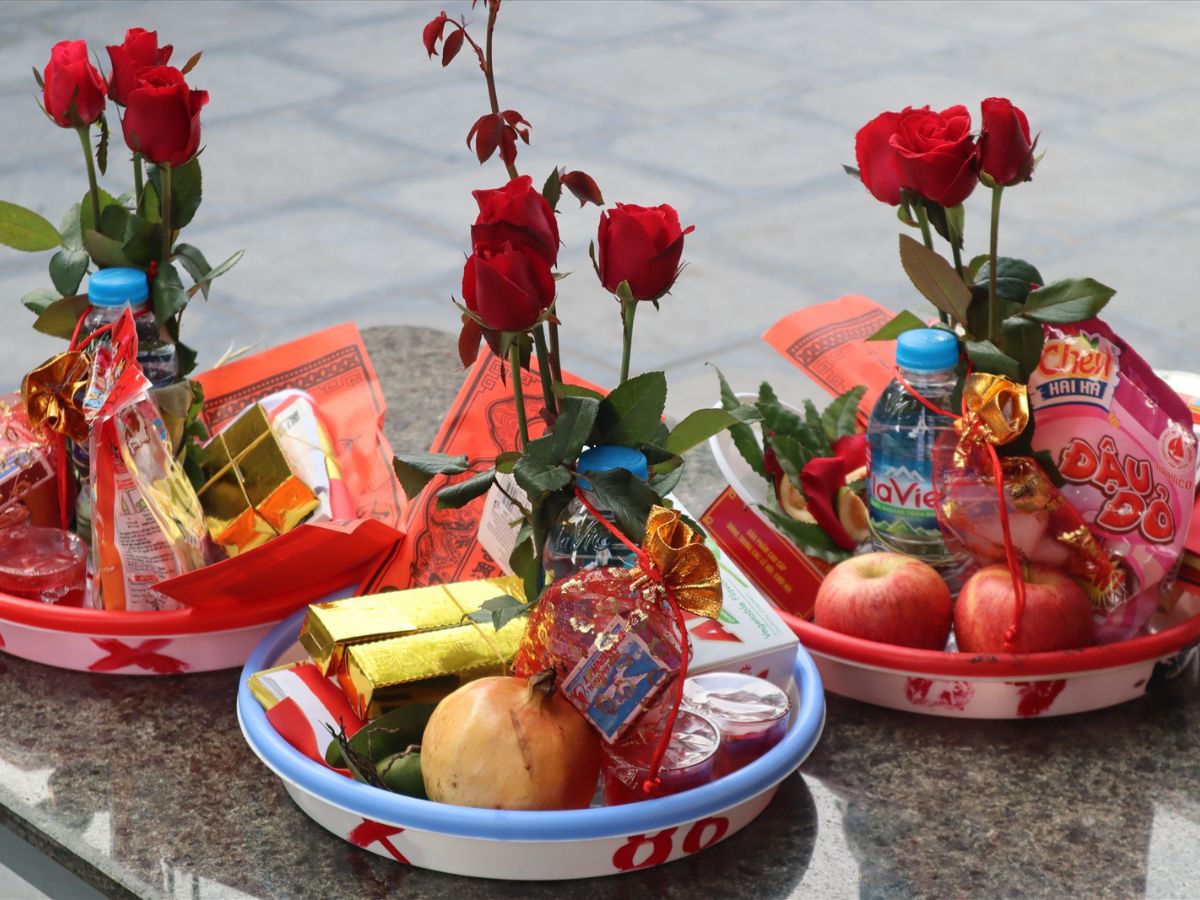
Prepare simple, sincere offerings when visiting Dia Tang Phi Lai Tu Temple. (Source: Lao Dong Newspaper)
Rules of conduct and rituals at the pagoda:
Upon entering the pagoda gate, you should clasp your hands and bow slightly to show respect according to Buddhist tradition. When offering incense, perform each action gently and slowly, avoiding jostling and disturbing the serene atmosphere. If you wish to donate, quietly place money into the donation box, maintaining a respectful heart, without being noisy or boastful.
Additionally, you need to be aware of some taboos when visiting the pagoda, including: inappropriate attire, speaking loudly, littering, climbing over fences into restricted areas, touching Buddha statues or sacred objects, or climbing on structures. Rituals at the pagoda require solemnity, respect, and humility from everyone.
Please proactively maintain order, follow the pagoda's guidance, and absolutely do not play music or create loud noises, so that the quiet space is always maintained, helping everyone find peace and tranquility in their souls.
Notes on photography, videography, and environmental protection:
Capturing beautiful moments is natural and of interest to many visitors. However, you should not take photos inside the main hall and in places where rituals are taking place. If you wish to use professional cameras, drones, or other filming equipment, you must obtain permission from the pagoda management to avoid disrupting spiritual activities.
Besides, protecting the environment and preserving the landscape is everyone's responsibility when visiting the pagoda. Please absolutely do not litter, follow waste sorting instructions, and use restrooms in designated areas.
Respecting the surrounding nature also means preserving the sacred space for other visitors and for future generations. Small actions such as picking up litter when you see it, keeping the landscape clean, or not damaging plants and flowers will contribute to raising community awareness and preserving the spiritual and cultural values of the pagoda.
6. Suggestions for delicious food and restaurants near Dia Tang Phi Lai Tu Temple
After moments of tranquility in the pagoda's space, enjoying light meals is a meaningful highlight for the spiritual experience at Dia Tang Phi Lai Tu Temple .
Notable Ha Nam specialties include Phu Ly spring rolls with grilled meat, with their thin wrappers and fragrant filling; the rich Vu Dai village braised fish; and the flavorful and appealing fish noodle soup. Additionally, do not miss the variety of traditional vegetarian dishes that complement the peaceful atmosphere after leaving the pagoda.
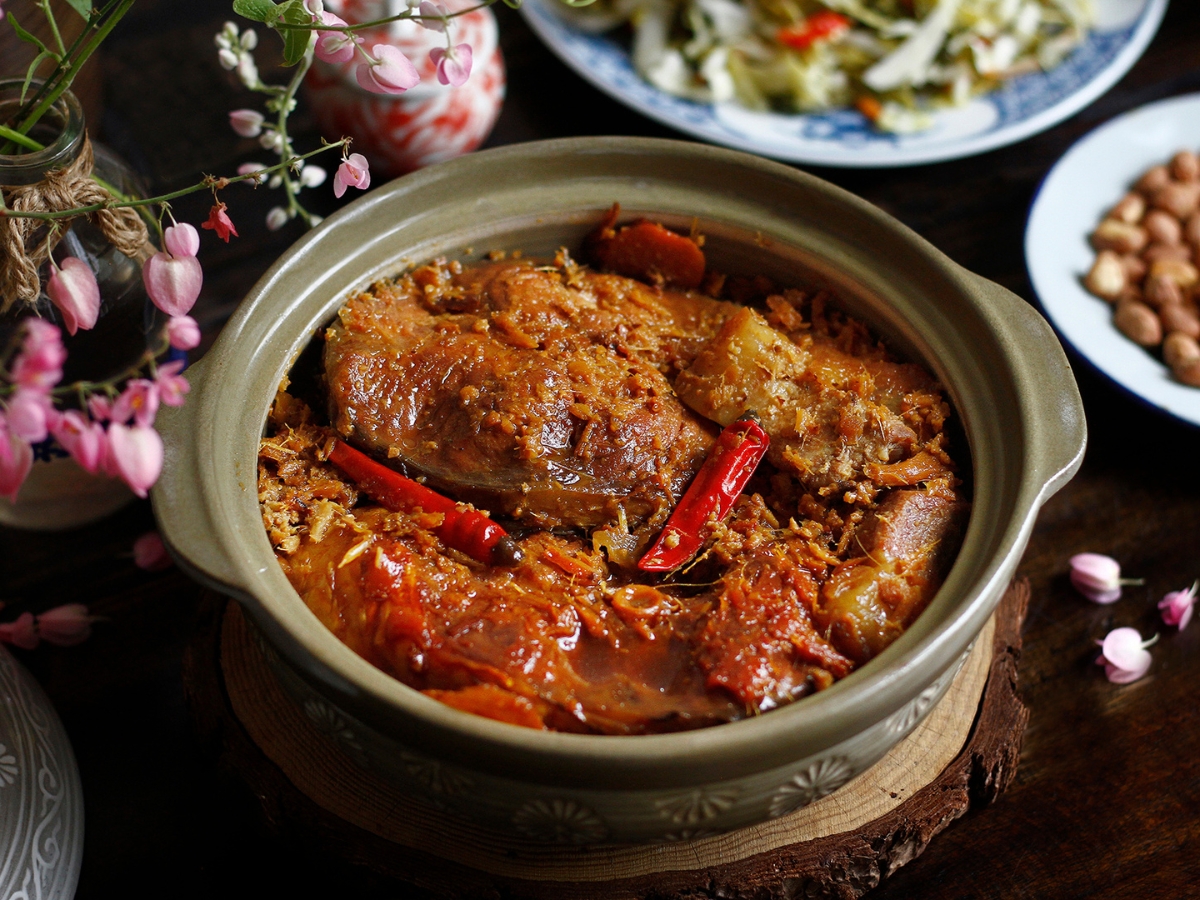
Enjoy Vu Dai braised fish, rich with the flavor of the countryside. (Source: VnExpress)
Note: It is advisable to choose clean eateries with food safety and hygiene certifications and clarify prices before ordering, to make your pilgrimage to Dia Tang Phi Lai Pagoda both convenient and worry-free.
Dia Tang Phi Lai Pagoda is not only a destination for those seeking goodness but also a place that preserves ancient architectural, historical, and cultural values. The space here is an ideal sanctuary for everyone to rediscover their spiritual path, strengthen family and friend bonds, and spread good deeds in the New Year.


