




1. Overview of Hai Phong Museum in 2025
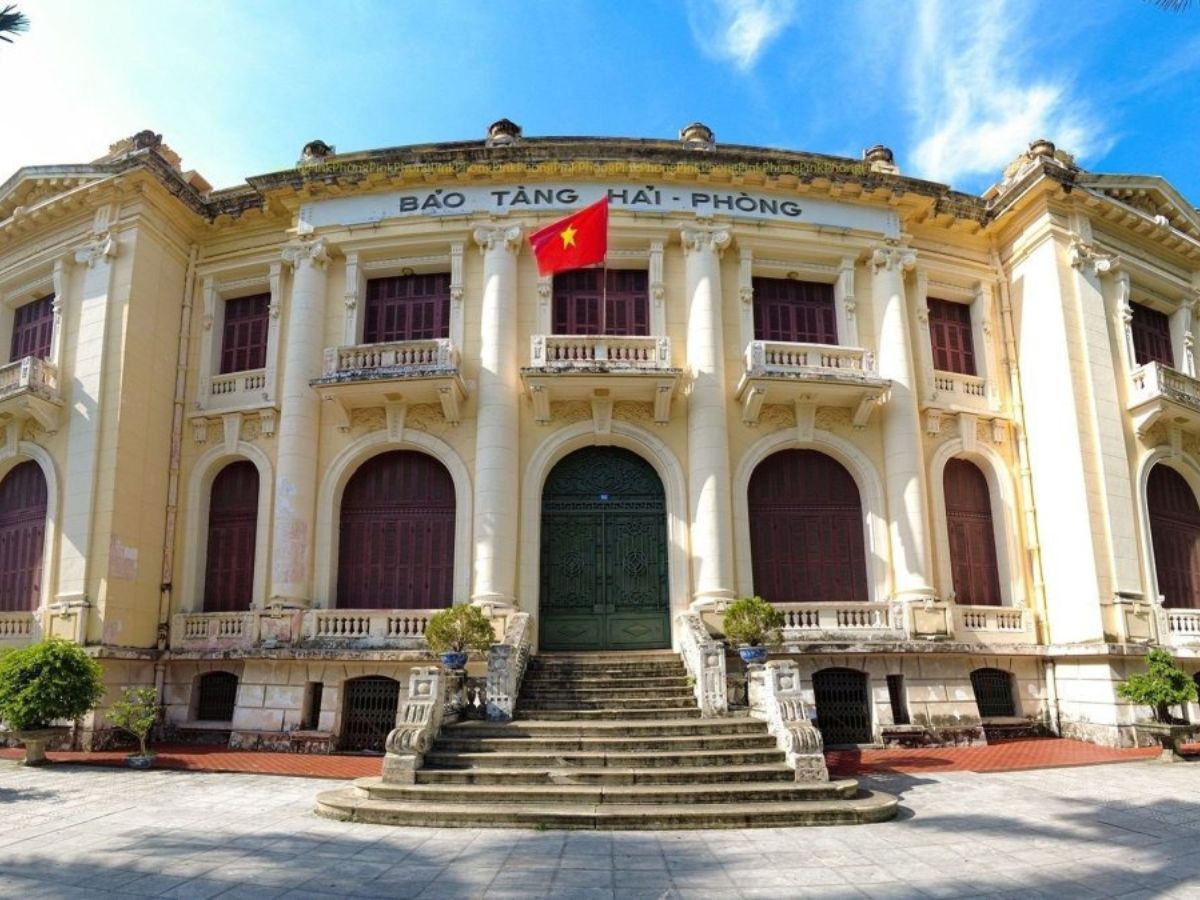
Hai Phong Museum impresses with classic Gothic details. (Source: Collected)
Located at 66 Dien Bien Phu Street, Hong Bang Ward, Hai Phong Museum is likened to an architectural gem in the heart of the Port City. The work was built during the period 1918–1919 by the Hong Kong Group, bearing the sophisticated European Gothic style. Initially, it was named the Franco-Chinese Bank, with a two-story structure and a basement, a total campus area of nearly 1 hectare, of which 1,200 m² is dedicated to exhibition space.
The museum stands out with classic Gothic details, including symmetrical columns, gracefully curved arched doorways, and intricate carved patterns, creating a beauty that is both solemn and luxurious. The interior space is logically arranged with many thematic exhibition rooms, and the lighting system is delicately designed to highlight the value of each historical and cultural artifact.
Officially inaugurated on December 20, 1959, Hai Phong Museum is the first local-level research museum in Vietnam. To date, it houses over 22,000 artifacts, nearly 12,000 documentary photos, and many valuable documents reflecting the history of formation, culture, and life of the people of Hai Phong. With its outstanding architectural and cultural values, Hai Phong Museum has become an unmissable destination in the journey to explore the Port City in 2025.
2. Opening hours, ticket prices for Hai Phong Museum
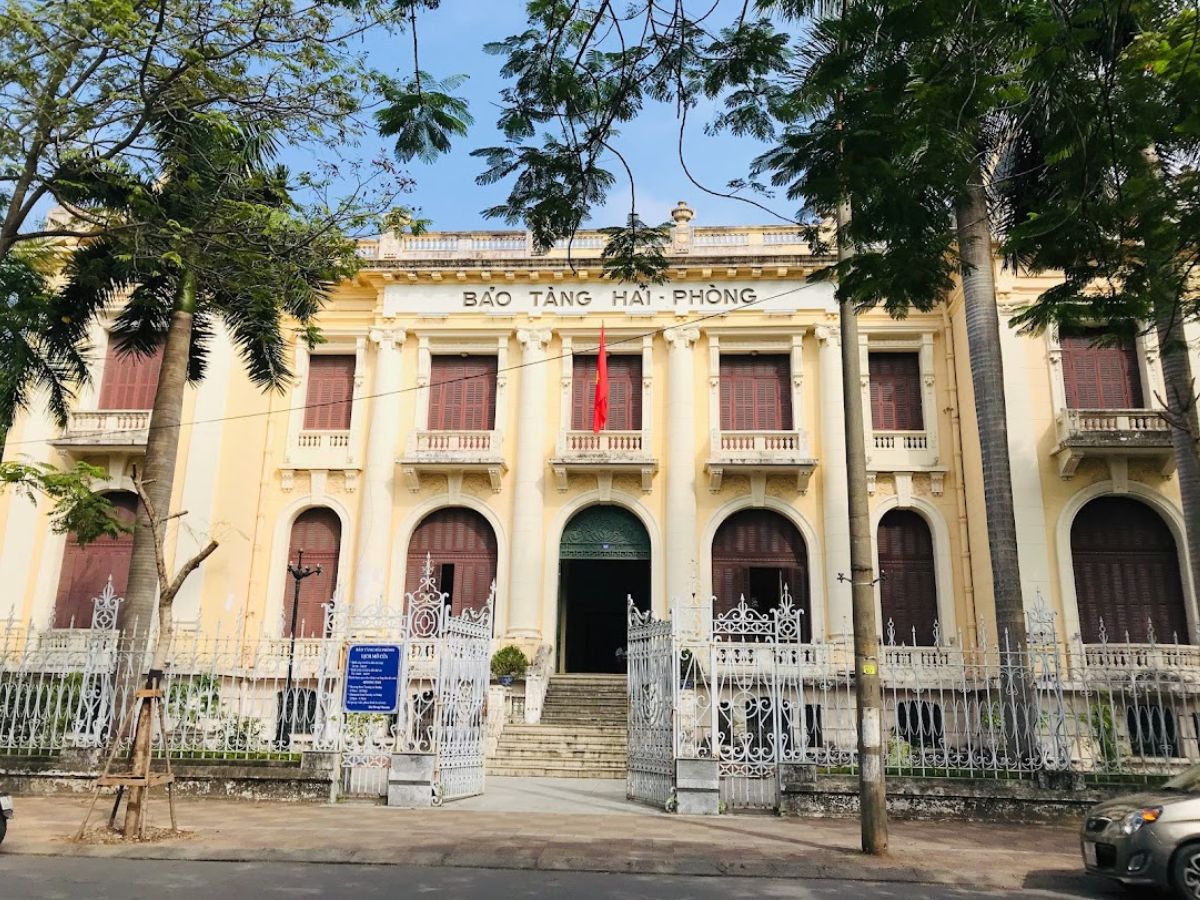
Hai Phong Museum offers free tickets to all visitors. (Source: Collected)
Hai Phong Museum is open all days of the week (except Monday) with operating hours from 8:00 to 17:00, creating favorable conditions for visitors to arrange flexible sightseeing schedules. Especially, in 2025, the museum offers free admission tickets, helping everyone easily access the rich historical and cultural treasures of the port city.
2.1. Hai Phong Museum opening hours 2025
Hai Phong Museum is open all days of the week, from Tuesday to Sunday, with operating hours from 8:00 to 17:00, with a lunch break from 11:00 to 14:00. This flexible visiting schedule allows visitors to easily arrange suitable times, especially convenient for those who want to combine multiple destinations in one day when traveling to Hai Phong.
During major holidays or Lunar New Year, the museum may temporarily close according to regulations. Therefore, before visiting, visitors should check the latest information on the museum's official website or the notice board at the entrance to proactively adjust their itinerary and have a more complete visit.
2.2. Hai Phong Museum ticket prices
A highlight attracting visitors is that Hai Phong Museum is offering free admission tickets throughout 2025. This policy is implemented to promote cultural heritage values, while also creating opportunities for locals and tourists to access the rich historical and cultural treasures of the port city more easily.
In addition, the museum regularly organizes experiential programs, interactive classes, and thematic tours. These activities may have separate fees depending on the content. Visitors should follow direct announcements at the museum or on official information channels to update details on the schedule and costs of each program.
3. History and architecture of Hai Phong Museum
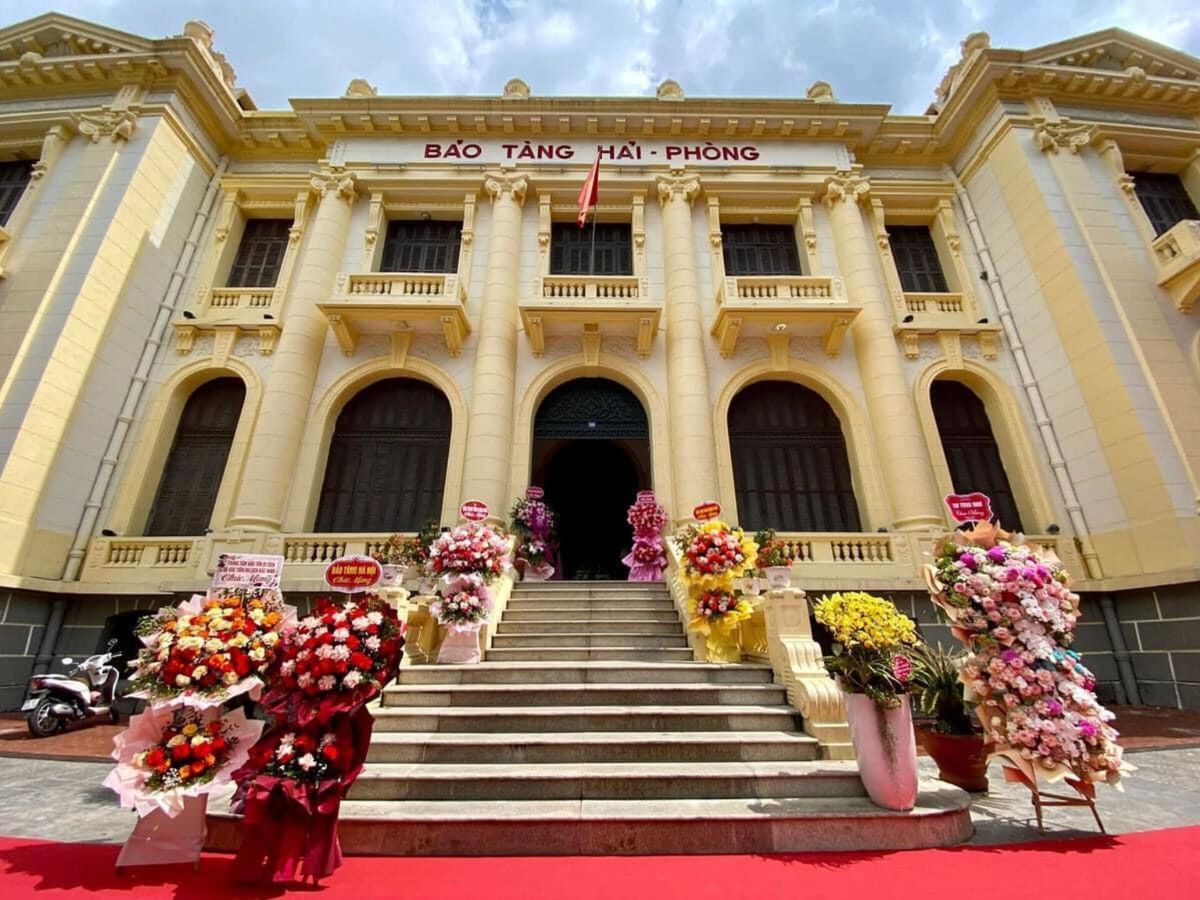
Hai Phong Museum was built from 1918–1919. (Source: Collection)
Hai Phong Museum carries a history of over half a century, from the French-Chinese Bank building to becoming the first local museum of Vietnam in 1958. Exquisite Gothic architecture along with important historical milestones have turned this place into a cultural-historical symbol, and also an attractive destination for tourists wishing to explore the heritage and resilient spirit of the port city.
3.1. Construction and Development Process
Hai Phong Museum has a long-standing history, originating from the period 1918–1919, when the building was constructed under the name French-Chinese Bank. After Hai Phong was liberated in 1955, the building underwent several functional changes, once serving as the facility for the Banking College, before being officially assigned the role of a museum in 1958.
From the early years of operation, a team of researchers and artifact preservers was established, laying a solid foundation for the preservation and promotion of local cultural and historical values. On December 20, 1959, Hai Phong Museum officially inaugurated and opened its doors to visitors, becoming the first local-level museum in Vietnam and a source of pride for the people of the Port City.
3.2. Architectural Characteristics of Hai Phong Museum
The Gothic architecture of Hai Phong Museum is subtly expressed in every detail, from the symmetrical facade, the sturdy column system, to the meticulously carved, undulating archways. The building's warm, deep colors blend with the airy green space, creating a sense of antiquity yet elegance, forming an architectural ensemble that is both harmonious and luxurious in the heart of the port city.
Stepping through the main entrance, visitors are immediately impressed by the grand, high-ceilinged lobby and the scientific, logical layout of the exhibition rooms. The lighting system is designed with sophistication, both effectively preserving artifacts and enhancing the aesthetic value of the space. The fusion of classic European style with minimalist modern lines has transformed Hai Phong Museum into a vibrant work of art, clearly reflecting the historical and cultural imprint of the city.
3.3. Important Anniversaries and Historical Milestones
The year 1959 marked a significant milestone when Hai Phong Museum officially inaugurated, opening a new development direction for Vietnam's museum system towards local research. During the period 1965–1975, the museum launched the movement “One Person, One Historical Artifact,” contributing to the collection and preservation of many valuable documents that truthfully reflected the war period and the lives of the people.
In 2019, on the occasion of its 60th anniversary, Hai Phong Museum organized several large-scale exhibitions on urban history and island sovereignty, attracting significant public attention. These memorable milestones have affirmed the role and value of Hai Phong Museum in the journey of preserving and promoting the unique cultural heritage of the Port City.
4. Exhibition Scale and Notable Collections
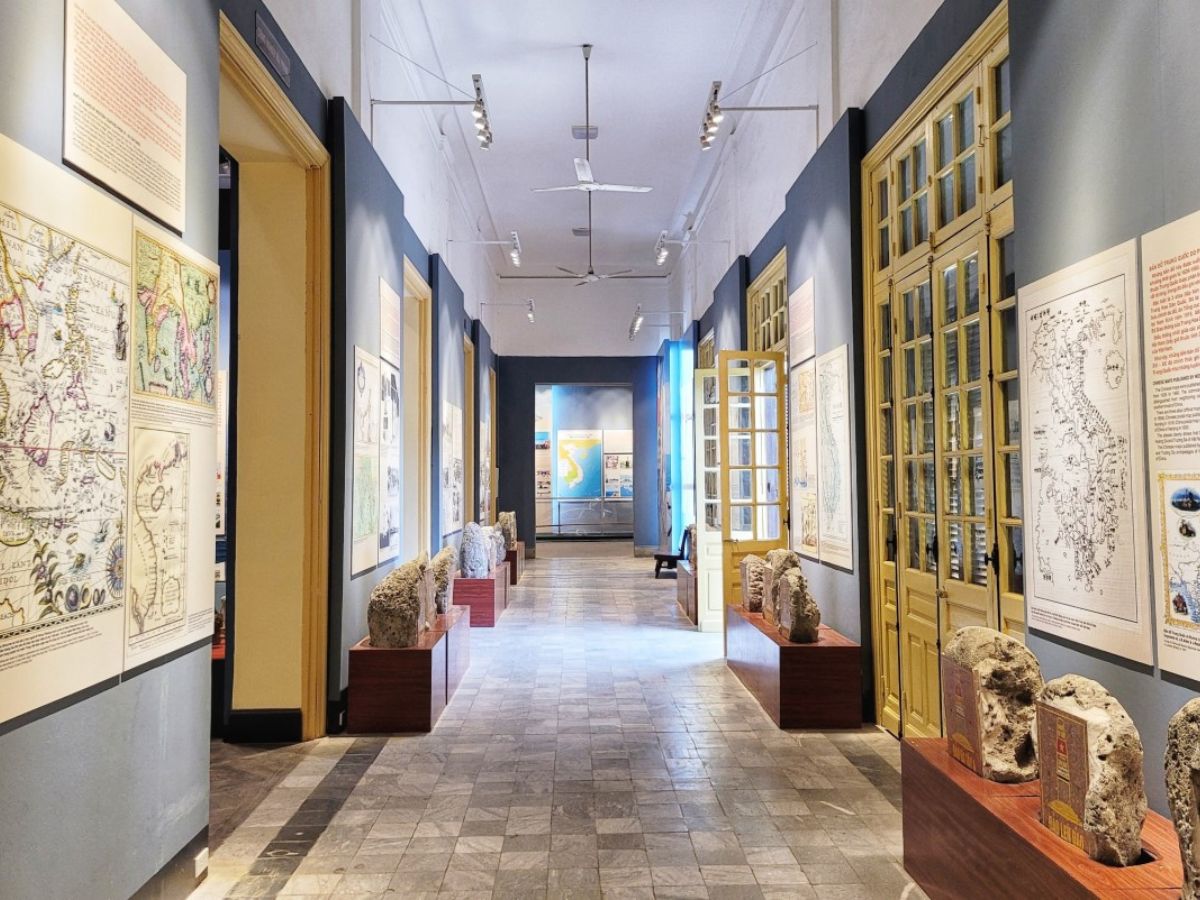
Hai Phong Museum has a spacious exhibition area. (Source: Collected)
Hai Phong Museum boasts a large exhibition space with many specialized rooms and a diverse collection of artifacts, offering visitors a vivid experience of history and culture. In 2025, the museum continues to stand out with its typical collections and modern digital technology applications, helping visitors interact directly and fully appreciate the development journey of the port city.
4.1. Scale of Space and Exhibition Rooms
Hai Phong Museum currently has a total of 16 exhibition rooms designed with various functions. Among them, 12 rooms display permanent artifacts, 1 room is for special themes, and the remaining rooms serve community activities and digital archiving. A clear signage system, a professional guiding team, and modern QR code applications help visitors easily access and learn information.
The exhibition space is arranged according to the historical progression of the city, from ancient, medieval to modern times, and also expands with many attractive themes about islands and the cultural life of the city's communities. Thanks to the scientific and intuitive arrangement, visitors can clearly feel the proud formation and development journey of Hai Phong through each historical period.
4.2. Typical Collections and Artifacts
Hai Phong Museum currently possesses a massive collection of over 22,000 artifacts, 11,400 documentary images, 3,200 original documents, and over 720 rare books. Many artifacts hold special historical and cultural value, such as ancient ceramics, bronze drums, paleontology fossils, and traditional costumes of ethnic groups living in the city.
A highlight in the museum's archive also lies in artifacts related to maritime history, port trade, and the resistance against invasion during the 1945–1975 period, which are highly valued by experts. Additionally, models of ships, old machinery, ancient maps, and folk religious items are vividly displayed, helping to realistically recreate the labor life, culture, and resilient spirit of the people of Hai Phong through historical periods.
5. Activities, Exhibitions, and Events at Hai Phong Museum
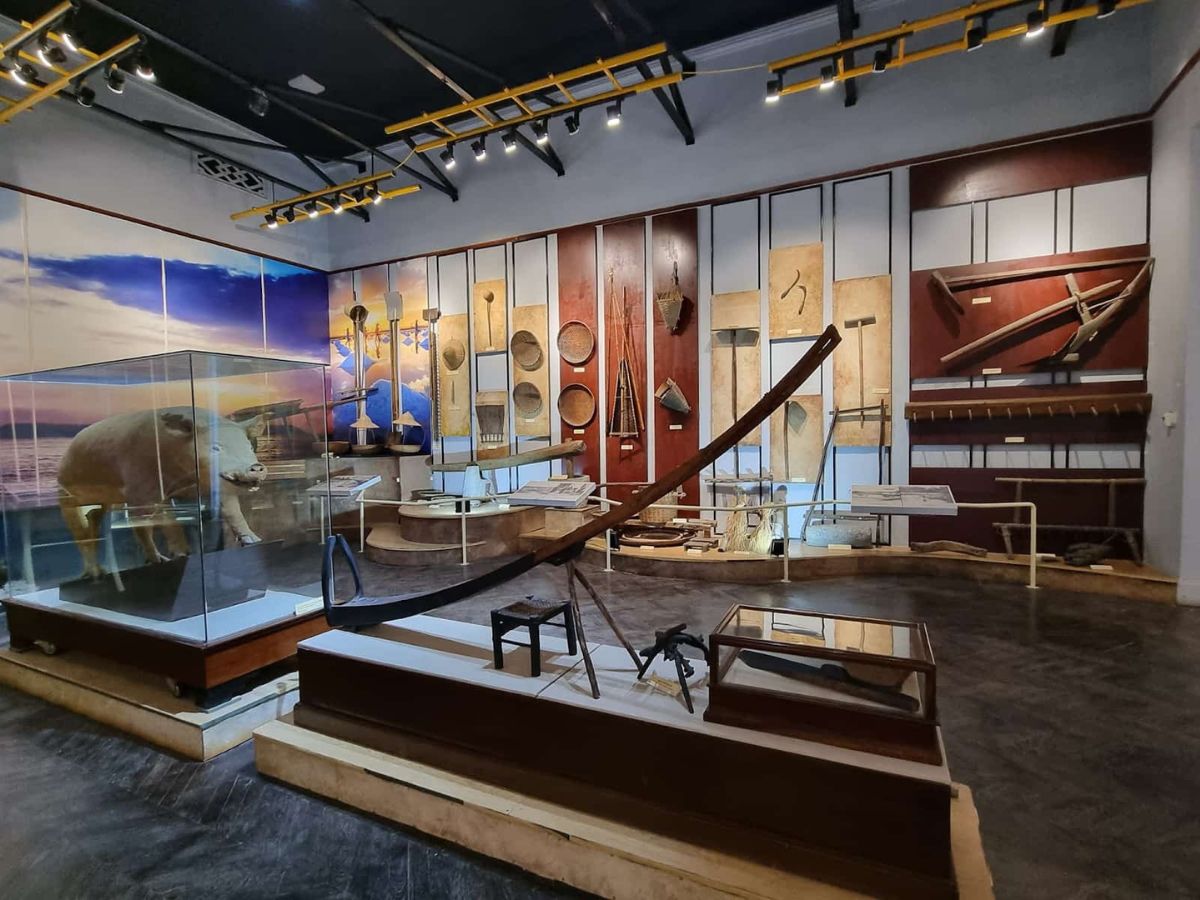
Hai Phong Museum has many exhibitions, events, and experiential activities. (Source: Collection)
In 2025, the Hai Phong Museum continues to be an attractive destination with diverse exhibitions, events, and experiential activities, offering opportunities to explore local culture, history, and heritage. From special thematic exhibitions to interactive educational programs, visitors and students can participate, learn, and experience vividly and closely.
5.1. Special Thematic Exhibitions in 2025
In 2025, the Hai Phong Museum is expected to present a series of outstanding exhibitions with many meaningful themes, notably “Vietnam’s Seas and Islands: A Blue Sky of the Fatherland” – an event honoring the role of the port city in protecting maritime sovereignty. Besides, the exhibition “Hai Phong Urban Renovation – A Sustainable Development City” will recreate the strong transformation journey of Hai Phong city from the past to the present, reflecting the spirit of continuous innovation and modernization.
Especially, the outdoor exhibition area “Hai Phong Folk Culture and Intangible Heritage” will be organized on a large scale, creating a vibrant space that recreates the traditional cultural life of the people of the Port City. Concurrently, the museum will coordinate to organize specialized seminars and workshops, creating opportunities for researchers, experts, and the public to meet, exchange, and together spread the unique cultural and historical values of Hai Phong.
5.2. Experiential and Heritage Education Activities
The Hai Phong Museum offers many attractive experiential education programs, especially the “Living with Antiques” tour, where students role-play as archaeologists to directly participate in excavation, analysis, and learning about artifact values. Additionally, the “Young Tour Guide” class helps children develop presentation skills and expand their local historical-cultural knowledge in a vivid and easy-to-understand manner.
Alongside these, the museum also organizes many interesting practical activities such as handicraft pottery making, recreating traditional markets, or trying on ancient costumes to help students and visitors gain a deeper understanding of Hai Phong's folk culture. Other notable programs like “Memory Heritage” and the photo exhibition “Hai Phong from Above” also attract widespread community participation. In particular, groups of students and researchers majoring in archaeology and history can register for an academic experience tour combined with the Hai Phong General Science Library, bringing profound practical educational and research value.
6. The Role of Hai Phong Museum in the City's Heritage System

Hai Phong Museum is a place that preserves and conserves the cultural heritage values of the city. (Source: Collected)
Hai Phong Museum plays a key role in preserving, conserving, and promoting the cultural heritage values of the city, connecting the past with modern life. As a center for research and education, the museum not only protects artifacts but also encourages the community, especially the younger generation, to understand and appreciate local heritage.
6.1. Center for preserving, conserving, and researching heritage
Hai Phong Museum serves as a central hub in the network for preserving and promoting the city's cultural heritage, acting as a bridge between historical sites, temples, old quarters, and ancient ports. It not only preserves tangible heritage but also actively exchanges artifacts and collaborates on digitizing heritage, gradually building a comprehensive scientific database for research and education.
Entering 2025, the museum continues to expand its cooperation with the Hai Phong General Science Library and many educational and research organizations in the region, creating an effective interdisciplinary linkage model. This modern approach helps broaden community access to heritage, especially for the younger generation, while also contributing to diversifying local cultural communication, promotion, and education activities in a profound way.
6.2. Contributions to preserving and promoting heritage values
Hai Phong Museum currently manages and preserves over 50 historical sites and thousands of valuable artifacts, becoming an important digitalized data center serving the research needs of the community and domestic and international researchers. Beyond preservation, the museum also actively revives traditional festivals, contributing to the conservation and dissemination of the unique intangible cultural values of the Port City.
Through research cooperation programs, scholar exchanges, and professional dialogues, the museum has helped raise community awareness about the significance of preserving cultural heritage. The success is evident in the increasing number of artifacts and documents voluntarily donated by the public, demonstrating the community's spirit of partnership in the endeavor to preserve and promote Hai Phong's heritage values.
7. Cultural and historical significance of Hai Phong Museum
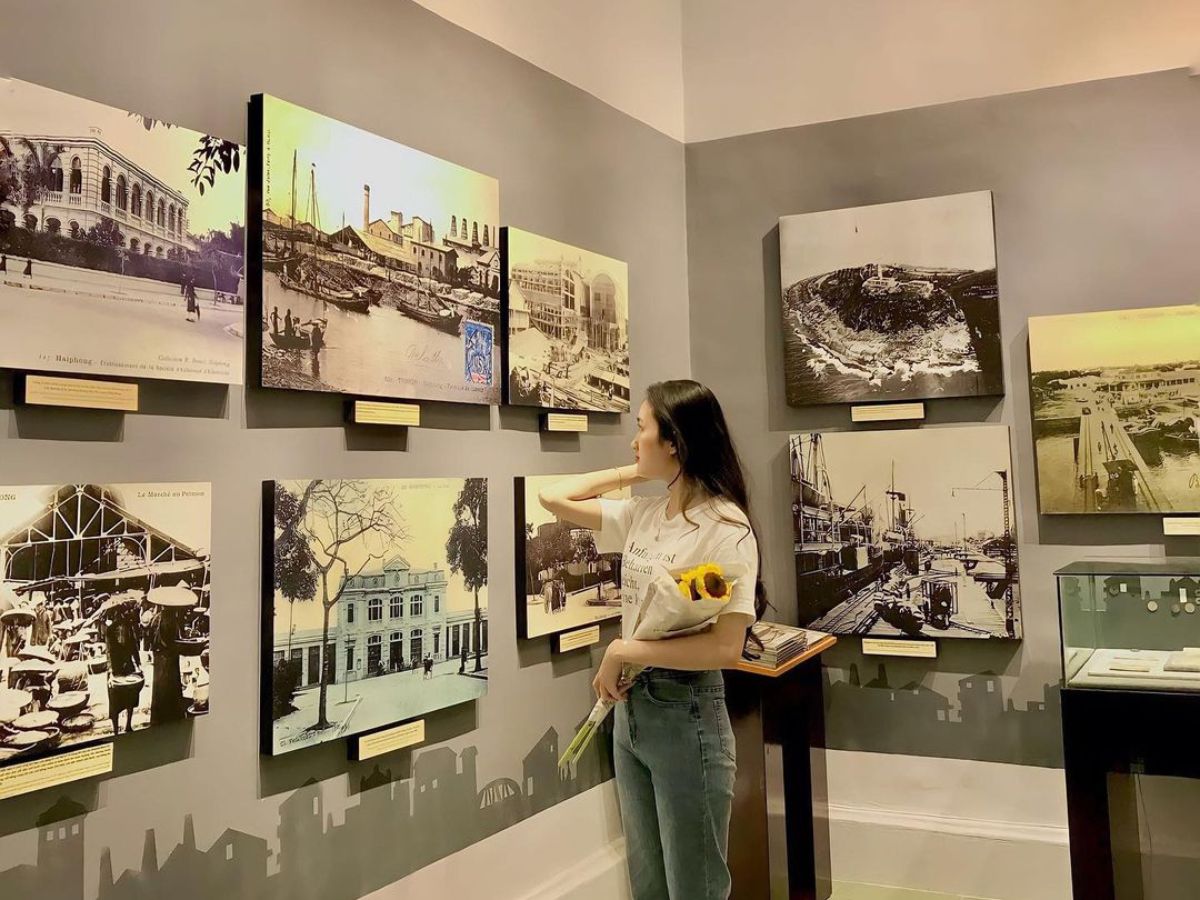
Hai Phong Museum is a place connecting the past with the present. (Source: Collection)
Hai Phong Museum is not only a place preserving precious historical and cultural values, but also plays a role in connecting the past with the present, helping visitors clearly understand their roots and national identity. With its unique Gothic architecture and iconic status in the city, the museum becomes an inspiring destination, nurturing pride and love for the homeland for all generations.
7.1. The role of connecting the past – the present
Hai Phong Museum plays the role of a bridge preserving and spreading the historical, cultural values and the resilient spirit of the people of the Port City through many generations. More than just a tourist destination, it is a source of inspiration nurturing homeland pride, helping the younger generation understand and cherish good traditions through vivid and authentic historical stories and legends.
Educational programs at Hai Phong Museum not only provide knowledge but also awaken the consciousness of exploring origins and national identity, helping young people identify their roles and responsibilities in modern society. The practical experiences here leave a deep impression, contributing to fostering a love for history and national pride in every child of Hai Phong.
7.2. The symbolic value of Hai Phong Museum
For the people of the Port City, Hai Phong Museum is not just a tourist spot but also a symbol of pride associated with the city's history and traditions. The image of the museum frequently appears in major cultural events, festivals, and educational programs, as well as in documentary films and communication activities, demonstrating the museum's important role in the community's spiritual life.
With its unique Gothic architecture and high aesthetic value, Hai Phong Museum is considered one of the city's typical architectural works, contributing to shaping the modern urban landscape and preserving the local cultural identity. The presence of the museum not only enriches Hai Phong's scenery but also elevates cultural tourism, affirming the city's position on the tourist map of Northern Vietnam.
8. Tips for visiting Hai Phong Museum you should know
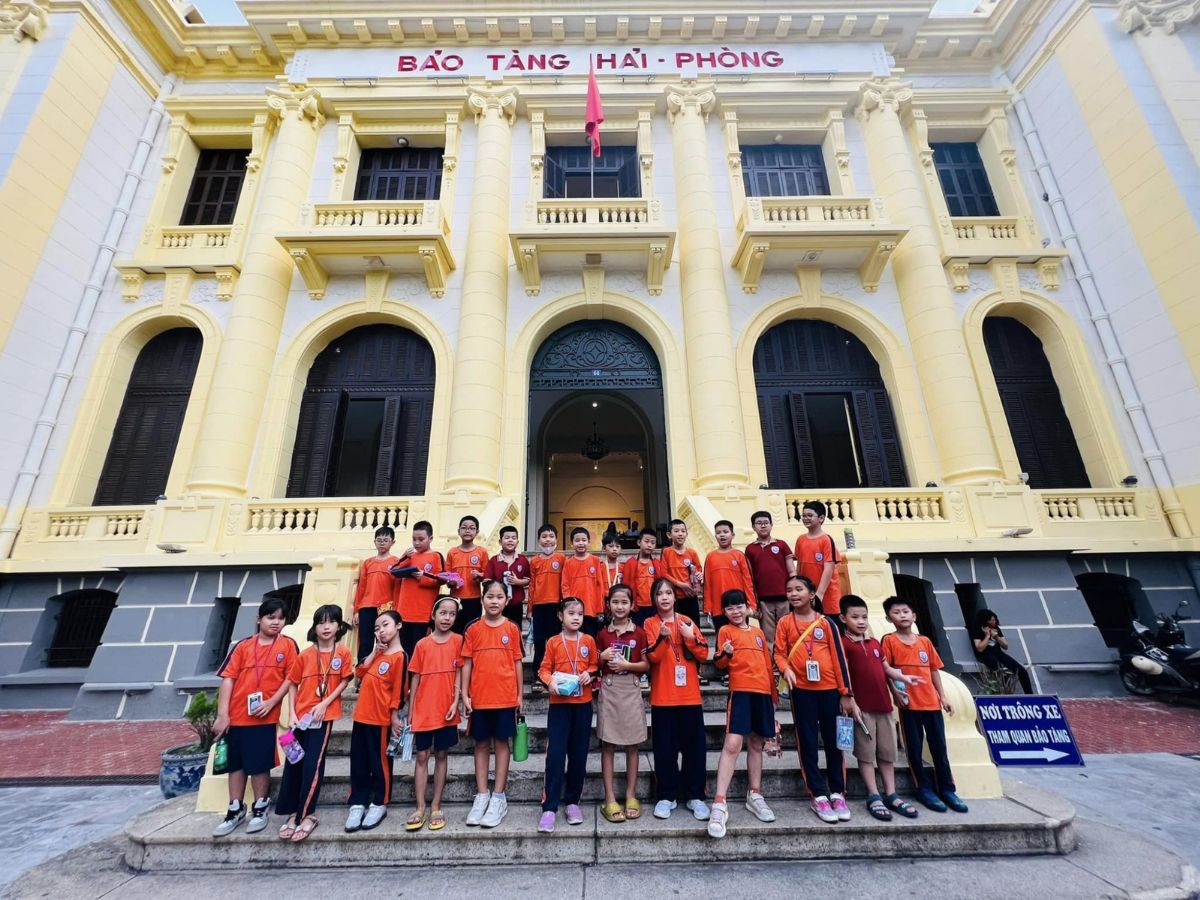
Choose the best time to visit Hai Phong Museum. (Source: Collection)
Hai Phong Museum is an ideal destination to explore the history, culture, and unique architecture of the port city. Here, visitors can not only admire precious artifacts but also have the opportunity to capture impressive souvenir photos in a space imbued with the mark of time.
The ideal time to visit Hai Phong Museum is from October to April next year, when the weather is cool and mild, very convenient for travel and exploration. Visitors should avoid visiting during the peak summer season for a more comfortable experience, avoiding crowds.
The museum's thematic exhibition schedule is usually updated on major holidays such as City Founding Day on May 13th or Vietnamese Cultural Heritage Day on November 23rd. This is when many special activities take place, such as displaying precious artifacts, cultural exchanges, and thematic seminars, offering visitors a diverse and meaningful experience.
Inside the museum, the most beautiful photo spots include the main hall with its unique European Gothic architecture, the ancient wooden staircase area, and the archways bearing the mark of time. The "Old Urban Area" exhibition room and the museum's facade area are also popular choices for visitors to capture memorable moments. For impressive photos, it is advisable to utilize the natural light in the morning or at noon, and you can also ask the tour guides for suggestions on beautiful photo angles according to the season.
From the central location of the museum, visitors can easily combine visits to famous Hai Phong attractions such as the City Opera House, Le Lai Old Quarter, Tam Bac Lake, Nghe Temple, or Sat Market – landmarks that bear the historical and cultural imprint of the Port City.
If you wish to extend your trip, you can combine a Hai Phong – Cat Ba tour, conveniently traveling by Sun World cable car to fully explore the island's beauty. The blend of cultural experiences at the museum and the fascinating nature of Cat Ba will surely bring you a meaningful and unforgettable trip.
Hai Phong Museum is a must-visit destination to deeply understand the history, culture, and people of the port city. In 2025, the museum continues to offer vibrant educational and sightseeing experiences for both domestic and international visitors. Take the time to explore and fully appreciate the precious heritage values here.


