



1. Overview of the Rice Receiving Festival, God of Agriculture
1.1. What is the Rice Receiving Festival, God of Agriculture?
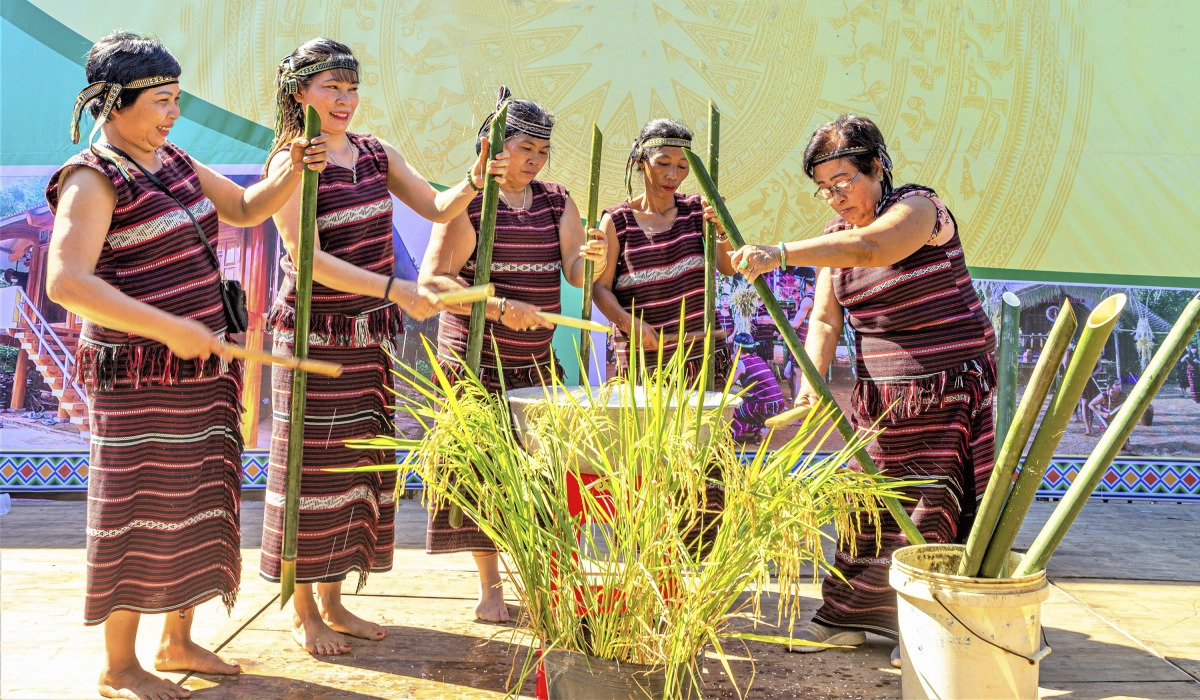
The Rice Receiving Festival, God of Agriculture is one of the most important traditional festivals of the year for the Chau Ro ethnic group, a people belonging to the Mon-Khmer group living mainly in Dong Nai and Vung Tau provinces of Vietnam. The Chau Ro people usually organize this festival in the 11th lunar month, right after the harvest, and the festival lasts for a whole month with lively rituals and festivities.

The Nhan Lua, Than Nong festival is one of the important festivals of the Chau Ro people (Source: Collected)
The origin of the festival stems from agricultural beliefs – the belief in worshipping the rice god, thanking heaven and earth for bestowing abundant harvests. The Chau Ro people believe that all their activities and harvests are governed by many deities, among whom the Rice God and the God of Agriculture are the most important, representing the life, crops, and income of the community.
The festival is usually held at locations such as rice fields, ethnic cultural houses, or community centers where the Chau Ro people live, such as in Chau Duc district, Xuyen Moc (Ba Ria – Vung Tau) or communes in Dong Nai.
1.2. Why is the festival especially meaningful to the Chau Ro people?
For the Chau Ro people, Nhan Lua, Than Nong Festival is not just a time for celebration but also a significant spiritual activity associated with the belief of thanking heaven, earth, and deities – especially the Rice God and the God of Agriculture. The festival expresses gratitude to the Rice God for bestowing favorable harvests, good weather, and grain-laden rice stalks – essential conditions ensuring food and the survival of the entire community. Rituals of worship, carrying the soul of the rice, or erecting the Neu pole all carry the meaning of connecting people with the spiritual world, hoping for a bountiful upcoming season.
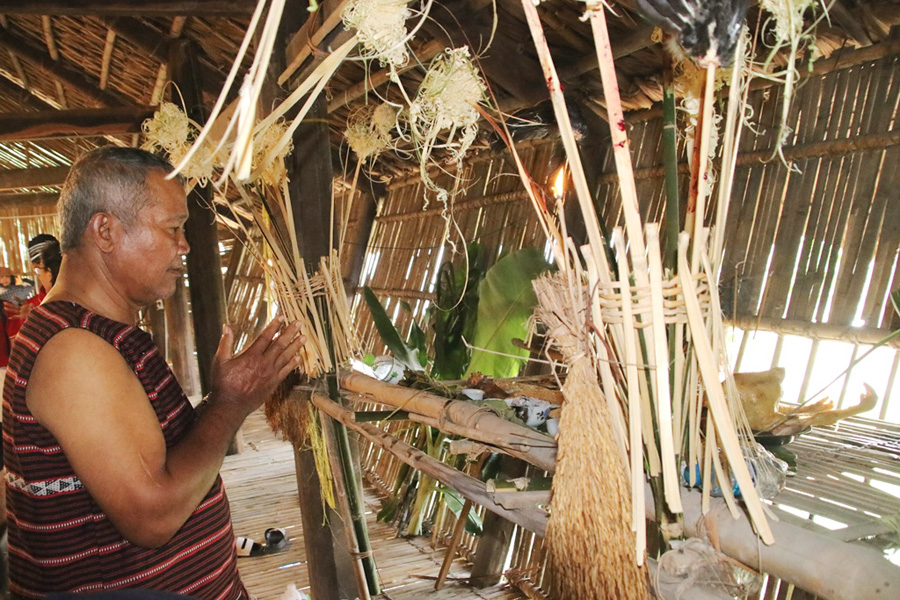
Festival associated with the worship of Than Nong and Than Lua (Source: Collected)
In the Chau Ro society living mainly by traditional farming, upland rice is the main source of livelihood. Le Hoi Nhan Lua, Than Nong is associated with the cycle of harvest – worshipping and inviting the rice soul, then holding a festival – expressing the concept that each harvest season is a process of humans harmonizing with nature. Through this ritual, the community expresses its faith in nature, praying for fertile land, favorable rain and wind, and a good next harvest.
The festival is an occasion for all community members to gather, from old to young, participating in rituals, singing and dancing, playing gongs, drinking traditional wine, and unique folk games. This is a space for transmitting culture, customs, and folk knowledge from one generation to another. Furthermore, organizing the festival in the community cultural area also helps increase solidarity, strengthen identity, and social consensus within the Chau Ro community.
2. Time and Place of Organizing Le Hoi Nhan Lua, Than Nong
2.1. Time of the Festival
Le Hoi Nhan Lua, Than Nong is usually held in the 11th lunar month, right after the harvest season in Vung Tau is completed. This is the ideal time for the Chau Ro community to organize rituals to thank the God of Rice, God of Agriculture, while also holding a festival with singing, dancing, drinking traditional wine, and unique folk games.
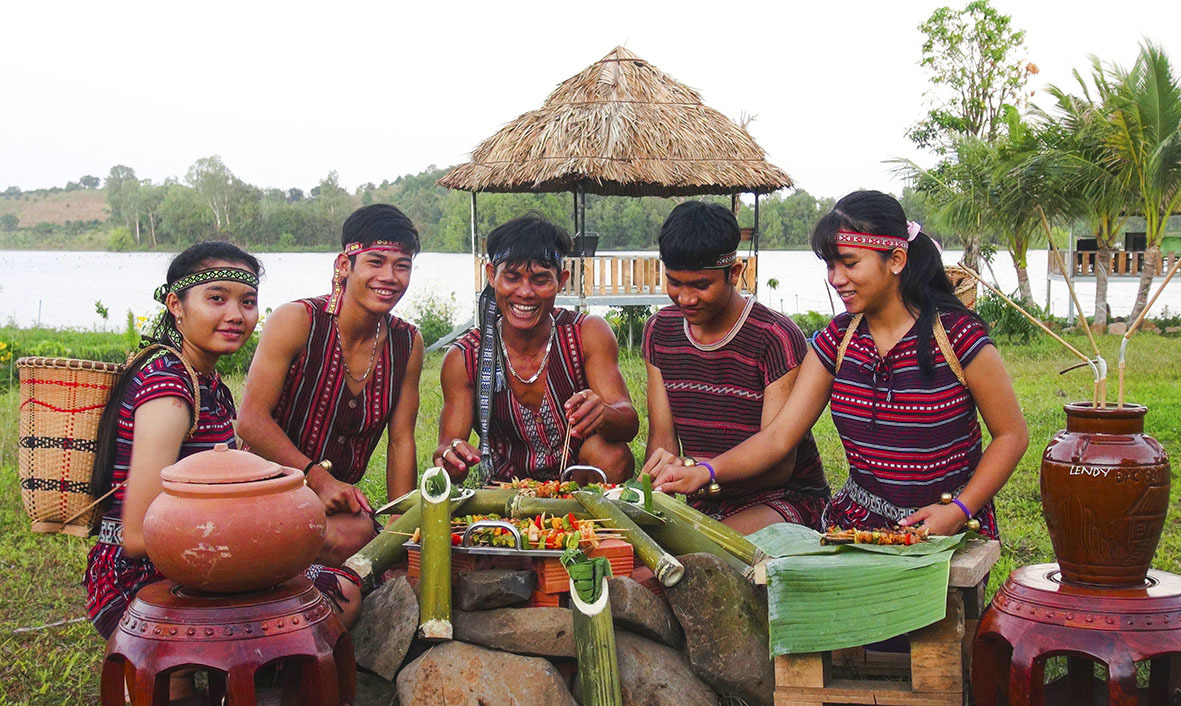
Nhan Lua, Than Nong Festival, God of Agriculture, is organized by the Chau Ro people throughout 1 month (Source: Collected)
The festival lasts about 1 month, from the first ritual of worshipping and welcoming the rice soul, to days of fun and games, and concludes with a ceremony thanking heaven and earth. Holding it at this time is not only suitable for the agricultural cultivation cycle but also ensures favorable weather for outdoor activities, helping visitors experience the traditional agricultural culture of the Chau Ro people right in Vung Tau.
2.2. Location of the Nhan Lua, Than Nong Festival
In Vung Tau, the Nhan Lua, Than Nong Festival is mainly organized in the areas of Chau Duc, Xuyen Moc, where the Chau Ro community still preserves many traditional rituals and unique community activities. The festival usually takes place in rice cultivation areas, ethnic cultural houses, or community center yards, places near rice fields for convenient rituals of worship, welcoming the rice soul, erecting the neu pole, singing and dancing, and organizing folk games.
Organizing the festival right in Vung Tau helps visitors enjoy the beautiful natural scenery, while directly experiencing the unique culture of the Chau Ro people, while contributing to the preservation of national identity and connecting the local community.
3. Outstanding Rituals in the Nhan Lua, Than Nong Festival
3.1. Ritual of worshipping and welcoming the rice soul
One of the most important rituals of the Nhan Lua, Than Nong Festival in Vung Tau is the ritual of worshipping and welcoming the rice soul. This ceremony takes place right after the harvest, showing the gratitude of the Chau Ro people to the God of Rice and the God of Agriculture for granting a bountiful harvest. People prepare offerings with rice, fermented rice wine, fruits, and local products, while performing the ritual of welcoming the rice soul from the fields to the community cultural house.
This is not only an act of gratitude but also a way for the Chau Ro people to pray for a favorable next harvest, fertile land, and family peace. The rice soul welcoming ceremony is often combined with characteristic dances and the sounds of gongs and drums, creating a solemn yet culturally vibrant scene right in Vung Tau.
3.2. Ritual of erecting the neu pole and folk singing and dancing
After the worship ceremony, the Chau Ro people in Vung Tau perform the ritual of erecting the neu pole – a symbol to ward off evil spirits, protect the crops, and pray for good luck. The neu pole is decorated with traditional items, combined with folk singing and dancing, drinking fermented rice wine, and dancing around the neu pole.
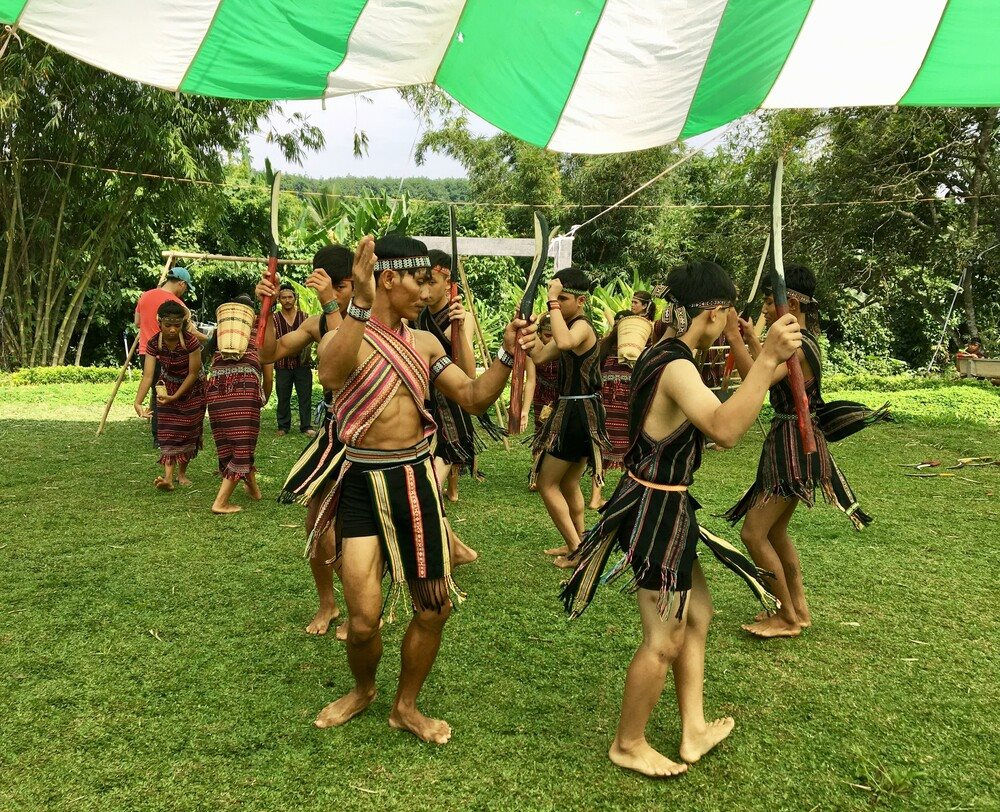
Chau Ro people dancing together during the festival (Source: Collected)
This activity is not only ritualistic but also an occasion for the community to interact, bond, and preserve traditional culture. Folk games such as tug-of-war, stick pushing, and bamboo dancing also often take place, making the festival lively and attractive to tourists visiting Vung Tau.
3.3. Ceremony of Thanking Heaven and Earth and the End of the Festival
Finally, the Nhan Lua, Than Nong Festival concludes with a ceremony thanking heaven and earth, where all community members gather, offer sacrifices, and pray for a new year with favorable weather, and a subsequent bountiful harvest. This is an important moment, demonstrating community spirit and harmony between humans and nature. For tourists, participating in this ceremony in Vung Tau is both a cultural experience and a deep understanding of the agricultural knowledge and traditional beliefs of the Chau Ro people.
4. Significance of the Nhan Lua, Than Nong Festival
4.1. Spiritual Significance and Community Bonding
The Nhan Lua, Than Nong Festival is not just a time for celebration but also a significant spiritual activity of the Chau Ro people in Vung Tau. Through the rituals of worshipping the God of Rice and the God of Agriculture, the community expresses gratitude to heaven and earth for granting a bountiful harvest, while also praying for a new year of prosperity and peace.
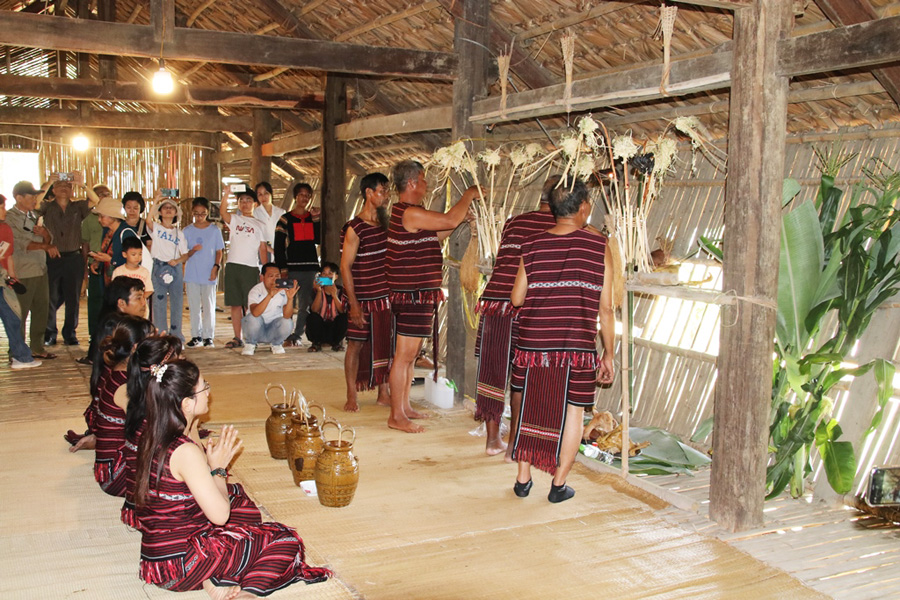
The custom of worshipping the rice deity plays an important role in the life of the Chau Ro people (Source: Collected)
The festival is also an occasion for all members of the community to meet, interact, and strengthen solidarity. Children are taught traditional culture and customs, while the elderly play the role of guiding and supervising rituals, thereby preserving the cultural identity of the Chau Ro people and connecting generations.
4.2. Significance in agricultural production and life
For the Chau Ro people, Nhan Lua, Than Nong Festival also carries economic and agricultural significance, connecting people with the traditional rice cultivation cycle. Rituals of thanking heaven and earth, parading the rice soul, or erecting the Neu tree all reflect the belief that favorable harvests will bring food and stable lives. Furthermore, holding the festival in Vung Tau helps visitors understand the harmonious relationship between nature and humans, while also directly experiencing ancient agricultural practices and unique folk cultural values.
4.3. Preservation and promotion of traditional culture
The festival is also an important tool for preserving and promoting the traditional culture of the Chau Ro people in Vung Tau. Activities such as singing and dancing, folk games, parading the rice soul, or offerings not only attract the local community but also draw tourists and cultural researchers, helping to introduce the unique cultural beauty of the Chau Ro ethnic group to everyone. Through this, the festival contributes to raising awareness of cultural heritage preservation and, at the same time, developing community tourism in Vung Tau.
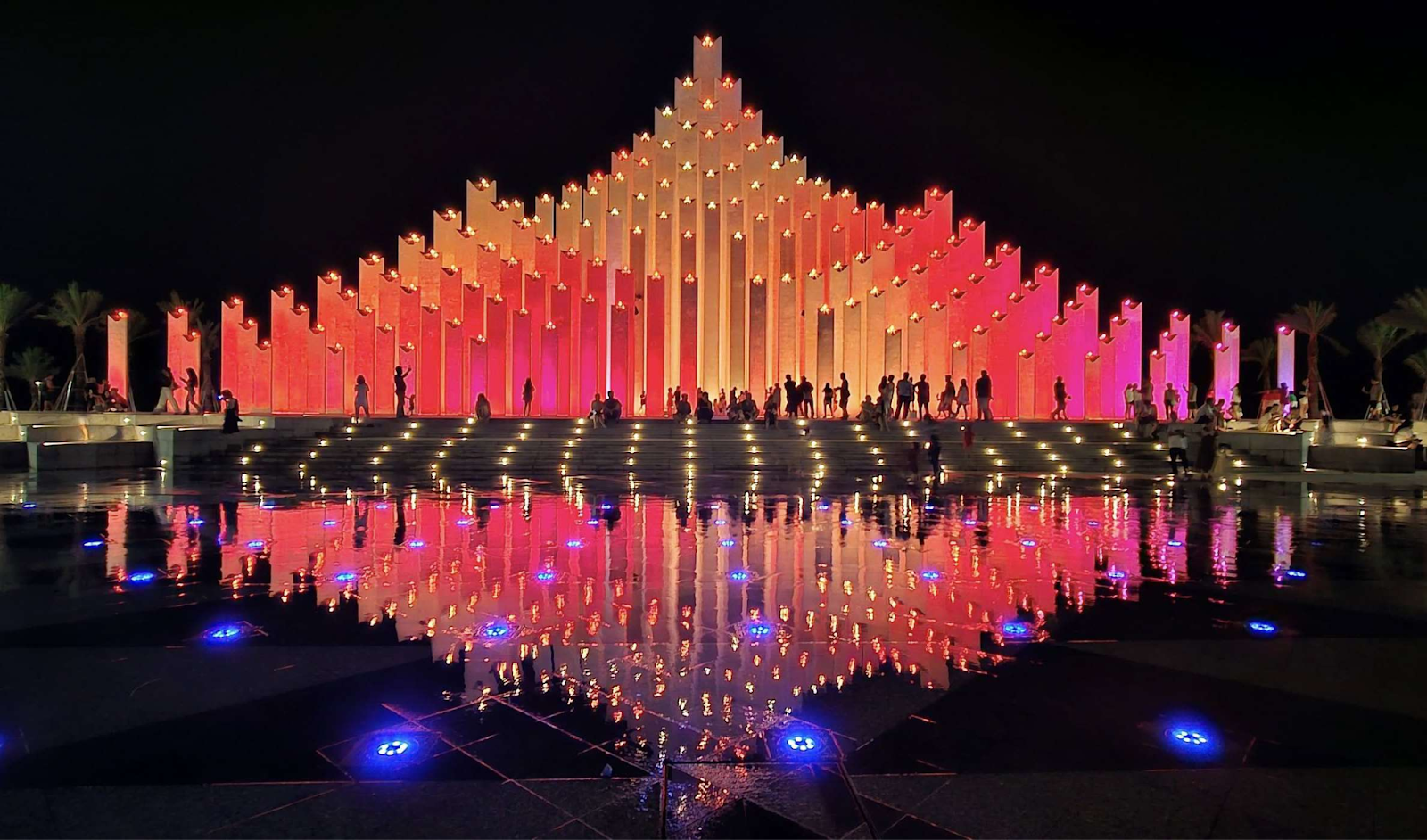
Tam Thang Tower sparkling with lights under the night sky (Source: Collected)
Besides exploring the Nhan Lua, Than Nong Festival, visitors to Vung Tau can also visit many other attractive destinations. You can visit Bai Sau – Bai Truoc to swim and enjoy fresh seafood, check-in at the Christ the King Statue of Vung Tau or the Lighthouse to admire the panoramic view of the city, explore Tam Thang Square with its spacious area, a new symbol of the city, and experience culture at traditional craft villages. The combination of traditional festivals and famous tourist spots will bring you a complete Vung Tau journey, combining fun, cultural experiences, and enjoying nature.


