

1. General Introduction to Heavenly Garden Hoa Lu Temple
1.1. Where is Heavenly Garden Hoa Lu Temple located?
Heavenly Garden Hoa Lu Temple (also known as Kinh Thien Vuong Palace) is located about 600 m from the center of Hoa Lu Ancient Capital, in Tay Hoa Lu ward, Ninh Binh province. This place is considered one of the most sacred sites in the Ancient Capital region, closely associated with the spiritual life and beliefs of the local people.
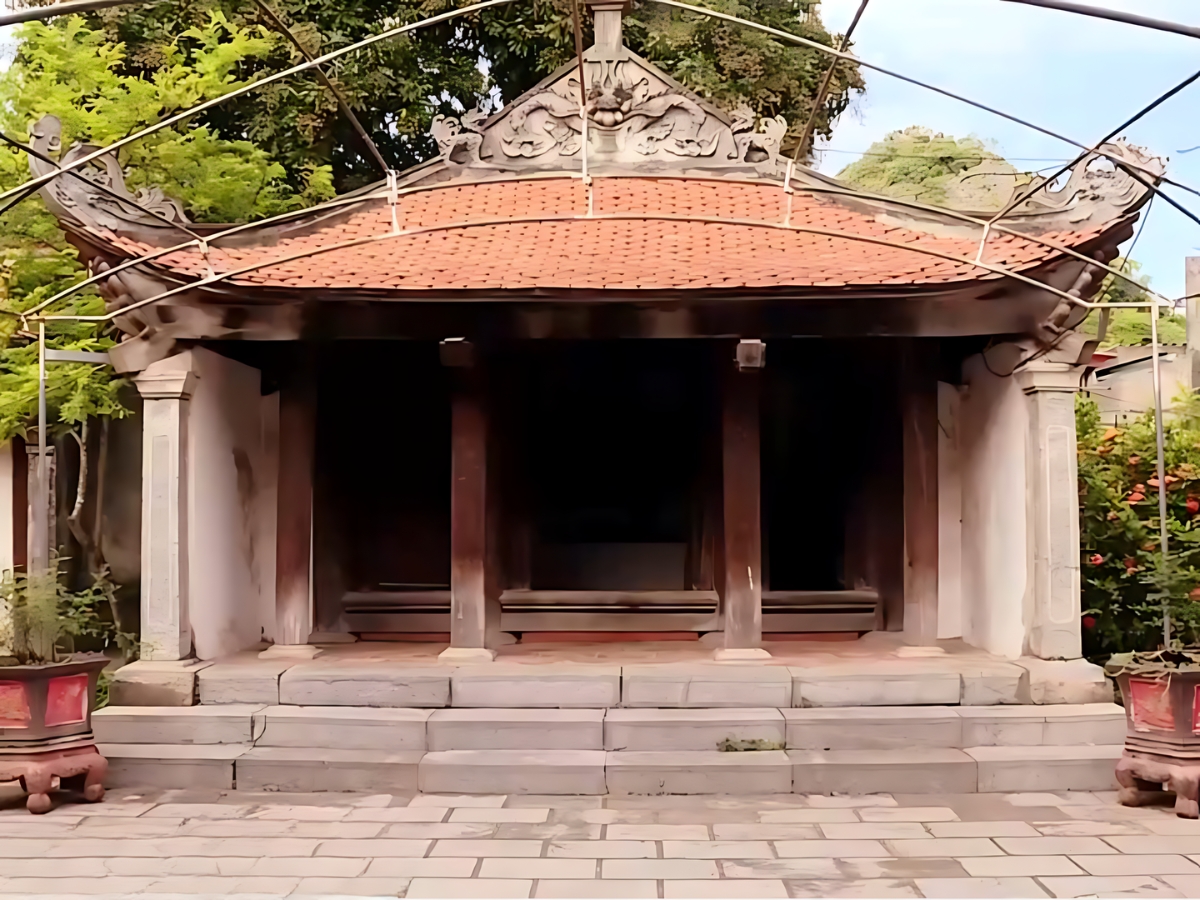
Heavenly Garden Shrine is located in West Hoa Lu ward, Ninh Binh province. (Source: Collected)
The shrine is nestled amidst picturesque river and mountain scenery, with the clear blue Sao Khe River in front and majestic limestone mountains behind, creating a harmonious feng shui. With its ancient beauty and serene atmosphere, the shrine offers a peaceful feeling, allowing visitors to escape the bustling pace of life and find a tranquil and sacred place in the heart of Ninh Binh.
1.2. History of the Formation of Heavenly Garden Shrine of Hoa Lu
According to local historical records, the Heavenly Garden Shrine of Hoa Lu was built to worship Le Long Thau – the eldest son of King Le Dai Hanh and Queen Duong Van Nga. From a young age, he showed intelligent and virtuous qualities, and his father placed great hope on him to succeed to the throne. In 989, he was conferred the title Kinh Thien Dai Vuong, symbolizing his strong will and resilient spirit. Unfortunately, only one year later, he passed away at a very young age, leaving immense sorrow for the court and the people. The people of Hoa Lu, admiring his talent and virtue, established a shrine to worship him, honoring him as Kinh Thien Dai Vuong.
Over hundreds of years, the Heavenly Garden Shrine of Hoa Lu remains a place that preserves the memory of a talented but ill-fated prince. Not only does it hold historical value, but the shrine is also a sacred place for people to express their gratitude, embodying the principle of "complete loyalty and filial piety".
2. Unique Architecture at Heavenly Garden Shrine of Hoa Lu
Unlike many religious structures in the Ancient Capital region, the Heavenly Garden Shrine of Hoa Lu is not massive but impresses with the harmony and sophistication emanating from its architectural details. The shrine is situated on an elevated mound amidst the Heavenly Garden field, facing southwest – the former center of the ancient Hoa Lu capital. Thanks to the elevated and airy terrain, the shrine offers a wide view, encompassing the surrounding mountains and rivers. The scenery here is both solemn and ancient, yet familiar and peaceful, making visitors feel a harmony between nature and people, between the past and the present.
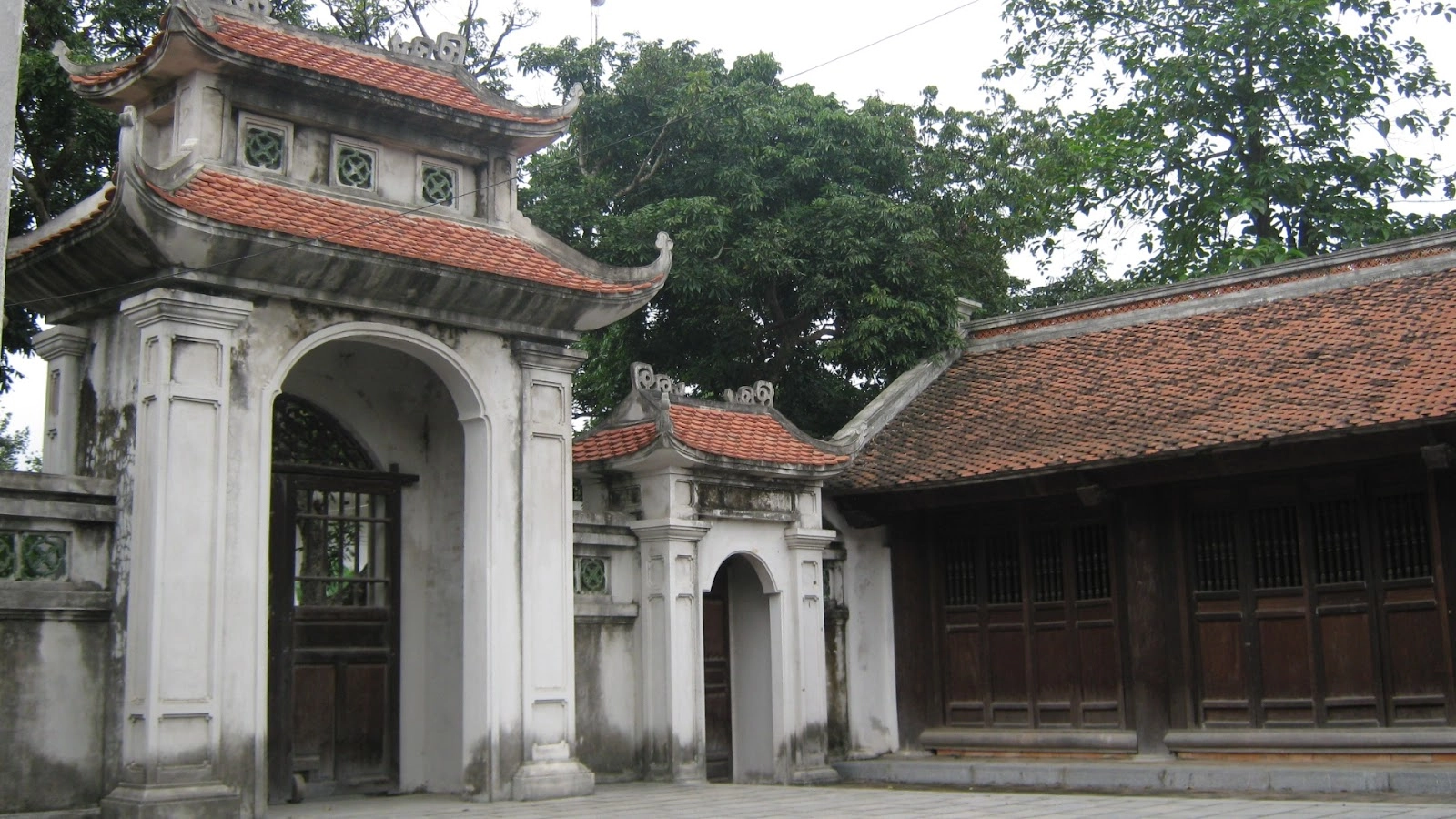
The entire architecture of the Heavenly Garden Shrine of Hoa Lu is harmoniously and symmetrically designed in the traditional "Môn" character style, comprising three main areas: the Main Palace, the Left Palace, and the Right Palace. The Main Palace is where Kinh Thien Dai Vuong is worshipped, built in the characteristic "Đinh" character shape of the Dinh – Le period, with a system of sturdy ironwood pillars and a gently curved tiled roof covered in ancient moss color. Outside is the Bai Duong hall for worship, while inside is the Main Chamber, housing the statue and altar tablet, creating a solemn and tranquil space.
To the sides are the Left Palace and Right Palace, where offerings are prepared and important sacrificial rituals are performed. The courtyard in the middle of the shrine is paved with flat stone slabs, reminiscent of the Dragon Courtyard of ancient palaces, where grand sacrificial ceremonies once took place. Although not grand in scale, the Heavenly Garden Shrine of Hoa Lu possesses a majestic and elegant appearance, representing a blend of folk beliefs, ancient architectural art, and the spirit of honoring the traditional values of the Ancient Capital land.
3. Outstanding Experiences at Heavenly Garden Shrine of Hoa Lu
3.1. Admiring the Scenery and Checking-in
Not only is it a sacred destination associated with ancient dynasties, but the Heavenly Garden Shrine of Hoa Lu also captivates visitors with its peaceful and poetic beauty in the heart of the heritage region. Situated amidst the lush green Heavenly Garden field, the shrine appears ancient with its moss-covered tiled roof, shade-providing trees, and the winding Sao Khe River. In the early morning, gentle sunlight filters through the thin mist, illuminating the stone courtyard and curved tiled roof, creating a tranquil scene like paradise, making visitors feel lighthearted and serene.
Strolling around the shrine area, visitors can pause by the wooden eaves to admire the Hoa Lu countryside, listen to the wind rustling through the trees, or hear the distant temple bells. For photography enthusiasts, this is a wonderful check-in spot to capture moments imbued with the ancient soul of Ninh Binh. Every corner, from the shrine gate and stone steps to the moss-covered walls, evokes the characteristic ancientness and peace of the ancient capital.
During the festival season, the Heavenly Garden Shrine of Hoa Lu takes on a new appearance, bustling and vibrant with spring colors. The sound of festival drums and bells blends with fluttering flags and flowers, and crowds eagerly go for worship, creating a vivid and lively picture. Every photograph taken at that moment not only captures the beauty but also embodies the festival spirit, pride, and love for the thousand-year-old land of Hoa Lu.
3.2. Spiritual Cultural Activities
More than just a historical relic, the Heavenly Garden Shrine of Hoa Lu is a place that preserves the spiritual cultural life of the people in the Ancient Capital region. On the first day of the lunar month and the full moon day, incense smoke rises profusely as locals and visitors from all directions gather at the shrine to offer incense, praying for a peaceful, healthy, and lucky year. In the quiet space, ringing bells blend with the faint scent of incense, creating a sense of purity and sacredness, helping people cleanse their worries and turn their hearts towards goodness.
These ceremonies not only hold religious significance but also serve as an occasion for the people of Hoa Lu to remember and express gratitude for the merits of their ancestors. It is this blend of tradition and piety that has made the Heavenly Garden Shrine of Hoa Lu an indispensable part of the spiritual life of Ninh Binh people, a place where they return to their roots and nurture their souls with faith and gratitude.
3.3. Participating in Festivals at Heavenly Garden Shrine of Hoa Lu
Each year, when the traditional festival of the Hoa Lu Ancient Capital takes place, the atmosphere at the Heavenly Garden Shrine of Hoa Lu becomes bustling and colorful. The people of Dong village, in traditional attire, gather in full force, preparing for the solemn procession ceremony. Bright flags and flowers, the sound of drums and gongs echoing through the mountains, and long lines of people proceed from the shrine to the temples of King Dinh Tien Hoang and King Le Dai Hanh to offer incense and perform sacrifices according to ancient rituals. Every step, every beat of the drums and gongs, expresses the deep respect of the descendants of Hoa Lu for their ancestors.
After the sacrificial ceremony at the paternal king's temple, the villagers return to the shrine to offer incense in memory of Crown Prince Kinh Thien Dai Vuong. The ritual is performed solemnly in a sacred and reverent atmosphere. After the ceremony, everyone gathers in the two Thanh Tru halls (Left and Right) to receive blessings and engage in intimate conversation.
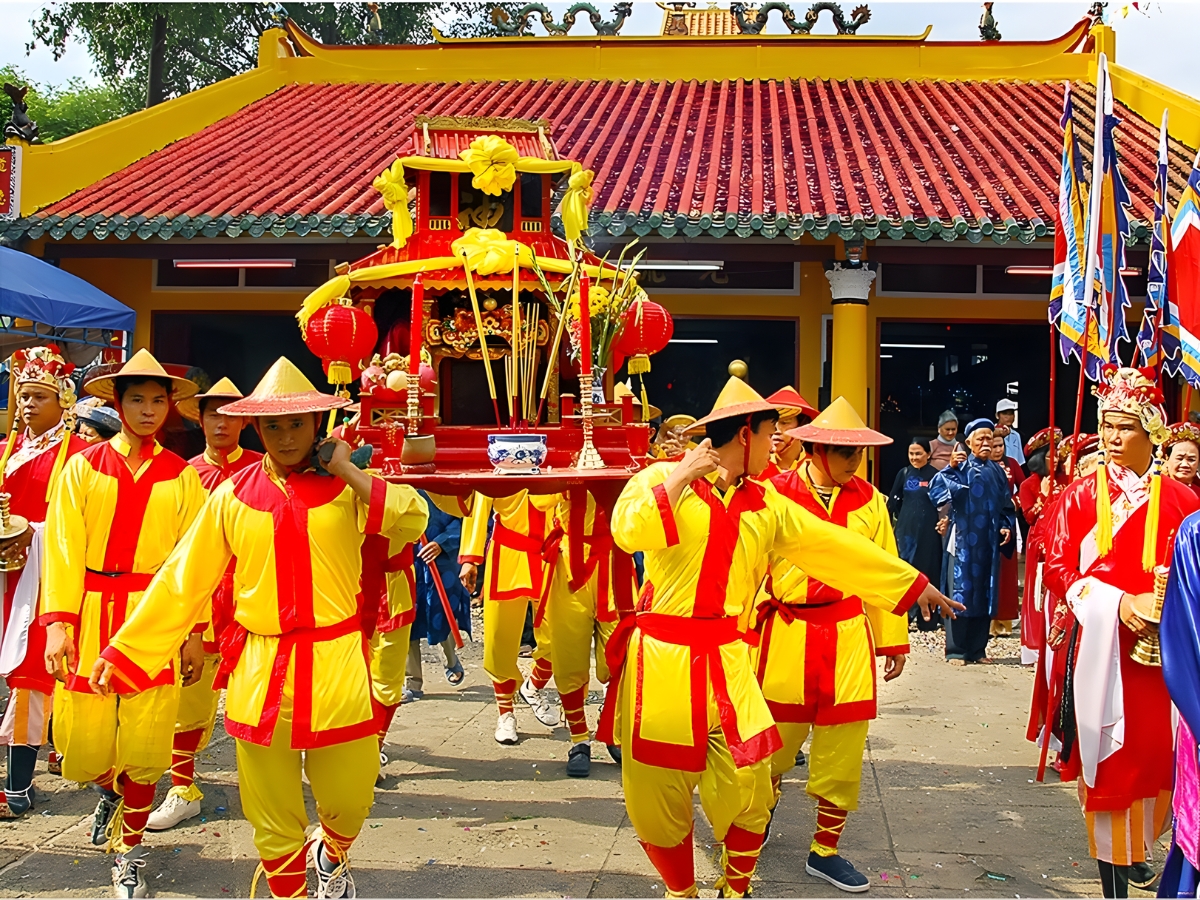
Festival at Phu Vuon Thien Hoa Lu is solemnly organized according to traditional rituals. (Source: Collected)
The festival at Phu Vuon Thien Hoa Lu is not only an occasion to commemorate the merits of ancestors but also a testament to the spirit of solidarity, benevolence, and the unique cultural lifestyle of the people in the Ninh Binh ancient capital region. This is a relic ranked at the National level, worthy of being cherished, preserved, and maintained for generations to come.
4. Experience when visiting Phu Vuon Thien Hoa Lu
To have a complete and meaningful visit to Phu Vuon Thien Hoa Lu , visitors should note a few small things below. These experiences will not only help visitors' journeys become more comfortable but also show respect for the sacred space of the ancient capital region.
Choose appropriate attire and maintain a suitable attitude: When visiting the temple, visitors should choose polite, modest attire, avoiding overly short or offensive clothing. In addition, visitors need to maintain a serious attitude, speak softly, and not laugh loudly in the worship area.
Ideal time to visit: Early morning or late afternoon are the best times to visit, when the weather is cool, the light is gentle, and the temple scenery appears peaceful and ancient.
Maintain cleanliness when visiting the temple: Please dispose of trash in designated areas, do not damage or harm the relic items.
Combine with exploring famous tourist destinations in Ninh Binh: After visiting Phu Vuon Thien Hoa Lu , visitors can combine exploring nearby attractive destinations such as Hoa Lu ancient capital, Trang An, Tam Coc – Bich Dong, Mua Cave, Bai Dinh Pagoda, Sun World Ha Nam, or Time Square. Each place has its own beauty, making the trip to Ninh Binh richer and more memorable.
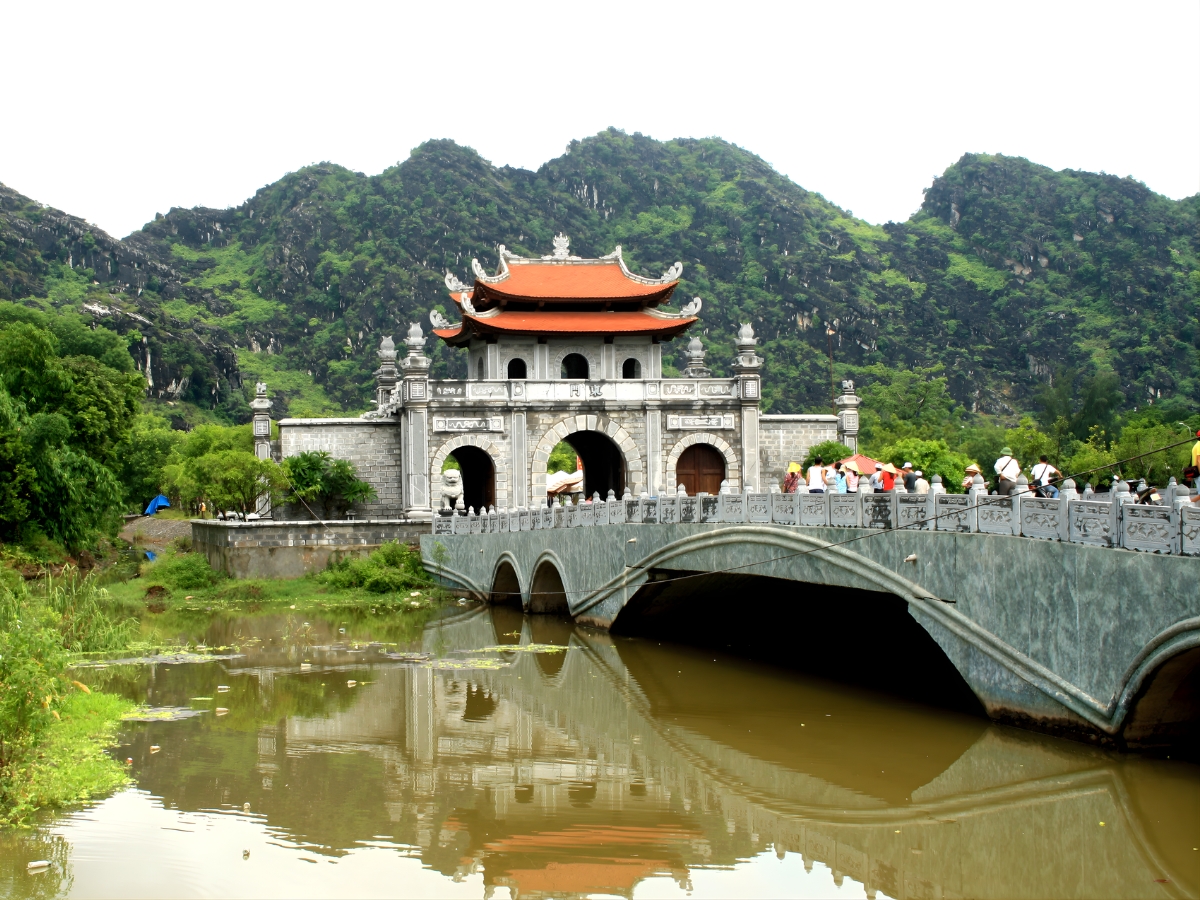
Combine sightseeing and historical exploration at the ancient capital of Hoa Lu. (Source: Collected)
The journey to Phu Vuon Thien Hoa Lu is not just a visit to an ancient relic, but also an opportunity for visitors to listen to historical stories echoing from thousands of years ago and feel the spiritual beauty of the ancient capital region. Amidst the peaceful river and mountain scenery, the sound of temple bells, incense, and moss-covered tiled roofs blend together to create a tranquil and sacred space. If you have the chance to visit Ninh Binh, don't forget to stop by Phu Vuon Thien Hoa Lu to pay homage, find peace in your soul, and pause amidst the sacred breath of Hoa Lu's land and sky.