

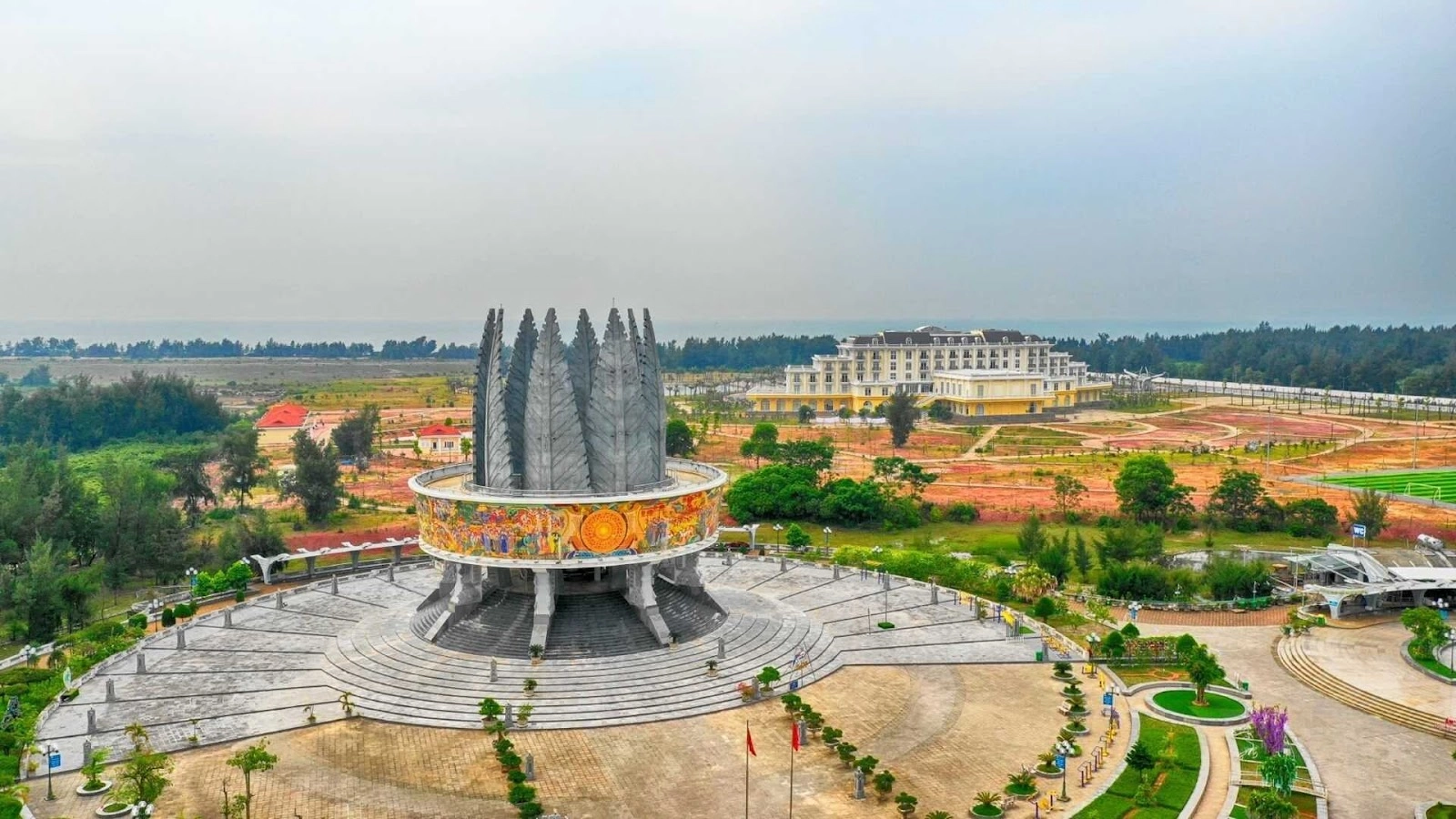
1. Overview of Sa Vi Cape
1.1. Where is Sa Vi Cape?
Stretching along the Northeast coast, Sa Vi Cape is located in Tra Co ward, Quang Ninh province with coordinates 21°29'33" North and 108°4'5" East. This is the northeasternmost point of Vietnam's territory, marking the beginning of the 3,260 km coastline connecting the North and South. From the center of Mong Cai, it only takes about 15-16 km to reach this sacred land.
Sa Vi Cape boasts a unique geographical position, serving as the starting point of Vietnam's "S" shape. Here, national history and culture originate from the vast sea. The landscape harmonizing with historical values has made Sa Vi Cape an attractive destination for domestic and international tourists visiting Quang Ninh.
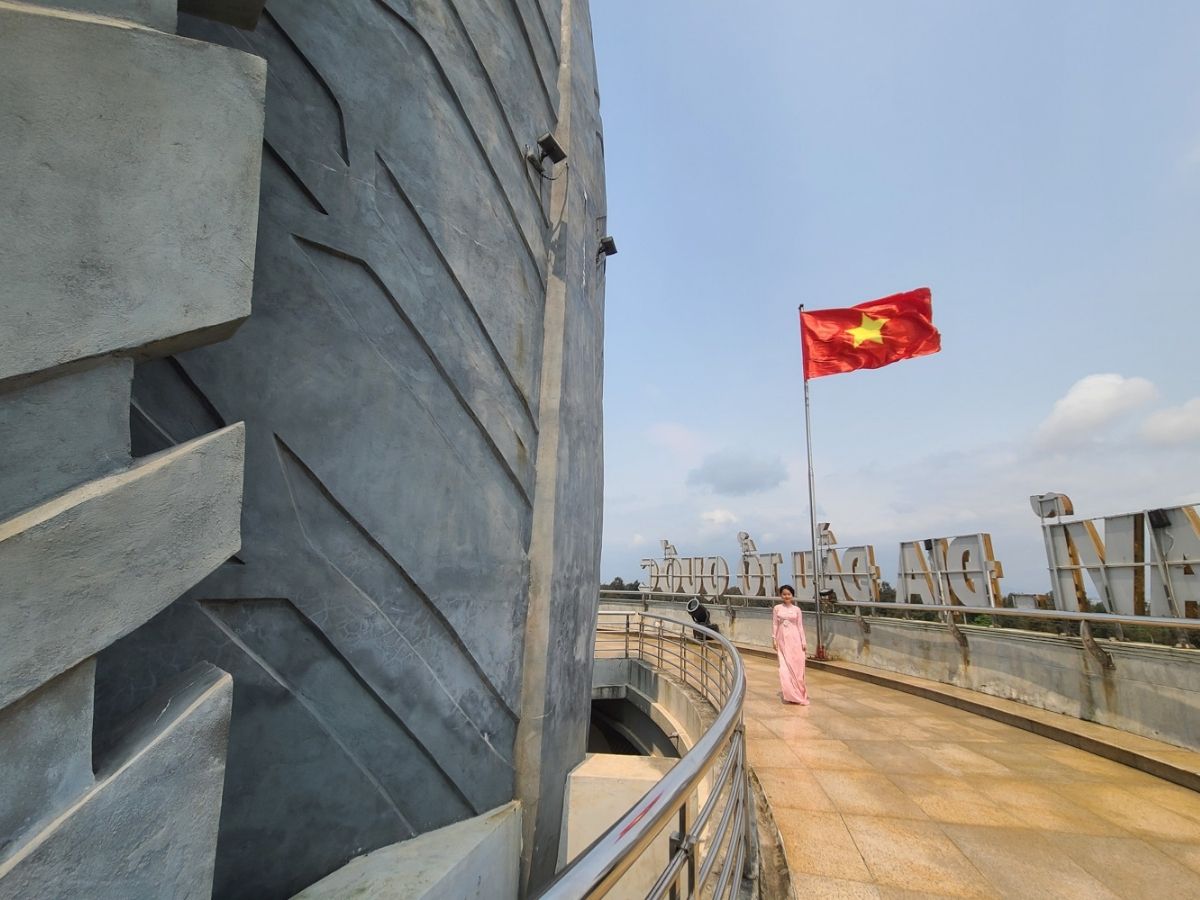
Mui Sa Vi boasts a unique geographical location, serving as the starting point of Vietnam's "S-shape". (Source: Phu Nu Vietnam Newspaper)
1.2. Meaning of the Name Mui Sa Vi
The name "Sa Vi" originates from Han Chinese, where "Sa" means sand and "Vi" means tail, evoking the image of a sandy strip extending far into the sea in the northeasternmost region. This name perfectly reflects the geographical characteristics of this place, with fine white sand dunes stretching along the vast ocean.
In the Vietnamese consciousness, Mui Sa Vi is likened to the "first stroke" on the S-shaped map, symbolizing the beginning of the nation's historical journey. Anyone who sets foot here feels as if they are returning to their roots, experiencing the endless flow of Vietnamese culture.
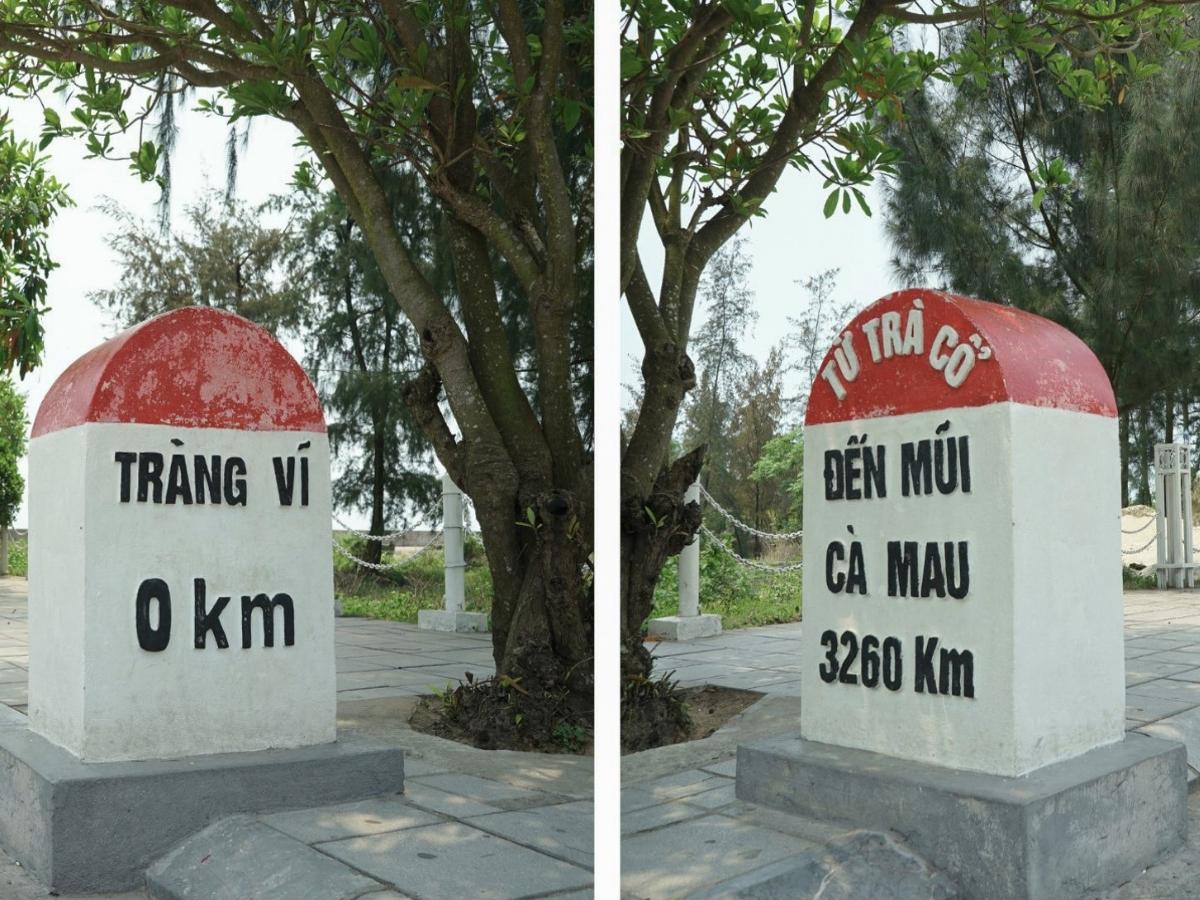
The name Mui Sa Vi is also associated with iconic structures such as the 0 km milestone, the three pine trees bas-relief, and Sa Vi Square. Each architectural element is imbued with historical and cultural significance, along with enduring national pride through the years.
1.3. Ideal Time to Visit Mui Sa Vi
The most ideal time to explore Mui Sa Vi is from April to July, with pleasant weather and little rain. Temperatures ranging from 25-30°C are perfect for outdoor activities and photography.
For impressive photos, you should choose the times for sunrise (5:30 - 6:30 AM) or sunset (5:30 - 6:30 PM) as the light is beautiful then. This is very suitable for memorable photos at the 0 km milestone or Sa Vi Square.
2. Guide to Reaching Mui Sa Vi
2.1. From Hanoi to Mui Sa Vi
Traveling from Hanoi to Mui Sa Vi is now very easy with many transportation options. The popular route follows National Highway 5 – National Highway 1B – Lang Son – National Highway 18 through Ha Long to Mong Cai, with a total distance of about 320-350 km (5-6 hours). Along this route, you can also admire many beautiful landscapes of Northern Vietnam.
Buses remain the most popular choice, with ticket prices ranging from 250,000 – 450,000 VND per trip departing from My Dinh, Gia Lam bus stations, running daily. Upon arrival in Mong Cai, you can take a taxi or motorbike taxi for about 7-10 km to reach Mui Sa Vi.
If you prefer independence and freedom, personal vehicles are also an excellent option thanks to the wide, well-maintained roads. In particular, the Ha Long – Mong Cai route has many stops with beautiful sea views for you to rest and take photos. Don't forget to check the weather before your trip to make it even more complete.
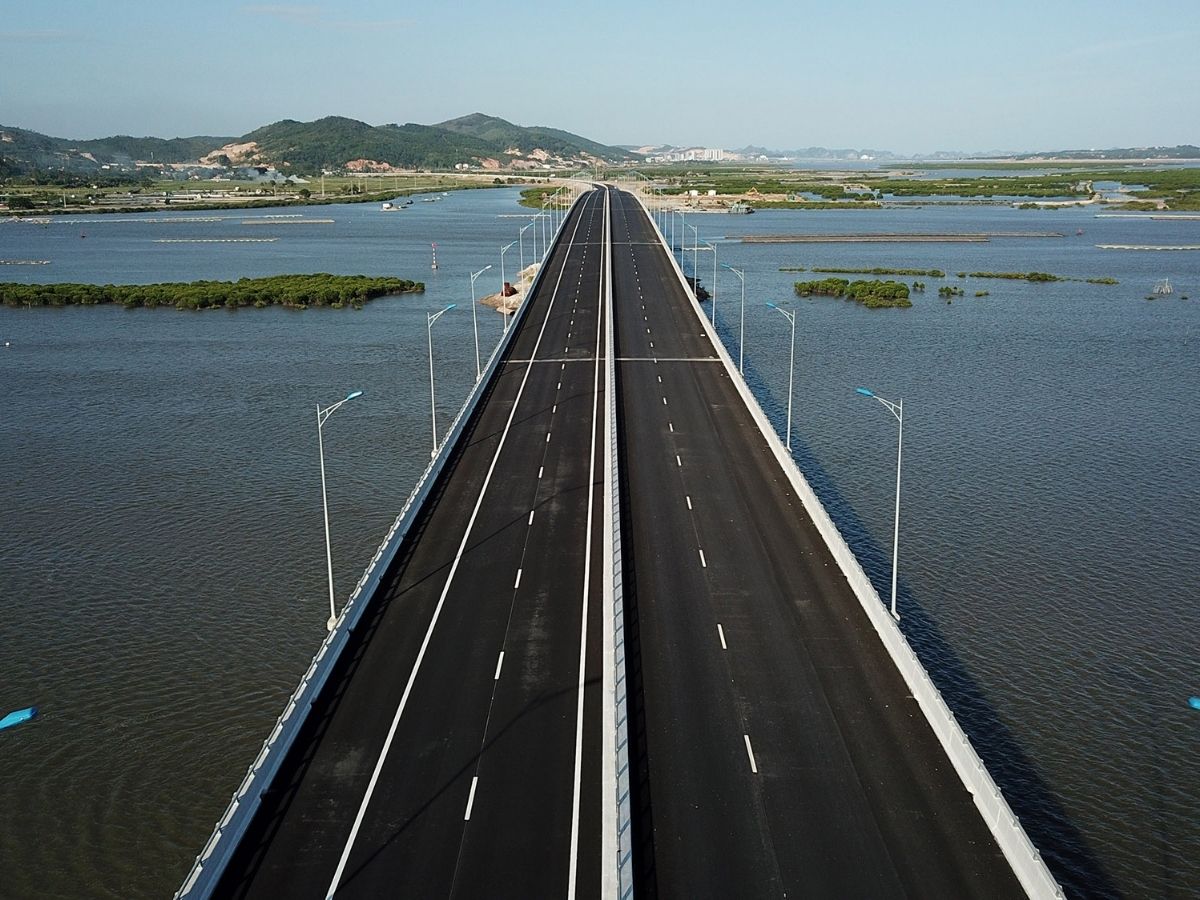
Moving from Hanoi to Sa Vi Cape is now very easy with many transportation options. (Source: Collected)
2.2. From Ho Chi Minh City And Other Provinces
If you are in Ho Chi Minh City or the southern provinces, the optimal choice is to fly to Hanoi or Van Don Airport (Quang Ninh). From Van Don Airport, rent a car or take a bus to Mong Cai, it takes another 2 - 3 hours to reach Sa Vi Cape.
Airfare from Ho Chi Minh City to Hanoi varies in price and operating airline (1,500,000 – 3,000,000 VND/way depending on the time). From Hanoi, you continue to travel by bus or private car as guided above, helping to optimize time for short trips.
As Sa Vi Cape is located in a border area, you need to prepare sufficient personal identification documents (Citizen ID card or passport) when traveling. Remember to book flight and bus tickets in advance and check the itinerary carefully to have a reasonable plan, saving maximum time. Thorough preparation will make the trip smoother.
3. Unmissable Experiences at Sa Vi Cape
3.1. Sa Vi (0 km) Landmark
To reach Sa Vi Cape, the northeasternmost point of the country, visitors will pass through the poetic Tra Co area. Along the straight asphalt road, on both sides are endless stretches of mangrove forests. Sometimes revealing their winding roots when the tide recedes, sometimes submerged under the rising water.
When turning left towards Tra Co, you will cross a vast road, on one side is a peaceful ancient fishing village, on the other is a green casuarina forest rustling in the wind. In the distance is the border line embracing the country's frontier. This journey not only brings you a sense of relaxation amidst wild and unique nature, but also an opportunity to explore history and culture.
To reach Sa Vi Cape, the northeasternmost point of the Fatherland, visitors will pass through the picturesque Tra Co region. (Source: Phu Nu Vietnam Newspaper)
3.2. Tố Hữu's Poetry Relief and Sa Vi Square
When you set foot in Sa Vi Cape, you definitely shouldn't miss the chance to take a photo with the three pine trees relief, a sacred symbol at the country's frontier. The image of three pine trees reaching straight up to the sky, with the famous poem by poet Tố Hữu inscribed above:
“...From Tra Co casuarina forest
To Ca Mau mangrove forest...”
has become an unforgettable impression for every visitor.
Although they are just simple words, they evoke a deep sense of pride for the S-shaped strip of land connecting North to South. Standing here, amidst the strong sea breeze, you will feel more clearly the love for your homeland and responsibility towards the country. Don't forget to capture a memorable moment next to the casuarina leaf-shaped relief and the milestone “From Tra Co to Ca Mau Cape 3,260 km” which testifies to the journey connecting the two ends of the country.
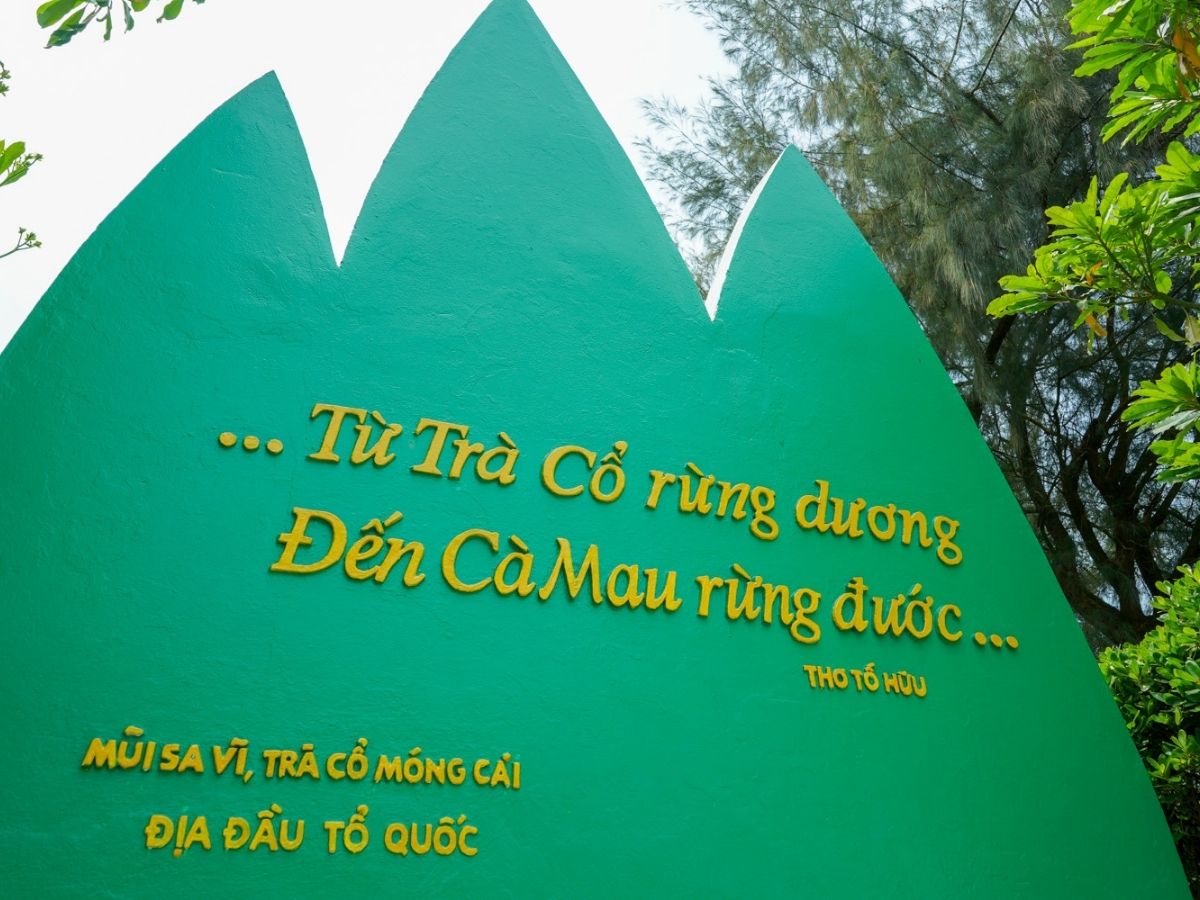
Image of three pine trees reaching straight up to the sky, with a famous poem by poet To Huu inscribed above. (Source: Collected)
1.4. Symbol of the Fatherland's Frontier
Cape Sa Vi is not just a tourist spot but also a place of immense spiritual significance for every Vietnamese. Coming here, you will deeply feel the connection to the nation's sovereignty, and more clearly hear the surging waves of your homeland.
The symbolic value at Cape Sa Vi comes not only from its geography but also from the spiritual experience of standing by the milestone, gazing out at the vast sea, and fully feeling the nation's spirit through each sea breeze. This is also a tranquil space for education, igniting the historical and cultural traditions for the younger generation.
Every year, many meaningful festivals and cultural events are held here, making Cape Sa Vi a reunion point. This is a place to share pride in origins and preserve cultural values cultivated over thousands of years.
3.3. Tourist and Entertainment Activities
Cape Sa Vi offers visitors a range of fun experiences suitable for all ages: from participating in folk games like tug-of-war, throwing balls, and wrestling in the square to exploring the local cultural life, which is incredibly attractive.
The tandem bicycle rental service to cycle along the white sand dunes of Tra Co beach is very popular, an ideal choice for families, groups of friends, or couples who want to relax by the sea in the fresh air.
Another interesting point is the 5D cinema experience right in the square, vividly and engagingly recreating Vietnamese history and culture.
In addition, the sea and sky scenery at Cape Sa Vi is ideal for chilling, taking photos, and capturing memorable moments against the backdrop of the beautiful 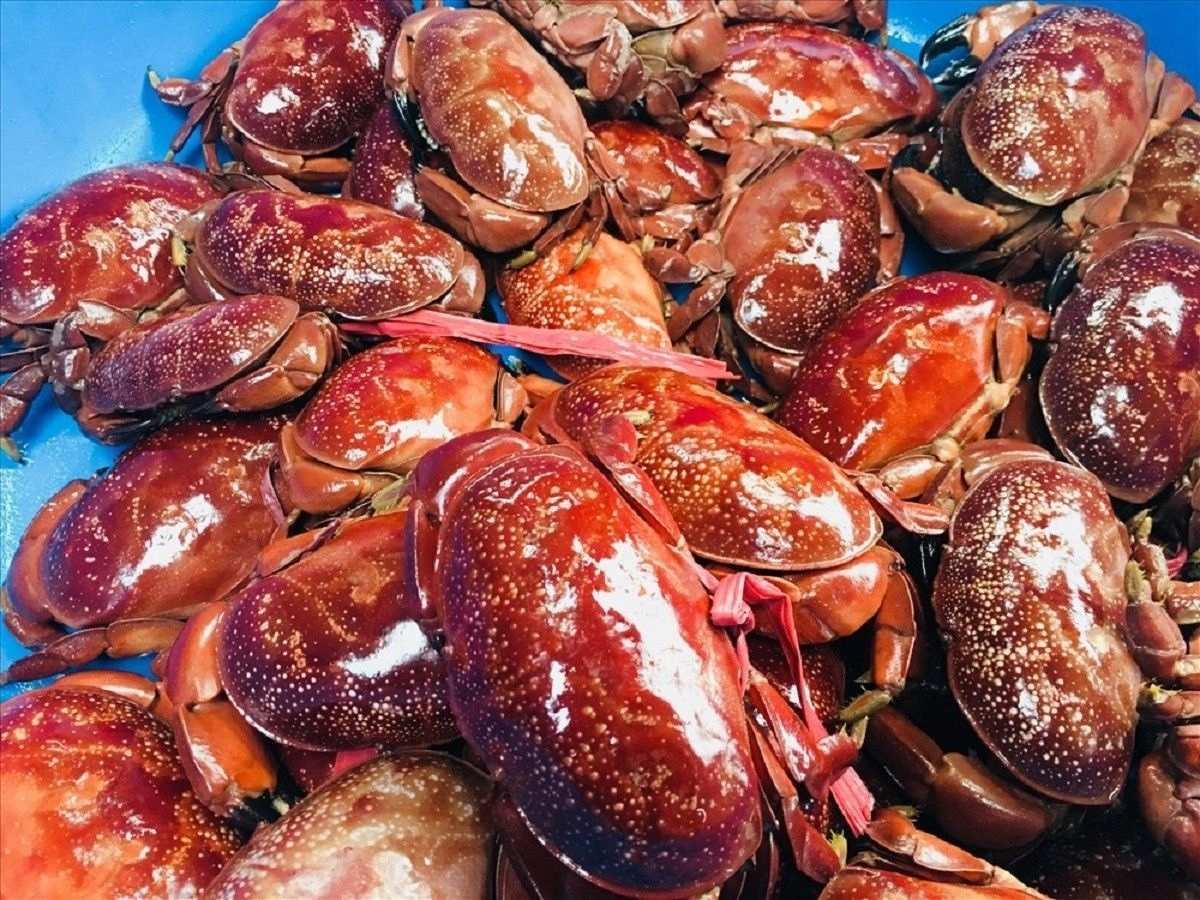
Cù kỳ is a type of crab characteristic of the Quảng Ninh sea region, with large claws and rich, sweet meat. (Source: Collected)
4.3. Suggested 1-Day Itinerary for Visiting Trà Cổ - Sa Vĩ Cape
Morning
06:30 – 07:00: Depart from Móng Cái center (about 12 km from Trà Cổ). On the way, you can admire the scenery of fishing villages, salt fields, and cool green casuarina rows along the coast.
07:30 – 09:00: Arrive at Sa Vĩ Cape, the northeasternmost point of Vietnam where "the stroke of the Fatherland's map begins". Take check-in photos next to the symbolic bas-relief of three pine trees. Stroll along the coast, breathe in the fresh air, and feel the wild beauty of the borderland. 09:00 – 10:00: If time permits, visit the area near the border observation post to admire the panoramic view of the sea and distant islands.
Noon:
11:00 – 12:30: Have lunch at a local restaurant in Trà Cổ, enjoying specialties such as: stir-fried Sá sùng with garlic, steamed crab with beer, grilled squid with charcoal, and fresh steamed fish cakes and fish. 12:30 – 13:30: Relax at a beachfront cafe or a nearby hotel.
Afternoon
13:30 – 15:00: Stroll and swim at Trà Cổ Beach, Vietnam's longest beach with fine white sand and clear blue water. 15:00 – 16:00: Visit Trà Cổ Church, a structure over 100 years old with ancient European architecture in a peaceful setting. 16:00 – 17:30: Move to Bãi Đá Đen (Black Stone Beach), which has a wild natural landscape with interesting stacked black rocks. This is also an ideal spot to watch the sunset and take souvenir photos.
Evening: 17:30 – 18:30: Have dinner by the sea or in Móng Cái center.
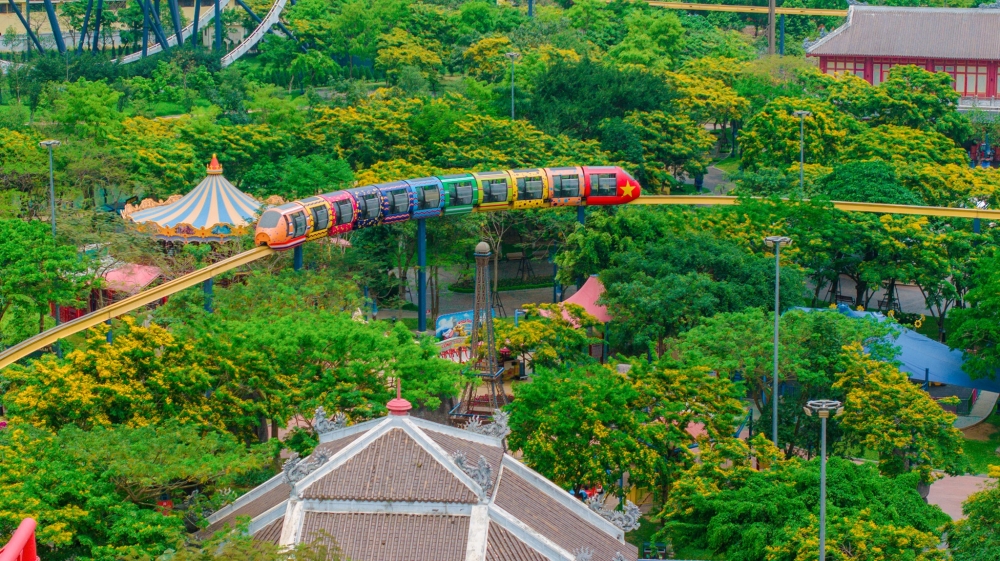
If you have an extra half or full day, you can combine a visit to Sun World Ha Long on your way back. Traveling from Móng Cái to Hạ Long takes about 2 – 2.5 hours. Visitors will have the opportunity to experience the Queen Cable Car and the Sun Wheel to admire the panoramic view of Hạ Long Bay from above. Additionally, you can try thrilling games at Dragon Park, or relax in the cool water of Typhoon Water Park (if visiting in summer).

If you have an extra half-day or a full day, you can combine a visit to Sun World Ha Long on your way back. (Source: Collected)
5. Things to know when traveling to Mui Sa Vi
5.1. Notes on culture and border security
Mui Sa Vi is a border area, so you must bring valid personal identification (Citizen ID/passport, children need birth certificates or to be listed on a household registration book) when moving through checkpoints. Present them when requested for easy processing.
When visiting, strictly adhere to national defense and security regulations. Absolutely do not take photos in areas with prohibition signs, military installations, or border guard stations to avoid legal violations.
Along with that, always maintain cleanliness, do not litter, do not touch the casuarina forest ecosystem, limit seafood exploitation, and respect nature. Each guest contributes to preserving the pristine beauty of the nation's northernmost point.
5.2. Notes on attire and personal preparation
Suitable attire for traveling to Mui Sa Vi includes light, breathable clothing, mainly cotton or sports fabric, paired with non-slip sandals/slippers for easy movement on sand and by the sea.
Bring a light jacket to protect against the sea breeze in the early morning or late afternoon.
Personal items to prepare include: SPF 30+ sunscreen, a wide-brimmed hat, sunglasses, a personal water bottle, etc.
Don't forget to bring basic medicine, bandages, and some small cash for use when needed.
Thorough preparation will help your exploration of Mui Sa Vi be comfortable, safe, and memorable.
Mui Sa Vi is where the majestic natural beauty converges with the sacred historical and cultural values of the nation. A trip to the country's northernmost point will surely bring you unforgettable experiences, fostering pride in the "first stroke on the S-shaped map." Plan your trip today to fully enjoy this special beauty!