




1. General Introduction
Sapa - the land of mist where majestic nature and the unique cultures of the Hmong, Dao, and Tay ethnic groups converge, has long been known as one of the rich culinary treasures of the Northwest region. Each dish here is not merely a gift to be savored, but also a story about the way of life, festivals, and the simple affection of the mountain people. Thanks to fresh local ingredients and skillful preparation, Sapa's cuisine carries the breath of the mountains and leaves an unforgettable aftertaste in the hearts of visitors.
Among the myriad of attractive dishes in this land, sticky rice cake with grilled pork sausage sandwich is a simple yet always special choice. The combination of chewy, fragrant sticky rice cakes with savory grilled pork sausage, eaten hot in the cool air, makes the dish more captivating than ever. This cake has gradually become a familiar sight every morning or when night falls in the mountain town.
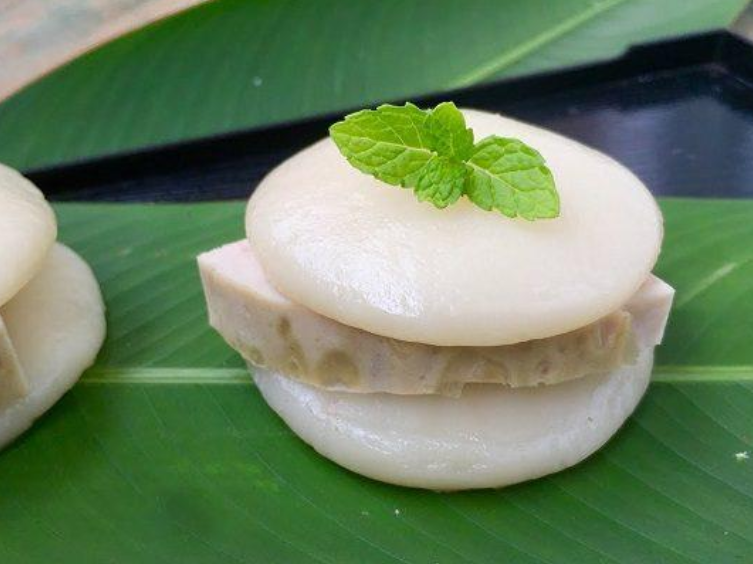
Chewy and fragrant sticky rice cake with a fragrant and savory piece of meat patty. (Source: Collected)
Sa Pa sticky rice cake with meat patty leaves a mark in the hearts of diners thanks to the chewy and fragrant highland sticky rice, the soft and rich meat patty, harmonized in every hot bite. Moreover, this small, convenient cake is easy to carry and enjoy anytime, suitable as a light breakfast or a snack to "fill the stomach" when strolling and exploring the small streets of Sa Pa.
2. Origin and meaning of the Sa Pa sticky rice cake with meat patty
Looking back at the origin, Banh Giay (Banh Pau Plau) is a dish associated with the tradition of the H'Mong people in Sa Pa. Initially, this cake was only used during festivals, Tet (Lunar New Year), and weddings, serving as offerings to deities and ancestors. This is a cake that expresses gratitude, praying for an abundant harvest, a happy and prosperous family of the mountain people.
Over time, the traditional Banh Giay has been further innovated by being paired with local pork patty or shredded meat, to meet the tastes of various people. Sa Pa sticky rice cake with meat patty appeared with the purpose of adding nutritional value, quickly becoming a popular street food from locals to tourists. This transformation both preserves the old charm and harmonizes with modern life.
The image of the pure white, soft, and chewy Banh Giay, but requiring much effort, is representative of the simplicity and kindness of the Sa Pa people. Each cake conveys warmth and sharing in the chilly weather, helping tourists feel the hospitality and warmth of the highlanders when enjoying this simple dish.
3. Characteristic flavor of the Sa Pa sticky rice cake with meat patty
The important ingredients that create the Sa Pa sticky rice cake with meat patty are highland sticky rice, local native pork patty, along with banana leaves used to wrap the cake. Highland sticky rice is grown on the terraced fields of Sa Pa, with round grains, a prominent aroma, and a distinct chewy texture compared to lowland sticky rice. The local pork patty uses meat from free-range pigs in the area, creating a natural, rich flavor that is hard to find elsewhere.
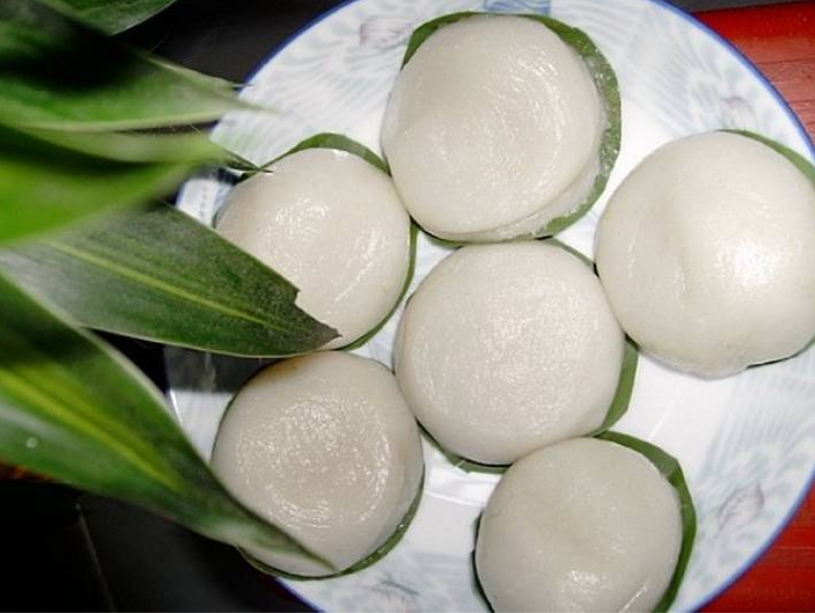
The important ingredient that makes banh giay kep cha Sa Pa is glutinous rice. (Source: Collected)
The cake-making process requires meticulousness and years of experience. Glutinous rice is soaked thoroughly, steamed until cooked, then pounded with a pestle until it reaches a chewy, smooth, and shiny consistency. The pounding process requires not only strength but also dexterity to make the cake chewy enough without sticking to the hands. Local pork sausage is sliced into fitting pieces, placed between two freshly pounded hot banh giay cakes, then wrapped in banana leaves to retain warmth and the aroma of the leaves.
What makes the appeal of banh giay kep cha Sa Pa is enjoying it while it's piping hot. The chewy and fragrant banh giay blends with the rich, slightly peppery taste of the sausage, allowing diners to clearly feel the warmth in the cold weather. The aroma of glutinous rice combined with the smell of sausage creates a unique culinary experience for the Tay Bac region, making everyone want to try it once when visiting Sa Pa.
4. The best places to enjoy banh giay kep cha in Sa Pa
When visiting Sa Pa market, tourists can enjoy banh giay kep cha Sa Pa at many small stalls inside and around the market. The stalls always steam the cakes fresh on the spot, serving customers all day. The area around Nha tho da Sa Pa also has many street vendors and small eateries at the foot of the church, where freshly made banh giay kep cha cakes emit an attractive warmth.
On routes like Cau May or streets near the center, in the early morning and late evening, many stalls selling banh giay kep cha appear. The cakes are steamed directly on-site, spreading a rich aroma, and cost only from 5,000 to 10,000 VND per piece. Thanks to the reasonable price, tourists can enjoy them immediately or easily buy more to take home as gifts for relatives.
The ideal time to enjoy banh giay kep cha Sa Pa is early in the day or when night falls, when the cake is still chewy, sweet, hot, and at its most fragrant. This is also when Sa Pa's weather is cold, making the dish even more appealing, warming the hearts of diners, and leaving unforgettable flavors on their journey exploring this land.
5. Suggestions for combining Sa Pa culinary experiences
Besides banh giay kep cha Sa Pa , tourists should not forget to explore other specialties to fully experience the highland flavors. Additionally, there is com lam cooked with gao nep nuong in bamboo tubes, served with muoi vung or lac rang, offering a fragrant, nutty, chewy, and sweet taste.
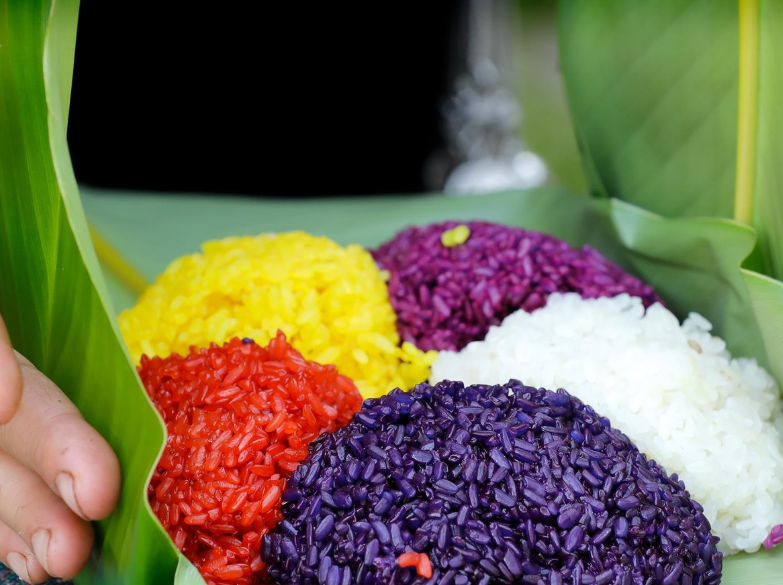
Colorful sticky rice with vibrant natural colors from various leaves. (Source: Collected)
Dishes like grilled eggs and skewered meat, grilled over glowing charcoal stoves, are also attractive choices on cold days. The aroma from the grilled dishes spreading in the cool air makes diners even more eager. Colorful sticky rice with vibrant natural colors from various leaves and forest roots is not only eye-catching but also delicious, showcasing the creativity and skill of the local ethnic people.
When combined with enjoying these dishes along with banh day stuffed with Sa Pa sausage, visitors will experience the diversity and richness of the Northwestern culinary culture. Each dish holds stories, the beauty of nature, and the long-standing traditions of the local people.
After the culinary exploration journey, visitors can combine the experience at Sun World Fansipan Legend with a cable car ride to the Fansipan peak, visiting the cultural-spiritual complex, or admiring Muong Hoa Valley from an altitude of 3,000 m. The experiences here will make the Sa Pa trip more complete, harmoniously combining the exploration of local flavors with admiring the majestic beauty of the "roof of Indochina".
Banh day stuffed with Sa Pa sausage is not just a characteristic snack but also a symbol of the soul of the highland cuisine. Sitting by a small vendor's stall, enjoying the cake in the chilly weather, listening to the crackling charcoal, and feeling the chewy, fragrant taste combined with the hospitality of the vendor, will surely be an experience that leaves a deep impression on every visitor coming to Sa Pa.


