




1. Introduction to Banh Gai Tu Tru
Banh Gai Tu Tru is the pride of Thanh Hoa cuisine, originating from Thinh My village (formerly known as Mia village), Xuan Hoa commune. The specialty of this cake lies in its glossy black crust, made from gai leaves combined with a rich green bean filling, fresh coconut, and traditional spices. The aroma of gai leaves blends with the chewiness of yellow flower sticky rice, making Banh Gai Tu Tru a beloved royal gift for centuries.
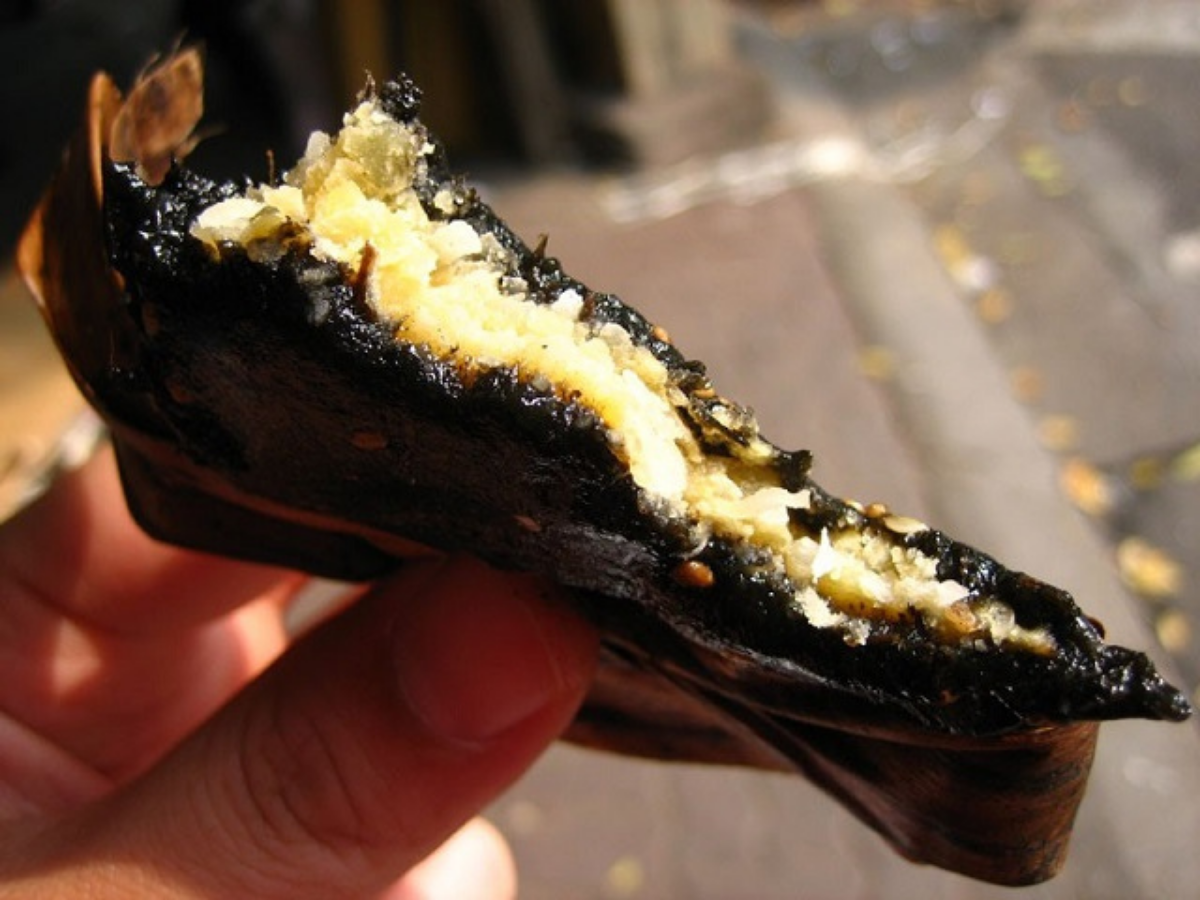
Tu Tru Thorn Cake is the pride of Thanh region's cuisine. (Source: Collected)
Not just a dish, Tu Tru Thorn Cake has become an indispensable part of the cultural life of Thanh Hoa people. Whether it's Tet holidays, weddings, or death anniversaries, Tu Tru Thorn Cake always appears on the feast tray, symbolizing reverence and connecting emotions across generations. Many families also choose this cake as a solemn gift, conveying a desire to preserve community solidarity.
2. History of Origin and Provenance of Tu Tru Thorn Cake
2.1. Origin
Thinh My village, formerly called Mia village, belonging to Xuan Hoa commune, Thanh Hoa province, is located along the poetic Chu river and near the famous Lam Kinh historical site. This land is favored by nature with a mild climate and fertile soil, conducive to growing ramie, glutinous rice, and green beans. Thanks to these conditions, the craft of making Tu Tru Thorn Cake has continuously developed for over 600 years.
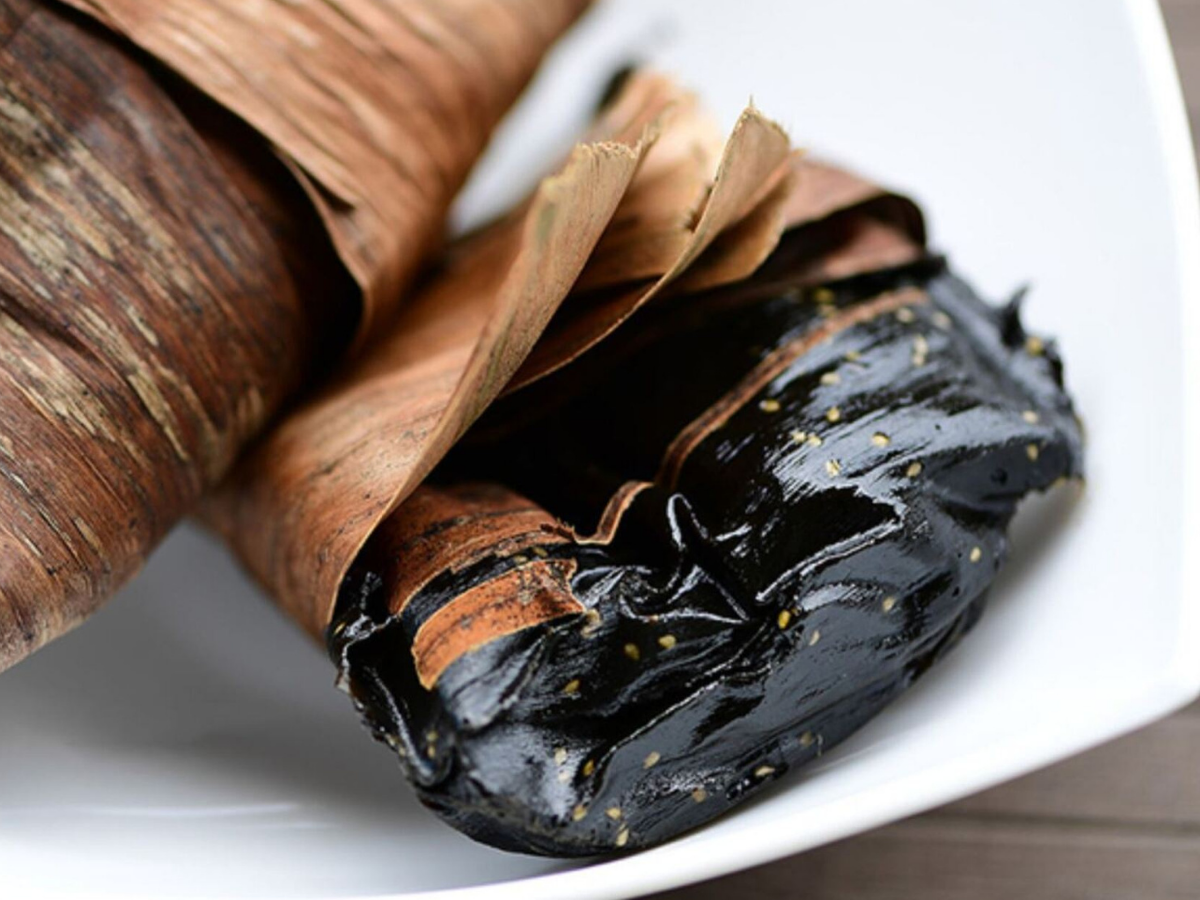
Tu Tru Ramie Cake originated from Thinh My village. (Source: Collected)
By the 1940s, the name "Tu Tru Ramie Cake" appeared clearly when artisans brought the cake to sell in the Tu Tru quarter, establishing its reputation throughout the region.
2.2. A 600-Year Journey: Tu Tru Ramie Cake Through Historical Vicissitudes
In the 15th century, Tu Tru Ramie Cake held a solemn position, reserved for royalty and important community occasions. By the 20th century, with the development and changes in society, the craft of making Tu Tru Ramie Cake gradually became popular, appearing in daily life.
In recent years, Tu Tru Ramie Cake has become the main product of the craft village, with hundreds of households participating. 2020 marked a memorable milestone when the craft village was recognized as a provincial-level tourist destination, creating conditions for Tu Tru Ramie Cake as well as Thanh Hoa cuisine to spread far and wide to many regions and internationally.
3. Salient Features of Tu Tru Ramie Cake
3.1. Chewy, Fragrant, and Uniquely Glossy Black Wrapper
The process of creating the wrapper for Tu Tru Ramie Cake is one of the key secrets that make this cake unique. Mature ramie leaves are carefully selected, boiled to just the right point, then pounded finely to retain their aroma and remove the fibrous part. The ramie leaves are then mixed with premium glutinous rice flour and pure sugarcane molasses, creating a soft, chewy, smooth, and glossy wrapper, subtly fragrant with ramie and the delicate sweet taste of sugarcane molasses.
3.2. Nutty and Rich Filling: A Blend of Mung Beans, Coconut, and Dried Meat Floss
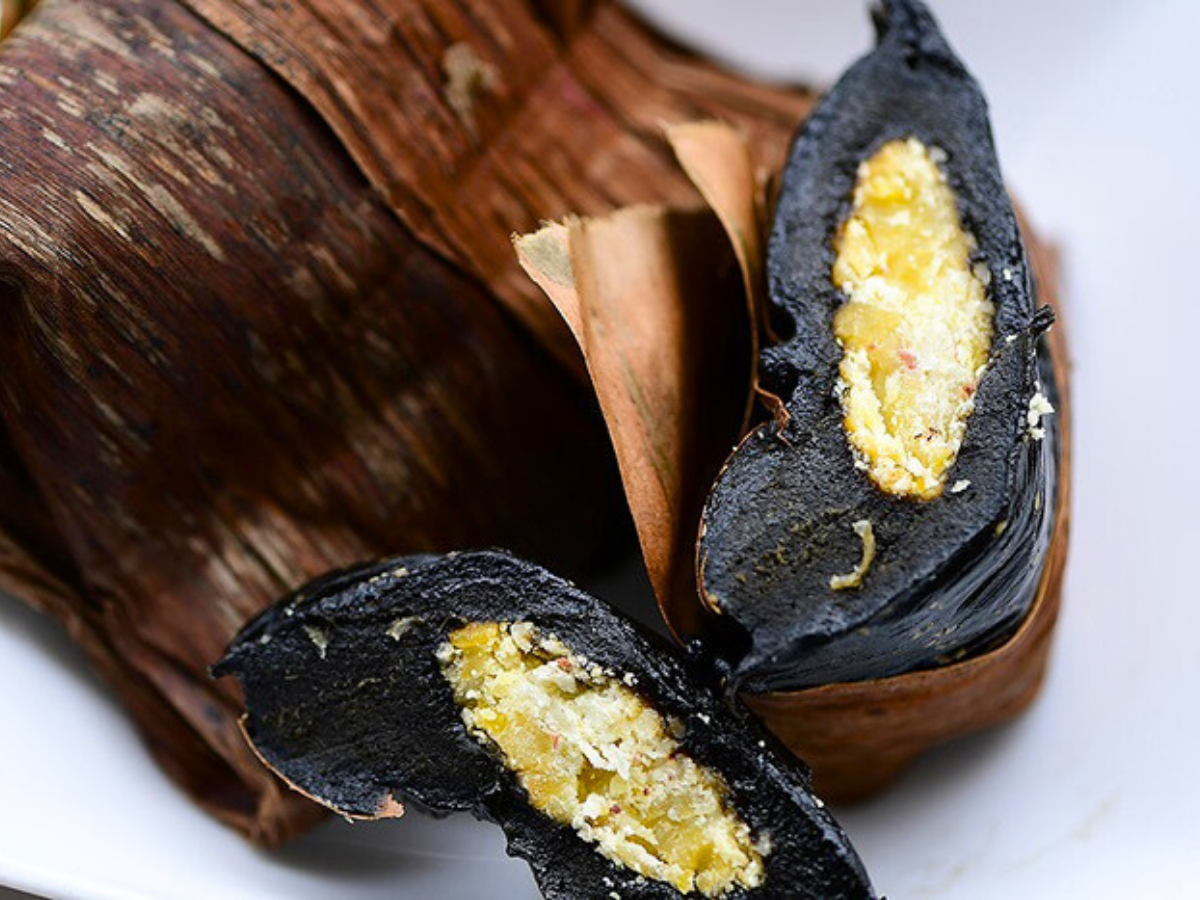
The filling of Tu Tru Gai cake is made from steamed mung beans, mashed and mixed with fresh grated coconut. (Source: Collected)
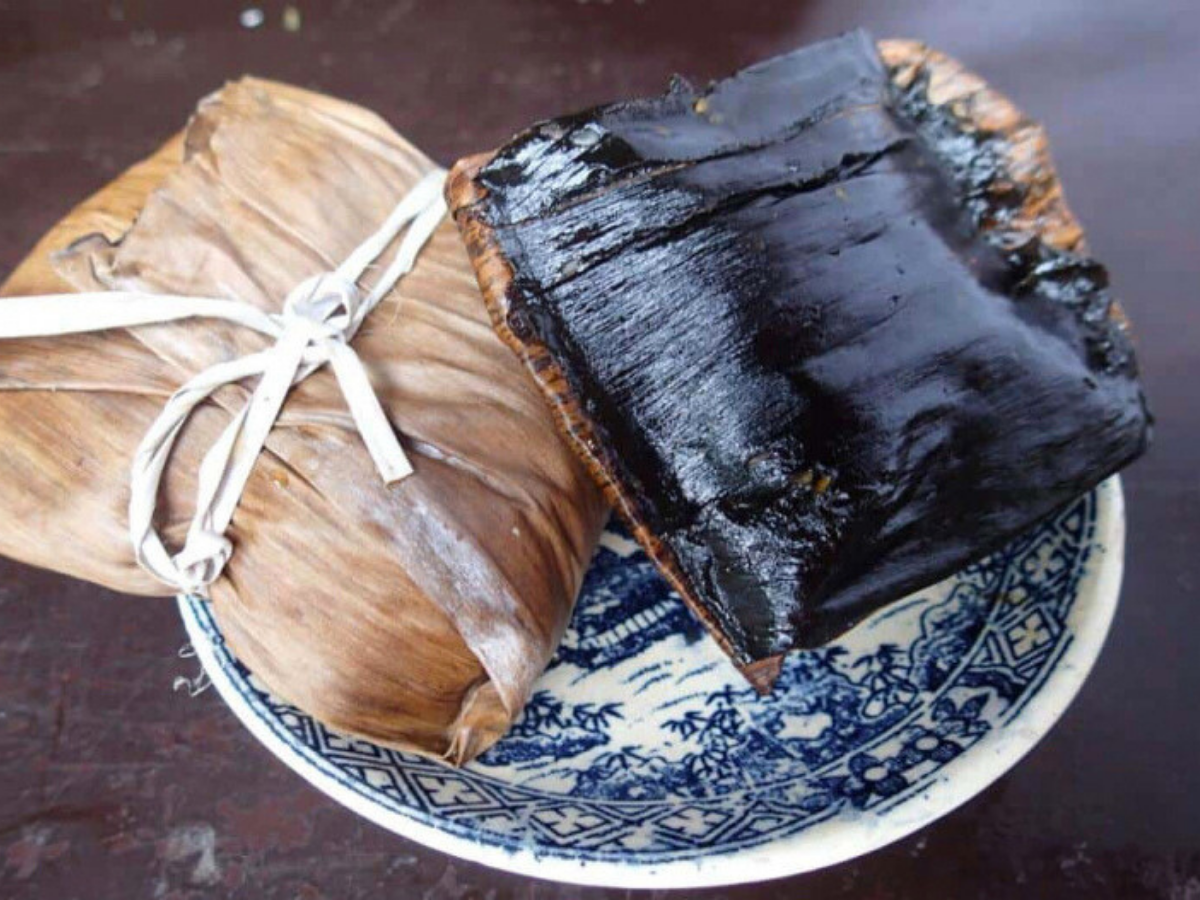
The cake is wrapped in dried banana leaves, tied with Giang reeds, looking both sturdy and traditional (Source: Suu tam)
When wrapping the cake, the artisan skillfully rolls the dough into balls, places the filling in the middle, then wraps it tightly to form a square shape. The cake is wrapped in dried banana leaves, tied with Giang reeds, looking both sturdy and traditional. Finally, the cake is steamed until cooked, with a smooth, glossy crust and a rich, fragrant filling.
4.3. Differences between traditional and modern Tu Tru banh gai
Nowadays, some production stages of Tu Tru banh gai are supported by la gai grinding machines and dough mixers, helping the finished product be smoother and ensure food safety. The wrapping and preservation process has been improved for long-term storage and long-distance transportation. However, many artisans still preserve the traditional stages, especially in shaping and wrapping the cake, which helps the flavor of Tu Tru banh gai retain its unique character, making it difficult to mix with industrial products.
5. Cultural value and brand of Tu Tru banh gai
5.1. Tu Tru banh gai is a specialty offered to kings, a luxurious gift from Thanh Hoa land
Tu Tru banh gai plays an important role in the spiritual life of Thanh Hoa people, appearing in festivals, anniversaries, worship ceremonies, and weddings with the meaning of offering respect to ancestors and wishing the family prosperity. Major festivals such as Lam Kinh and Tran Temple also cannot lack this type of cake.
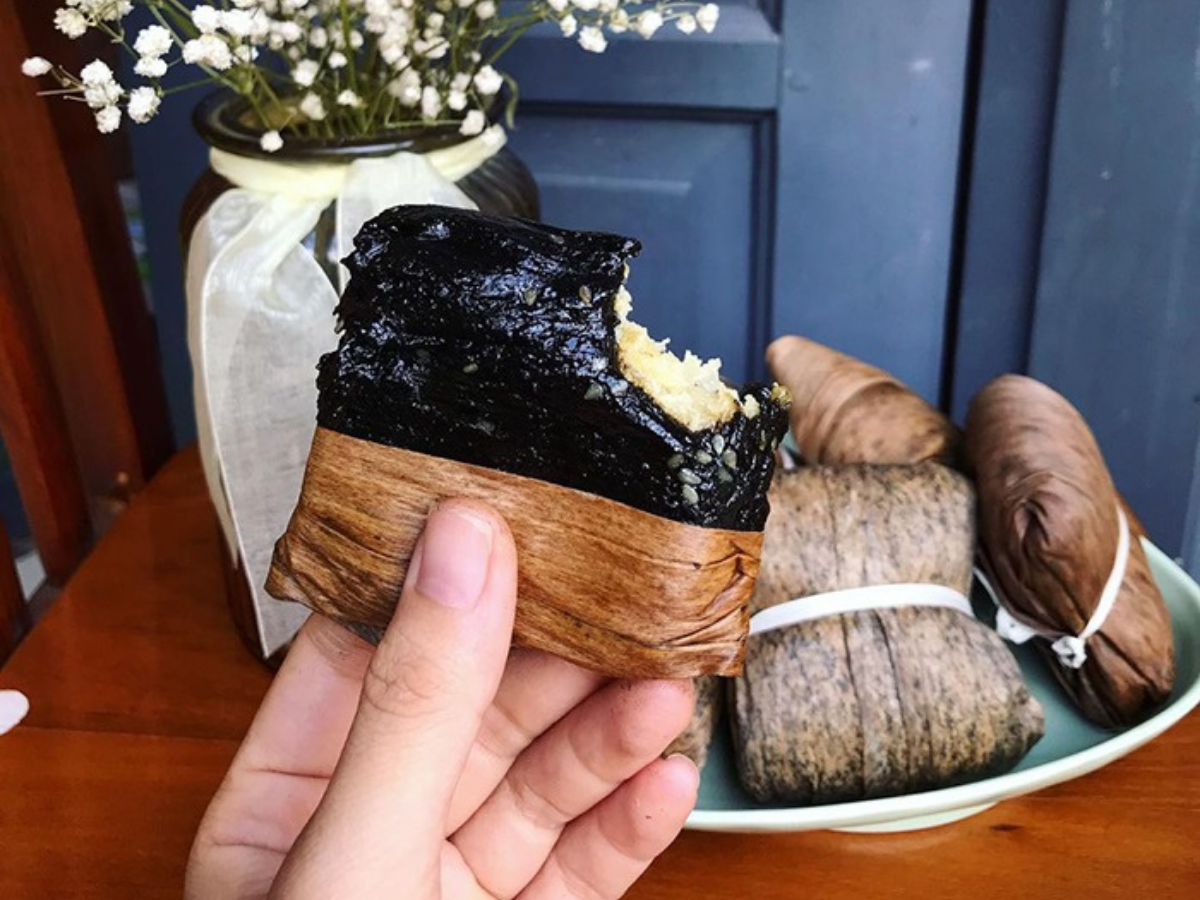
Tu Tru Leaf Cake appears during festivals, anniversaries, worship ceremonies, and weddings, symbolizing offering respect to ancestors and wishing family prosperity. (Source: Collected)
The habit of choosing Tu Tru Leaf Cake as a luxurious gift is still strongly promoted within the Thanh Hoa community. This cake conveys good wishes and strengthens the bond of affection between friends and relatives across generations.
5.2. Preserving and Developing the Tu Tru Leaf Cake Craft
Currently, the Tu Tru Leaf Cake village craft comprises hundreds of households making cakes, from small to large scale. Many establishments have achieved OCOP 3-star and 4-star standards and participate in many fairs and exhibitions to promote products both domestically and internationally. Artisans here always receive attention and support to pass down their craft to the younger generation, ensuring long-term development.
Besides that, the preservation role of Tho Xuan village is demonstrated through activities like preserving recipes, recording traditions, and building a craft village museum. The local government focuses on developing community tourism, creating opportunities for tourists to directly experience the cake-making process and learn deeply about the culinary values of Thanh Hoa.
6. Experience in Choosing and Enjoying Delicious Tu Tru Leaf Cake
6.1. How to Identify "Authentic" Tu Tru Leaf Cake
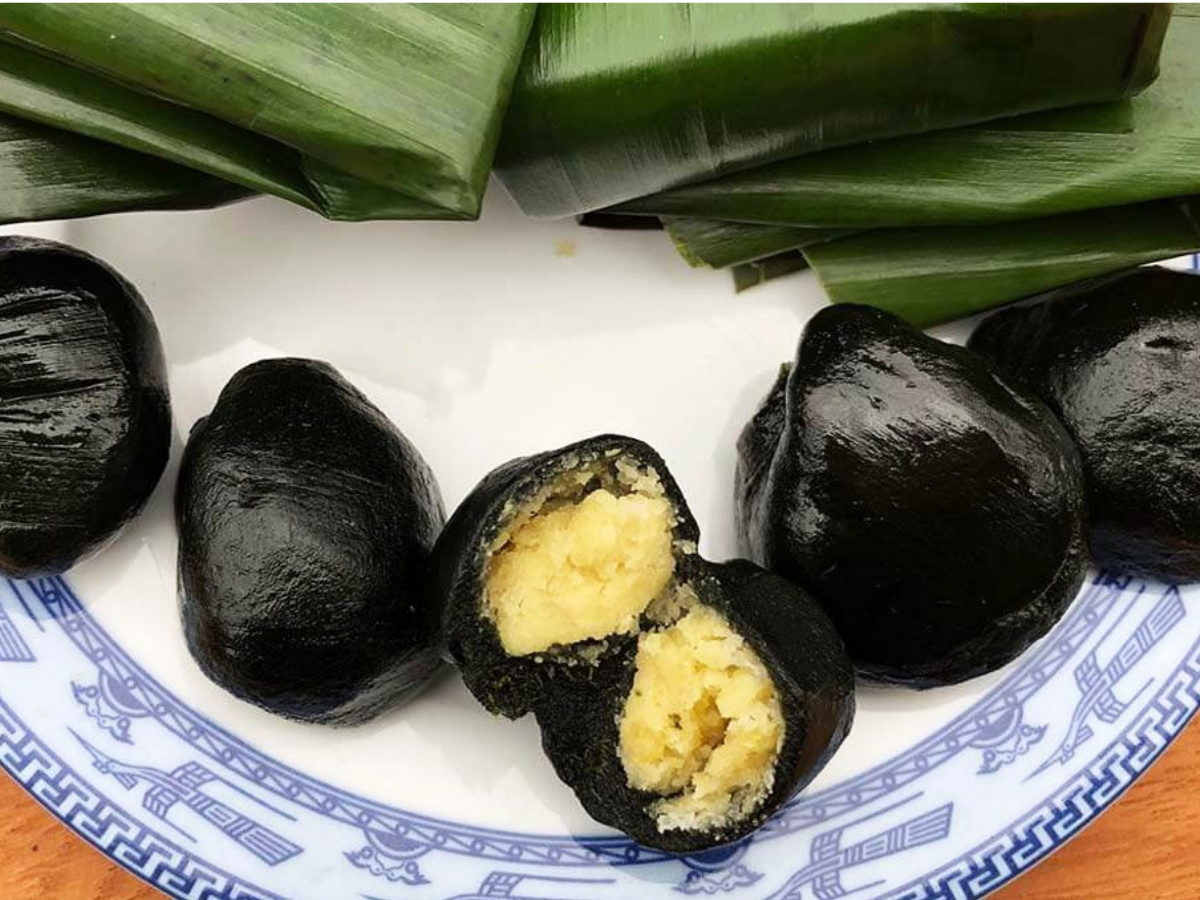
A quality Tu Tru ban gai cake needs a naturally glossy black outer shell. (Source: Collected)
A quality Tu Tru ban gai cake needs a naturally glossy black outer shell, without any white spots or strange signs. It should feel soft and chewy, not dry or too mushy. The cake clearly emits the aroma of gai leaves, combined with the gentle scent of sugarcane honey and banana leaves. The standard filling has an even yellow color, rich with the smell of banana oil, fresh coconut, and absolutely no strange green color, or signs of dryness, staleness, or spoilage.
6.2. Suggestions for reputable places to buy Tu Tru ban gai cake
To fully enjoy the flavor of Tu Tru ban gai cake, it is recommended to buy it from the traditional craft village of Thinh My, Xuan Hoa commune, Thanh Hoa, the place of origin that preserves the traditional method. In Thanh Hoa, some shops on Phan Chu Trinh and Tran Phu streets distribute authentic products from the craft village.
Customers in Hanoi and Ho Chi Minh City can find Tu Tru ban gai cake at major supermarkets or order through reliable online stores on the e-commerce platform of Tho Dien village, ensuring quality and home delivery.
6.3. Preserving and enjoying Tu Tru ban gai cake to its fullest
Tu Tru ban gai cake is best enjoyed in the first few days after making, kept in a cool, dry place, away from direct sunlight. If you want to keep it longer, it can be stored in the refrigerator for 5 to 7 days, and the cake will remain chewy and delicious.
When you want to use a refrigerated cake, it should be steamed again or heated in a microwave at medium power, and the cake will return to its soft, chewy texture as when it was freshly made. To enjoy the traditional flavor to the fullest, eat the cake while it is still warm with a cup of fragrant hot tea.
7. Combining the Tu Tru ban gai cake experience with tourism in Thanh Hoa
7.1. Suggested itinerary for exploring the Tu Tru ban gai cake craft village, Tho Xuan
A trip to explore Tu Tru ban gai cake in Thinh My village promises many interesting culinary cultural experiences. In the morning, visitors can tour production facilities, witnessing artisans perform the stages: preparing ingredients, kneading dough, shaping, and wrapping the cakes. Trying to make the cake yourself is also a highlight of the trip.

Tourists can visit the Sun World Sam Son tourist area to experience exciting games.
In the afternoon, the itinerary can continue with a journey to visit Lam Kinh historical site, learn about the royal architecture of the Le dynasty and heroic historical events. If there is still time, you can visit the Sun World Sam Son tourist area to experience exciting games and admire the Thanh Hoa natural scenery from above.
7.2. Thanh Hoa specialties to try with Tu Tru Gai Cake
To have a full specialty meal, besides Tu Tru Gai Cake you should try Thanh Hoa fermented pork roll with its distinct sweet and sour taste, very harmonious with the cake's flavor. Ha Yen fermented shrimp paste, Phu Quang Che Lam are also choices not to be missed to enrich your culinary journey.
Besides that, rang bua cake, hot duc cake, or shrimp and meat rolled cake are street foods that attract tourists. Ideal places to enjoy these specialties are eateries on Phan Chu Trinh street, Ham Long market, Tho Xuan ancient town will surely give you an unforgettable impressive meal.
Tu Tru Gai Cake is not only a long-standing delicacy but also a symbol of culture, demonstrating the spirit of solidarity, creativity, and the culinary talent of the people of Thanh Hoa. Over 600 years, the cake has become a sophisticated cultural bridge, bringing the image of Vietnamese cuisine far and wide and making every Vietnamese proud. Come to the craft village to enjoy Tu Tru Gai Cake and spread this valuable traditional value to the community of food lovers!


