



1. Overview of the Mieu Ba Ngu Hanh Festival and its special attraction
The Mieu Ba Ngu Hanh Festival is a prominent traditional folk festival, rich in spiritual cultural values for the people of the coastal city of Vung Tau. Held annually on the 16th, 17th, and 18th days of the 10th lunar month at the Dinh Than – Mieu Ba Ngu Hanh relic site, located in Thang Tam Ward, Vung Tau City, the festival not only attracts a large number of local residents but also serves as an attractive destination for visitors from everywhere to offer incense, pray, and experience traditional rituals.
The festival originates from the belief in worshipping the Five Elements (Ngu Hanh) – worshipping five goddesses symbolizing metal, wood, water, fire, and earth according to Eastern philosophy, and was built in 1832 by local fishermen. Over more than a century of existence, the festival has been honored and conferred titles by King Thieu Tri and King Tu Duc, affirming its important position in the spiritual life of the residents of this coastal land.
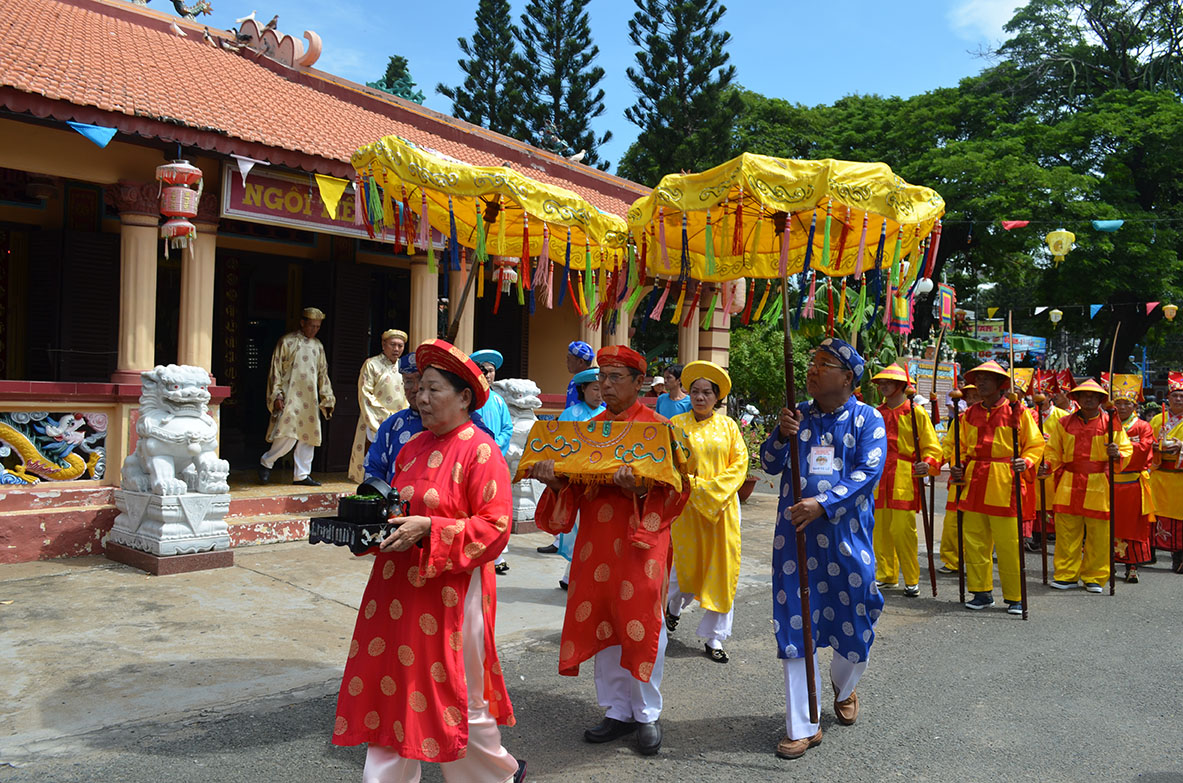
The Festival of the Temple of the Five Elements Goddess (Mieu Ba Ngu Hanh) is a spiritual and traditional cultural beauty of the people of Vung Tau (Source: Collected)
The special attraction of the Festival of the Temple of the Five Elements Goddess (Mieu Ba Ngu Hanh) lies in the harmonious combination of solemn spiritual rituals and rich traditional cultural activities. Tourists not only have the opportunity to witness unique worship rituals such as the Nghinh Ba ceremony – the ritual of carrying the palanquin from Hon Ba Temple (Mieu Hon Ba) to Ngu Hanh Temple (Mieu Ngu Hanh) entirely by land, the ceremony commemorating ancestors – but also enjoy special folk art performances such as traditional opera, Bong Roi dance, and dances with golden and silver trays offered to the Goddess.
New highlights such as the festival space flexibly organized along the natural flow of the beach – where the stone path appears when the tide recedes, creating an emotional pilgrimage journey – along with unique cultural interaction and sea tourism experiences have contributed to making the Festival of the Temple of the Five Elements Goddess (Mieu Ba Ngu Hanh) not only a traditional spiritual event but also an attractive destination in the journey to explore Vung Tau for domestic and international tourists.
2. History and origin of the Temple of the Five Elements Goddess (Mieu Ba Ngu Hanh)
2.1. Formation and development process of the Temple of the Five Elements Goddess (Mieu Ba Ngu Hanh)
The Temple of the Five Elements Goddess (Mieu Ba Ngu Hanh) was built in 1832, serving as a place to worship goddesses representing the Five Elements: Metal, Wood, Water, Fire, Earth – symbols for the basic elements in the universe according to Eastern beliefs. Initially, the temple was established by local fishermen to pray for peace, favorable weather, and protection for their traditional fishing occupations.
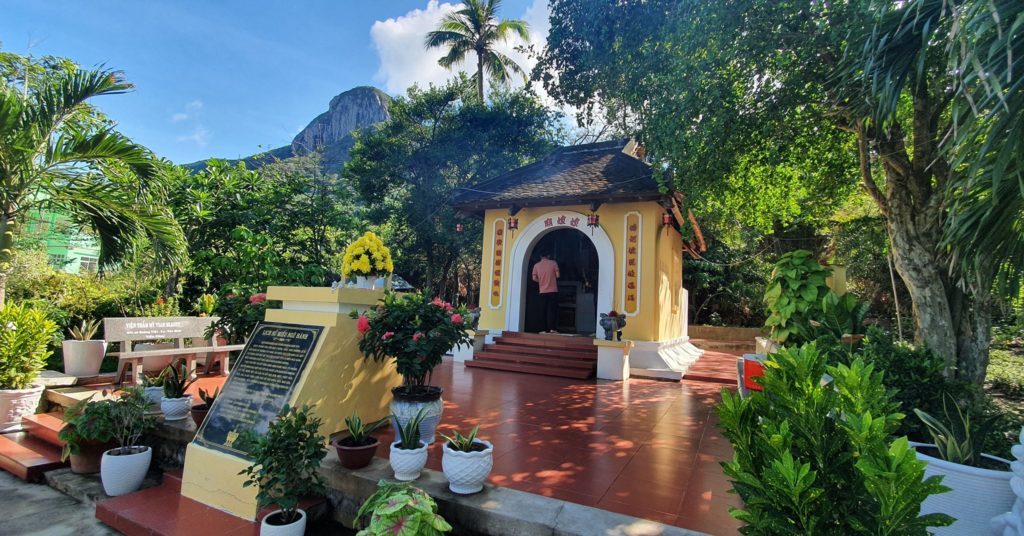
Temple of the Five Elements Goddesses (Mieu Ba Ngu Hanh) symbolizes the worship of goddesses (Source: Collection)
Over the years, the Temple of the Five Elements Goddesses (Mieu Ba Ngu Hanh) has not only been a place of worship but also received attention from the Nguyen Dynasty. The temple was granted important royal decrees from King Thieu Tri and King Tu Duc, affirming the temple's spiritual position in community life and the prestige of the worshipped goddesses. This attention also helped the Temple be preserved and developed, becoming a long-standing center for cultural and spiritual activities of Vung Tau City.
2.2. Spiritual and Cultural Significance of the Temple of the Five Elements Goddesses (Mieu Ba Ngu Hanh)
In the lives of Vung Tau's fishermen and farmers, the Five Elements goddesses are seen as protectors against natural disasters, protecting harvests and ensuring favorable seafood catches. The worship of these goddesses is not just a spiritual belief but also a way for the community to express its connection with nature and the universe, while preserving long-standing cultural traditions.
The Temple of the Five Elements Goddesses Festival (Mieu Ba Ngu Hanh Festival) annually is an occasion for people to express gratitude, pray for peace for their families, and remind younger generations of the value of the tradition "when drinking water, remember its source" (gratitude). The palanquin processions, incense offerings, and folk cultural activities all reflect the close connection between spiritual life and community activities, making the festival an indispensable part of Vung Tau's culture.
3. Time and Location of the Temple of the Five Elements Goddesses Festival (Mieu Ba Ngu Hanh Festival) Organization
3.1. Festival Timeframe
The Temple of the Five Elements Goddesses Festival (Mieu Ba Ngu Hanh Festival) takes place annually from the 16th to the 18th day of the 10th lunar month, a special time that locals from Vung Tau and visitors from afar eagerly attend. During the three festival days, the main rituals are performed according to the traditional schedule, ensuring visitors can fully witness the important spiritual ceremonies. This is also an occasion for the community to show reverence, pray for peace and good fortune for families, harvests, and the fishing trade.
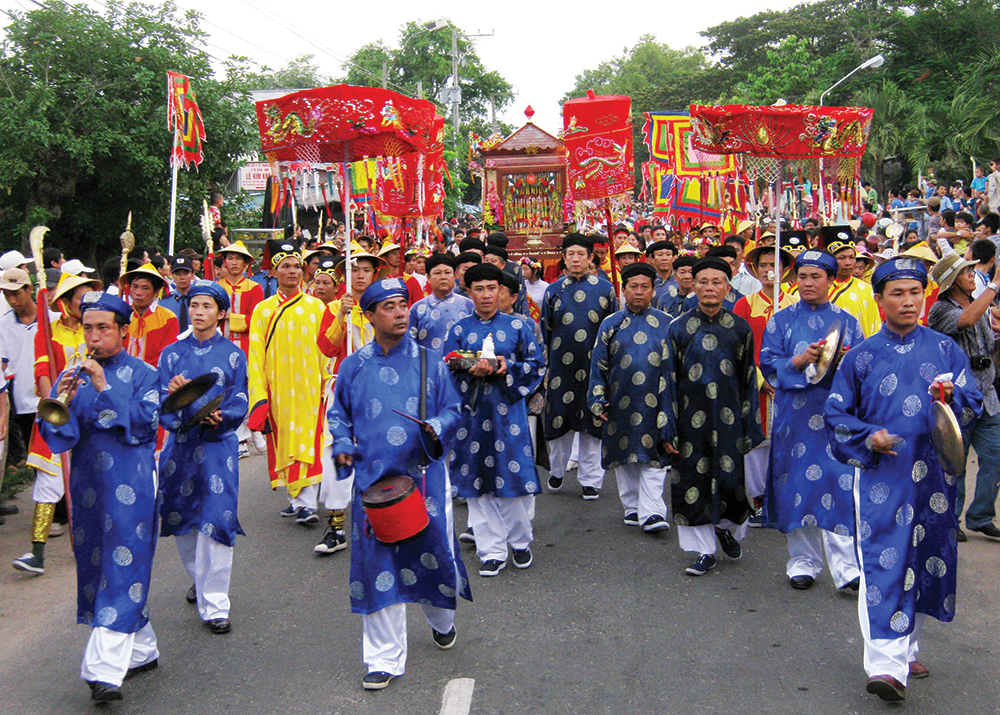
The festival takes place in the 10th lunar month every year (Source: Collected)
Some important time slots that visitors should not miss include: 6:00 AM on the 16th lunar day is the Nghinh Ba ceremony, followed by the ancestor worship ceremony for past and present benefactors, and at noon is the main ceremony to worship Ngu Hanh. The arrangement of rituals according to specific time slots not only ensures solemnity but also helps visitors fully experience the unique festival atmosphere.
3.2. Locations for the Main Rituals
The main rituals of the Ngu Hanh Temple Festival are held at locations with long-standing historical and cultural value in Vung Tau. The Ngu Hanh Temple, located within the Thang Tam Communal House historical site, is the center of the festival, where most of the ceremonies for worshipping the goddess, offering incense, and traditional cultural activities take place. The solemnity and sacred atmosphere here create an important highlight for the festival.
Additionally, Hon Ba Temple in Bai Sau is the starting point for the Nghinh Ba procession, creating a sacred journey from the sea to the main temple. The combination of these locations not only ensures spiritual value but also provides a complete cultural experience for visitors, from worship ceremonies and palanquin processions to folk art performances, helping everyone gain a deeper understanding of the beliefs and traditions of the Vung Tau land.
4. Festival Atmosphere and Sequence of Traditional Rituals
4.1. Festival Atmosphere in Vung Tau
When the Ngu Hanh Temple Festival takes place, the entire city of Vung Tau seems to be adorned with an atmosphere that is both bustling and sacred. From the early morning of the 10th lunar month, the sound of gongs and drums echoes vibrantly through the streets leading to the temple, signaling the official start of the festival. Local residents and visitors from all over gather, bringing offerings to the Goddess, from betel leaves and fruits to wine and tea, creating a lively yet deeply spiritual scene.
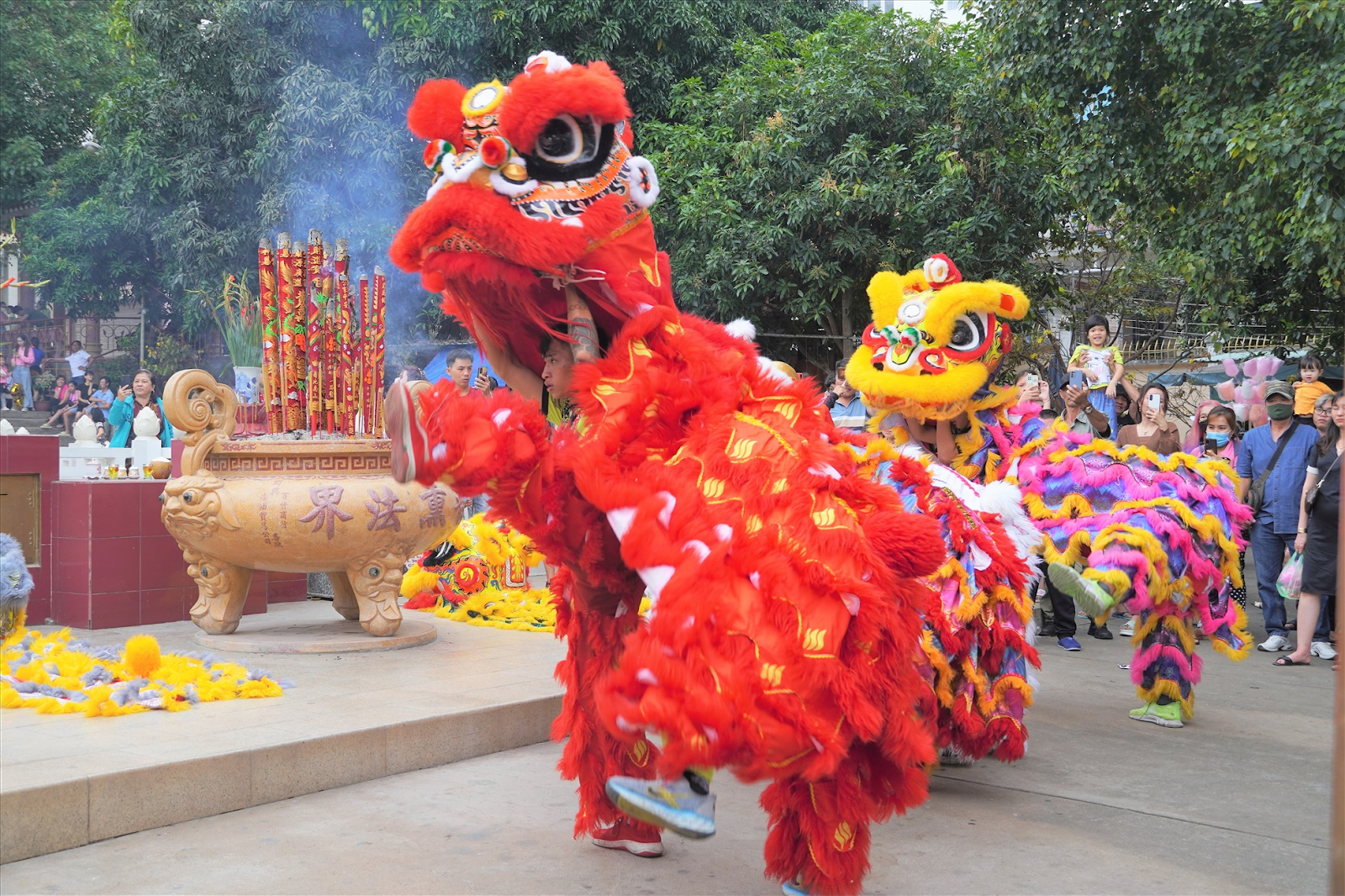
Lively atmosphere at the Festival of the Five Elements Temple (Miếu Bà Ngũ Hành) (Source: Collected)
The festive atmosphere is further enhanced by the fragrant incense smoke from the altars, the chanting of scriptures, and the traditional costumes of the ritual team. This feeling of sacredness and closeness makes visitors feel immersed in the long-standing cultural and spiritual life of Vũng Tàu, while also gaining a deeper understanding of the Five Elements belief in community life.
4.2. The Nghinh Bà Ceremony Ritual
The Nghinh Bà Ceremony is the most central and unique opening ritual of the festival. Around 6 AM, the procession, including the main celebrant, ritual disciples, and villagers, moves from Hòn Bà Temple (Miếu Hòn Bà) to the Five Elements Temple (Miếu Bà Ngũ Hành), passing through a stone path that appears when the tide recedes. This is a sacred journey connecting the sea and the mainland, presenting an image that is both sacred and magnificent, distinct from traditional sea processions.
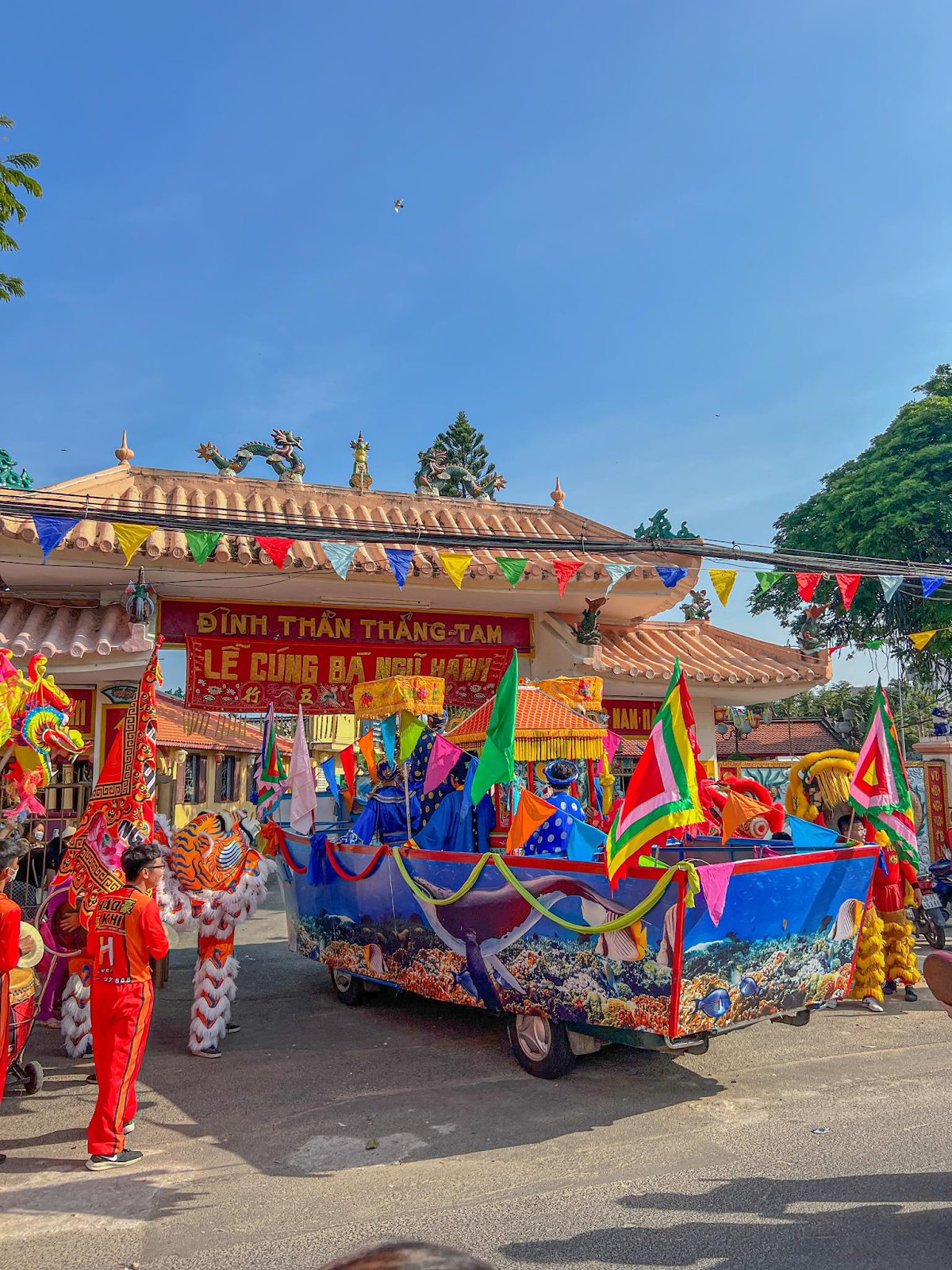
The Nghinh Ba ceremony ritual took place solemnly with palanquins and Five Elements flags (Source: Collected)
The procession was splendidly decorated with palanquins, altar tables, and Five Elements flags. People on both sides of the road clasped their hands and bowed their heads, while many tourists took souvenir photos, admiring the scene and showing respect to the Five Elements goddesses. The Nghinh Ba Ceremony is not only a ritual to honor deities but also an important cultural highlight, attracting all participants from old to young.
4.3. Memorial Ceremony for Forefathers and Benefactors
After Bà was brought back to the temple, the memorial ceremony for forefathers and benefactors took place from 8:00 AM to 8:30 AM. This is a ritual to commemorate those who contributed to pioneering and establishing villages and settlements, helping to preserve the history and traditions of the Vung Tau land. In a solemn atmosphere, the ritual team performed the steps of offering sacrifices, incense, and reading prayers according to traditional rituals, creating a profound spiritual experience for the community and tourists.
This ritual also carries a message of traditional education for the younger generation, reminding everyone of the value of 'when drinking water, remember the source'. Tourists attending not only admire the sacred ritual but also feel the community cohesion, gratitude to ancestors, and the long-standing cultural significance of the festival.
4.4. Main Ceremony of Offering to the Five Elements
Exactly at 12 PM is the main ceremony of offering to the Five Elements, the central ritual of the entire festival. The main officiant and the ritual team perform traditional rituals beside the Five Elements altar, offering incense, tea, and wine, praying for peace for the community, abundant harvests, and calm seas with gentle winds. The sound of gongs and drums echoed three regular beats, combined with the fragrant scent of incense and words of prayer, creating a sacred, solemn, and emotional atmosphere.
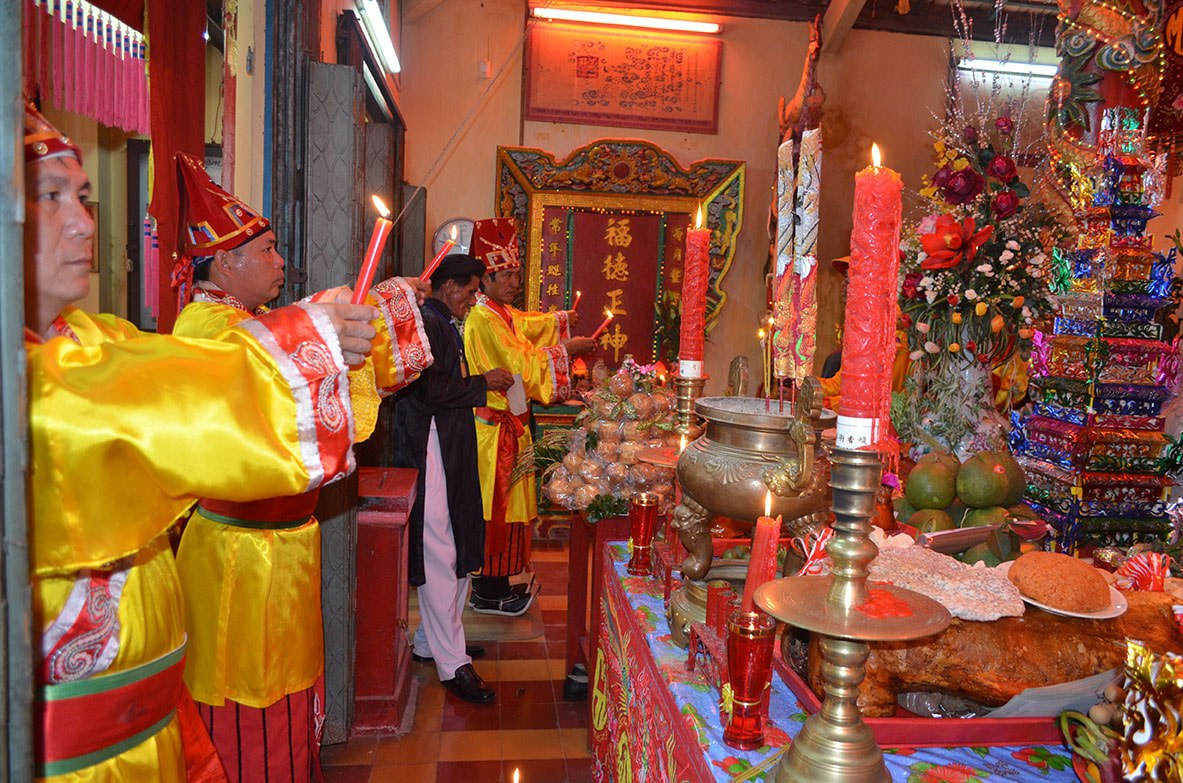
The space inside the main worship ceremony (Source: Collected)
Besides the main worship ceremony, the main ceremony is also an occasion for people and tourists to experience the harmonious combination of belief and traditional culture. Many people stand outside observing and participating in the incense offering ritual, feeling the sacredness while learning about long-standing spiritual values.
4.5. Cultural activities and folk performances
Besides the solemn rituals, the festival is also vibrant with unique folk cultural activities. In the afternoon and evening, visitors can enjoy Hat Boi (traditional opera), Muabong Roi (spirit dance), and golden and silver tray dances offered to Ba – performances that are both artistic and related to the belief in seeking peace. The festival atmosphere becomes exciting and joyful, while maintaining the sacredness of tradition.
These activities are not only entertainment but also help tourists understand more deeply about the traditional culture of Vung Tau. Children and adults can participate, take photos, immerse themselves in the dances and songs, contributing to spreading the cultural and spiritual values of the Five Elements to a large number of visitors.
5. Values and significance of the Ba Ngu Hanh Temple Festival
5.1. Spiritual significance and community belief
The Mieu Ba Ngu Hanh Festival holds deep spiritual significance for the people of Vung Tau. Throughout the three days of the festival, worship ceremonies and palanquin processions are held to pray for national peace and prosperity, protect fishermen and farmers from natural disasters, ensure bumper harvests, and favorable seafood catches. These rituals are not just forms of prayer but also a connection between people and metaphysical values, helping the community feel peace, happiness, and faith in good fortune.
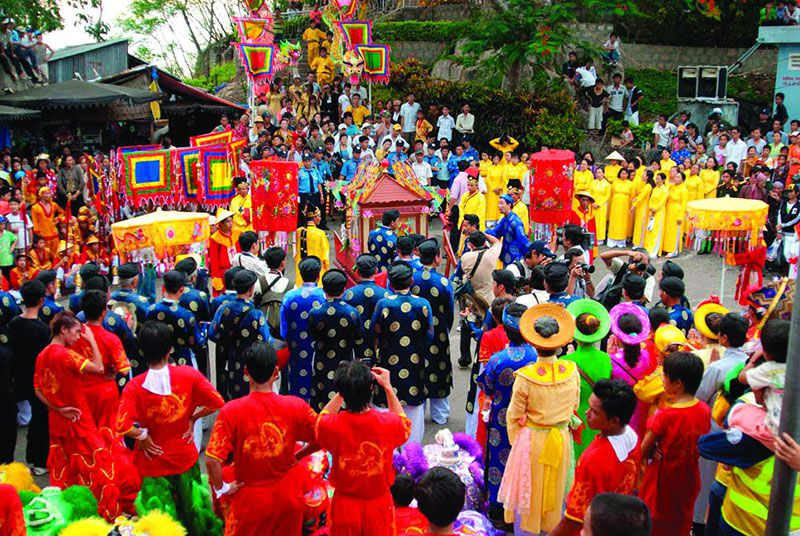
A large number of people participated Ngu Hanh Temple Festival (Source: Collected)
The festival atmosphere is a blend of solemnity and joy, where the sounds of gongs and drums, prayers, the scent of incense, and folk cultural activities blend together. Visitors and locals alike have the opportunity to experience and feel the spiritual connection between humans and deities, while also gaining a deeper understanding of the importance of the Ngu Hanh belief in the community life of the coastal region of Vung Tau.
5.2. Value of preserving local culture and traditions
Besides its spiritual value, Ngu Hanh Temple Festival is also an important means of preserving and promoting the traditional culture of Vung Tau. Through rituals, folk games, hat boi performances, mua mam vang, mua mam bac dances, the festival helps preserve cultural heritage and pass down the coastal identity from generation to generation. This is also an occasion for local people to proudly introduce their long-standing culture and traditions to visitors from all directions.
The festival contributes to creating an unforgettable impression on visitors thanks to the harmonious combination of spiritual rituals, traditional arts, and tourist experiences. It not only attracts domestic tourists but also becomes an attractive destination for international visitors, contributing to increasing the tourism appeal of Vung Tau, while affirming the sustainable value of folk festivals in modern life.
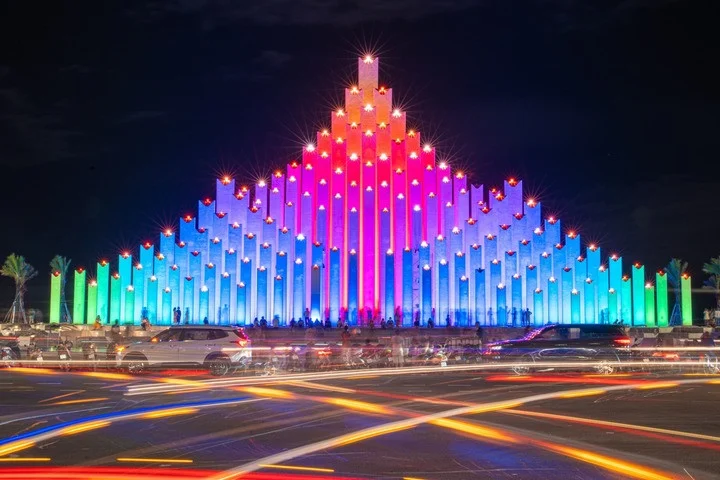
The vibrant space of lights at Tam Thang Square at night (Source: Collected)
Besides attending Ngu Hanh Mieu Ba Festival, visitors to Vung Tau can combine their trip with exploring many other outstanding destinations. Some suggestions include Bai Sau – Bai Truoc (Back Beach – Front Beach) for swimming and check-ins, Christ the King Statue Vung Tau on Nui Nho (Small Mountain) to admire the panoramic city view, Vung Tau Lighthouse with its romantic sunset views, Thang Tam Communal House to learn more about local culture, and Tam Thang Square - the new symbol of the coastal city. This combined itinerary will help visitors fully experience Vung Tau, enjoying both nature and learning about the culture – history of this dynamic coastal land.


