




1. Overview of the Temple of Nguyen Van Nghi
1.1. Where is the Temple of Nguyen Van Nghi? Geographical location and area of the relic
Nestled peacefully in Co Bon village, Dong Tien ward, Thanh Hoa province, the Temple of Nguyen Van Nghi is located on the Ma River delta, a location convenient and harmonious with nature. The entire relic area covers approximately 38,000 m2, surrounded by lush green rice fields, adorning the characteristic tranquility of the North Central region.
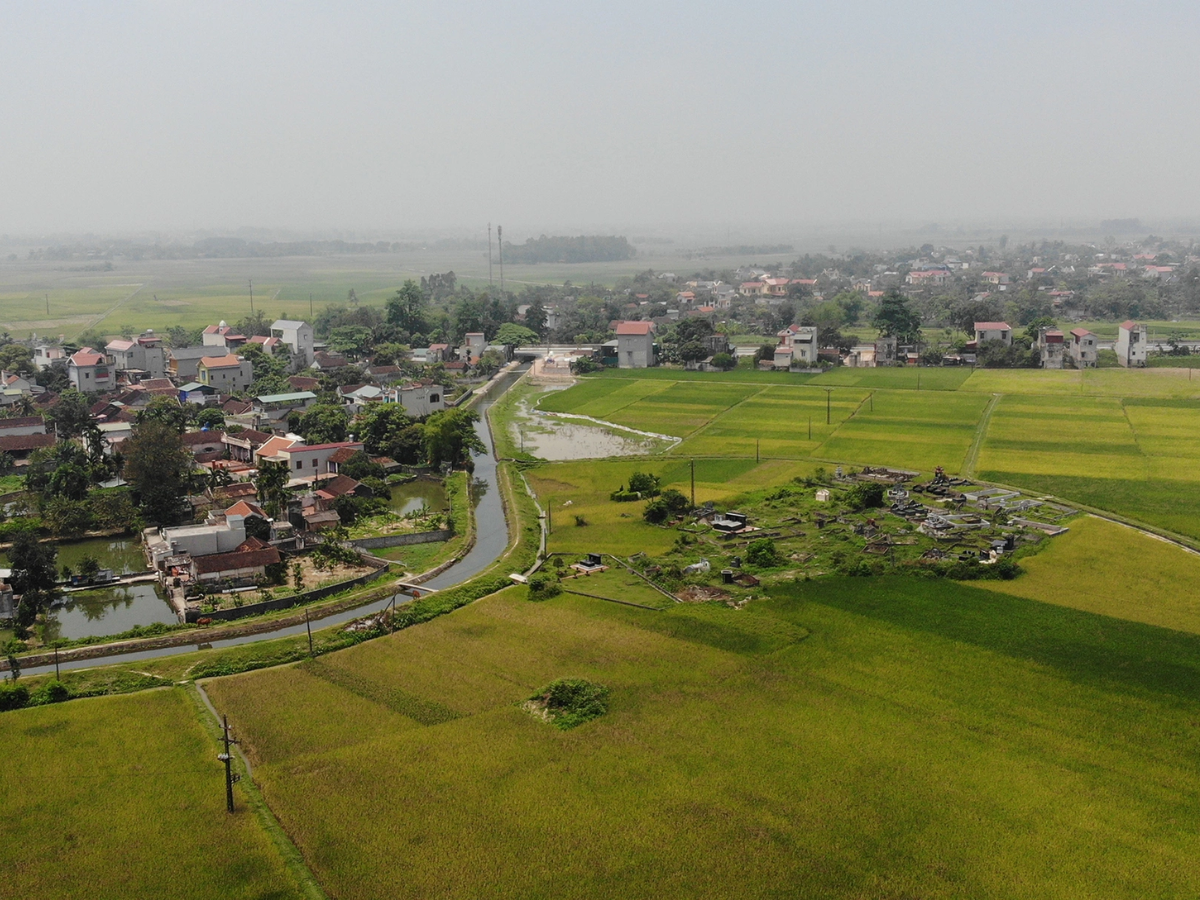
The Temple of Nguyen Van Nghi is surrounded by lush green rice fields, adding to the characteristic tranquility of the Northern Central region countryside. (Source: Collected)
The entire structure is built facing the rice fields, reflecting harmony with the surrounding landscape and an expansive view of nature. The main layout of the Temple of Nguyen Van Nghi consists of two enclosed ramparts, creating a sacred and solemn space. This location is convenient for worship and also partially reflects the traditional feng shui thinking of the ancients.
1.2. Historical and cultural values of the Temple of Nguyen Van Nghi
The Temple of Nguyen Van Nghi is recognized as a national historical relic, possessing many outstanding architectural and sculptural values from the 17th century. The construction began in 1617 during the reign of King Le Kinh Tong, was later expanded in 1628 by his son Nguyen Khai, and further renovated in 1631 thanks to the efforts of his maternal grandson Le Khac Tuy and the residents of 14 communes in Dong Son district.
This relic plays an important role in reflecting the Le Trung Hung period – a phase of cultural and educational revival after historical upheavals. The spiritual value of the Temple of Nguyen Van Nghi is further deepened by honoring Phuc Khe Tuong Cong Nguyen Van Nghi, who taught three kings. The temple is not only a connection between history and the present but also a symbol of traditional educational values of diligence in learning, contributing to preserving the cultural heritage of Thanh Hoa for many generations.
2. Biography of the celebrity Nguyen Van Nghi
2.1. Origin and career of Nguyen Van Nghi
Nguyen Van Nghi was born in 1515 in the former Ngoc Boi village, now Hac Thanh ward, Thanh Hoa. He grew up in a family with a tradition of diligence in learning and prestige, gradually affirming his outstanding talent by passing the First Class Scholar of the Che Examination in 1554, in the Giap Dan examination year under the Le Trung Tong dynasty, achieving the rank of Bang Nhan or second place – a high position in the official selection examinations of that era.
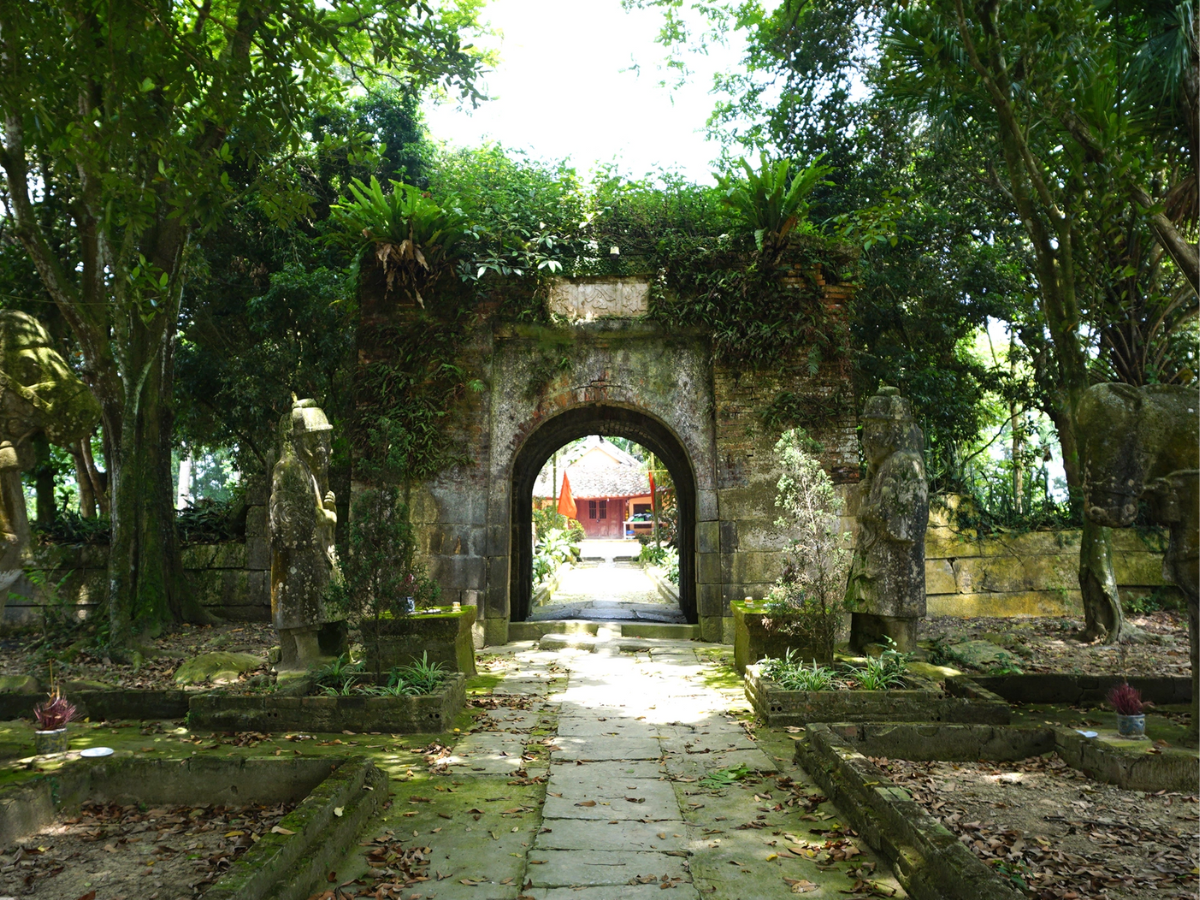
Nguyen Van Nghi is a dignitary worshipped at the temple. (Source: Collected)
As a dignitary worshipped at the Nguyen Van Nghi Temple, he held many important positions such as Chief of the Han Lam Academy, Left Vice Minister of the War Department, Chief Scribe of the Main Palace, and Eastern Palace Scholar, serving the Le Trung Hung dynasty for over thirty years with dedication and loyalty. After his death, Nguyen Van Nghi was posthumously awarded the title Minister of Public Works, Marquis Thai Bao, and the posthumous title Phuc Khe Tuong Cong by King Le The Tong, and was granted 30 mau of land for ancestral rites, demonstrating the court's great respect and gratitude.
2.2. The Mark of a "Royal Tutor" and the Roots of the Tradition of Respecting Teachers
The most outstanding aspect of Nguyen Van Nghi's life was his role as a tutor to three Le dynasty kings. He began his teaching career with Le Trung Tong when he held the position of Chief of the Han Lam Academy, continued to impart knowledge to Le Anh Tong using the skillful "wine of encouragement for learning" method to stimulate the king's motivation for learning; later, he guided Le The Tong from a young age, contributing to the consolidation of the Le dynasty.
The tradition of respecting teachers was further extended through the fact that all three kings respected and appreciated his talent and virtue. In addition to educating the royal family, Nguyen Van Nghi also promoted learning in his hometown, providing material and spiritual support to scholars from difficult circumstances. He established a scholarly lineage, with his son becoming Minister of War and his grandson achieving the Hoang Giap degree. Historian Phan Huy Chu once evaluated Nguyen Van Nghi as a renowned Confucian scholar whose "career and reputation surpassed all Confucian officials at the beginning of the restoration period," affirming the special position of this respected teacher at the Nguyen Van Nghi Temple.
3. Unique Architecture of the Nguyen Van Nghi Temple
3.1. "Internal Structure, External Fortification" and Defensive Ramparts
The architecture of the Nguyen Van Nghi Temple makes a strong impression with its combination of defense and worship, nổi bật with the "internal structure, external fortification" style. Two sturdy rampart rings enclose it: the outer wall is rectangular, built with clay and stone, gently sloped, forming the first layer of protection for the relic. The inner wall is also rectangular, 106m long, 62m wide, 1.8m high, built by assembling large stones without mortar, a testament to the sophisticated construction skills of the 17th century.
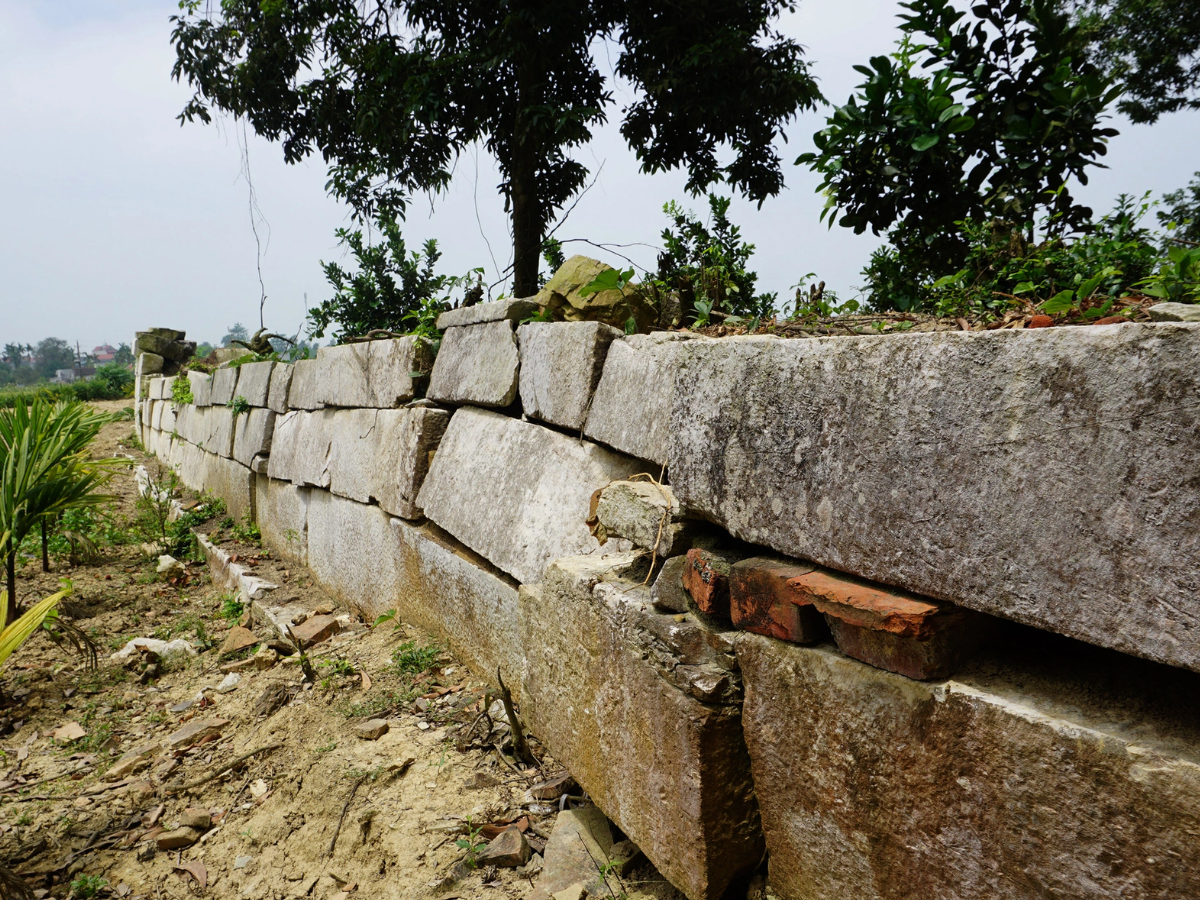
The "internal fortification and external defense" structure with two rings of ramparts of the Nguyen Van Nghi Temple. (Source: Collected)
The entrance gate of the Nguyen Van Nghi Temple is designed as a cylindrical citadel gate, flanked by brick fang columns, leading up to stylized dragon-tail stone steps with dimensions of 1.05 m long, 0.19 m thick, 0.30 m high. Visitors step through the reception courtyard and follow the central spiritual path to enter the most sacred place. The harmonious arrangement between religious architecture and defensive ramparts has created a work likened to a "miniature Ho Citadel", reflecting the characteristic defensive thinking of Vietnamese people during this period.
3.2. Outstanding Structures, Relics, and Artworks
When exploring the Nguyen Van Nghi Temple, visitors can admire unique artistic imprints. The reception courtyard stands out with stone statues of people, elephants, horses, and dogs, along with an ancient stone well, creating a solemn space. Passing through the two rings of ramparts, the path leading to the inner sanctuary is made of ironwood, with one bay remaining on the old foundation, featuring a traditional wooden frame with stacked beams, including a system of main pillars, secondary pillars, porch pillars, and gong stands arranged harmoniously.
Here are also preserved two stone steles erected in 1617 and 1629, recording the process of construction and renovation of the temple, serving as a valuable source of historical data. The 17th-century carving art is prominent in the temple with sharp carving strokes and a composition that is both free and solemn, reflecting the position and respect that General Phuc Khe received among the people as well as in the contemporary court.
4. Festivals and Spiritual Cultural Values at Nguyen Van Nghi Temple
4.1. Traditional Festivals and Unique Rituals
The festival held at the Nguyen Van Nghi Temple carries a strong spiritual character, aimed at commemorating General Phuc Khe. The ritual part takes place solemnly with an incense offering ceremony and the reading of eulogies praising the merits of the teacher who tutored three kings, demonstrating the community's deep gratitude. The festive part is lively with folk games and folk songs, recreating the characteristic cultural activities of the Thanh Hoa region.
Visiting the temple during the festival, visitors also have the opportunity to participate in rituals for peace and prosperity, unique local cultural aspects. The sacredness emanates from the temple, with wisps of incense smoke and ringing bells, creating an unforgettable spiritual atmosphere for anyone who visits.
4.2. The Role of Nguyen Van Nghi Temple in Local Culture
Known as one of the earliest private worship structures of officials during the Le-Trinh period, the Nguyen Van Nghi Temple holds an important position historically and spiritually for the people of Dong Thanh. The temple is a place not only for remembrance but also for imparting the tradition of valuing learning and emphasizing respect for teachers and their teachings. The image of the teacher who tutored three kings has become an inspiring symbol, awakening the love of learning and the spirit of self-cultivation in community life.
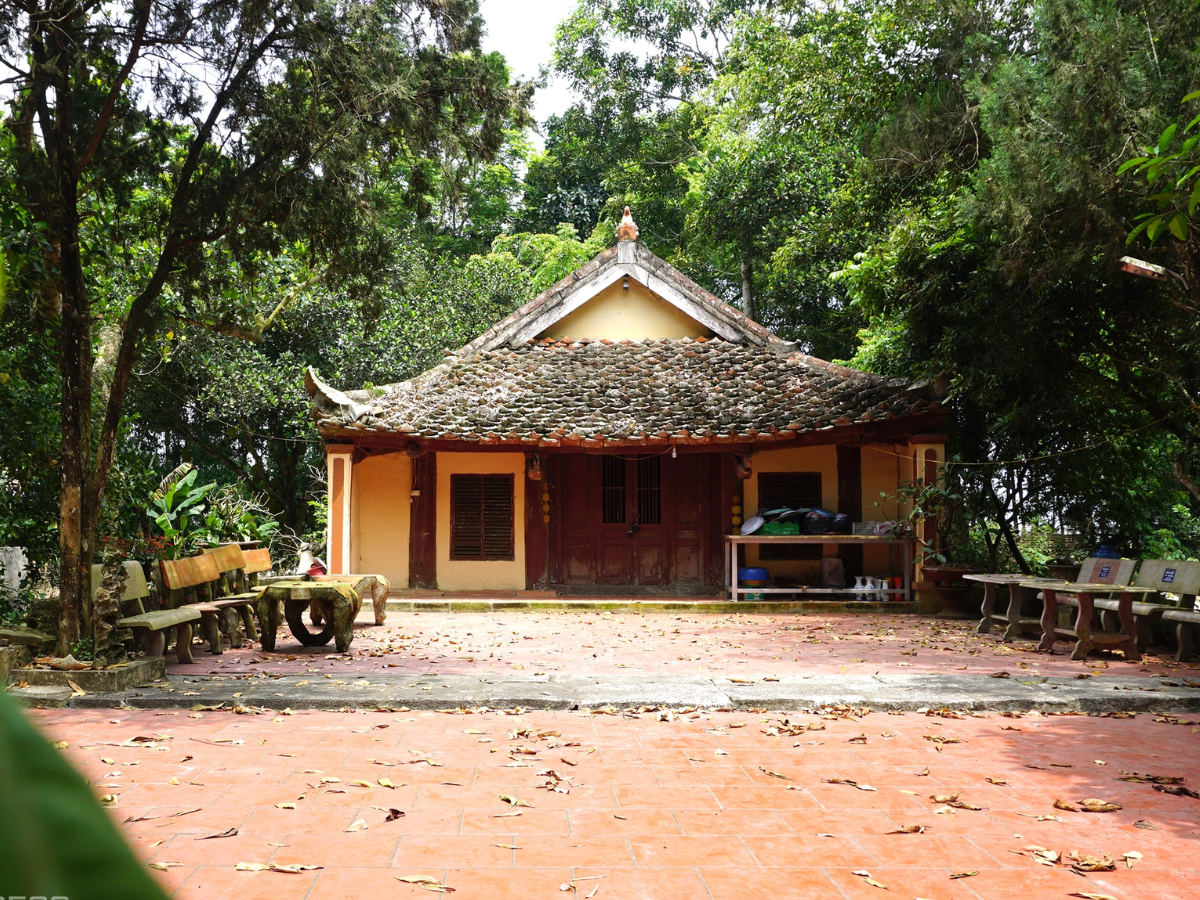
The Temple of Nguyen Van Nghi holds an important position historically and spiritually for the people of Dong Thanh. (Source: Collected)
Within the cultural context of Thanh Hoa, the Temple of Nguyen Van Nghi serves as a bridge connecting the legacy of the Le dynasty with the present. Activities at the temple contribute to vividly conveying traditional values to younger generations. It is a place that preserves the spirit of diligence in learning and respect for teachers, contributing to Thanh Hoa's reputation as a "land of learning" for generations.
5. Visiting Experience and Useful Tips
5.1. Suggested Itinerary Combining Visits with Nearby Tourist Attractions
The journey to the Temple of Nguyen Van Nghi will be more complete if combined with a visit to Ho Citadel, one of the most impressive stone architectural works in our country. Additionally, Phu Trinh is an ideal destination to learn more about the history of the Le Trinh period. In the future, visitors can consider exploring Huyen Tich Am Tien, a completed project that promises to become a cultural and spiritual destination, oriented to be added to the chain of experiences exploring the land of Thanh.
Furthermore, visiting surrounding traditional craft villages will help visitors better feel the local cultural life. Visitors can also explore the surrounding traditional craft villages to experience the unique local culture.
Thanh Hoa cuisine, with famous dishes such as crispy rice paper with shredded pork floss, Thanh Hoa fermented pork rolls, and banh gai (thorn leaf cake), will surely satisfy diners. Many local eateries near the Temple of Nguyen Van Nghi serve traditional dishes with the authentic flavor of Thanh, contributing to enriching your travel experience.
5.2. Notes on Attire, Photography, and Monument Preservation.
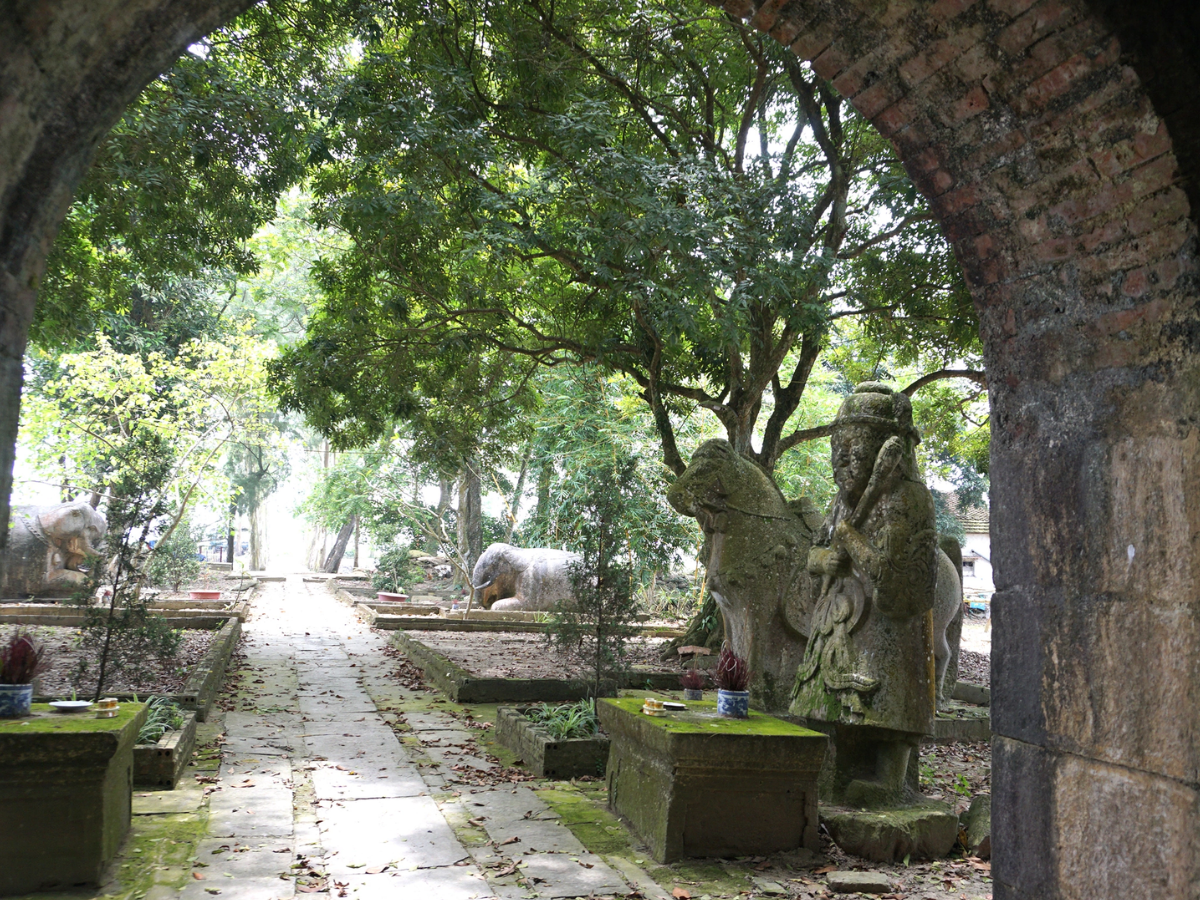
Visitors should contribute to protecting the relic, pay attention to maintaining hygiene, and speak softly to preserve the solemn atmosphere. (Source: Collected)
When visiting the Temple of Nguyen Van Nghi, visitors should choose neat and modest attire to suit the sacred space. Long dresses, trousers, shirts, or long skirts are choices that show respect for the relic. The ideal time for photography is early morning or late afternoon, when the sunlight is gentle and the space is most tranquil.
Each visitor must contribute to protecting the relic by not touching ancient artifacts, not writing or carving names on the architecture, paying attention to maintaining hygiene, and speaking softly to preserve the solemn atmosphere. Everyone's awareness of preservation will help conserve this valuable cultural heritage for future generations.
Visiting the Temple of Nguyen Van Nghi is a wonderful opportunity to admire the unique architecture over 400 years old and honor the scholar who taught three kings of the Le dynasty. Experience it firsthand to feel the profound historical and cultural values, and spread the heritage of Thanh Hoa to the community!


