




1. General introduction to Cao Thanh Hoa Pagoda
1.1. Geographical location and special recognition
Nestled peacefully atop Mount Ma Lim in Tong Son commune, Thanh Hoa province, Cao Pagoda is like a hidden gem amidst the majestic mountain landscape. This site is part of a complex of relics with Coi Thi Temple, located approximately 300m walk from the pagoda on the mountaintop down to the temple at the foot of the mountain.
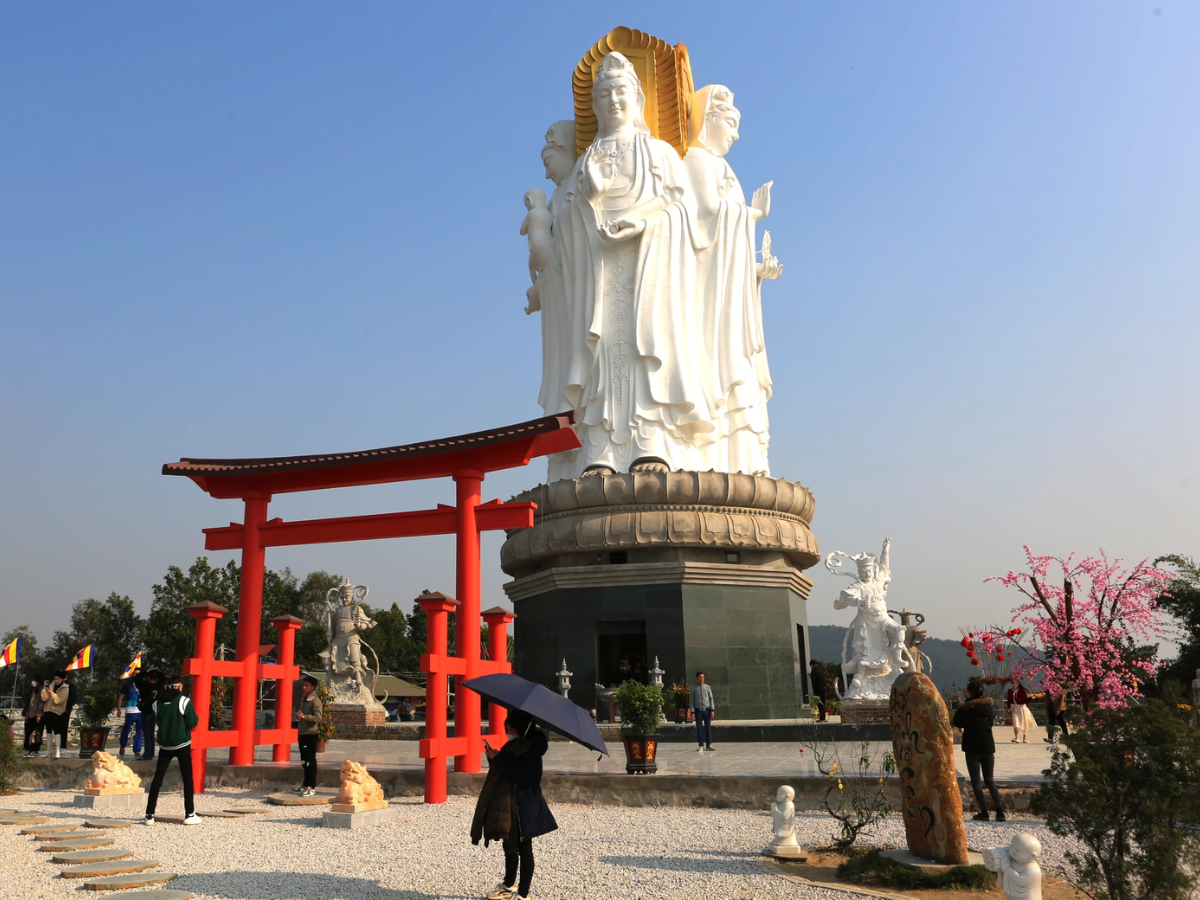
Cao Thanh Hoa Pagoda is like a hidden gem amidst the majestic mountain landscape. (Source: Collected)
From its position atop the mountain, visitors can take in a sweeping panoramic view of the serene space, continuous mountain ranges, and small houses nestled along the slopes of Ma Lim mountain. This vast vista encompasses the old Ha Trung area, offering a breathtaking sense of the natural beauty of this place.
1.2. History and Spiritual Cultural Significance
The history of Cao Pagoda (also known as Thien Son Tu, Manh Son Tu) dates back to the Le Dynasty with its former name being Vinh Phuc Pagoda, belonging to Coi Thi village. The pagoda was rebuilt in 2020 on its old foundation and after nearly 4 years, new architectural works with a modern touch have been completed.
Ancient artifacts preserved such as stone turtle steles recording the pagoda's history, stone bells, foundation stones, 5 stone incense burners, and ancient bricks and tiles are clear evidence of the pagoda's long-standing historical value. Although the old architecture is no longer intact, these artifacts remain priceless treasures preserving the memories of time.
Cao Thanh Hoa Pagoda serves as a center of worship, deeply connected to the spiritual life of the local people. The pagoda is part of a complex of relics including Trung Phu and Coi Thi Temple, contributing to preserving heritage and passing down cultural values to future generations.
2. Architecture and Unique Highlights of Cao Thanh Hoa Pagoda
2.1. 4-Faced Bodhisattva Avalokiteshvara Statue
The most prominent highlight at Cao Pagoda is the 31-meter-high Bodhisattva Avalokiteshvara statue, placed on a 12-meter-wide base and designed with four faces pointing towards the East, West, South, and North. The statue's location on Ma Lim mountain peak not only exudes solemnity but also conveys a profound meaning by connecting with the four surrounding villages of the commune.
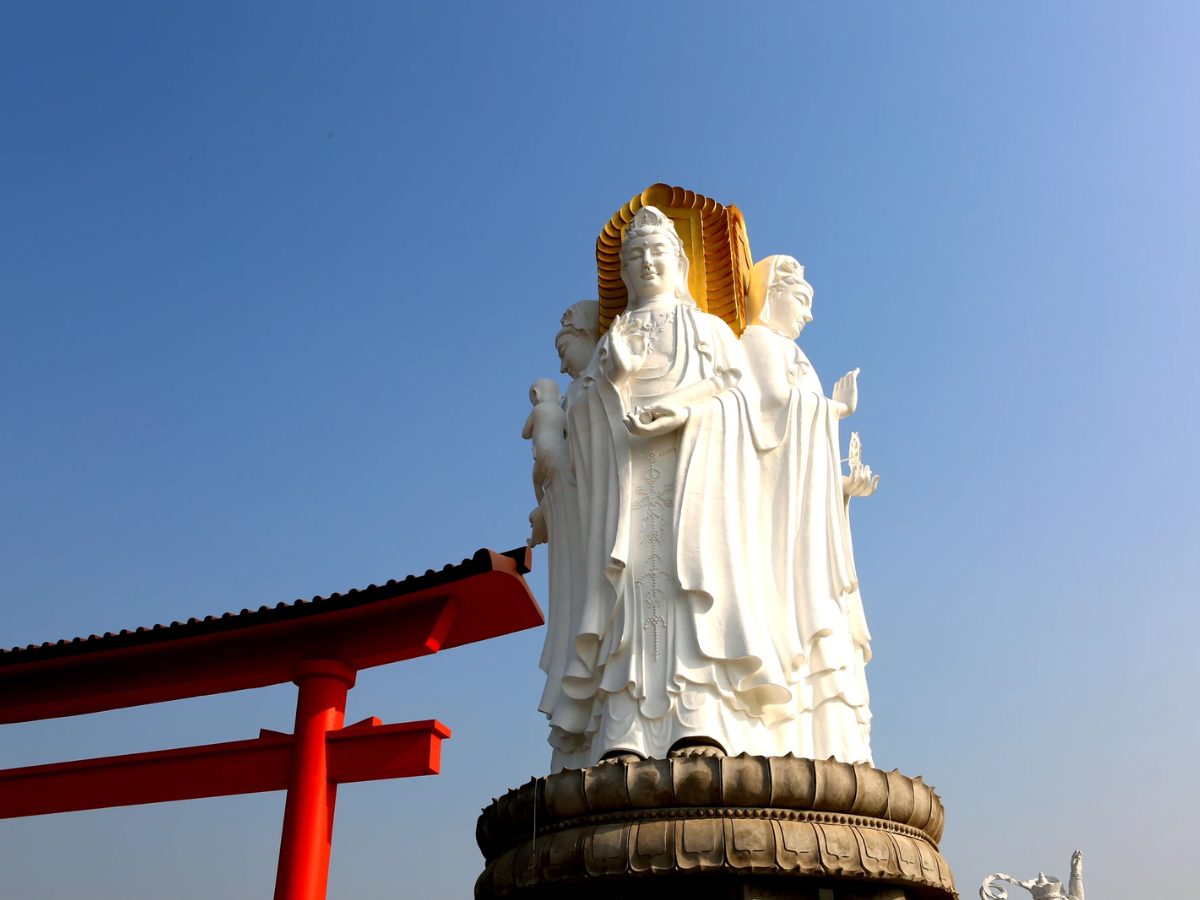
The most outstanding highlight at Chua Cao is the statue of Quan Am Bodhisattva with a four-faced design facing the East, West, South, and North. (Source: Collected)
This design allows people from each village to see a face of the statue facing them, creating community cohesion and religious significance. The statue stands out amidst the mountain and forest scenery, exuding majesty and solemnity; visitors can move to different points to observe all four sides and clearly feel the impressive scale of this work.
2.2. Buddha's Hand Glass Bridge
An unmissable structure at Chua Cao Thanh Hoa is the Buddha's Hand Glass Bridge, the first architectural highlight to appear in Thanh Hoa province. The glass bridge, tens of meters long, is supported by a large Buddha's hand, designed like an outstretched hand, it extends the bridge into the space, creating an impressive architectural highlight in the locality.
The feeling when walking on the bridge is exhilarating and expansive, as visitors can admire the scenery below the bridge and take in the surrounding space from an ideal height. The glass bridge is a place chosen by many young people for souvenir photos, while also symbolizing peace and the compassion of the Buddha, bringing a sense of tranquility to those who visit.
3. Tourism - Spiritual Cultural Value at Chua Cao Thanh Hoa
3.1. A New Spiritual Tourist Destination Attracting Young Visitors
In the past two years or so, Chua Cao has become a place for many tourists to explore and leave their mark, attracting special interest from young people thanks to the unique glass bridge and Bodhisattva statue. The temple's appeal becomes even more evident at the beginning of each year, when thousands of people come to offer incense and pray for peace, bringing a bustling festival atmosphere.
The charm of Chua Cao Thanh Hoa is a harmonious combination of spiritual elements, traditional cultural features, and natural landscapes, creating an ideal environment for both worship and sightseeing. The temple's space is not only for religious rituals but also welcomes visitors seeking peace amidst the vast mountains and forests.
3.2. Festival and Cultural Activity Experiences at Chua Cao
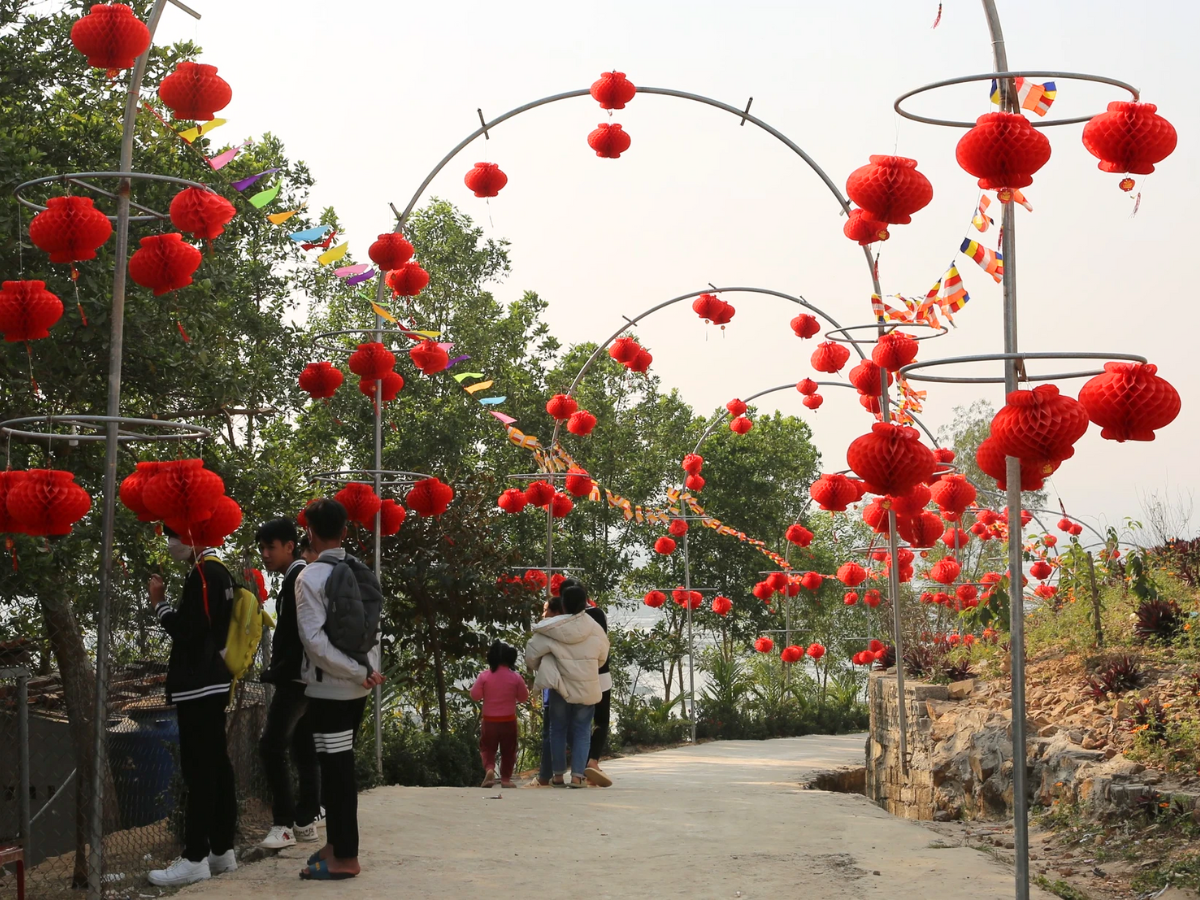
Traditional festivals and cultural activities throughout the year create a sacred and meaningful atmosphere. (Source: Collection)
Chua Cao is closely associated with the local people's spiritual life and is a place where many spiritual activities take place, attracting tourists to participate in rituals. Traditional festivals and cultural activities throughout the year create a sacred and meaningful atmosphere.
As an important part of the local cultural heritage, the pagoda contributes greatly to the development of spiritual tourism with outstanding cultural events. The meaning of village festivals, procession ceremonies, and many major events not only preserves traditional values but also spreads them to the wider community.
4. Guide to Visiting, Check-in, and Notes to Know
4.1. Tips for Visiting, Choosing Outfits, and Suitable Times
When visiting Chua Cao Thanh Hoa, tourists should prioritize choosing polite and modest attire to suit the sacred atmosphere of the spiritual place. To take beautiful photos when capturing memories at the glass bridge and the Bodhisattva statue, tourists should wear light-colored clothing to stand out amidst the lush green nature of the mountains.
The most ideal time to visit the pagoda is early morning or late afternoon, when the sunlight is gentle, bringing a comfortable feeling and helping you fully enjoy the beautiful scenery. The moments of sunrise or sunset on Ma Lim peak will surely bring you many unforgettable experiences.
4.2. Experience for Impressive Photos and Check-ins
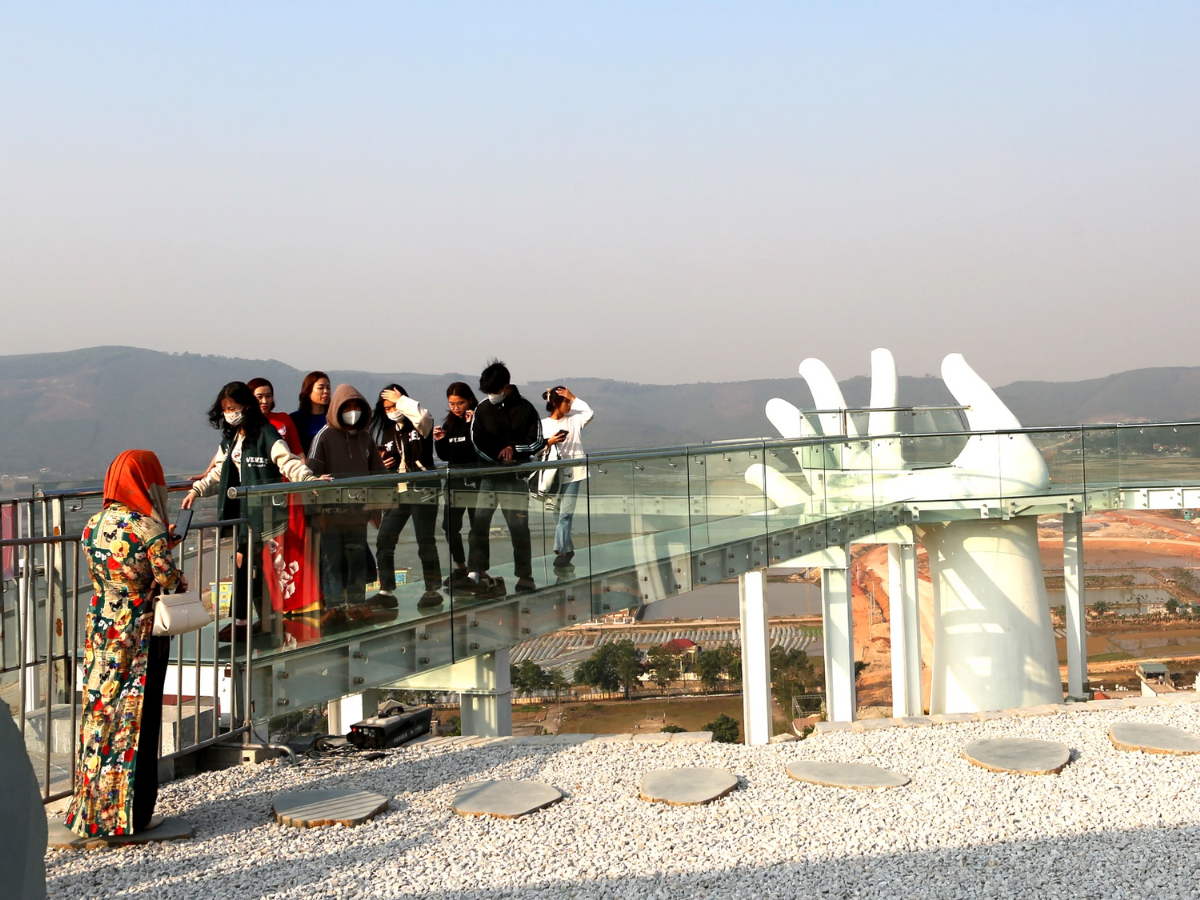
One of the ideal spots for taking photos at Chua Cao is the Buddha's hand glass bridge with its prominent design. (Source: Collected)
The three most ideal spots for taking photos at Chua Cao are the Buddha's hand glass bridge with its prominent design, the majestic four-faced Bodhisattva statue, and the panoramic mountain view from the summit. Each photo spot possesses its own beauty, contributing to enriching your travel photos.
To get the best photos, visitors should choose early morning or late afternoon when there are fewer crowds, pose gently on the glass bridge or in front of the statue, and take advantage of the vast mountain scenery. The natural light at these times also helps make the photos more vibrant.
4.3. Safety precautions and heritage protection during visits
Safety is always prioritized when visitors tour Chua Cao Thanh Hoa , especially when bringing children onto the glass bridge at a considerable height. Visitors should be careful not to touch or affect ancient artifacts such as stone turtle steles and stone bells to avoid causing damage.
Protecting environmental hygiene and maintaining solemnity are necessary consciousness for everyone. Visitors should also refrain from climbing on the Buddha's hand or dangerous areas to ensure their own safety and contribute to preserving this precious structure.
5. Suggested combined itinerary around Chua Cao Thanh Hoa
5.1. Visiting Tien Hoa ancient village and Coi Thi temple
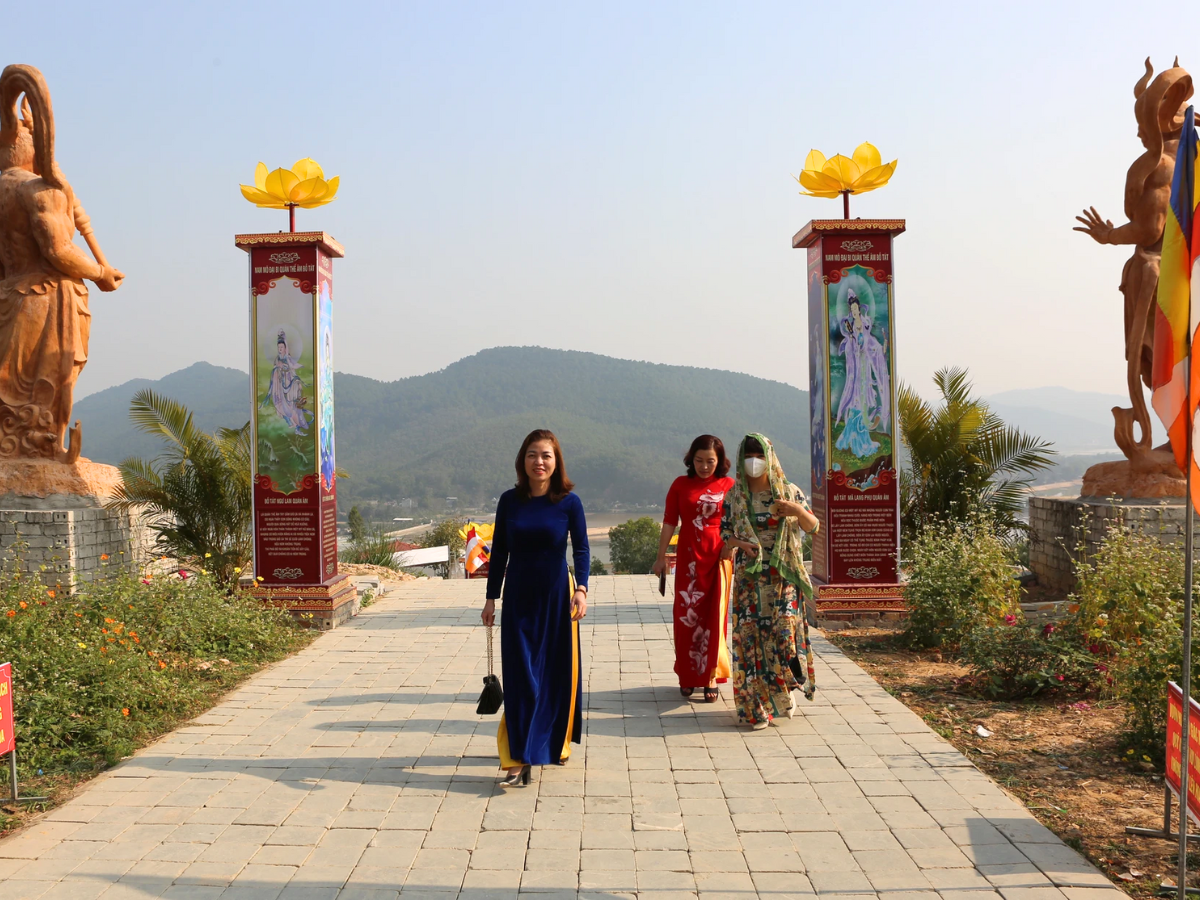
The connection between the mountain pagoda and the temple at the foot of the mountain offers a complete spiritual experience, helping visitors understand more about the history and culture of this land. (Source: Collected)
After experiencing Chua Cao, you can continue your journey by walking down the mountain to visit Co Thi Temple, completing the tour within the relic complex. Tien Hoa Village in the past was associated with the history of this area, preserving many local cultural values and unique folk tales.
The connection between the mountain pagoda and the temple at the foot of the mountain offers a complete spiritual experience, helping visitors understand more about the history and culture of the Ha Trung region. The proximity of the attractions facilitates the exploration process.
5.2. Combining Spiritual & Ecological Tourism Tours
Visitors can extend their trip by exploring the Phu Trung relic complex and admiring the natural mountain scenery around old Ha Trung. Nearby attractions offer diverse experiences, from spiritual exploration to enjoying nature.
In the region's tourism development orientation, the Huyen Tich Am Tien project, currently under completion, is also expected to become a special stop, contributing to connecting spiritual tourism experiences with forest ecology. Combining ecological and spiritual tourist destinations will help visitors better visualize a journey of exploration harmonizing culture and nature in the Thanh region.
This combined itinerary not only helps visitors use their time effectively but also offers a chance to admire both the cultural beauty and the nature of Thanh Hoa. Each stop holds its own unique charm, contributing to a memorable journey.
Chua Cao Thanh Hoa is a prominent destination featuring a four-faced Bodhisattva statue and a unique Buddha's hand glass bridge, creating a blend of spirituality and modern architecture. Don't forget to capture beautiful photos and share your impressions when visiting this place in 2026!


