


1. Where to go after Cu Chi Tunnels?
A visit to the Cu Chi Tunnels can be the starting point for discovering more of Southern Vietnam. After exploring the historic tunnel network, travelers can continue their journey toward cultural landmarks, mountain landscapes, peaceful countryside and vibrant urban attractions. Depending on the available time, there are plenty of options for extending a Cu Chi excursion into a broader Southern Vietnam itinerary.
For travelers wondering where to go after Cu Chi Tunnels, the answer largely depends on the type of experience they want next. Those interested in culture and heritage can explore religious sites and historic landmarks, while nature lovers can continue toward mountains, rivers, countryside and mangrove forests. Travelers returning to Ho Chi Minh City can also spend the rest of the day exploring the city’s architecture, markets, shopping areas and dining scene.
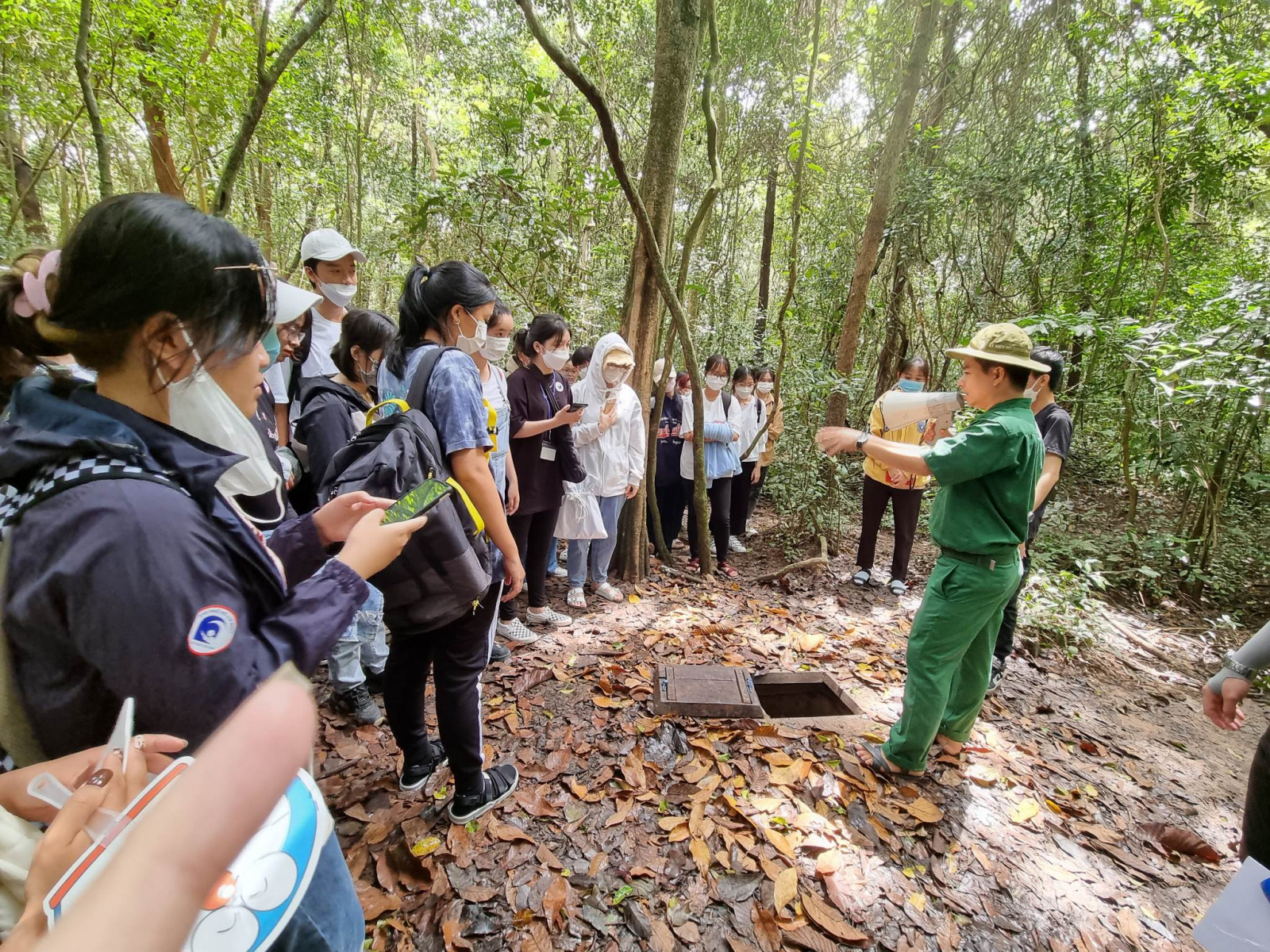
Tourists explore the Cu Chi Tunnels (Source: Collected)
The surrounding region offers flexibility for both short and longer journeys. With only a few additional hours, travelers can choose destinations along the route back to Ho Chi Minh City and continue sightseeing without making a major detour. Those with a full day can travel farther toward Tay Ninh, while multi-day itineraries can extend southward to the Mekong Delta and introduce a different side of Southern Vietnam.
It is also worth considering how the next destination complements the experience at Cu Chi. The tunnels provide insight into Vietnam’s wartime history, while cultural attractions offer a closer look at local traditions and religious heritage. Natural destinations bring a change of scenery, and modern attractions in Ho Chi Minh City reveal the contemporary character of the region. Combining different types of experiences can make the journey more varied and memorable.
2. Where to Go After Cu Chi Tunnels
2.1. Explore Ba Den Mountain
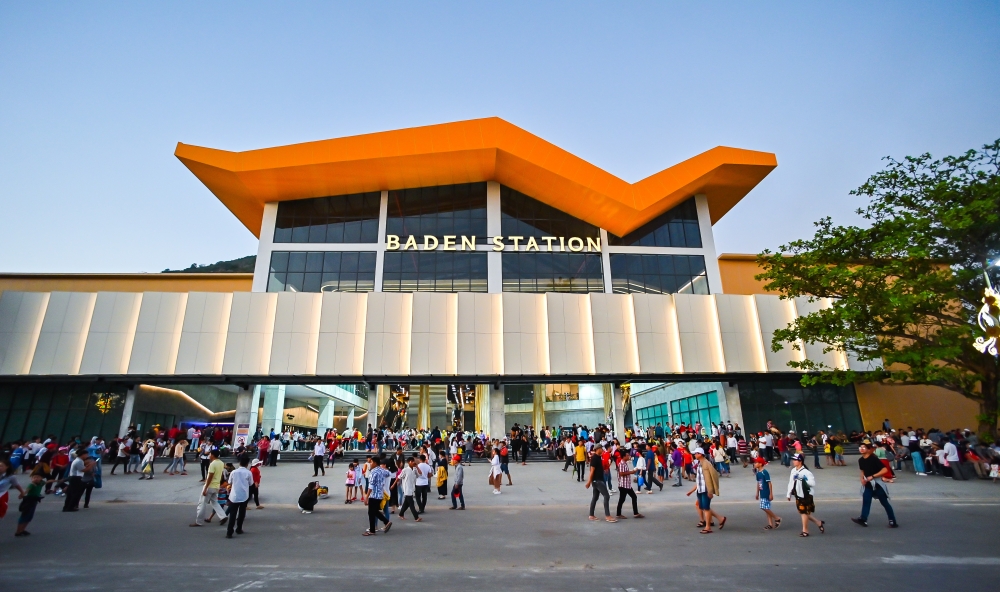
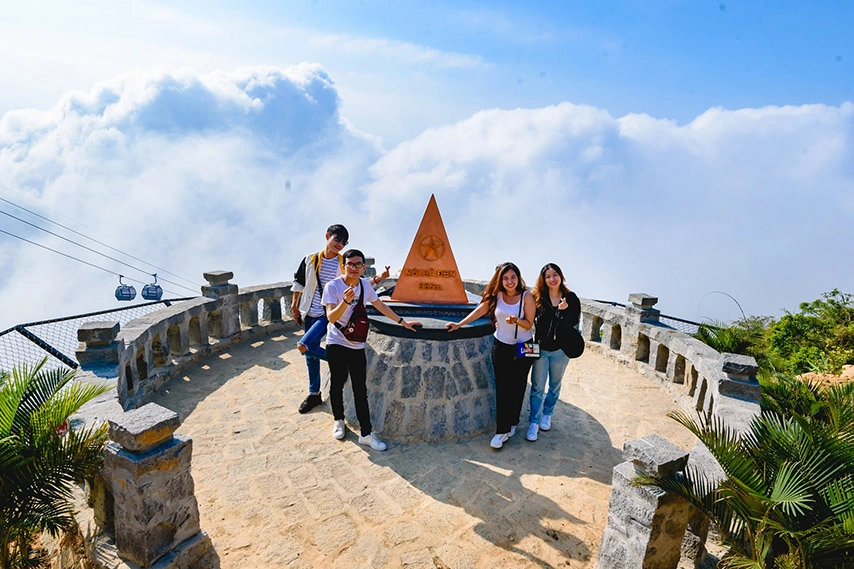
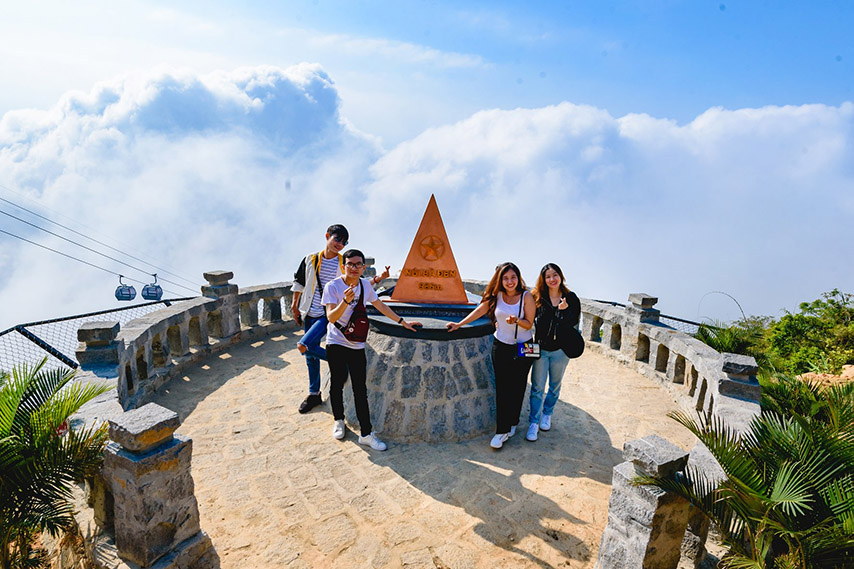
Ba Den Mountain is a distinctive destination to add to a Southern Vietnam itinerary after visiting the Cu Chi Tunnels, particularly for travelers continuing toward Tay Ninh. Rising 986 meters above sea level, the mountain is known as the “Rooftop of Southern Vietnam” and offers panoramic views over the surrounding countryside. Visitors can take the cable car to higher areas of the mountain and enjoy the changing scenery from the foothills to the summit.
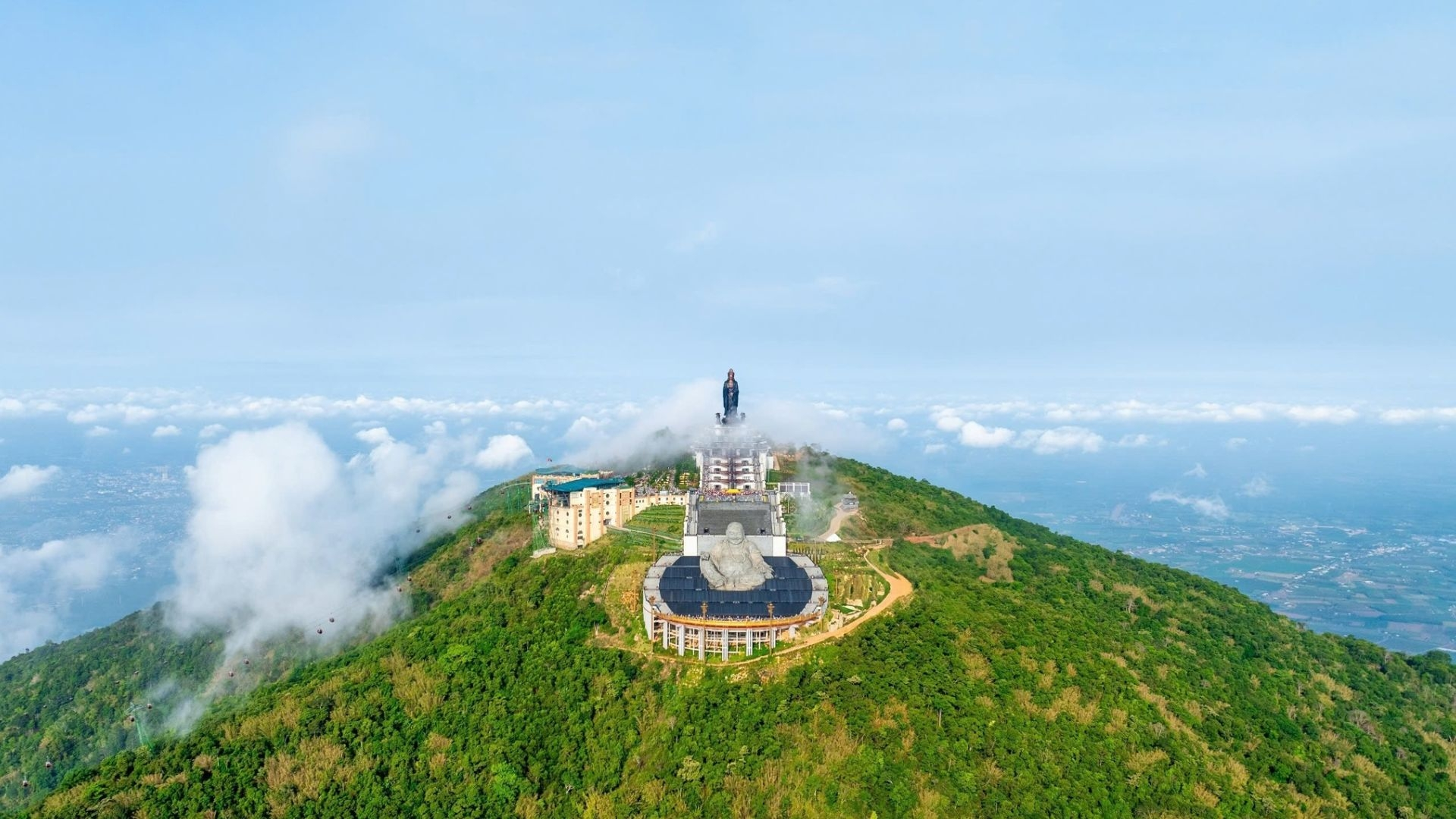
The stunning natural scenery at Ba Den Mountain (Source: Collected)
The mountain is also home to the Ba Den Mountain spiritual complex, where visitors can discover temples, religious monuments, landscaped spaces and cultural attractions. Travelers can spend several hours exploring the complex, enjoying the views and experiencing the peaceful atmosphere of the mountain. Combining Cu Chi with Ba Den Mountain also creates an interesting contrast between an underground historical site and a highland landscape.
👉 BOOK BA DEN MOUNTAIN TICKET NOW!
2.2. Relax by Dau Tieng Lake
Dau Tieng Lake is a peaceful option for travelers who want to enjoy open landscapes and a slower pace after exploring the Cu Chi Tunnels. Located near the border of Tay Ninh and Binh Duong, the large reservoir is surrounded by green scenery and distant mountain views. The area is particularly appealing for visitors who enjoy photography, nature and quiet outdoor experiences away from the city.
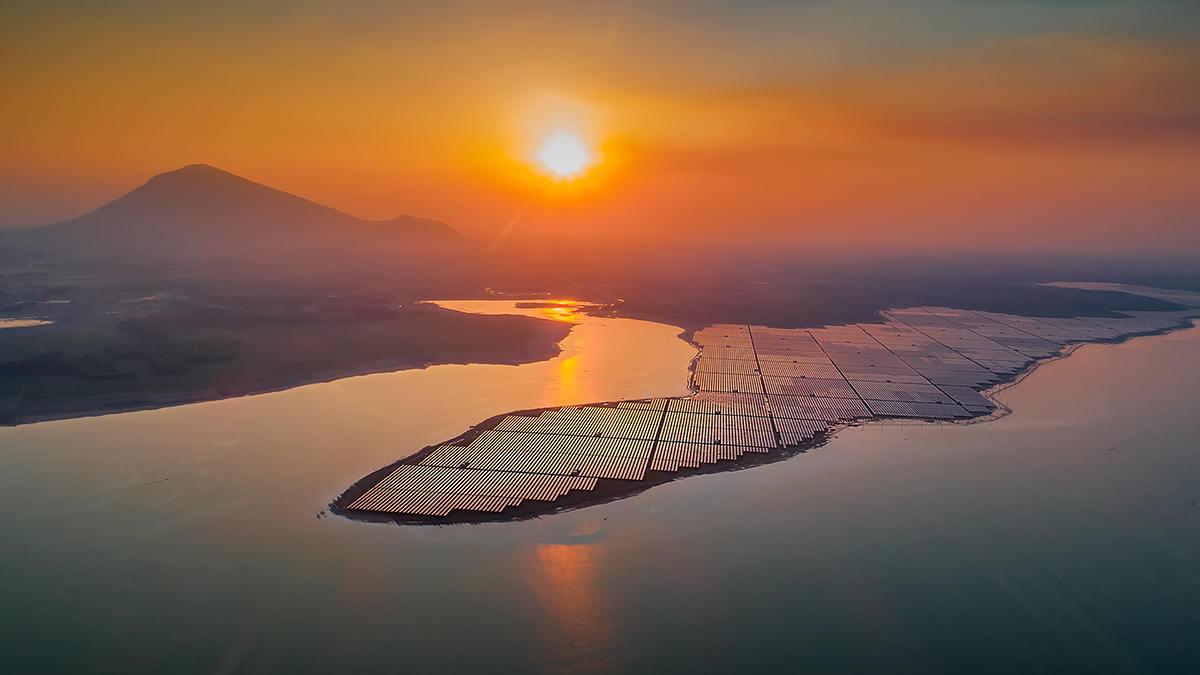
The peaceful beauty of Dau Tieng Lake (Source: Collected)
Travelers can spend time taking in the scenery, enjoying a picnic or simply relaxing by the water. The lake also provides a different perspective on Southern Vietnam’s landscapes, moving from the historical underground environment of Cu Chi to a spacious natural setting. It can be considered as part of a longer journey toward Tay Ninh for travelers with additional time.
2.3. Discover the architecture of Buu Long Pagoda
Buu Long Pagoda in Thu Duc City offers a distinctive cultural stop for travelers returning toward Ho Chi Minh City. The pagoda is known for its elegant Thai-inspired architecture, ornate details and peaceful surroundings, creating a visual contrast with the dense urban landscape. Its distinctive design also makes it an appealing destination for travelers interested in architecture and photography.
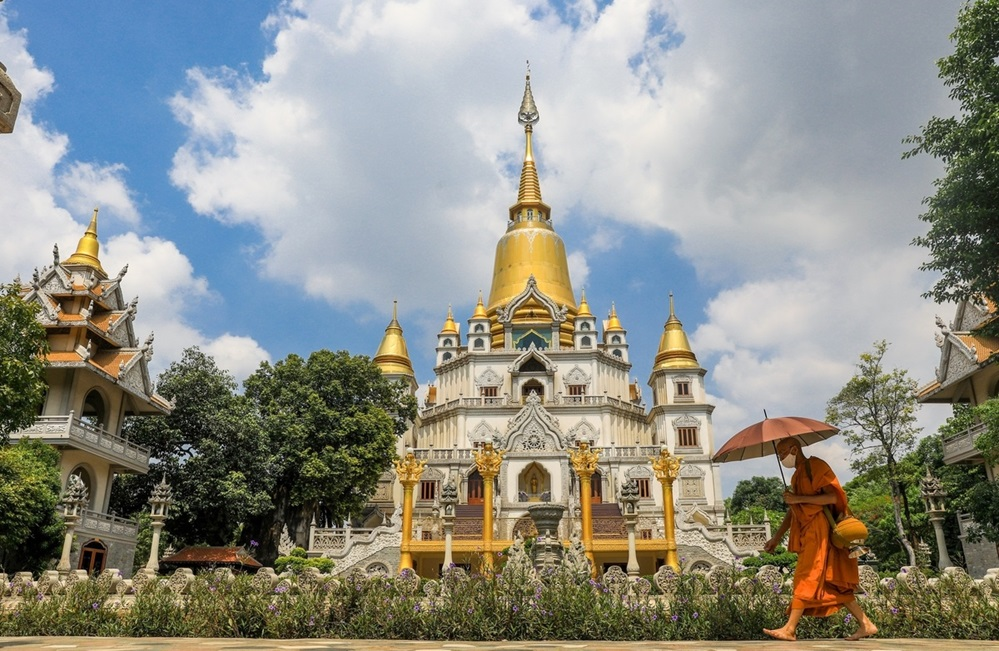
Buu Long Pagoda is a famous religious site in Ho Chi Minh City (Source: Collected)
Visitors can walk through the temple grounds, admire the main structures and enjoy the tranquil atmosphere around the pagoda. The destination works particularly well for travelers who want to include a cultural or spiritual experience without traveling far from Ho Chi Minh City. Combined with Cu Chi, it can create a day that moves from historical exploration to architecture, culture and a more peaceful urban setting.
2.4. Experience the floating markets of the Mekong Delta
For travelers with more time, the Mekong Delta offers an opportunity to discover a very different side of Southern Vietnam. One of the region’s most distinctive experiences is exploring its floating markets, where boats gather along the waterways and local traders sell fresh produce and other goods. The experience reflects the close connection between daily life and the river system that shapes the region.
Depending on the itinerary, travelers can combine a floating market visit with boat rides through smaller canals, fruit orchards and local communities. The early-morning atmosphere, riverside scenery and traditional trading culture provide a memorable contrast to the historical setting of the Cu Chi Tunnels. Because the Mekong Delta covers a large area, travelers should allow sufficient time rather than trying to fit too many destinations into a single day.
2.5. Visit Tan Dinh Church
Travelers returning to Ho Chi Minh City can add Tan Dinh Church to their itinerary for a glimpse of the city’s architectural heritage. Recognizable for its distinctive pink exterior and ornate details, the church stands out within the surrounding urban neighborhood and has become a popular stop for architecture enthusiasts and photographers.
Beyond taking photos from the outside, visitors can explore the surrounding area and combine the stop with nearby local restaurants, coffee shops and other city attractions. Its central location makes Tan Dinh Church particularly convenient after a Cu Chi excursion, especially for travelers who want to continue sightseeing in the city without making another long journey.
2.6. Explore the Saigon River by boat
A boat experience along the Saigon River offers another way to see Ho Chi Minh City after spending time around Cu Chi. From the water, travelers can observe the changing cityscape, riverside developments and quieter sections along the river while enjoying a more relaxed pace. Different boat experiences can range from short sightseeing trips to longer dining or sunset cruises.
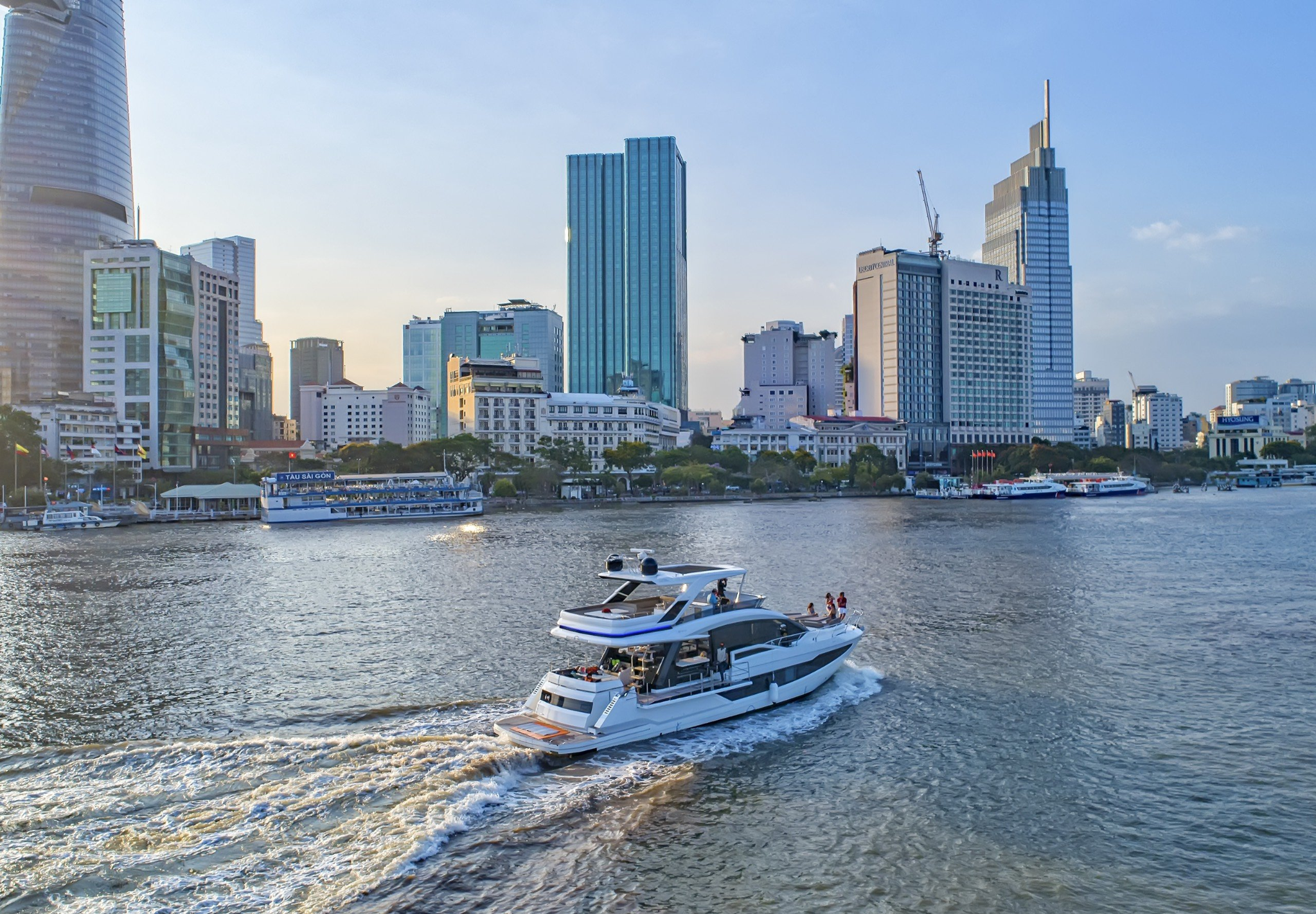
Tourists experience a boat tour to explore the Saigon River (Source: Collected)
The river also provides an interesting transition between the outskirts and the center of Ho Chi Minh City. After exploring the historical landscape of Cu Chi, watching the city gradually unfold along the river offers a different perspective on the region. An evening boat trip can also be a convenient way to end a full day of sightseeing before continuing with dinner or other activities in the city.
2.7. Discover the colonial architecture of Ho Chi Minh City
Travelers interested in history and architecture can continue their journey in central Ho Chi Minh City, where several well-known landmarks showcase the city’s architectural heritage. The Central Post Office, Notre Dame Cathedral area and surrounding historic streets can be explored together on foot, creating a convenient cultural route after returning from Cu Chi.
Walking through the central district allows visitors to experience a different chapter of Southern Vietnam’s history while also observing the modern city around these older landmarks. The area is easy to combine with nearby museums, shopping streets and local dining spots, making it suitable for travelers who still have an afternoon or evening available after their Cu Chi excursion.
2.8. Take a trip to Ben Tre for a slower Mekong Delta experience
Ben Tre is a suitable choice for travelers who want to spend more time exploring the countryside of the Mekong Delta. Known for its waterways, coconut groves and rural communities, the province offers a slower atmosphere compared with Ho Chi Minh City and provides opportunities to experience traditional agricultural life.
A visit can include boat trips through narrow canals, cycling along village roads, visits to coconut-related workshops and stops at local gardens. The combination of waterways and green countryside creates a strong contrast with the underground tunnels at Cu Chi. Travelers with more than one day can incorporate Ben Tre into a broader Mekong Delta itinerary and experience the region at a more relaxed pace.
3. Tips for planning your trip after Cu Chi Tunnels
3.1. Choose your next destination based on travel time
When deciding where to go after Cu Chi Tunnels, consider how much time remains in your day and how far you are willing to travel. If you only have a few hours, destinations in or around Ho Chi Minh City can be more practical, while travelers with a full day can consider continuing toward Tay Ninh or the Mekong Delta.
It is also useful to group destinations that lie in a similar direction. For example, travelers heading toward Tay Ninh can combine Cu Chi with Ba Den Mountain or other attractions in the area, while those returning to Ho Chi Minh City can explore central landmarks afterward. Planning by route helps reduce unnecessary travel and leaves more time for enjoying each destination.
3.2. Avoid fitting too many destinations into one day
Although there are many interesting places to visit after Cu Chi, trying to cover too many attractions can make the journey tiring. The Cu Chi Tunnels itself can take several hours, particularly if travelers want to explore the tunnel system, historical exhibits and surrounding areas at a comfortable pace.
Travelers should plan their itineraries wisely to enjoy a variety of destinations while also looking after their health. (Source: Collected)
A better approach is to choose one major destination or a small group of nearby attractions for the remainder of the day. Travelers with more time can extend the journey over two or more days, particularly when visiting the Mekong Delta. Allowing enough time for transportation, meals and rest makes the overall experience more comfortable.
3.3. Check transportation and operating schedules
Transportation is an important consideration when combining Cu Chi with destinations outside Ho Chi Minh City. Depending on the itinerary, travelers can use private cars, taxis, ride-hailing services, organized tours or other local transportation options. For longer routes toward Tay Ninh or the Mekong Delta, arranging transportation in advance can make it easier to follow the planned schedule.
Travelers should also check opening hours, ticket information and operating schedules before leaving Cu Chi. This is particularly useful for attractions involving cable cars, boat trips or scheduled activities. Having the main transportation and visiting hours confirmed in advance can help avoid unnecessary waiting and make it easier to adjust the itinerary when needed.
3.4. Prepare for Southern Vietnam’s weather
Weather can have a noticeable impact on a day of sightseeing in Southern Vietnam, especially when the itinerary includes outdoor attractions. The region is generally warm, so lightweight clothing, comfortable walking shoes, sunscreen and drinking water are useful for travelers spending several hours outside. A hat or umbrella can also provide additional protection during sunny periods.
Rain can occur during the wetter months, so checking the forecast before departure is helpful when planning outdoor activities such as mountain sightseeing, countryside excursions or boat trips. Keeping some flexibility in the schedule allows travelers to move outdoor activities to a more suitable time if weather conditions change. With the right preparation, it is easier to combine the Cu Chi Tunnels with other where to go after Cu Chi Tunnels options without making the journey unnecessarily tiring.
Knowing where to go after the Cu Chi Tunnels makes it easier to turn a historical visit into a broader Southern Vietnam journey. From the mountain landscapes of Ba Den Mountain and the peaceful scenery of Dau Tieng Lake to the waterways of the Mekong Delta and the architectural landmarks of Ho Chi Minh City, each destination offers a different experience. By considering travel time, route, weather and transportation, travelers can create an itinerary that combines the history of Cu Chi with the diverse landscapes and cultures of Southern Vietnam.