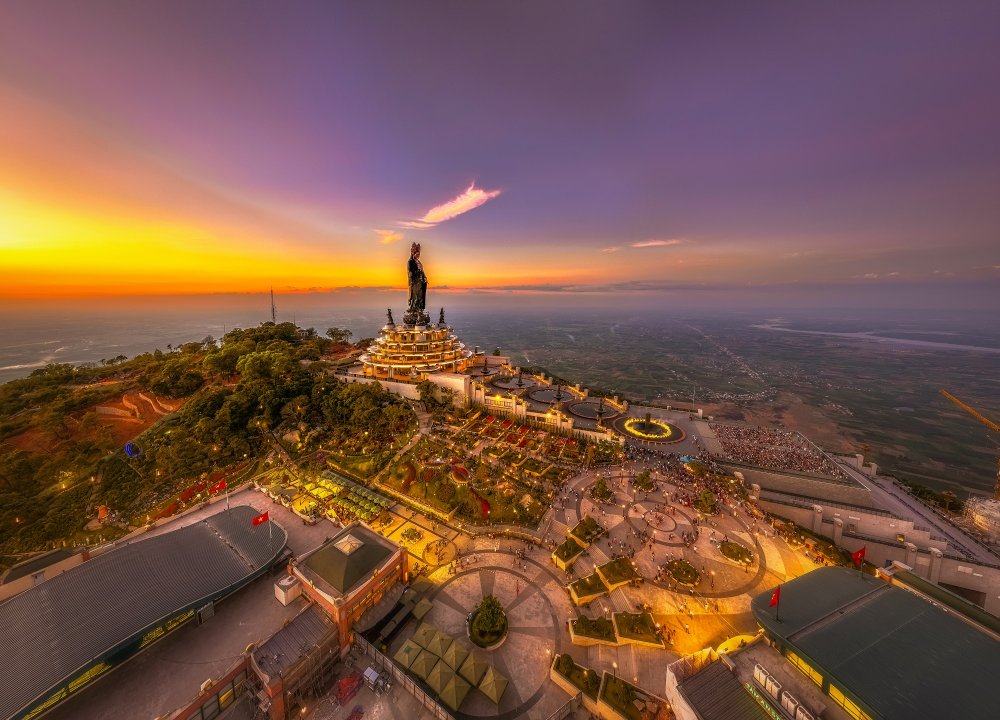



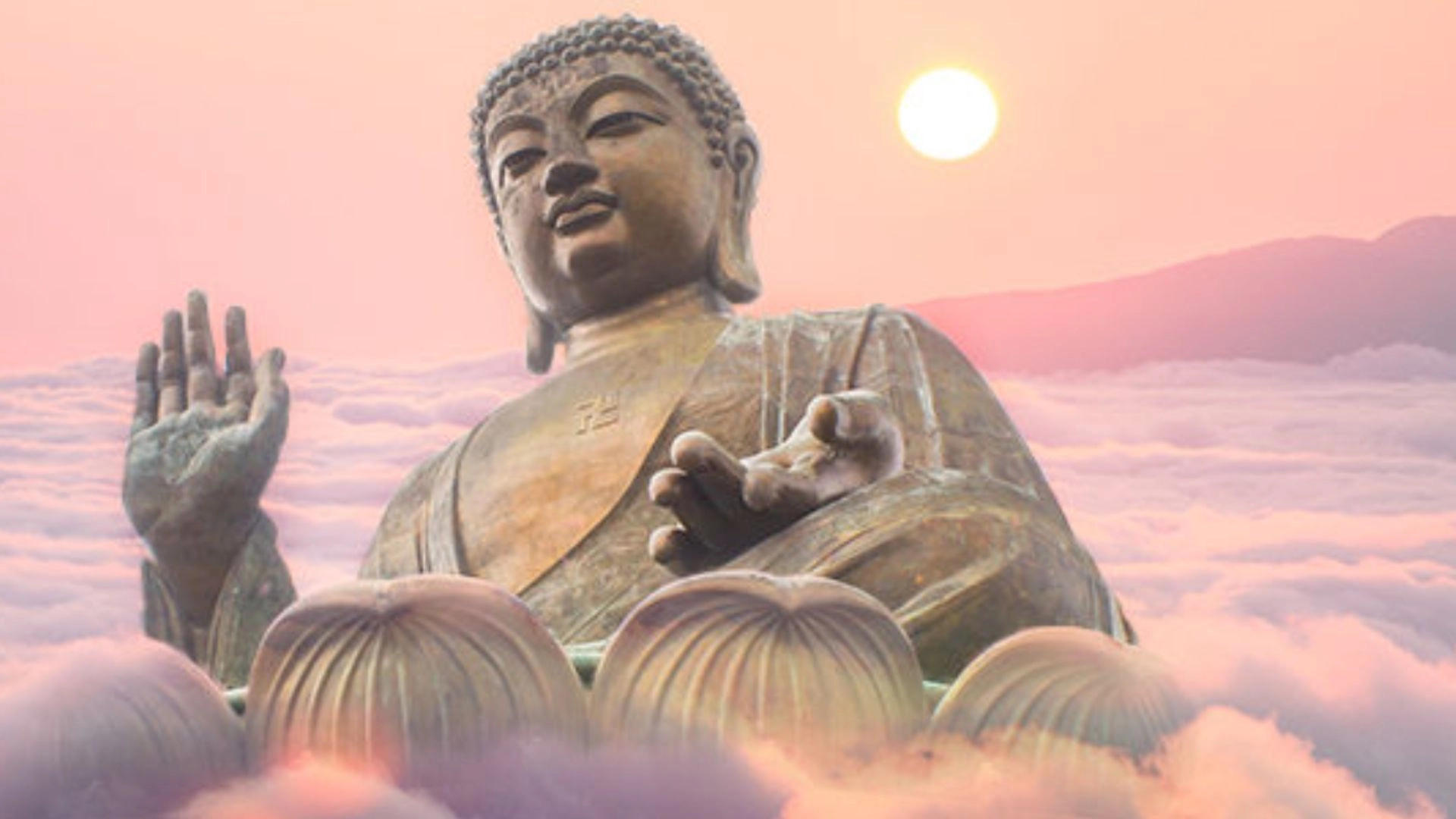
1. Overview of Buddhist Commemoration Days of Buddhas and Bodhisattvas Throughout the Year
1.1. The concept of Buddhist commemoration days
In Buddhist tradition, commemoration days are dates associated with important events in the lives of Buddhas and Bodhisattvas, traditionally determined according to the lunar calendar. These dates hold profound significance in the religious life of Buddhist followers. Each commemoration day serves as a reminder of the spiritual journey and enlightenment of revered figures.
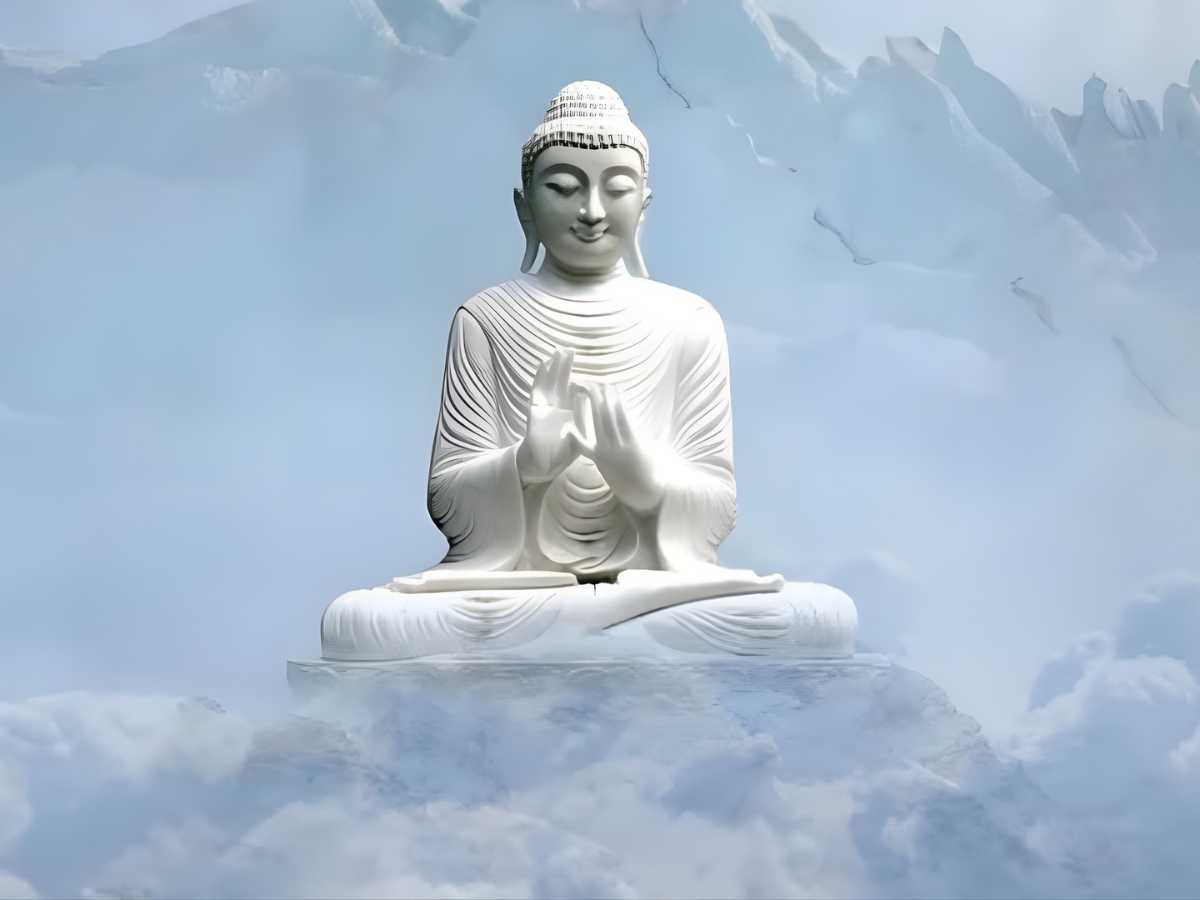
Commemoration days are dates associated with important events in the lives of Buddhas and Bodhisattvas. (Source: Collected)
These dates commemorate milestones such as the birth, enlightenment, and passing into Nirvana of Shakyamuni Buddha, as well as revered Bodhisattvas in Vietnamese Mahayana Buddhism. Each event carries its own spiritual significance, reflecting the Buddhist ideals of compassion and wisdom. They also provide an opportunity for followers to reflect on the core values of Buddhist teachings in modern life.
1.2. Spiritual significance of Buddhist commemoration days
Buddhist commemoration days remind people to cultivate goodness and encourage them to care for their inner lives. On these occasions, Buddhists often practice repentance, let go of negative thoughts and afflictions, and cultivate a pure lifestyle through chanting sutras and performing good deeds. Many people also pray for peace and dedicate prayers to deceased relatives and loved ones, while wishing to spread peace throughout the wider community.
1.3. Origins of Buddhist commemoration days in Vietnamese Northern Buddhism
The system of Buddhist commemoration days in Vietnam follows the traditional lunar calendar, whose rhythm has been based on the lunar cycle for generations. Vietnamese Northern Buddhism, following the Mahayana tradition, generally places emphasis on commemorating major events associated with the Buddha and various Bodhisattvas throughout the year during ceremonies held at temples. Over time, Vietnamese Buddhism adopted and adapted ritual practices from India and China while integrating them with local customs to make them more closely connected to Vietnamese life.
2. List of Important Buddhist Commemoration Days According to the Lunar Calendar
2.1. The most important Buddhist commemoration days of the year
During the lunar year, several Buddhist commemoration days are regarded as important milestones in the life of Shakyamuni Buddha, associated with the foundations of Buddhist teachings and spiritual practice. Each occasion carries a reminder of the Buddha's journey in seeking the truth. These days also provide an opportunity for Buddhists to turn their minds toward the origins of Buddhism.
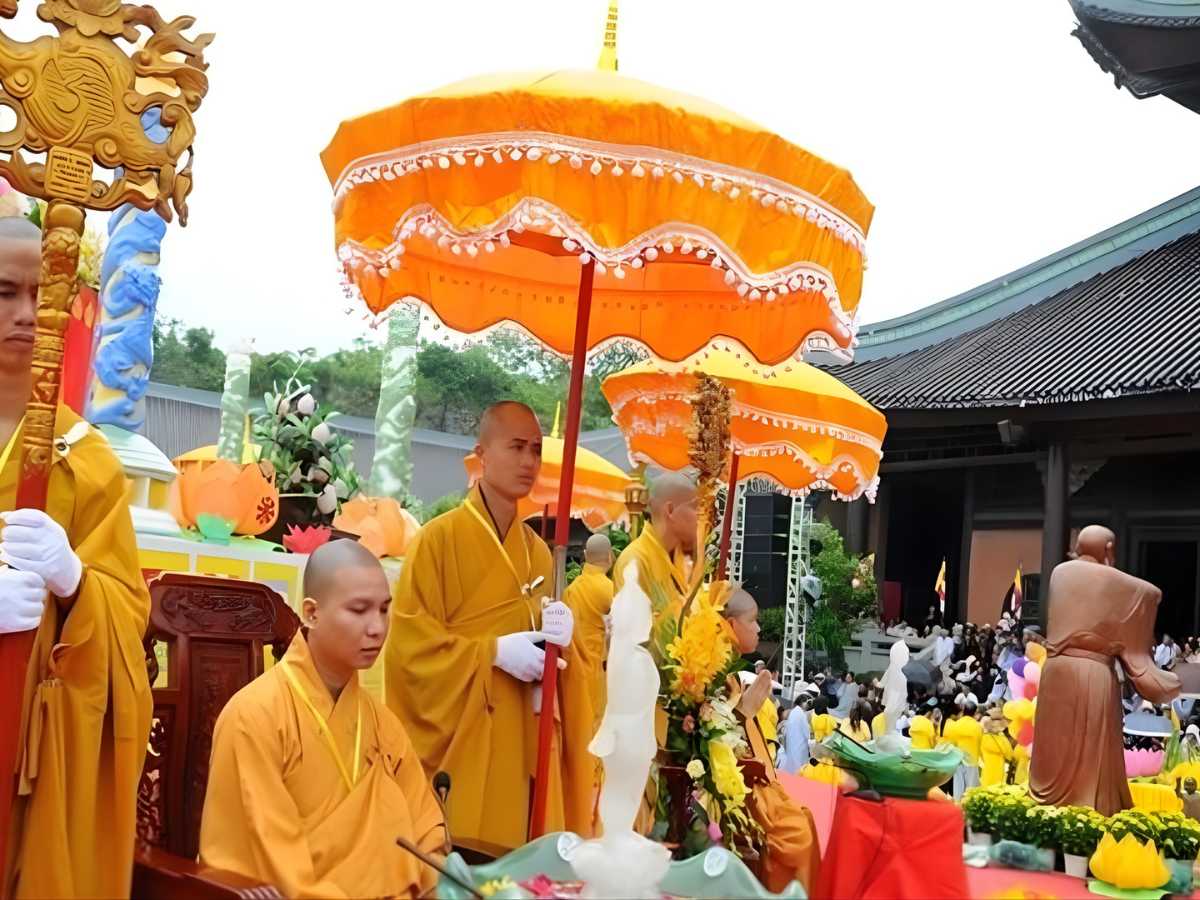
Important commemoration days include Buddha's Birthday and the day Shakyamuni Buddha entered Nirvana, among others. (Source: Collected)
The 8th day of the fourth lunar month is Buddha's Birthday, commemorating the birth of Shakyamuni Buddha in Lumbini, India. This event marks the appearance of the figure who opened the path to enlightenment for sentient beings. For many Buddhists, this is a time to chant sutras, meditate, and practice compassion in daily life.
The 15th day of the second lunar month, according to Vietnamese Buddhist tradition, is the day Shakyamuni Buddha entered Nirvana after forty-nine years of teaching the Dharma. This marks the moment when He departed from His physical body, bringing His journey of teaching and guiding sentient beings in this world to an end. On this day, Buddhists often chant, commemorate, and practice repentance as an expression of gratitude for the Dharma that was transmitted.
The 8th day of the twelfth lunar month commemorates the event of Shakyamuni Buddha attaining enlightenment beneath the Bodhi tree at Bodh Gaya. This moment represents a significant turning point when He realized the truth and attained perfect wisdom. The occasion also reminds practitioners of the meaning of enlightenment, which lies at the heart of Buddhist practice.
2.2. Bodhisattva commemoration days observed by many Buddhists
Bodhisattvas are beings who make vows to help sentient beings overcome suffering and progress toward enlightenment. In Vietnamese Buddhist life, Bodhisattva commemoration days receive considerable attention from Buddhists. These occasions are not merely ritual events but also provide moments of quiet reflection for people to look inward.
The 19th day of the second, sixth, and ninth lunar months is associated with Avalokiteshvara Bodhisattva, a symbol of compassion and the spirit of relieving suffering. The 19th day of the second lunar month commemorates His birth, the 19th day of the sixth lunar month marks His enlightenment, and the 19th day of the ninth lunar month commemorates His renunciation and entering monastic life. During these occasions, many Buddhists chant the Avalokiteshvara Sutra, recite His name, practice good deeds, and release captive animals as a way of dedicating merit.
The 30th day of the seventh lunar month is the commemoration day of Ksitigarbha Bodhisattva, who is revered for His vow to save sentient beings in the realms of darkness and suffering. This occasion is often associated with remembrance and repentance, with prayers dedicated to deceased souls. The atmosphere at many temples becomes solemn as Buddhists pray together and cultivate wholesome intentions.
The 13th day of the tenth lunar month is the commemoration day of Samantabhadra Bodhisattva, who represents great vows and the spirit of persistent practice. His image reminds practitioners to bring Buddhist teachings into everyday life. In this way, the ideals of the Bodhisattva path are preserved and continued within the Buddhist community.
2.3. Other commemoration days according to folk traditions
In addition to the major dates mentioned above, folk Buddhist traditions also recognize many commemoration days associated with revered figures and Buddhist deities such as Maitreya Buddha, Medicine Buddha, Manjushri Bodhisattva, and Cundi Bodhisattva. Each occasion reflects a distinct aspect of religious belief that Buddhist communities have preserved across generations. This diversity contributes to the rich and varied spiritual practices found in Vietnamese life.
3. How to Prepare and Conduct Offerings on Buddhist Commemoration Days
On Buddhist commemoration days, the most important aspect is not the elaborateness of the offerings but the sincerity of the person making them. Buddhists often prepare a clean altar, light incense, and offer fresh flowers, fruit, and pure water as expressions of reverence. The ritual space should be kept solemn and quiet so that practitioners can focus on chanting and contemplation.
In addition to making offerings, many people choose to chant sutras, recite the names of Buddhas, or practice meditation on these days. This provides an opportunity to temporarily set aside the worries of everyday life and return to caring for one's inner world. Sutras are recited slowly and steadily to cultivate peace of mind and serve as a reminder of the path of spiritual practice and wholesome living.
Beyond rituals performed at home, many Buddhists also engage in charitable activities such as releasing captive animals, giving alms, or helping people in difficult circumstances. These seemingly small acts carry significant meaning in nurturing compassion. As a result, a commemoration day becomes not only an occasion for remembrance but also an opportunity to spread wholesome energy throughout the community.
Understanding the significance of Buddhist commemoration days of Buddhas and Bodhisattvas not only helps ensure that offerings and rituals follow tradition but also creates an opportunity to slow down amid the pressures of modern life. Each commemoration day serves as a reminder of compassion, wisdom, and mindfulness on one's personal journey. Whether choosing to observe the ceremony at home or visit a spiritual site, what ultimately matters is maintaining a wholesome heart and sincerity in every action.