




1. Overview of the journey to the summit of Ba Den Mountain
Before choosing your mode of transport, it is important to distinguish between the two main sightseeing areas on Ba Den Mountain. The summit area, located at an altitude of 986 meters, features the "Roof of the South" landmark, the Tay Bo Da Son Lady Buddha statue, the Maitreya Buddha statue, the Udam Garden, and various other prominent architectural and landscape highlights. Meanwhile, the Ba Pagoda complex is situated halfway up the mountain and comprises Linh Son Tien Thach Pagoda, Dien Ba (Lady's Shrine), Hang Pagoda, and Hoa Dong Pagoda. Identifying your specific destination will help you select the appropriate route and plan your itinerary more effectively.
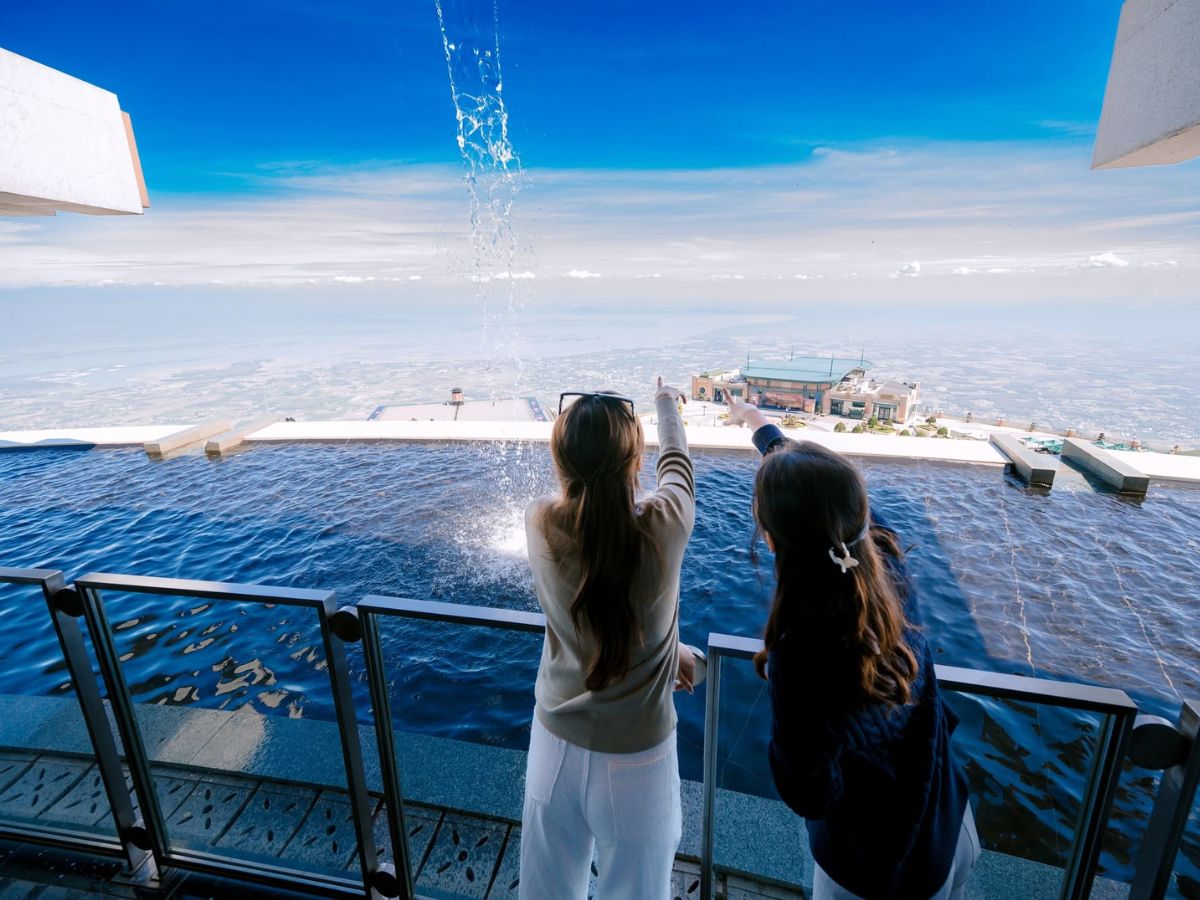
Visitors take in the panoramic view of Tay Ninh from the summit of Ba Den Mountain. (Source: Collected)
You can currently reach the summit area by either cable car or trekking. The cable car is suitable for most visitors due to the short travel time, leisurely journey, and convenient connections between sightseeing spots. In contrast, trekking offers a more immersive experience amidst the mountain terrain but requires physical stamina, navigation skills, and thorough preparation. Therefore, you should consider your available time, travel companions, and the purpose of your trip before choosing your mode of transport.
2. Traveling to the summit of Ba Den Mountain by cable car
2.1. Van Son cable car route from the mountain base to the summit
If you wish to go directly to the summit area without transferring lines, the Van Son cable car is the best choice. This route runs from Ba Den Station at the mountain's base to Van Son Station near the top. Spanning approximately 1,847 meters with an elevation gain of nearly 886 meters, the journey takes only about 8 minutes. This allows you to save significant travel time and spend more of it sightseeing.
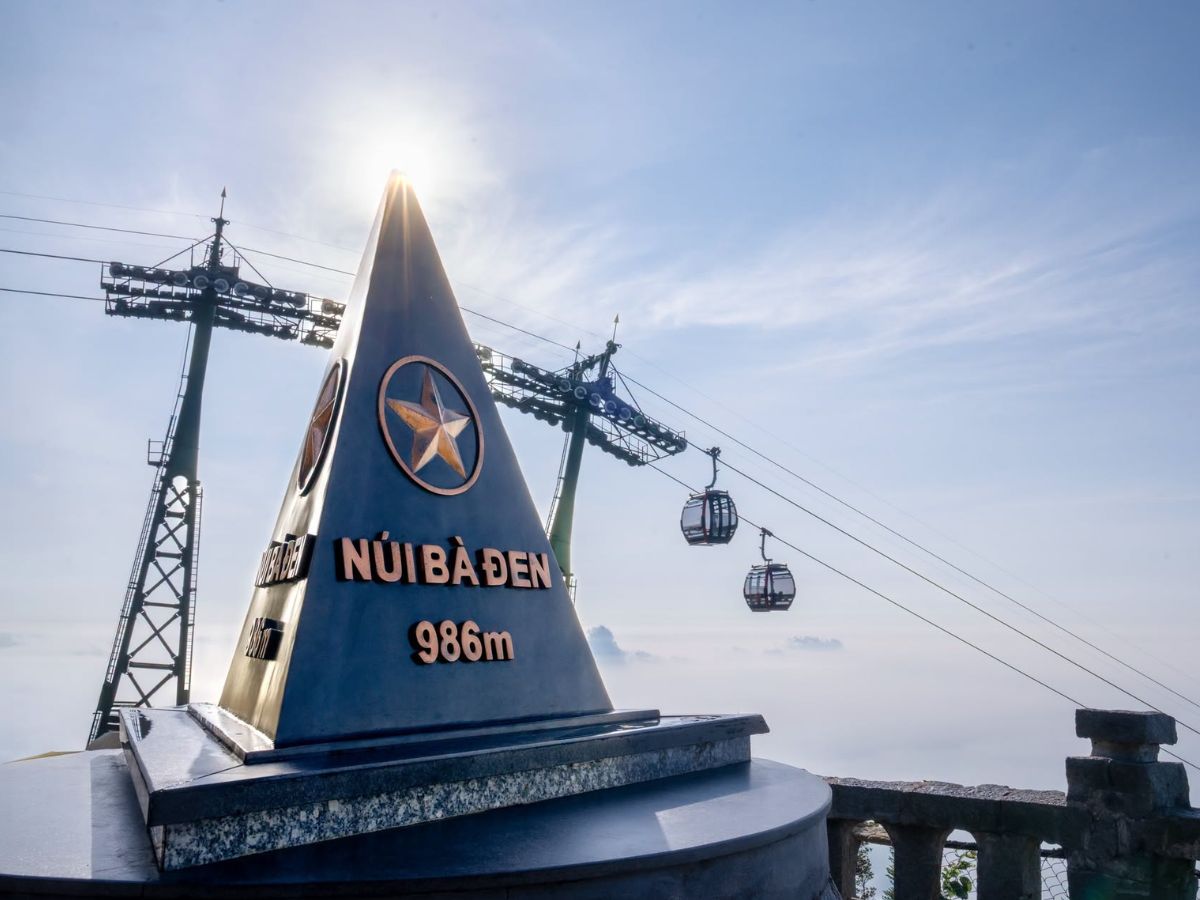
The 986-meter marker along the Van Son cable car route at the summit of Ba Den Mountain. (Source: Collected)
Upon disembarking from the cabin, you can quickly access the summit's highlights. This mode of travel is ideal for families with young children, the elderly, or visitors with only half a day to explore Ba Den Mountain. The short, leisurely journey also allows you to conserve energy for visiting the 986-meter peak marker, spiritual sites, and the scenic areas at the summit.
2.2. Highlights of the Van Son Route
As soon as the cabin leaves Ba Den Station, you will notice the landscape shifting with the changing altitude. Through the expansive windows, the lush green mountainside appears closer, while the plains of Tay Ninh stretch out into the distance. Although the journey takes only about eight minutes, it offers a unique perspective of the mountain scenery. As you approach Van Son Station, the open, airy atmosphere builds a sense of excitement for the tour ahead.
After leaving the station, you can easily explore key attractions such as the 986-meter peak marker, the Tay Bo Da Son Buddha statue, and the Maitreya Bodhisattva statue. If time permits, you can continue your visit at the Uu Dam Garden, the flower gardens, or the Buddhist Exhibition Center. These sites are conveniently connected, allowing you to tailor your itinerary to your preferences. For a half-day trip, the Van Son route is an excellent choice for sightseeing, paying respects at sacred sites, and exploring the remarkable structures atop the mountain.
👉 Book your Ba Den Mountain cable car tickets now!
2.3. Combining the Chua Hang and Tam An routes
If you wish to combine a pilgrimage to the Ba Pagoda complex with a visit to the structures at the summit, you can take the Chua Hang route first and then continue via the Tam An route. Starting from the Ba Den station at the mountain's base, the Chua Hang route transports you to the mountainside area in about five minutes. There, you can spend time visiting Linh Son Tien Thach Pagoda, Dien Ba (Lady's Shrine), Chua Hang (Cave Pagoda), and other nearby spiritual sites. This arrangement allows for a natural progression in your journey, moving from the ancient pagoda grounds to the scenic areas at the summit.
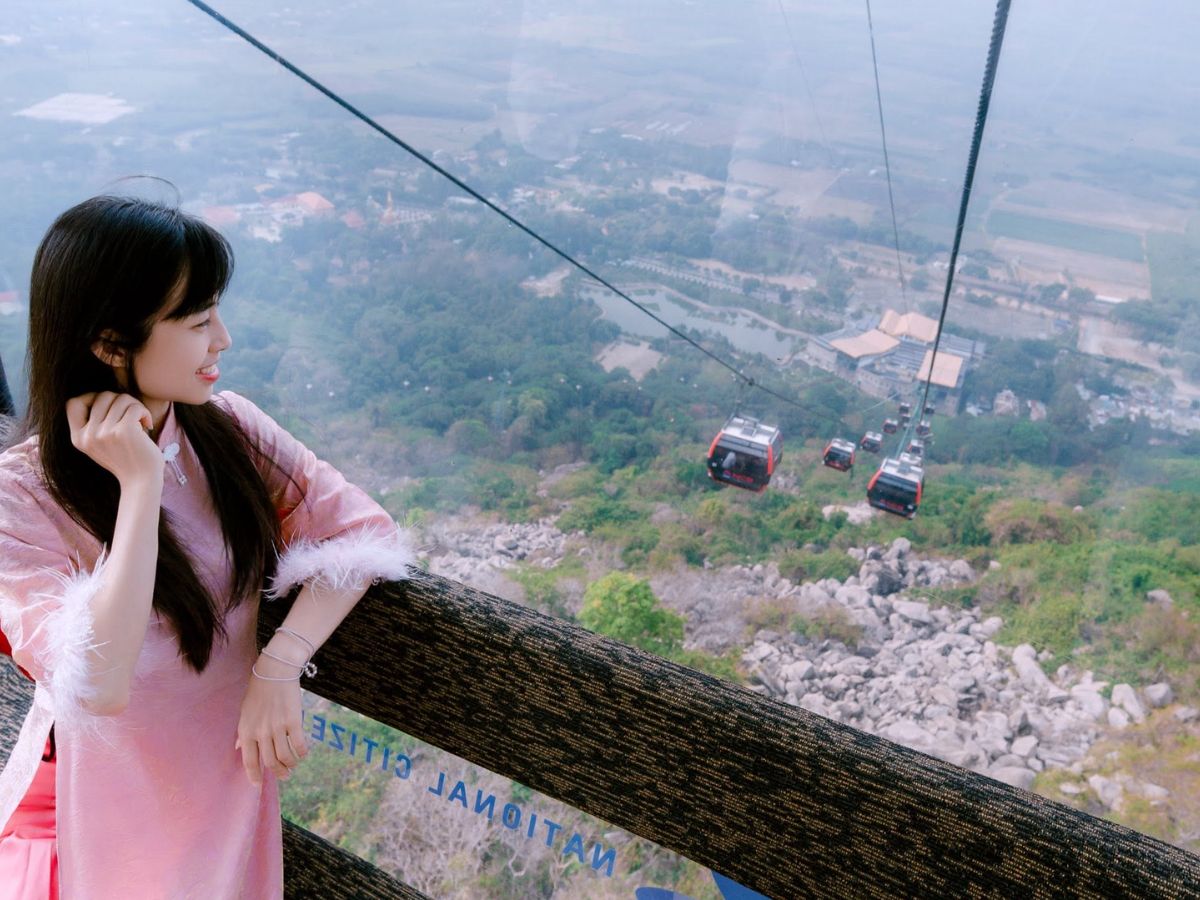
Visitors admire the mountainside from a cable car cabin on Ba Den Mountain. (Source: Collected)
After completing your visit to the lower shrines, head to Hoa Dong Station to continue your ascent to the summit via the Tam An route. This cable car leg takes about five minutes, allowing you to conserve energy while enjoying aerial views of the mountainside. Upon reaching the summit area, you can easily continue your journey to visit the Tay Bo Da Son Bodhisattva statue, the Maitreya Buddha statue, the Udumbara Garden, and the 986-meter summit marker. Combining these two routes is an excellent option if you have a full day and wish to thoroughly explore both the pagoda complex and the spiritual sites at the peak.
3. Trekking to the summit of Ba Den Mountain
3.1. The Power Line Route
Among the ways to reach the summit of Ba Den Mountain, the "Power Line Route" is a popular choice for novice trekkers. Utility poles line part of the path, making it easier to navigate. However, the journey still involves steep sections, large rocks, and constantly changing terrain. Therefore, it is important to maintain a steady pace, manage your energy wisely, and avoid rushing at the start.
The time required to complete the trek depends on your physical fitness, the group's speed, and the day's weather conditions. It is advisable to start early in the morning to allow for plenty of rest stops and greater flexibility during the hike. If this is your first time, consider joining a group that includes experienced Ba Den climbers. Essential gear for a smoother journey includes shoes with good traction, drinking water, snacks, and gloves.
3.2. The Pagoda Route
If you wish to combine physical activity with a spiritual experience, consider the Pagoda Route. This path winds past the pagodas situated along the mountainside; thus, the journey is not only a physical challenge but also offers several meaningful stops. Along the way, you will encounter a mix of stone steps, natural rock sections, and steep slopes. Therefore, the pace of movement needs to be kept steady to allow the body time to adapt.
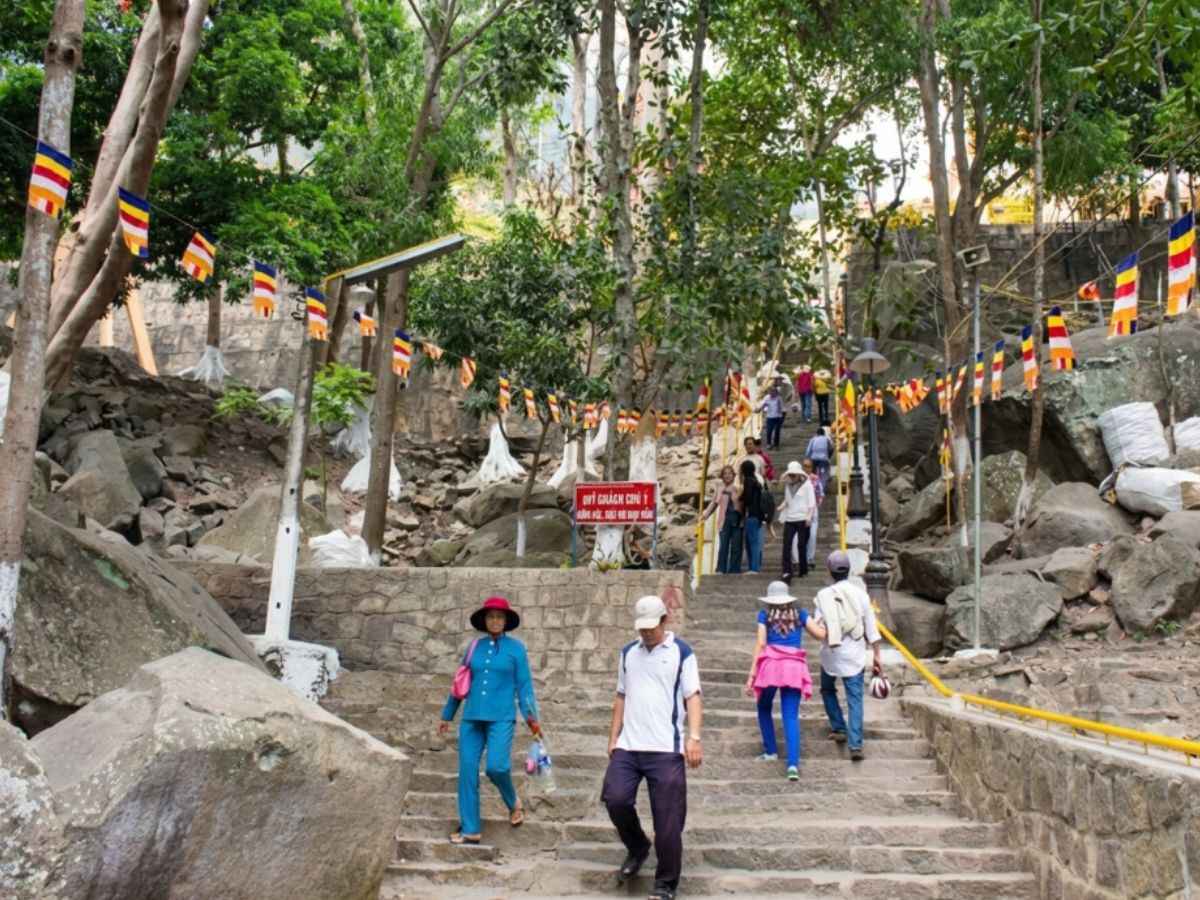
Visitors follow the stone steps along the temple path amidst the forest of Ba Den Mountain. (Source: Collected)
The Pagoda Trail is suitable for those with good physical stamina who are equipped with lightweight clothing and shoes offering good traction. When passing through areas of worship, please maintain a respectful demeanor and adhere to the site's guidelines. Throughout the journey, prioritize following the designated paths and avoid veering off into unmarked forest trails. This approach allows you to explore the mountainside scenery while gaining a deeper appreciation for the spiritual culture unique to Ba Den Mountain.
3.3. Ma Thien Lanh Trail
If you wish to tackle a trekking route that demands more experience, consider the Ma Thien Lanh Trail. The route traverses forest sections and areas with large boulders, featuring constantly changing terrain. Some spots lack clear markers, making keen observation and navigation skills crucial. Maintain a steady pace, manage your energy wisely, and always stay with your group throughout the journey.
This route is better suited for seasoned trekkers accustomed to handling outdoor conditions. It is advisable to have a guide familiar with the terrain and to be fully equipped with water, navigation tools, and other essentials. Before setting out, check the weather and trail accessibility so you can adjust your plans accordingly. Thorough preparation ensures you can fully enjoy the beauty of Ma Thien Lanh while maintaining peace of mind throughout the trip.
3.4. Trekking routes for experienced hikers
Once you are accustomed to hiking and wish to take on greater challenges, you might explore the Phung Mountain route or extended paths through the forest areas. These routes often require more time due to the varied terrain, which alternates between steep inclines, natural rock formations, and narrow trails. Consequently, a solid level of physical fitness, the ability to maintain a steady pace, and experience in navigating natural environments are essential.
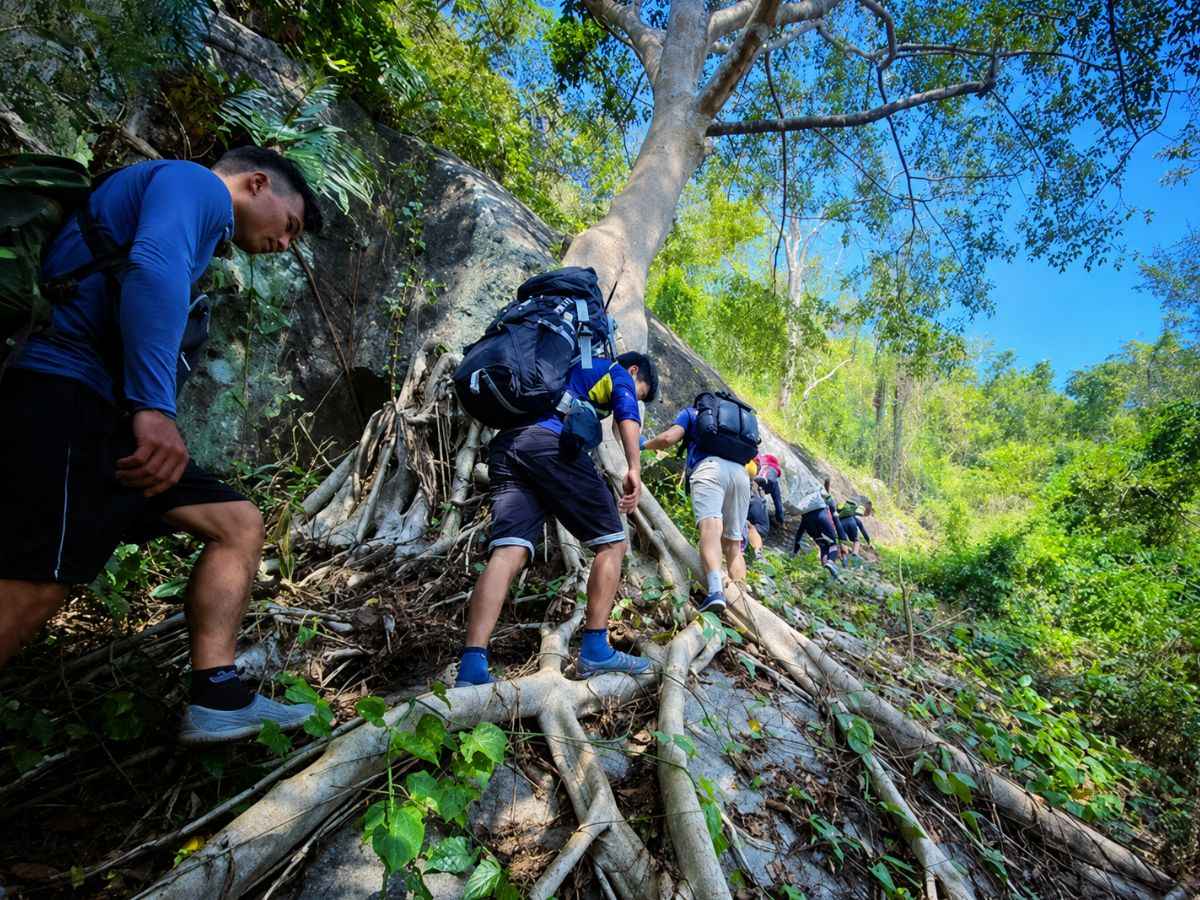
A trekking group tackles steep terrain in the forest of Ba Den Mountain. (Source: Collected)
To ensure a smooth journey, you should pack sufficient water, energy-boosting snacks, a navigation device, and a basic first-aid kit. Group members should also agree on the route, rest stops, and return time before setting off. These trekking routes are suitable for experienced hikers but are not ideal for groups with young children or individuals with limited mobility. It is also advisable to check access regulations for each area to select the right itinerary and ensure a fulfilling experience.
4. Suggested ways to reach the summit of Ba Den Mountain
4.1. Families with young children and the elderly
When traveling with young children or the elderly, prioritize the Van Son cable car route for a more leisurely journey. The eight-minute ride conserves energy, allowing more time for sightseeing at the summit. Upon exiting the station, you can start with nearby attractions such as the 986m altitude marker, the Tay Bo Da Son Buddha statue, or the landscaped gardens. This arrangement allows the whole family to move around comfortably without constantly changing locations.
Throughout the trip, plan for rest breaks between segments and avoid cramming too many activities into a single session. Pack light, bringing only essentials like water, a light jacket, personal medication, and items for the children. If bringing a stroller, choose a foldable model for convenience when boarding the cable car and moving between attractions. A manageable itinerary ensures everyone has time to admire the scenery, take photos, and fully enjoy the atmosphere at the summit.
4.2. Visitors wishing to combine a pilgrimage with summit sightseeing
If you wish to pay respects at the Ba Pagoda before exploring the complex at the summit, plan your itinerary to proceed from the mountainside up to the peak. First, the Chua Hang (Cave Pagoda) route takes you from Ba Den Station to the area near Linh Son Tien Thach Pagoda, Dien Ba (Lady’s Shrine), and nearby spiritual sites. You can spend the morning offering incense, admiring the ancient pagoda architecture, and soaking in the serene atmosphere before proceeding to the next leg of your journey.
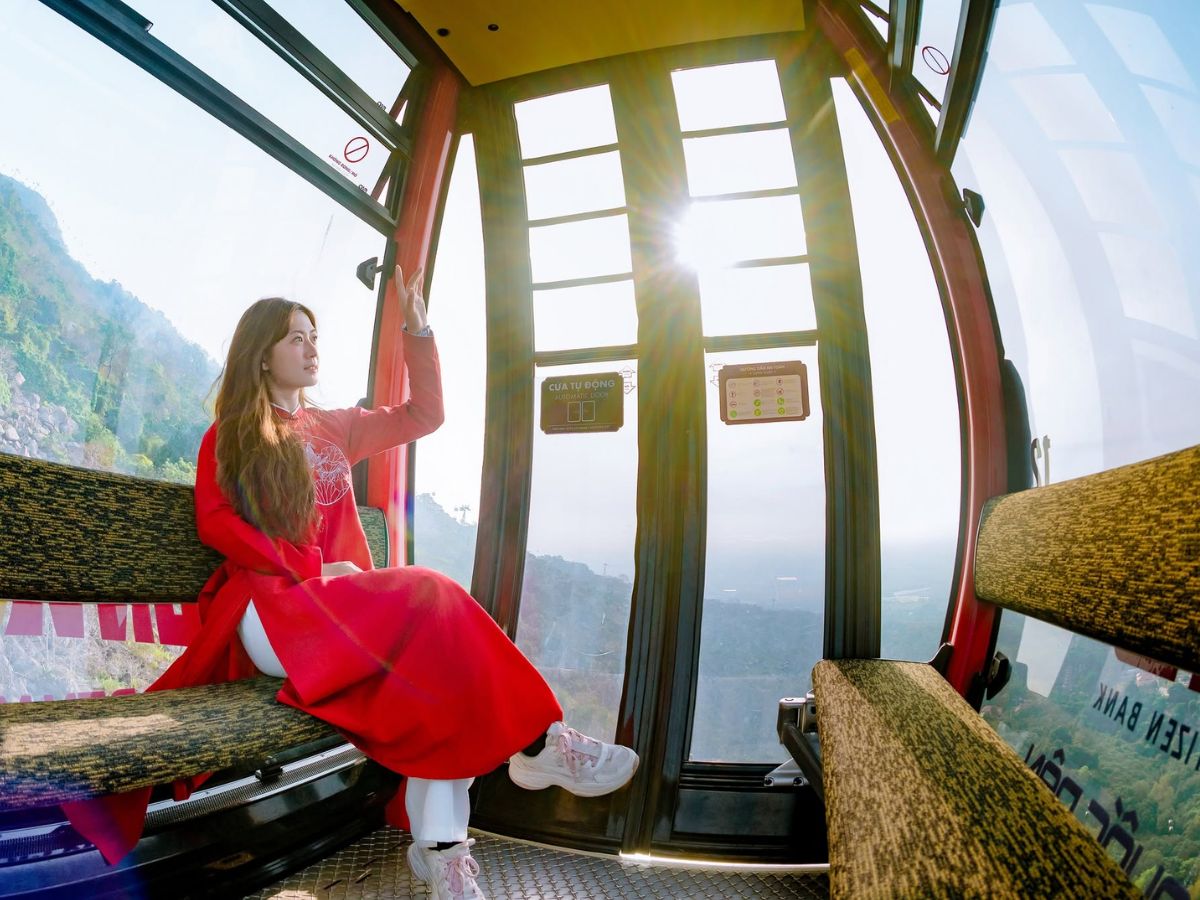
The cable car journey takes visitors from the pagoda complex to the summit of Ba Den Mountain. (Source: Compiled)
After completing your visit to the religious sites, proceed to Hoa Dong Station and take the Tam An line to reach the summit area. This is one of the best ways to ascend Ba Den Mountain if you wish to combine both experiences in a single day. In the afternoon, you can visit the Tay Bo Da Son Bodhisattva statue, the Maitreya Buddha statue, the Udam Garden, or the 986m summit marker. Before your trip, it is advisable to check the operating schedules for each line so you can plan your time effectively and maintain a relaxed pace.
4.3. Visitors with only half a day
If you have only half a day, prioritize the Van Son cable car line to travel directly from the mountain base to the summit area. The eight-minute journey saves considerable effort, allowing you to dedicate most of your time to sightseeing. Upon arrival, you can start at the 986m summit marker, proceed to the Tay Bo Da Son Bodhisattva statue, and then choose between the Maitreya Buddha statue or the Udam Garden based on your preference.
To keep the trip relaxed, focus on a few highlights rather than trying to cover too many areas. Starting early gives you more control over your schedule and allows for breaks between stops. With a short itinerary, spending the entire half-day at the summit area ensures a seamless experience, allowing you to fully appreciate the landscape, spiritual atmosphere, and unique structures of Ba Den Mountain.
4.4. Nature and activity enthusiasts
If you want to experience the mountain terrain more intimately, trekking is a better choice than the cable car. The overland route allows you to observe the changing landscape as you ascend, from trails at the base to rocky sections higher up. For beginners, the "Utility Pole Trail" (cung đường cột điện) is a more accessible option, especially when accompanied by an experienced group. You should maintain a steady pace to conserve your energy while also having time to enjoy the surrounding natural scenery.
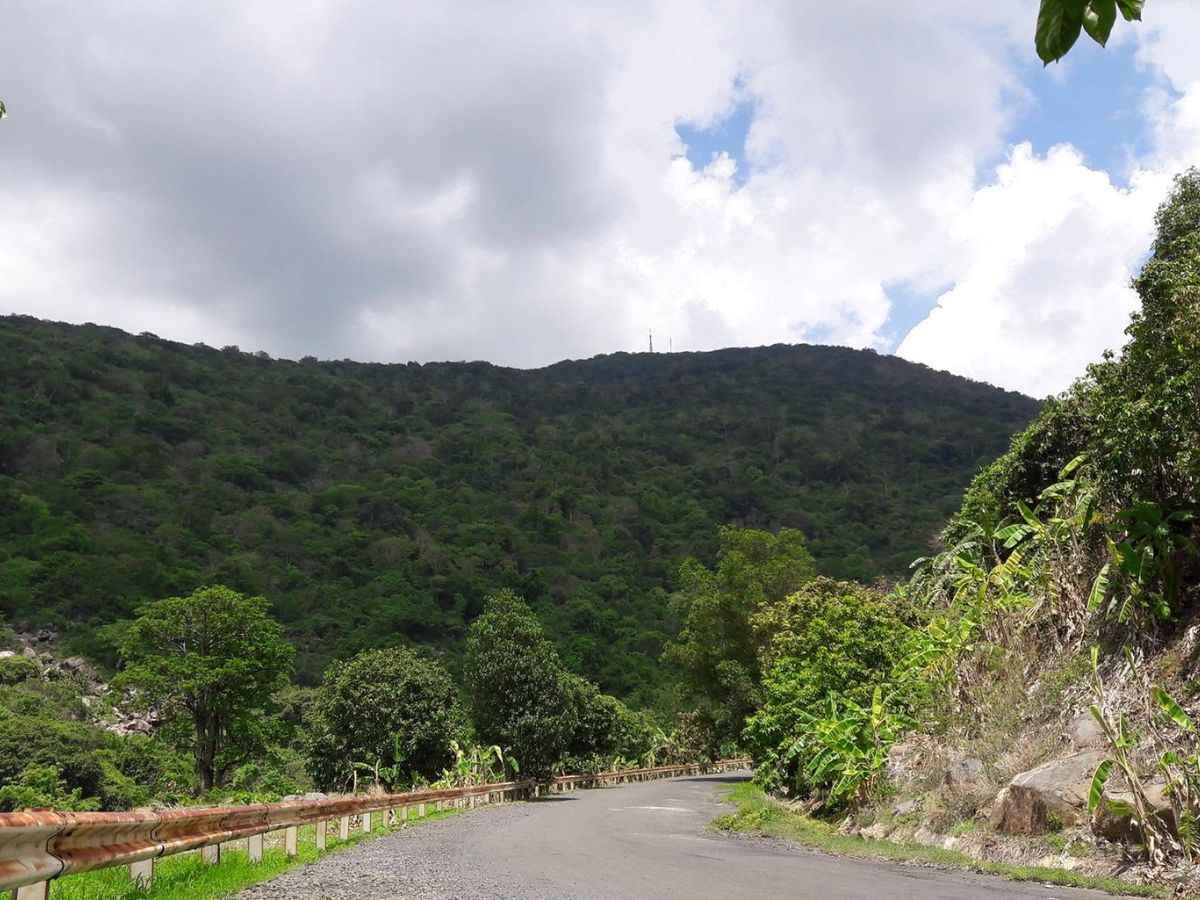
The trail along the slopes of Ba Den Mountain opens up a trekking journey through the lush green forest. (Source: Collected)
Once you are accustomed to hiking, you might consider the Ma Thien Lanh or Phung Mountain routes to elevate your experience. These paths demand navigation skills, stamina, and thorough preparation regarding water, communication devices, and personal gear. Before setting out, check the weather forecast and coordinate plans with your group members. A well-planned itinerary allows you to explore Ba Den Mountain in a more intimate, self-directed, and fulfilling way.
Familiarizing yourself with the various ways to reach the summit of Ba Den Mountain beforehand will help you select the route that best suits your preferences. The Van Son route is ideal for visitors wishing to reach the summit quickly, whereas combining the Hang Pagoda and Tam An routes offers a more comprehensive experience, blending the pagoda area with the spiritual complex at the peak. For fitness enthusiasts, trekking is a compelling option, though it requires careful preparation regarding physical conditioning, equipment, and companions to ensure a safe journey.


