




1. Why Vietnam's sacred mountains are worth exploring
For Singapore travelers seeking experiences that go beyond beaches and city breaks, sacred mountains in Vietnam offer a unique combination of breathtaking landscapes, cultural heritage, and spiritual discovery. Rising above forests, valleys, and ancient temples, these mountains have been places of pilgrimage, meditation, and worship for centuries, attracting both local devotees and international visitors.
Unlike many hiking destinations, Vietnam's sacred mountains combine natural beauty with impressive religious architecture, making them suitable for travelers with different interests. Whether you're passionate about photography, cultural exploration, wellness, or simply enjoying panoramic views, visiting these mountains provides an enriching experience that blends adventure with tradition.
1.1. A unique blend of spirituality and natural beauty
One of the defining features of sacred mountains in Vietnam is the harmonious relationship between nature and spirituality. Ancient pagodas, temples, and shrines are often nestled among lush forests or perched high on mountain slopes, creating peaceful environments that invite reflection and appreciation of the surrounding landscape.
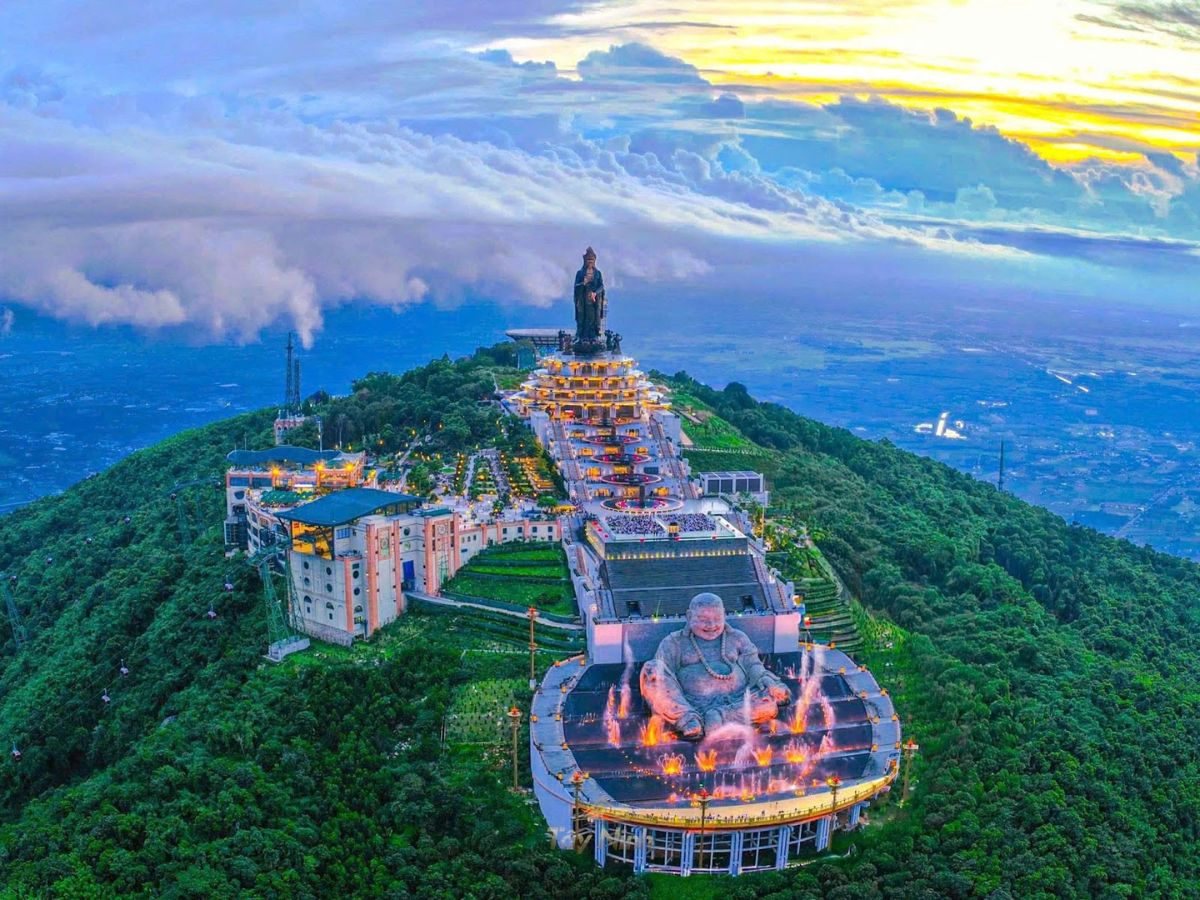
Mountain tourist destinations in Vietnam attract many Singaporean tourists who come to experience them
Many of these mountains have long been regarded as sacred destinations in Vietnamese Buddhism and local folklore. Pilgrims travel here throughout the year to pray for peace, health, prosperity, and good fortune, while international visitors are drawn by the remarkable scenery and cultural significance. Even travelers without religious backgrounds often find the tranquil atmosphere and mountain landscapes deeply inspiring.
1.2. Easy access for a short holiday from Singapore
Vietnam's excellent flight connectivity makes exploring sacred mountains in Vietnam surprisingly convenient for Singapore travelers. Direct flights connect Singapore with major cities such as Ho Chi Minh City, Hanoi, and Da Nang in just two to three hours, providing easy access to several of the country's most famous spiritual destinations.
Many sacred mountains are located only a short drive from these gateway cities and are supported by modern tourism infrastructure, including cable car systems, visitor centres, restaurants, and well-maintained walking paths. This allows visitors to enjoy spectacular mountain scenery without undertaking demanding multi-day treks, making them ideal for weekend breaks or short holidays.
1.3. An opportunity to experience Vietnam's living culture
A journey to sacred mountains in Vietnam is also an opportunity to experience the country's living traditions. Throughout the year, these destinations host Buddhist ceremonies, cultural festivals, and local celebrations that showcase Vietnam's spiritual heritage. Visitors may witness pilgrims making offerings, monks conducting ceremonies, or families gathering to celebrate important religious occasions.
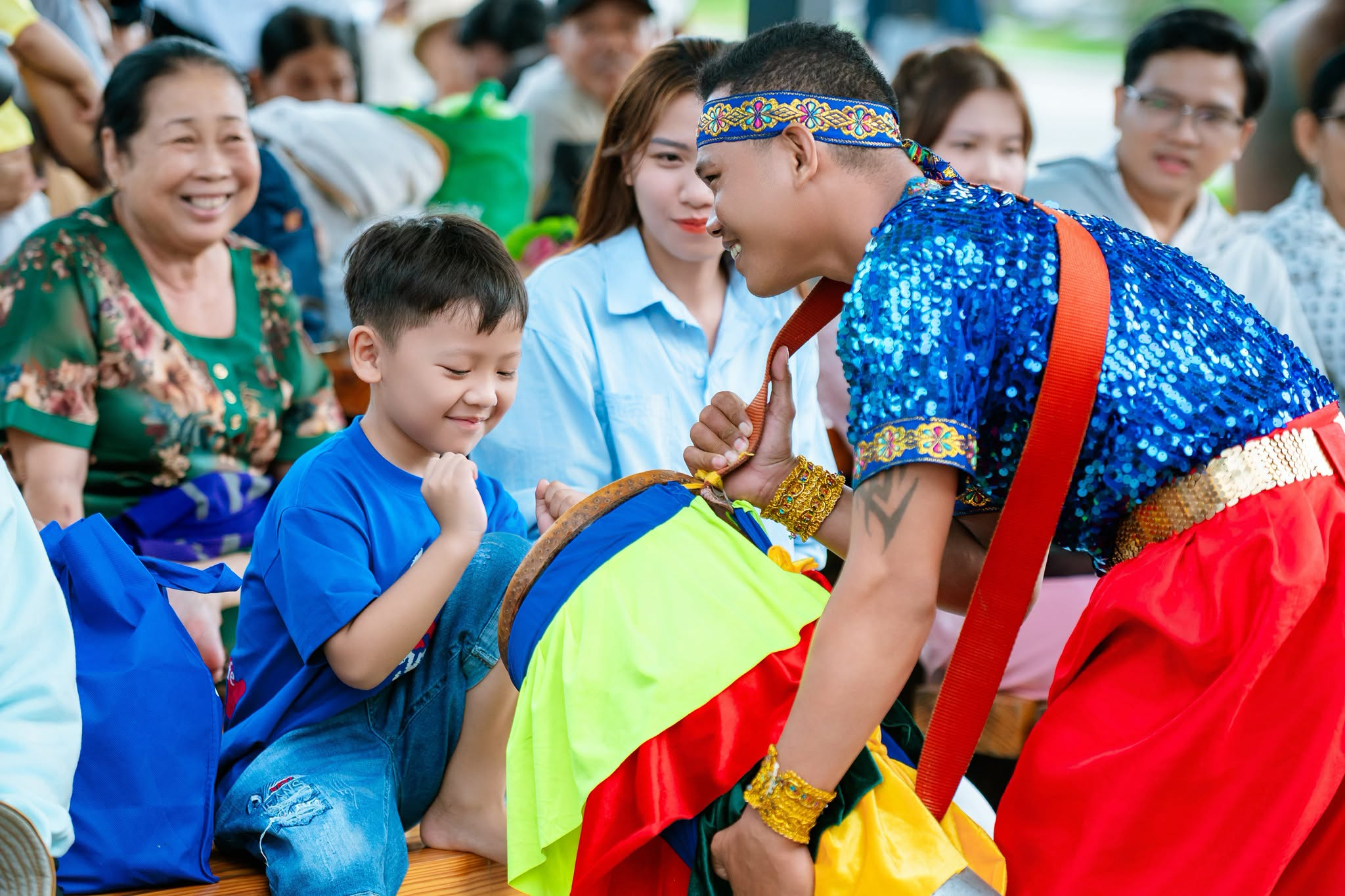
Tourists can combine experiencing Vietnamese ethnic culture at mountain tourist destinations
Beyond the spiritual sites themselves, surrounding towns often feature traditional markets, regional cuisine, handicrafts, and cultural attractions that enrich the overall travel experience. For Singapore travelers interested in authentic cultural encounters rather than conventional sightseeing, Vietnam's sacred mountains offer meaningful insights into the country's history, beliefs, and enduring traditions.
2. Top sacred mountains in Vietnam to visit
Vietnam is home to many mountains that hold deep religious and cultural significance while offering spectacular natural scenery. From the north to the south, these destinations have attracted pilgrims and travelers for centuries, each offering a unique blend of spirituality, history, and breathtaking landscapes. For Singapore travelers planning a cultural holiday, the following sacred mountains in Vietnam are among the most rewarding to explore.
2.1. Ba Den Mountain
Among all the sacred mountains in Vietnam, Ba Den Mountain is widely regarded as one of the country's most iconic pilgrimage sites. Located in Tay Ninh Province, around two hours from Ho Chi Minh City, the 986-metre mountain is the highest peak in Southern Vietnam and welcomes millions of visitors every year.
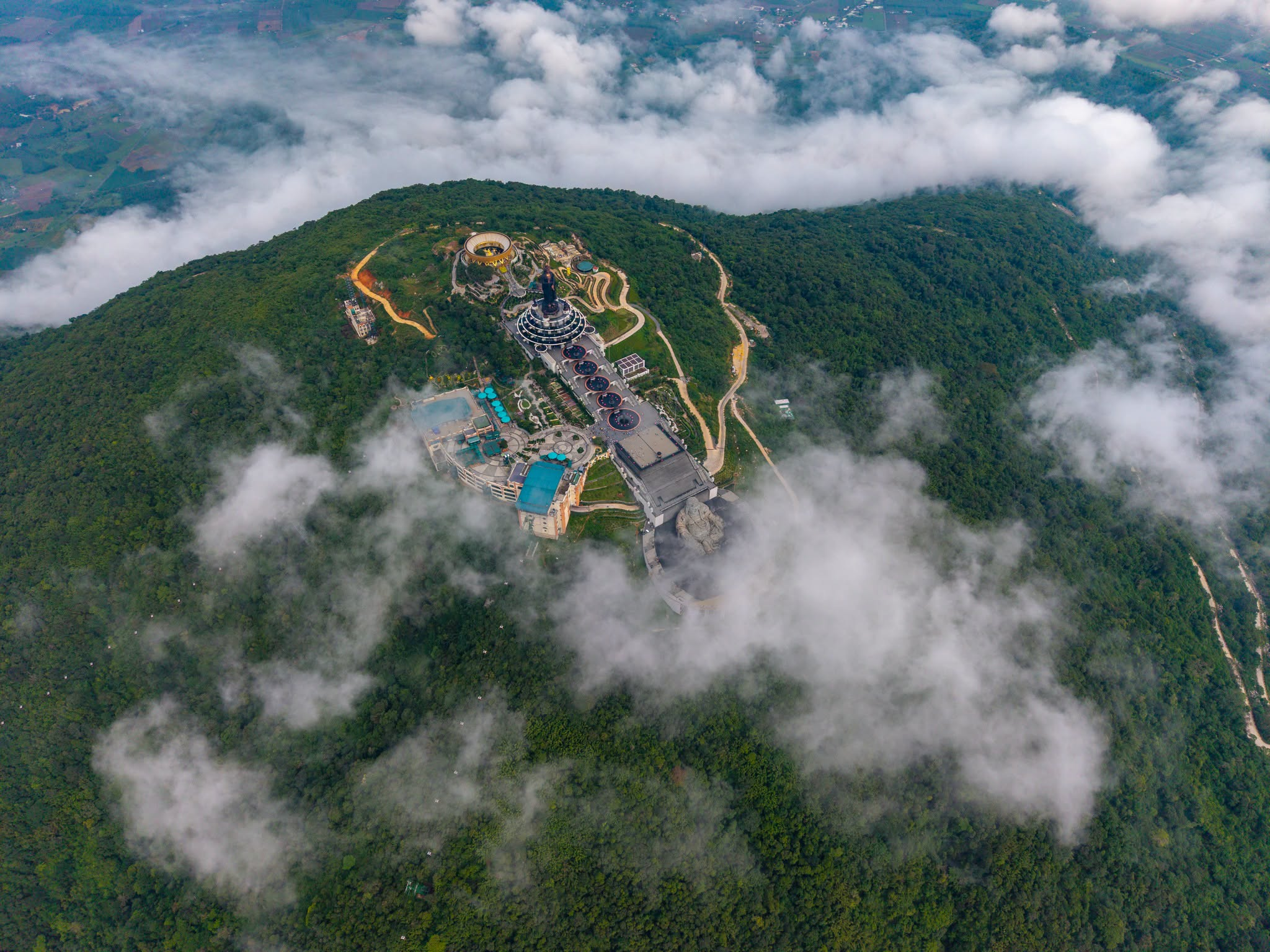
A panoramic view of the spiritual complex on the summit of Mount Ba Den, seen from afar
Ba Den Mountain combines spectacular natural scenery with an impressive spiritual complex. Visitors can reach the summit via one of the world's largest cable car systems before exploring magnificent Buddhist landmarks, including the towering Tay Bo Da Son Buddha statue, the Maitreya Bodhisattva statue, and the Konagamana Buddha Statue . The mountain is also home to centuries-old pagodas, peaceful gardens, meditation spaces, and panoramic viewpoints overlooking vast plains and reservoirs.
Throughout the year, Ba Den hosts important Buddhist festivals and cultural events, creating a vibrant atmosphere where visitors can experience Vietnam's living spiritual traditions. Whether you're interested in photography, cultural exploration, or quiet reflection, Ba Den Mountain offers one of the most complete experiences among the sacred mountains in Vietnam.
👉 BOOK BA DEN MOUNTAIN TICKET NOW!
2.2. Yen Tu Mountain
Located in Quang Ninh Province, Yen Tu Mountain is considered the birthplace of the Truc Lam Zen Buddhist tradition founded by King Tran Nhan Tong in the 13th century. For centuries, pilgrims have climbed the mountain to visit its ancient pagodas, stone pathways, and sacred temples hidden among dense forests.
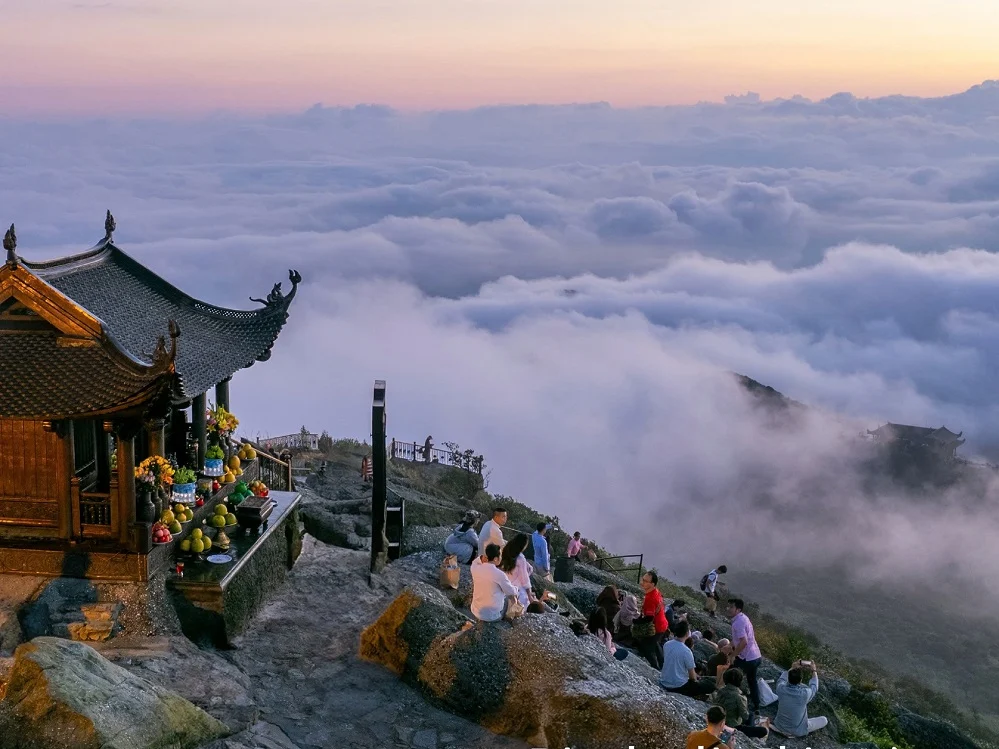
Yen Tu is a sacred mountain located in northern Vietnam
Today, visitors can combine cable car rides with scenic walks to discover historic religious sites while enjoying fresh mountain air and panoramic views. Yen Tu is particularly attractive for travelers interested in Vietnam's Buddhist history and traditional architecture.
2.3. Fansipan
Standing at 3,143 metres above sea level, Fansipan is not only the highest peak in Vietnam and Indochina but also one of the most remarkable sacred mountains in Vietnam. Located in Lao Cai Province near the town of Sa Pa, the mountain has become a symbol of both natural grandeur and spiritual significance, attracting pilgrims, nature lovers, and international travelers alike.
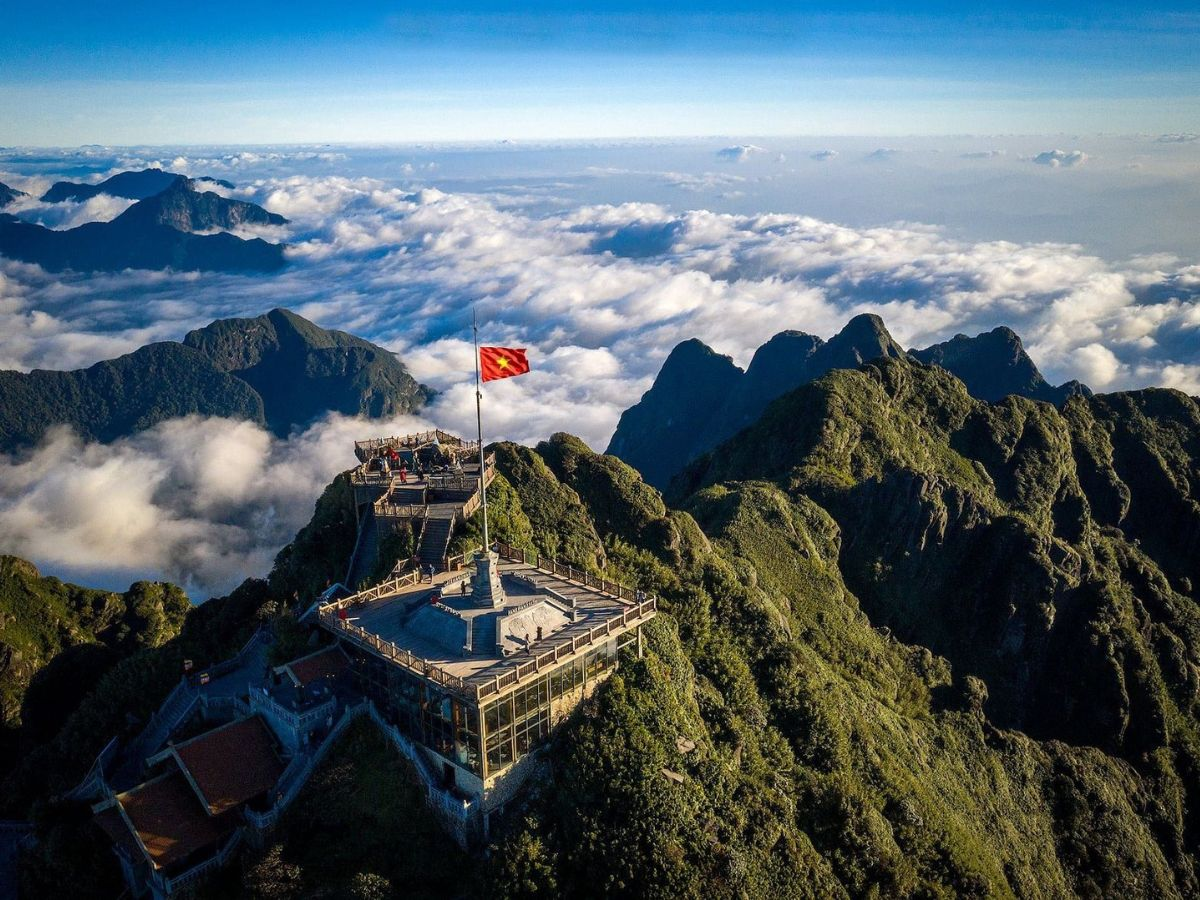
The magical natural scenery on the summit of Fansipan
Visitors can reach the summit via one of the world's most impressive cable car systems, making the mountain accessible to people of all ages and fitness levels. At the top, a magnificent complex of Buddhist architecture awaits, featuring grand temples, sacred statues, peaceful courtyards, and stone pathways surrounded by dramatic mountain scenery. The highlight is the majestic Buddha statue, one of the largest bronze Buddha statues in Vietnam, alongside the iconic summit marker that celebrates reaching the "Roof of Indochina."
Throughout the year, Fansipan is enveloped by drifting clouds, creating a serene atmosphere that perfectly complements its spiritual setting. During festivals and important Buddhist celebrations, the mountain welcomes thousands of pilgrims who come to pray for peace, health, and prosperity. Combined with breathtaking sunrise views, cool alpine weather, and spectacular landscapes, Fansipan offers Singapore travelers an unforgettable experience where spirituality, culture, and nature come together, making it one of the most iconic sacred mountains in Vietnam.
2.4. Nui Sam
Located in Chau Doc, An Giang Province, Nui Sam is one of the most revered sacred mountains in Vietnam, drawing millions of pilgrims and visitors each year. Although standing at only around 284 metres, the mountain holds immense spiritual significance thanks to its concentration of historic temples, pagodas, and religious landmarks that have shaped Southern Vietnam's cultural identity for generations.
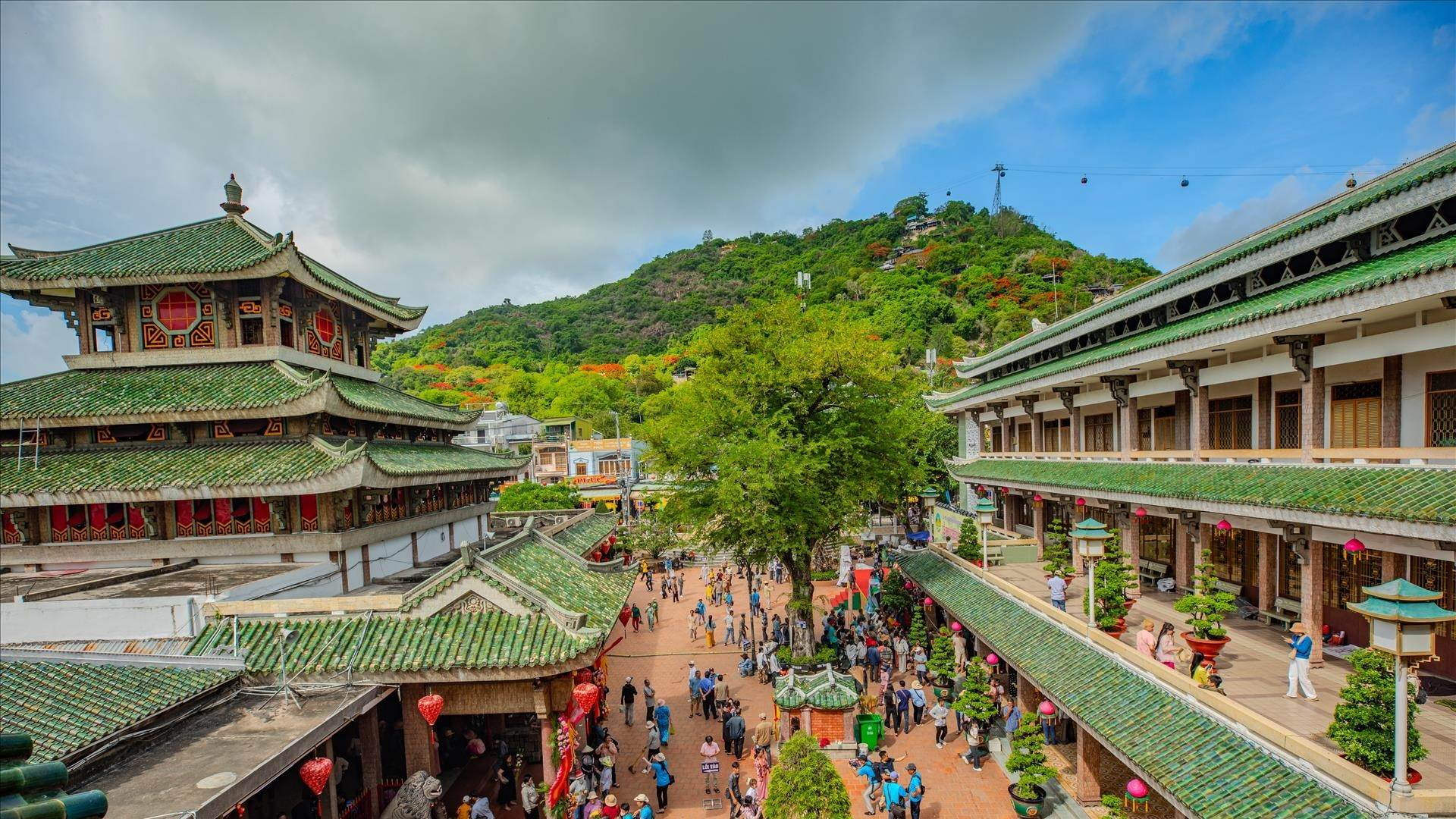
Nui Sam is one of the most sacred mountains at An Giang province
The highlight of Nui Sam is the famous Ba Chua Xu Temple, one of Vietnam's most important pilgrimage sites, where devotees gather to pray for health, prosperity, good fortune, and success in business. The mountain is also home to other notable spiritual attractions, including Tay An Pagoda, Hang Pagoda (Phuoc Dien Tu), and Thoai Ngoc Hau Tomb, allowing visitors to explore several sacred sites within a single journey.
Beyond its religious heritage, Nui Sam rewards visitors with panoramic views over the vast rice fields of the Mekong Delta and the nearby Cambodian border. The peaceful scenery, combined with the vibrant atmosphere of local festivals and traditional markets, creates a unique travel experience where spirituality, history, and regional culture come together. For Singapore travelers seeking an authentic cultural escape, Nui Sam is an excellent addition to any itinerary exploring the sacred mountains in Vietnam.
2.5. Ba Vi Mountain
Located about 60 kilometres west of Hanoi, Ba Vi Mountain is one of Northern Vietnam's most revered mountains, celebrated for its natural beauty and spiritual significance. The mountain is closely associated with the legend of Son Tinh, the Mountain God in Vietnamese folklore, making it an important cultural landmark that has been respected for generations.
Visitors can explore ancient temples dedicated to the Mountain God, including the Upper Temple near the summit, while enjoying cool mountain air and sweeping views over the Red River Delta. Ba Vi National Park also offers scenic forest trails, colonial-era ruins, and diverse flora, creating a refreshing blend of history, spirituality, and nature.
Unlike some of Vietnam's busier pilgrimage sites, Ba Vi provides a quieter and more contemplative atmosphere, making it ideal for travelers seeking relaxation as well as cultural discovery. Easily reached as a day trip from Hanoi, Ba Vi Mountain is a rewarding addition to any itinerary exploring the sacred mountains in Vietnam, particularly for Singapore visitors combining the capital with Northern Vietnam's natural attractions.
3. Tips for visiting sacred mountains in Vietnam
Exploring sacred mountains in Vietnam is both a cultural and outdoor experience. While many destinations are equipped with modern facilities such as cable cars and visitor centres, they remain important places of worship where local customs and traditions should be respected. A little preparation will help Singapore travelers enjoy a more comfortable, meaningful, and memorable journey.
3.1. Dress respectfully and follow local customs
Many of Vietnam's sacred mountains are home to active temples, pagodas, and Buddhist shrines visited daily by pilgrims. When entering these religious sites, visitors should wear modest clothing that covers the shoulders and knees, especially if they plan to participate in prayer ceremonies or explore temple interiors.
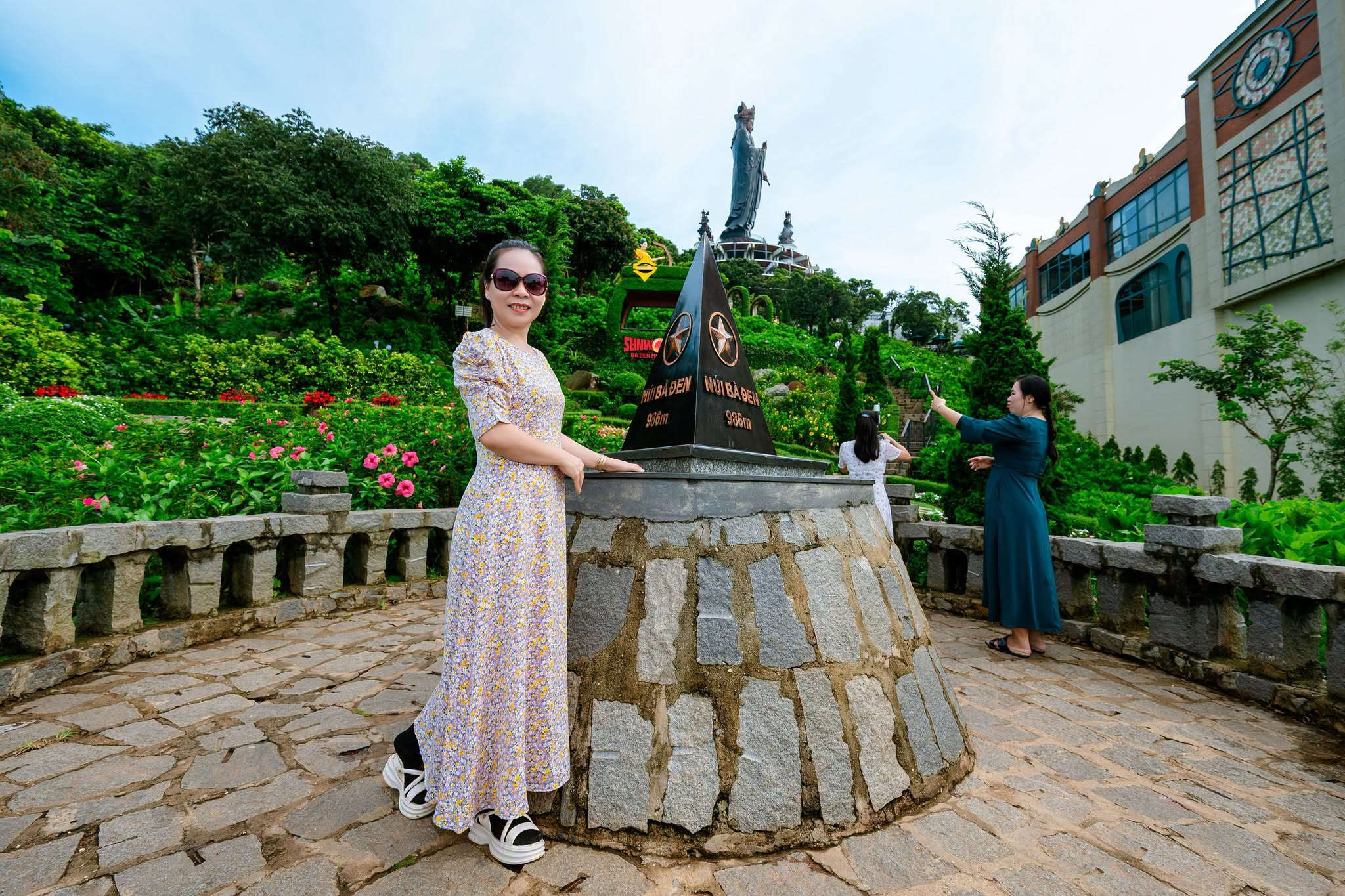
Tourists should choose appropriate attire when visiting sacred mountain tourist sites
Speaking quietly, avoiding disruptive behaviour, and asking permission before photographing monks or worshippers are simple ways to show respect. During major festivals, visitors may also notice local rituals and offerings, providing a valuable opportunity to experience Vietnam's living spiritual traditions firsthand.
3.2. Start early to enjoy cooler weather and fewer crowds
The best time to visit sacred mountains in Vietnam is usually early in the morning, when temperatures are cooler and visibility is at its best. An early start also allows visitors to enjoy panoramic viewpoints before larger tour groups arrive, creating a more peaceful atmosphere for sightseeing and photography.
Many mountain destinations are particularly beautiful at sunrise, when soft light, drifting clouds, and fresh mountain air combine to create spectacular scenery. During weekends and Buddhist festivals, arriving early can also reduce waiting times for cable cars and popular attractions.
3.3. Take advantage of cable cars and modern facilities
Several of the most famous sacred mountains in Vietnam, including Ba Den Mountain, Fansipan, and Yen Tu, feature modern cable car systems that make their spiritual and scenic attractions accessible to visitors of all ages and fitness levels. These facilities allow travelers to reach high-altitude viewpoints comfortably while enjoying breathtaking aerial views along the journey.
Most destinations also provide restaurants, cafés, souvenir shops, clean rest areas, and visitor services, making them suitable for families, seniors, and travelers with limited time. By combining comfortable transport with world-class attractions, Vietnam's sacred mountains offer an enriching travel experience that balances cultural discovery, natural beauty, and convenience.
Visiting sacred mountains in Vietnam is an opportunity to experience a side of the country where spectacular natural landscapes meet centuries of spiritual heritage. From ancient temples and giant Buddha statues to panoramic mountain views and peaceful walking trails, Add these remarkable destinations to your itinerary and discover why they remain some of the country's most treasured cultural and natural landmarks.


