




Vietnam hidden gems are rarely found on the most obvious travel routes. They begin to reveal themselves when you move beyond familiar names and allow the journey to slow down. What makes Vietnam hidden gems truly compelling is not just their relative obscurity, but the way they are experienced. It can be a mountain where clouds drift at eye level, a coastline that still feels undisturbed, or a region where local culture remains present in everyday details. These 11 places’ values lie in how naturally they unfold, offering moments that feel genuine rather than constructed.
International visitors to Vietnam can now enjoy a more seamless travel experience thanks to a cross-border payment solution developed by National Citizen Bank (NCB). Through the VIETQRGlobal system, travelers can use their familiar banking apps or e-wallets from their home countries to make payments at a wide range of tourism, hospitality and entertainment venues, including Sun World and various Sun Group properties. Transactions are processed automatically, from real-time currency conversion to instant confirmation, allowing for fast, transparent and cashless spending throughout the journey.
1. Tay Ninh
Tay Ninh stands out among Vietnam hidden gems for how quickly it shifts the travel experience. Just a few hours from Ho Chi Minh City, the province feels noticeably calmer, with open landscapes and Ba Den Mountain rising as a clear focal point.
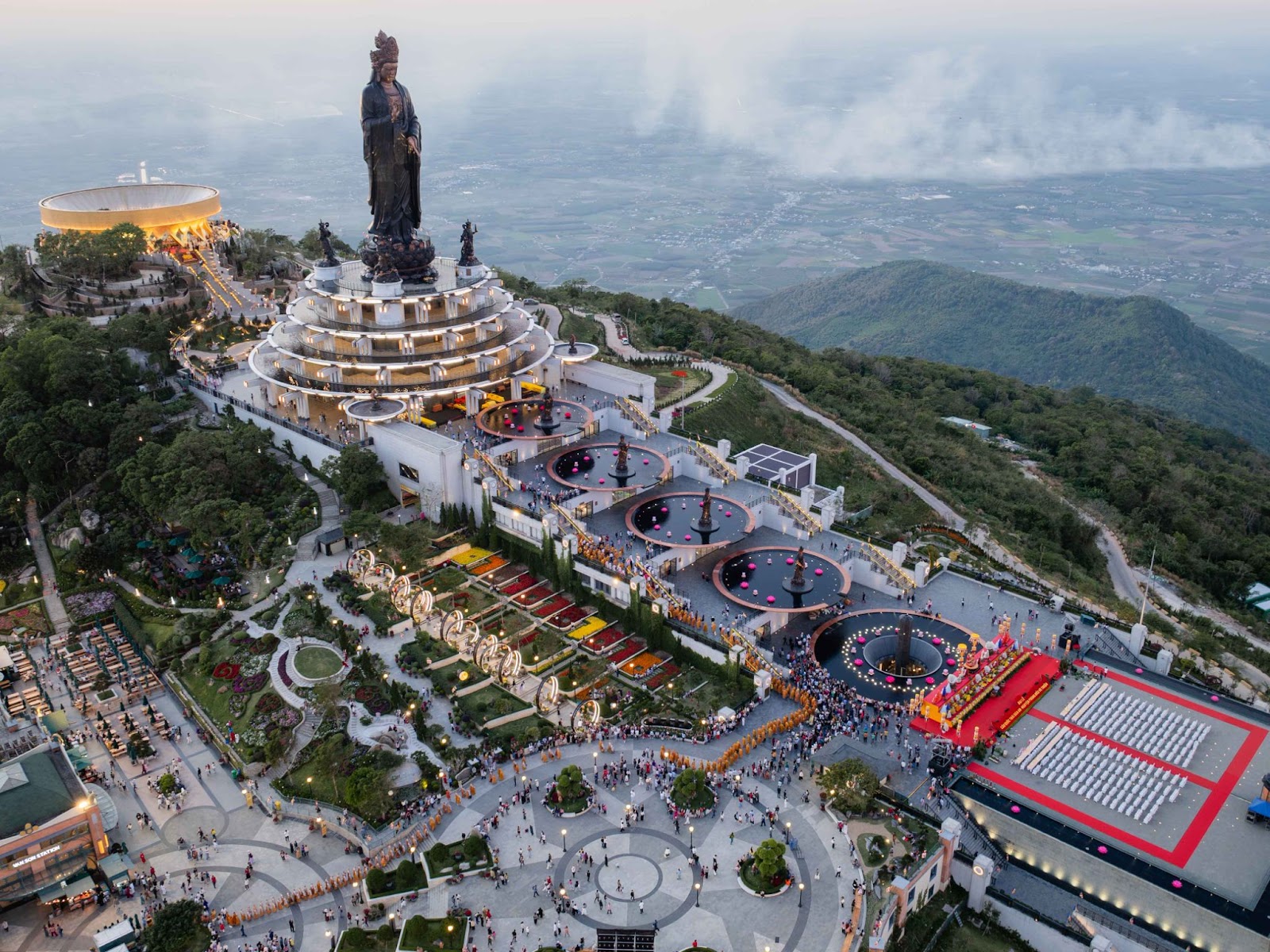
Aerial view of Sun World Ba Den Mountain in Tay Ninh (Photo: Collected)
The journey centers around Ba Den, where the cable car transforms the way visitors reach the summit. As the cabins ascend, the view opens across fields, forests, and distant water, with clouds sometimes drifting at eye level. The transition is smooth, but the change in atmosphere is immediate.
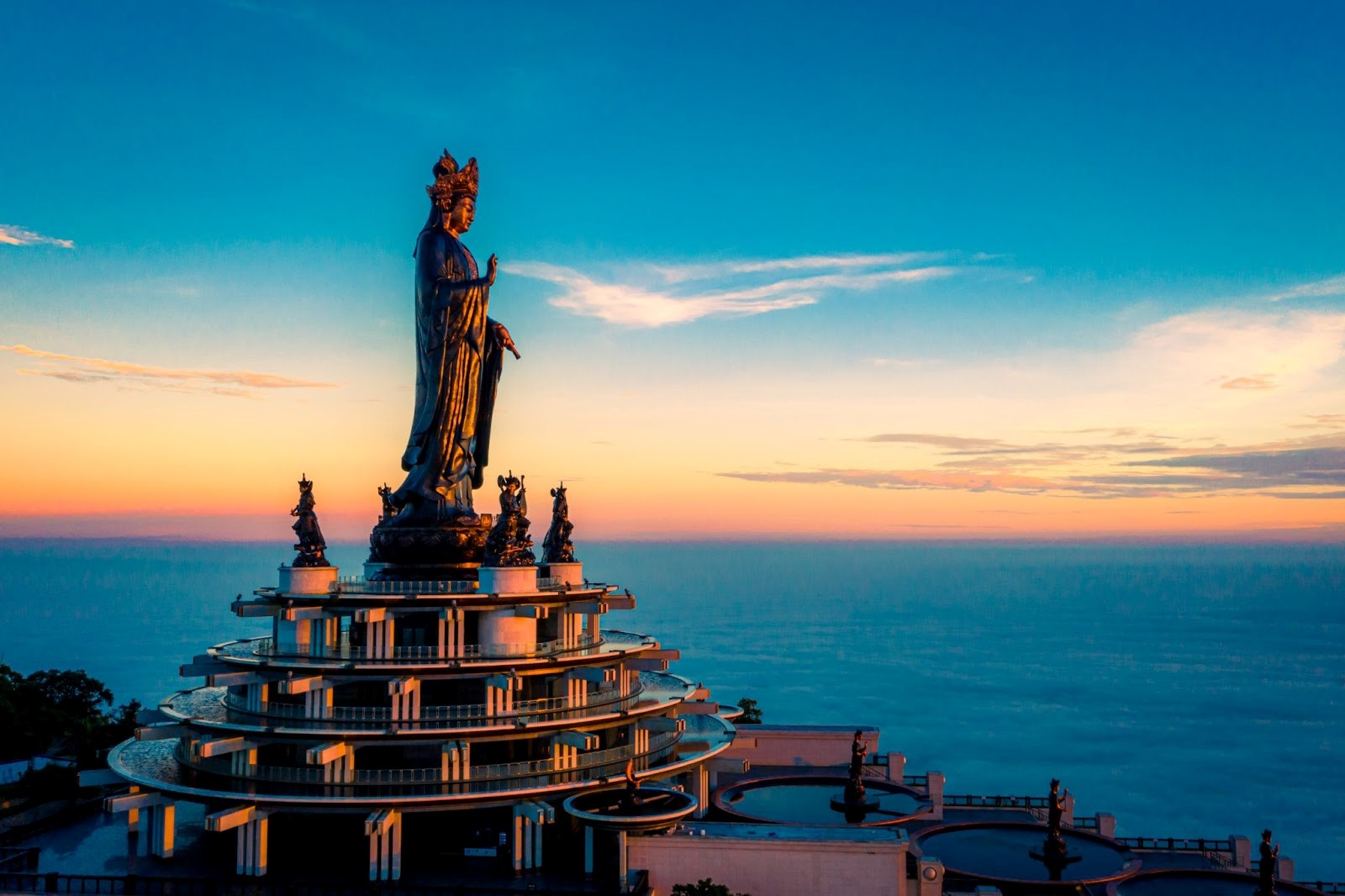
Tay Bo Da Son Bodhisattva statue rises above Ba Den Mountain summit (Photo: Collected)
At the summit, the experience becomes more defined. At the summit, the experience becomes more defined through a clear spiritual narrative. The Tay Bo Da Son Bodhisattva statue represents the present, standing as the central anchor of the mountain. Nearby, the Maitreya Bodhisattva statue symbolizes the future with a more open, welcoming presence, while the Konagamana Buddha statue represents the past, completing a symbolic connection across time.
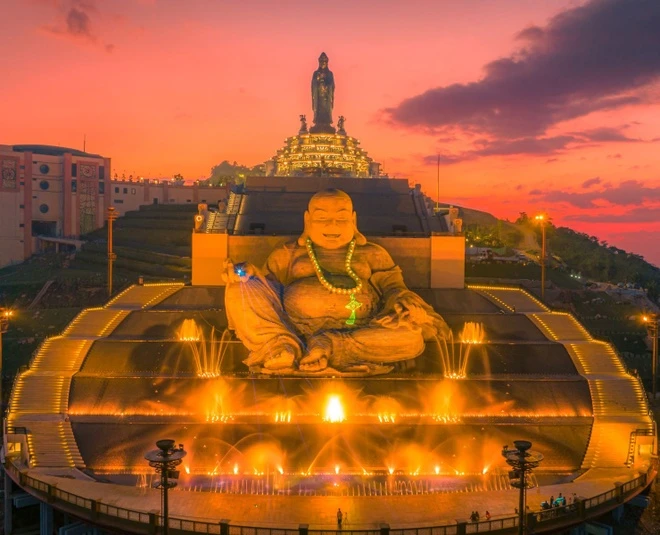
Maitreya Bodhisattva statue stands at Ba Den Mountain summit (Photo: Collected)
Together, these three figures create a layered spiritual space rather than a single focal point. Visitors move between them through open plazas and elevated walkways, where the landscape constantly shifts with light, clouds, and distance. It changes depending on where you stand and when you arrive.
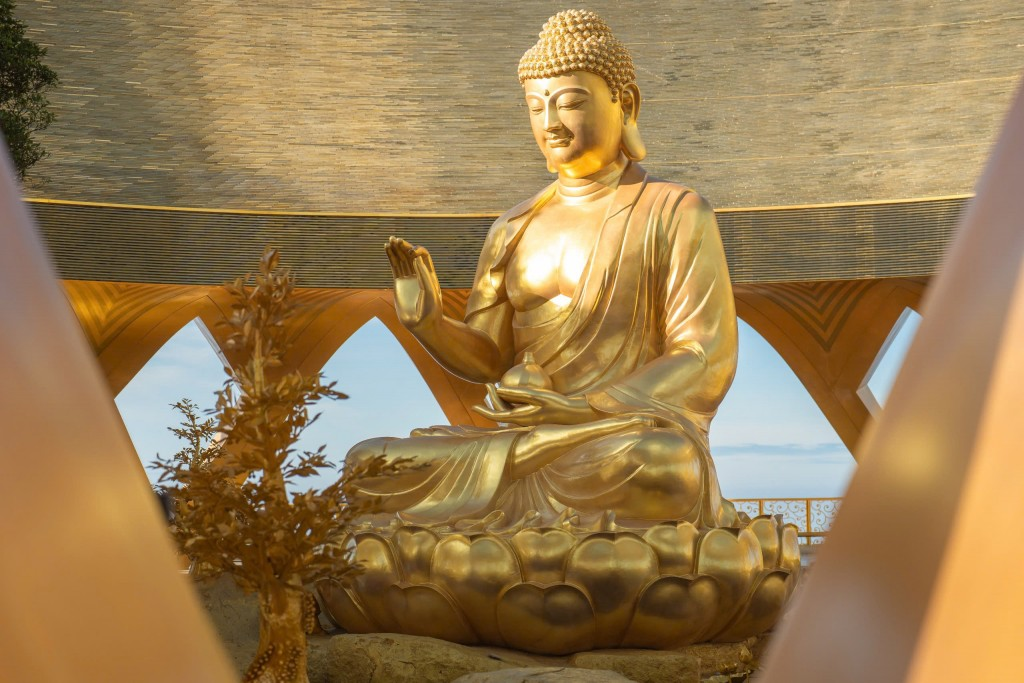
Konagamana Buddha statue at Ba Den Mountain summit (Photo: Collected)
For travelers planning ahead, securing cable car access in advance helps make the journey smoother, especially during peak travel periods when Tay Ninh is gradually gaining attention among Vietnam hidden gems. It allows the day to unfold more seamlessly, without interruptions.
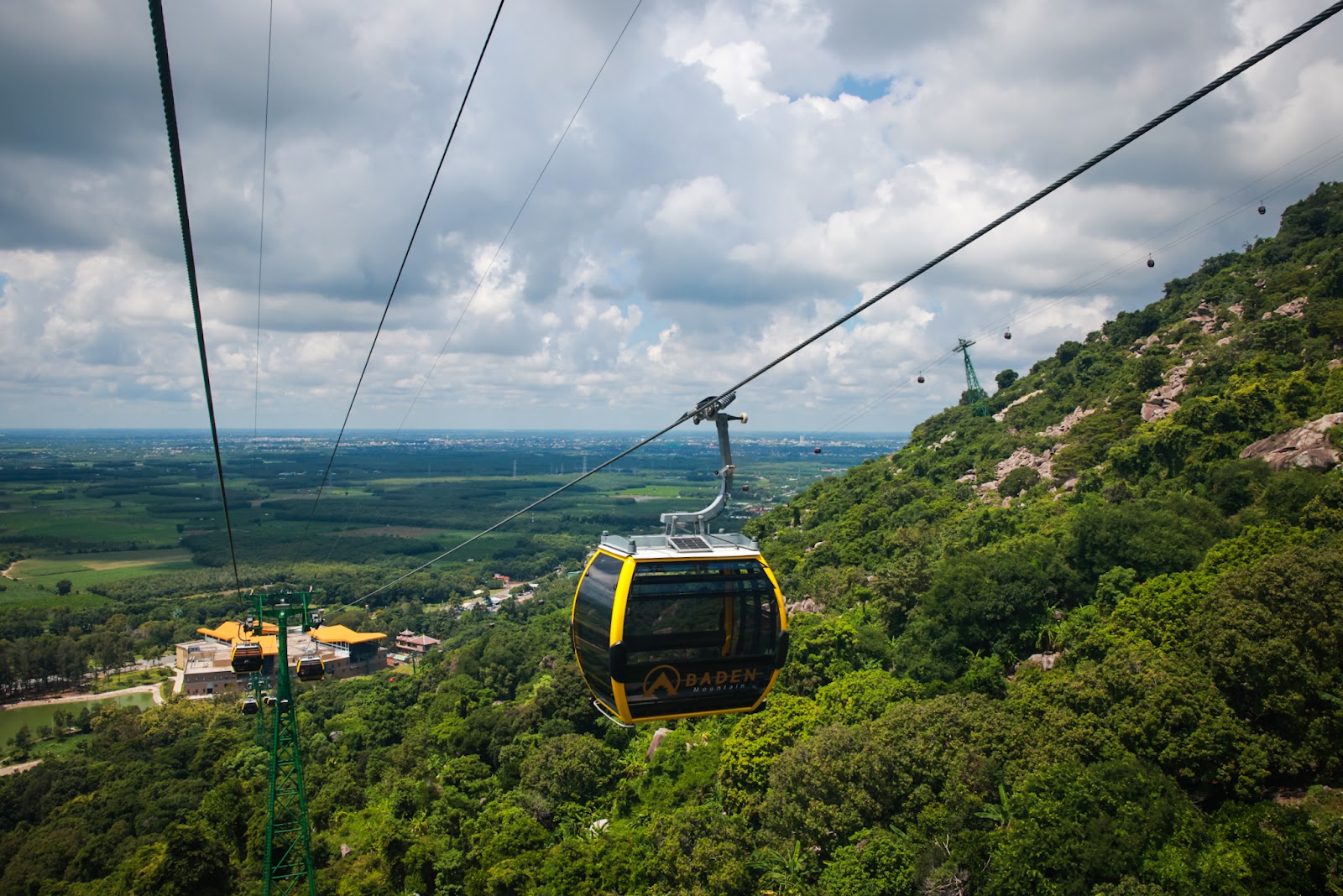
Cable car at Sun World Ba Den Mountain with panoramic views (Photo: Collected)
Tay Ninh stands at the top of this list not because it is the most remote, but because it delivers a rare balance. It is accessible, yet still feels distinct. It is structured, yet never feels artificial. And within a short distance, it offers a complete experience that combines landscape, culture, and a sense of perspective that lingers long after the visit ends.
2. Lao Cai
Lao Cai stands out among Vietnam hidden gems for its scale and diversity, where dramatic mountain landscapes meet deeply rooted cultural traditions. At the center is Fansipan, the highest peak in Indochina, and the cable car journey remains one of the most striking ways to experience it. The ascent lifts visitors above forested slopes, valleys, and drifting clouds, turning the approach itself into a major part of the destination. Booking tickets ahead helps the day flow more smoothly, especially during busy periods.

Fansipan summit rises above the clouds in Lao Cai (Photo: Collected)
Beyond the summit, Sun World Fansipan Legend extends the experience through a large spiritual complex set against the mountain landscape. The site is known not only for its mountain views but also for temple architecture, Buddhist monuments, and a pilgrimage atmosphere that gives the destination much more depth than a standard viewpoint. Across the year, it also becomes more animated through recurring seasonal events, including the rose festival and the rhododendron festival, alongside other traditional cultural celebrations that bring extra color and energy to Sapa’s highland setting.
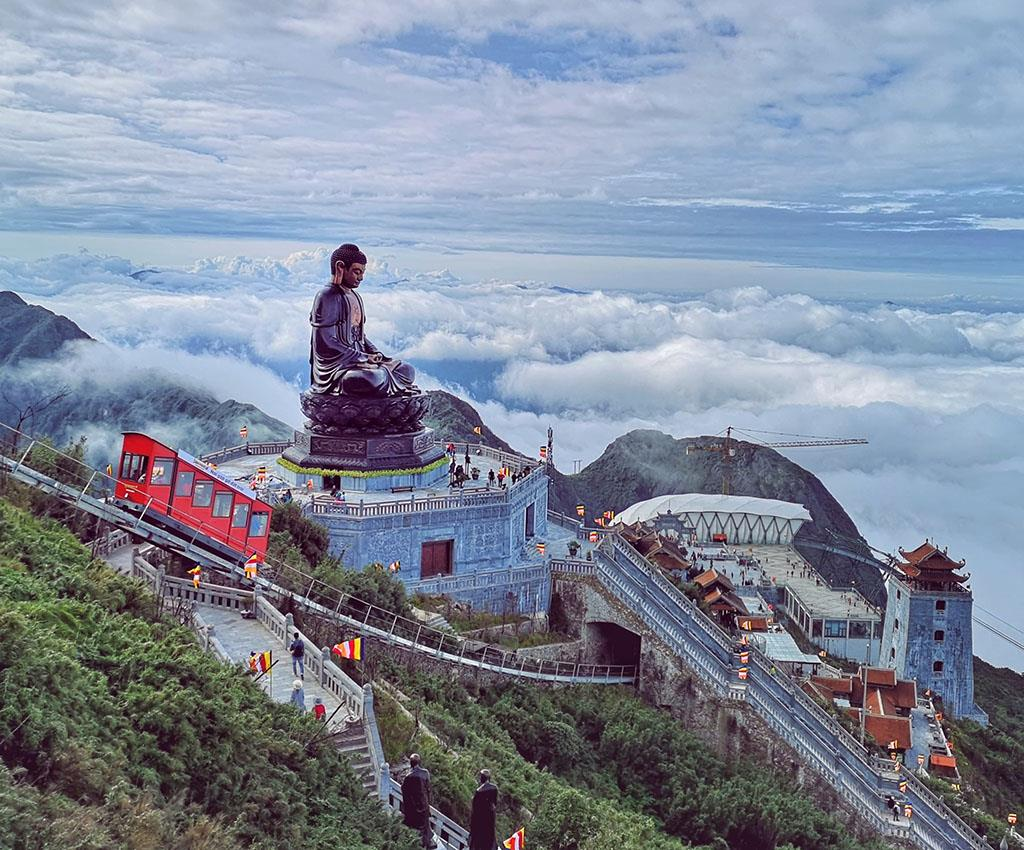
Spiritual complex at Sun World Fansipan Legend in Sapa (Photo: Collected)
At a lower elevation, May Village adds a more grounded cultural layer. It introduces visitors to the architectural styles, crafts, performances, and daily-life-inspired spaces associated with ethnic communities in the region, helping balance the grandeur of Fansipan with something more intimate and human in scale. For those planning the trip, securing tickets in advance helps make the most of the day, especially during peak seasons when Sapa continues to draw attention.
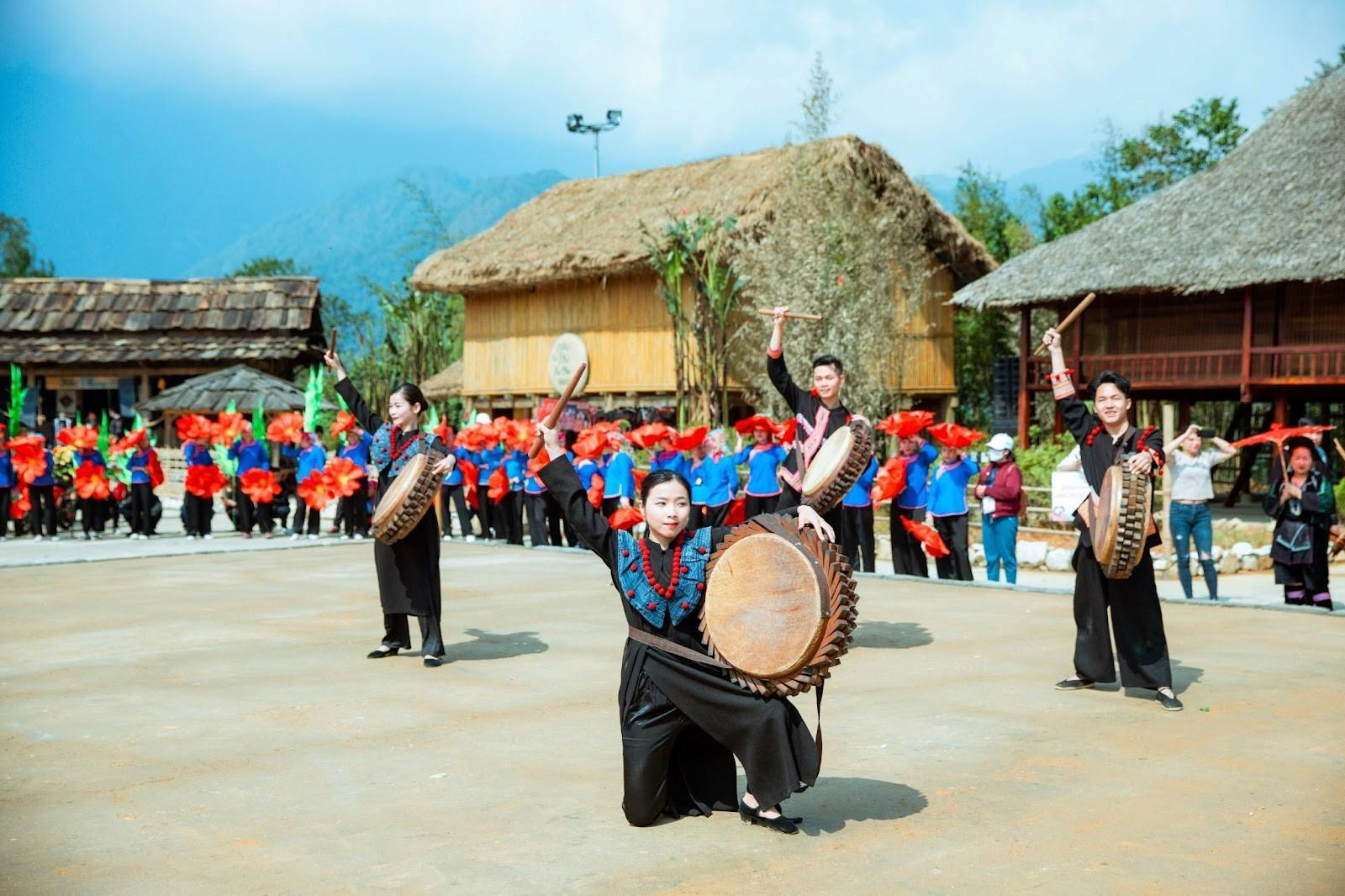
May Village showcases ethnic culture in Sapa highlands (Photo: Collected)
Around Sapa, terraced rice fields shape the landscape in a way that changes throughout the year. From green growing seasons to golden harvest periods, these layers reflect both natural cycles and long-standing agricultural practices. Trekking routes connect villages of Hmong, Dao, and other ethnic groups, where traditional clothing, local markets, and community life remain part of the everyday experience.
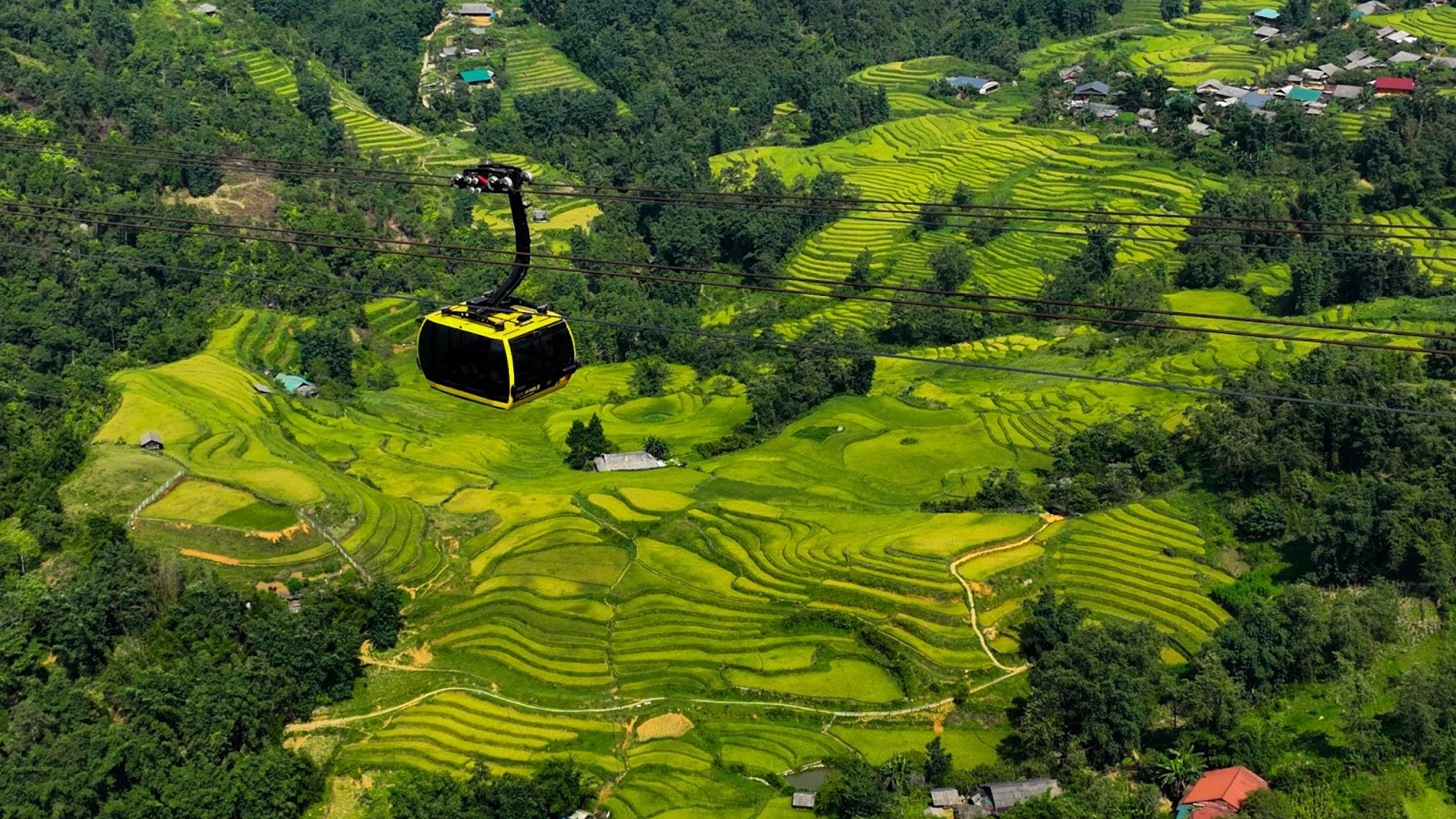
Fansipan cable car offers panoramic views over Sapa mountains (Photo: Collected)
Beyond Sapa, Lao Cai reveals a quieter side. Areas like Bac Ha offer a different rhythm, where local markets become cultural meeting points rather than tourist attractions. What places Lao Cai among Vietnam hidden gems is this balance between accessibility and authenticity. Sapa and Fansipan provide scale and recognition, while the surrounding areas maintain a sense of depth that allows the experience to feel both complete and grounded.
3. Ninh Binh
Ninh Binh is often mentioned as an alternative to Ha Long Bay, but the experience feels noticeably more grounded. Long known for limestone landscapes, river routes, and a slower rhythm of travel, the destination is becoming broader in scope as Ha Nam is now part of the wider regional picture, opening up a more diverse mix of experiences.
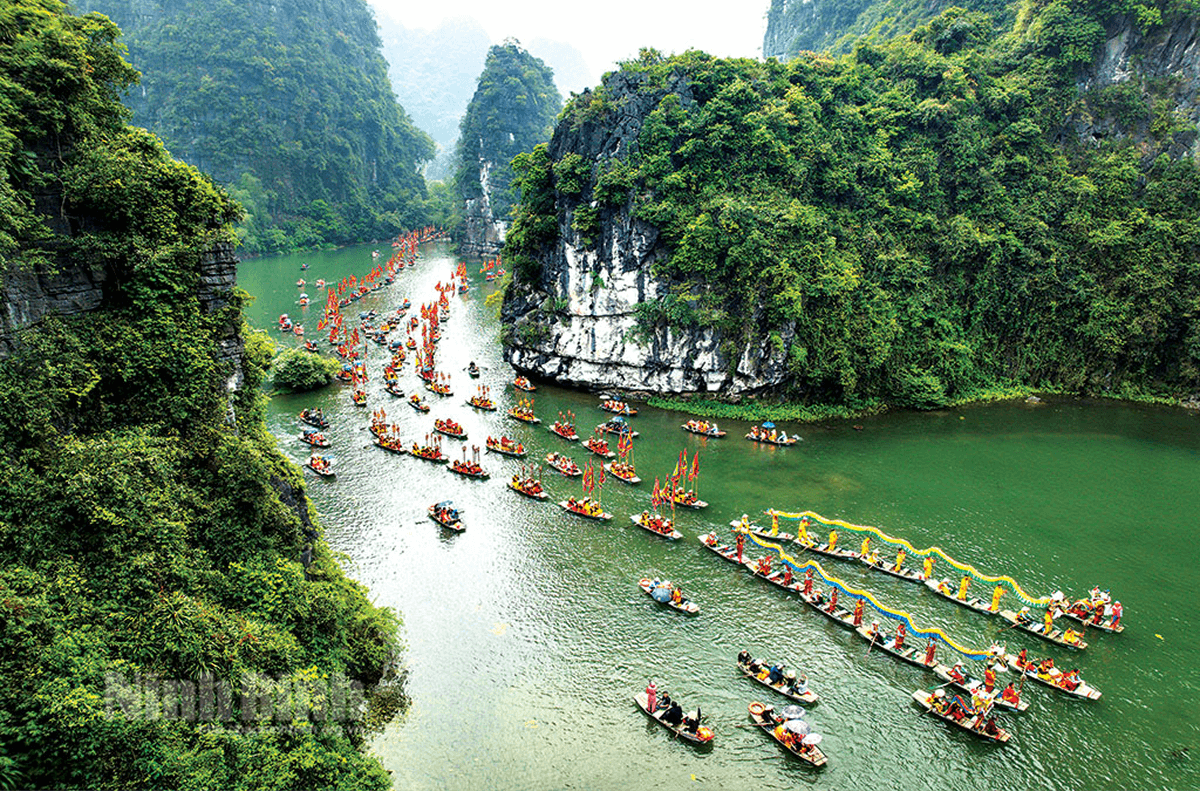
Trang An boat ride through limestone landscapes in Ninh Binh (Photo: Collected)
The classic side of Ninh Binh still holds its appeal. Boat rides through Trang An or Tam Coc move quietly between karst mountains and cave passages, while cycling routes and viewpoints like Hang Mua reveal the landscape from a different angle. The setting feels calm and immersive, shaped by water, stone, and open farmland.
What makes the destination more dynamic today is the addition of experiences beyond the traditional nature circuit. In the former Ha Nam area, Sun World Ha Nam adds a high-energy contrast as a large-scale water park rather than a conventional sightseeing stop. Known as Vietnam’s first water park themed around traditional water puppetry, combining modern slides and water attractions with visual elements inspired by Vietnamese folk culture. This gives the wider Ninh Binh area a more flexible identity, where travelers can move from quiet river scenery to family-friendly entertainment within the same trip.
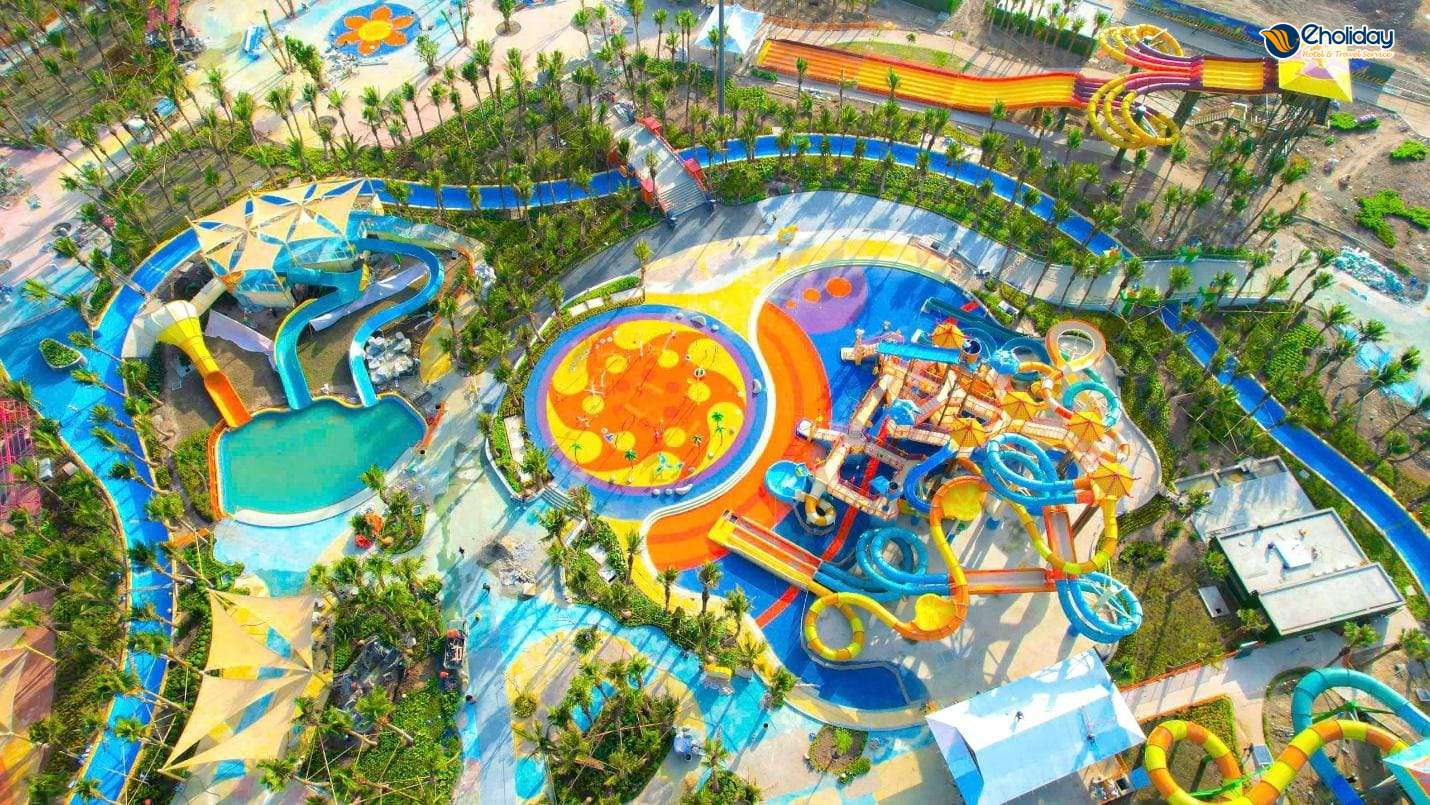
Sun World Ha Nam water park adds a modern experience near Ninh Binh (Photo: Collected)
If you are planning a multi-day trip, this is where the journey becomes more flexible.To make the most of your time, you can get your tickets in advance and plan your visit around peak hours, especially during weekends or holidays when the park tends to get busier.
4. Con Dao
Con Dao is one of the most distinctive Vietnam hidden gems for travelers seeking a quieter island experience. Unlike more developed coastal destinations, the archipelago retains a sense of space and stillness that shapes the entire journey.
The beaches here are defined by their clarity and simplicity. Places like Dam Trau or An Hai stretch out with soft sand and clear water, often without large crowds or dense construction. The coastline feels open, allowing the natural setting to take the lead rather than build infrastructure. Swimming, snorkeling, or simply spending time by the water becomes the main activity, without the need for a fixed schedule.
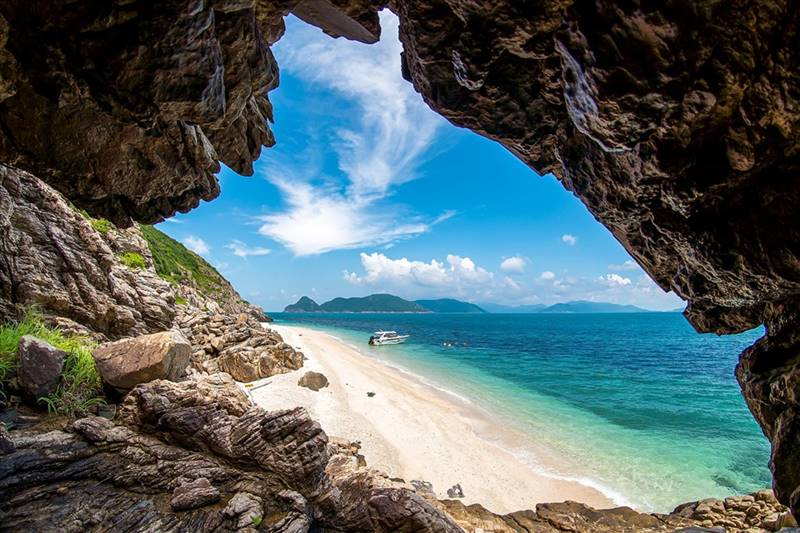
Coastal landscape of Con Dao remains untouched and serene (Photo: Collected)
Beyond the beaches, Con Dao carries a profound historical significance that shapes how the island is experienced. The prison complex stands as one of the most important historical sites in Vietnam, where thousands of prisoners were once held during periods of conflict. Walking through these spaces adds a layer of reflection that contrasts sharply with the island’s natural beauty.
This historical presence does not feel separate from the landscape. Instead, it becomes part of the journey, giving meaning to places that might otherwise be seen only for their scenery. The quiet atmosphere of Con Dao today makes that contrast even more noticeable, turning the visit into something deeper than a typical island escape.
5. Binh Dinh (Quy Nhon)
Binh Dinh, with Quy Nhon as its coastal center, stands out among Vietnam hidden gems for its growing energy while still maintaining a sense of calm. The destination is evolving, but it has not yet lost the openness that makes it appealing in the first place.
Along the coastline, places like Ky Co and Eo Gio define the visual experience. Curved bays, clear water, and wide horizons create a setting that feels expansive rather than crowded. The landscape is shaped by natural contours, allowing each viewpoint to open gradually instead of being immediately overwhelmed by development.
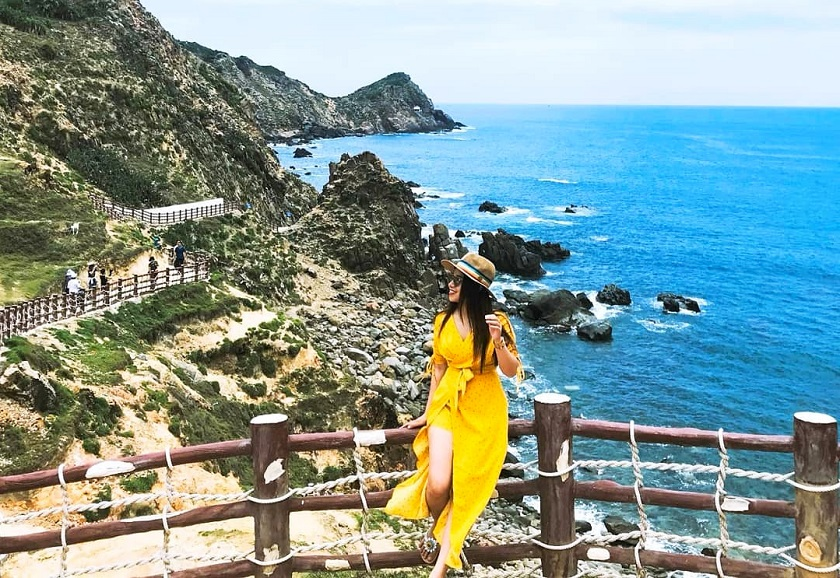
Eo Gio coastline offers wide ocean views in Binh Dinh (Photo: Collected)
Beyond the coast, Binh Dinh reveals a strong historical layer through Cham architecture. Towers such as Thap Doi and Banh It rise across hills and plains, offering insight into an earlier civilization that still leaves a visible imprint on the region. These sites remain relatively quiet, giving visitors space to explore without pressure.
What gives Quy Nhon its character, however, is the rhythm of daily life along the coast. Fishing activity, local markets, and simple seafood dining experiences create a sense of place that feels grounded and immediate. It is not just about where you go, but how the destination moves around you.
6. Phu Yen
Phu Yen remains one of the most visually striking Vietnam hidden gems, especially for travelers drawn to raw coastal landscapes. The province feels less developed than many central coast destinations, allowing its natural formations to stand out more clearly.
The most iconic feature is Ganh Da Dia, a coastal formation of basalt columns created by ancient volcanic activity. The structure appears almost geometric, with dark stone blocks stacked tightly together and extending toward the sea. Waves break against the surface, adding movement to an otherwise solid and structured landscape. It is one of the rare places in Vietnam where geology becomes the main attraction.
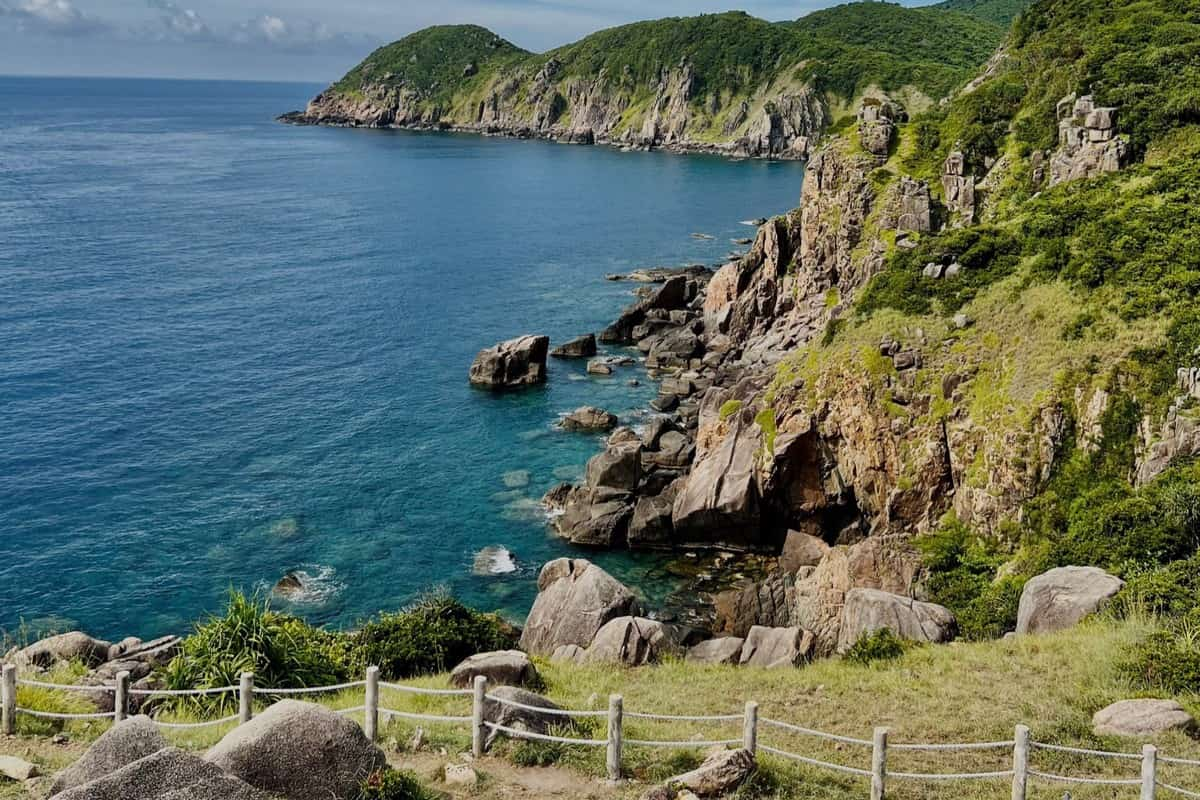
Xep Beach offers a quiet coastal view in Phu Yen (Photo: Collected)
Beyond this highlight, Phu Yen’s coastline continues with a quieter rhythm. Beaches like Bai Xep or Vung Ro offer open stretches of sand, gentle waves, and minimal crowds. Fishing boats, small villages, and simple coastal life remain part of the scenery, reinforcing the sense that the area has not been overly shaped by tourism.
Further along, Mui Dien Lighthouse marks one of the easternmost points of mainland Vietnam. The walk up to the lighthouse reveals wide ocean views, especially at sunrise when the light spreads gradually across the horizon. The setting feels expansive and unfiltered, adding to the overall experience of the province.
7. Buon Ma Thuot
Buon Ma Thuot stands out among Vietnam hidden gems for its strong identity, shaped by coffee, landscape, and indigenous culture. Unlike coastal or urban destinations, the experience here is rooted in the highlands, where the rhythm of daily life feels slower and more grounded.
Coffee defines the region. Vast plantations surround the city, and visiting them offers a direct look into one of Vietnam’s most important exports. The experience goes beyond tasting. It includes understanding how beans are grown, processed, and prepared, often in settings that feel close to everyday life rather than staged for visitors.
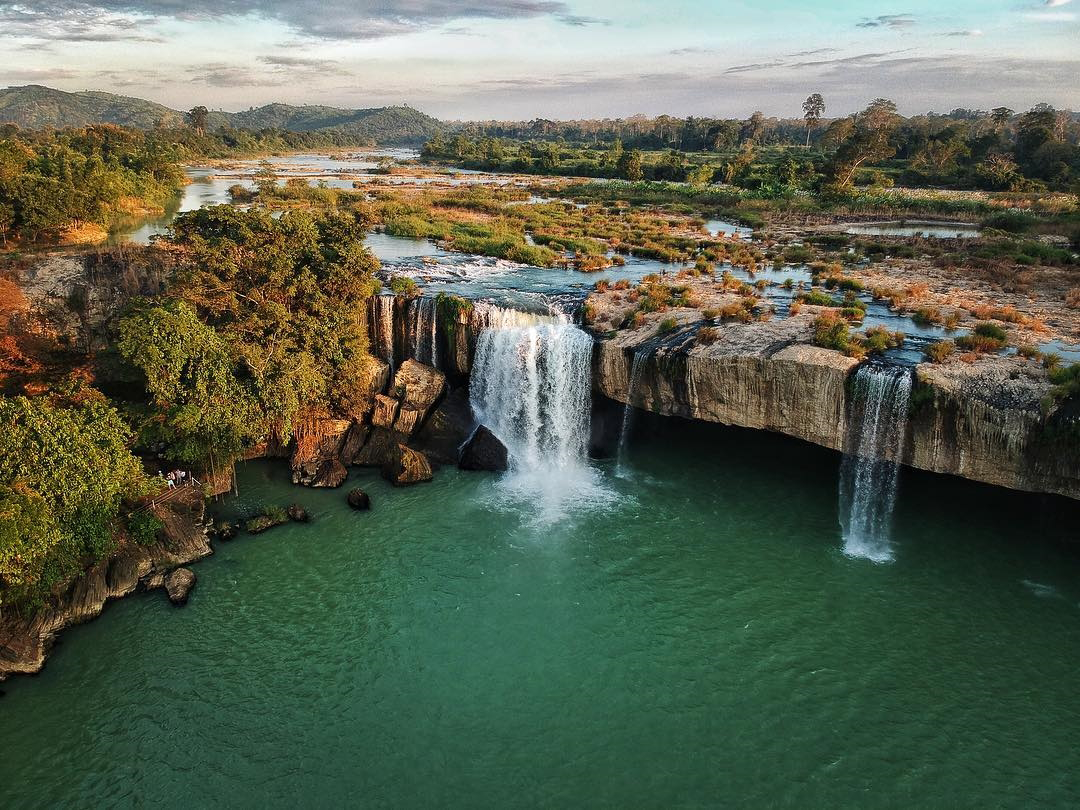
Dray Nur waterfall flows through the highlands of Dak Lak (Photo: Collected)
Nature adds another layer to the journey. Waterfalls such as Dray Nur and Dray Sap cut through forested terrain, creating wide cascades that contrast with the dry highland soil. The surrounding areas are quiet, with trails that allow visitors to explore at their own pace, without the density found in more popular destinations.
Cultural identity remains equally present. Ethnic minority communities continue to maintain traditional longhouses, weaving practices, and communal spaces that reflect long-standing ways of life. These elements are not presented as performances, but exist naturally within the region.
8. Kon Tum and Pleiku
Kon Tum and Pleiku represent a different layer of Vietnam hidden gems, where the experience is shaped less by landmarks and more by culture, landscape, and everyday life in the Central Highlands.
Kon Tum offers a strong sense of identity through its architecture and community spaces. Traditional Rong houses, with their high-pitched roofs, stand at the center of village life and reflect the cultural structure of local ethnic groups. Nearby, the wooden church introduces a contrasting architectural style, blending Western influence with local materials and craftsmanship. These elements sit naturally within the town, giving the destination a quiet but distinctive character.
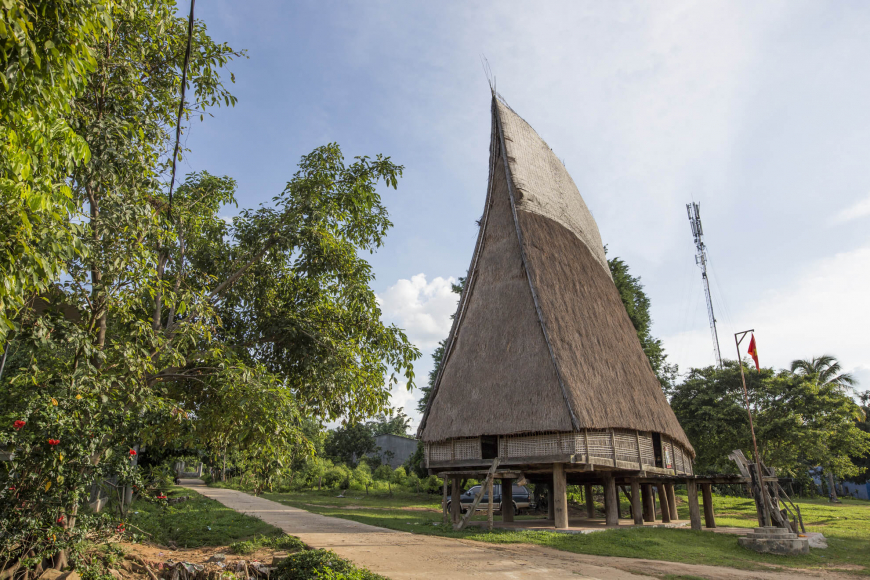
Rong house reflects ethnic culture in Kon Tum (Photo: Collected)
Pleiku, located not far away, shifts the focus toward landscape. The most recognizable feature is Sea Lake, a volcanic crater lake surrounded by forested hills. The setting is calm and expansive, with walking paths that allow visitors to take in the scenery without interruption. The highland climate adds to the experience, creating cooler conditions that feel different from the coastal regions.
Across both areas, coffee plays an important role. Plantations stretch across the highlands, and visiting them offers insight into one of Vietnam’s most important agricultural products. The experience is not staged. It unfolds through simple interactions, from seeing how beans are processed to tasting coffee in the place where it is grown.
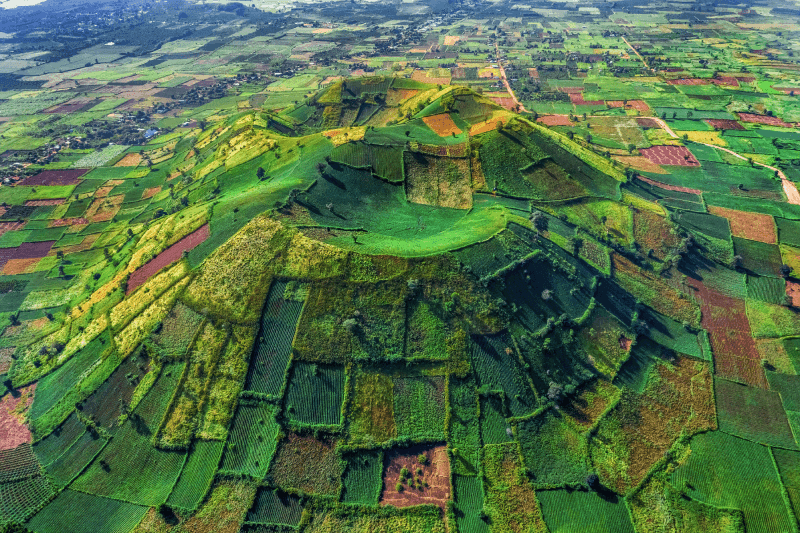
Coffee plantations shape the landscape of Kon Tum and Pleiku (Photo: Collected)
What makes Kon Tum and Pleiku stand out among Vietnam hidden gems is their authenticity. The experience is not built around a single attraction, but around a combination of landscape, culture, and daily rhythms that remain largely unchanged.
9. Cao Bang
Cao Bang stands out among Vietnam hidden gems for its raw, expansive beauty. The journey here feels different from the start, as roads wind through limestone mountains, open valleys, and quiet villages that seem untouched by the pace of modern travel.
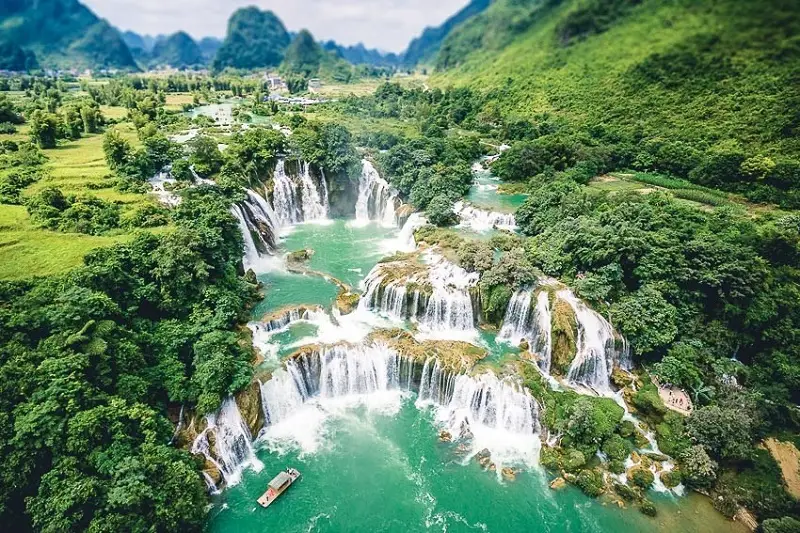
The highlight is Ban Gioc Waterfall, one of the most impressive natural landmarks in Southeast Asia. Water cascades across multiple layers of rock, spreading wide rather than falling in a single drop, creating a scene that feels both powerful and balanced. Standing near the base, the scale becomes clear, with mist rising and the surrounding landscape framing the waterfall in a way that feels almost cinematic.
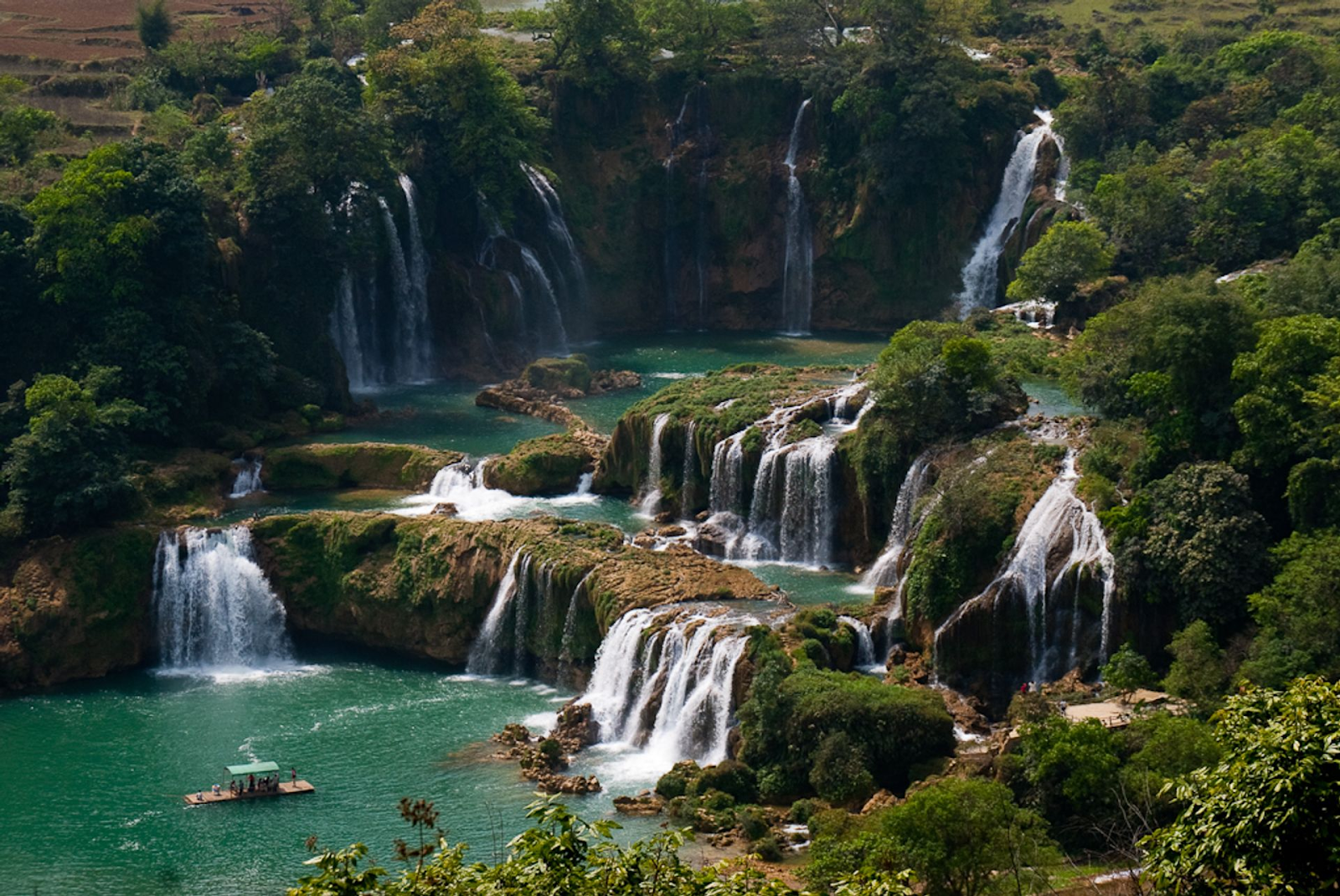
Ban Gioc Waterfall spreads across limestone cliffs in Cao Bang (Photo: Collected)
But Cao Bang is more than a single destination. The Non Nuoc Cao Bang Geopark extends the experience across a network of valleys, caves, and mountain passes. Routes like Ma Phuc Pass turn the journey itself into a highlight, with sweeping views that unfold at every turn. Driving through these areas feels continuous, as if each landscape leads naturally into the next.
What gives Cao Bang its depth is the presence of local communities. Ethnic groups such as Tay and Nung live throughout the region, maintaining traditional houses, crafts, and daily practices that remain closely tied to the land. Visiting these areas adds a human layer to the scenery, making the experience feel more connected and grounded.
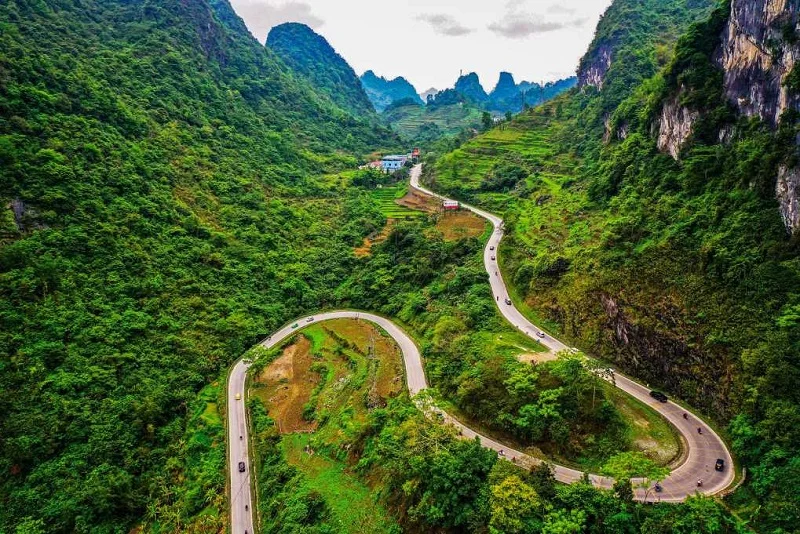
Ma Phuc Pass offers scenic mountain views in Cao Bang (Photo: Collected)
What sets Cao Bang apart among Vietnam hidden gems is this sense of scale and authenticity. It offers landscapes that rival the country’s most famous destinations, but with a level of quiet and openness that allows the journey to feel fully your own.
10. Quang Tri (formerly Quang Binh)
Quang Tri, following the administrative merger that now includes the former Quang Binh region, stands out among Vietnam hidden gems for its strong sense of adventure and scale. The area brings together some of the country’s most dramatic cave systems with landscapes that invite active exploration.
At the heart of this experience is the Phong Nha Ke Bang area, where limestone mountains, rivers, and dense jungle create a vast natural environment. Caves such as Phong Nha and Paradise Cave offer accessible entry points, with massive chambers and intricate formations that feel almost unreal once inside.
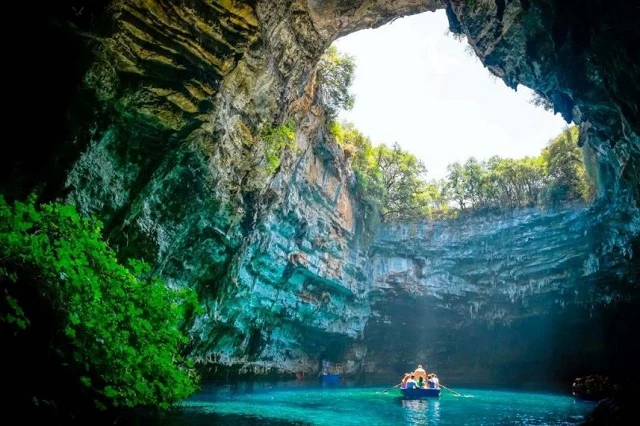
Phong Nha Cave reveals vast limestone formations in Quang Tri (Photo: Collected)
For travelers seeking something more immersive, the region extends into expedition-style journeys. Cave systems like Hang En or Tu Lan turn exploration into multi-day experiences, combining trekking, river crossings, and overnight stays deep within the landscape. The journey itself becomes the highlight.
Beyond the caves, the energy continues through outdoor activities. Kayaking along the Chay River, cycling across quiet rural areas, or moving through karst valleys keeps the experience dynamic and varied, rather than static.
What sets this region apart among Vietnam hidden gems is how it blends scale with participation. It offers landscapes that are both visually overwhelming and physically engaging, making each experience feel immediate and memorable.
11. Bac Kan
Bac Kan closes this list of Vietnam hidden gems with a quieter, more reflective experience. Instead of dramatic peaks or high-energy activities, the province draws travelers in through stillness, nature, and a sense of space that is becoming increasingly rare.
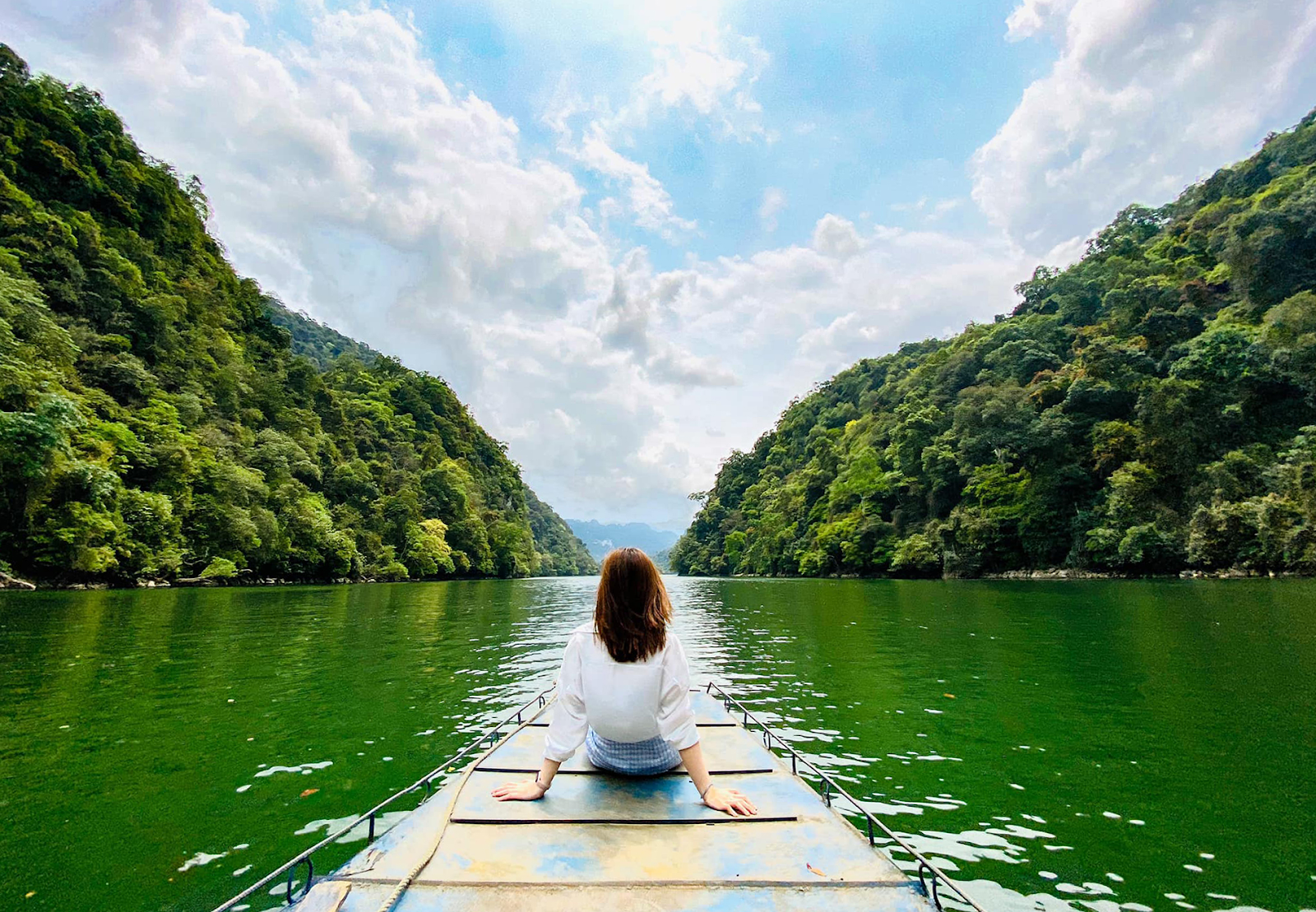
Ba Be Lake reflects mountains and forests in Bac Kan (Photo: Collected)
At the center is Ba Be Lake, the largest natural freshwater lake in Vietnam. Surrounded by limestone mountains and dense forest, the lake feels calm and expansive, with water that reflects the landscape almost perfectly on still days. Boat journeys here move slowly, passing small islands, hidden caves, and stretches of shoreline where daily life continues at an unhurried pace.
The surrounding Ba Be National Park extends this atmosphere further. Trails lead through forested areas, waterfalls, and remote villages, where the experience remains simple and close to nature. There is little sense of rush, allowing each moment to unfold naturally.
Ba Be National Park features forest trails and waterfalls (Photo: Collected)
Local communities, particularly Tay and Dao groups, add another layer to the journey. Stilt houses, traditional meals, and everyday routines offer insight into a way of life that remains closely connected to the land. These interactions feel organic rather than curated, reinforcing the authenticity of the destination.
What makes Bac Kan stand out among Vietnam hidden gems is its ability to slow everything down. It offers a different kind of highlight, one that is less about spectacle and more about atmosphere.
Vietnam hidden gems are not defined by how unknown they are, but by how they are experienced. These places allow travelers to step outside familiar routes and engage with Vietnam in a way that feels more personal, more grounded, and often more memorable.


