



1. An Overview of Lao Cai Street Food and the Culinary Heritage of Vietnam’s Northwest Highlands
1.1. An Overview of Lao Cai Street Food
Lao Cai street food offers a vivid reflection of the everyday lives of communities in Vietnam’s highlands. The region is home to various ethnic minority groups, including the Hmong, Dao, Tay, and Giay, whose cultural diversity is reflected in their cooking techniques and dining traditions. Local markets and central streets in Lao Cai City and Sa Pa Ward remain lively, with food vendors serving customers from early morning until late at night.

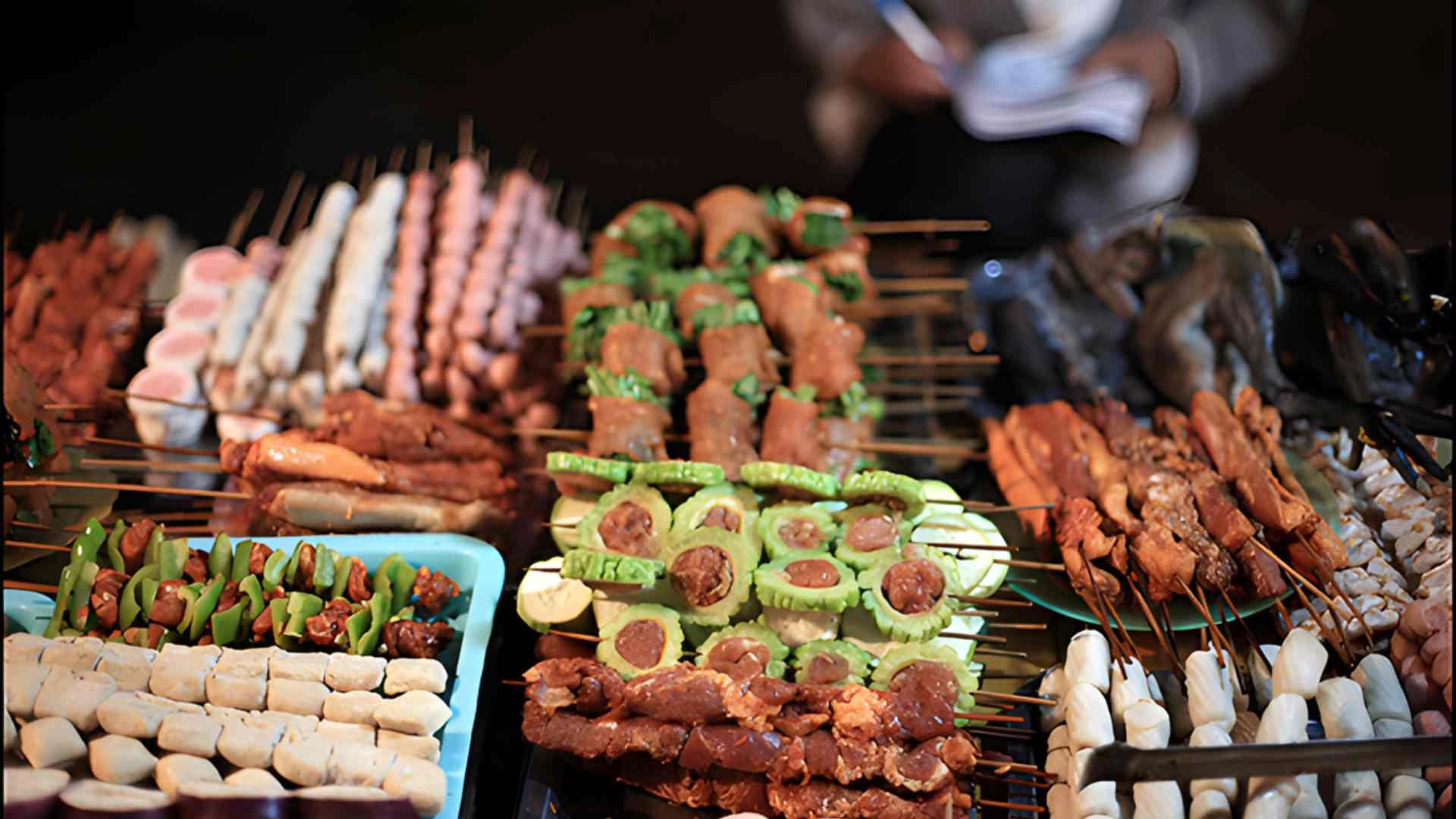
Lao Cai street food draws on the natural bounty of the mountains and forests, showcasing the distinctive culinary traditions of local ethnic communities. (Source: Collected references)
Street food is more than a convenient dining option; it is closely connected to the long-standing cultural traditions of local communities. Every small roadside stall and market vendor reflects the simplicity and distinctive character of life in Vietnam’s northern border region. As a result, the local food scene has become an important part of the travel experience.
Ingredients are primarily sourced from the mountains and forests, including fresh vegetables, cold-water fish, and livestock raised in natural conditions. Traditional cooking methods preserve the ingredients’ distinctive flavors, while local herbs and spices add balance to each dish. This connection with nature gives Lao Cai street food its authentic highland character.
1.2. How Climate and Terrain Shape Lao Cai Street Food
Lao Cai’s mountainous terrain and cool climate throughout much of the year provide favorable conditions for a diverse range of local ingredients. Sa Pa Ward, located at an elevation of approximately 1,500 meters above sea level, boasts a rich ecosystem that contributes to the region’s distinctive culinary identity. Climatic differences also influence local eating habits.
In cool weather, hot dishes with a mild spicy kick are particularly popular at street food stalls. Dishes such as Bac Ha sour pho and mini hotpots featuring sturgeon are commonly enjoyed in the evening. Their warmth makes them especially appealing in the chilly highland climate.
Fresh ingredients from mountain streams and local farms help preserve the natural freshness of each dish. Wild vegetables, stream fish, and locally sourced seasonings give regional specialties their distinctive flavors. These ingredients are among the key factors behind the appeal of Lao Cai street food.
1.3. Where to Enjoy Street Food in Lao Cai
Street food in Lao Cai is concentrated around central markets, Sa Pa Night Market, and the area near Lao Cai International Border Gate. Small roadside stalls create a welcoming atmosphere where visitors can easily sample local highland specialties. Trading activity typically becomes livelier from the afternoon into the evening.
Sa Pa Night Market brings together numerous stalls selling grilled foods and local specialties prepared on the spot. Glowing charcoal grills, wisps of smoke, and the aroma of grilled meat create a cozy atmosphere in the cool mountain air. It is an ideal place to experience the everyday rhythms of local life.
The combination of everyday sounds, warm yellow lights, and tempting aromas creates a memorable culinary experience. Visitors can immerse themselves in the distinctive community atmosphere of Vietnam’s Northwest Highlands. This lively setting further enhances the appeal of Lao Cai street food as part of a journey through the region.
2. Must-Try Dishes in Lao Cai Street Food
2.1. Thang Co and Traditional Ethnic Dishes
Thang co is a long-established traditional dish of the Hmong people in Lao Cai’s highlands. It is commonly served at festivals and large local market gatherings. The dish is prepared using meat, bones, and offal from livestock such as horses, buffaloes, or cattle, combined with a variety of mountain herbs and spices. Its rich flavor and distinctive preparation have made it an iconic part of local culinary culture.

Thang co, men men, and five-colored sticky rice are iconic dishes of the region’s culinary heritage. (Source: Collected references)
At highland markets, steaming pots of thang co are a familiar sight, attracting visitors eager to stop and try this traditional specialty. The dish carries the aromas of lemongrass, mac khen pepper, and cinnamon, offering a warming experience in the mountain chill. It is an important part of Lao Cai’s street food scene and is closely tied to local cultural traditions.
Other popular dishes include men men, grilled corn cakes, and five-colored sticky rice, which are widely sold at local markets and small roadside eateries. These foods reflect the close relationship between highland communities and their natural surroundings while enriching visitors’ culinary experiences in Lao Cai.
2.2. Sa Pa Grilled Food in Lao Cai’s Street Food Scene
In the evenings, Sa Pa Night Market becomes a gathering place for stalls selling a wide variety of grilled foods, including local pork, grilled chicken, grilled eggs, and assorted skewers. The dishes are cooked directly over glowing charcoal, filling the cool mountain air with an enticing aroma. This is one of the most recognizable features of Lao Cai street food.
The variety of ingredients, ranging from meat to vegetables, offers plenty of options for diners. Grilled dishes are often served with local chili sauce, which adds extra depth and flavor. The lively atmosphere of the night market also makes the dining experience more engaging and welcoming.
2.3. Signature Noodle Soups and Broth-Based Dishes of the Highlands
Lao Cai’s street food scene features several Northwest Vietnamese specialties that attract visitors, including Bac Ha sour pho, salmon rice vermicelli soup, and dry pho from Sa Pa. Bac Ha sour pho stands out for its thick broth and gently tangy flavor, making it different from many traditional pho dishes. These regional specialties add variety to the highland culinary experience.
Salmon rice vermicelli soup and mini sturgeon hotpots are also popular choices among visitors to Sa Pa. The fish is raised in naturally cold-water environments, giving it a distinctive flavor. By combining contemporary presentation with local culinary traditions, these dishes have become notable highlights of the region’s food scene.
2.4. Local Snacks and Drinks
Snacks such as banh day (round glutinous rice cakes), five-colored glutinous rice dumplings, roasted chestnuts, and grilled corn are commonly found at Sa Pa Night Market in the afternoon and evening. Although simple, these treats have familiar, comforting flavors that suit the cool mountain climate. They are also an integral part of Lao Cai’s street food culture.
Visitors often choose these snacks as an easy way to experience local culinary traditions. Each dish is connected to regional ingredients and the everyday customs of highland communities. Together, they make a food tour feel relaxed yet full of memorable discoveries.
3. Tips for Exploring Lao Cai Street Food
3.1. The Best Time to Enjoy Local Food
Evenings at Sa Pa Night Market and weekends are among the liveliest times for exploring Lao Cai street food, as local vendors set up their stalls and serve regional specialties into the night. From September to February, Sa Pa generally enters its cooler autumn and winter period, creating ideal conditions for enjoying hot dishes such as thang co, sour pho, and sturgeon hotpot.

The cool weather of autumn and winter makes this an excellent time to enjoy steaming hot street food. (Source: Collected references)
The early evening hours until around 9 p.m. are generally busy, with visitors and local residents gathering around food streets and market stalls. When temperatures drop and mist rolls in, hot dishes become an especially appealing choice for outdoor dining in Sa Pa.
3.2. Things to Keep in Mind When Enjoying Lao Cai Street Food
When exploring Lao Cai street food, visitors should consider choosing stalls and eateries with a steady flow of customers. This can make it easier to assess the food’s popularity and observe the freshness of the ingredients. Dishes such as sturgeon hotpot and sour pho are available at various vendors, so taking a moment to look around can help visitors find an option that suits their preferences.
It is also a good idea to ask about the level of spiciness before ordering. Some local dishes feature highland seasonings such as mac khen pepper, chili, and aromatic herbs, which can produce bold flavors. Checking with the vendor beforehand helps ensure a more enjoyable meal.
3.3. Combining Food Experiences with Local Culture
Exploring Lao Cai street food also offers an opportunity to learn about the cultural traditions of ethnic minority communities in Sa Pa. Traditional dishes such as men men, bamboo-tube rice, and thang co reflect the everyday customs of the Hmong, Dao, and Tay communities in the region.
During weekend market sessions in Sa Pa, food is often enjoyed alongside community cultural activities. Visitors can sample local specialties while observing social gatherings, performances, and other cultural traditions characteristic of the area.
4. Explore Lao Cai Street Food Alongside a Journey Through Sa Pa
4.1. Fansipan Peak at Sun World Fansipan Legend
Fansipan Peak is located within Sun World Fansipan Legend in Sa Pa Ward, Lao Cai Province. It is one of the defining destinations for travelers exploring the Hoang Lien Son mountain range. Rising to 3,143 meters above sea level, the peak offers sweeping views of the surrounding mountains and valleys. Its natural setting is ideal for visitors seeking fresh air and memorable mountain scenery.

The modern cable car system at Sun World Fansipan Legend takes visitors on a journey to conquer Fansipan Peak. (Source: Collected references)
The modern three-rope cable car system carries visitors across forested slopes and through the clouds toward the summit area. It significantly reduces travel time compared with traditional trekking, making the destination more accessible to a wider range of visitors. This infrastructure provides a more convenient way to experience the highlands of Sa Pa.
4.2. Muong Hoa Valley
Muong Hoa Valley, located in Sa Pa Ward, Lao Cai Province, is a renowned destination featuring terraced rice fields that follow the contours of the surrounding hills. The area is also home to ancient stone fields associated with the cultural history of local communities. Its natural scenery changes with the seasons, offering visitors a variety of landscapes throughout the year.
The valley is approximately 7–10 kilometers from central Sa Pa Ward, making it convenient for a day trip. Its expansive scenery, combining terraced fields with forested mountains, creates a peaceful atmosphere. It is an excellent stop on a journey to explore Sa Pa.
4.3. Lao Chai Village
Lao Chai Village is located in Lao Chai Commune, approximately 7 kilometers southeast of central Sa Pa Ward. The village lies in a broad valley surrounded by terraced rice fields that extend along the mountain slopes. The Hmong community has preserved many traditional aspects of village life across generations.
Visitors can experience the peaceful rhythm of life amid the Hoang Lien Son mountains. Wooden houses and natural landscapes blend harmoniously, creating the distinctive character of Vietnam’s highlands. Lao Chai is a popular destination for travelers interested in discovering Sa Pa’s local culture.
4.4. Ta Van Village
Ta Van Village lies in Muong Hoa Valley, within Ta Van Commune, approximately 10 kilometers from central Sa Pa Ward. The area features terraced rice fields and small streams that flow through the village. Its natural scenery and everyday village life create a welcoming atmosphere.
The Giay people form a major part of the local community and continue to preserve many traditional cultural practices. Daily activities reflect a highland way of life closely connected to nature. Ta Van is an excellent destination for combining sightseeing with cultural experiences.
4.5. Silver Waterfall
Silver Waterfall is situated along National Highway 4D on the route from Sa Pa toward O Quy Ho Pass, approximately 12 kilometers from the town center. Originating in the Hoang Lien Son mountain range, the waterfall cascades over multiple tiers of natural rock. Its powerful flow creates a striking landscape amid the surrounding forests and mountains.
The area at the foot of the waterfall is a familiar stopping point for travelers along this route. From here, visitors can watch the water flowing over the rock formations and joining the streams below. The surrounding scenery is suitable for a short break and photography during a trip around Sa Pa.
A journey through Vietnam’s Northwest Highlands would hardly be complete without exploring Lao Cai street food. These simple yet flavorful dishes capture the warmth of local hospitality and the cultural richness of the region. Come, savor the authentic flavors, and let these memorable culinary experiences become some of the highlights of your trip.


