




1. Overview of trekking Sa Pa: Sought-after experience 2026
This type of ecotourism is becoming a favorite choice for many tourists visiting Sa Pa. Trekking Sa Pa is a journey of walking to explore pristine nature, rustic villages, and the unique culture of the ethnic people in the highlands of Lao Cai.
In recent years, trekking in Sa Pa has been chosen by more and more tourists thanks to continuously improving tourism services and constantly expanding exploration routes. Tour organizers have skillfully built diverse itineraries suitable for all fitness levels: from gentle journeys for beginners to challenging routes for seasoned “trekkers”.
2. Ideal time for trekking Sa Pa 2026
2.1. Trekking during the blooming season (January - March)
Spring is the ideal time for trekking Sa Pa, with mild weather of 15-20°C, light sunshine, and little rain. This is also an occasion for tourists to immerse themselves in the vibrant traditional festival atmosphere like Tet Nguyen Dan or the flower festival.
Every spring, Sa Pa shines with the pink of peach blossoms, white of plum blossoms, and purple of Bauhinia flowers covering the mountains, forests, and villages. Amidst that romantic scenery, each trekking step is like stepping into a vibrant natural painting, where tourists can freely take photos and immerse themselves in the lively festival atmosphere of the highland ethnic people.
2.2. Trekking during the ripe rice season (September - November)
For many trekkers, this is the most beautiful time of the year to conquer Sa Pa. Golden terraced fields stretch out like a painting in Muong Hoa valley, while early morning clouds gently drift around the mountain peaks, creating a poetic scene for the enchanting cloud hunting journey.
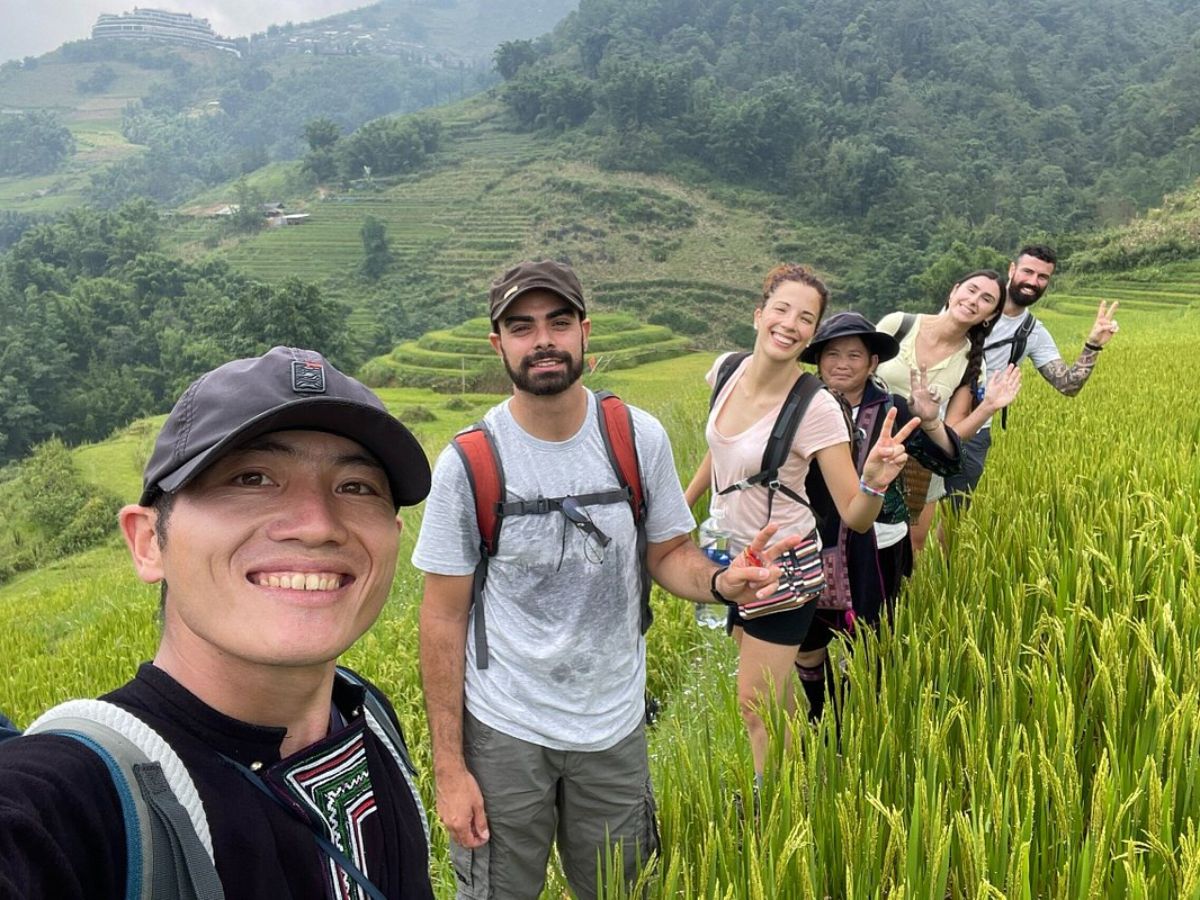
Trekking while inhaling the fragrant scent of ripe rice on terraced fields. (Source: Collection)
The dry, cool weather makes trekking in Sa Pa easier and more enjoyable. During the day, temperatures range from 18-22°C, and at night it's cool at 12-15°C, creating a comfortable feeling for every journey. This is an ideal time for both short trips and challenging long routes.
2.3. Rainy Season Trekking (May - August)
The rainy season in Sa Pa is usually long and intense. Heavy rainfall makes many sections of the road slippery and dangerous due to the risk of landslides. Visibility is limited by thick fog, affecting navigation and photography.
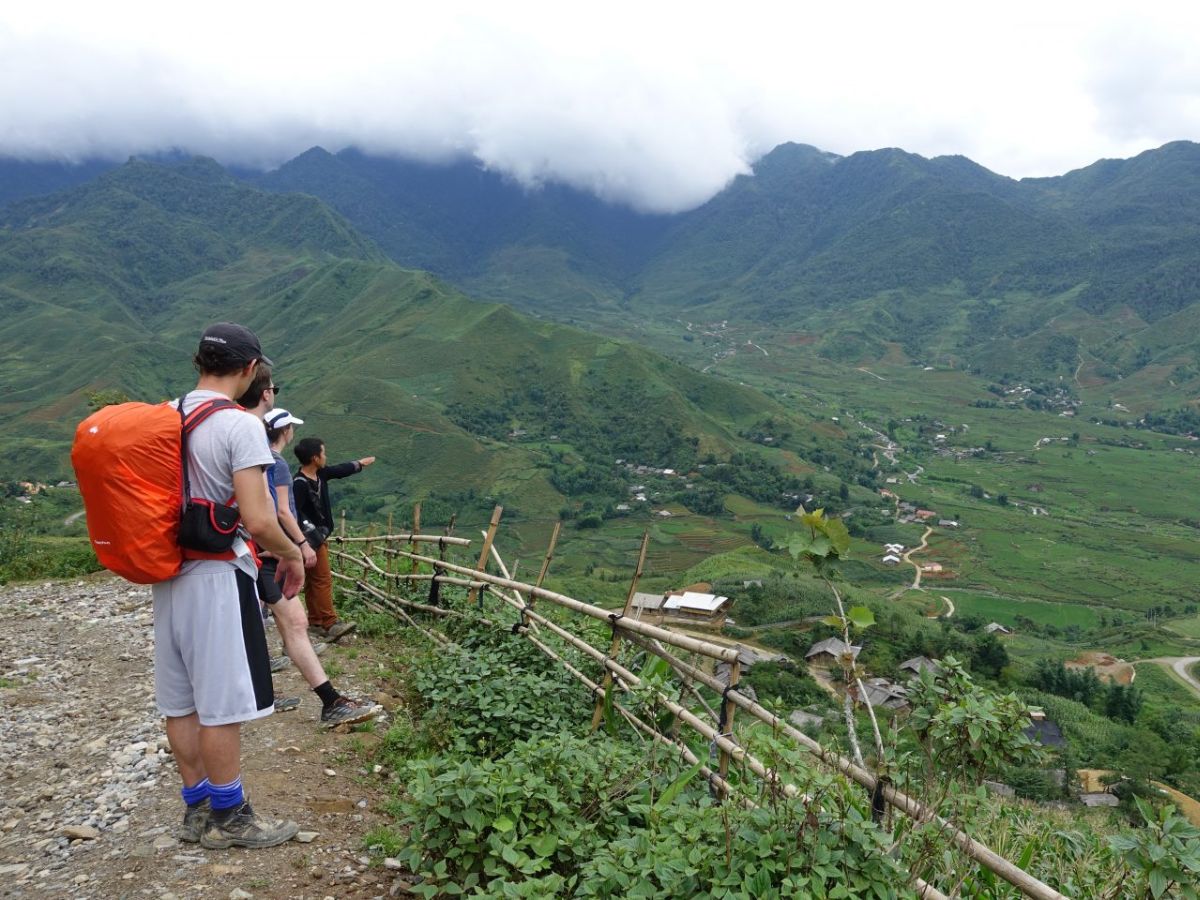
Adventurous experience when trekking in the rainy season in Sa Pa. (Source: Collected)
However, for experienced trekkers, the rainy season offers an interesting challenge. Lush green scenery, strong waterfalls, and fresh air create a different experience. If you decide to trek at this time, you need to be fully equipped with raincoats, non-slip shoes, and it is advisable to have a local porter accompany you to ensure safety.
3. Famous Sa Pa Trekking Routes 2026
3.1. Sa Pa - Cat Cat - Sin Chai Route: A gentle warm-up for beginners
This route is perfectly designed for those experiencing Sa Pa trekking for the first time. The route is about 7 km from Sa Pa center to Cat Cat village, then continues to Sin Chai, mainly consisting of gentle stairs and trails. The terrain is relatively flat, suitable for all ages and fitness levels.
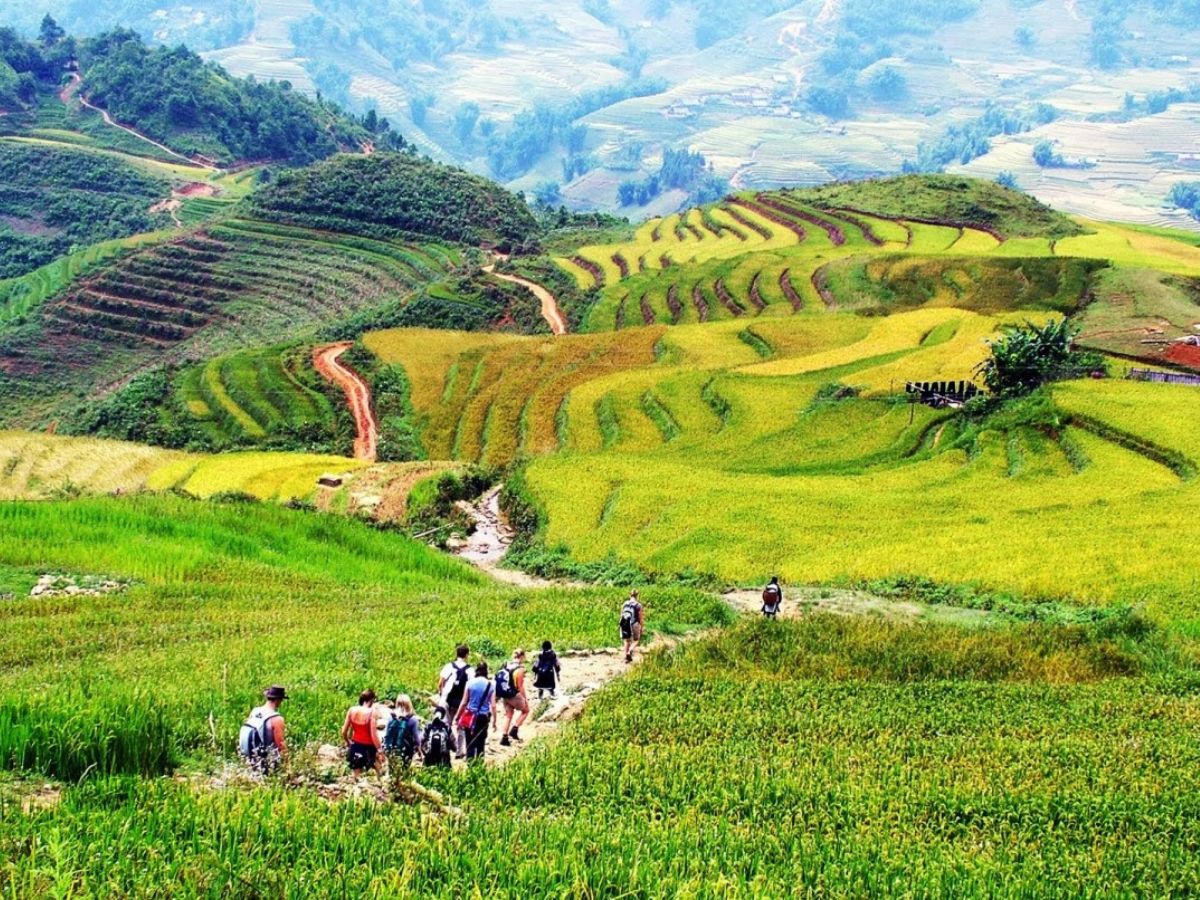
Trekking route in Sin Chai. (Source: Collected)
Cat Cat village is the long-standing residence of the H'Mong ethnic group, famous for the majestic Cat Cat waterfall and the ancient water wheel system. Visitors can visit the handicraft silver making workshop to learn about the traditional crafts of the locals. Continuing the journey to Sin Chai, you will admire the pristine terraced fields and traditional Po Mu wooden houses.
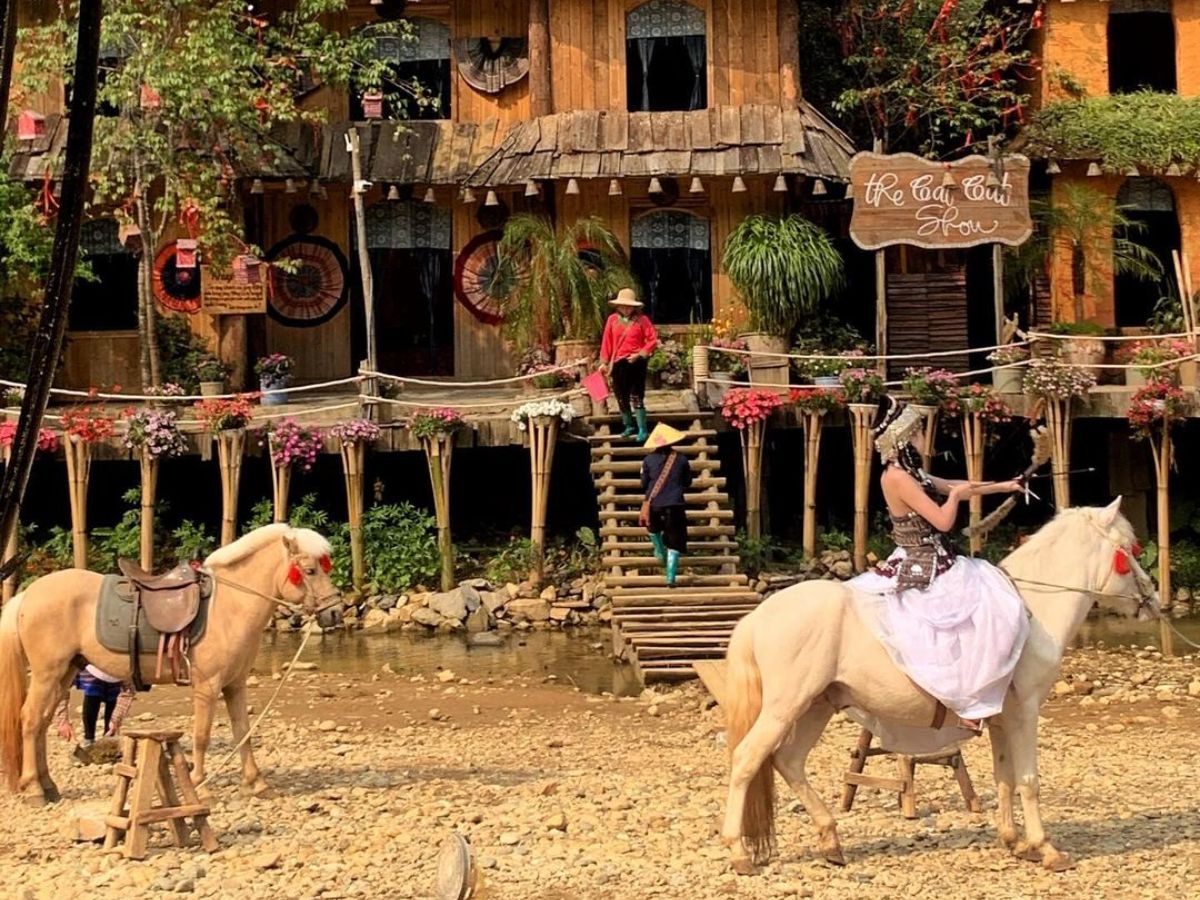
Simple, rustic charm in Cat Cat village. (Source: Collected)
Along the route with many roadside homestays, visitors can stay overnight to experience local cuisine and live with the locals. This is a great opportunity to learn more about the culture and customs of ethnic minorities.
3.2. Tram Ton - Silver Waterfall - Ta Van Route: 2-day 1-night itinerary with local flavor
This route offers a deeper trekking Sa Pa experience with a route of 20-30 km over 2 days and 1 night. The journey begins from Tram Ton, passing through the majestic Love Waterfall and Silver Waterfall, then continues to Cat Cat, Y Linh Ho, Lao Chai, and ends at the beautiful Ta Van village.
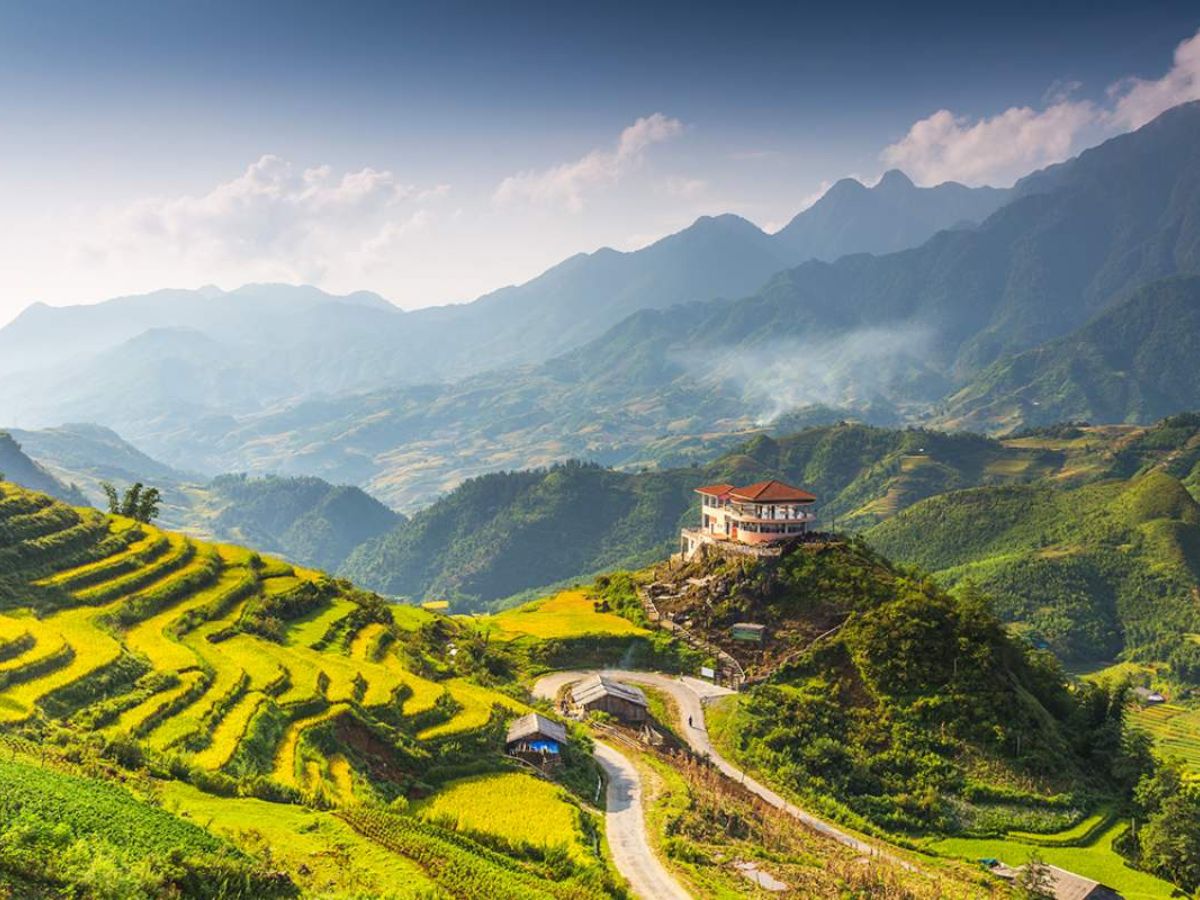
Admire the Muong Hoa valley during the ripe rice season. (Source: Collected)
On the trekking route, the main highlight is the majestic beauty of waterfalls and the endlessly stretching Muong Hoa terraced fields. The Silver Waterfall (Thac Bac), over 200 m high, splashes white foam like a soft silk ribbon cascading down amidst the vast forest, bringing a scene that is both breathtaking and poetic. At the end of the journey, tourists rest at community homestays in Ta Van village (Ban Ta Van), where the lives of the Giay, H'mong, and Red Dao people are intertwined.
3.3. Suoi Ho - Ta Phin - Kim Ngan Route: Long-day challenge, discover rare villages
This is a challenging route for veteran trekkers who want to conquer themselves. The 43 km route from Suoi Ho to Ma Tra, Ta Phin, Phin Ho, Kim Ngan, and Ta Giang Phinh requires 3 days and 2 nights of continuous walking.
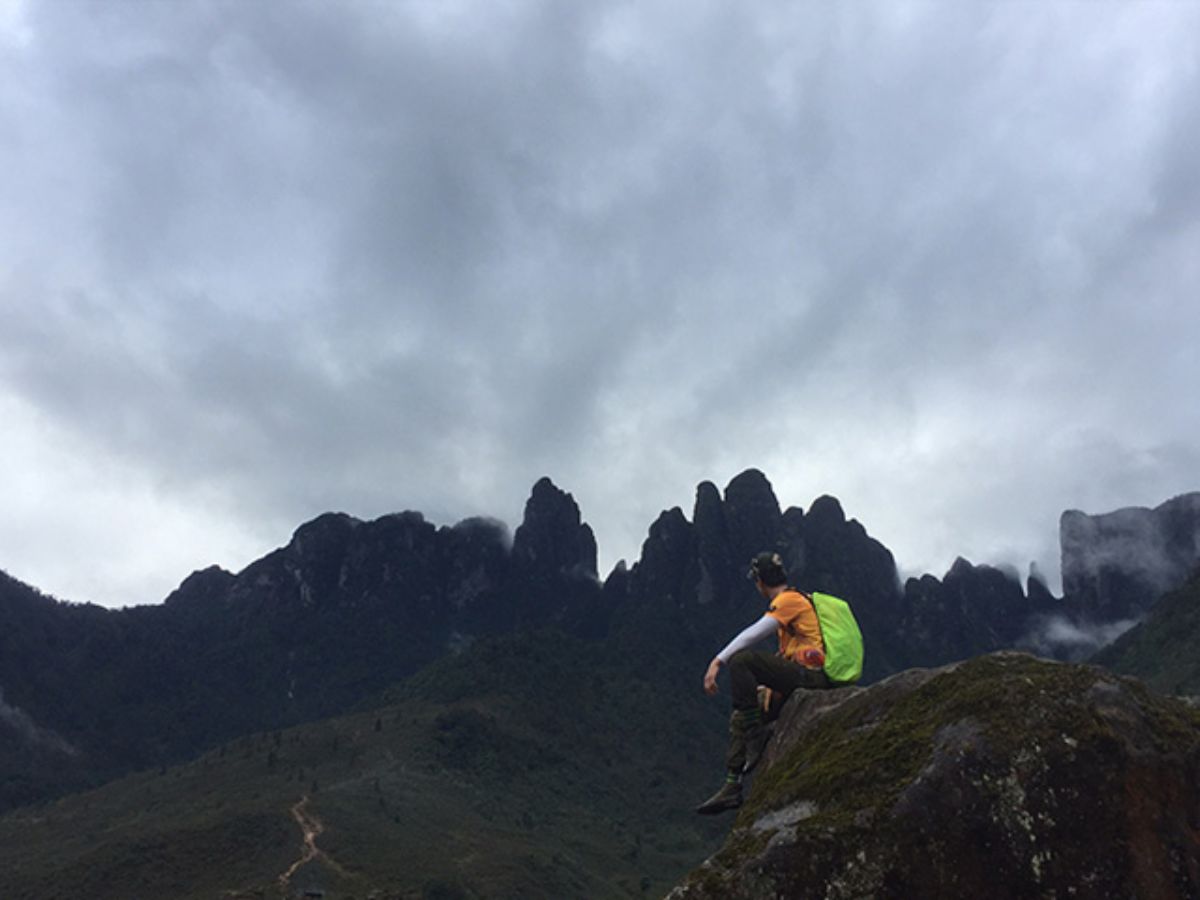
View Sapa from Ngu Chi Son peak in Ta Giang Phinh. (Source: Collected)
This trekking route traverses complex terrain with mountains, terraced fields, and deep, winding valleys. As it has not been heavily commercially exploited, this place still retains its wild and challenging beauty. Tourists need basic survival skills such as setting up tents, preparing food, and handling forest situations. In return, the journey offers the opportunity to explore little-known villages, meet ethnic minority people, and experience the feeling of conquering harsh nature.
3.4. Trekking Fansipan 2026: The journey to conquer the roof of Indochina
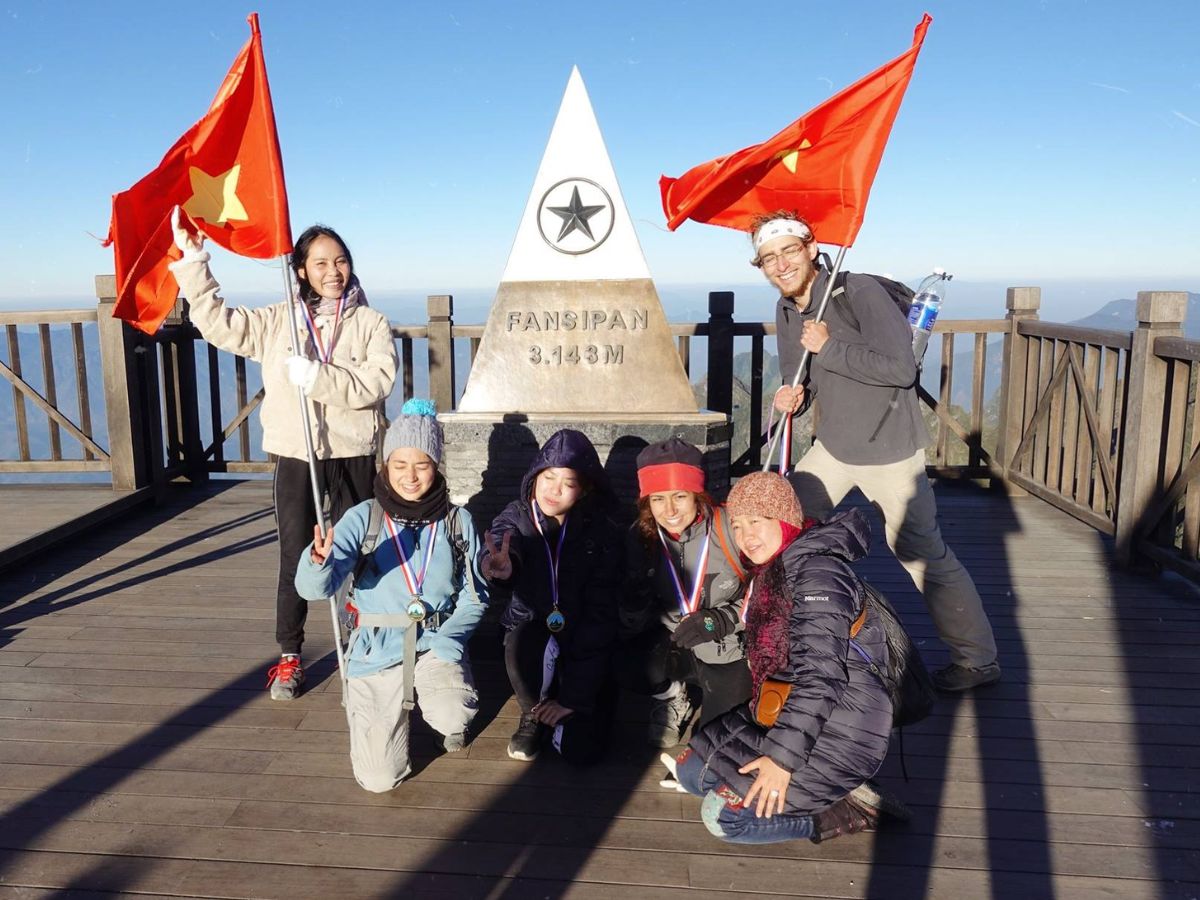
Conquer Fansipan peak - the roof of Indochina. (Source: Collected)
Conquering Fansipan peak by trekking remains a dream for many adventurous travelers. The popular route starts from Tram Ton, with a height of 3,143 m and usually takes 2 days and 1 night to complete.
The Fansipan climbing journey requires thorough preparation in terms of physical fitness and equipment. Travelers need specialized hiking boots, lightweight yet functional backpacks, warm jackets for nights on the mountain, and essential survival gear. Additionally, hiring local porters not only ensures safety but also offers a closer experience with local culture.
After touching the sacred 3,143 m milestone, hunting clouds, and checking in at the "roof of Indochina," don't end your journey just yet. If you want to admire Muong Hoa valley from above or the panoramic view of the Hoang Lien Son mountain range from a different perspective, take time to explore Sun World Fansipan Legend. Here, you can experience the modern three-rope cable car, visit the spiritual complex Bich Van Thien Tu, the Great Buddha Statue of Amitabha, or immerse yourself in the scenery of four-season flowers. Note that travelers should inform the tour operator or guide in advance to book cable car tickets, avoiding waiting time.
4. Accommodation and services for Sa Pa trekkers
4.1. Homestays, camping, or professional trekking tours?
Homestays offer authentic cultural experiences with full basic amenities. Travelers can easily interact with local people, enjoy local cuisine, and learn about customs and traditions. However, choosing a homestay limits the freedom to camp and move as desired.
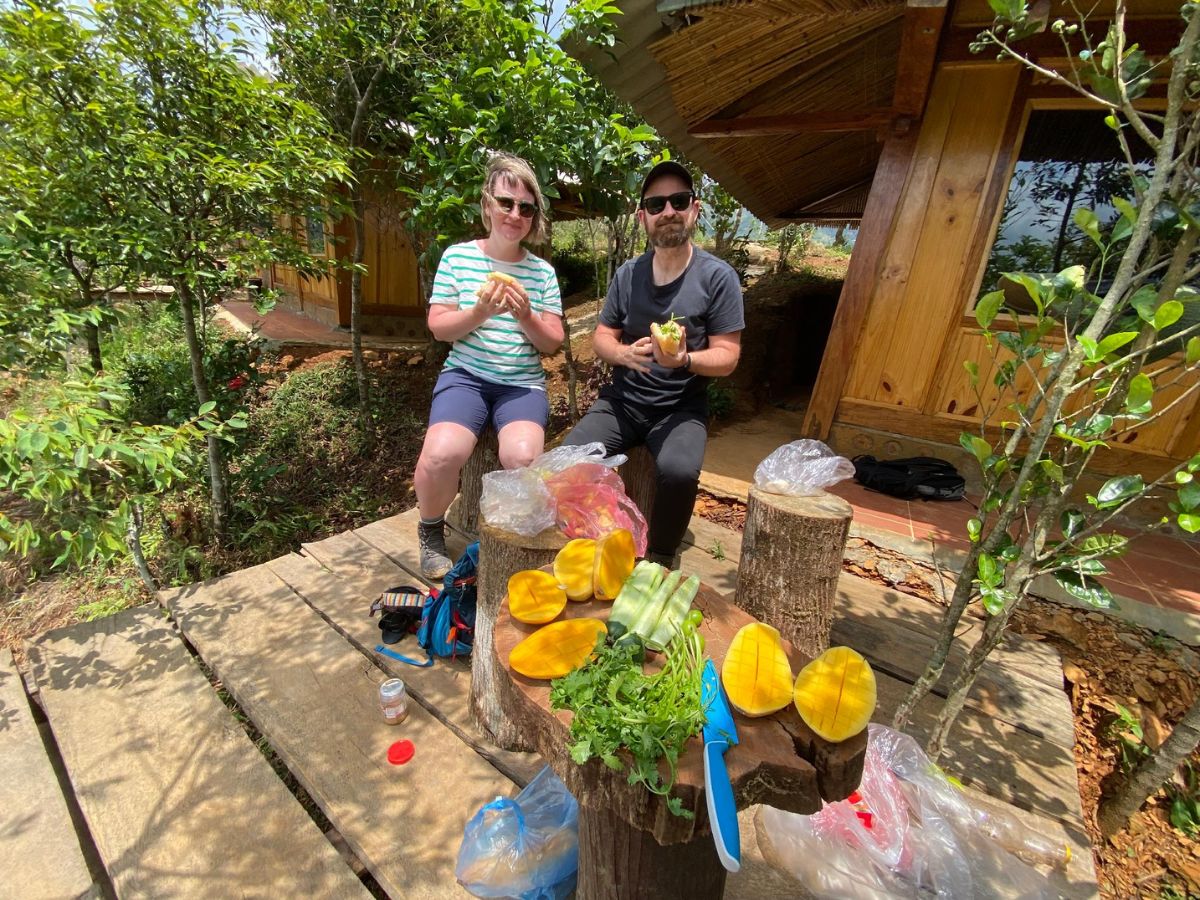
Experience local life at a homestay - a unique service for trekkers. (Source: Collected)
Tent camping is suitable for trekkers who love wild experiences, want to camp in nature, and challenge survival skills. This option requires safety knowledge and should only be done in permitted areas. Visitors need to prepare adequate equipment and have a detailed plan.
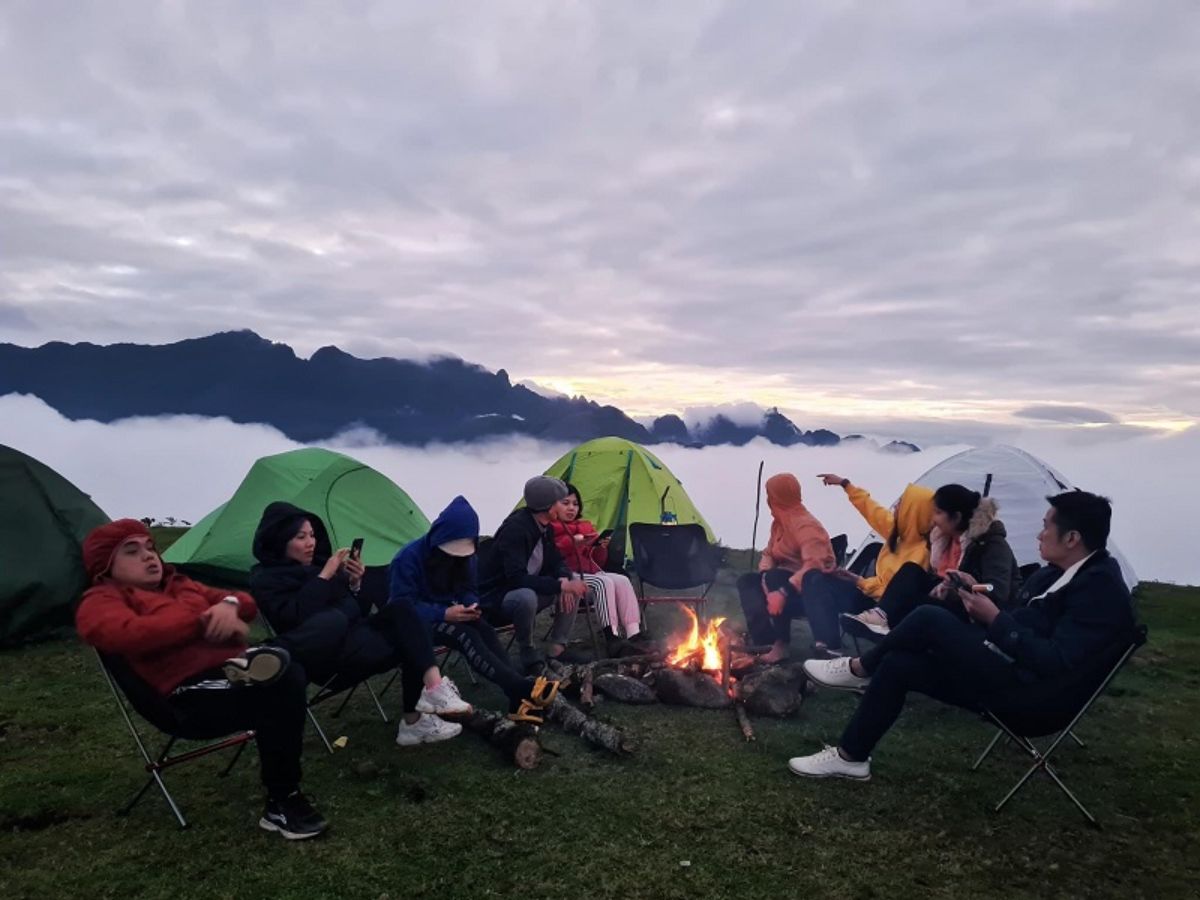
Camping activity is indispensable for seasoned trekkers. (Source: Collected)
In addition, all-inclusive tours with professional guides, porter support, and full accommodation services ensure the best safety. Reputable companies such as SinhTour, MegaTravel, Sovaba Travel offer many tour packages suitable for each customer group and budget.
4.2. Dining and local culinary experiences
Sa Pa cuisine carries the strong flavor of the mountains and forests with unforgettable dishes such as fragrant grilled suckling pig, fresh salmon raised in cool streams, or chayote and wild vegetables prepared in traditional ways. Visitors also cannot miss Thang Co - a characteristic soup of the Hmong people, along with five-colored sticky rice, vibrant like a painting on the highlander's meal tray.
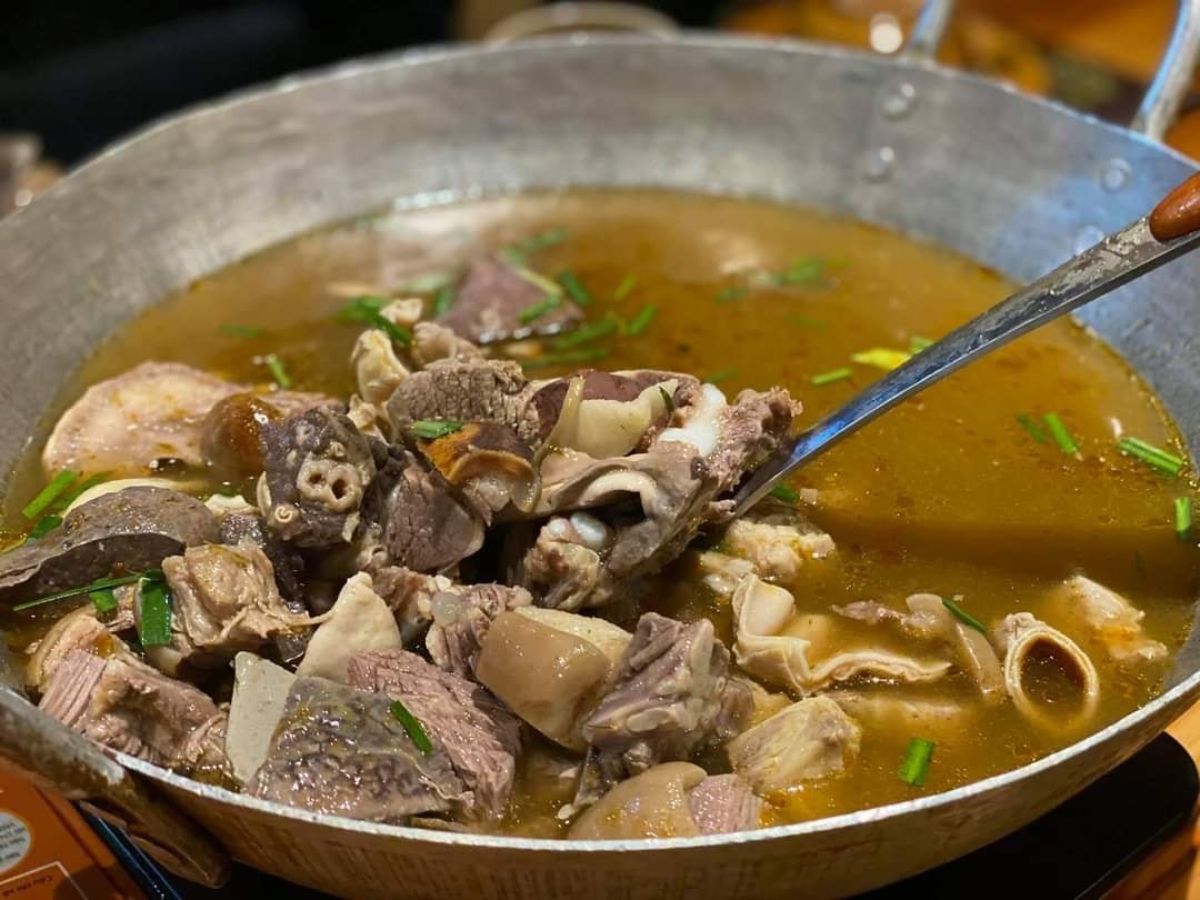
Thang co - a specialty of the Northwest mountains. (Source: Collected)
During trekking trips, visitors should prepare energy-boosting foods such as nutritious cereals, dried rations, nuts, and sufficient drinking water. Bringing perishable or excessively heavy food will cause inconvenience during movement, so it is advisable to prioritize lightweight items. Additionally, many homestays in Sa Pa also support preparing packed lunches, making the trip more convenient.
5. Safety tips for trekking Sa Pa 2026
Trekking Sa Pa 2025 promises a fascinating nature-conquering experience. To ensure a safe and complete trip, you need to carefully prepare the following important notes.
Anti-slip trekking shoes help you move safely on steep mountain terrain and slippery ground. A lightweight backpack with multiple compartments helps you pack items reasonably and find them easily.
A thermal jacket is an essential item for cold highland nights. If not staying in a homestay, prepare a raincoat and a compact tent to avoid bad weather.
Always carry enough clean water or a portable water filter when trekking Sa Pa 2025.
Check your heart, blood pressure, and respiration before trekking. People with underlying health conditions should consult a doctor to ensure safety.
Train for 2–3 weeks with long walks, stair climbing, and simulated backpack carrying. This helps your body get used to the intensity of trekking Sa Pa 2025.
Always check the weather forecast and avoid trekking during storms. Bring a phone, power bank, and inform your family of your itinerary.
A small first-aid kit with basic medication is essential. Don't forget to save emergency phone numbers and maintain contact during the journey.
Respect local customs and ask for permission before photographing people. Polite attire and a friendly attitude will help you gain favor with the locals.
Do not litter; bring a bag to dispose of trash properly. Shopping for local products is also a way to support the local community when trekking Sa Pa 2025.
6. Suggested 3D2N trekking itinerary for Sa Pa, latest in 2026
6.1. Detailed 3D2N trekking itinerary for beginners
A 3-day, 2-night trekking trip in Sa Pa is an ideal choice for those who want to explore nature and experience local culture. The itinerary below is designed specifically for beginners, with manageable distances and many interesting stops.
- Day 1: Depart from Sa Pa center in the morning, trek to Cat Cat village to explore the waterfall and traditional silver crafting village. Continue to Sin Chai village to admire the terraced fields and stay overnight at a homestay with an H'Mong family.
- Day 2: After breakfast with local specialties, travel from Sin Chai to Lao Chai via a trail through rice paddies. Arrive in Ta Van in the afternoon, stay at a community homestay, and participate in cultural activities such as weaving and folk singing.
- Day 3: Depart from Ta Van back to Sa Pa center in the morning. Combine with a visit to Sun World Fansipan Legend by cable car to admire the panoramic mountain views from above and shop for specialties before ending the trip.
The 3D2N trekking journey in Sa Pa not only helps you conquer the beautiful terraced field routes but also offers the opportunity to immerse yourself in the simple life of the local people. This will be a memorable experience, opening up a new perspective on the natural beauty and culture of the Northwest highlands.
6.2. Detailed itinerary for professionals
For experienced trekkers, Sa Pa offers more challenging routes, extending through many villages and steep mountain passes. The 3D2N itinerary below promises not only to challenge your physical strength but also to offer an adventurous experience.
- Day 1: Depart from Sa Pa town, traverse winding steep slopes down to Y Linh Ho village. Continue trekking through Lao Chai and stay overnight at a homestay in Ta Van, enjoying local cuisine and cultural exchange.
- Day 2: Cross the cloud bridge, trek through forests and waterfalls in Giang Ta Chai – Su Pan, challenging your stamina with many rocky slopes. In the afternoon, arrive at Ban Ho, experience soaking in Dao red medicinal leaves, and stay overnight at a homestay with a view of the terraced fields.
- Day 3: Leave Ban Ho, trek a long distance with many high slopes to Thanh Phu and Nam Tong. In the afternoon, return to Sa Pa, concluding the journey with a visit to Sun World Fansipan Legend or shopping for specialties.
The professional 3D2N trekking journey in Sa Pa is a perfect combination of self-challenge and cultural exploration. This will surely be a trip that leaves a strong impression, worthy of those who aspire to conquer the Northwest mountains.
Trekking Sa Pa 2025 promises unforgettable experiences with majestic landscapes, unique culture, and exciting challenges. Plan in detail and prepare thoroughly for the safest and most meaningful journey!


