


1. An Overview of Sa Pa During the Snow Season and the Unique Appeal of This Mountain Destination
1.1. Sa Pa and the Conditions That Lead to Snowfall
Sa Pa is a ward in Lao Cai Province, in northern Vietnam. Located at an average elevation of approximately 1,500 meters above sea level, it has a distinctive subtropical highland climate. The average annual temperature is around 15°C. However, during winter, from December to February, strong cold air masses can cause temperatures to drop significantly. At higher elevations, particularly near the summit of Fansipan, temperatures can fall below 0°C, creating conditions for frost and, occasionally, snowfall.
The combination of high elevation, winter cold, the northeast monsoon, and high humidity associated with the Hoang Lien Son mountain range can create the conditions for this rare natural phenomenon in Vietnam during severe cold spells.

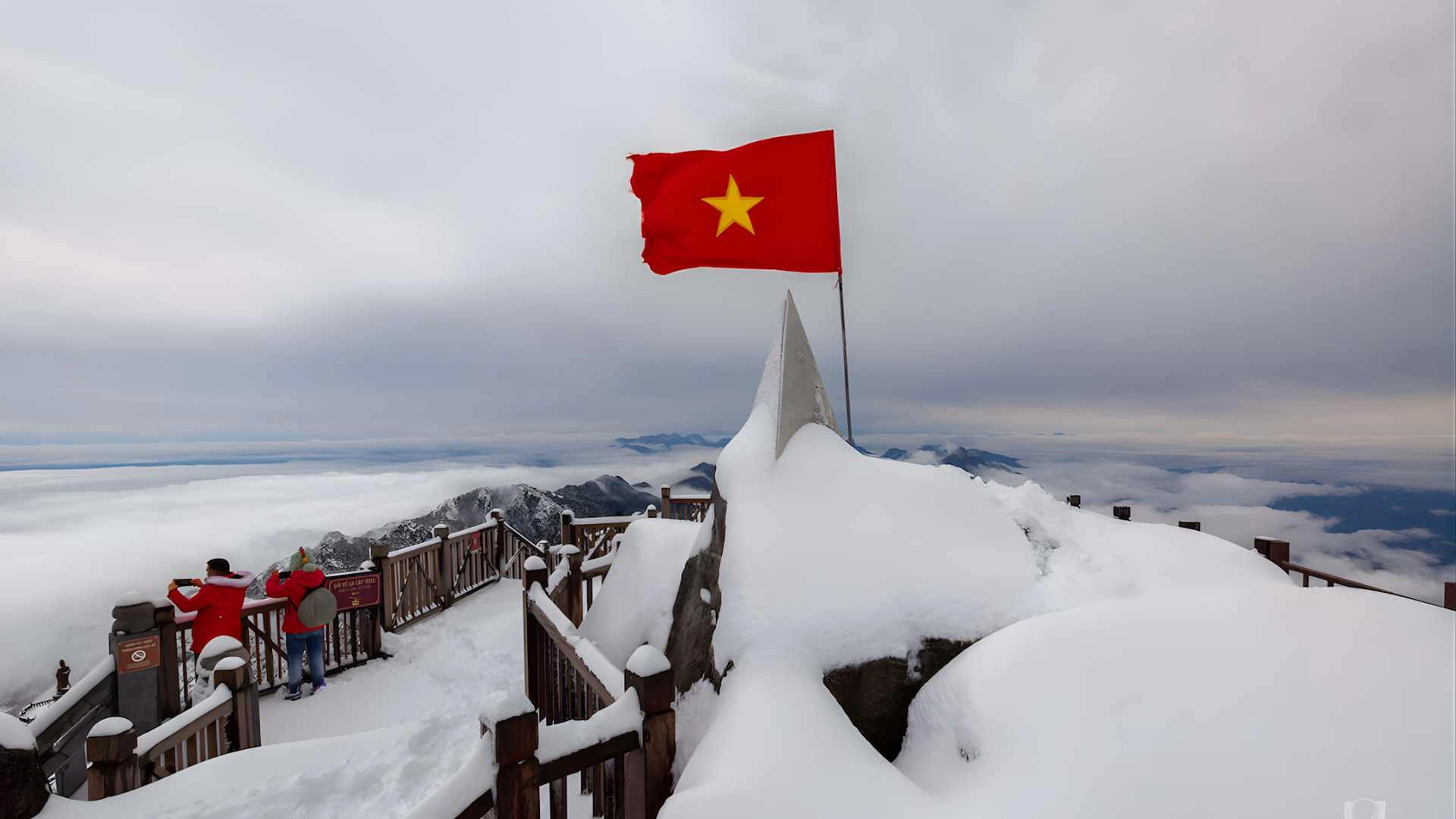
Snow may fall in Sa Pa during winter when temperatures drop below 0°C. (Source: Collected materials)
Although snowfall is rare and does not occur every year, prolonged cold spells can cause frost to form and persist, creating an attractive natural landscape when temperatures reach their lowest levels. Sa Pa is therefore considered one of the few destinations in Vietnam where visitors may be able to see snow in winter when weather conditions are favorable.
Weather forecasts issued by the National Center for Hydro-Meteorological Forecasting can help travelers monitor approaching cold spells before planning their snow-seeking trips.
1.2. What Makes Sa Pa Different During the Snow Season?
Sa Pa looks remarkably different during the snow season compared with other times of the year. When snow and ice cover the mountains and forests of the Hoang Lien Son range, wooden houses, terraced rice fields, and highland vegetation take on a white appearance, creating scenery reminiscent of Europe in the heart of Vietnam’s northwest.
Thick mist, the fragrant smoke rising from kitchen fires, and the lively conversations of local ethnic communities, including the Hmong and Dao people, create an atmosphere that is both freezing and warmly welcoming. The local way of life and traditional customs add a distinctive cultural dimension to the winter landscape.
Compared with the golden rice harvest or the dreamy sea of clouds that attracts visitors during other seasons, the snow season offers a more rugged, cold, and challenging natural environment while retaining a poetic, pristine beauty. Many visitors describe the experience as discovering a temperate winter landscape in Vietnam’s mountainous interior, where the cold and natural scenery blend harmoniously. This makes a winter trip to Sa Pa especially memorable, both emotionally and visually.
1.3. Why Is Sa Pa So Appealing During the Snow Season?
The greatest appeal of traveling to Sa Pa during the snow season lies in the opportunity to experience a rare natural phenomenon without leaving Vietnam. The desire to touch real snow encourages many travelers to plan a winter visit each year.
Although snowfall depends on specific weather conditions and is not guaranteed, reports of snow at Fansipan Peak often attract considerable attention on social media.
Whenever noticeable snowfall or frost occurs, photos and videos quickly spread across online platforms, attracting photography enthusiasts and travelers eager to experience winter scenery. Even though snow does not appear every year, widespread media coverage and social media interest help draw visitors to Sa Pa during the colder months and encourage the development of distinctive winter tourism experiences.
2. The Best Time to Visit Sa Pa During the Snow Season and Essential Travel Tips
2.1. When Is Snow Most Likely to Appear in Sa Pa?
Snow is most likely to occur in Sa Pa during the coldest part of winter, generally from late December to February. During this period, strong cold air masses moving down from the north can cause temperatures to fall well below the daily average. At high elevations such as Fansipan Peak, temperatures have reached -2°C or lower during episodes of snowfall and frost.

Plan your trip around the peak winter period, particularly from late December through January, when temperatures may fall below 0°C. (Source: Collected materials)
Nevertheless, snowfall in Sa Pa is unpredictable and depends heavily on actual weather conditions. Travelers should therefore monitor forecasts from the National Center for Hydro-Meteorological Forecasting and other up-to-date weather bulletins to identify periods of severe cold that may bring frost or snow.
Keeping travel dates flexible according to weather forecasts can improve the chances of witnessing these phenomena compared with choosing a fixed date well in advance.
In addition to temperature, elevation and atmospheric humidity play important roles in snow formation. When sufficiently cold air combines with high humidity, moisture in the atmosphere may form snow crystals more readily. This explains why snowfall is generally recorded at much higher elevations than the town center, while remaining a major attraction for visitors seeking unusual winter scenery and photography opportunities.
2.2. What to Wear When Visiting Sa Pa During the Snow Season
When searching for snow in Sa Pa during winter, preparing adequate cold-weather clothing is essential. Temperatures are often below 5°C and may fall further at night.
Bring a thick down jacket, thermal base layers, gloves, a wool hat, and a scarf to help maintain body heat while spending time outdoors. These items also provide protection against sudden cold winds and the severe chill associated with snow or frost.
Snow and ice can make roads and walking paths slippery, particularly at higher elevations. Shoes with good grip and anti-slip soles are therefore essential for safe movement. When surfaces are covered with snow or ice, unsuitable footwear can significantly increase the risk of slipping and falling.
In addition to warm clothing, consider bringing hand warmers, moisturizing cream, and lip balm to protect your skin from dryness and cracking caused by cold weather. At temperatures below 5°C, skin can lose moisture more easily, so personal care products can make winter sightseeing in Sa Pa more comfortable.
2.3. Safety and Health Tips for Snow-Seeking Trips
During winter, mountain passes and high-altitude roads may become icy or slippery. Travelers should avoid riding motorbikes when temperatures are extremely low or road conditions are hazardous, as this can increase the risk of accidents.
For longer journeys, consider using a car or coach instead, particularly when roads are slippery because of frost or ice.
Choosing accommodation in central Sa Pa makes it easier to reach major attractions and reduces the amount of time spent outdoors in freezing conditions. This is particularly helpful when traveling with young children or older adults, as convenient transport and adequate warmth can help protect their well-being throughout the trip.
Everyone in the travel group should dress warmly, eat regular meals, and drink enough water to maintain good health while facing the cold weather.
3. Unmissable Experiences When Visiting Sa Pa During the Snow Season
3.1. Searching for Snow and Taking Photos Amid a White Landscape
One of the most memorable experiences during the snow season in Sa Pa is searching for snowfall and capturing special moments against a pristine white backdrop. When snow falls, tree branches, rooftops, and mountain forests are covered in white, transforming familiar scenery into something extraordinary.
At higher elevations, particularly around Fansipan Peak, snow-covered landscapes provide a stunning backdrop for unique travel photographs.

Capture the breathtaking moment when rooftops, tree branches, and the vast Hoang Lien Son mountain range are dressed in white. (Source: Collected materials)
3.2. Enjoying Hot Local Dishes in the Middle of Winter
Sa Pa’s highland cuisine becomes especially appealing during periods of intense cold. Local specialties such as thang co, salmon hotpot, and sturgeon hotpot are served piping hot, helping visitors warm up in the winter chill.
Charcoal-grilled dishes are also popular choices. They provide energy and create a cozy dining experience, particularly when enjoyed outdoors in the cold mountain air.
3.3. Discovering Local Culture During the Cold Winter
Winter is a suitable time to explore the cultures of ethnic communities in Sa Pa, including the Hmong, Dao, and Tay people. Their traditional clothing often stands out in vivid colors against the white winter landscape, creating a striking impression for visitors exploring local villages.
Walking through these villages offers opportunities to observe traditional customs and gain a closer understanding of the daily lives of local communities.
4. Where to Go: Discovering Sa Pa’s Iconic Attractions During the Snow Season
4.1. Sun World Fansipan Legend: The Gateway to Conquering Fansipan Peak
Standing at 3,143 meters above sea level, Fansipan Peak is one of Sa Pa’s most iconic attractions during winter. It is among the locations in the area where snow and frost are more likely to occur, with episodes of snowfall sometimes marking the arrival of severe winter conditions.
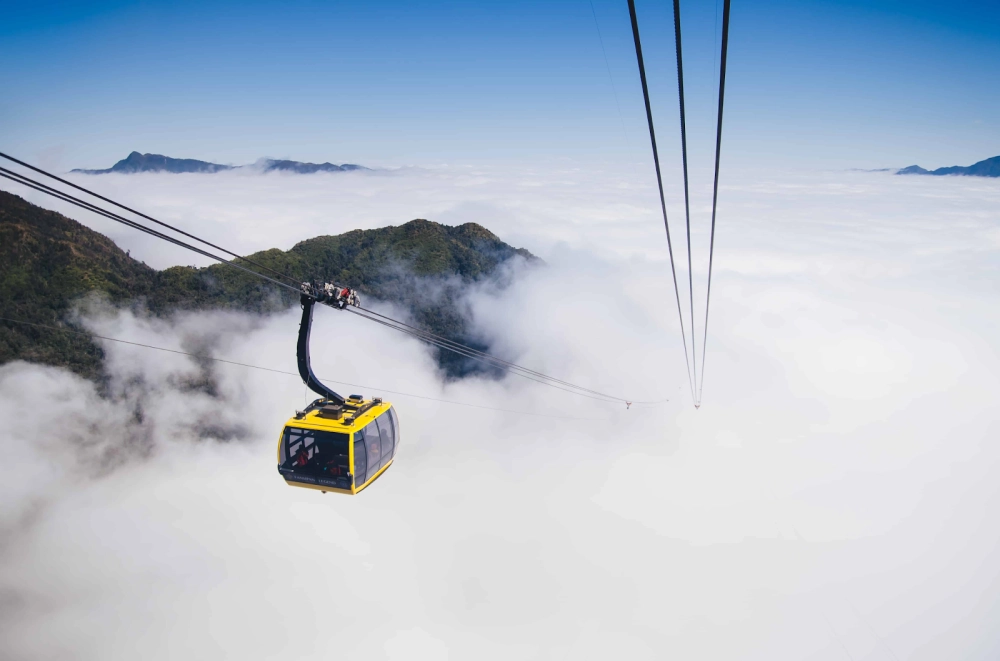
Sun World Fansipan Legend features a modern cable car system that allows visitors to travel more conveniently from central Sa Pa to areas near the summit. This reduces the need for a lengthy uphill trek in freezing weather and on potentially slippery paths.

Conquer Fansipan Peak at 3,143 meters and discover the winter scenery at Sun World Fansipan Legend. (Source: Collected materials)
4.2. Sa Pa Heaven Gate
Sa Pa Heaven Gate is located along the O Quy Ho Pass and offers expansive views of the majestic Hoang Lien Son mountain range. When snowfall or frost covers the surrounding area, the landscape becomes even more rugged and spectacular, creating a memorable nature experience.
When visiting, choose a time of day with favorable lighting and clear visibility. Check road conditions beforehand to ensure a safe journey and the best possible views.
4.3. Ham Rong Mountain
Located near central Sa Pa, Ham Rong Mountain is an excellent place to enjoy panoramic views of the town and its surrounding highlands during winter. From attractions such as the flower gardens and San May viewpoint, visitors can admire Sa Pa and the Hoang Lien Son mountain range from above.
The crisp winter air and elevated viewpoints create a wonderful setting for appreciating the mountain scenery.
4.4. Ban Lien Village
Ban Lien is a peaceful highland village characterized by terraced rice fields and cinnamon forests. Visitors can stay in a homestay, experience the daily life and culture of the Tay people, and take gentle walks around the terraced fields.
It is an appealing destination for travelers seeking an unspoiled natural setting and a quiet village atmosphere during the Sa Pa winter season.
Traveling to Sa Pa during the snow season is more than simply sightseeing. It is an opportunity to experience rare natural moments in Vietnam. From the majestic summit of Fansipan to peaceful highland villages, every experience becomes more special when the mountains are covered in pristine white.
If you are looking for a different kind of winter getaway, visit Sa Pa and discover the captivating beauty of its icy landscapes and distinctive mountain atmosphere.