


1. Why Sa Pa is worth exploring
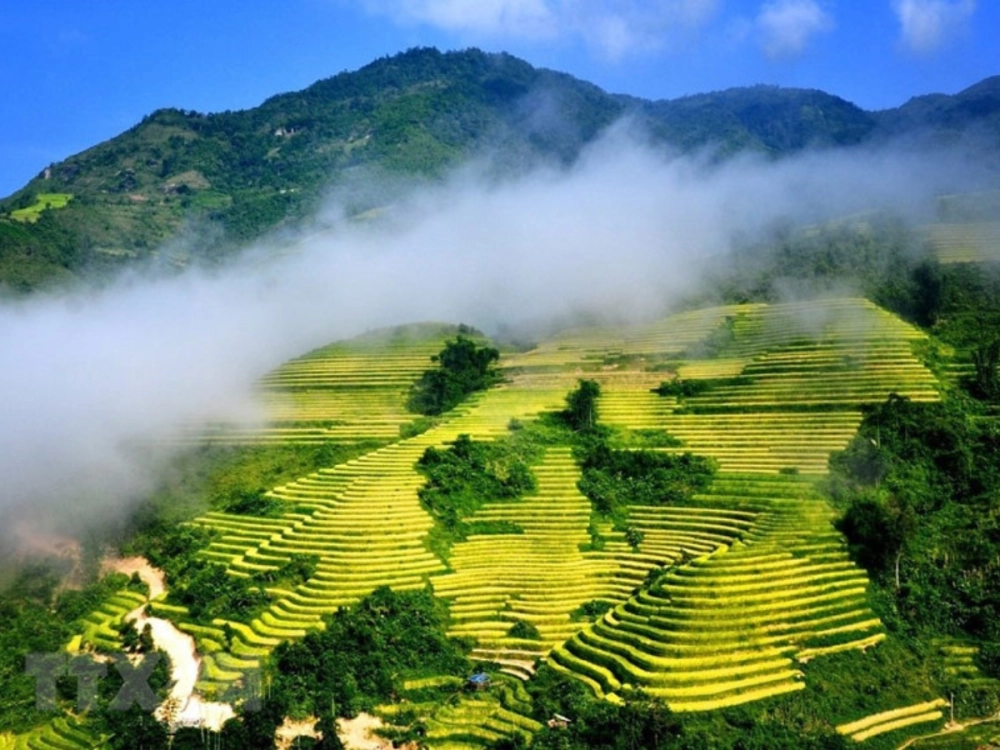
Located in the mountainous region of Lao Cai Province in northern Vietnam, Sa Pa is one of the country’s most distinctive highland destinations. Surrounded by the Hoang Lien Son mountain range, deep valleys and terraced rice fields, the town offers a landscape that changes dramatically with the seasons. Misty mornings, green rice terraces in summer, golden fields during harvest season and occasional frost or snow in winter all give travelers different reasons to return throughout the year.
What makes Sa Pa particularly appealing, however, is the variety of experiences concentrated within and around the mountain town. When searching for things to do in Sa Pa, travelers can choose from outdoor adventures, cultural discoveries and relaxing experiences rather than following a single type of itinerary. A morning might begin with a walk through the town center before continuing into an ethnic village, while another day can be devoted to riding a cable car above the mountains and reaching Fansipan at 3,143 meters above sea level.
Sa Pa attracts travelers with its spectacular combination of mountains, valleys and distinctive highland culture (Source: Collected)
Nature is one of the main reasons to visit. Beyond the famous terraced fields, Sa Pa offers mountain viewpoints, waterfalls, trekking routes and valleys where travelers can experience the dramatic terrain of Northwest Vietnam at a closer distance. Those seeking a more adventurous journey can trek between villages or explore trails through the mountains, while visitors who prefer a more comfortable pace can still enjoy impressive scenery from viewpoints, coffee and modern transport systems connecting Sa Pa with Fansipan.
Culture adds another dimension to the journey. Sa Pa and its surrounding areas are home to ethnic communities including the H’Mong, Dao, Tay and Giay, whose traditions can be discovered through villages, architecture, clothing, handicrafts, festivals and local cuisine. Destinations such as Cat Cat Village offer an accessible introduction to local cultural life, while May Village at Sun World Fansipan Legend brings together different cultural expressions of Northwest Vietnam through traditional houses, crafts and folk performances.
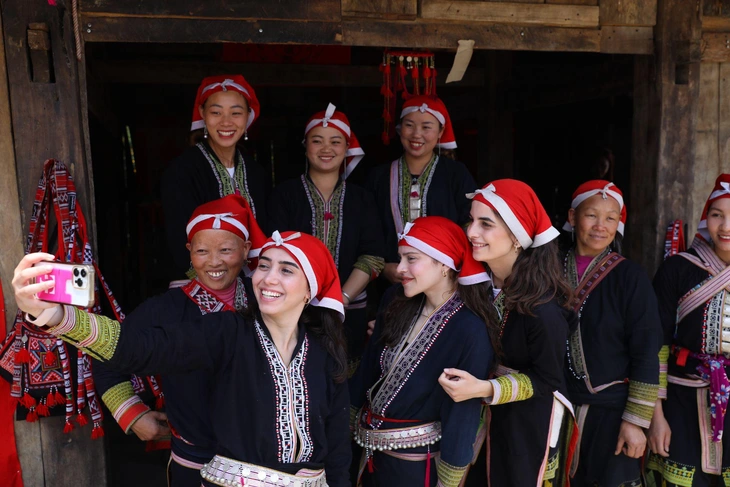
From cultural villages to the summit of Fansipan, Sa Pa offers diverse experiences for different types of travelers (Source: Collected)
Beyond sightseeing, Sa Pa is equally suited to slower moments. Travelers can enjoy a hot pot on a cool evening, browse local products around the town center, sit at a mountain-view coffee or simply watch clouds move through the valleys. This balance between adventure, culture, nature and relaxation is what makes the list of things to do in Sa Pa remarkably diverse, whether visitors have only a weekend or several days to explore the region.
2. Top things to do in Sa Pa for first-time visitors
From reaching the highest peak in Indochina to walking through ethnic villages and enjoying the atmosphere of the mountain town, Sa Pa offers plenty of experiences for different travel styles. If this is your first visit, the following things to do in Sa Pa provide a balanced introduction to its natural landscapes, cultural heritage and highland lifestyle.
2.1. Conquer Fansipan – the Roof of Indochina
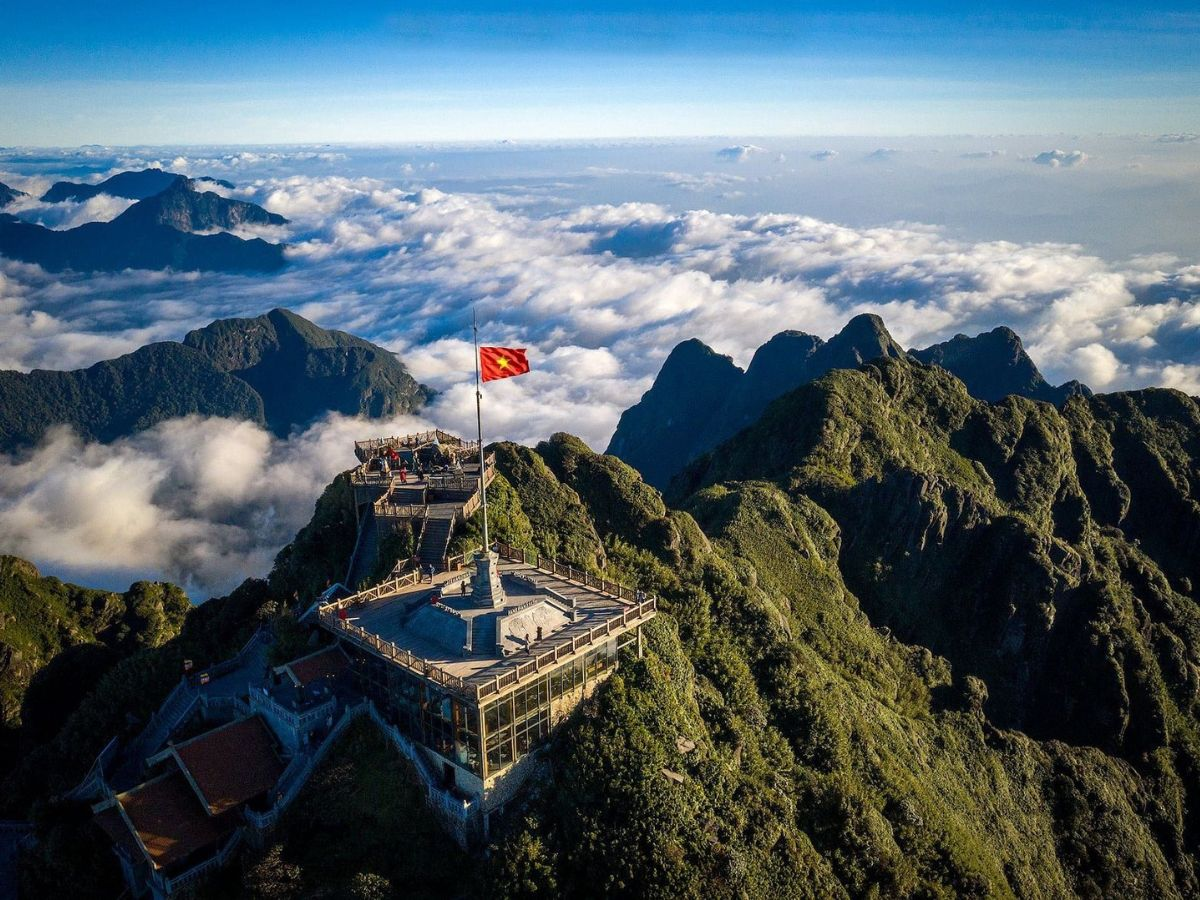
Reaching Fansipan is one of the most iconic experiences in Sa Pa. Rising 3,143 meters above sea level, Fansipan is the highest mountain in Vietnam and Indochina, offering dramatic views across the Hoang Lien Son range. While reaching the summit once required a challenging trek, visitors today can make the journey much more comfortably with the Muong Hoa funicular and Fansipan cable car system.
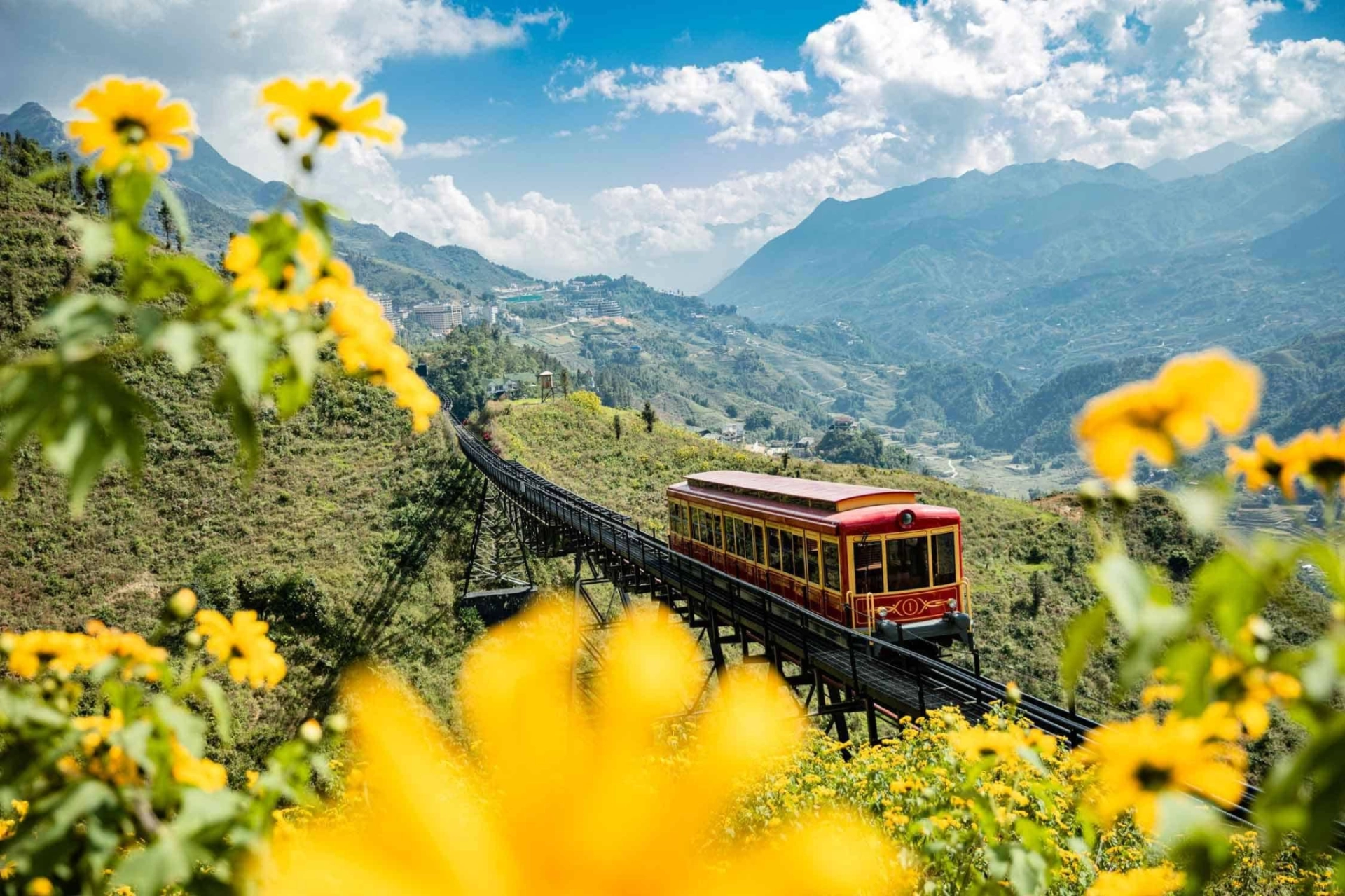
The experience begins at Sun Plaza in central Sa Pa, where the Muong Hoa funicular takes travelers through spectacular mountain scenery toward Sun World Fansipan Legend. From the cable car station, the approximately 15-minute ride continues high above forests, valleys and mountain slopes. Depending on the weather, visitors may see sweeping views across Muong Hoa Valley or find themselves surrounded by a spectacular sea of clouds.

The journey to the 3,143-meter Fansipan summit offers spectacular views over the Hoang Lien Son mountain range (Source: Collected)
Beyond the summit itself, Fansipan is also home to a remarkable spiritual complex set amid the mountains. Visitors can spend time exploring the structures and viewpoints along the route before continuing towards the 3,143-meter marker. With scenery changing constantly according to the clouds, sunlight and season, the journey makes Fansipan one of the essential things to do in Sa Pa.
2.2. Experience Northwest culture at May Village
Located within Sun World Fansipan Legend, May Village offers visitors an opportunity to discover the cultural diversity of Northwest Vietnam as part of the journey to Fansipan. The cultural space recreates elements of traditional village life through architecture, crafts, costumes and performances associated with ethnic communities across the region.
Visitors can explore traditional houses, observe artisans demonstrating local crafts and enjoy folk performances that introduce the music, dances and customs of the Northwest. Rather than simply viewing cultural objects on display, travelers can experience a more lively atmosphere where traditional practices are presented through daily activities and interactions.
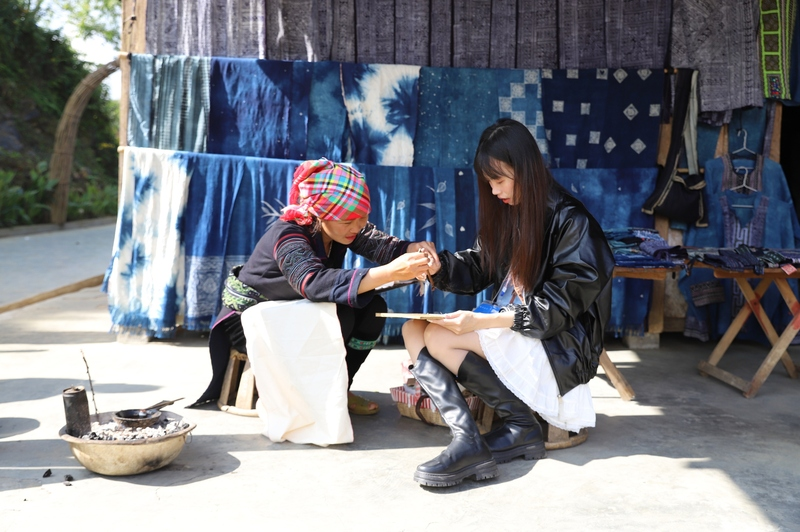
May Village introduces visitors to the colorful traditions and cultural heritage of Northwest Vietnam (Source: Collected)
May Village is particularly convenient for travelers with limited time because it can easily be combined with the Fansipan journey. Visitors can spend time here before or after taking the cable car, creating an itinerary that combines cultural discovery and mountain scenery within the same destination.
2.3. Wander through Cat Cat Village
Only a few kilometers from central Sa Pa, Cat Cat Village is one of the most accessible destinations for travelers interested in local culture and mountain scenery. The village is closely associated with the H’Mong community and has become a popular stop for first-time visitors thanks to its combination of traditional architecture, handicrafts and photogenic landscapes.
A typical visit involves following stone paths that descend through the village, passing wooden houses, gardens, streams and viewpoints overlooking the surrounding mountains. Along the way, visitors can learn about traditional weaving and dyeing, browse handmade products or rent ethnic-inspired costumes for photographs.
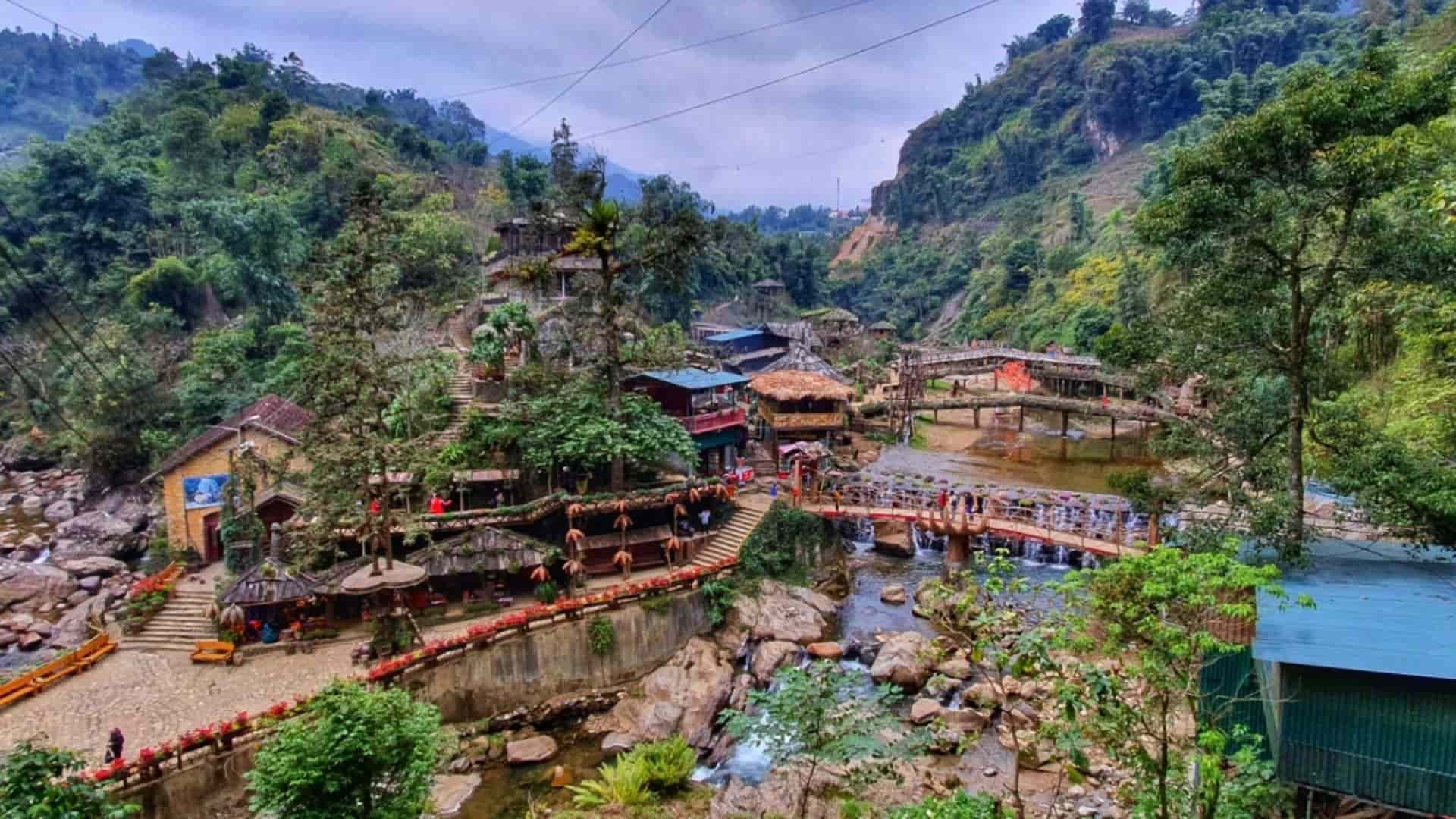
Cat Cat Village is a popular place to experience H’Mong culture and picturesque mountain scenery near Sa Pa town (Source: Collected)
The terrain includes slopes and numerous steps, so comfortable footwear is recommended. Setting aside a few hours rather than rushing through the village also gives travelers more time to appreciate both its cultural elements and the surrounding scenery.
2.4. Explore Sa Pa town and its iconic landmarks
Not every memorable Sa Pa experience requires leaving the town center. Spending a few hours exploring Sa Pa on foot is one of the easiest ways to discover its distinctive blend of highland culture, French-influenced architecture and modern tourism.
Sa Pa Stone Church and the central square form the heart of the town, while nearby Sun Plaza has become one of its most recognizable architectural landmarks. The surrounding streets are filled with restaurants, coffee, shops and local products, making the area particularly lively from late afternoon into the evening.
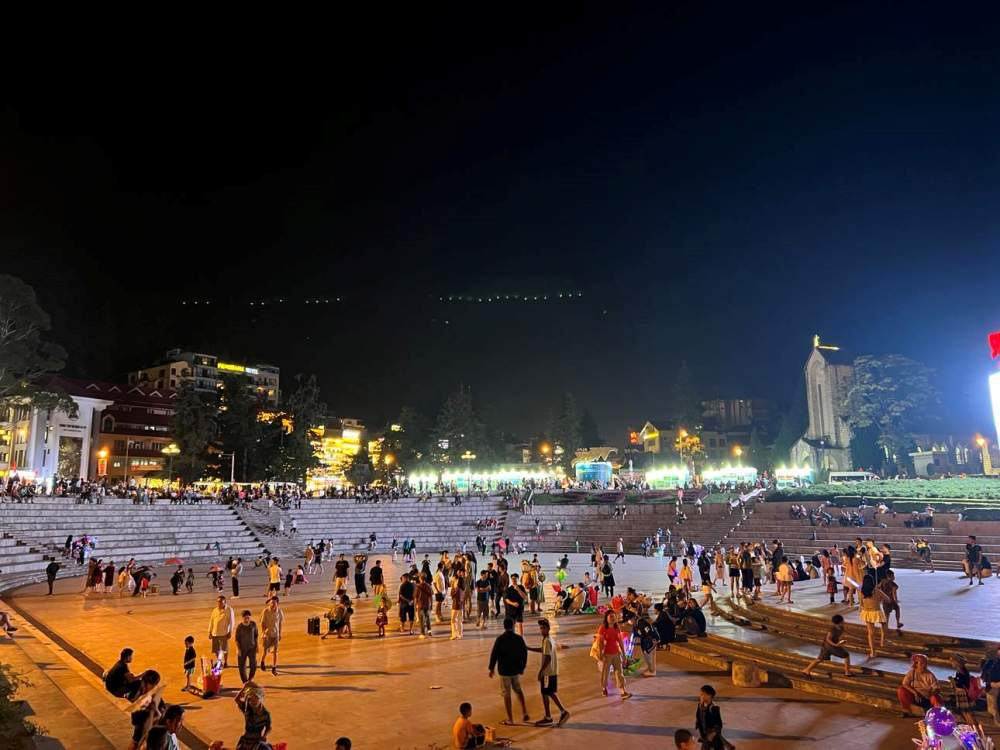
Sa Pa town offers a lively combination of historic landmarks, mountain scenery and modern highland life (Source: Collected)
The town center is also a good place to slow down between longer excursions. Travelers can find a coffee overlooking the mountains, stroll through mist-covered streets or simply observe the changing rhythm of Sa Pa as clouds move across the surrounding peaks.
2.5. Trek through Sa Pa’s valleys and terraced rice fields
For travelers who want to experience Sa Pa’s landscapes more closely, trekking remains one of the most rewarding activities. Trails around the region pass through valleys, terraced rice fields, mountain slopes and ethnic villages, offering a different perspective from sightseeing by road.
Trekking experiences vary considerably in length and difficulty. Beginners can choose shorter routes lasting a few hours, while more adventurous travelers can spend a full day walking between villages. The scenery also changes throughout the year, from lush green terraces during the growing season to golden rice fields around harvest time.
Walking with a local guide can be particularly useful for longer routes, both for navigation and for gaining a better understanding of the communities and landscapes along the way. Travelers should also check weather conditions beforehand, as rain can make mountain paths muddy and slippery.
2.6. Try Sa Pa’s local food
Food is another experience worth making time for in Sa Pa, particularly after a day spent exploring the mountains. The cool highland climate makes hot dishes especially appealing, with salmon hotpot, sturgeon hotpot, grilled meats and fresh local vegetables among the popular choices. In the evening, visitors can explore restaurants and food stalls around the town center, where the cooler temperatures create the perfect setting for a warm meal. Local ingredients and Northwest cooking styles also provide another way to discover the cultural character of the region beyond its landscapes and attractions.
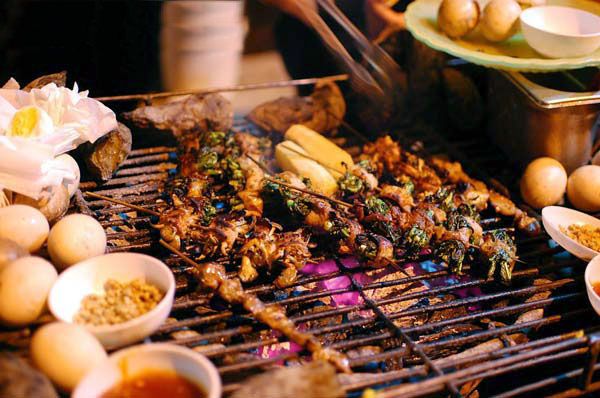
Sa Pa’s local cuisine is particularly enjoyable in the cool mountain climate (Source: Collected)
For travelers visiting Fansipan, Van Sam Restaurant at Sun World Fansipan Legend can also be a convenient lunch stop, allowing visitors to combine sightseeing with a meal before returning to central Sa Pa.
2.7. Hunt for clouds and enjoy Sa Pa’s mountain views
One of the simplest yet most memorable things to do in Sa Pa is to slow down and enjoy the mountain scenery. Thanks to its high elevation and dramatic terrain, Sa Pa is known for layers of clouds and mist drifting through valleys and mountain peaks, particularly during the cooler months.
Fansipan is among the most impressive places to experience a sea of clouds, but travelers can also find beautiful views from mountain cafés, hotel balconies and viewpoints around Sa Pa. Early mornings and late afternoons often create particularly atmospheric conditions, although visibility always depends on the weather. Even when the mountains are covered in mist, the changing scenery is part of Sa Pa’s appeal. A valley hidden behind clouds can reappear within minutes, giving travelers a completely different view without moving from the same spot.
3. Tips for making the most of your Sa Pa trip
With changing mountain weather, varied terrain and attractions spread across different areas, a little preparation can make exploring the best things to do in Sa Pa much more comfortable. From choosing the right season to organizing transport and packing suitable clothing, these practical tips can help travelers make better use of their time.
3.1. Choose the right time to visit Sa Pa
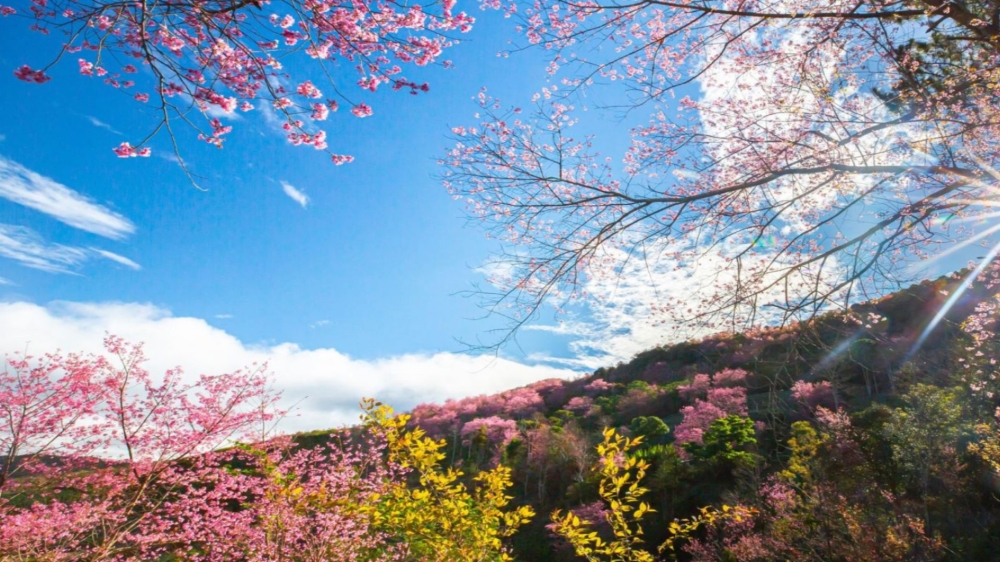
Sa Pa offers different scenery throughout the year, so the best time to visit largely depends on what travelers want to experience. Spring brings cooler temperatures and blooming flowers, while summer covers the mountains and terraced fields in vibrant shades of green. Around the rice harvest season, the terraces take on striking golden colors, creating some of the region’s most photogenic landscapes.
The colder months offer a completely different atmosphere, with mist, clouds and low temperatures giving the mountain town a more mysterious character. Fansipan may occasionally experience frost or snow under suitable weather conditions. Regardless of the season, travelers should check the forecast shortly before departure, as mountain weather can change considerably within a single day.
3.2. Allow at least 2–3 days for the main attractions
Although a short overnight trip is possible, spending two or three days in Sa Pa provides a more comfortable pace for first-time visitors. A 2-day-1-night itinerary can combine Sa Pa town and Cat Cat Village on the first day with May Village and Fansipan on the second, while an additional day creates more room for trekking, visiting other villages or simply enjoying the mountain scenery.
Travelers should avoid fitting too many distant attractions into the same day. Grouping nearby experiences together reduces transfer time and leaves more opportunities to explore each destination properly rather than simply moving from one photo stop to another.
3.3. Pack for changing mountain weather
Even when temperatures are relatively warm in central Sa Pa, conditions can be noticeably cooler at higher elevations, particularly around Fansipan. Layered clothing is therefore useful throughout much of the year, allowing travelers to adjust easily as temperatures change.
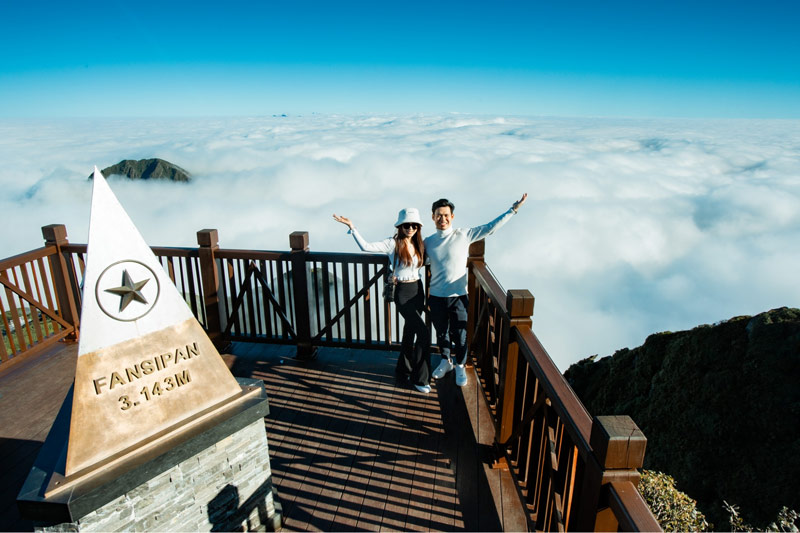
Comfortable clothing and walking shoes make exploring Sa Pa’s mountainous terrain much easier (Source: Collected)
A light jacket, comfortable walking shoes and rain protection are useful items to carry. Visitors planning to explore Cat Cat Village, trekking routes or Fansipan should prioritize footwear with good grip, as paths and steps can become slippery in wet or misty weather. During colder periods, warmer outerwear may be necessary, especially for an early-morning trip to Fansipan.
From standing at the summit of Fansipan and experiencing Northwest culture at May Village to wandering through Cat Cat Village and enjoying the misty atmosphere of the town, the variety of things to do in Sa Pa makes the destination suitable for both short getaways and longer adventures. Whether travelers come for mountain scenery, cultural discoveries, trekking or local food, taking time to explore at a comfortable pace is the best way to experience the distinctive charm of Sa Pa.