




1. Why does Sapa Fansipan tourism attract Indian tourists?
1.1. A novel destination alternative to familiar travel itineraries
In recent years, Vietnam has become a popular destination for many Indian tourists thanks to its diverse landscapes and reasonable travel costs. Besides famous coastal cities, Sapa and Fansipan are gradually attracting the attention of many travelers seeking unique experiences amidst the high mountain nature.
Sapa offers a completely different atmosphere with its cool climate, majestic mountains, and slow pace of life. Located at an altitude of approximately 1,500m above sea level, the town of Sapa has an average summer temperature of only about 18 to 25 degrees Celsius. For many Indian tourists, this is a special feature that makes Sapa and Fansipan tourism a major attraction.
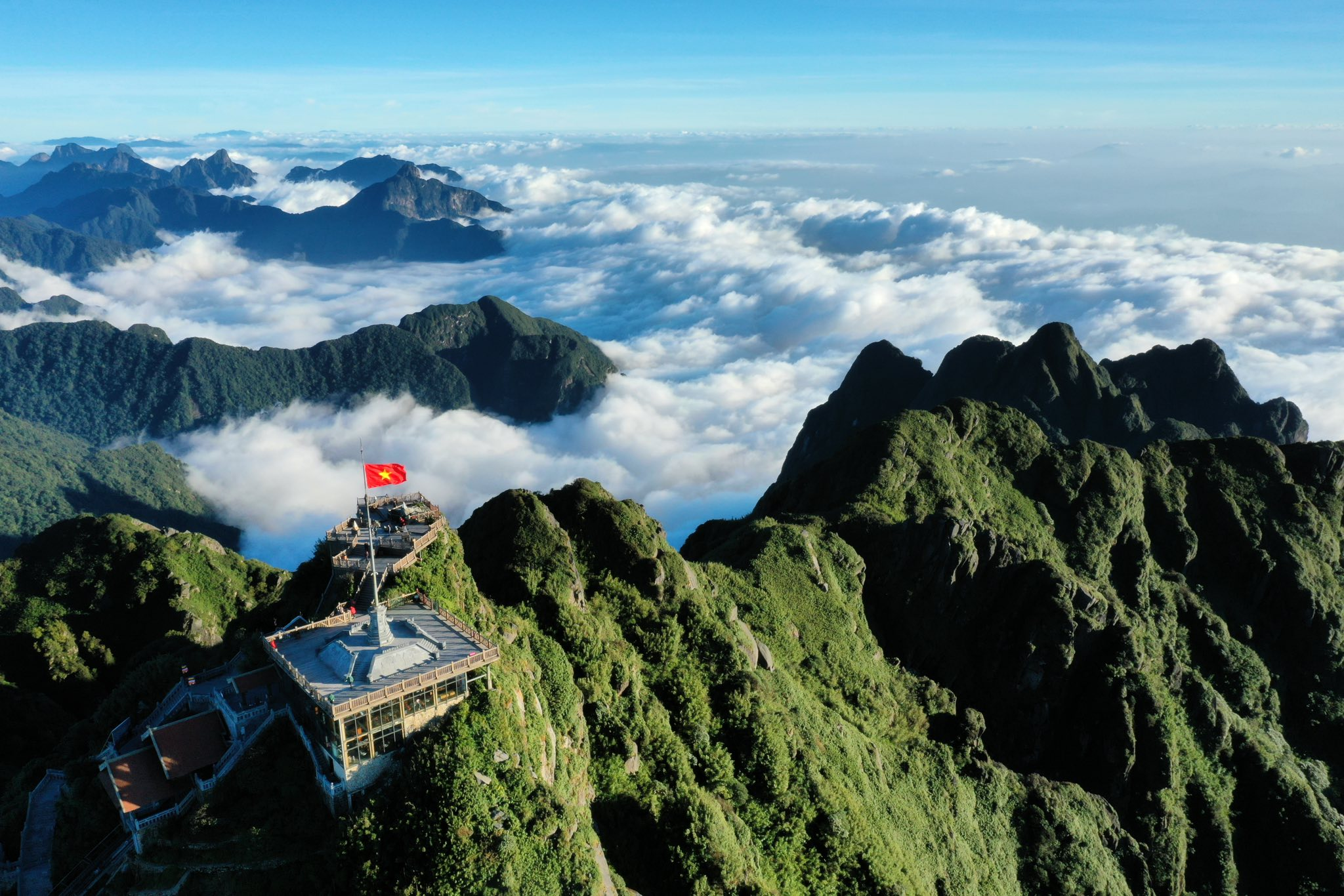
Sapa and Fansipan attract tourists thanks to their cool weather and majestic scenery. (Source: Collected)
1.2. The striking scenery of Vietnam's mountainous northern area
One of the most famous images of Sapa is the terraced rice fields stretching across the mountain slopes. Besides the terraced rice fields, Sapa is also famous for its sea of clouds that appear in the early morning. Places like Fansipan or O Quy Ho Pass are often covered in thick clouds in the morning, especially after light rain.
What makes Sapa special is its scenery that changes dramatically with each season. In spring, peach and plum blossoms bloom on the mountain slopes. Summer is characterized by clear blue skies and lush green terraced rice fields. Autumn is when the rice ripens to a golden yellow, covering the Muong Hoa valley. In winter, temperatures often drop so low that frost and snow appear on Fansipan. This constant change makes Sapa and Fansipan tourism always offer a fresh experience for international visitors.
👉 Book Fansipan cable car ticket now!
2. Guidelines for Indian tourists entering Vietnam
2.1. Convenient e-visa policy
Vietnam currently applies a convenient e-visa policy for Indian citizens. This is a popular choice for many tourists due to its time-saving and ease of application. Typically, the processing time for an e-visa application takes approximately 3 to 7 working days from the date of application completion and fee payment. Vietnamese tourist visas currently have a maximum validity of 90 days, suitable for trips exploring multiple locations in Vietnam.
To apply for a Vietnamese entry visa, Indian citizens need a passport valid for at least 6 months from the date of entry and with at least 2 blank pages. The simplification of visa procedures has made exploring Sapa and Fansipan easier for Indian tourists in recent years.
2.2. Convenient international airports for traveling to Vietnam
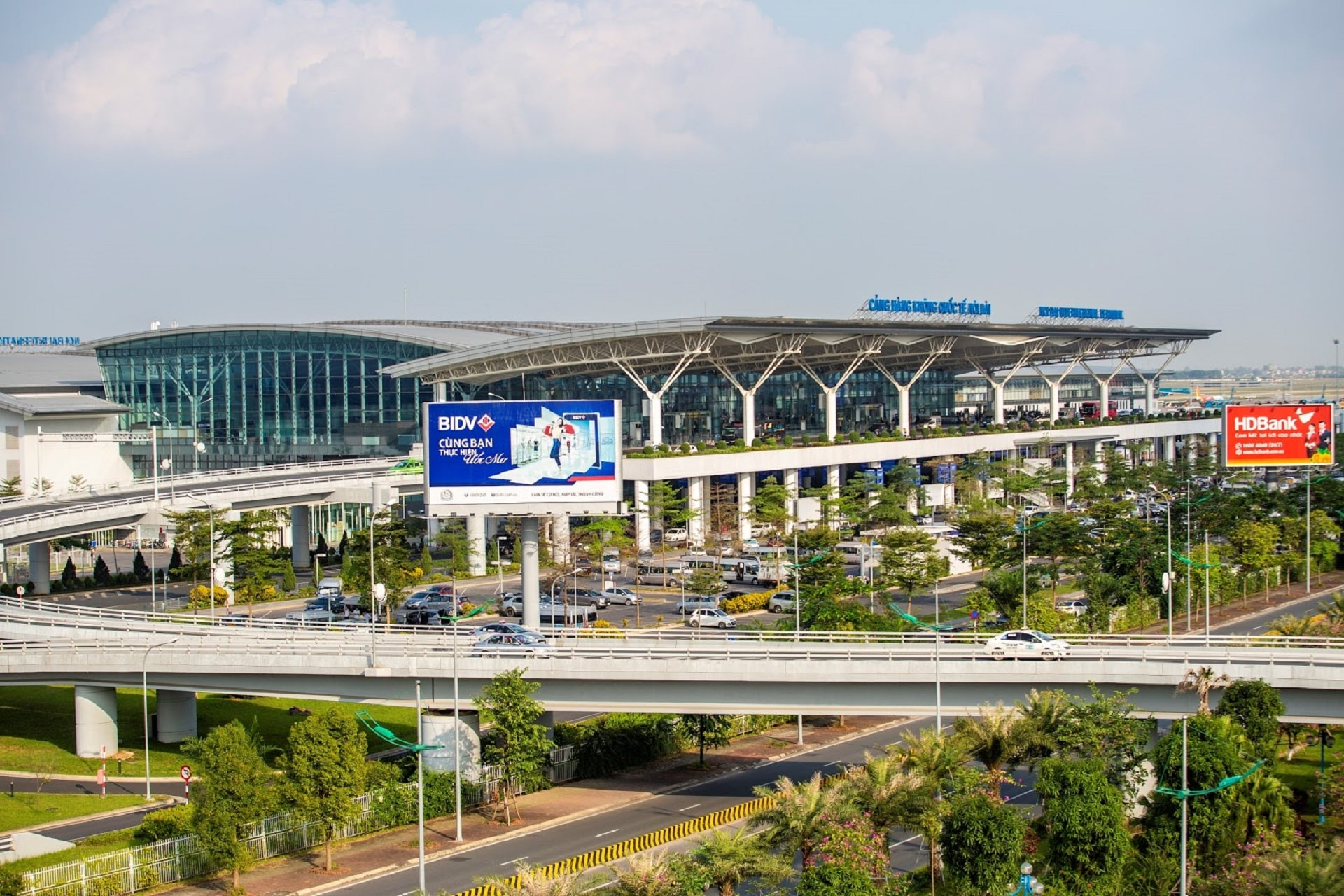
To travel to Sapa, tourists must fly to Noi Bai International Airport. (Source: Collected)
For a trip to Sapa, Noi Bai airport in Hanoi is the most convenient option. Currently, there are many flights connecting major Indian cities such as New Delhi, Mumbai, and Kolkata to Hanoi via international and regional airlines.
After landing at Noi Bai airport, you must complete immigration procedures before continuing your journey to Sapa. The immigration process at the airport is usually quite convenient if you have your passport, e-visa, and travel information ready.
3. How to get from Hanoi to Sapa and Fansipan
3.1. Train to Sapa
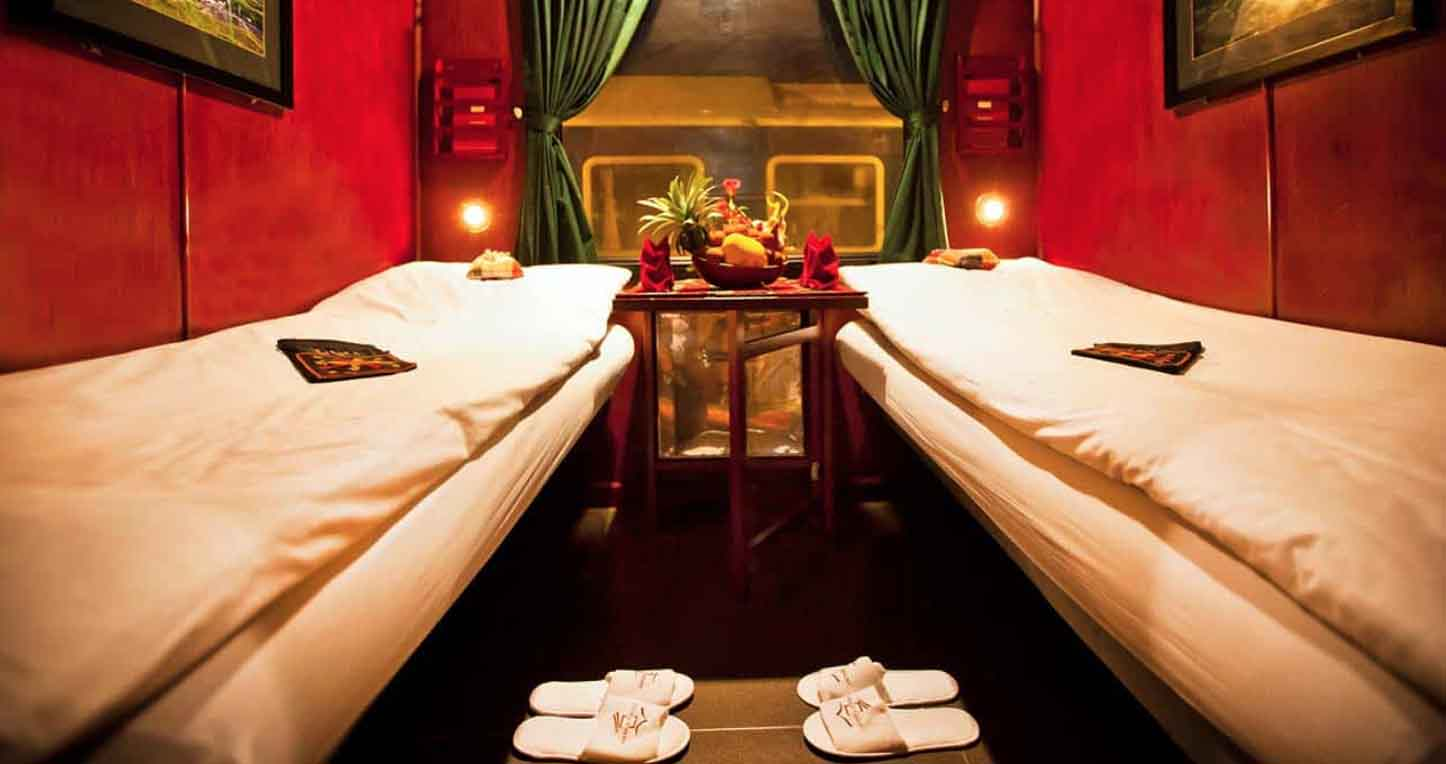
Tourists can travel from Hanoi to Sapa by train. (Source: Collected)
Besides buses, trains are also a popular mode of transportation for many international tourists when traveling to Sapa. From Hanoi, the train journey to Lao Cai station takes about 8 hours before continuing by bus to the center of Sapa.
The highlight of this journey lies in the experience of admiring the mountainous landscapes of northern Vietnam from the train window. Many tourist trains are designed with private sleeping compartments, suitable for families or travelers who want privacy.
3.2. Private car and shuttle service
For groups of friends or families, a private car is a suitable option that allows for more control over the itinerary. You can choose a direct transfer service from Noi Bai airport to Sapa without having to return to central Hanoi.
This option saves time and is more convenient for those with a lot of luggage or traveling with children or elderly people. Many travel companies now also offer packages that combine transportation and hotel accommodations for international travelers.
4. Highlights of a trip to Sapa Fansipan
4.1. Taking the cable car to conquer Fansipan
One of the most memorable experiences of a trip to Sapa and Fansipan is the cable car ride to the summit, which stands at 3,143 meters high. The modern three-wire cable car system allows you to easily reach Vietnam's highest mountain peak within 15 minutes. Throughout the journey, the cable car cabins glide amidst a sea of clouds and the majestic Hoang Lien Son mountain range. From above, you can see the entire Muong Hoa valley and the terraced rice fields stretching along the mountain slopes.
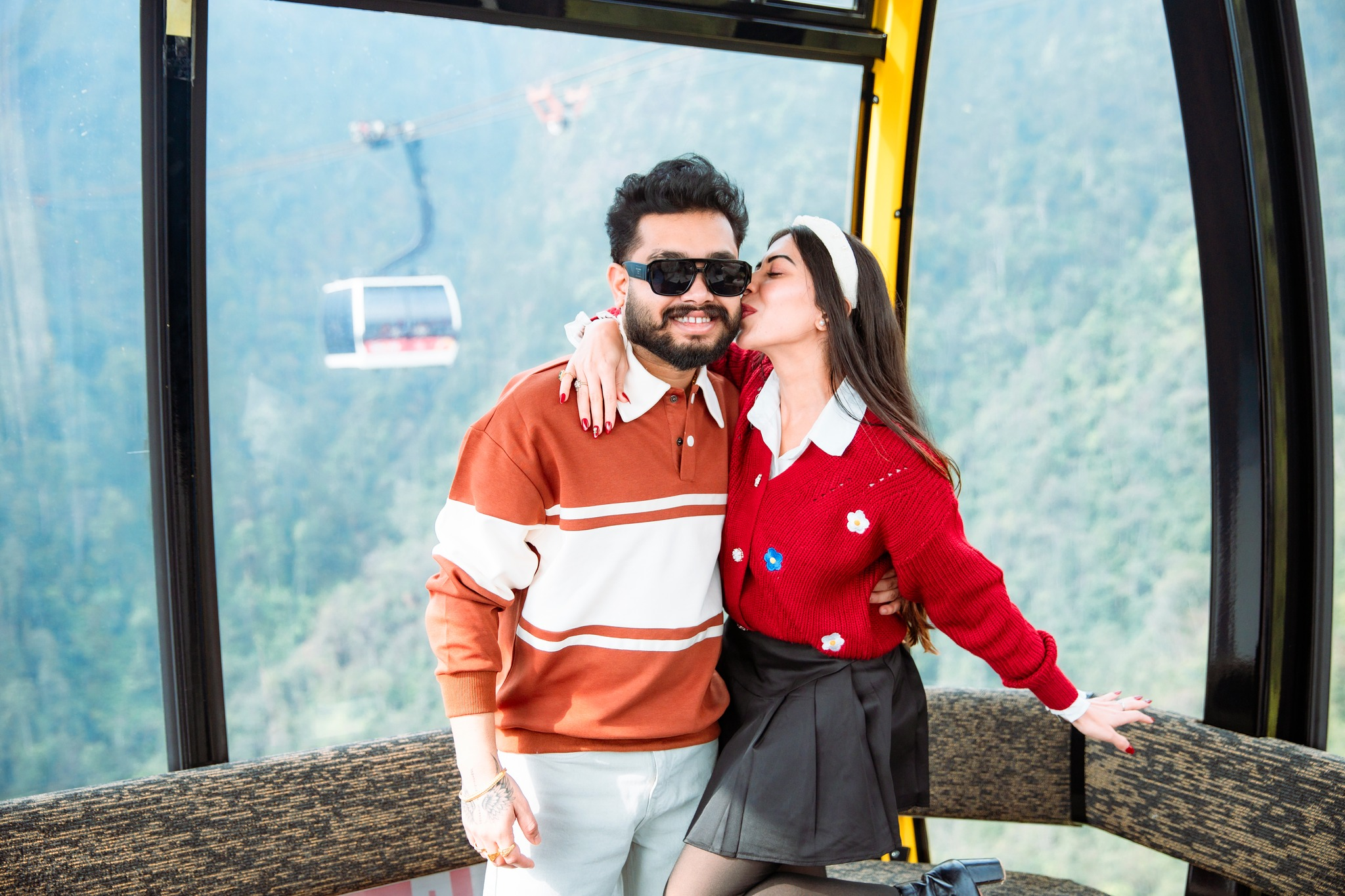
Tourists enjoy their journey on the Fansipan cable car. (Source: Collected)
4.2. Checking-in at the summit of Fansipan at 3,143 meters high
After riding the cable car, your journey to the famous Fansipan landmark continues on foot. This is a popular check-in point for most tourists visiting Sapa. The air at the summit is always cool, even in summer. The clouds drifting around the mountain slopes create the feeling of standing in the middle of the sky.
4.3. Exploring the spiritual complex
Not only impressive for its majestic mountain scenery, Fansipan also offers a special spiritual space at an altitude of over 3,000 meters. Amidst the sea of clouds in northwest Vietnam, the 21.5-meter-tall bronze statue of Great Buddha stands out with its solemnity, becoming a popular stop for many tourists seeking peace and spiritual relaxation.
Your journey continues to pass by Bich Van Zen Monastery, an ancient Vietnamese monastery nestled amidst towering mountains. Along the Alahat Path, bronze statues placed among trees and mountain clouds create a scene that is both sacred and close to nature.
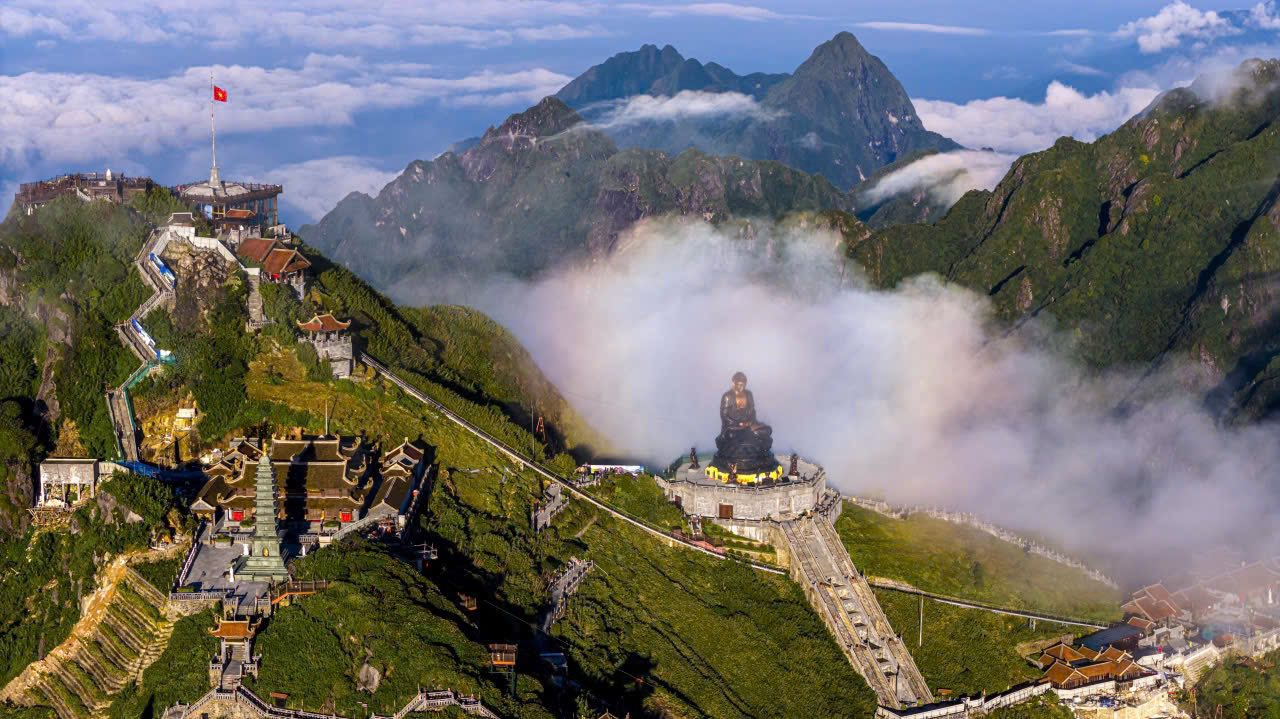
Massive Buddhist structures atop Fansipan mountain. (Source: Collected)
4.4. Visiting villages and terraced rice fields
Besides Fansipan, villages like Cat Cat and Ta Van are also popular destinations for many tourists. Traditional wooden houses nestled amidst terraced rice fields create a characteristic landscape of the northwest mountainous region. Here, you can learn about the lives of the H'Mong and Red Dao people through traditional weaving, handicrafts, and local cultural activities.
4.5. Enjoying the distinctive cuisine of the mountainous area
Sapa cuisine offers many unique experiences for Indian tourists thanks to the combination of fresh ingredients from the high mountains and distinctive local flavors. Besides traditional northwest Vietnamese dishes, many restaurants in Sapa and the Fansipan tourist area have now added vegetarian menus, Halal dishes, and options to suit international tastes.
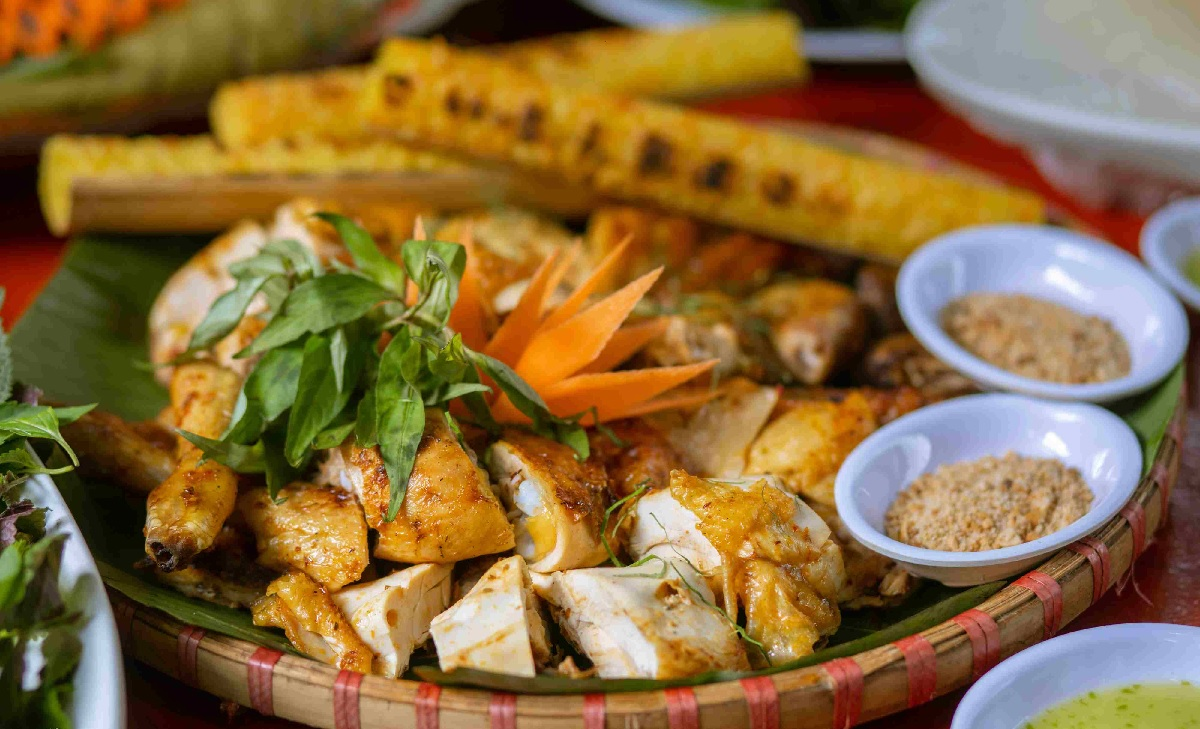
Indian tourists visiting Sapa should not miss the grilled chicken and sticky rice cooked in bamboo tubes. (Source: Collected)
You can enjoy seasonal vegetables, mountain mushrooms, bamboo-cooked rice, dishes made from tofu, and many other hot dishes suitable for the cool mountain climate. In the Fansipan area, Halal-Sharia restaurants also provide greater peace of mind for Muslim tourists when choosing meals during their exploration.
5. Tips for your convenient trip to Sapa Fansipan
5.1. The best time to explore Sapa
Each season in Sapa has its own unique beauty. Summer is the perfect time to escape the heat with its cool climate and beautiful sea of clouds. Autumn is highlighted by the golden terraced rice fields during the harvest season. Meanwhile, winter is the time when many tourists flock to Fansipan to chase ice and snow.
For Indian tourists, the period from May to September is usually the most suitable time to explore Sapa Fansipan thanks to the pleasant weather and lush green scenery.
5.2. Preparing appropriate clothing
While temperatures in Sapa are much lower than in other areas of Vietnam, you should prepare a light jacket even in summer. At the summit of Fansipan, temperatures can drop significantly in the early morning and late evening. Additionally, climbing Fansipan often involves many rocky steps and steep sections, so athletic shoes or comfortable footwear will make your journey easier.
Beyond its cool climate and majestic mountain scenery, a trip to Sapa and Fansipan allows Indian tourists to discover a very different side of Vietnam: the unique mountainous culture, the famous terraced rice fields, and the journey of cloud hunting on the "roof of Indochina". From the cable car experience through the sea of clouds to relaxing moments in peaceful villages, each journey in Sapa creates a fresh and memorable experience for a trip to Vietnam.


