




1. Sa Pa trekking guide overview
A strong Sa Pa trekking guide begins with one key idea: trekking is the only way to truly understand Sapa. The region is defined by layered rice terraces, narrow mountain paths, and villages scattered along the valleys, where roads often do not reach. Walking becomes the main way to connect these landscapes, allowing travelers to experience the terrain at its most natural pace.
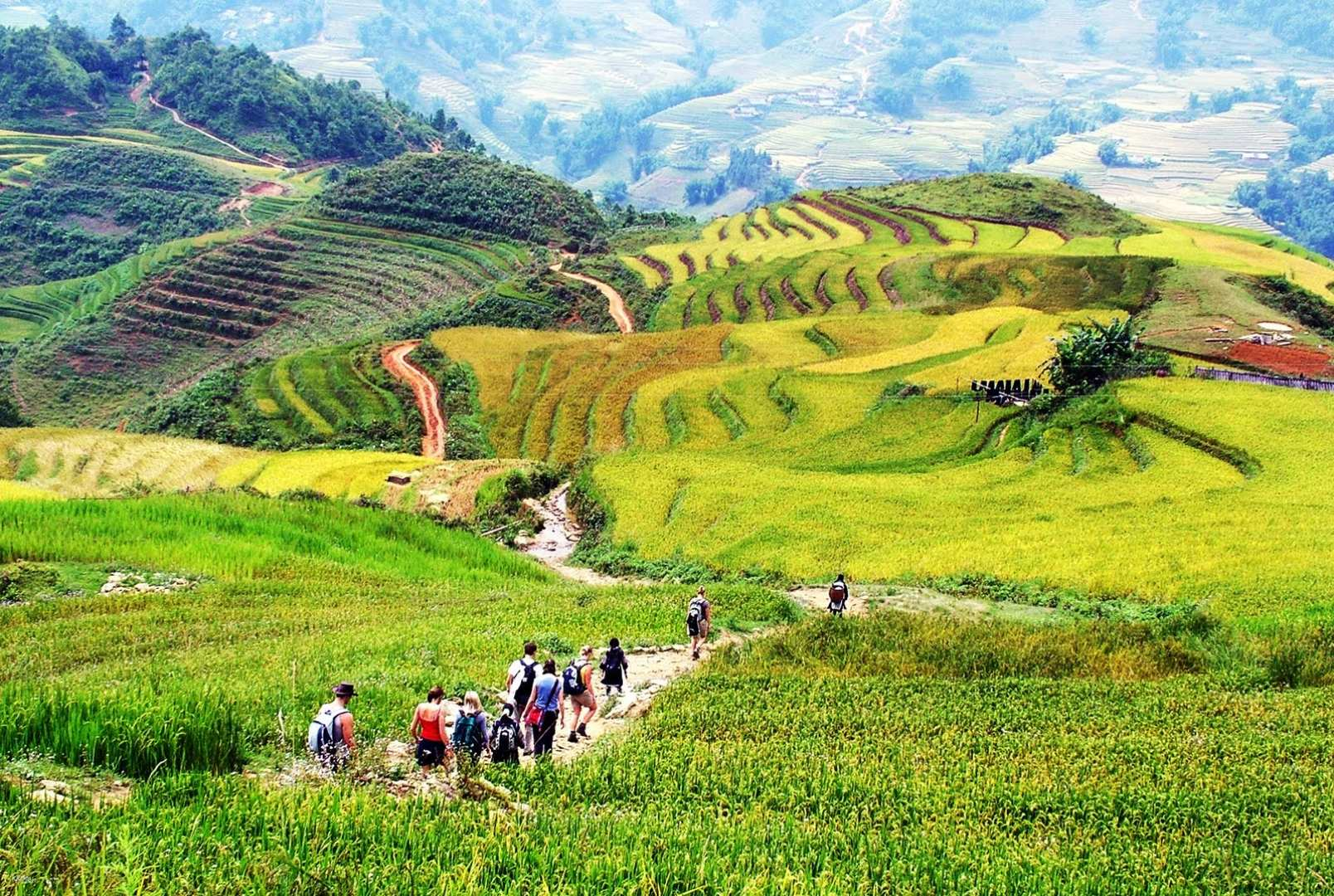
Sa Pa trekking attracts many visitors because of its stunning scenery and many more experience awaits (Photo: Collected)
What makes trekking in Sapa different is how the journey constantly shifts. A single route can move from open valley views to shaded forest trails, then into small villages where local life unfolds along the path. This combination of scenery and culture turns trekking into more than a physical activity, making it the core experience in most Sa Pa itineraries.
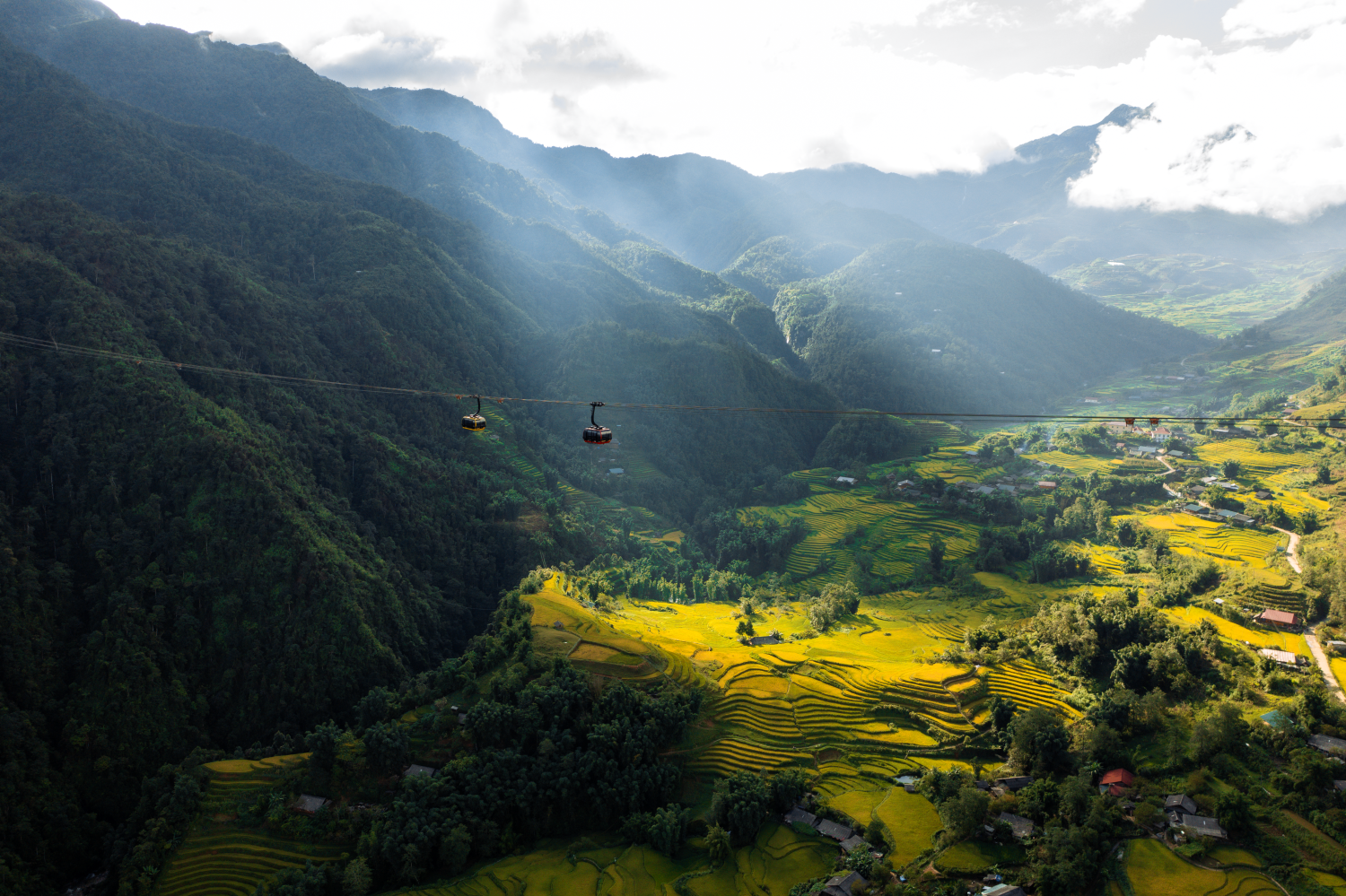
Gliding through the terrace on Fansipan Cable Car is also a must-try experience (Photo: Collected)
Beyond trekking routes, many travelers now add a Fansipan experience to complete the journey. The cable car offers a fast ascent above the valleys, revealing the same landscapes from a completely different perspective. For a smoother travel plan, booking tickets in advance is recommended, especially during peak seasons. It helps secure your preferred time and allows you to combine trekking and high-altitude experiences without disrupting your schedule.
2. Best time for Sa Pa trekking
In any Sa Pa trekking guide, timing plays a key role in shaping the trekking experience. Weather conditions in Sa Pa can change quickly, affecting trail visibility, terrain, and overall comfort during the journey. The most recommended period is from September to November, when the weather is dry and cool. During these months, rice terraces turn golden, and the skies are generally clearer, making it easier to enjoy long trekking routes and panoramic views.
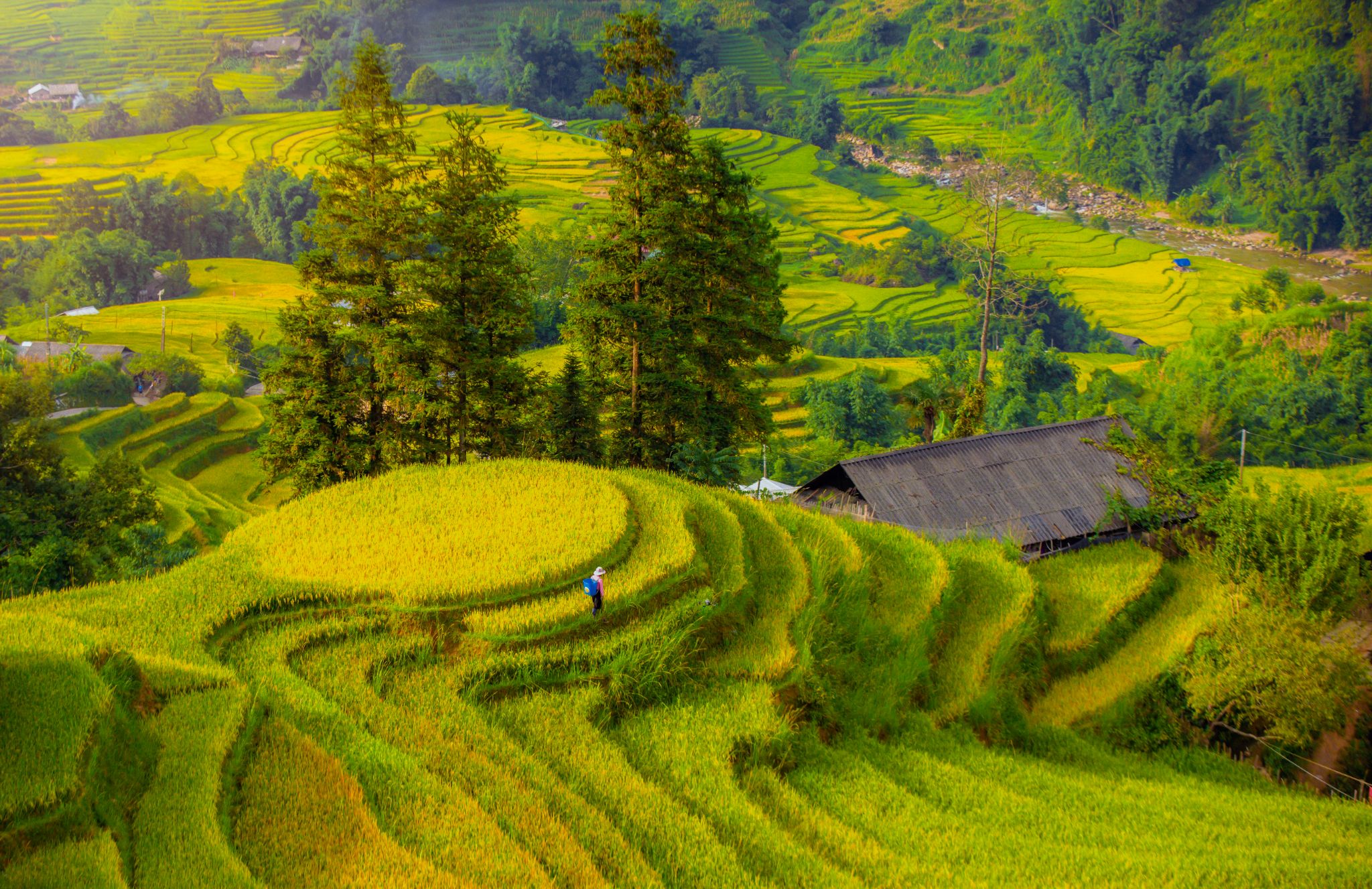
The golden terraces make every trekking route feel like a painting (Photo: Collected)
Another good time for a Sa Pa trekking guide itinerary is from January to March. The climate remains cool, while flowers begin to bloom across the mountains, creating softer and more scenic landscapes. This period also coincides with local festivals, adding more depth to the trekking experience. From May to August, Sa Pa enters the rainy season. Although the scenery becomes greener, trekking conditions can be more challenging due to slippery trails and limited visibility. Travelers visiting during this time should prepare suitable gear and flexible plans.
3. Best trekking routes in Sa Pa
3.1 Fansipan trekking route
The Fansipan trekking route is the most demanding option in any Sa Pa trekking guide. Reaching 3,143 meters, it typically requires 2 days and 1 night, including an overnight camp at around 2,800 meters.
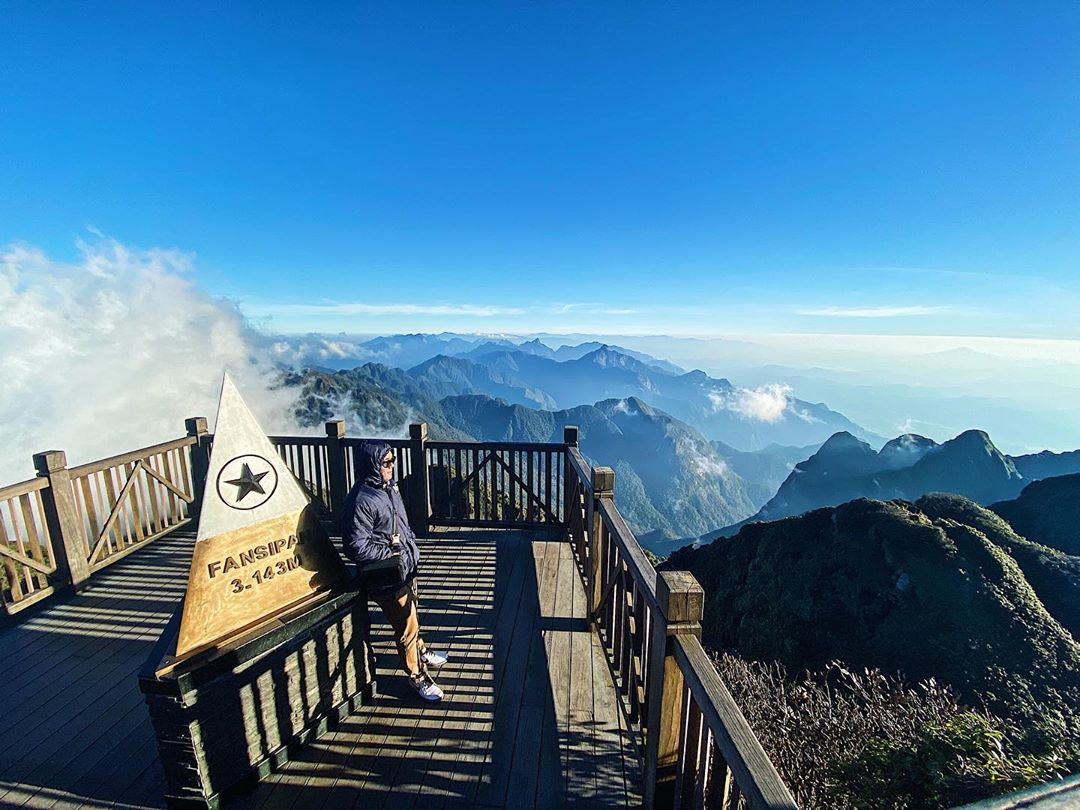
Conquering the “roof of Indochina” is always a must when you travel to Sa Pa (Photo: Collected)
The total trekking distance is over 10 kilometers, with steep sections and changing terrain that require good physical condition and preparation. However, the reward is a panoramic view from the highest peak in Indochina, especially during sunrise. Because of the difficulty, many travelers now combine trekking with the cable car to shorten the journey while still experiencing the mountain environment.
3.2 Lao Chai and Ta Van
In most Sa Pa trekking guide itineraries, Lao Chai and Ta Van are the most popular route for a reason. The trail runs through Muong Hoa Valley, where terraced rice fields stretch across the hills and shift in color depending on the season.
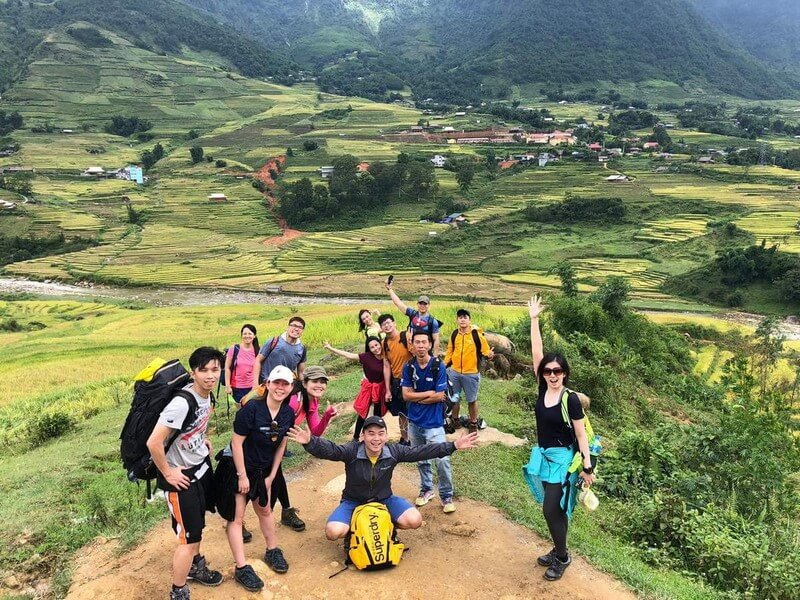
Lao Chai – Ta Van route is a good start for trekkers (Photo: Collected)
The route is around 10 kilometers and usually takes a full day to complete, with an easy level of difficulty. It is suitable for beginners or travelers who want a balanced trekking experience without intense physical demands. Along the way, the path passes through H’Mong and Giay villages, where traditional houses, small streams, and daily activities create a continuous cultural backdrop. This route is not only about scenery but also about interaction. Travelers can observe weaving, farming, and local routines, making it one of the most complete trekking experiences in Sa Pa.
3.3 Y Linh Ho
Y Linh Ho offers a quieter and less crowded alternative compared to the main valley routes. The trail is narrower and more rustic, running through forest sections and remote village areas.
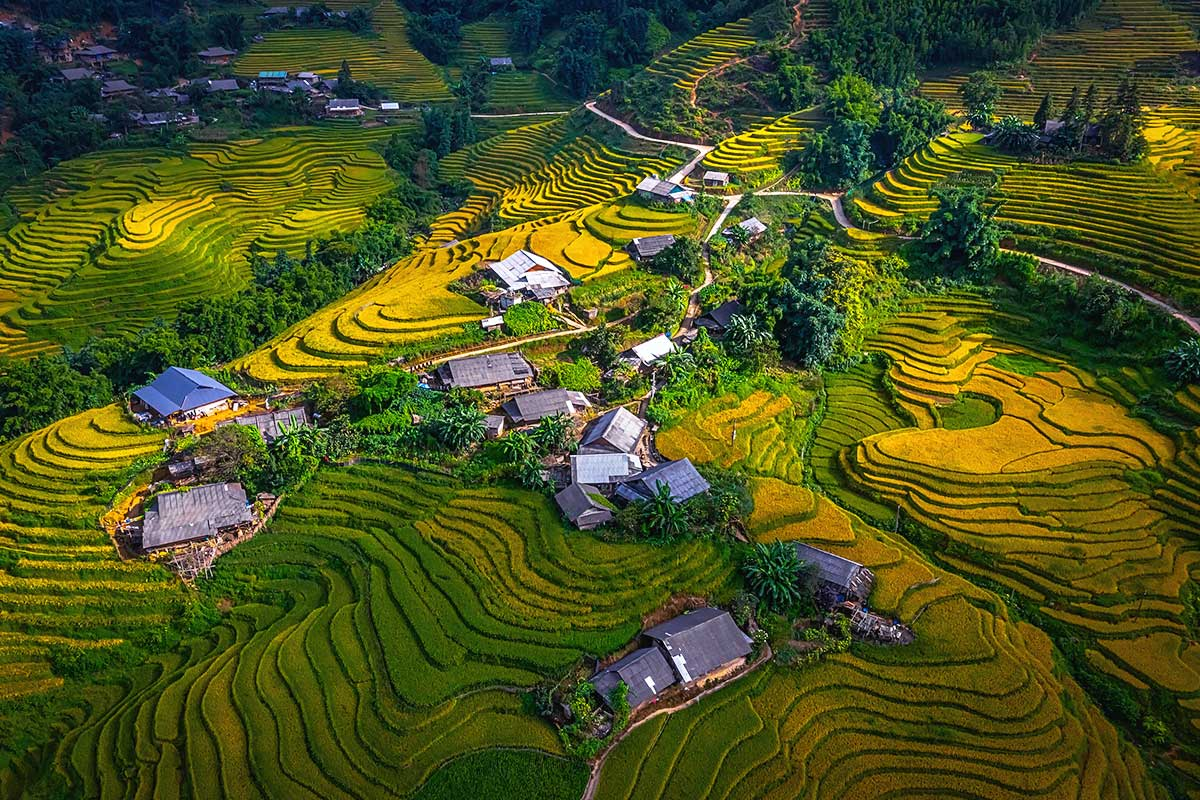
Y Linh Ho route surround with the signature terrace of Sa Pa (Photo: Collected)
With a distance of around 7 to 8 kilometers, this route can be completed within half a day and is considered easy in terms of difficulty. Despite its shorter duration, the experience feels more secluded, with fewer tourists and more uninterrupted natural landscapes. This route is ideal for travelers who prefer a slower pace and want to focus on the natural environment rather than popular viewpoints.
3.4 Cat Cat and Sin Chai
This route is one of the easiest trekking options in Sa Pa and is located close to the town center. Starting from Sa Pa Church, the trail leads to Cat Cat Village and continues to Sin Chai, covering around 7 kilometers in total.
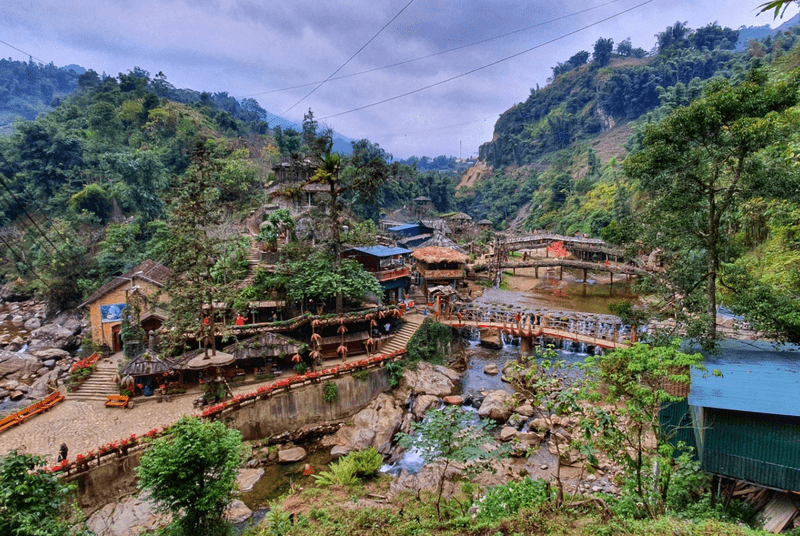
Cat Cat Village combines ethnic breathe within your trekking journey (Photo: Collected)
The trek usually takes one day, with a gentle level of difficulty suitable for beginners, families, or travelers with limited time. The path is relatively well-developed, making it easy to navigate without extensive preparation. Along the route, visitors can explore traditional H’Mong houses, small waterfalls, and local craft shops, making it a light but engaging trekking experience.
3.5 Ta Giang Phinh
Ta Giang Phinh is often recommended in a Sa Pa trekking guide for those seeking a more remote and less commercialized route. The trail ranges from 12 to 14 kilometers and takes a full day to complete, with a moderate level of difficulty.
The journey passes through untouched valleys, forest areas, and Black H’Mong villages, where tourism remains limited. This creates a more authentic atmosphere compared to popular routes. This route is suitable for travelers who want to explore deeper into Sa Pa and are comfortable with longer distances and less developed paths.
4. Other experiences to combine with trekking in Sa Pa
4.1 Fansipan cable car and summit journey
In a complete Sa Pa trekking guide, Fansipan is often added as a contrasting experience to trekking routes. While trekking takes place across valleys and villages, the cable car brings travelers from the valley floor up to the Hoang Lien station, opening up wide views across the mountain range along the way.
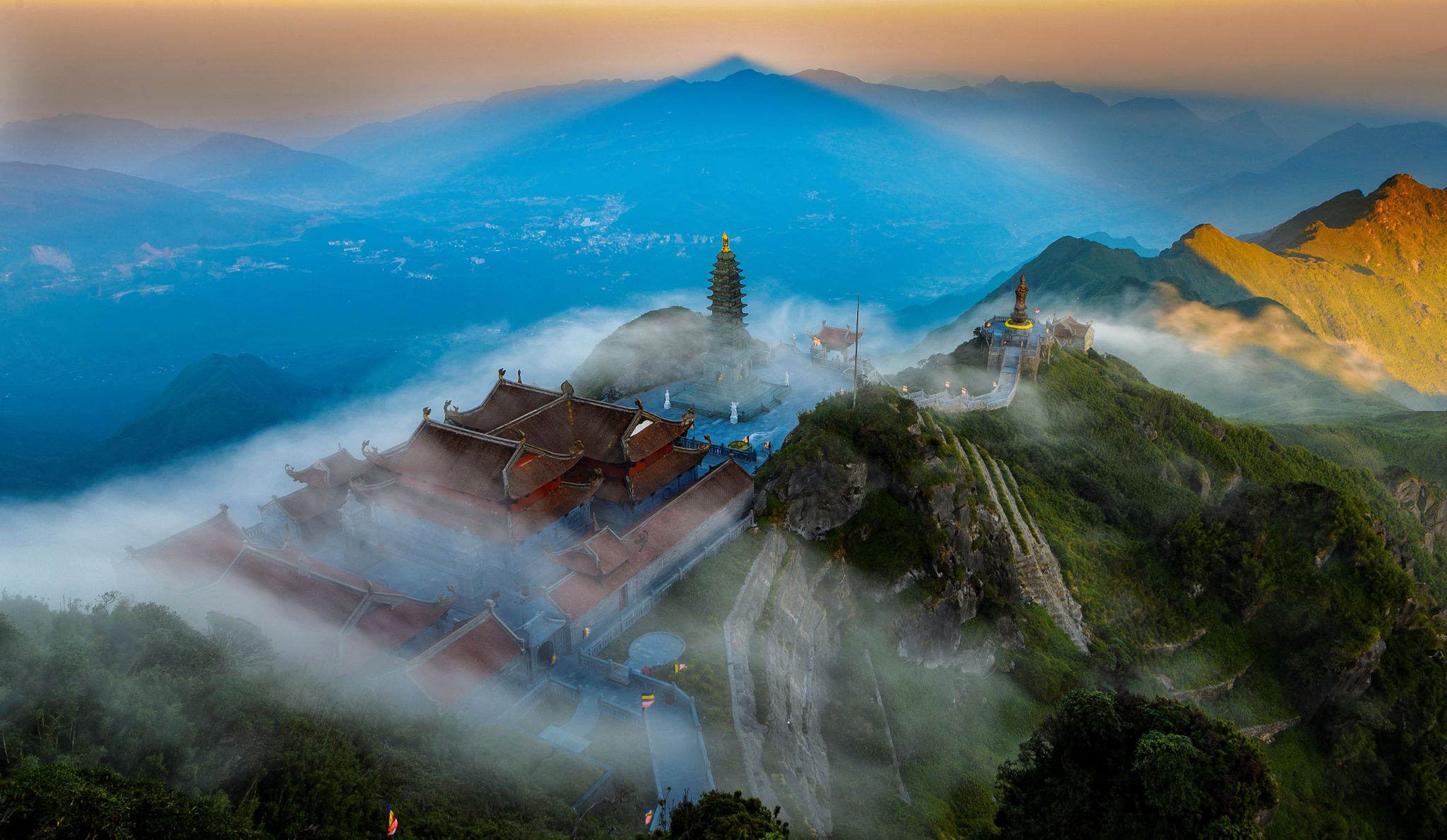
The spritiual complex atop Fansipan peak (Photo: Collected)
From this point, the journey continues rather than ending. Visitors can explore a large spiritual complex set across the mountainside, with stone pathways connecting temples, statues, and viewing points. The area adds a cultural and architectural layer that differs from the natural focus of trekking routes.
To reach the summit, there are two main options. Travelers can climb approximately 600 stone steps from the upper station, or take the funicular for a shorter and more comfortable ascent. This final section creates a clear transition from the cable car experience to the sense of physically reaching the highest point in Indochina.
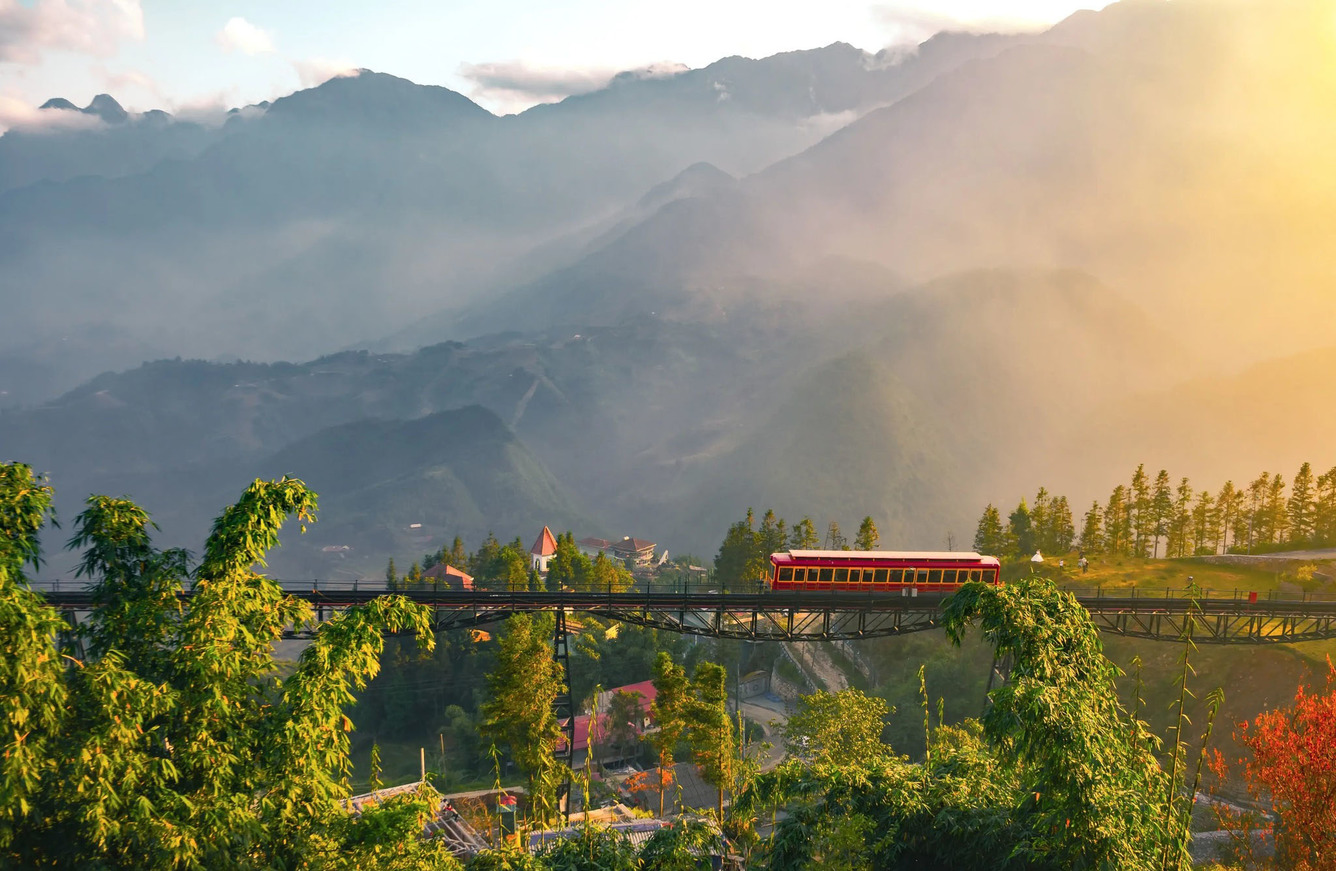
Travelling by Muong Hoa Funicular through the valley is also an exciting experience you should not miss (Photo: Collected)
For those planning a combined itinerary, booking Muong Hoa funicular tickets in advance helps manage timing more effectively, especially when aligning with trekking routes on the same day or across multiple days.
4.2 Rose Festival in Sa Pa
For travelers following a Sa Pa trekking guide between April and early May, the annual Rose Festival adds a seasonal highlight that complements trekking routes. Taking place at Sun World Fansipan Legend, the festival coincides with one of the most visually vibrant periods in Sa Pa, when the weather remains cool and flowers bloom across the mountains.
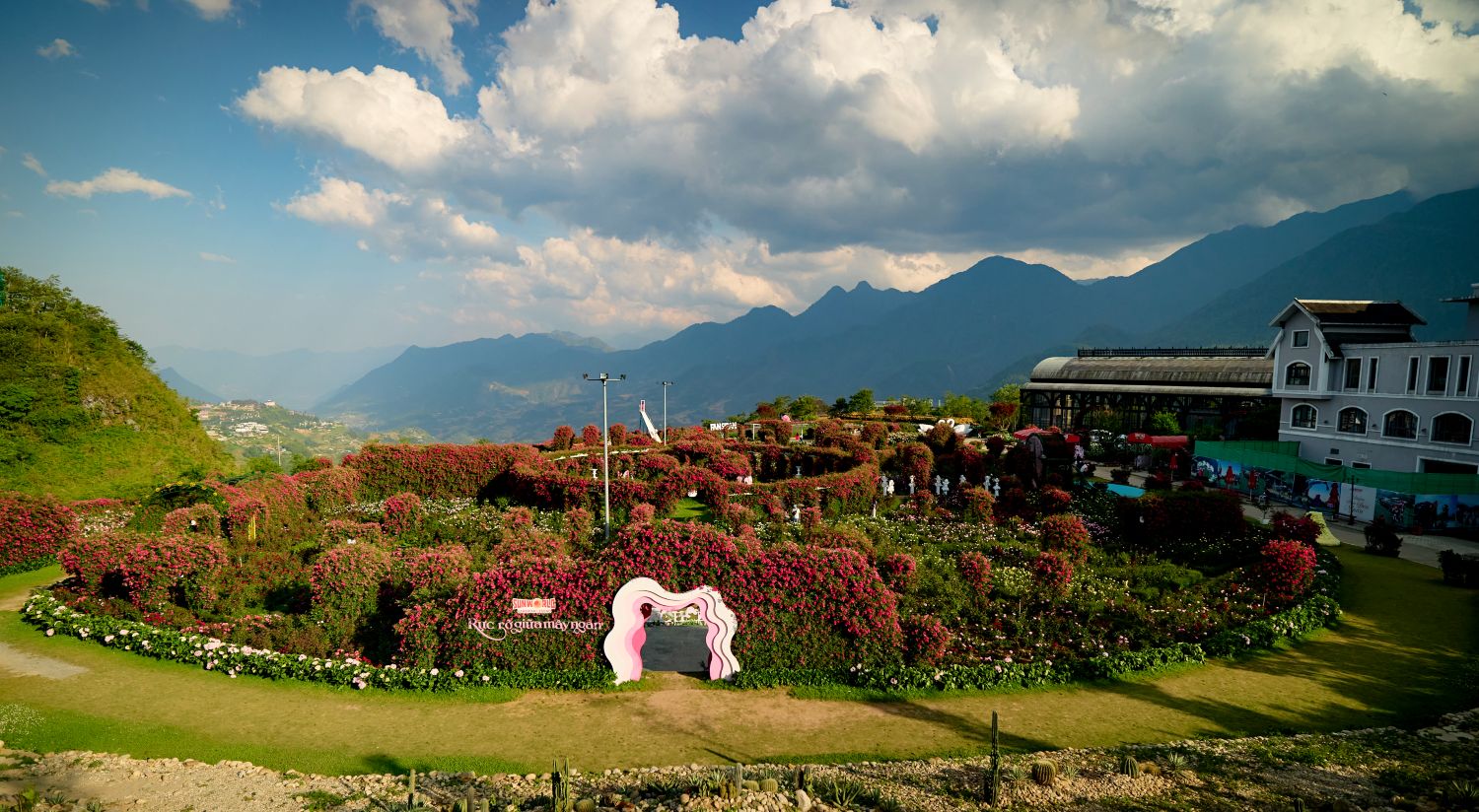
The Rose Valley on Fansipan Peak (Photo: Collected)
At the center of the event is a large rose valley, covering nearly 50,000 square meters and featuring millions of flowers arranged across layered terrain. The design makes use of natural slopes, allowing visitors to view the landscape in depth, from close-up floral details to wide mountain backdrops. Walking through the area feels like an extension of trekking, but with a more curated and immersive setting.
The festival is not limited to sightseeing. Activities such as carnival parades, interactive games, and outdoor performances take place throughout the event, creating a more dynamic atmosphere compared to regular visits. These elements add movement and energy to the experience, especially during peak holiday periods.
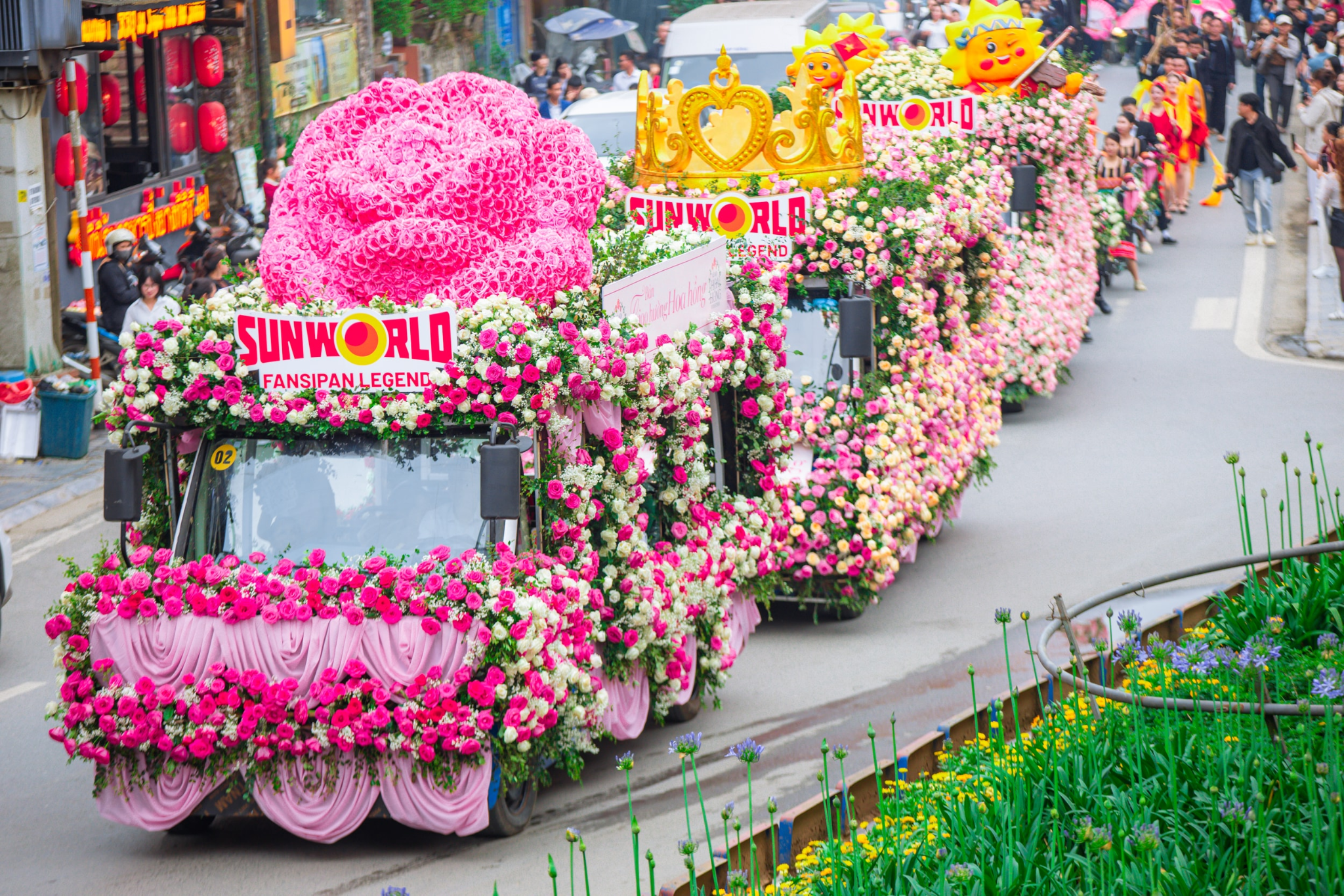
The colorful rose parade during the Rose Festival in Sa Pa (Photo: Collected)
Because the festival is located near the Fansipan cable car area, many travelers combine both experiences in the same itinerary. From above, the rose valley appears as a layered landscape set against the mountains, offering a different perspective compared to walking through it at ground level.
4.3 May Village cultural experience
In a Sa Pa trekking guide, May Village offers a different kind of experience compared to trekking routes. Instead of moving across landscapes, this space recreates the cultural environment of ethnic communities in northern Vietnam within a more accessible setting.
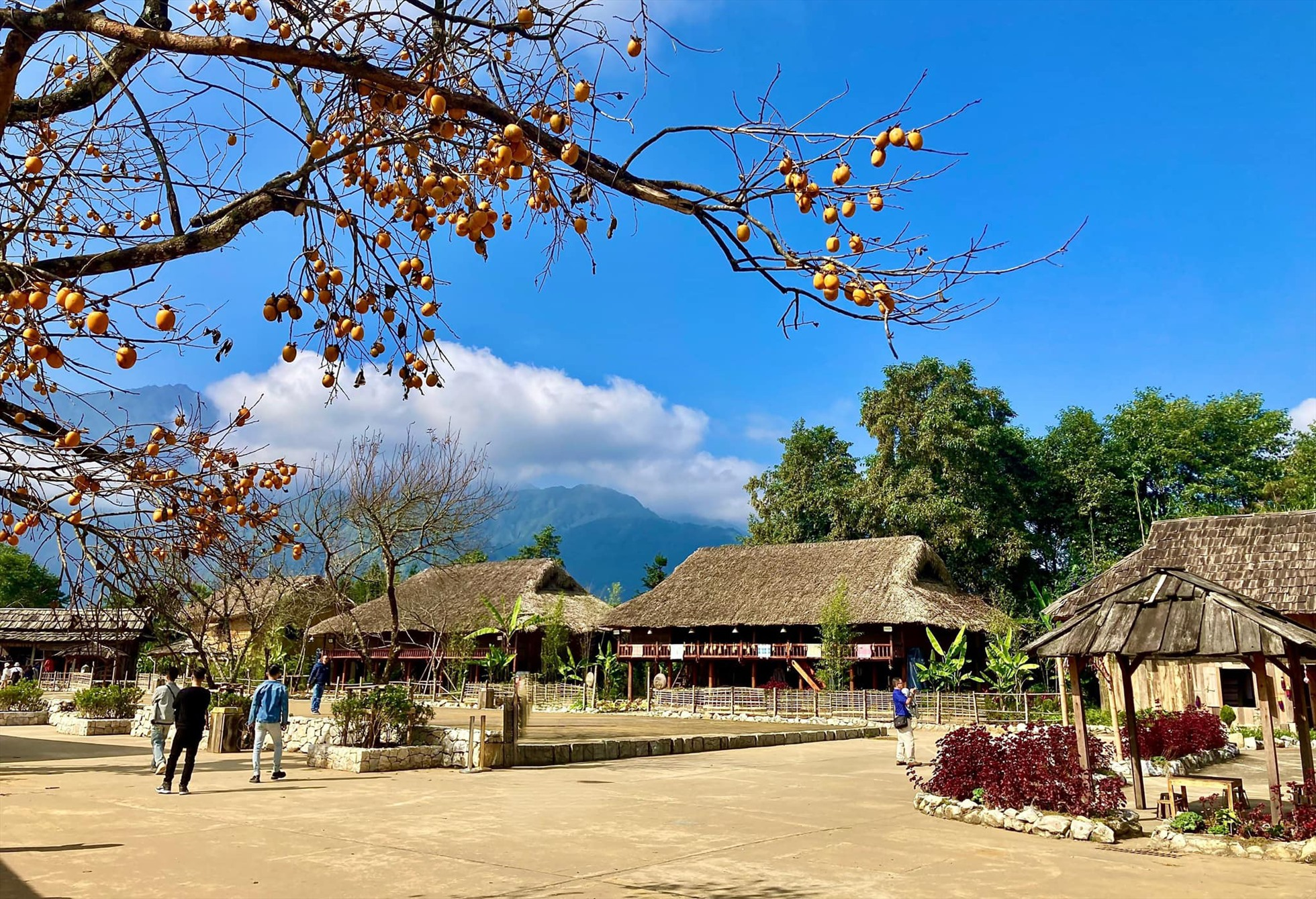
May Village – small village in the clouds preserving the indigenous cultural identity of Sa Pa (Photo: Collected)
Located within the Sun World Fansipan area, May Village is designed as a living cultural space rather than a static display. Traditional wooden houses, terraced layouts, and winding paths reflect the structure of real mountain villages. Visitors can observe daily activities such as embroidery, traditional crafts, and local performances, all taking place within the same environment. The experience works well as a complement to trekking. After walking through actual villages along the trails, May Village provides a more concentrated and curated way to understand cultural elements, especially for travelers with limited time.
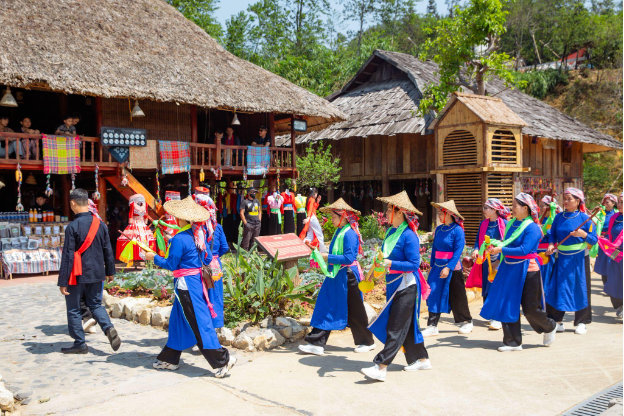
The lively cultural experience at May Village (Photo: Collected)
Because it is located along the Fansipan journey, May Village can be easily included in the same itinerary. This allows travelers to combine trekking, high-altitude views, and cultural exploration within a single day, without the need for additional travel.
4.4 Exploring Sa Pa Commune
In a Sa Pa trekking guide, spending time in Sa Pa Commune helps balance the itinerary after long trekking days. The town center offers a slower pace, where travelers can walk, rest, and still experience the local atmosphere.
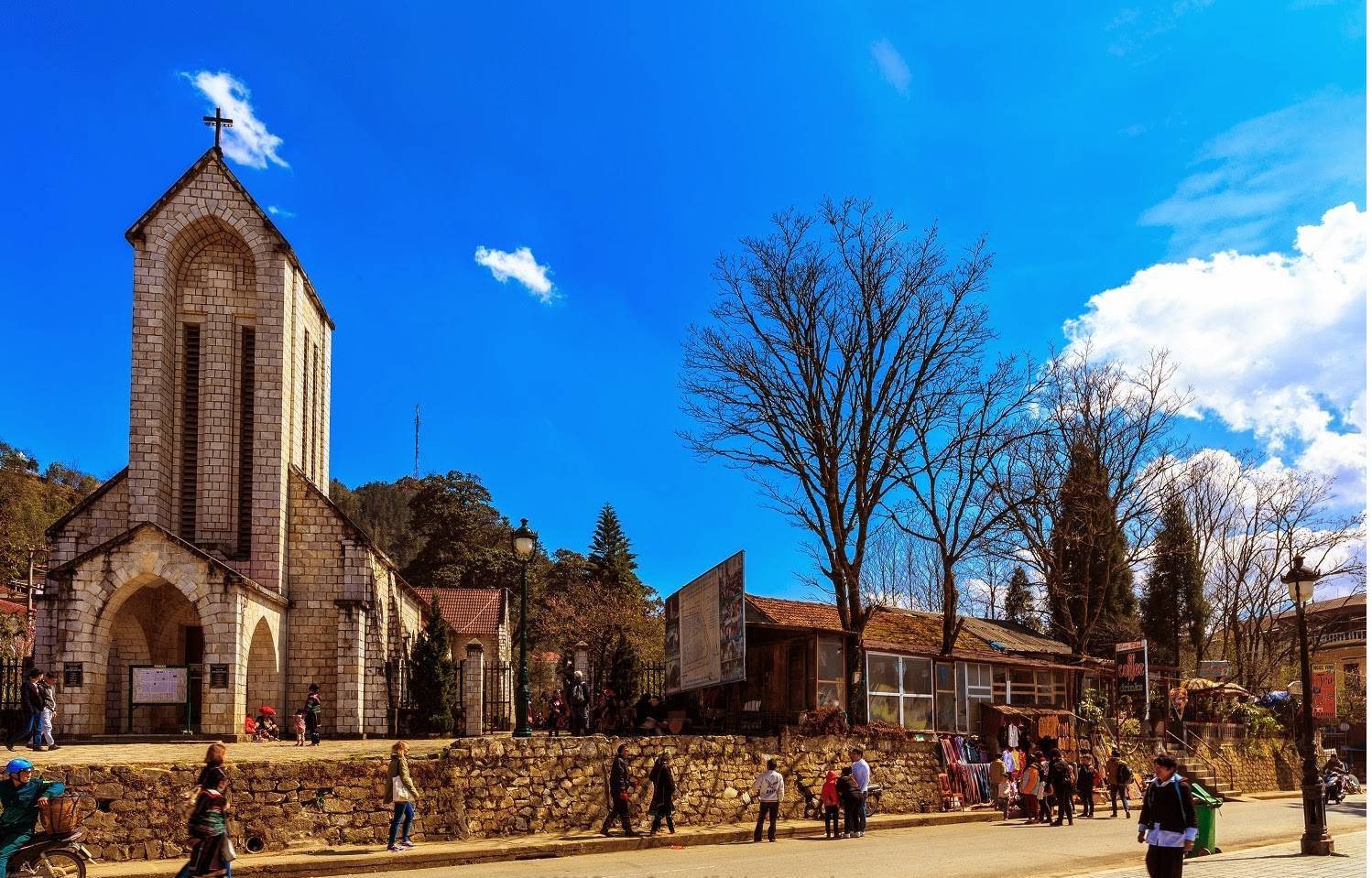
The Stone Church in the center of Sa Pa Commune (Photo: Collected)
The Stone Church remains one of the most recognizable landmarks, located at the central square where daily life unfolds throughout the day. Nearby, Sa Pa Lake reflects the surrounding mountains, especially in the early morning and late afternoon when the light becomes softer.
Compared to trekking routes, these experiences are less physically demanding but still provide a connection to the landscape and local life. Walking around the town is often the simplest way to observe how Sa Pa transitions from a trekking destination into a lived-in mountain community.
4.5 Markets and local food
Local markets are an essential part of any Sa Pa trekking guide, offering insight into daily life beyond the trails. During the day, markets feature fresh produce, textiles, and handmade goods created by ethnic communities.
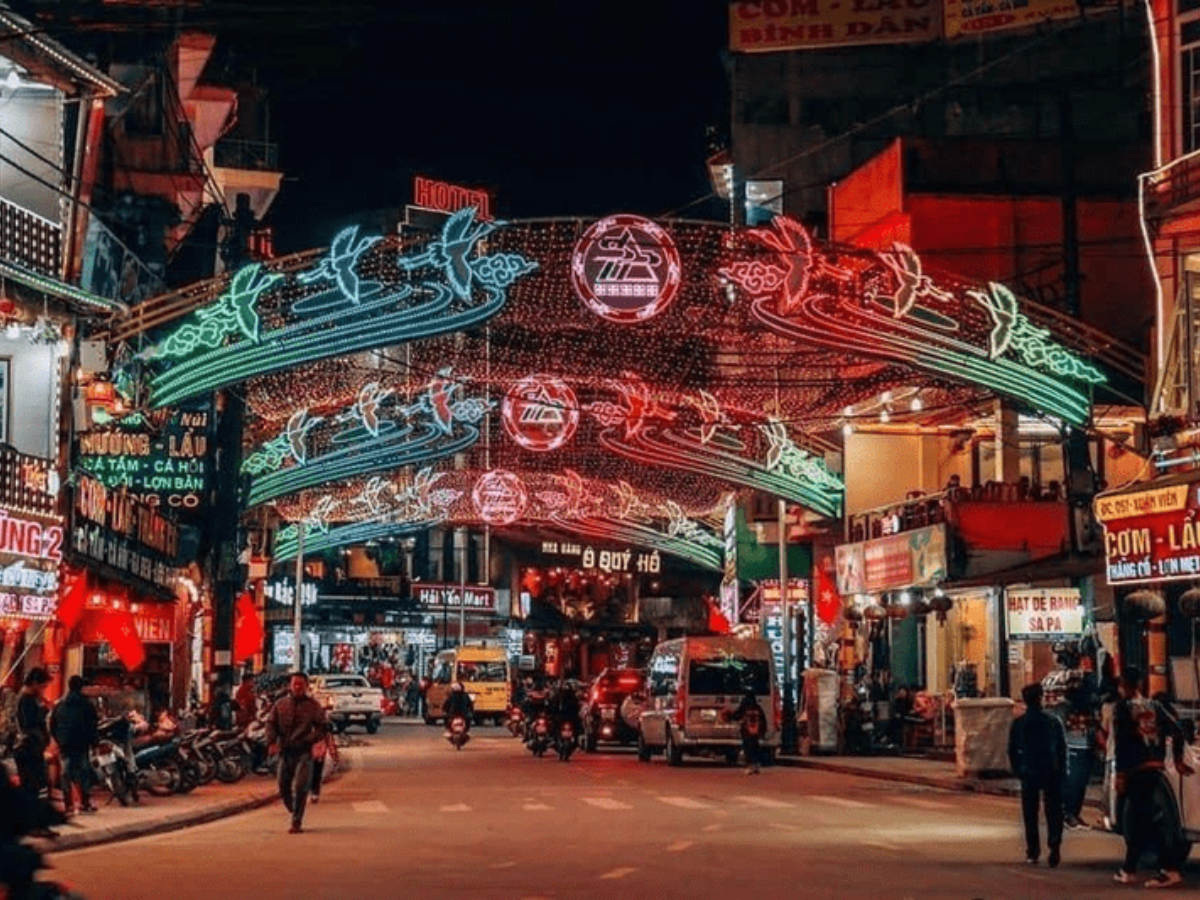
The night market is one of the must-try experience when in Sa Pa (Photo: Collected)
At night, the atmosphere becomes more vibrant as street food stalls open across the area. Grilled dishes, hot pot, and regional specialties create a contrast to the cool mountain air, turning the market into a social and culinary space. These experiences are often included between trekking days, allowing travelers to recover physically while still exploring Sa Pa in a different way.
5. Tips and essentials for trekking in Sa Pa
Following a Sa Pa trekking guide without proper preparation can affect both safety and overall experience. The terrain in Sa Pa includes steep slopes, uneven paths, and changing weather conditions, so packing the right items is essential before starting any route.
What to pack for your Sa Pa trekking trip
To ensure a safe and comfortable trekking experience, consider preparing the following essentials:
Trekking equipment:
- Trekking or climbing shoes with good grip
- Trekking poles for steep or uneven terrain
- Backpack suitable for long walks
- Map or GPS for navigation
- Camping gear for multi-day treks, including tent, stakes, and sleeping liner
Clothing:
- Breathable and moisture-wicking outfits for daytime trekking
- Water-resistant jacket for rainy conditions or summer
- Thermal layer for colder months
- Long-sleeved sleepwear for overnight stays
- A pair of sandals for resting periods
Food and drinks:
- Drinking water (at least 1–1.5 liters per person)
- Light snacks or instant food for energy
- Electrolyte or mineral drinks to maintain hydration
Other essentials
- Personal documents such as ID or driver’s license
- Basic hygiene items including toothbrush and towel
- Sunscreen and insect repellent
- Medical supplies such as bandages, antiseptics, and common medicines
- In addition to packing, travelers should choose routes that match their fitness level and check weather conditions in advance. For longer or more challenging treks, hiring a local guide can improve both safety and overall experience.
Conclusion
This Sa Pa trekking guide shows that trekking is at the core of the Sapa experience, but not the only way to explore it. From walking through terraced fields and ethnic villages to reaching higher altitudes with the Fansipan cable car, each activity adds a different perspective to the journey.
For a more complete itinerary, combining trekking routes with the Fansipan experience allows you to explore both the depth of the valleys and the scale of the mountains within a limited time. Planning ahead, especially for cable car tickets, can help make the trip smoother and more flexible.


