



1. Why local food is an essential part of the Sa Pa experience
A Sa Pa local food experience is about much more than trying a few famous dishes. Surrounded by the Hoang Lien Son mountains and home to diverse ethnic communities, Sa Pa has a food culture closely connected with its cool climate, agricultural landscape and everyday highland life. From steaming meals enjoyed on misty evenings to colorful markets filled with fresh produce, food offers travelers another way to understand the character of this northern Vietnamese destination.
The mountain climate plays an important role in shaping the experience. Cool temperatures naturally make hotpots, soups and charcoal-grilled dishes especially inviting, while locally grown vegetables and herbs appear throughout everyday meals. Salmon and sturgeon raised in cold-water conditions have also become familiar ingredients in Sa Pa, adding another distinctive element to the destination’s contemporary food scene.
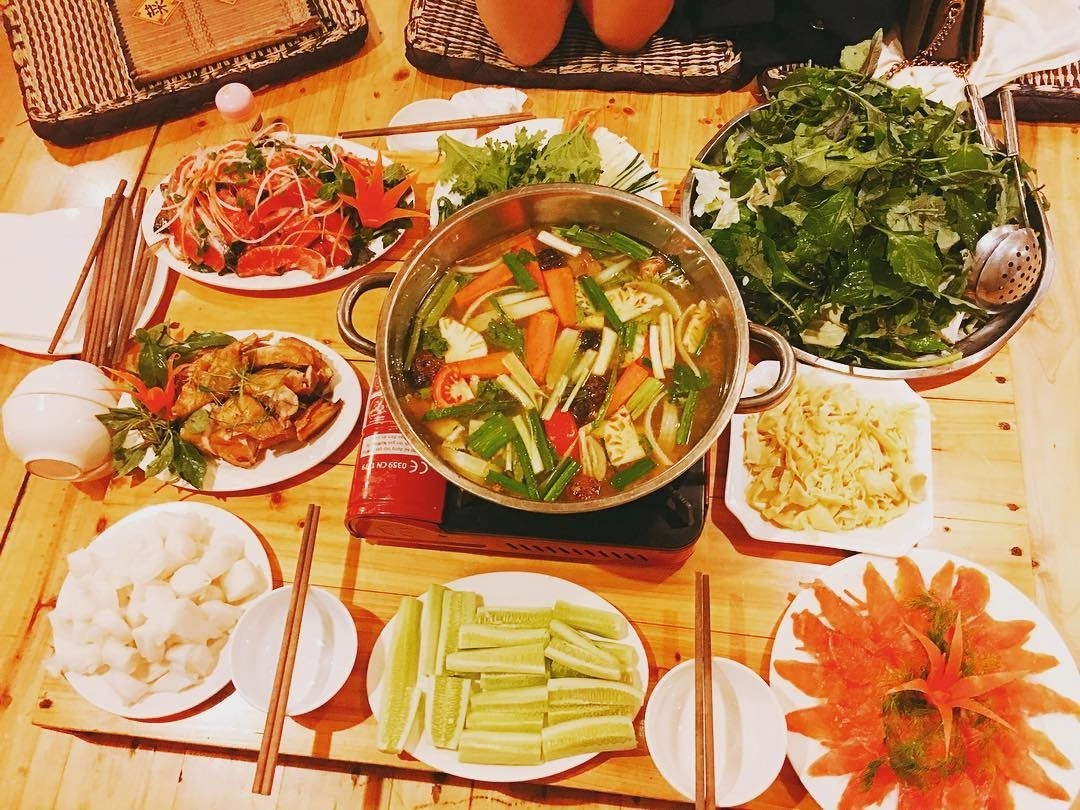
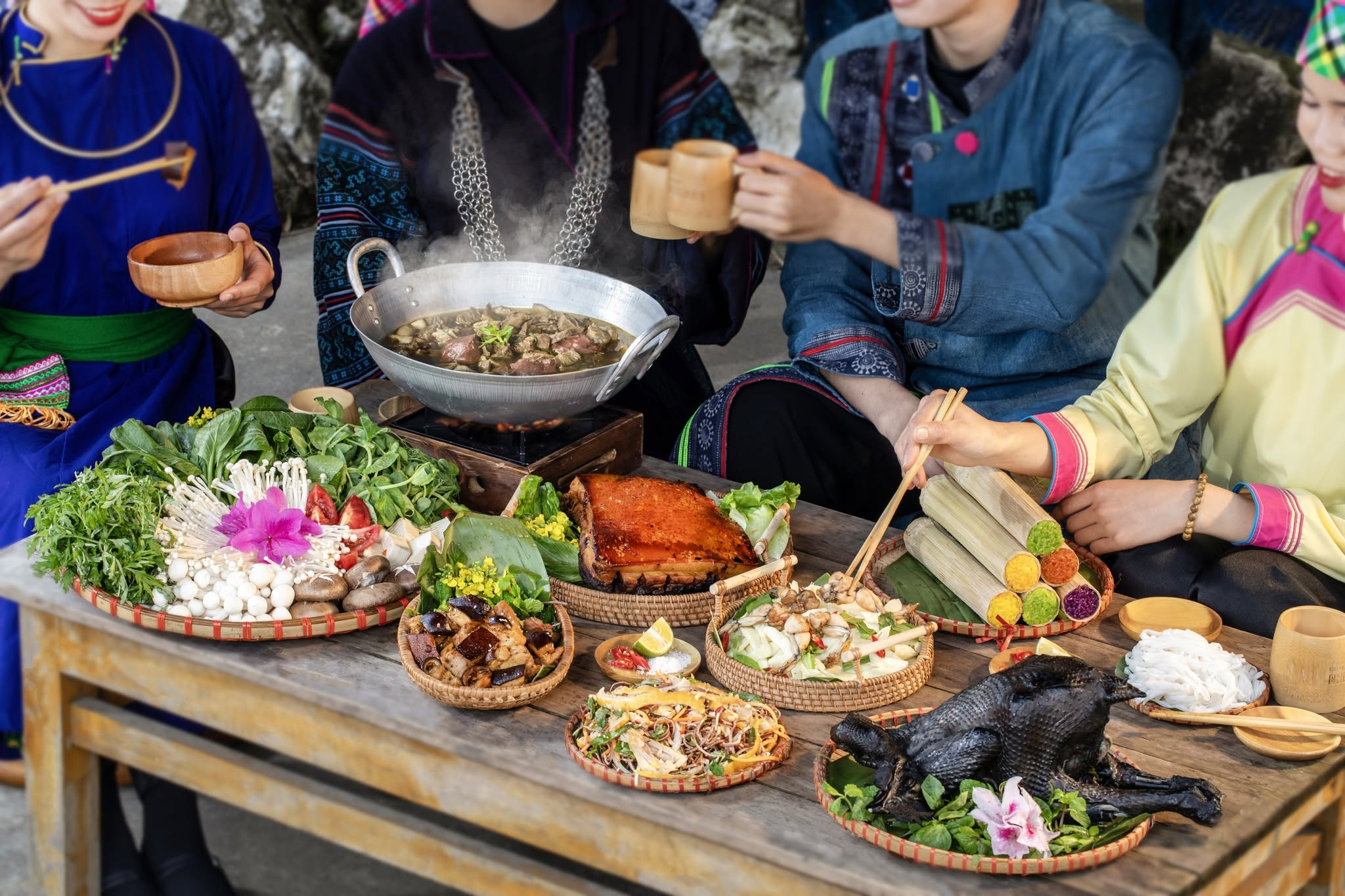
Warm dishes and fresh mountain ingredients are an essential part of Sa Pa’s highland dining experience (Source: Collected)
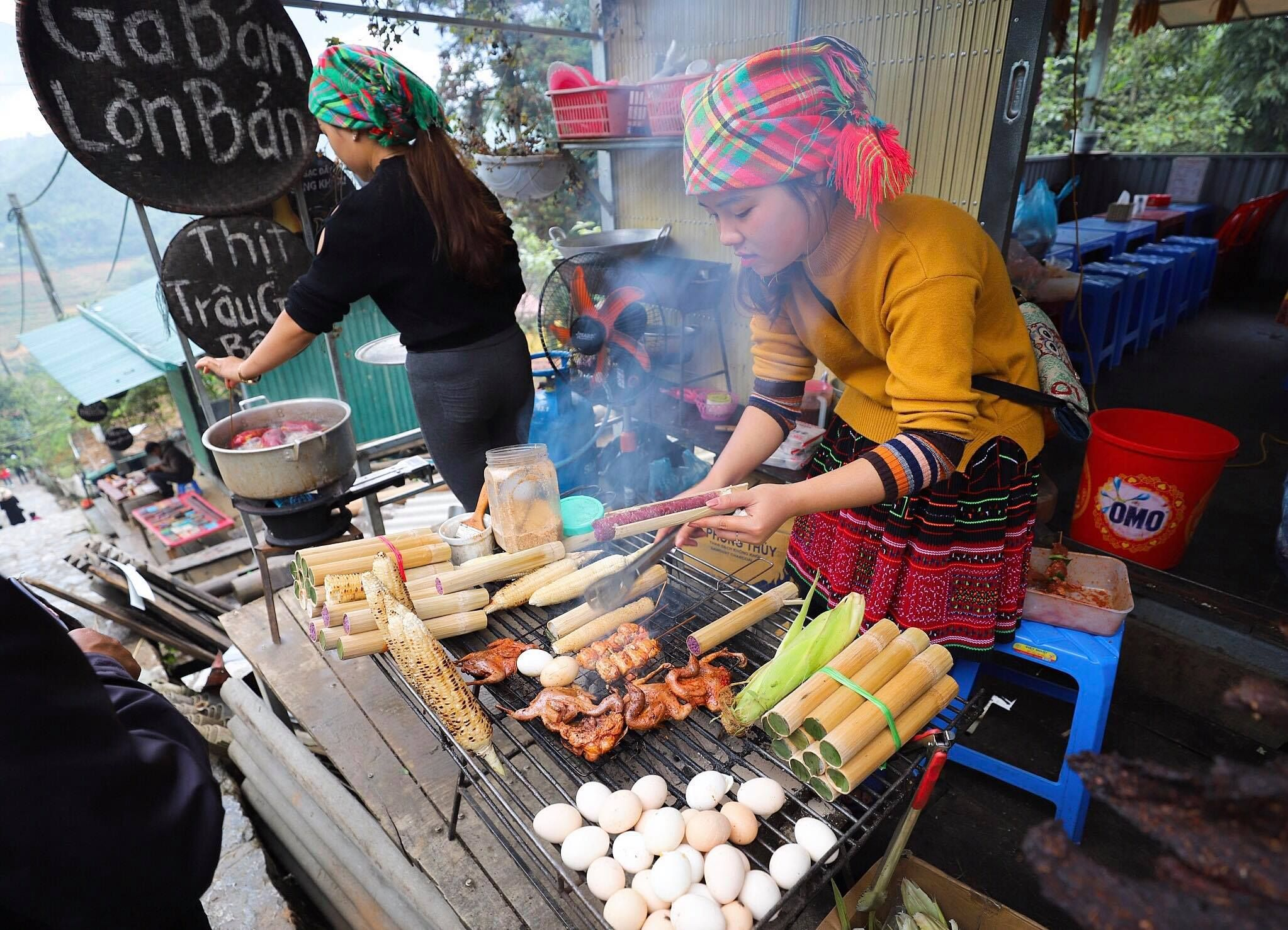
Yet the most memorable food moments do not necessarily happen only inside restaurants. Walking through a local market introduces travelers to seasonal vegetables, herbs, corn products and other ingredients used in the region, while an evening around central Sa Pa can be filled with the aroma of meat, mushrooms, corn and sweet potatoes cooking over charcoal. These simple encounters turn eating into part of the sightseeing experience itself.
Culture adds another layer to the journey. Sa Pa and the surrounding valleys are home to communities including the H’Mong, Dao, Tay and Giay, whose traditions contribute to the wider culinary identity of Northwest Vietnam. Ingredients such as sticky rice, corn, mountain vegetables and local meats, together with methods such as grilling, smoking and slow cooking, reflect a food culture shaped by generations of life in the highlands.
For first-time visitors, the best Sa Pa local food experience comes from combining different settings rather than focusing only on a checklist of dishes. A morning market visit, a regional lunch, a warm snack between sightseeing stops and an evening of grilled food or hotpot can each reveal a different side of Sa Pa. Together, these experiences make local cuisine a natural part of exploring the destination rather than simply something to eat between attractions.
2. Local food experiences to try in Sa Pa
A memorable Sa Pa local food experience is shaped not only by what travelers eat but also by where, when and how they enjoy it. From exploring a market in the morning to gathering around a steaming hotpot after sunset, food can be woven naturally into a day of sightseeing. The following experiences offer different ways to discover the flavors and culinary culture of the northern highlands.
2.1. Explore local flavors at Sa Pa Market
A visit to a local market is one of the easiest ways to understand the ingredients behind Sa Pa’s cuisine. Rather than seeing local food only after it reaches the restaurant table, travelers can discover fresh vegetables, herbs, rice, corn products, dried foods and other ingredients associated with everyday cooking in the mountains.
Markets are particularly interesting in the morning, when fresh produce is displayed and daily trading is underway. Depending on the season, the selection of vegetables and agricultural products can change, reflecting the close relationship between Sa Pa’s food and its cool highland climate.
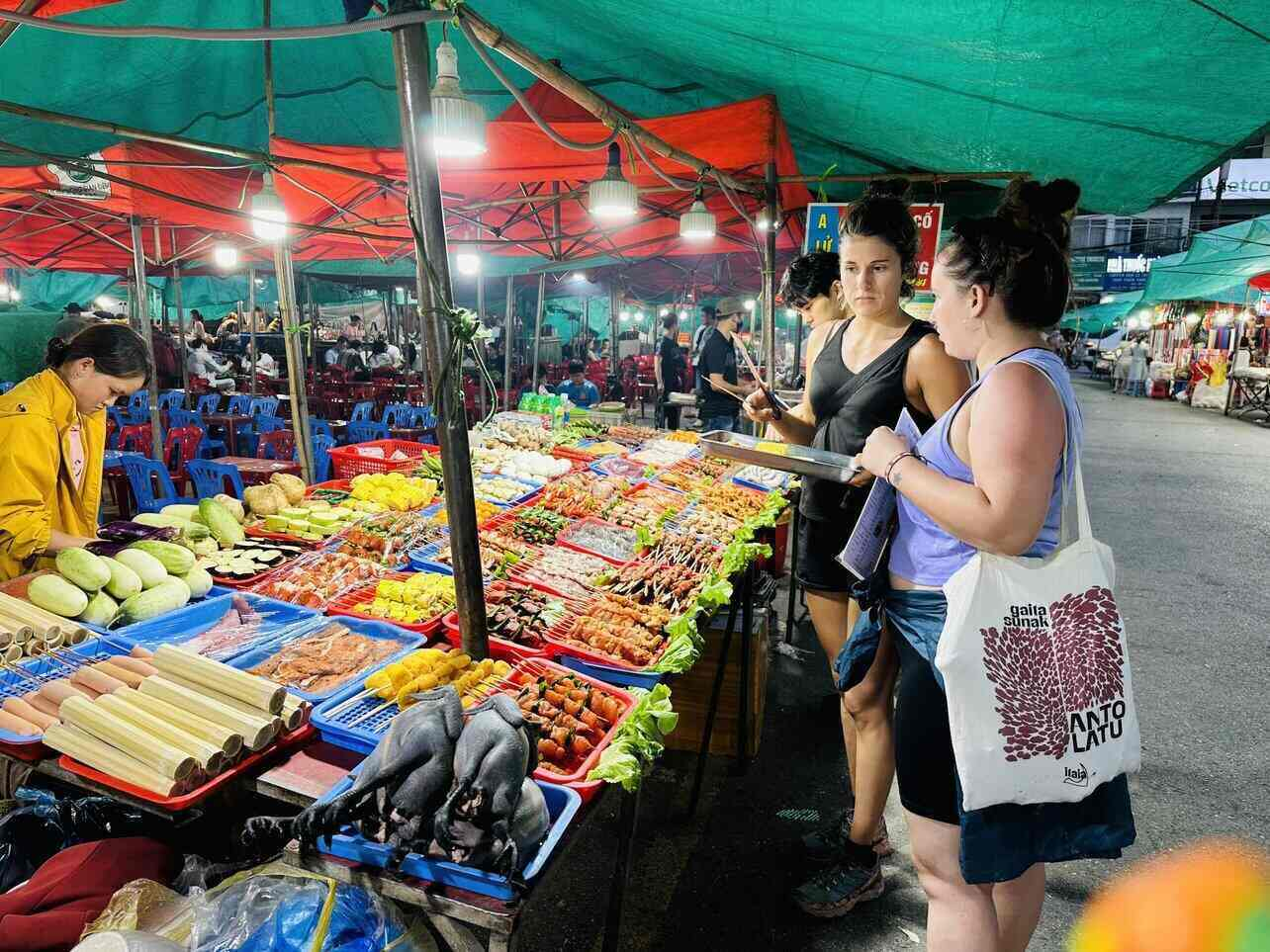
Exploring a local market offers a closer look at the ingredients behind Sa Pa’s mountain cuisine (Source: Collected)
For travelers interested in food photography or culinary culture, the experience can be just as rewarding as sitting down for a meal. It provides useful context for many of the ingredients that later appear in hotpots, grilled dishes and traditional Northwest recipes.
2.2. Enjoy charcoal-grilled food on a cool evening
Evening is one of the best times to experience Sa Pa through food. As temperatures fall, charcoal grills become increasingly inviting, with meat, sausages, mushrooms, vegetables, corn, sweet potatoes and other ingredients cooked over glowing coals.
Instead of ordering a conventional dinner immediately, travelers can select several small items and try different flavors while exploring the town. The combination of warm food, smoky aromas and cool mountain air creates an atmosphere that is difficult to separate from the Sa Pa experience itself.
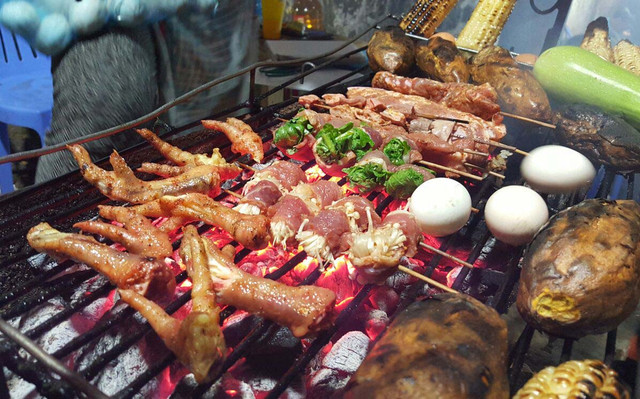
Charcoal-grilled food is especially inviting as temperatures fall in Sa Pa after sunset (Source: Collected)
This is also an accessible experience for first-time visitors because it does not require familiarity with traditional dishes. Travelers can begin with recognizable ingredients before gradually trying seasonings or specialties associated with Northwest cuisine.
2.3. Gather around a steaming hotpot
Few meals suit Sa Pa’s climate as naturally as a hotpot. Salmon and sturgeon are commonly served this way, with slices of fish cooked at the table alongside mushrooms, tofu, noodles and fresh vegetables.
Hotpot is particularly enjoyable after a long day outdoors. Visitors returning from Cat Cat Village, trekking through the surrounding valleys or spending the day at Fansipan can sit down for a warm meal rather than immediately moving on to another activity. On colder or mistier days, the contrast between the mountain weather outside and the steaming broth becomes part of the experience.
Because hotpot is designed for sharing, it is especially suitable for couples, families and groups of friends. Ordering additional vegetables and side dishes also allows travelers to experience several local ingredients during the same meal.
2.4. Discover Northwest culture and cuisine during a Fansipan journey
A trip to Fansipan can also become part of a broader exploration of Northwest culture. From central Sa Pa, travelers can begin at Sun Plaza, take the Muong Hoa funicular and continue into Sun World Fansipan Legend, where May Village introduces aspects of the region’s cultural heritage through traditional architecture, crafts and performances.
This cultural setting adds context to the foods encountered throughout a Sa Pa trip. Ingredients such as sticky rice, corn, local meat and mountain vegetables are closely connected with life in the highlands, so learning about regional traditions can make later dining experiences more meaningful.
Travelers spending most of the day at Fansipan can also plan lunch within the tourism complex instead of returning to town. Van Sam Restaurant offers a convenient dining stop during the journey, allowing visitors to rest and refuel before continuing their exploration.
May Village brings visitors closer to the cultural traditions of Northwest Vietnam during a Fansipan journey (Source: Collected)
2.5. Share a traditional Northwest-style meal
At least one meal in Sa Pa can be dedicated to exploring several Northwest flavors together. Rather than ordering a single signature dish, travelers can share a table featuring grilled or roasted meat, seasonal mountain vegetables, sticky rice and other regional specialties.
This style of dining provides a more balanced introduction to the local cuisine. Richer meat dishes can be paired with fresh or simply prepared vegetables, while rice and other staples bring the different flavors together. For groups, sharing several dishes also makes it easier to sample unfamiliar foods without ordering a full portion for each person.
A traditional meal becomes even more meaningful when travelers ask about the ingredients, preparation methods and origins of individual dishes. In this way, a Sa Pa local food experience can become an opportunity to learn about the region’s culture and daily life, rather than simply another restaurant stop on the itinerary.
3. Tips for an authentic Sa Pa local food experience
A rewarding Sa Pa local food experience does not require visiting as many restaurants as possible. Choosing seasonal ingredients, balancing different dining settings and leaving enough time to enjoy each meal can make the culinary side of the journey feel much more natural.
3.1. Follow the seasons when choosing local food
Sa Pa’s mountain climate means that ingredients and dining experiences can change throughout the year. Fresh vegetables and agricultural products vary by season, while colder periods naturally make steaming hotpots, soups and grilled dishes particularly appealing.
Instead of following a fixed list of specialties, travelers can ask which vegetables and ingredients are currently in season. Local restaurants may offer dishes based on what is freshest at the time, giving visitors an opportunity to experience flavors that are closely connected with the landscape and climate.
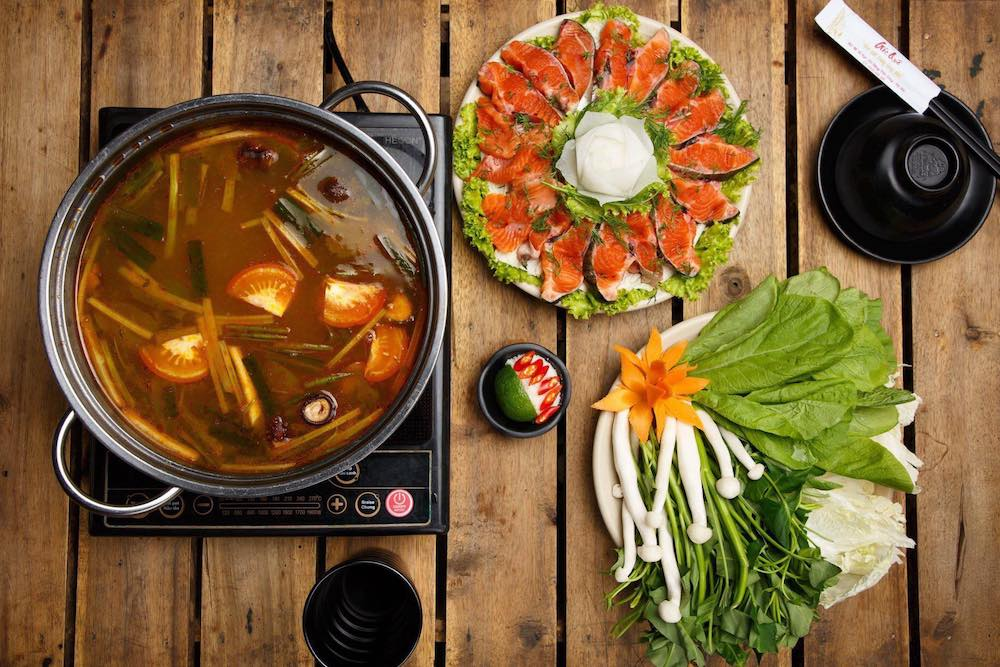
Seasonal ingredients add variety to Sa Pa’s culinary experience throughout the year (Source: Collected)
Weather should also influence meal planning. A hotpot may be perfect after a cold or foggy day on Fansipan, while lighter dishes and fresh vegetables can be more comfortable after trekking during warmer weather.
3.2. Mix restaurants, markets and casual food stops
Eating every meal in a conventional restaurant can provide only one perspective on Sa Pa’s food culture. A more varied itinerary might include breakfast or lunch at a local restaurant, a market visit during the day and grilled food or snacks while walking around town in the evening.
Each setting offers something different. Restaurants are convenient for complete meals and shared dishes, markets provide insight into ingredients and everyday food culture, while casual stalls allow travelers to sample smaller portions without committing to a full meal.
This combination is particularly useful on a two- or three-day trip. Instead of spending large amounts of sightseeing time traveling specifically for food, visitors can incorporate dining experiences into places they already plan to explore.
3.3. Be curious about ingredients and preparation
Some of the most interesting parts of Sa Pa cuisine may be unfamiliar to first-time visitors. Local herbs, mountain vegetables, corn-based foods and traditional preparation methods can differ considerably from dishes commonly encountered in Hanoi or other major Vietnamese cities.
Asking about ingredients or how a dish is prepared can therefore add another layer to the meal. It can also help travelers understand why certain foods are associated with particular communities, seasons or highland lifestyles. Travelers with allergies, vegetarian diets, religious dietary requirements or other restrictions should ask clearly about ingredients before ordering. Broths, marinades and sauces can contain components that are not immediately obvious from the menu.
3.4. Leave room for spontaneous food discoveries
Planning helps, but some of the most enjoyable food moments in Sa Pa can happen unexpectedly. A warm snack discovered while walking through town, seasonal produce spotted at a market or a small restaurant recommended locally may become just as memorable as a famous specialty planned in advance. For this reason, travelers do not need to schedule every meal before arriving. Selecting a few essential experiences – perhaps a market visit, a Northwest-style meal and an evening of hotpot or grilled food – still leaves enough flexibility to explore whatever looks appealing along the way.
The most rewarding Sa Pa local food experience ultimately comes from combining food with the rhythm of the journey. Taking time to observe local ingredients, share dishes and explore different dining settings allows travelers to experience Sa Pa cuisine as part of the destination’s culture rather than simply a list of foods to try.
Food offers a different way to experience Sa Pa beyond its mountain landscapes and famous attractions. From exploring fresh ingredients at local markets to sharing a hotpot on a cool evening and discovering Northwest culture along the Fansipan journey, every dining experience can reveal another side of the destination. For a memorable Sa Pa local food experience, combine different settings, follow seasonal flavors and leave enough room for spontaneous discoveries along the way.