


1. Overview of Sa Pa's unique culinary culture
Nestled in the Hoang Lien Son mountain range of Northwest Vietnam, Sa Pa is renowned not only for its breathtaking landscapes and rich ethnic heritage but also for its distinctive highland cuisine. From steaming hotpots enjoyed in the cool mountain air to traditional grilled dishes prepared with local spices, the destination offers a diverse culinary experience deeply connected to its natural environment and cultural traditions. A comprehensive Sa Pa food guide for tourists provides an introduction to the flavors, ingredients and dining experiences that make this mountain town an appealing destination for food lovers.
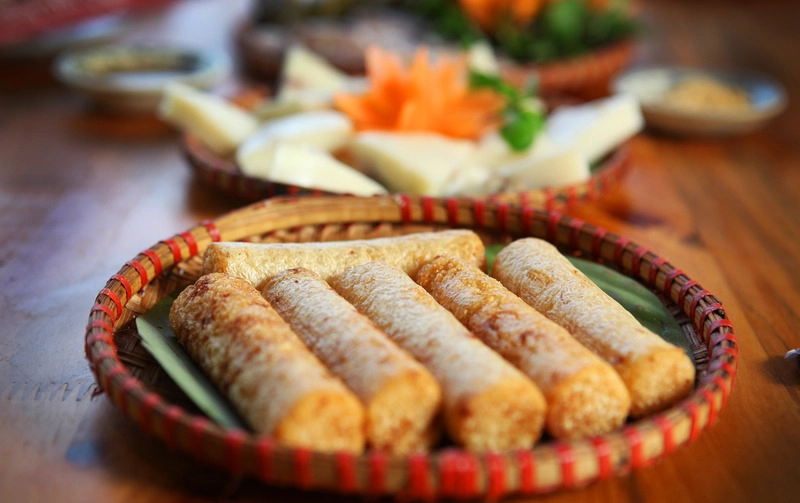
Sa Pa's culinary identity is shaped by the traditions of ethnic communities, including the Hmong, Red Dao, Tay and Giay peoples. Generations of highland residents have developed cooking methods that make use of locally available ingredients, such as mountain vegetables, freshwater fish, free-range poultry, herbs and aromatic spices. Many traditional dishes emphasize slow cooking, grilling over charcoal and carefully balanced seasonings, creating hearty flavors particularly suited to the region's cool climate.
Sa Pa's traditional cuisine reflects the culinary heritage and natural ingredients of Northwest Vietnam (Source: Collected)
One of the defining characteristics of Sa Pa's food scene is the close relationship between cuisine and the mountain environment. The region's cool temperatures make warming dishes especially popular, with salmon hotpot, sturgeon hotpot and grilled specialties frequently appearing on local menus. Indigenous ingredients such as mắc khén (a fragrant mountain pepper), hạt dổi (aromatic forest seeds) and seasonal vegetables contribute distinctive flavors that set Northwest Vietnamese cuisine apart from dishes commonly found in other parts of the country.
Beyond traditional recipes, Sa Pa offers a variety of dining settings that enhance the culinary journey. Visitors can explore bustling food stalls and evening barbecue spots in the town center, enjoy regional specialties at local restaurants or discover traditional meals during visits to nearby villages. Restaurants and dining facilities at Sun World Fansipan Legend also provide convenient opportunities to enjoy Northwest Vietnamese cuisine while exploring the mountain destination.
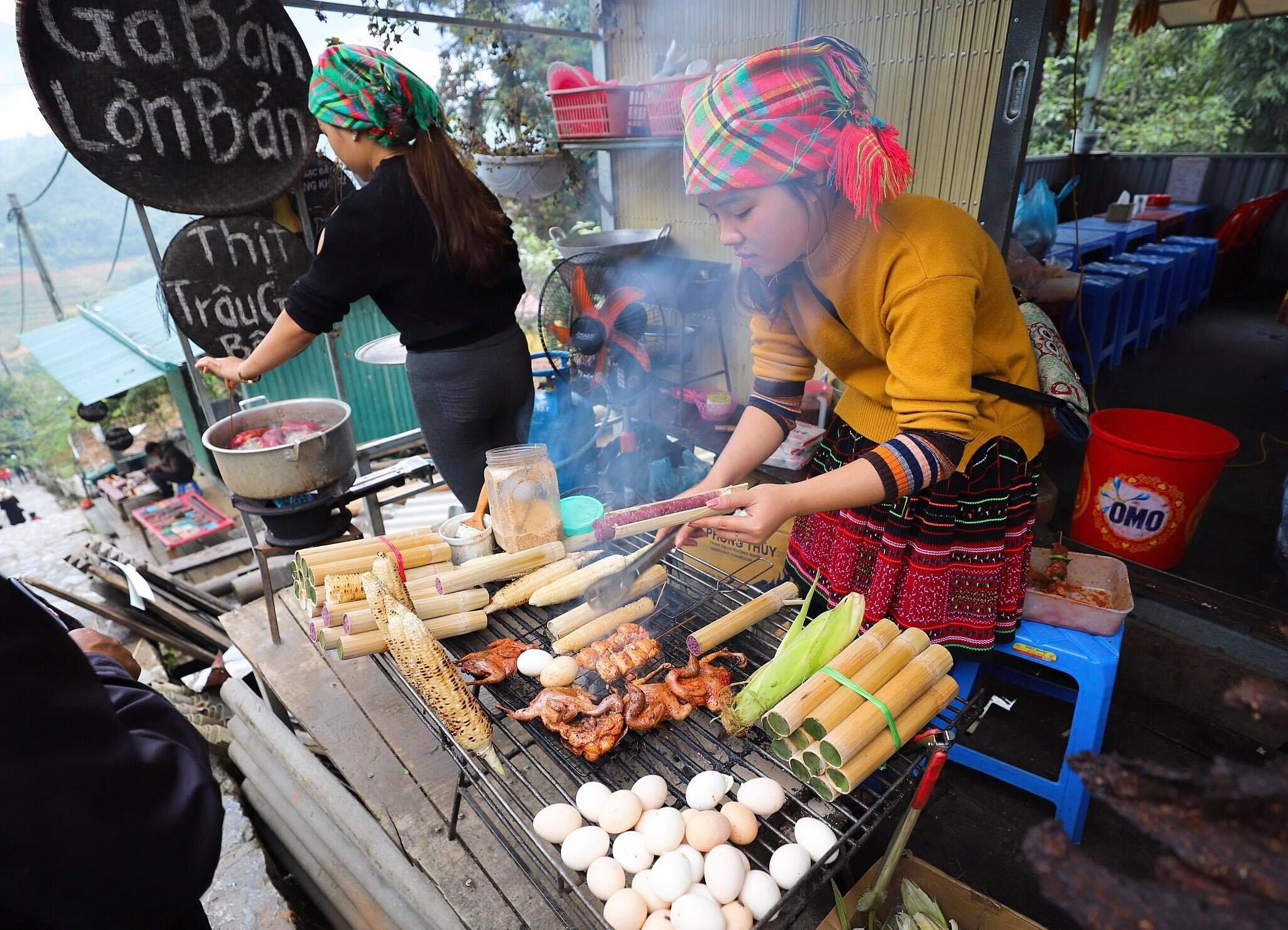
Grilled specialties and warming hotpots are popular choices for visitors exploring Sa Pa's food scene (Source: Collected)
Food in Sa Pa is more than a way to satisfy hunger; it offers insight into the everyday lives, hospitality and cultural identity of the region's communities. Whether sampling freshly grilled skewers on a chilly evening, enjoying a traditional family-style meal or discovering new flavors at a mountain restaurant, travelers can experience the destination through its diverse culinary traditions.
For first-time visitors, following a Sa Pa food guide for tourists is an excellent way to identify must-try dishes, discover suitable dining locations and make the most of the region's distinctive flavors. With its combination of traditional recipes, fresh highland ingredients and memorable dining experiences, Sa Pa offers a culinary journey that complements its spectacular mountain scenery.
2. Must-try local dishes in Sa Pa for tourists
Exploring Sa Pa's culinary scene is an essential part of discovering the culture of Northwest Vietnam. From hearty hotpots to traditional mountain specialties, the destination offers a remarkable variety of dishes shaped by local ingredients, ethnic traditions and the cool highland climate. This Sa Pa food guide for tourists highlights some of the most distinctive flavors that visitors should consider trying during their journey.
2.1. Salmon and sturgeon hotpot
Salmon and sturgeon hotpots are among the most popular dishes for travelers visiting Sa Pa, particularly during the colder months. Thanks to the region's cool climate and freshwater aquaculture, these fish have become familiar ingredients in the local restaurant scene.
Sa Pa salmon is commonly served in a flavorful hotpot with tomatoes, herbs, mushrooms and seasonal vegetables. The broth often combines gentle acidity with aromatic seasonings, creating a warming meal that is especially enjoyable after a day of mountain sightseeing. Fresh fish slices are cooked directly in the simmering broth and served alongside noodles and vegetables. Sturgeon hotpot offers a slightly different experience, featuring firm, delicate fish flesh and a rich broth that complements the natural sweetness of the ingredients. Many restaurants also prepare sturgeon in grilled or steamed dishes, allowing visitors to explore different cooking styles.
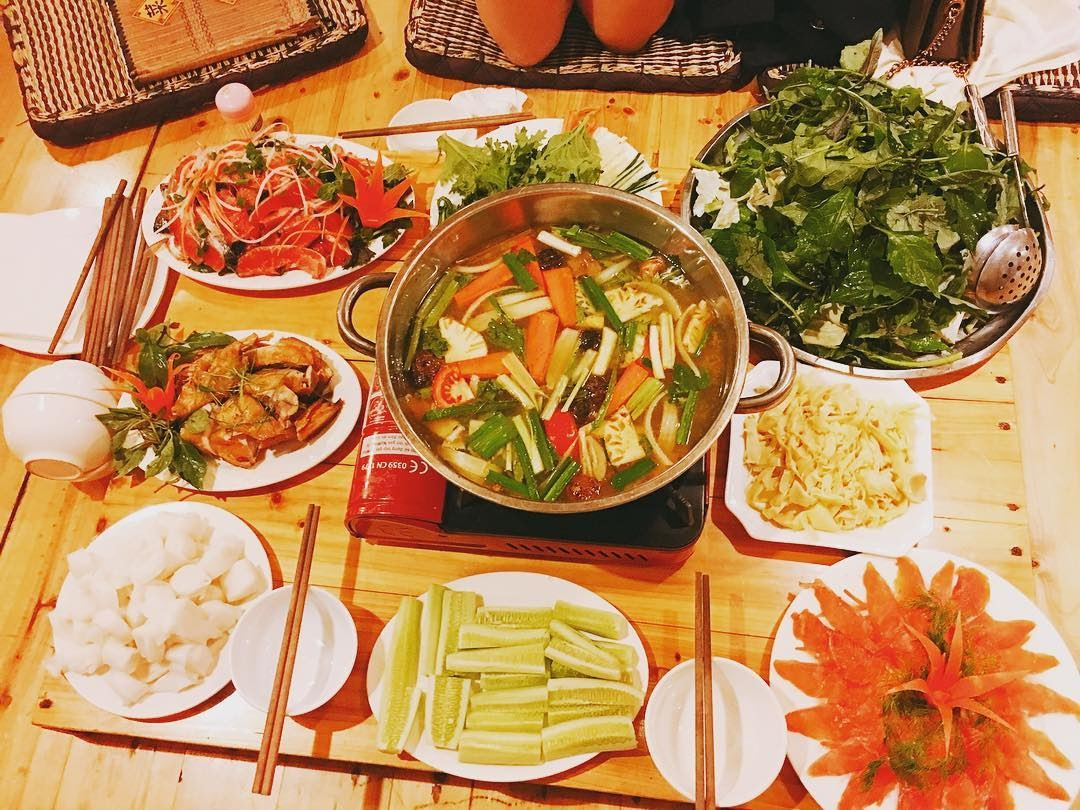
Salmon and sturgeon hotpots are popular dining choices during Sa Pa's cool mountain evenings (Source: Collected)
These hotpots are particularly suitable for families and groups because they are designed for sharing. Travelers can find them at numerous restaurants in central Sa Pa, making them convenient options for lunch or dinner.
2.2. Thang co
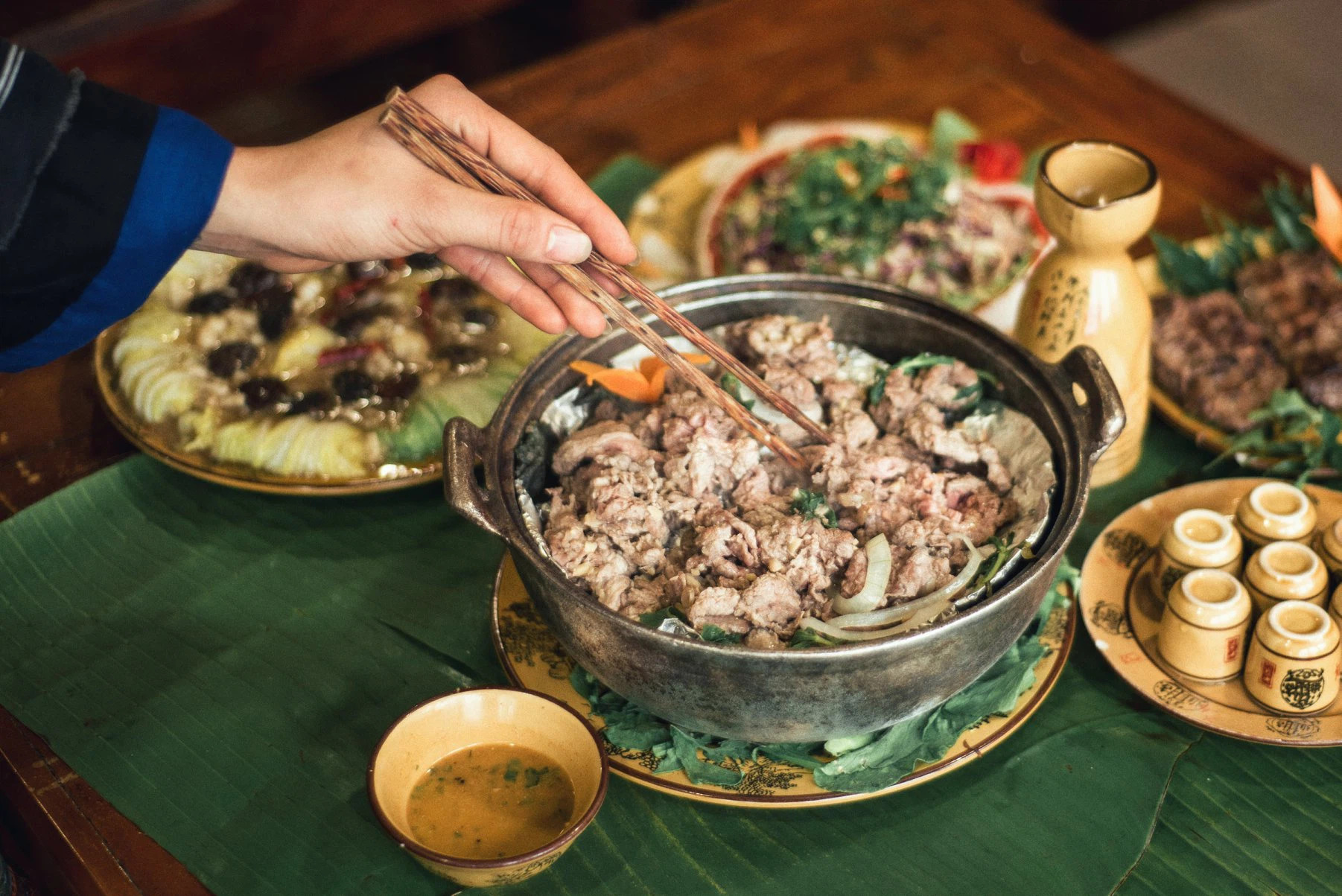
Thang co is one of the most distinctive traditional dishes associated with the Hmong community in Northwest Vietnam. Historically prepared during community gatherings and local markets, this hearty stew reflects the culinary traditions of highland residents.
Traditional thang co is made with horse meat and offal, slowly simmered with a blend of aromatic spices and herbs. Depending on the restaurant and local variations, versions using beef or buffalo may also be available. The dish is characterized by its rich broth, distinctive aroma and complex flavors developed through prolonged cooking.
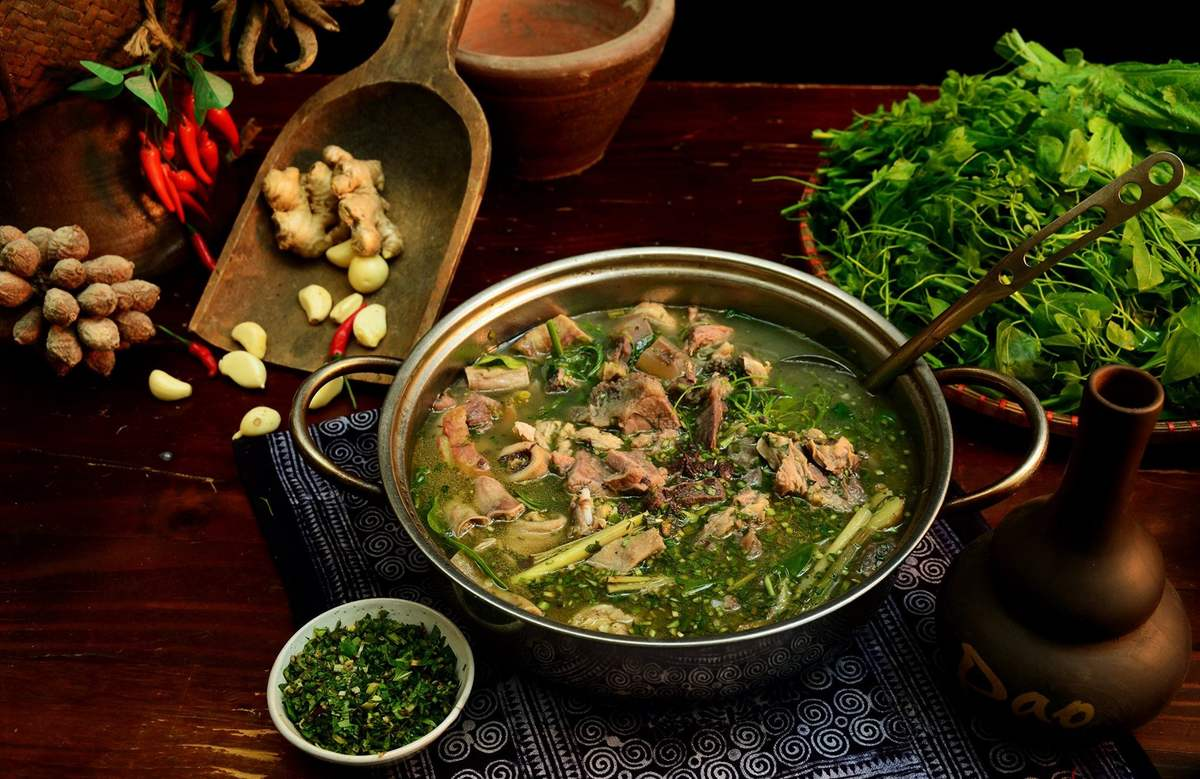
Thang co reflects the longstanding culinary traditions of Hmong communities in Northwest Vietnam (Source: Collected)
For travelers unfamiliar with traditional highland cuisine, thang co offers an opportunity to discover a different aspect of Sa Pa's culinary heritage. It is commonly enjoyed hot, particularly during colder weather, and may be served with vegetables and dipping sauces. Because of its strong flavor and traditional ingredients, thang co may not appeal to every visitor. Travelers interested in trying it should ask restaurant staff about the ingredients and preparation method before ordering.
2.3. Grilled mountain specialties
Grilled dishes are an essential part of Sa Pa's street food culture. As temperatures fall in the evening, charcoal grills appear around food stalls and local eateries, filling the air with the inviting aroma of roasted meat, vegetables and traditional seasonings.
Popular options include grilled pork skewers, chicken, sausages, mushrooms, corn and sweet potatoes. Many dishes are marinated with local spices such as mắc khén, which adds a distinctive citrusy, peppery fragrance associated with Northwest Vietnamese cooking.
Grilled pork wrapped in local herbs or seasoned with aromatic mountain spices is particularly popular. Visitors can also try grilled eggs, bamboo-tube rice and other simple dishes that are ideal for enjoying in the cool highland atmosphere.
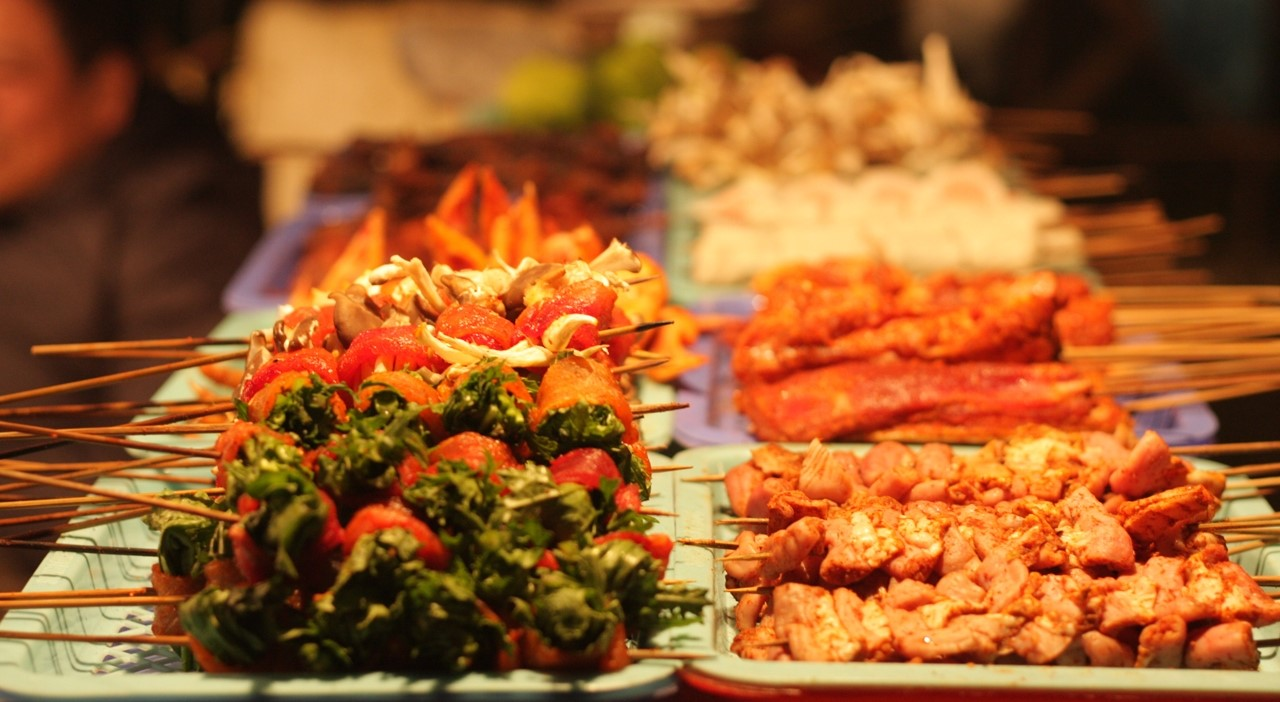
Sa Pa's evening barbecue stalls offer a wide selection of grilled meats and local specialties (Source: Collected)
Exploring the food stalls around central Sa Pa is an enjoyable way to experience the town after sunset. Travelers should choose vendors that prepare food freshly and maintain clean cooking areas.
2.4. Black chicken
Black chicken, locally known as gà đen or gà ác in some contexts, is another traditional specialty associated with Sa Pa's mountainous communities. Certain local breeds are recognizable by their dark skin, bones and meat, and they are valued for their distinctive flavor.
One popular preparation is grilled black chicken with honey, which combines the natural richness of the meat with a lightly sweet glaze. The chicken is typically seasoned before being roasted until the skin becomes golden and aromatic.
Black chicken can also be prepared in soups or stewed with herbs, creating a warming dish well suited to Sa Pa's cooler temperatures. These preparations are commonly enjoyed as part of a shared family-style meal.
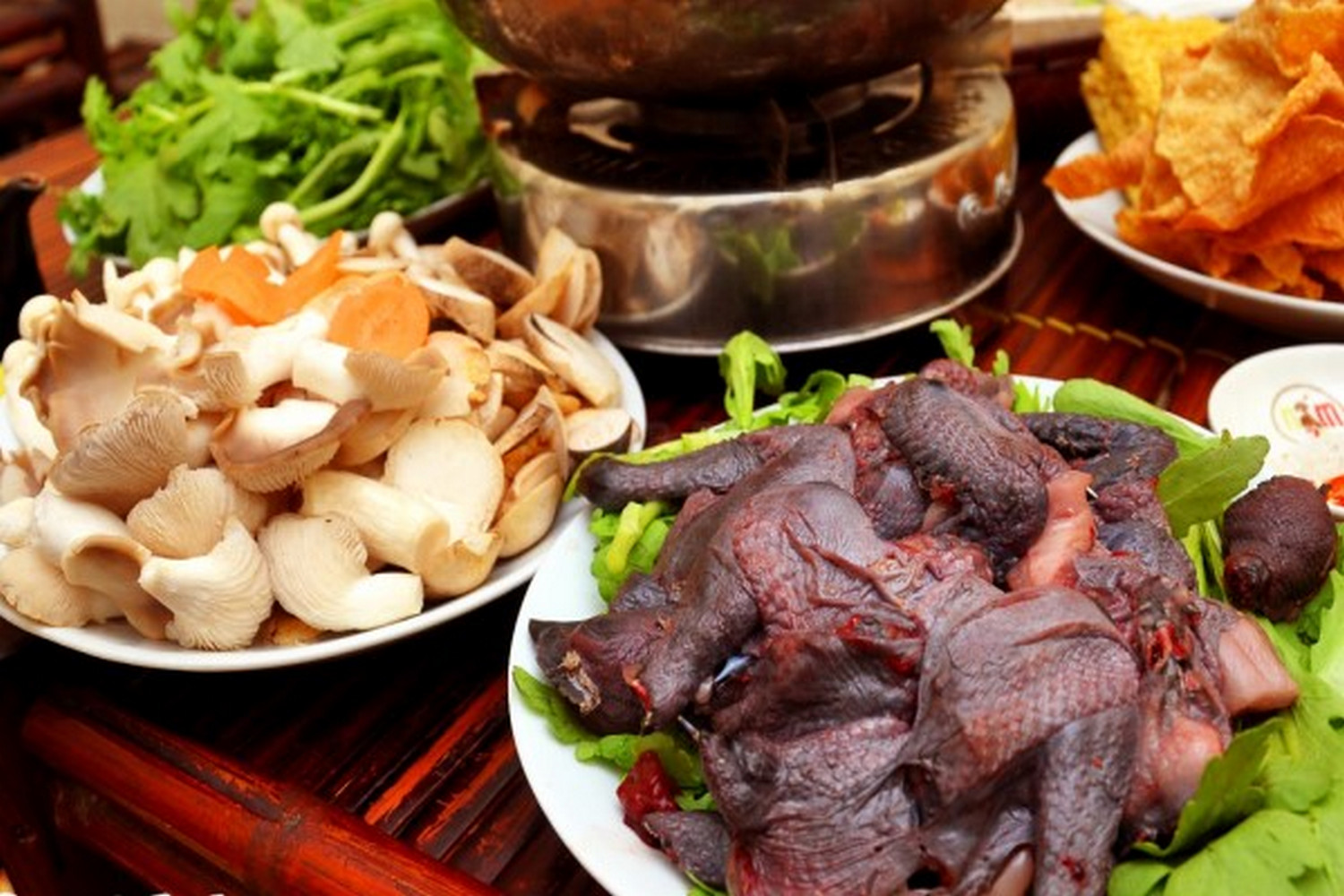
Grilled black chicken is a distinctive mountain specialty enjoyed by many visitors to Sa Pa (Source: Collected)
Visitors looking for traditional highland flavors can find black chicken dishes at selected local restaurants. The preparation style and seasoning may vary, offering different interpretations of this regional specialty.
2.5. Bamboo-tube rice and mountain vegetables
Not every memorable dish in Sa Pa is based on meat or fish. Bamboo-tube rice, known locally as cơm lam, is a traditional highland food that highlights the simplicity and creativity of mountain cooking.
The dish is prepared by placing glutinous rice and water inside bamboo tubes before cooking them over charcoal or an open fire. Once ready, the outer bamboo layer is peeled away, revealing fragrant rice with a soft, slightly sticky texture and a subtle smoky aroma.
Bamboo-tube rice is often served alongside grilled meats, sesame salt or other traditional accompaniments. Its convenient preparation and distinctive presentation make it a popular choice for travelers interested in local food traditions.
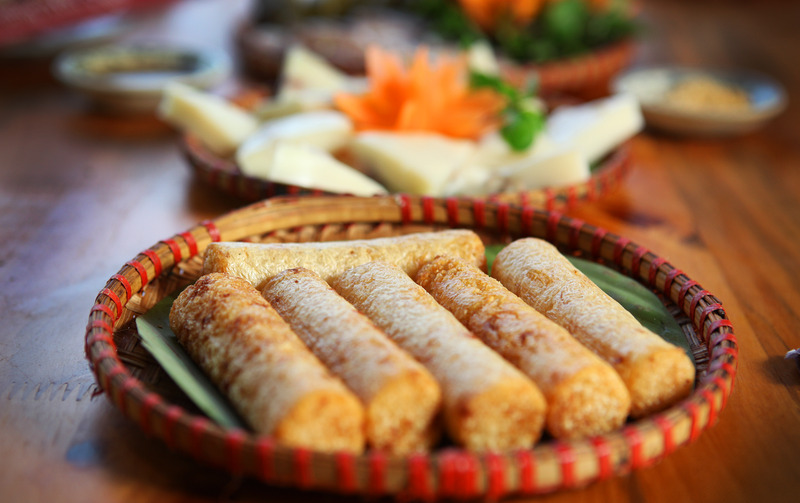
Bamboo-tube rice is a traditional Northwest Vietnamese specialty often served with grilled dishes (Source: Collected)
Seasonal mountain vegetables are another highlight of Sa Pa's cuisine. Depending on the time of year, visitors may encounter fresh chayote shoots, mustard greens, cabbage and other locally grown produce. These vegetables are commonly stir-fried with garlic, boiled or served in hotpots, allowing their natural flavors to stand out.
Together, bamboo-tube rice and mountain vegetables offer a refreshing balance to richer dishes and provide insight into the everyday food culture of highland communities.
2.6. Smoked buffalo meat
Smoked buffalo meat, known as thịt trâu gác bếp, is one of the most recognizable traditional foods of Northwest Vietnam. Originally developed as a method of preserving meat, the dish has become a popular regional specialty and a familiar souvenir for visitors.
Buffalo meat is typically cut into long strips, seasoned with spices such as mắc khén, chili, garlic and other aromatic ingredients, then slowly smoked above a wood fire. This process creates a firm texture, a smoky fragrance and a concentrated savory flavor. Before serving, the meat is often warmed or steamed to soften it slightly, then shredded into smaller pieces. It is commonly enjoyed with a dipping sauce or traditional seasonings that complement its rich taste.
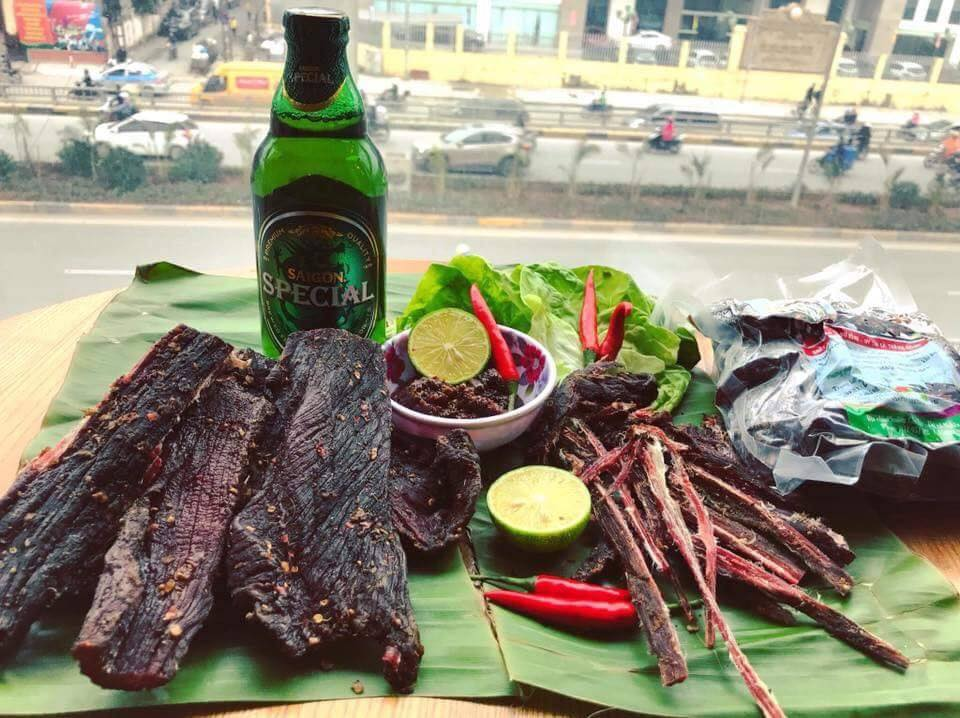
Smoked buffalo meat is a popular Northwest Vietnamese specialty and a distinctive culinary souvenir (Source: Collected)
Travelers can try smoked buffalo meat at local restaurants or purchase packaged versions from specialty shops. When buying it as a souvenir, visitors should choose reputable sellers, check packaging and storage instructions, and confirm any customs restrictions before carrying meat products internationally.
From comforting hotpots and flavorful grilled dishes to traditional Hmong specialties and locally prepared ingredients, Sa Pa's cuisine offers a diverse introduction to Northwest Vietnam's culinary heritage. Exploring these dishes is an important part of any Sa Pa food guide for tourists, allowing visitors to experience the region's cultural identity through its distinctive flavors and traditional cooking methods.
2.8. Five-colored sticky rice
Five-colored sticky rice, locally known as xôi ngũ sắc, is one of the most visually distinctive traditional dishes in Northwest Vietnam. Closely associated with the culinary heritage of ethnic communities such as the Tay, Nung and Thai, this specialty attracts visitors with its vibrant appearance, delicate fragrance and cultural significance. For travelers interested in discovering the region's traditional food culture, it offers a memorable experience beyond the more familiar meat and hotpot dishes.
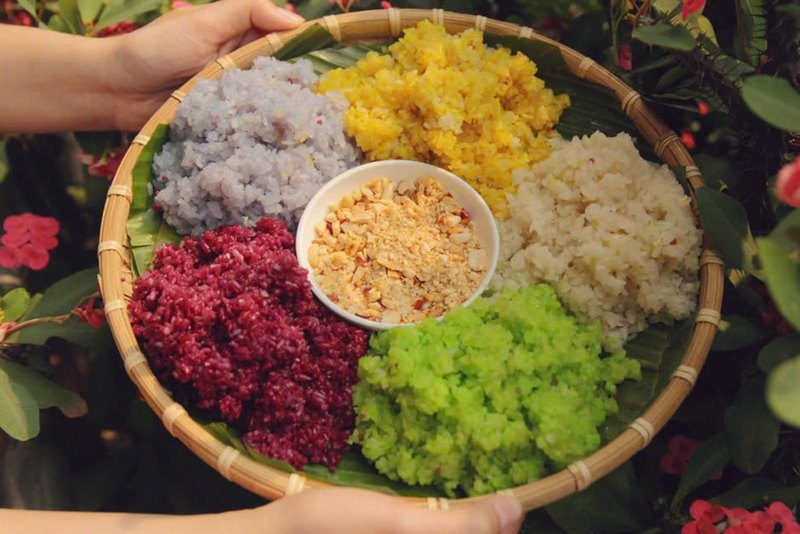
Five-colored sticky rice reflects the creativity and culinary traditions of ethnic communities in Northwest Vietnam (Source: Collected)
Beyond its colorful appearance, five-colored sticky rice carries important cultural meanings. Traditionally prepared for festivals, weddings and family celebrations, the dish represents wishes for happiness, good fortune and abundance. Each portion reflects the close connection between highland communities, their natural surroundings and longstanding culinary customs. Visitors can enjoy five-colored sticky rice on its own or alongside sesame salt, grilled meats and other regional specialties. The dish may be found at local markets, traditional food stalls and selected restaurants in Sa Pa, although availability can vary. Its approachable flavor also makes it a suitable choice for international travelers discovering Northwest Vietnamese cuisine for the first time.
With its combination of natural ingredients, traditional preparation methods and symbolic meaning, five-colored sticky rice deserves a place in any Sa Pa food guide for tourists. More than a simple rice dish, it offers visitors a delicious introduction to the cultural diversity and culinary heritage of Vietnam's northern highlands.
Exploring Sa Pa's cuisine is one of the most rewarding ways to connect with the culture and traditions of Northwest Vietnam. Whether enjoying a warming hotpot on a chilly evening, sampling flavorful grilled specialties or discovering traditional dishes prepared by local communities, every meal offers a new perspective on the destination. With this Sa Pa food guide for tourists, visitors can confidently explore the region's culinary highlights and make local food an unforgettable part of their Sa Pa adventure.