




1. Reasons why tourists get tired easily when going to Fansipan
1.1. Impact of altitude and thin air
Fansipan Peak in Lao Cai province is about 3,143 m above sea level, located in the Hoang Lien Son range and considered the highest point in the Indochina region. This altitude causes the air to be thinner, reducing oxygen levels, which directly affects respiration and heart rate during movement. Tourists not accustomed to high mountain environments often find themselves breathing rapidly, experiencing a fast heartbeat, and feeling tired when traversing long, steep sections.
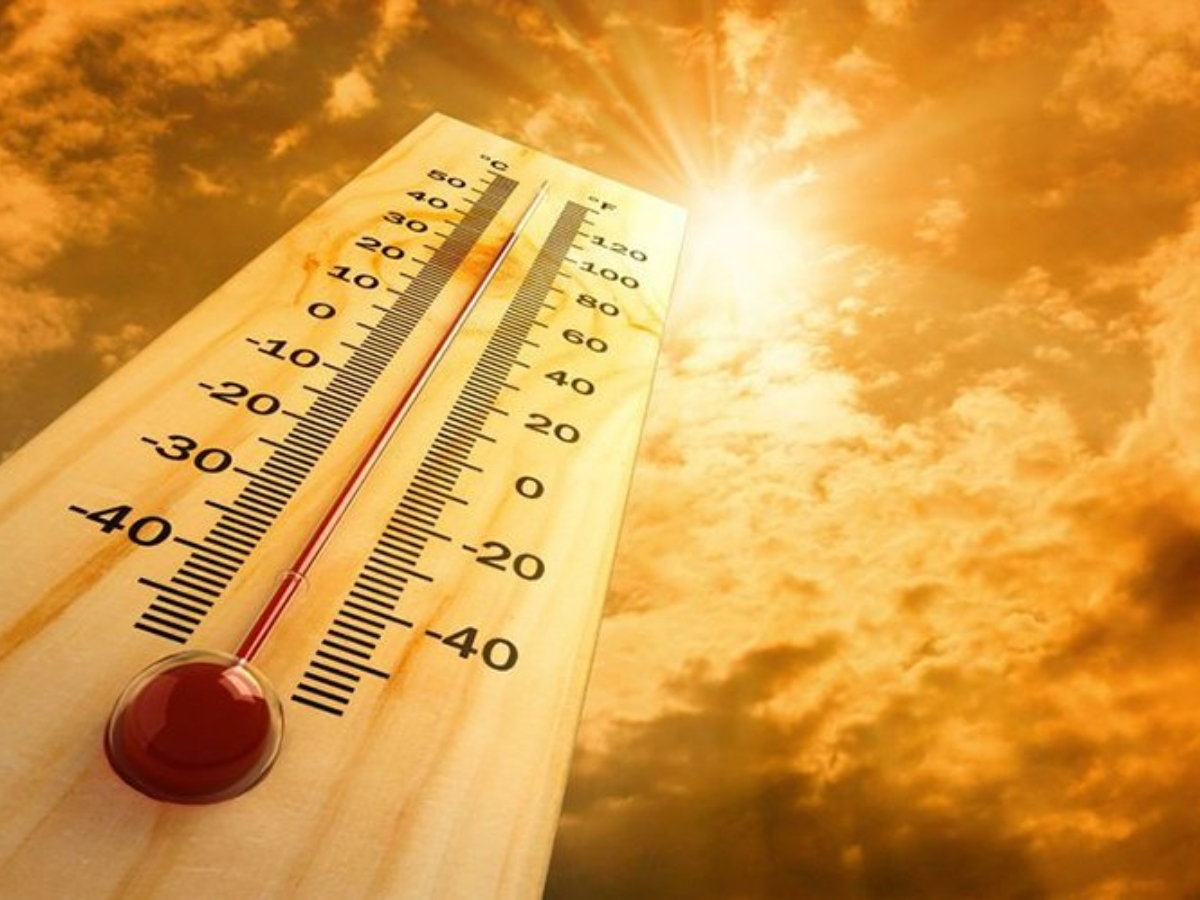
Temperature at the summit of Fansipan is low and the air is thin, which can affect health. (Source: Collected)
Thin air means the body has to work harder to maintain stable circulation and respiration. This condition is often noticeable at the beginning of the journey or when moving continuously without rest. Lack of timely adaptation causes fatigue to appear earlier and last longer.
Additionally, the large altitude difference between the foot of the mountain and the summit means the body cannot adjust in time. This can lead to dizziness, nausea, or rapid loss of strength during the tour. People who are less active or have underlying health conditions often feel this condition more acutely.
1.2. Rapidly changing weather and temperature
The weather at Fansipan changes with altitude and season, with temperatures at the summit often much lower than at the foot of the mountain. At certain times, temperatures can drop significantly, accompanied by strong winds and sudden rain. This fluctuation makes it difficult for the body to adapt without thorough preparation.
The large temperature difference causes visitors to easily feel cold, expend energy quickly, and lose strength while moving. Strong winds and high humidity also make it harder to retain body heat. If the clothing is not suitable, fatigue will set in faster than expected.
Cold air combined with high humidity also causes shivering and a noticeable decrease in energy. This condition often appears in the early morning or late afternoon when temperatures change rapidly. For those unaccustomed to high mountain climates, the feeling of fatigue will be more pronounced.
1.3. Unreasonable travel and sightseeing itinerary
A packed schedule or continuous movement without adequate rest causes the body to quickly lose energy. Starting the journey early without proper warm-up also overloads the muscles and respiratory system. This leads to fatigue appearing from the very first stages.
Some tourists try to visit many places in a single day, leading to rapid physical exertion. When combined with thin air and changing weather, the risk of fatigue increases significantly. The travel experience is therefore affected.
Furthermore, climbing stairs or steep terrain at a fast pace without resting between stages prevents the body from recovering in time. The lack of time to regenerate energy reduces the ability to maintain a stable pace. This is a common reason why many people feel exhausted early.
2. Prepare before the trip to minimize fatigue
2.1. Physical and health preparation
Preparing physically before the trip helps the body adapt better to altitude and steep terrain. Exercises such as brisk walking, stair climbing, or light jogging should be maintained for several weeks. This helps improve endurance and supports cardiovascular health more effectively.
Getting enough sleep and eating a balanced diet helps maintain the necessary energy for a long journey. Supplementing with protein, carbohydrates, and vitamins supports faster body recovery. This is an important but often overlooked factor. Individuals with underlying health conditions or who are pregnant should consider carefully before traveling. Medical check-ups help assess adaptability to high mountain conditions. This contributes to minimizing risks throughout the trip.
In addition to exercise and lifestyle, gradually getting used to prolonged activity is also essential before the trip. You can undertake continuous walking sessions of 2 to 3 hours to help your body adapt to sustained physical exertion. This preparation helps reduce fatigue when having to travel for many hours at high altitudes.
2.2. Appropriate clothing and essential items
Suitable clothing helps the body adapt well to temperature changes on Fansipan. It is advisable to prepare warm clothing, windproof jackets, and layers that can be easily adjusted as needed. Layering clothing helps retain heat more effectively.
Sports shoes or hiking boots with good grip help ensure safe movement and reduce pressure on the feet. Gloves, hats, and scarves help keep warm when temperatures drop. These small items can save significant energy. Drinking water and energy-rich snacks should be carried throughout the journey. Regular hydration helps maintain stable circulation and respiration. Snacks prevent the body from running out of energy during long periods of movement.

Tourists wear warm clothes to stay healthy when trekking Fansipan in cold weather. (Source: Collected)
Besides clothing and personal items, packing your backpack neatly also directly affects the trekking experience. A backpack with support straps helps distribute weight more evenly, reducing pressure on the shoulders and back during long journeys. A scientific packing method allows trekkers to easily access necessary items without interrupting the journey.
2.3. Psychology and pace of movement
Maintaining a relaxed mindset helps reduce stress and limit fatigue. When your mind is stable, you can easily adjust your walking pace. This is especially important in high mountain environments.
Moving slowly and taking frequent breaks helps the body gradually adapt to the altitude. Short stops help regulate breathing and relax muscles. A steady pace helps conserve energy longer. Monitoring your body's reactions allows you to proactively adjust your itinerary. When signs of fatigue appear, stopping to rest is necessary. This makes the trip safer and more enjoyable.
3. Choosing the gentlest way to travel to Fansipan
3.1. Take the cable car at Sun World Fansipan Legend
Traveling by cable car at Sun World Fansipan Legend significantly reduces physical exertion compared to trekking the entire route. The cable car system, over 6,200 meters long, allows tourists to reach the area near the summit in about 15 to 20 minutes. This mode of travel saves energy and limits fatigue.
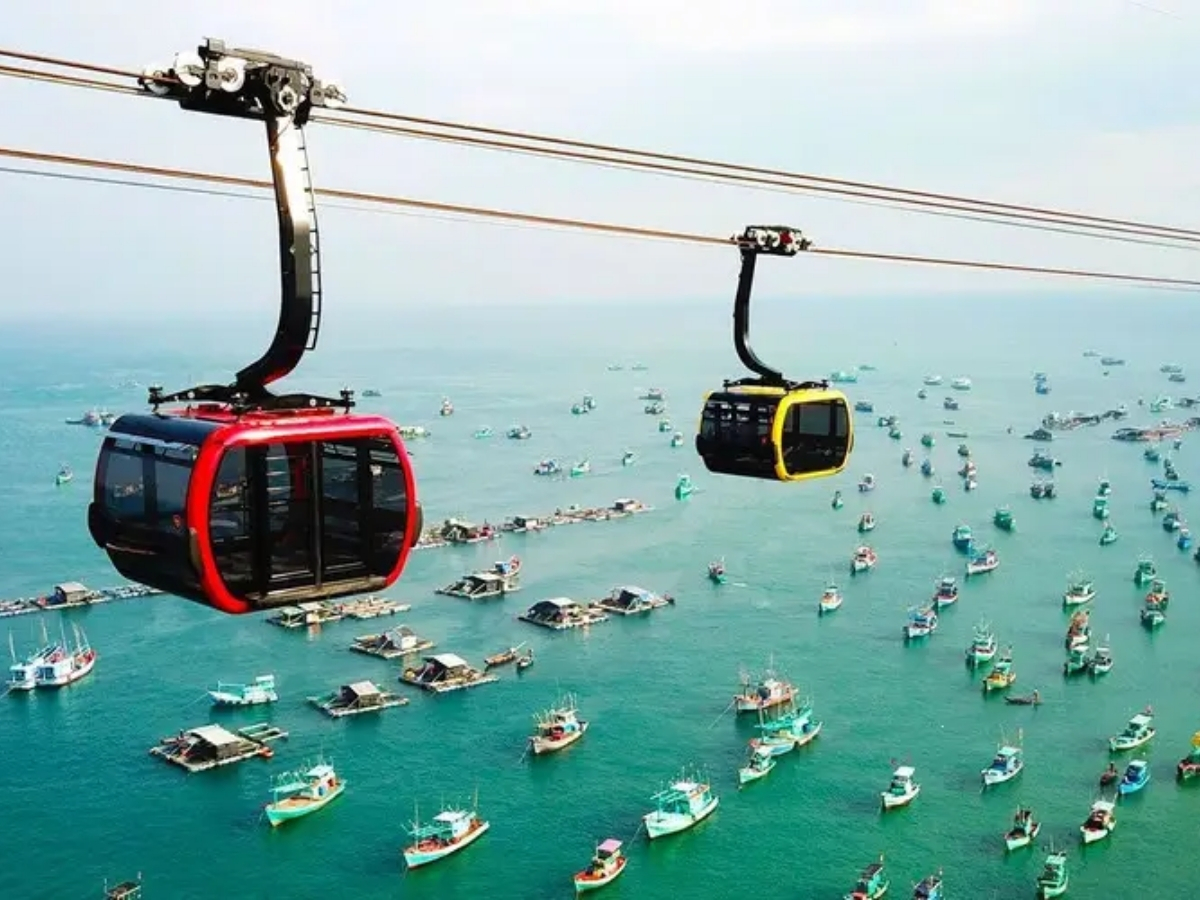
The cable car supports tourists in moving gently, reducing fatigue when conquering the mountain peak. (Source: Collected)
Glass cabins offer a wide view of the Hoang Lien Son mountain range and the valley below. Tourists can enjoy the scenery while their bodies rest. This method is suitable for many different groups. For families with the elderly or young children, the cable car is a convenient choice. The journey takes place within a clearly organized and safe area. This helps tourists feel more secure when going to higher areas.
3.2. Combination of mountain climbing train and cable car
Combining the mountain climbing train and cable car helps reduce the walking distance from the town center. The Muong Hoa mountain climbing train takes tourists to the cable car station in a short time. This method helps the body gradually adapt to the change in altitude.
The train journey passes through terraced fields and valleys. Gentle movement helps reduce initial physical pressure. Tourists have more time to adapt before going higher. Compared to traveling and then walking, this option saves significant energy. The slow pace of travel helps limit fatigue. The travel experience is therefore more comfortable.
3.3. Limit full-trekking for inexperienced individuals
Trekking the entire route to Fansipan requires physical strength and experience in adjusting pace. The long distance and steep terrain quickly exhaust the body if one is not accustomed to it. This is especially evident for general tourists.
The thin air and decreasing temperature with altitude make trekking more strenuous. People with little physical activity are prone to shortness of breath and muscle pain. This directly affects health throughout the journey. For those with little experience, it is advisable to prioritize support options. This makes the trip lighter and safer. The experience on the summit will therefore be more complete.
4. Tips for visiting the Fansipan summit without overexertion
4.1. Move slowly and rest appropriately
When nearing the summit, moving slowly helps the body adapt to the thin air. Tourists should divide the walking distance into short stages. Periodic rest helps regulate breathing. Areas with steps or viewpoints are suitable resting spots. Relaxing muscles helps reduce accumulated fatigue. This is especially important at high altitudes. Resting at the right time helps the body recover faster. A stable pace helps maintain energy. The sightseeing experience is therefore more comfortable.
In addition to resting in stages, tourists should proactively stop when they feel their breathing change or their body starts to feel tired. Listening to the body's signals helps avoid pushing oneself too hard in a thin air environment. This helps maintain a stable physical condition throughout the visit on the summit.
4.2. Eating and replenishing energy
Replenishing energy correctly helps maintain activity in cold and windy conditions. Tourists should bring warm water and light snacks. Eating at the right time helps prevent energy depletion. Easily digestible foods help provide quick energy. This supports the body during movement and sightseeing. A stable energy source helps maintain stamina longer.

Protein-rich food helps the body have enough energy to participate in the trip. (Source: Collected)
Drinking water regularly helps the body function effectively. This supports respiration and circulation. This reduces fatigue. Tourists should prioritize eating small meals instead of eating too much at once. This method helps the body absorb energy better without causing a heavy stomach when moving. Maintaining a steady energy supply helps reduce fatigue during long sightseeing.
4.3. Arrange sightseeing time reasonably
Sightseeing time at the summit should be arranged moderately. Staying too long in the thin air can make the body more tired. Tourists should balance experience and health. Many people choose to stroll and enjoy the scenery for an appropriate amount of time. This helps the body not be overloaded. The experience remains complete without consuming too much energy. Finishing sightseeing at the right time makes the trip lighter. The body has time to recover after the journey. This is a factor that makes the Fansipan trip more enjoyable.
Actively determining the time to descend helps tourists avoid staying too long when the body starts to lose strength. When the weather changes or fatigue sets in, it is advisable to prioritize ending the sightseeing earlier than initially planned. This helps ensure health and maintain a pleasant travel experience.


