




1. Overview of the Sa Pa – Ha Khau Itinerary
The Sa Pa – Ha Khau itinerary is becoming a popular choice for many tourists thanks to the combination of the majestic beauty of the Northwest mountains and forests and the experience of exploring a vibrant border city in China. In just a 3–4 day trip, you can conquer Fansipan peak – the "Roof of Indochina", visit characteristic villages of Sa Pa, and then continue the journey to Ha Khau (Yunnan province, China) to enjoy cuisine, shopping, and explore the modern urban space just across the Lao Cai international border gate.
The attraction of the Sa Pa – Ha Khau itinerary is the convenient distance between the two destinations. From the center of Sa Pa town to Lao Cai international border gate is only about 35 km, taking about 45–60 minutes by car or bus. After completing immigration procedures at the border gate, tourists just need to walk across Ho Kieu bridge to set foot in Ha Khau. Thanks to the short travel time, many people choose to combine the two destinations in one trip to explore the Northwest nature as well as experience the culture and pace of life of a Chinese border city.
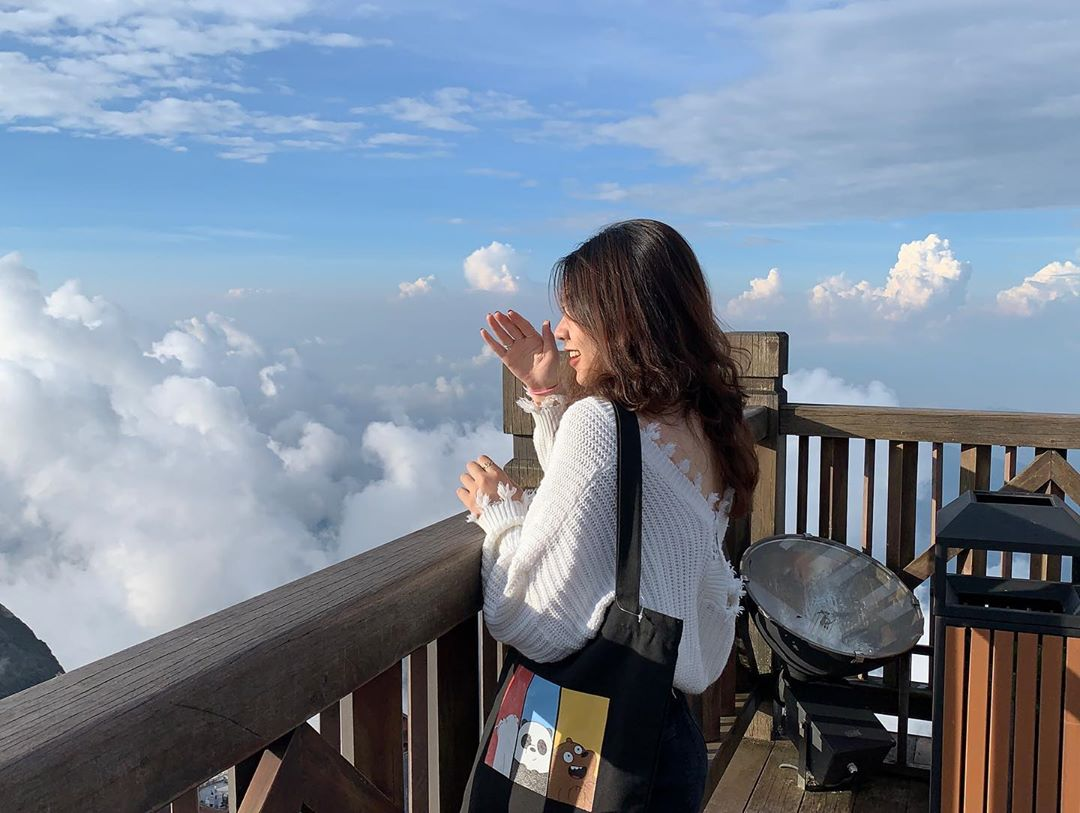
Sa Pa - Ha Khau itinerary offers diverse experiences loved by many tourists
Not only does it offer a diversity of experiences, the Sa Pa – Ha Khau itinerary is also suitable for many types of tourists. If you love nature, you can spend most of your time in Sa Pa conquering Fansipan, cloud hunting, visiting Cat Cat village, Muong Hoa valley, or exploring the culture of the H'Mong, Dao, and Giay ethnic groups. Meanwhile, Ha Khau is attractive with its commercial streets, night markets, shopping centers, bubble tea shops, Chinese restaurants, and many unique street food dishes. The difference between the two destinations makes the journey richer instead of just exploring one locality.
However, for the Sa Pa – Ha Khau itinerary to go smoothly, tourists need to prepare sufficient immigration documents according to regulations, monitor border gate working hours, and arrange a reasonable schedule. Booking hotels in Sa Pa in advance, purchasing Fansipan cable car tickets, and researching regulations before entering Ha Khau will help you save time and be more proactive throughout the trip. With thorough preparation, the combined Sa Pa and Ha Khau journey will bring diverse experiences, from majestic nature to the vibrant life of the border city.
2. Detailed Sa Pa – Ha Khau Itinerary Suggestion
A reasonable Sa Pa – Ha Khau itinerary will help you fully explore the beauty of the misty town while also having time to experience the culture, cuisine, and shopping in the border city of Ha Khau. Depending on your available time, you can choose a 3-day, 2-night or 4-day, 3-night itinerary. Below is an itinerary chosen by many tourists due to its balance between sightseeing, relaxation, and travel.
2.1. Day 1: Exploring Sa Pa Center and Cat Cat Village
The first day of the Sa Pa – Ha Khau itinerary usually begins with the journey from Hanoi or other provinces to Sa Pa. After checking into your hotel and resting, you can spend time exploring the town center with famous landmarks such as Sa Pa stone church, the central square, Sa Pa lake, and Sun Plaza. These are all attractions located close to each other, convenient for walking and enjoying the fresh air of the highland town.
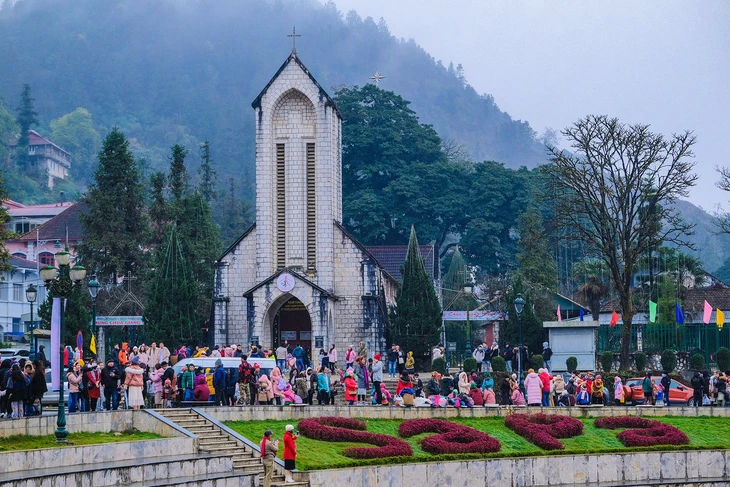
Visitors should spend their first day exploring the Sapa town center
For lunch, enjoy local specialties such as salmon hot pot, sturgeon, black chicken, bamboo-tube rice, or thang co. Afterwards, you can visit cafes with mountain views to admire the scenery or relax before continuing your journey in the afternoon.
A must-visit destination on the first day is Cat Cat village, a H'Mong ethnic village located about 2 km from the center. Here, visitors can learn about brocade weaving, visit traditional wooden houses, admire Cat Cat waterfall, and take photos amidst the characteristic terraced fields. In the evening, you can stroll through Sapa night market, enjoy grilled food, and soak up the bustling atmosphere before resting.
2.2. Day 2: Conquer Fansipan and experience the nature of the Northwest
The second day is an important highlight of the Sapa – Ha Khau itinerary with the journey to conquer Fansipan peak – the "Roof of Indochina". You should depart early in the morning to avoid crowds and have more time for sightseeing. From the town center, visitors take the Muong Hoa mountain train to the cable car station, then continue by cable car to near the Fansipan peak.
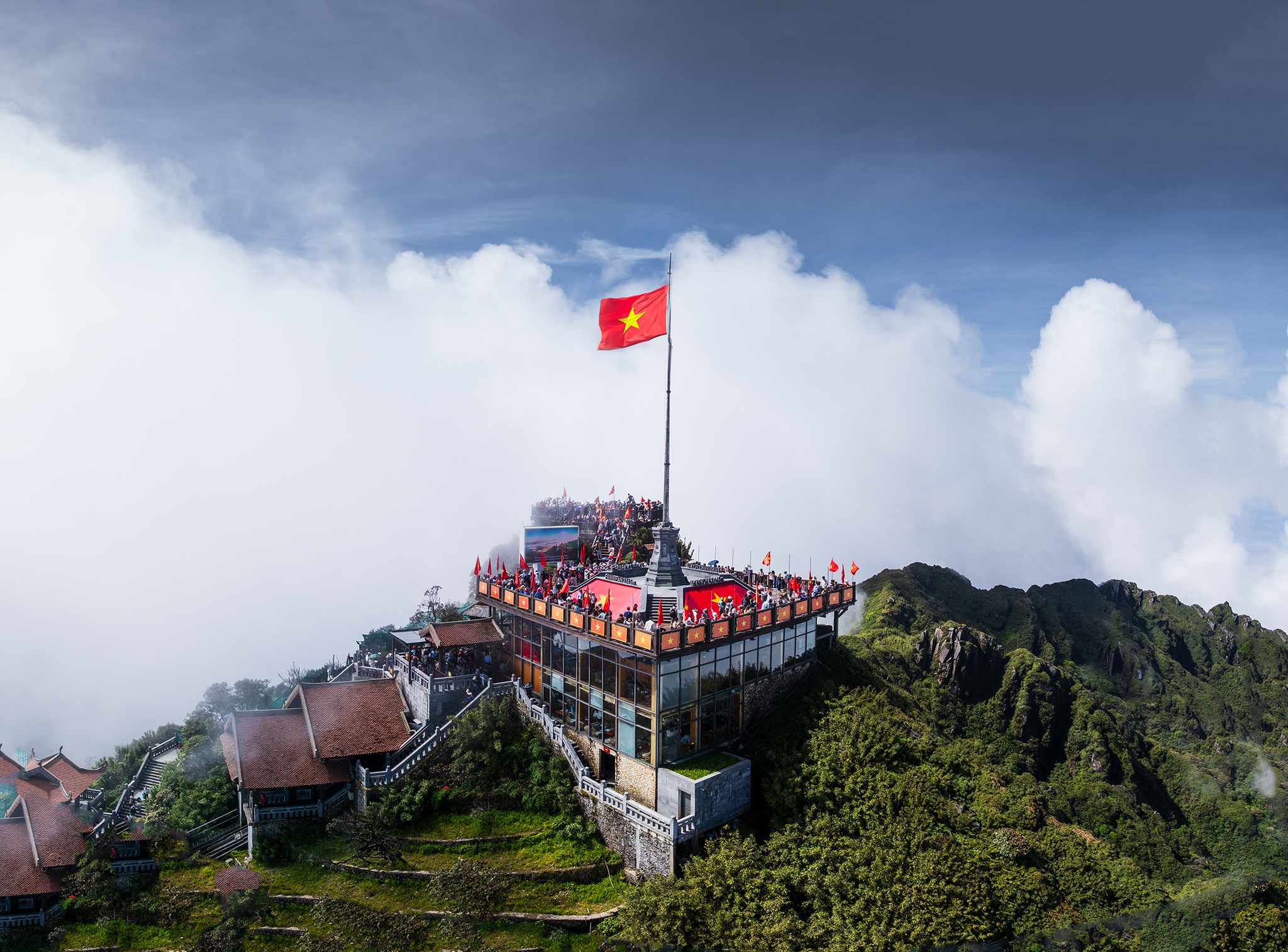
Stunning natural scenery on the summit of Fansipan
At an altitude of 3,143 m, you will admire the sea of clouds, the panoramic view of the Hoang Lien Son mountain range, and visit the cultural-spiritual complex with the Great Amitabha Buddha Statue, Kim Son Bao Thang Pagoda, Bich Van Zen Monastery, and many unique architectural works. If the weather is favorable, this is also the ideal time to hunt for clouds and capture impressive photos.
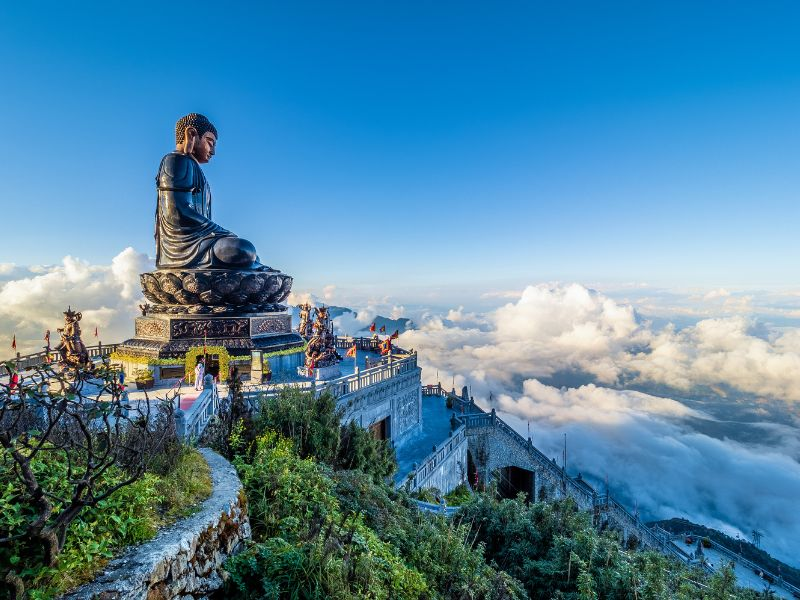
Majestic Amitabha Buddha Statue amidst the sea of clouds
In the afternoon, after returning to the center of Sa Pa, you can visit Muong Hoa Valley or famous cafes to relax. This is also a suitable time to buy local specialties such as Shan Tuyet tea, smoked buffalo meat, mac khen, or brocade items before preparing for the journey to Ha Khau the next day.
👉 BOOK FANSIPAN CABLE CAR TICKETS NOW!
2.3. Day 3: Explore Ha Khau and shop in the border city
The last day of the Sa Pa – Ha Khau itinerary begins with a transfer from Sa Pa down to Lao Cai International Border Gate, a distance of about 35 km, taking 45–60 minutes. After completing immigration procedures, you will walk across the Ho Kieu Bridge to reach Ha Khau. As processing times can vary depending on the number of visitors and border gate regulations, you should depart early to have more time for exploration.
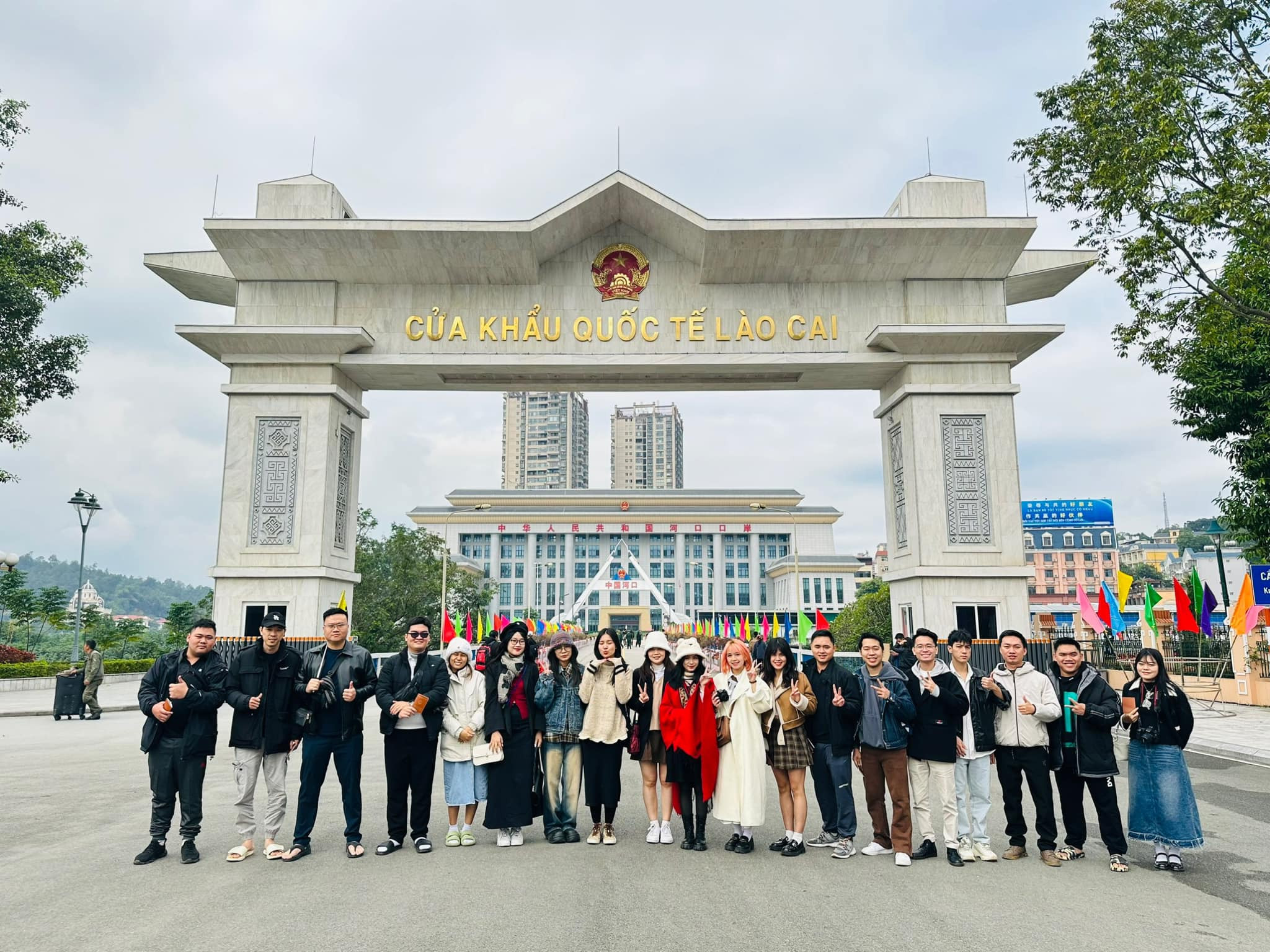
Tourists explore Ha Khau
Ha Khau is famous for its commercial streets, shopping centers, supermarkets, local markets, and bustling food streets. Visitors can enjoy Chinese dishes such as hot pot, noodles, dim sum, grilled skewers, bubble tea, or pastries, while shopping for clothing, cosmetics, household items, and Chinese domestic products at various prices. The lively atmosphere and the cultural exchange between the two countries create a unique charm for this border city.
After sightseeing and shopping, you return to the border gate to complete entry procedures back to Vietnam. If time permits, you can visit Coc Leu market or the central area of Lao Cai city before heading back to Hanoi. With this arrangement, the Sa Pa – Ha Khau itinerary ensures time to explore the highlights of Sa Pa while also offering the opportunity to experience a vibrant border city in a short trip.
3. Tips for a Smooth and Complete Sa Pa – Ha Khau Itinerary
3.1. Prepare Documents and Plan for Entry/Exit
For the Sa Pa – Ha Khau itinerary to proceed smoothly, document preparation is the top priority. Depending on the regulations at the time, visitors need to prepare a valid passport or an entry/exit permit to travel to Ha Khau. Before your trip, you should carefully check the latest regulations on procedures, working hours of the Lao Cai International Border Gate, and related requirements to avoid unexpected issues.
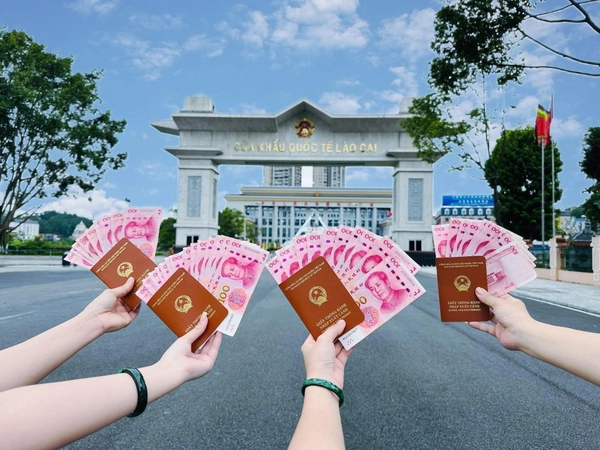
Tourists should fully prepare all important documents for a smooth immigration process
Besides documents, you should also have ready photocopies or electronic copies of your passport, travel permit, bus tickets, and booking confirmations for convenience when needed. If traveling in a group or with family, check each member's documents before departure to minimize unexpected issues at the border gate.
You should also depart from Sapa for the border gate in the morning to have ample time to complete procedures and explore Hekou. During weekends or holidays, the number of travelers passing through the border gate often increases, so waiting times may be longer than on weekdays.
3.2. Arrange a reasonable itinerary to save travel time
An effective Sapa – Hekou itinerary should be arranged in a logical order to optimize time. Many tourists choose to spend the first two days exploring Sapa with prominent destinations such as Fansipan, Cat Cat village, Muong Hoa valley, and the town center. After fully experiencing the beauty of Sapa, the last day will be dedicated to traveling down to the border gate and exploring Hekou.
Not interleaving Sapa and Hekou on the same day will make the journey lighter, avoiding continuous travel between distant areas. At the same time, you will also have more time to rest, enjoy local cuisine, and be more proactive if the weather changes or immigration procedures take longer than expected.
If you have 4 days and 3 nights or more, you can spend a full day in Hekou visiting shopping areas, food streets, and exploring the life of the border city. This would be a suitable choice for those who want to combine travel, shopping, and experiencing Chinese culture.
3.3. Notes for traveling to Hekou and Sapa
To ensure the Sapa – Hekou itinerary is safe and comfortable, you should prepare clothing suitable for the weather. The temperature in Sapa and on Fansipan peak is often much lower than in the lowlands, especially in the early morning and evening. Therefore, bring warm jackets, non-slip sports shoes, an umbrella, or a light raincoat if traveling during the rainy season.
When going to Hekou, you should exchange a sufficient amount of Chinese Yuan for convenience in eating and shopping. At the same time, check the accepted payment methods at stores, as many places prioritize electronic payments. If you cannot use Chinese domestic payment apps, cash remains a safe option for small expenses.
Finally, always comply with regulations at the border gate, keep personal documents safe, and arrange your return time to Vietnam before closing hours. With thorough preparation and a reasonable itinerary, the Sapa – Hekou itinerary will offer you a trip with diverse experiences, from conquering the


