




1. Hanoi Sapa travel plan for a complete Northern Vietnam experience
A Hanoi Sapa travel plan offers travellers a chance to experience two very different sides of Northern Vietnam in one journey. Hanoi introduces visitors to the country's urban culture, historic landmarks, traditional cuisine and vibrant street life, while Sapa provides a contrasting mountain setting with terraced rice fields, ethnic communities and spectacular views across the Hoang Lien Son range. Combining the two destinations creates a diverse travel experience that moves naturally from the energy of the capital to the peaceful landscapes of the Northwest.
The amount of time available will determine how the journey should be arranged. Travellers with a short holiday can spend one day exploring Hanoi before continuing to Sapa for two days, while those with more time can extend their stay to explore the capital in greater depth and discover more villages around Sapa. A good plan should avoid filling every day with too many attractions, allowing enough time for transportation, meals, rest and spontaneous exploration.

Tourists experiencing the summit of Fansipan in Sapa (Source: Collected)
Transportation is another important part of planning the journey. Travellers can choose between direct sleeper buses, limousine buses, private transfers or trains combined with road transportation to reach Sapa. Each option offers a different balance of travel time, comfort and flexibility. Visitors travelling overnight can save daytime hours for sightseeing, while those who prefer a more relaxed journey may choose daytime transportation and enjoy the changing scenery along the route.
Once in Sapa, the Hanoi Sapa travel plan can combine natural landscapes, cultural discovery and a mountain adventure. Muong Hoa Valley and traditional villages such as Lao Chai and Ta Van provide opportunities to experience terraced landscapes and local community life, while May Village offers an introduction to Northwest architecture, handicrafts, traditional costumes and cuisine. Fansipan adds a spectacular high-altitude experience, with visitors travelling by cable car to Vietnam's highest peak at 3,143 metres.
The best plan is therefore one that balances iconic attractions with enough time to appreciate each destination. Travellers can explore Hanoi's cultural highlights before travelling north, spend time discovering Sapa's landscapes and communities, and dedicate a full day to Fansipan. By organising the route around travel time, weather conditions and personal interests, a Hanoi Sapa travel plan can turn a short Northern Vietnam trip into a varied journey combining history, nature, culture and mountain experiences.
2. Experiences to include in a Hanoi Sapa travel plan
2.1. Experience the historic charm of Hanoi
Hanoi is more than a starting point for a journey to Sapa. As one of Vietnam's most historic cities, the capital offers travellers an opportunity to discover the country's cultural heritage, traditional architecture and distinctive urban lifestyle before heading towards the mountains. The Old Quarter, with its narrow streets, historic buildings and local shops, is a natural place to begin exploring the city, while Hoan Kiem Lake provides a more relaxed setting for a morning or evening walk.

The ancient beauty of Hanoi (Source: Collected)
Food should also be part of the Hanoi experience. Travellers can explore local restaurants and street food stalls to discover dishes that have become closely associated with Vietnamese cuisine, including pho, banh mi and other regional specialities. Trying local food in Hanoi provides useful context for the culinary experiences that travellers will encounter later in Sapa, where Northwest cuisine features different ingredients, cooking methods and flavours.
Depending on the length of the trip, visitors can spend a full day or part of a day exploring Hanoi before travelling north. Those with limited time can focus on the Old Quarter, Hoan Kiem Lake and local cuisine, while travellers with additional time can explore more cultural attractions. Building this urban experience into a Hanoi Sapa travel plan creates a clear contrast between Vietnam's capital and the mountainous destination that follows.
2.2. Choose the right way to travel from Hanoi to Sapa
The journey from Hanoi to Sapa is an important part of the travel plan because the two destinations are separated by a considerable distance. Travellers can choose from several transportation options depending on their schedule, comfort preferences and budget. Direct sleeper buses and limousine buses offer convenient connections to Sapa, while trains can take visitors towards Lao Cai before they continue by road to the mountain town.
For travellers trying to maximise sightseeing time, an overnight journey can be a practical choice. Travelling at night allows visitors to rest during the transfer and reserve more daytime hours for exploring Sapa. Alternatively, daytime travel offers the chance to watch the scenery gradually change from Hanoi's urban environment to the mountains and valleys of northern Vietnam.
The best option depends on the overall structure of the trip. Travellers who value convenience may prefer a direct transfer, while those who enjoy the journey itself can consider travelling by train and continuing by road. Whichever option is selected, transportation should be included as an integral part of the Hanoi Sapa travel plan, with enough time allowed for arrival, check-in and settling into Sapa before beginning a full programme of activities.
2.3. Explore Muong Hoa Valley and the surrounding villages
Muong Hoa Valley is an essential stop for travellers who want to experience Sapa's natural landscapes beyond the town centre. Surrounded by mountains, the valley is characterised by expansive terraced rice fields that follow the contours of the hillsides. The scenery changes with the agricultural seasons, creating different colours and textures throughout the year and offering excellent opportunities for landscape photography.
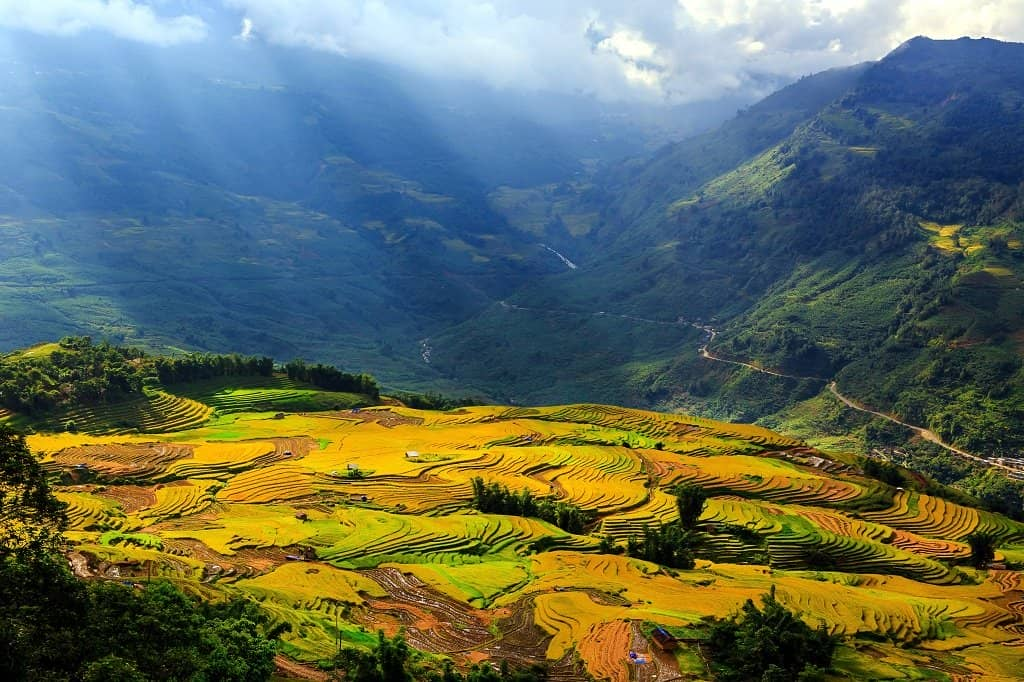
Muong Hoa Valley (Source: Collected)
The valley also provides access to traditional communities such as Lao Chai and Ta Van. Travellers can explore village paths, observe traditional houses and discover handmade textiles and handicrafts. Spending time in these communities offers a closer look at everyday life in the Northwest and helps visitors understand how local traditions have developed alongside the surrounding mountains and agricultural landscapes.
Muong Hoa Valley can be scheduled as one of the main daytime experiences in Sapa, particularly before or after a visit to Fansipan. Rather than treating the valley as simply a viewpoint, travellers can combine scenery with cultural exploration for a more meaningful experience. Including both elements makes a Hanoi Sapa travel plan more diverse and allows visitors to experience the region from both a landscape and community perspective.
2.4. Discover Fansipan and reach 3,143 metres
Fansipan provides the most dramatic mountain experience in a Hanoi Sapa travel plan. At 3,143 metres above sea level, it is Vietnam's highest mountain and a major destination for travellers visiting Sapa. The cable car journey offers an opportunity to see the Hoang Lien Son range from above, with forests, valleys and mountain ridges unfolding beneath the cabin as it travels towards the upper station.
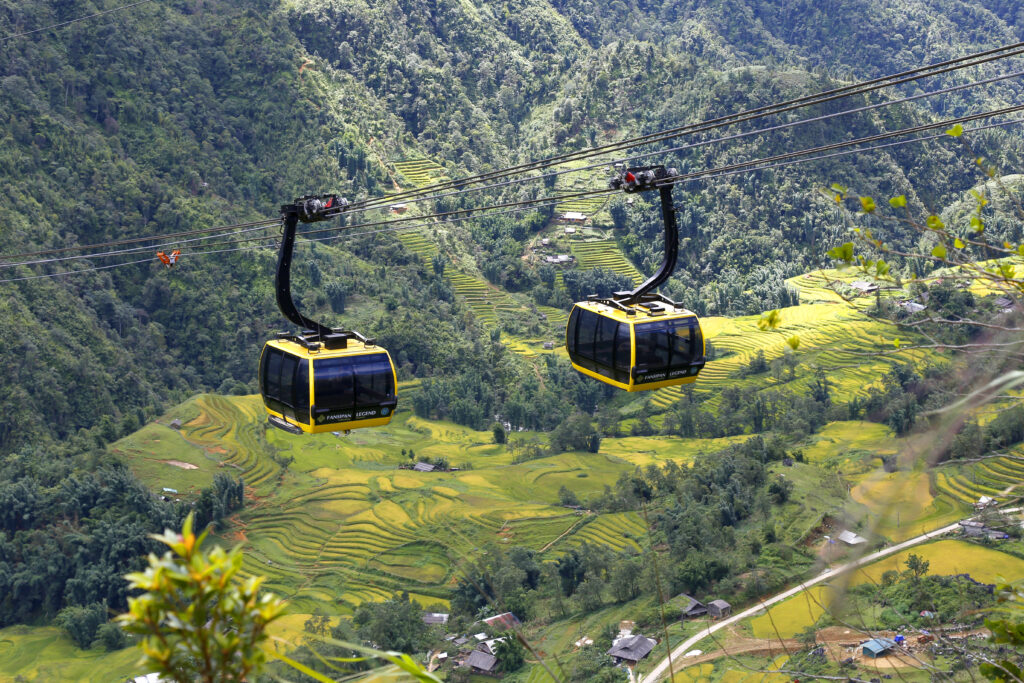
The modern Fansipan cable car (Source: Collected)
Reaching the summit area is about more than simply standing at the highest point. Visitors can explore the spiritual and architectural complex on Fansipan, following stone stairways past temples and Buddhist statues before continuing towards the summit marker. The combination of high-altitude scenery and spiritual architecture creates a distinctive experience that differs significantly from the cultural and urban attractions encountered earlier in the journey.

A sea of clouds surrounding the summit of Fansipan (Source: Collected)
Fansipan can require several hours, particularly for travellers who want time for photography and exploration. Mountain weather should also be considered when planning the visit, as conditions at the summit can differ from those in Sapa town. Allowing sufficient time and keeping some flexibility in the schedule can make the experience more comfortable while ensuring that Fansipan remains one of the central highlights of the journey.
2.5. Immerse yourself in Northwest culture at May Village
May Village offers travellers a cultural experience that can complement visits to Sapa's mountain landscapes. Inspired by traditional communities in the Northwest, the cultural space brings together traditional architecture, ethnic costumes, handicrafts, local cuisine and elements of community heritage. It provides visitors with an accessible way to learn about the cultural diversity of the region within a single destination.
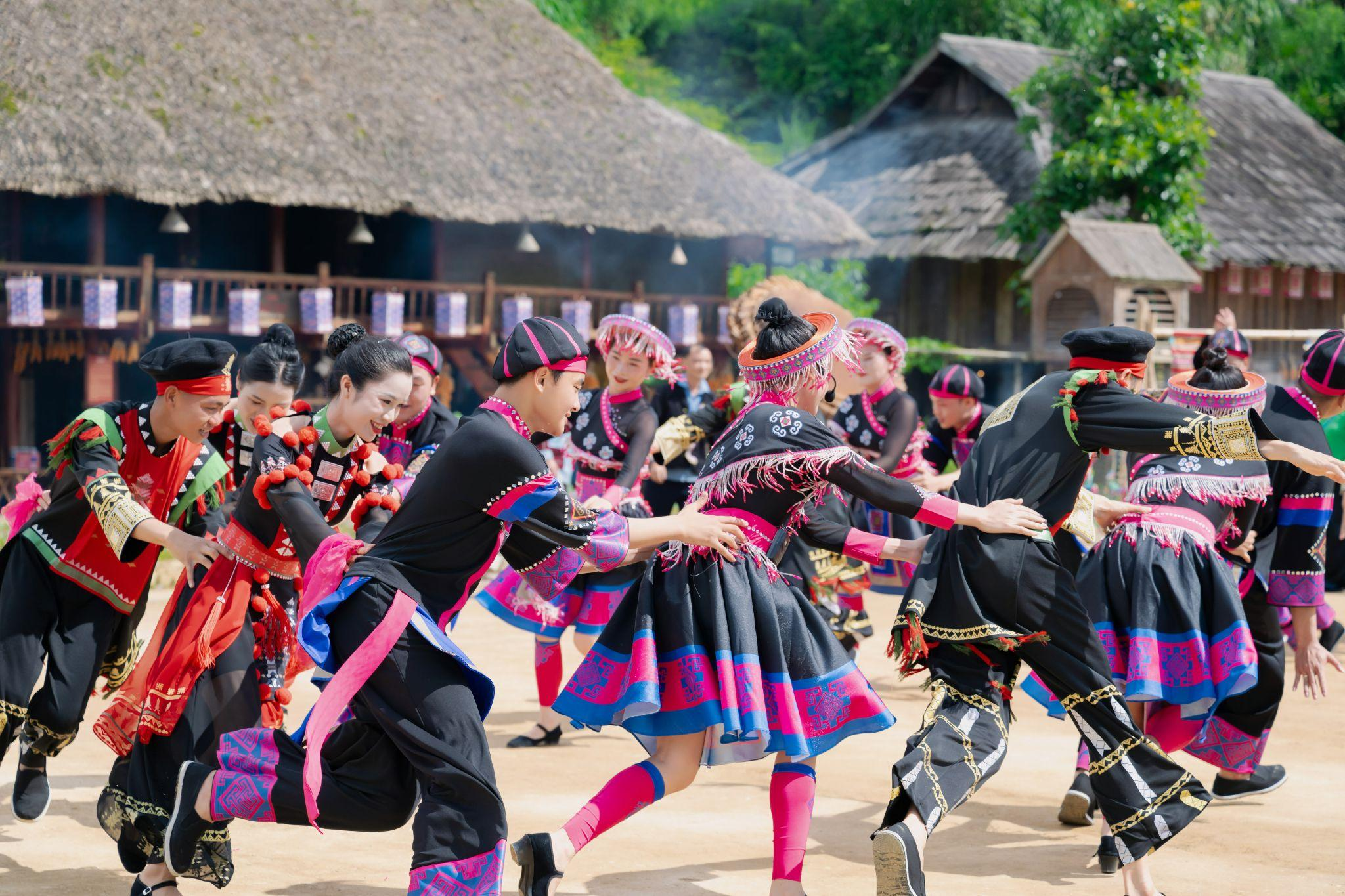
A vibrant cultural atmosphere at May Village Fansipan (Source: Collected)
Exploring May Village can be especially interesting after visiting traditional villages around Muong Hoa. While village visits provide opportunities to observe local life within the natural landscape, May Village brings different cultural elements together in a more structured setting. Visitors can admire traditional houses, discover handmade textiles and learn about the craftsmanship behind local products, while traditional costumes offer a visual insight into the identities of different ethnic communities.
May Village also works well as part of a Fansipan-focused day. Travellers can visit Fansipan in the morning, enjoy lunch and then continue to May Village in the afternoon for a slower cultural experience. This combination creates a balanced rhythm within a Hanoi Sapa travel plan, moving from high-altitude mountain scenery to the cultural heritage of the Northwest.
2.6. Slow down with local food and Sapa's evening atmosphere
A good travel plan should leave room for experiences that do not require a strict sightseeing schedule. Sapa town is well suited to slower moments, whether travellers want to enjoy a local meal, browse shops or simply walk through the centre while taking in the mountain atmosphere. After a day of outdoor exploration, an unhurried evening can provide a welcome change of pace.
Food is one of the easiest ways to discover another side of Sapa. Travellers can try regional specialities such as grilled dishes, bamboo-tube rice, black chicken, smoked buffalo meat and salmon hotpot. These dishes reflect the ingredients and culinary traditions of the Northwest and provide a contrast with the more familiar Vietnamese flavours travellers may have encountered in Hanoi.
In the evening, visitors can explore Sapa Night Market, look for local handicrafts and souvenirs or stop at a comfortable coffee shop. Leaving this part of the schedule flexible allows travellers to adjust according to their energy levels and the weather. Including relaxed evenings alongside major attractions ensures that a Hanoi Sapa travel plan remains enjoyable and balanced rather than becoming a tightly packed sightseeing schedule.
3. Suggested Hanoi Sapa travel plan for 4 days 3 nights
3.1. Day 1 – Discover the cultural heart of Hanoi
Begin the journey in Hanoi by exploring some of the city's most distinctive cultural and historic landmarks. Travellers can start around the Old Quarter and Hoan Kiem Lake, where narrow streets, traditional shopfronts and historic buildings reveal different layers of the capital's character. The relaxed pace of the first day allows international visitors to become familiar with Hanoi before continuing towards the mountains.
Food should also be part of the experience. Travellers can explore local restaurants and street food stalls to discover familiar Vietnamese dishes as well as regional specialities. A traditional breakfast, a casual lunch in the Old Quarter and an evening meal provide opportunities to experience Hanoi through its food culture. Visitors can also take a break at a local coffee shop and observe the rhythm of daily life around them.
In the evening, enjoy some free time in the city before preparing for the journey to Sapa. Travellers can choose to stay overnight in Hanoi and depart early the following morning, or take an overnight transfer if they prefer to maximise their daytime sightseeing in Sapa. Keeping the first evening relatively flexible also makes it easier to adjust the travel plan according to arrival times and energy levels.
3.2. Day 2 – Travel from Hanoi to Sapa and explore the valley
Start the second day by travelling from Hanoi to Sapa by sleeper bus, limousine bus, private vehicle or train combined with a road transfer to Sapa. The journey itself provides a gradual transition from the urban environment of the capital to the mountainous landscapes of northern Vietnam. Travellers should allow sufficient time for the transfer when planning the rest of the day.
After arriving in Sapa and checking into the accommodation, have lunch and take some time to rest before beginning the afternoon activities. Muong Hoa Valley is an excellent choice for the first major excursion, with terraced rice fields, mountain views and traditional villages creating a scenic introduction to the region. Travellers can explore the valley at a comfortable pace and stop at viewpoints to appreciate the surrounding landscape.
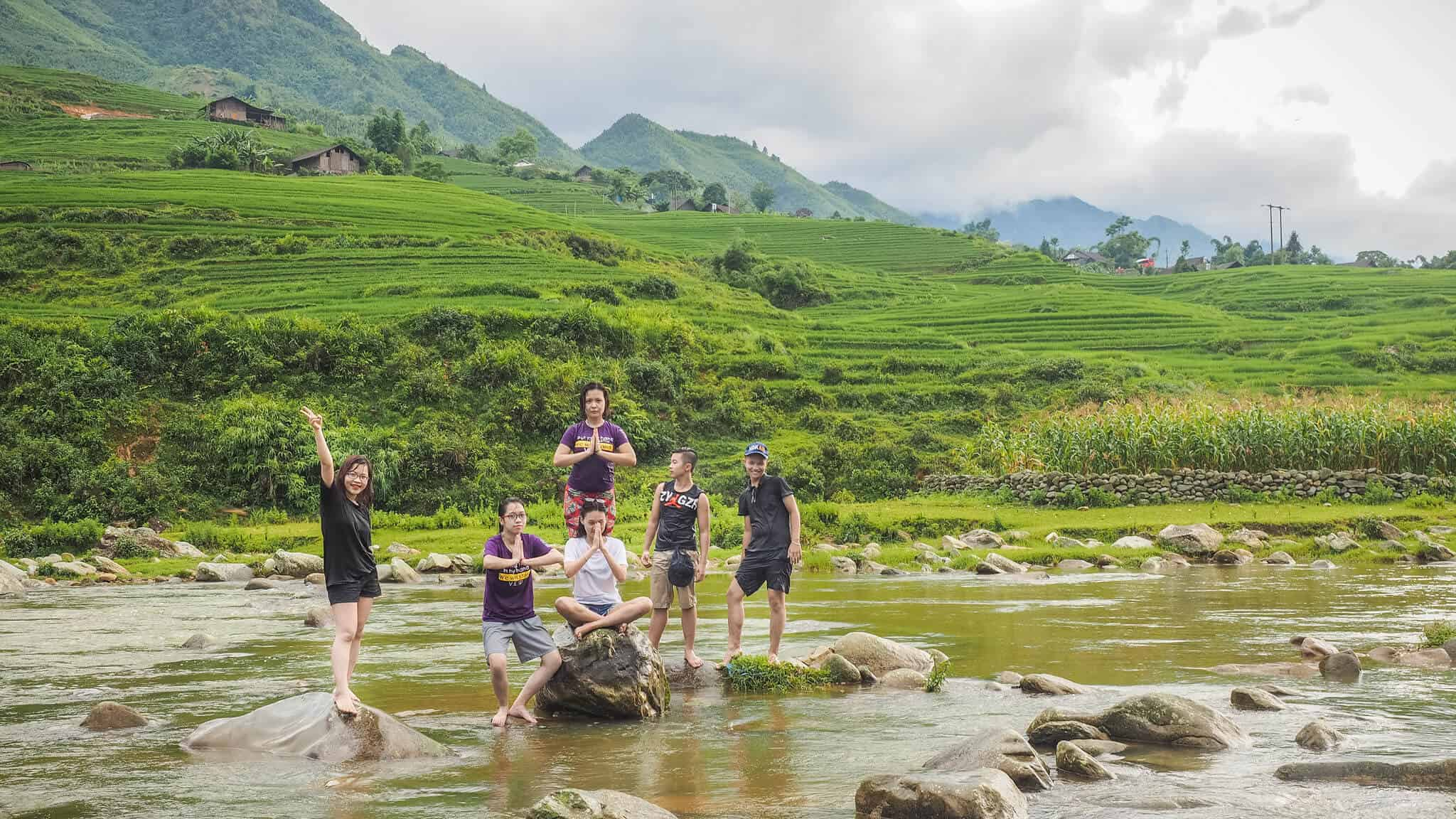
Tourists exploring Ta Van Village (Source: Collected)
Continue towards traditional villages such as Lao Chai and Ta Van to experience local community life. Visitors can observe traditional houses, textiles, handicrafts and agricultural landscapes while learning more about the ethnic communities of the Northwest. Return to Sapa town in the evening for dinner and free time, with the option to explore the night market or enjoy a relaxed walk before resting.
3.3. Day 3 – Experience Fansipan and May Village
Dedicate the third day to Fansipan, the highest mountain in Vietnam at 3,143 metres above sea level. After breakfast in Sapa, travel towards the Fansipan cable car departure area. Travellers can take the Muong Hoa mountain train as part of the journey, adding a scenic and memorable transportation experience before continuing by cable car towards the mountain.

Tourists checking in at the 3,143 m landmark (Source: Collected)
The cable car journey offers views across the Hoang Lien Son range, forests and valleys as the cabin rises towards higher elevations. After reaching the upper station, visitors can explore the summit area and spiritual complex, including stone stairways, temples and Buddhist statues. The 3,143-metre summit marker is a key highlight, while the surrounding mountain scenery offers opportunities for photography when visibility is favourable.
After exploring Fansipan, enjoy lunch at Van Sam Buffet on the mountain. The location allows travellers to rest and enjoy a meal without needing to return to Sapa town in the middle of the day. In the afternoon, descend from Fansipan and continue to May Village, where visitors can discover traditional architecture, ethnic costumes, handicrafts and Northwest cultural traditions. Return to Sapa in the evening for dinner and a relaxed final night in the mountain town.
3.4. Day 4 – Enjoy a relaxed morning in Sapa and return to Hanoi
Keep the final morning flexible so travellers can enjoy Sapa without rushing before the journey back to Hanoi. Depending on departure time, visitors can have breakfast, walk through the town centre, browse local handicrafts or enjoy one last coffee while taking in the mountain atmosphere. Those who missed any activity on the previous days can also use this time to revisit a preferred area.
A relaxed final morning is particularly useful after two full days of exploring the surrounding mountains. Travellers can purchase souvenirs, sample local snacks or simply enjoy the slower rhythm of Sapa before collecting their belongings. Leaving some spare time also provides a buffer in case weather or transportation conditions have affected the earlier schedule.
Depart Sapa for Hanoi by the preferred form of transportation, allowing enough time for the journey when arranging onward flights or other travel plans. A Hanoi Sapa travel plan that ends with a relaxed morning rather than another packed sightseeing schedule allows visitors to finish the journey comfortably. After experiencing Hanoi's historic streets, Sapa's terraced landscapes, local communities and Fansipan at 3,143 metres, travellers can return to the capital with a broader perspective on the natural and cultural diversity of Northern Vietnam.
A well-planned Hanoi Sapa travel plan allows travellers to experience the contrasting beauty of Northern Vietnam at a comfortable pace. Combining Hanoi's historic and culinary highlights with Sapa's terraced landscapes, traditional villages, May Village and Fansipan creates a journey filled with cultural, natural and mountain experiences. With thoughtful transportation choices and enough time for sightseeing and relaxation, travellers can make the most of their journey from the capital to the Northwest highlands.


