




1. Information about Hanoi Sapa itinerary foreigners should know
A Hanoi Sapa itinerary is an excellent way to combine the cultural energy of Vietnam's capital with the spectacular mountain landscapes of the Northwest. The journey takes travellers from the historic streets, traditional cuisine and lively atmosphere of Hanoi to the cooler climate, terraced rice fields and ethnic communities of Sapa. For international visitors, combining these two destinations creates a well-rounded introduction to both urban and mountainous Vietnam.
The journey from Hanoi to Sapa can be arranged by several forms of transportation, including sleeper buses, limousine buses, trains combined with road transfers and private vehicles. Travellers can choose according to their preferred travel time, comfort level and budget. Those with limited time may prefer a direct transfer to Sapa, while travellers who enjoy slower journeys can consider taking the overnight train towards Lao Cai before continuing by road to Sapa.

Sapa is a destination in northern Vietnam that is popular among many foreign tourists (Source: Collected)
Once in Sapa, the itinerary can focus on a combination of natural landscapes, cultural experiences and mountain attractions. Muong Hoa Valley and traditional villages such as Lao Chai and Ta Van provide opportunities to discover terraced rice fields and local community life, while Fansipan offers a completely different experience at 3,143 metres above sea level. Travellers can reach the mountain by cable car and explore its summit and spiritual complex before continuing with other cultural activities.
A well-planned Hanoi Sapa itinerary should also leave enough time to enjoy the journey rather than simply moving between attractions. Depending on the length of the trip, visitors can spend time exploring Hanoi before travelling north, then dedicate two or more days to Sapa and Fansipan. Adding local meals, traditional villages, May Village and relaxed evenings in Sapa allows travellers to experience the distinctive character of both destinations while maintaining a comfortable pace throughout the journey.
2. Places and experiences to include in a Hanoi Sapa itinerary
2.1. Discover Hanoi's historic and cultural highlights
Hanoi is an ideal starting point for a Hanoi Sapa itinerary, offering travellers an introduction to Vietnam's history, culture and everyday life before they head towards the mountains. Visitors can explore the Old Quarter, walk around Hoan Kiem Lake and discover historic landmarks that reflect different periods of the capital's development. The city's streets also provide an opportunity to experience the distinctive rhythm of Hanoi, from traditional shops and markets to local restaurants and coffee shops.

Hanoi possesses an ancient beauty and long-standing traditions (Source: Collected)
Food is another important part of the Hanoi experience. Travellers can try well-known Vietnamese dishes such as pho, banh mi and other local specialities while exploring different neighbourhoods. Spending time enjoying local cuisine rather than treating Hanoi simply as a transit point can make the overall journey more meaningful, particularly for international visitors experiencing Vietnam for the first time.
Depending on the length of the trip, travellers can dedicate one day or part of a day to Hanoi before departing for Sapa. An evening walk through the Old Quarter can be particularly enjoyable before an overnight journey, while travellers with more time can explore additional cultural attractions. This creates a natural contrast with the quieter mountain landscapes that await in Sapa.
2.2. Travel from Hanoi to Sapa
The journey from Hanoi to Sapa is an important part of the overall experience and can be arranged according to different travel preferences. Sleeper buses and limousine buses offer direct connections to Sapa, while overnight trains can take travellers towards Lao Cai before they continue the journey by road. Private transfers are another option for visitors who prefer greater flexibility and a more personalised journey.

Travelers experiencing the train journey from Hanoi to Sapa (Source: Compiled)
Choosing the right transportation depends largely on the available time and preferred level of comfort. Travellers with a short holiday may choose a direct bus or limousine service to reduce transfer time, while those who enjoy a slower journey may prefer an overnight train. Travelling at night can also help visitors save daytime hours for sightseeing once they arrive in the mountains.
The route gradually changes from the urban environment of Hanoi to the landscapes of northern Vietnam. As travellers move further towards Sapa, the scenery becomes increasingly mountainous, offering a visual transition that adds to the anticipation of the destination. Including enough time for the journey in a Hanoi Sapa itinerary is important, as transportation can take a significant part of the trip.
2.3. Experience Fansipan at 3,143 metres
Fansipan is one of the major highlights to include in a Hanoi Sapa itinerary, particularly for travellers looking to experience the dramatic landscapes of northern Vietnam. At 3,143 metres above sea level, Fansipan is the highest mountain in Vietnam and offers a spectacular setting within the Hoang Lien Son range. The cable car provides a convenient way to reach the mountain while allowing visitors to admire forests, valleys and mountain ridges from above.

Tourists checking in at the 3,143m landmark on the summit of Fansipan (Source: Collected)
Once at the upper station, travellers can continue towards the summit and explore the spiritual and architectural complex surrounding Fansipan. Stone stairways, temples and Buddhist statues create a distinctive atmosphere against the mountain landscape. Reaching the 3,143-metre summit marker can be one of the most memorable moments of the journey, particularly when the surrounding peaks are visible through clear mountain air.
Fansipan can take up a significant portion of a day, so it is useful to plan the visit carefully. Travellers should allow time for the cable car journey, walking, photography and exploring the spiritual complex, while also considering changing weather conditions at high altitude. Combining Fansipan with other Sapa experiences rather than trying to visit too many attractions on the same day can create a more comfortable itinerary.
2.4. Discover May Village and Northwest culture
May Village offers travellers an opportunity to explore the cultural heritage of the Northwest in a setting inspired by traditional mountain communities. The cultural space introduces visitors to elements such as traditional architecture, ethnic costumes, handicrafts, local cuisine and community traditions. After exploring the landscapes around Sapa, this experience provides another perspective on the region and its diverse cultural identity.
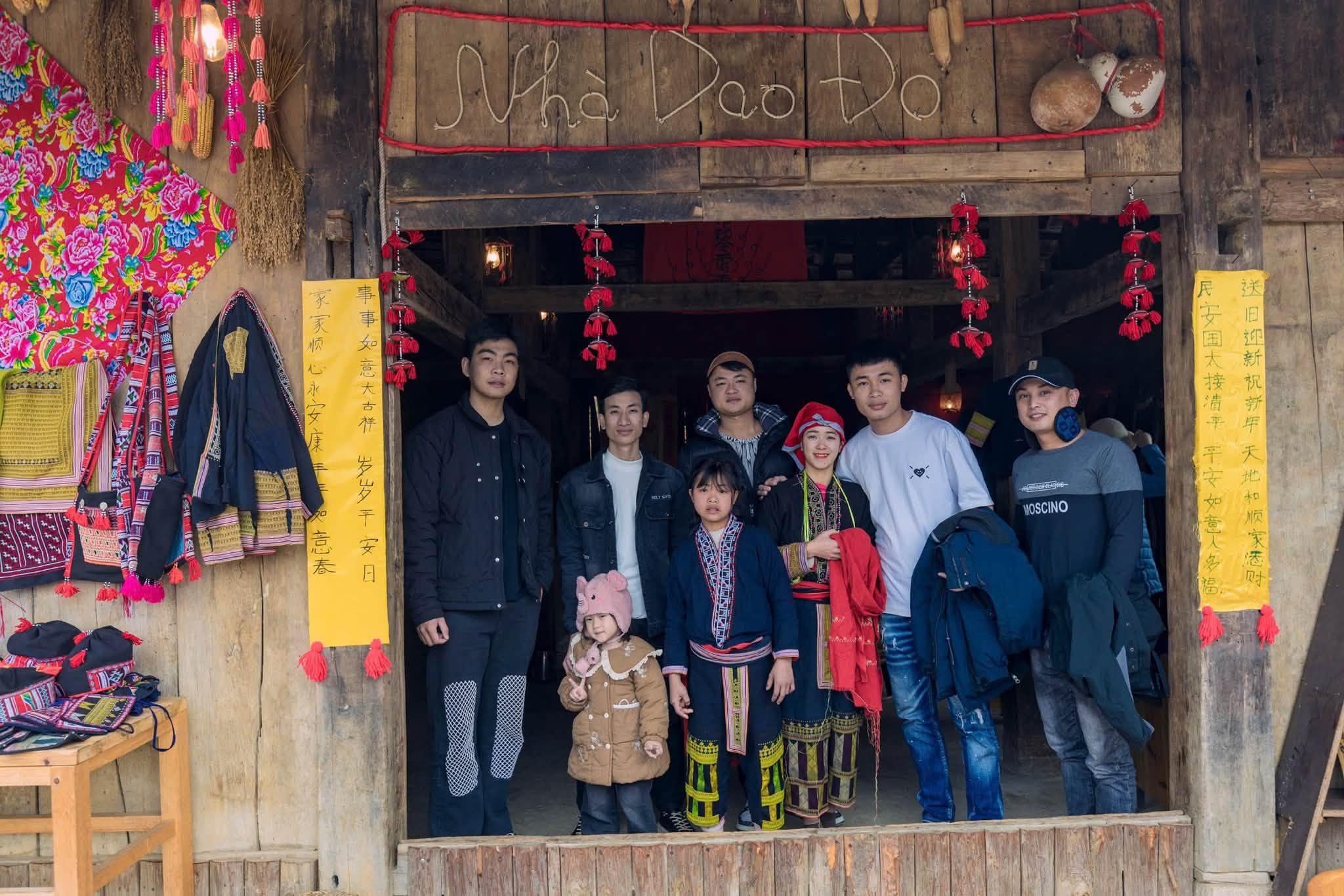
Visitors explore local culture at May Village (Source: Collected)
Travellers can take time to admire traditional houses, discover handmade textiles and learn about local craftsmanship. Traditional costumes and decorative patterns offer a particularly visual way to understand the cultural differences between communities in the Northwest, while local food provides an opportunity to experience regional flavours.
May Village can be combined naturally with a Fansipan visit, especially for travellers following a compact schedule. After spending the morning or early afternoon exploring the mountain, visitors can continue to May Village for a more relaxed cultural experience. Including both destinations helps create a Hanoi Sapa itinerary that combines Vietnam's mountain scenery with the living cultural heritage of the Northwest.
2.5. Explore Muong Hoa Valley and traditional villages
After arriving in Sapa, travellers can begin exploring the natural and cultural landscapes surrounding the town. Muong Hoa Valley is one of the most scenic areas in the region, with terraced rice fields extending across mountain slopes and villages located among the surrounding hills. The landscape changes with the seasons, offering different colours and photographic opportunities throughout the year.
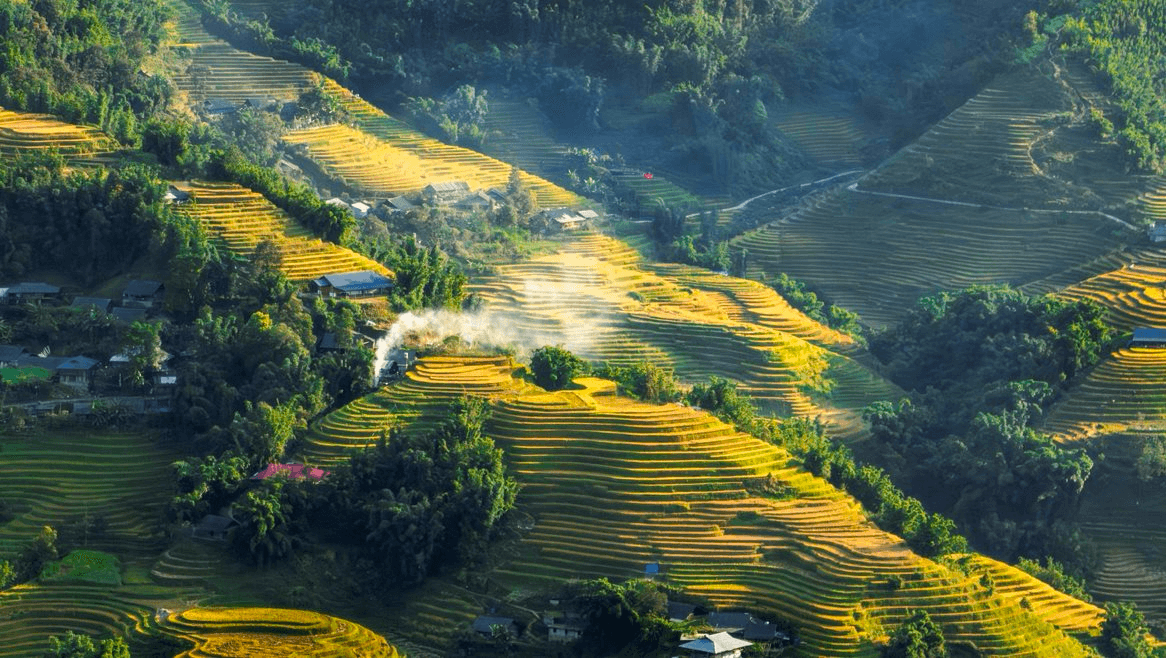
The picturesque scenery in Muong Hoa Valley (Source: Collected)
The valley can be combined with visits to traditional villages such as Lao Chai and Ta Van. Walking through these communities allows travellers to observe traditional houses, agricultural landscapes, local handicrafts and aspects of everyday life. The experience provides a deeper understanding of the ethnic communities that have developed their traditions in close connection with the mountains.
For international visitors, exploring the valley and villages adds an important cultural dimension to the trip. Rather than focusing exclusively on viewpoints and famous attractions, travellers can spend time observing local life and learning about traditional crafts, clothing and cuisine. This makes Muong Hoa Valley a valuable part of a Hanoi Sapa itinerary and provides a strong contrast with the urban experiences of Hanoi.
2.6. Enjoy Sapa town and its evening atmosphere
Sapa town provides a relaxed setting to slow down after a day of exploring the surrounding mountains. Travellers can walk through the town centre, discover local shops, try regional dishes or find a comfortable coffee shop overlooking the hills. The town's combination of mountain scenery and local life makes it an enjoyable place to spend an evening rather than simply using Sapa as a base for daytime excursions.
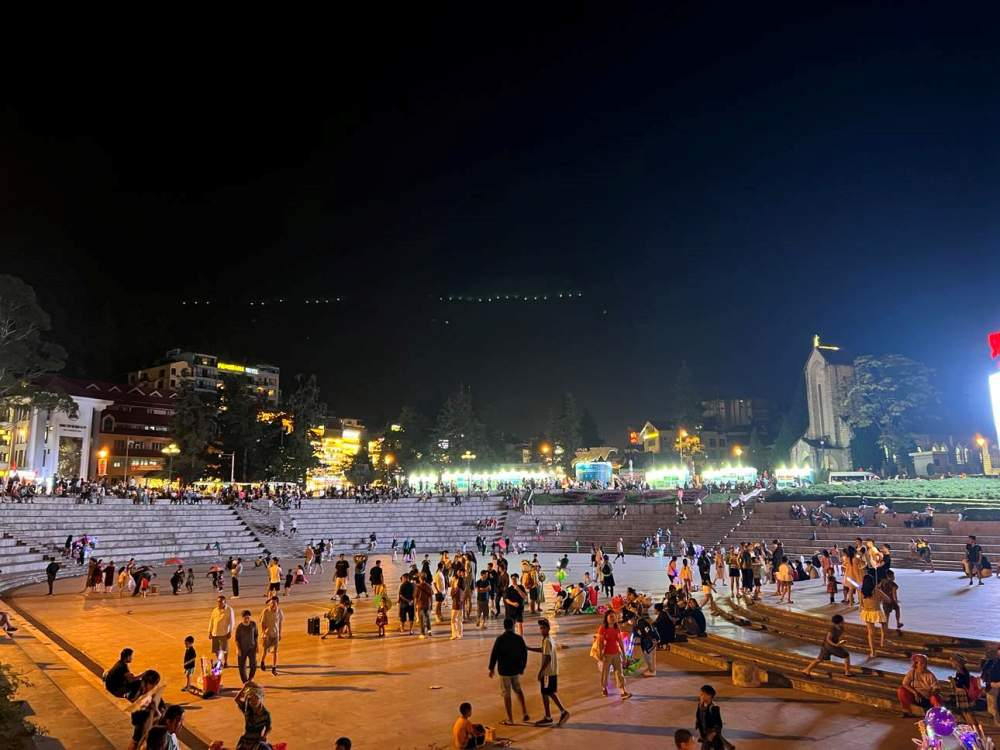
Sapa Square comes alive at night (Source: Collected)
The evening can also be an opportunity to explore Sapa Night Market and discover local handicrafts, souvenirs and regional snacks. Travellers interested in photography can experience the changing atmosphere of the town after sunset, while those who prefer a quieter evening can enjoy dinner and return to their accommodation for a good night's rest.
Leaving some free time in Sapa is particularly useful when planning a Hanoi Sapa itinerary. Mountain weather, transportation schedules and individual energy levels can affect the pace of the trip, so not every hour needs to be filled with sightseeing. A flexible evening allows visitors to enjoy Sapa at their own pace while preparing for the next stage of their Northern Vietnam journey.
3. Suggested Hanoi Sapa itinerary for 3 days 2 nights
3.1. Day 1 – Discover Hanoi before travelling to Sapa
Begin the journey in Hanoi with a morning or early afternoon dedicated to the city's historic and cultural highlights. Travellers can explore the Old Quarter, walk around Hoan Kiem Lake and discover the distinctive architecture and street life of the capital. This is also a good opportunity to enjoy traditional Vietnamese dishes such as pho or banh mi before beginning the journey north.
If arriving in Hanoi earlier in the day, visitors can use the afternoon to explore additional attractions or simply enjoy the atmosphere of the Old Quarter. Travellers who prefer a slower pace can stop at a local coffee shop, browse traditional shops or spend time sampling Vietnamese cuisine. Keeping the first day flexible is particularly useful for international visitors adjusting to a new destination and preparing for the journey to the mountains.
In the evening, depart Hanoi for Sapa by sleeper bus, limousine or another preferred form of transportation. Travellers choosing an overnight journey can rest during the transfer and arrive in Sapa with more daytime available for sightseeing. Those who prefer to travel during the day can instead arrive in Sapa in the evening, check into their accommodation and enjoy a relaxed dinner before beginning the main activities the following morning.
3.2. Day 2 – Explore Muong Hoa Valley and Sapa's cultural heritage
Start the second day with breakfast in Sapa before heading towards Muong Hoa Valley. The valley is known for its expansive terraced rice fields, mountain scenery and traditional villages spread across the surrounding hills. Depending on the season, travellers can see different colours and patterns across the terraces, creating constantly changing landscapes for photography and outdoor exploration.
Continue towards villages such as Lao Chai and Ta Van to discover another side of Sapa. Visitors can walk along village paths, observe traditional houses and learn more about local handicrafts, textiles and everyday community life. Spending time in these villages provides a closer connection with the cultural heritage of the Northwest and complements the natural scenery found throughout Muong Hoa Valley.
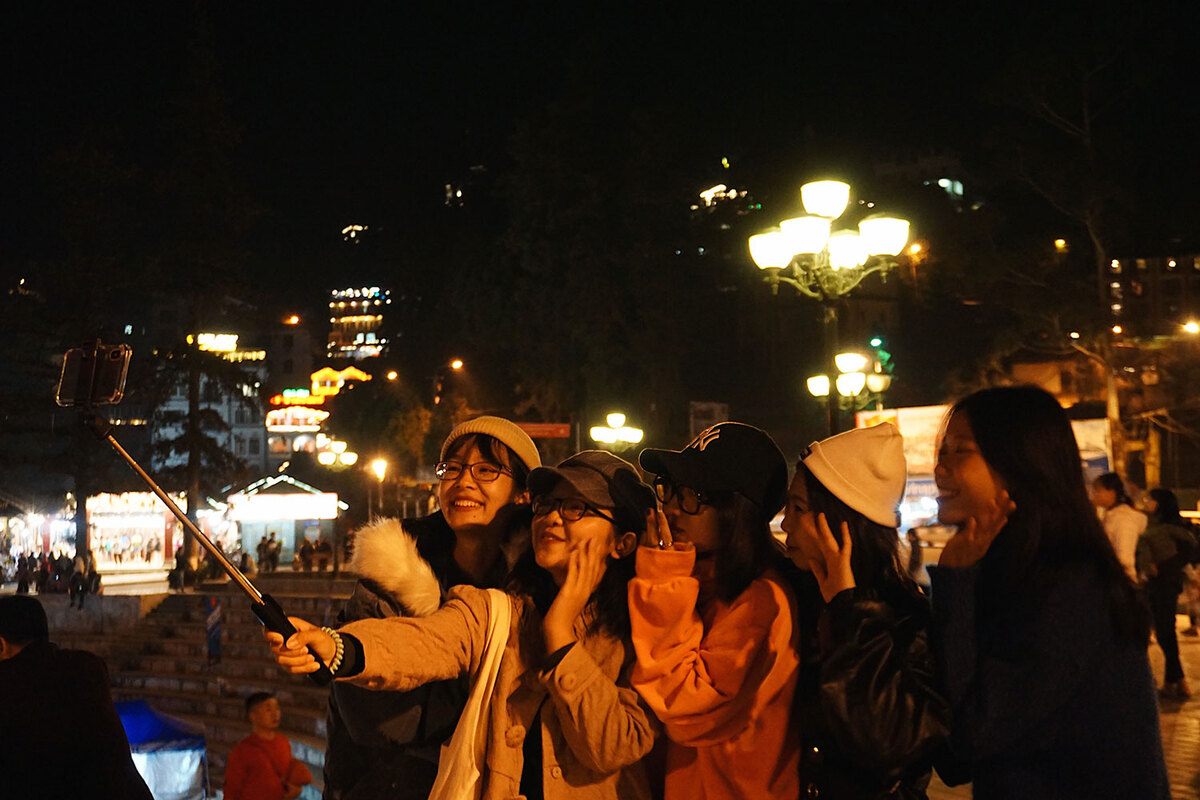
Tourists experiencing Sapa at night (Source: Collected)
Return to Sapa town in the afternoon for lunch and some time to rest. Later, travellers can explore the town centre, browse local products. In the evening, enjoy a Northwest-style dinner and explore Sapa Night Market or take a relaxed walk around town before resting for the next day's Fansipan adventure.
3.3. Day 3 – Conquer Fansipan and complete the mountain journey
Begin the final day with breakfast before travelling from Sapa town towards the Fansipan cable car departure area. Travellers can take the Muong Hoa mountain train as part of the journey, enjoying views of the surrounding mountains before continuing towards the cable car. The combination of the mountain train and cable car adds variety to the experience and makes the journey itself part of the sightseeing programme.

The natural scenery at the summit of Fansipan attracts many foreign tourists (Source: Collected)
The Fansipan cable car takes visitors towards the summit of Vietnam's highest mountain at 3,143 metres above sea level. After reaching the upper station, allow time to explore the summit area, walk along the stone stairways and discover the spiritual complex with its temples and Buddhist statues. Reaching the summit marker is one of the key highlights of the trip, while the surrounding Hoang Lien Son landscape provides memorable views when weather conditions are favourable.
After exploring Fansipan, travellers can enjoy lunch at Van Sam Buffet on the mountain before beginning the descent. The convenient location means visitors can take a proper break without returning to Sapa town for lunch. After the meal, descend from Fansipan and, depending on the departure schedule, spend some final time in Sapa before continuing the journey back to Hanoi or travelling onwards to another destination. This completes a balanced Hanoi Sapa itinerary combining urban culture, mountain landscapes, spiritual heritage and the distinctive traditions of Northwest Vietnam.
A well-planned Hanoi Sapa itinerary offers a rewarding introduction to Northern Vietnam by bringing together urban culture, mountain landscapes and local heritage. Travellers can begin with Hanoi's historic attractions before heading to Sapa to explore Muong Hoa Valley, traditional villages and May Village, then dedicate a day to Fansipan and its spiritual complex. With a balanced schedule and enough time for transportation, meals and rest, this journey provides a memorable way to experience the diverse character of Northern Vietnam.


